Research Articles
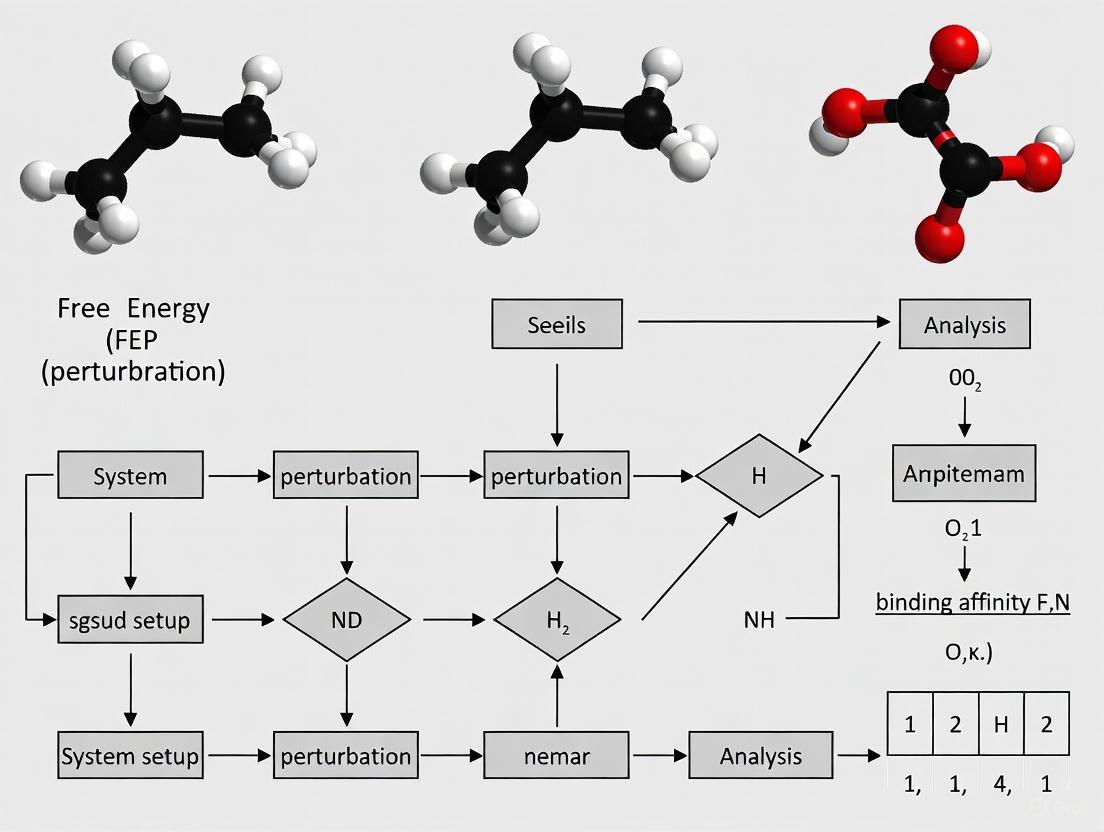
Mastering Free Energy Perturbation (FEP): A Comprehensive Guide to Accurate Binding Affinity Prediction in Drug Discovery
Free Energy Perturbation (FEP) has emerged as a rigorously physics-based computational method for predicting protein-ligand binding affinities with accuracy rivaling experimental reproducibility.
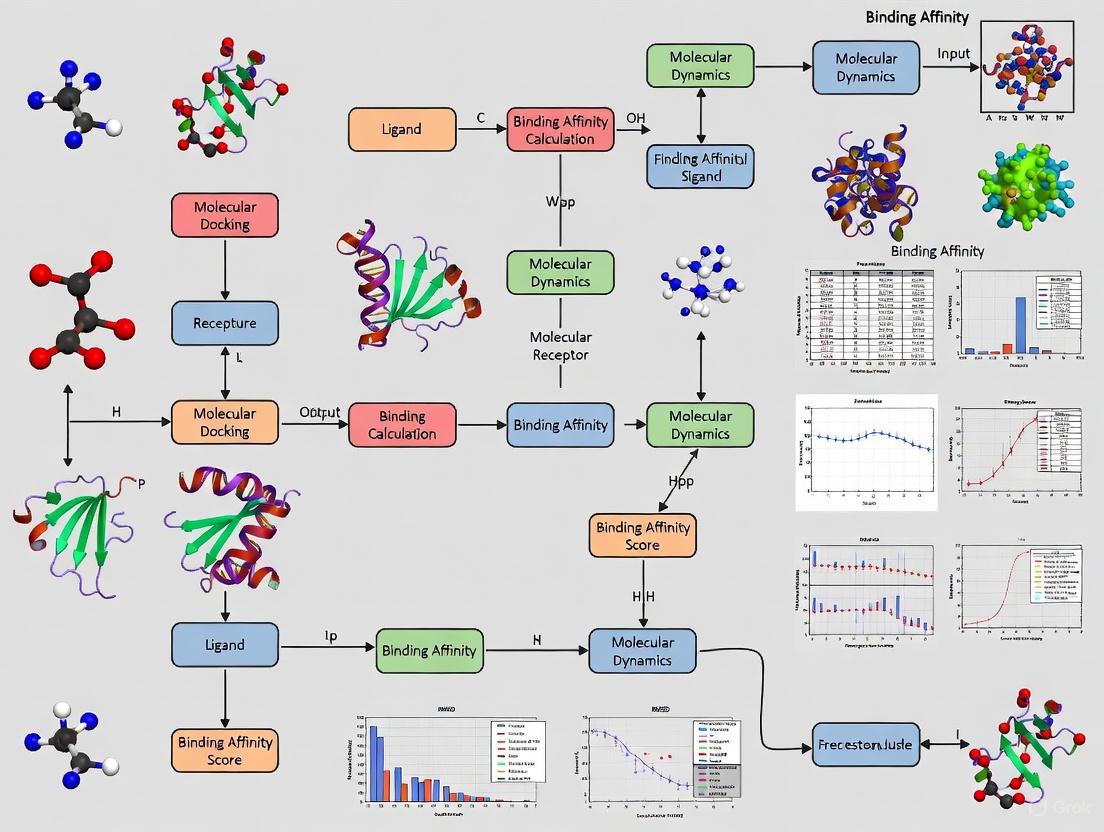
Molecular Dynamics Simulations for Binding Affinity Refinement: From Fundamental Principles to Advanced Applications in Drug Discovery
This article provides a comprehensive overview of molecular dynamics (MD) simulations for predicting and refining binding affinities in biomolecular complexes.
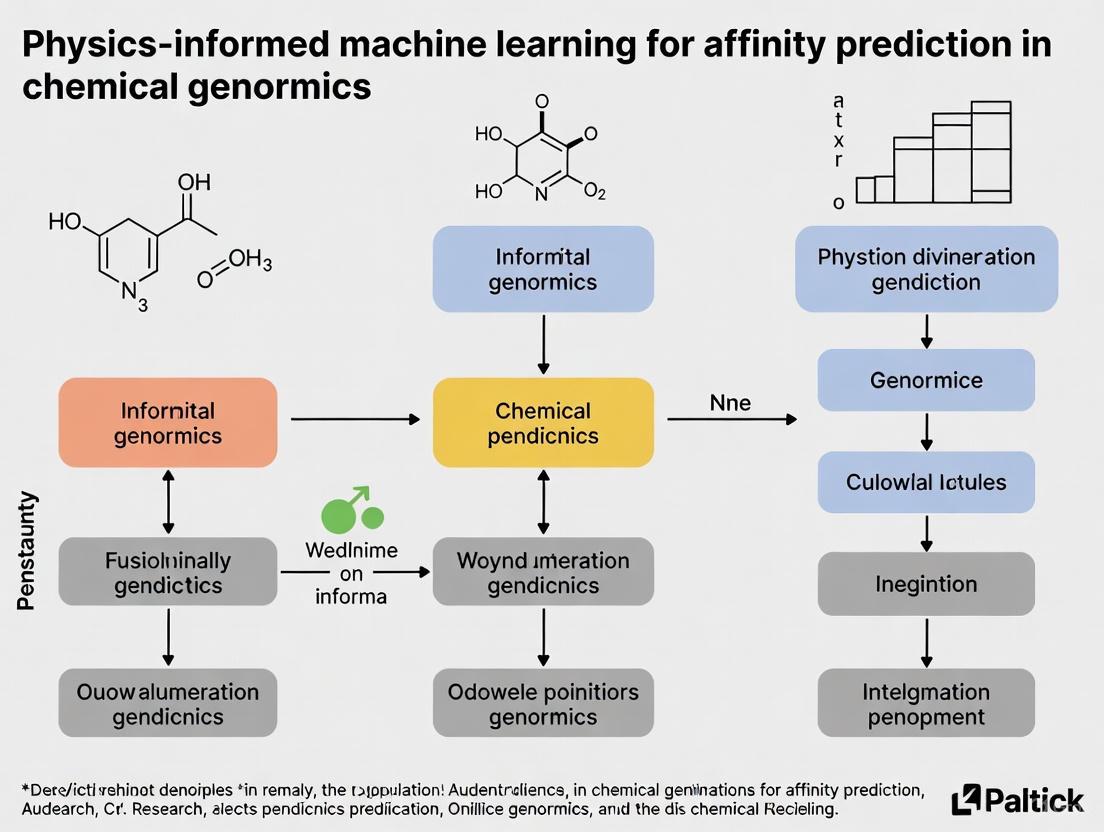
Physics-Informed Machine Learning for Affinity Prediction: A New Paradigm in Drug Discovery
This article explores the transformative integration of physics-informed machine learning (PIML) for predicting molecular binding affinity, a critical task in accelerating drug discovery.
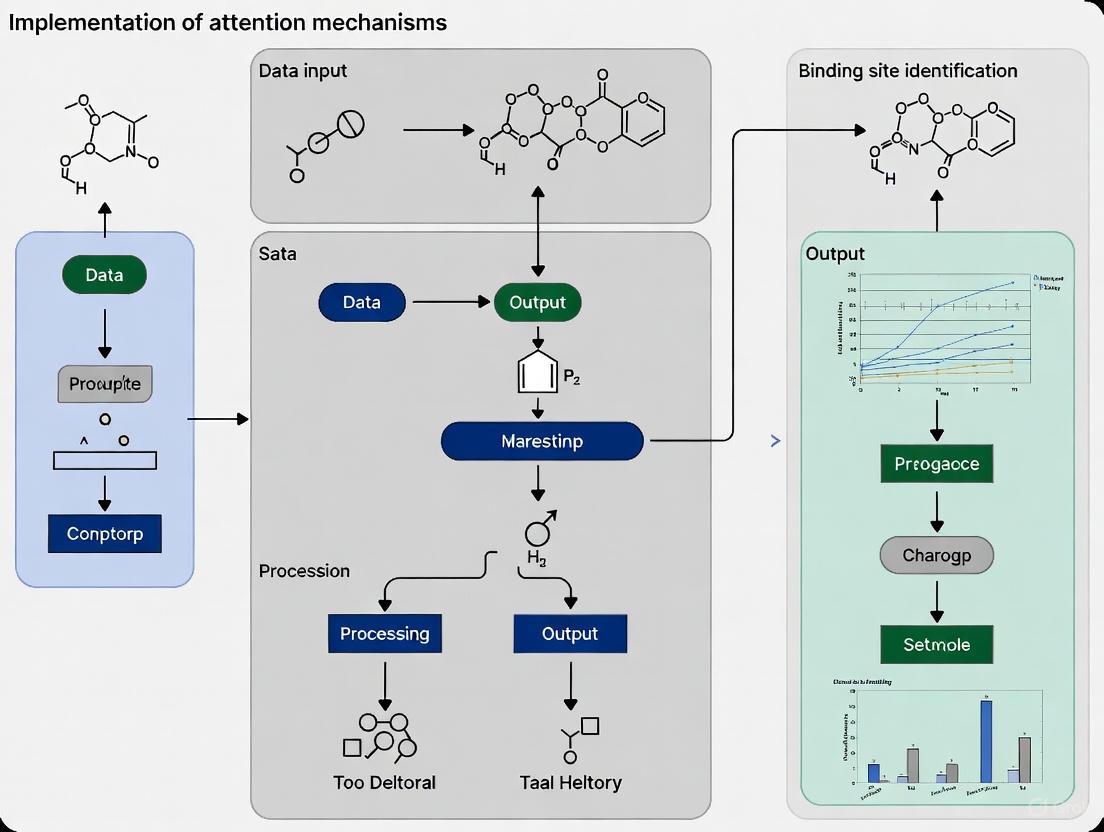
Leveraging Attention Mechanisms for Accurate Binding Site Identification in Drug Discovery
This article provides a comprehensive guide for researchers and drug development professionals on implementing attention mechanisms for protein-ligand binding site identification.
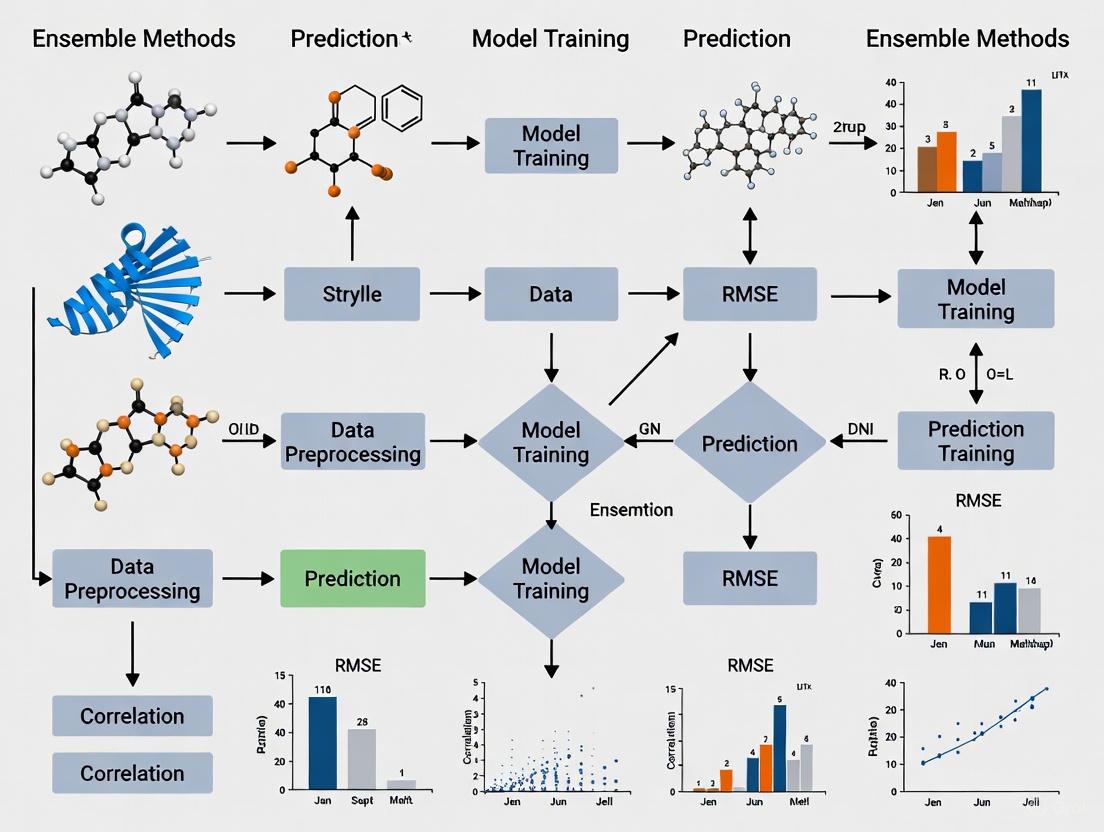
Ensemble Methods for Protein-Ligand Binding Affinity Prediction: Boosting Accuracy and Generalization in Drug Discovery
Accurate prediction of protein-ligand binding affinity is a critical challenge in structure-based drug design.
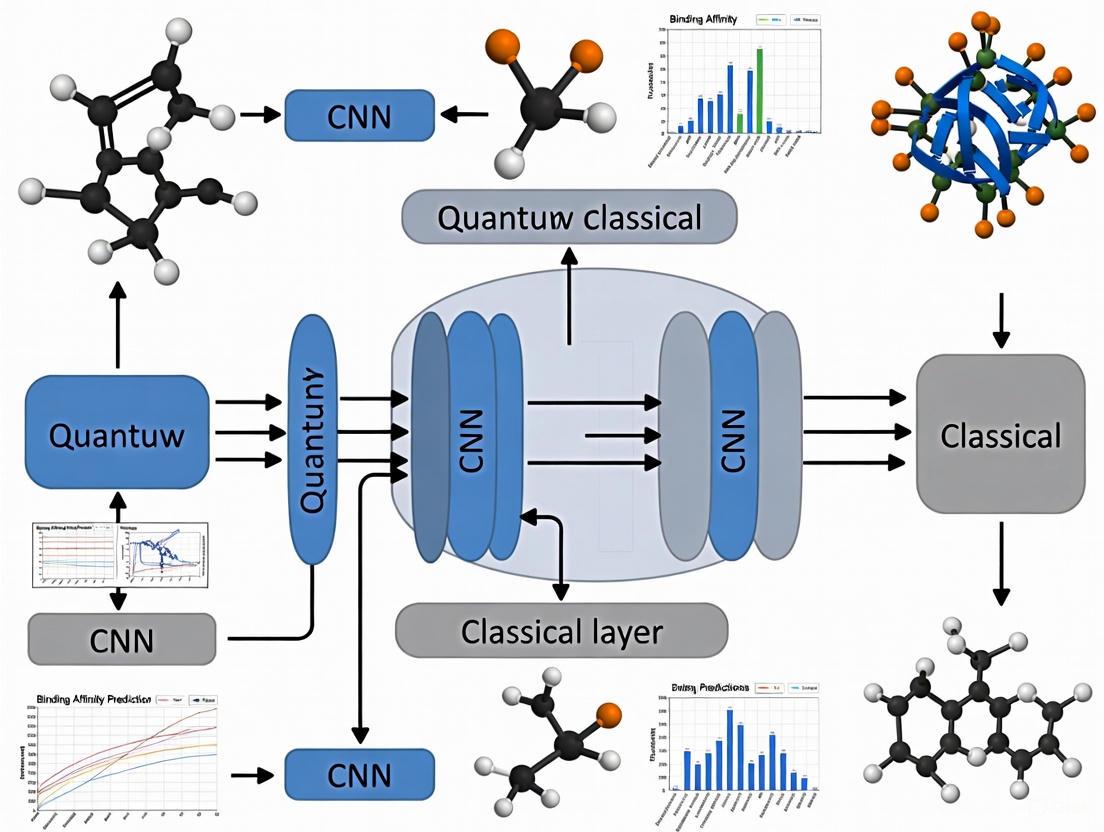
Hybrid Quantum-Classical CNNs: Revolutionizing Drug Discovery Through Enhanced Binding Affinity Prediction
Accurate prediction of protein-ligand binding affinity is crucial for accelerating drug discovery, yet remains computationally demanding for classical models.
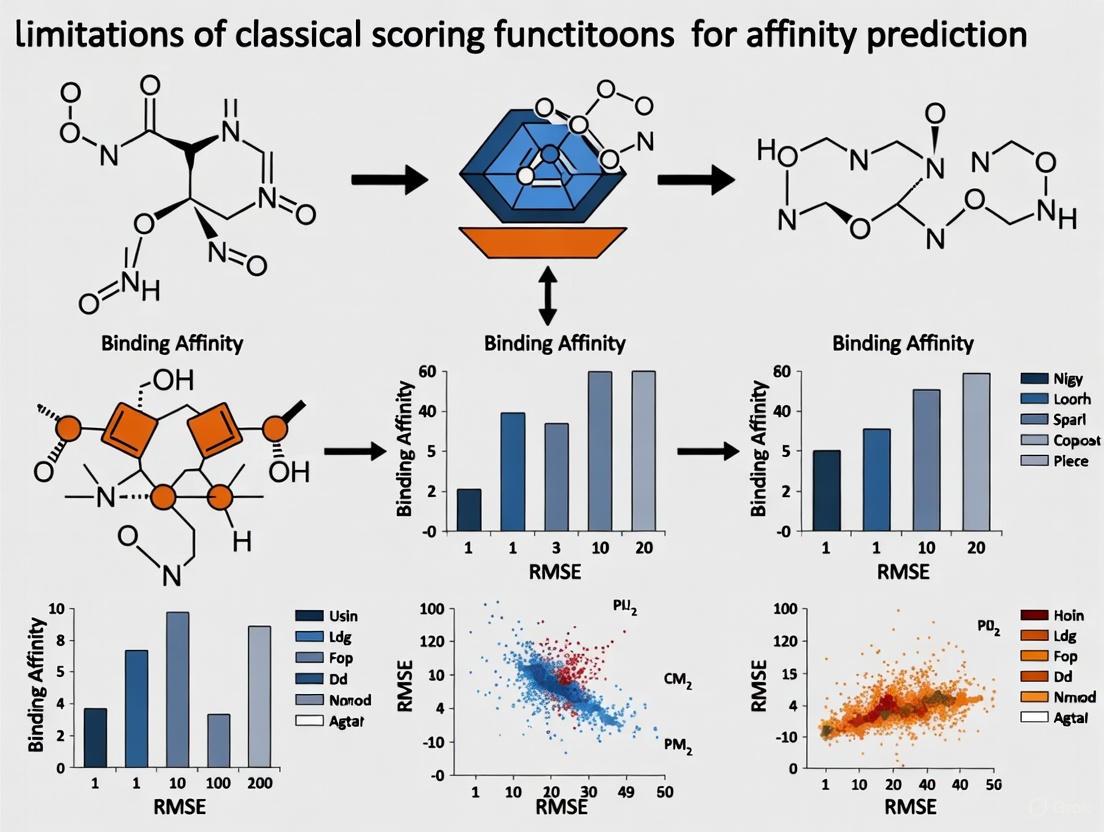
Beyond the Plateau: Uncovering the Critical Limitations of Classical Scoring Functions in Binding Affinity Prediction
Accurate prediction of protein-ligand binding affinity is a cornerstone of computer-aided drug discovery, yet the performance of classical scoring functions has remained stagnant.
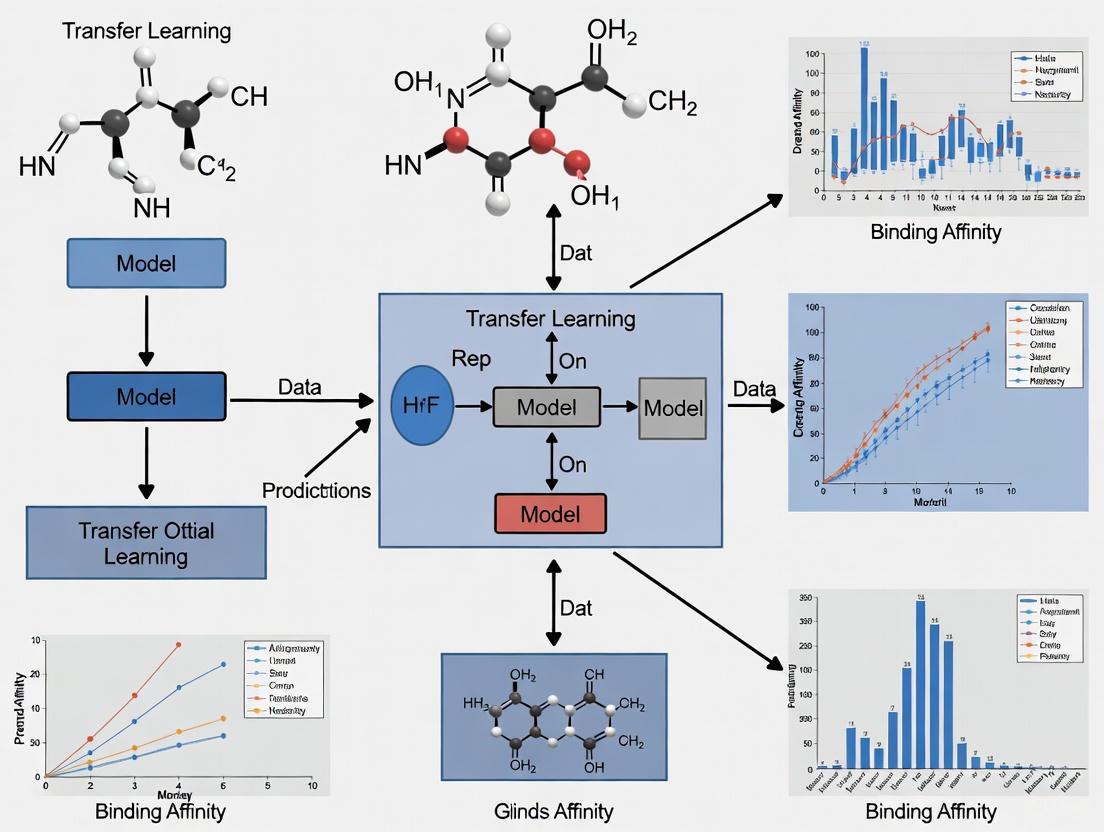
Boosting Binding Affinity Prediction: How Transfer Learning from Language Models is Revolutionizing Drug Discovery
Accurate prediction of drug-target binding affinity is a critical yet challenging task in computational drug discovery, traditionally hampered by limited labeled data and poor generalization.
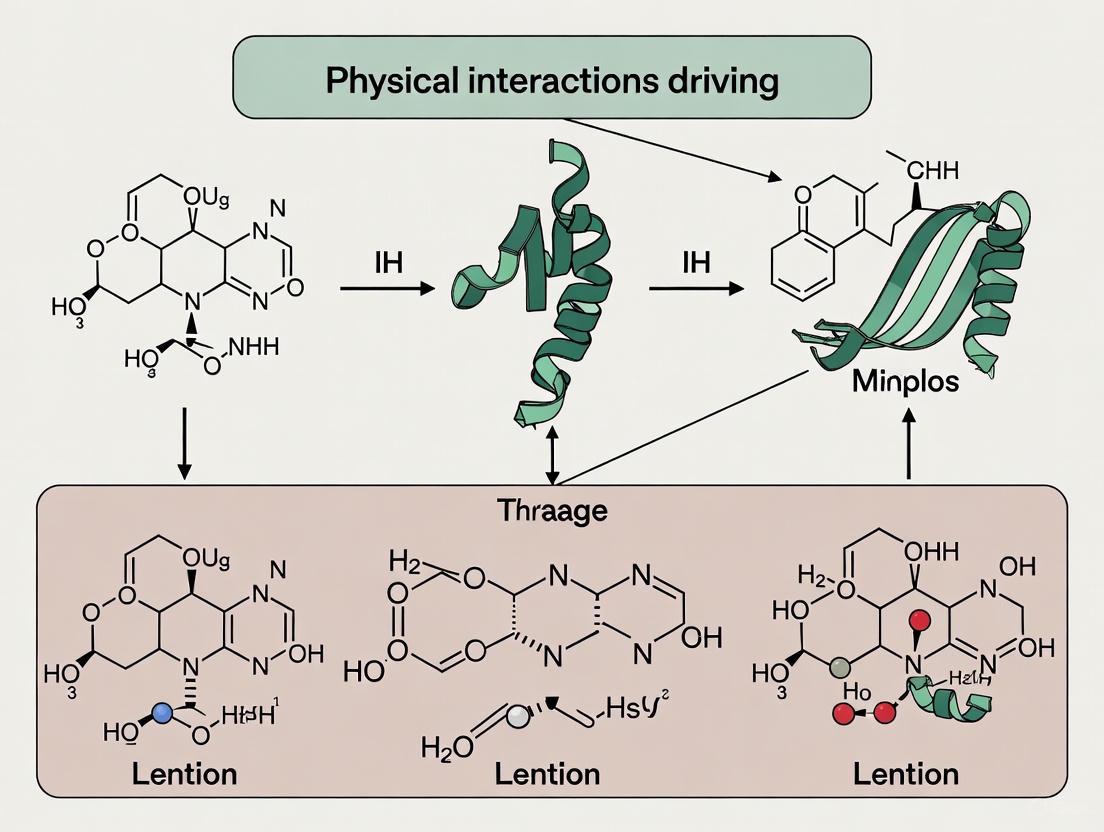
The Physical Forces of Drug Action: Decoding Protein-Ligand Interactions from Fundamentals to AI
This article provides a comprehensive analysis of the physical interactions governing protein-ligand binding, a cornerstone of modern drug discovery.
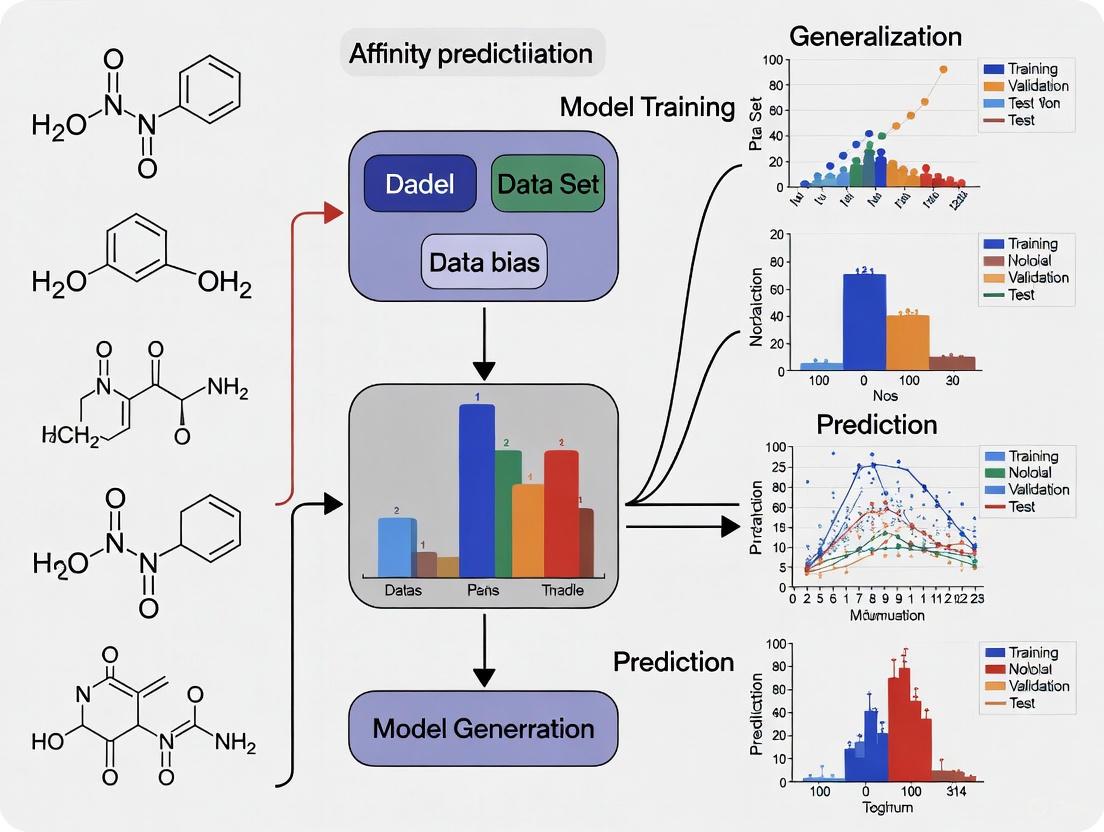
Beyond the Benchmark: Tackling Data Bias to Build Generalizable Affinity Prediction Models
Accurate prediction of drug-target binding affinity is crucial for computational drug discovery, yet the generalization capability of many deep learning models has been severely overestimated due to pervasive data bias.