Comparative Chemical Genomics Across Species: Unlocking Evolutionary Secrets for Drug Discovery
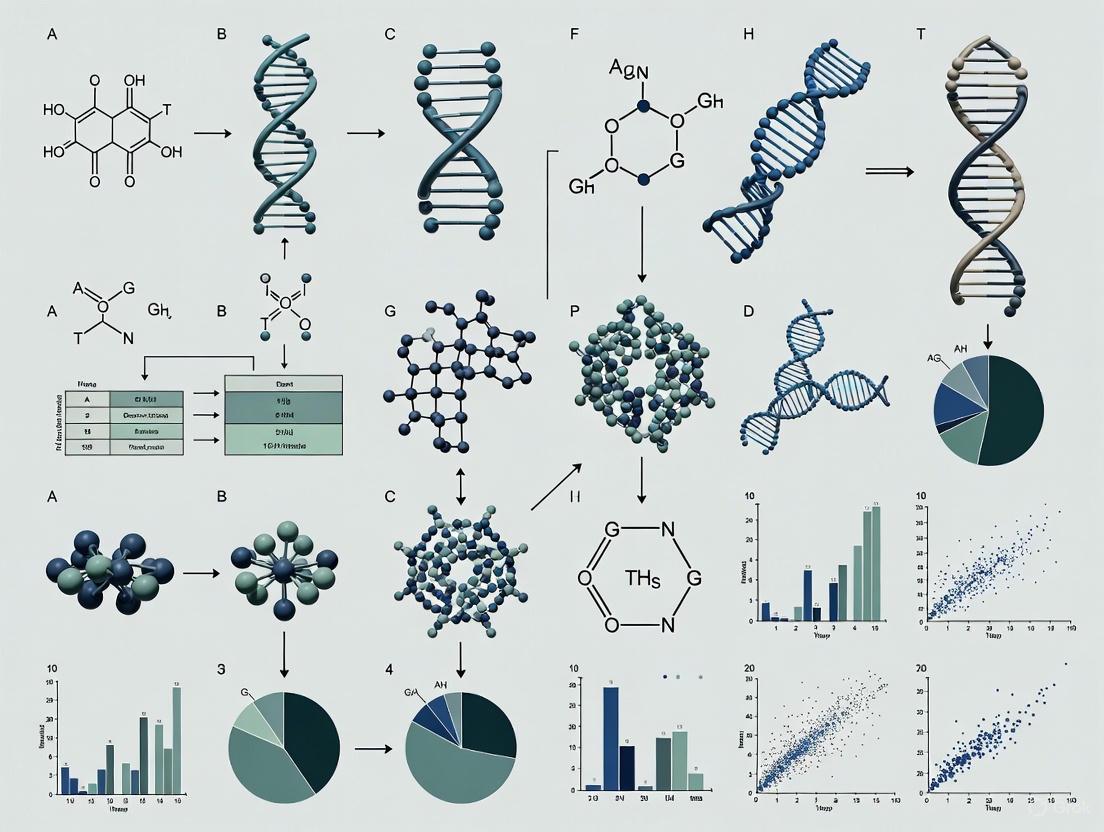
Comparative chemical genomics is a powerful paradigm that systematically investigates the interactions of small molecules with biological systems across diverse species.
Comparative Chemical Genomics Across Species: Unlocking Evolutionary Secrets for Drug Discovery
Abstract
Comparative chemical genomics is a powerful paradigm that systematically investigates the interactions of small molecules with biological systems across diverse species. This approach is revolutionizing drug discovery by enabling rapid target identification and validation, while also providing fundamental insights into gene function and evolutionary biology. This article explores the foundational principles of chemical genomics, detailing advanced methodologies from high-throughput screening to machine learning. It addresses key challenges such as batch effects and data integration, while highlighting validation strategies that leverage cross-species comparisons. By synthesizing knowledge from model organisms to human biology, comparative chemical genomics offers a unique framework for developing targeted therapeutics and understanding the functional conservation of biological pathways.
Chemical Genomics Foundations: From Basic Concepts to Cross-Species Applications
Chemical genomics (also termed chemogenomics) is a systematic approach in drug discovery that screens targeted chemical libraries of small molecules against families of biological targets, with the parallel goals of identifying novel therapeutic compounds and their protein targets [1]. This field represents a fundamental shift from traditional single-target drug discovery by enabling the exploration of all possible drug-like molecules against all potential targets derived from genomic information [1]. The completion of the human genome project provided an abundance of potential therapeutic targets, making chemogenomics an increasingly powerful strategy for understanding biological systems and accelerating drug development [1].
Two complementary experimental approaches define the field: forward chemogenomics, which begins with a phenotypic screen to identify bioactive compounds whose molecular targets are subsequently identified, and reverse chemogenomics, which starts with a specific protein target and screens for compounds that modulate its activity [1]. Both strategies ultimately aim to connect small molecule perturbations to biological outcomes, creating "targeted therapeutics" that precisely modulate specific molecular pathways [1].
Table 1: Core Approaches in Chemical Genomics
| Approach | Starting Point | Screening Method | Primary Goal | Typical Applications |
|---|---|---|---|---|
| Forward Chemogenomics | Phenotype of interest | Cell-based or organism-based phenotypic assays | Identify compounds inducing desired phenotype, then determine targets [1] | Discovery of novel drug targets and mechanisms [1] |
| Reverse Chemogenomics | Specific protein target | In vitro protein-binding or functional assays | Find compounds modulating specific target, then characterize phenotypic effects [1] | Target validation and drug optimization [1] |
Experimental Methodologies in Chemical Genomics
Forward Chemogenomics Workflow
Forward chemogenomics begins with the observation of a biological phenotype and works backward to identify the molecular targets responsible. The methodology typically involves several key stages:
Phenotypic Screening: Researchers first develop robust assays that measure biologically relevant phenotypes such as cell viability, morphological changes, or reporter gene expression in response to compound treatment [2]. These assays are typically conducted in disease-relevant cellular systems to maximize translational potential.
Hit Identification: Compound libraries are screened against the phenotypic assay to identify "hits" that produce the desired biological effect. These libraries may contain known bioactive compounds or diverse chemical structures.
Target Deconvolution: Once bioactive compounds are identified, the challenging process of target identification begins. Multiple experimental approaches are employed for this critical step:
Affinity-based pull-down methods: These techniques use small molecules conjugated with tags (such as biotin or fluorescent tags) to selectively isolate target proteins from complex biological mixtures like cell lysates [3]. The tagged small molecule serves as bait to capture binding partners, which are then identified through mass spectrometry [3].
Label-free methods: These approaches identify small molecule targets without chemical modification of the compound. Techniques include Drug Affinity Responsive Target Stability (DARTS), which exploits the protection against proteolysis that occurs when a small molecule binds to its target protein [3].
- Target Validation: Candidate targets are validated through genetic and biochemical approaches, including CRISPR-based gene editing, RNA interference, and biochemical confirmation of direct binding [4].
Reverse Chemogenomics Workflow
Reverse chemogenomics takes the opposite approach, beginning with a defined molecular target and progressing to phenotypic analysis:
Target Selection: Researchers select a specific protein target based on its suspected role in a biological pathway or disease process. This target is often a member of a well-characterized protein family such as kinases, GPCRs, or nuclear receptors [1].
In Vitro Screening: Compound libraries are screened against the purified target protein using biochemical assays that measure binding or functional modulation. High-throughput screening technologies enable testing of hundreds of thousands of compounds.
Hit Validation and Optimization: Primary screening hits are validated through dose-response experiments and counter-screens to eliminate false positives. Medicinal chemistry approaches then optimize validated hits to improve potency, selectivity, and drug-like properties.
Phenotypic Characterization: Optimized compounds are tested in cellular and organismal models to determine their biological effects and potential therapeutic utility [1].
Key Target Identification Technologies
Comparative Analysis of Target Identification Methods
Table 2: Experimental Methods for Small Molecule Target Identification
| Method | Principle | Key Advantages | Key Limitations | Example Applications |
|---|---|---|---|---|
| Affinity-Based Pull-Down | Uses tagged small molecules to isolate binding partners from biological samples [3] | Direct physical evidence of binding; works with complex protein mixtures [3] | Chemical modification may alter bioactivity; false positives from non-specific binding [3] | Identification of vimentin as target of withaferin A [3] |
| On-Bead Affinity Matrix | Immobilizes small molecules on solid support to capture interacting proteins [3] | High sensitivity; compatible with diverse detection methods [3] | Potential steric hindrance from solid support; requires sufficient binding affinity [3] | Identification of USP9X as target of BRD0476 [3] |
| Drug Affinity Responsive Target Stability (DARTS) | Explores proteolysis protection upon ligand binding without chemical modification [3] | No chemical modification required; uses native compound [3] | May miss low-affinity interactions; requires optimized proteolysis conditions [3] | Identification of eIF4A as target of resveratrol [3] |
| CRISPRres | Uses CRISPR-Cas-induced mutagenesis to generate drug-resistant protein variants [4] | Direct functional evidence; identifies resistance mutations in essential genes [4] | Limited to cellular contexts; technically challenging [4] | Identification of NAMPT as target of KPT-9274 [4] |
CRISPR-Based Approaches for Target Identification
The CRISPRres method represents a powerful genetic approach for target identification that exploits CRISPR-Cas-induced non-homologous end joining (NHEJ) repair to generate diverse protein variants [4]. This methodology involves:
Library Design: Designing sgRNA tiling libraries that target known or suspected drug resistance hotspots in essential genes.
Mutagenesis: Introducing CRISPR-Cas-induced double-strand breaks in the target loci, followed by error-prone NHEJ repair that generates a wide variety of in-frame mutations.
Selection: Applying drug selection pressure to enrich for resistant cell populations containing functional mutations that confer drug resistance.
Variant Identification: Sequencing the targeted loci in resistant populations to identify specific mutations that confer resistance, thereby nominating the drug target [4].
This approach was successfully applied to identify nicotinamide phosphoribosyltransferase (NAMPT) as the cellular target of the anticancer agent KPT-9274, demonstrating its utility for deconvolution of small molecule mechanisms of action [4].
Chemical Genomics in Cross-Species Research
Comparative genomics provides a foundational framework for chemical genomics by enabling researchers to identify conserved biological pathways and species-specific differences that influence drug response [5]. The integration of these fields creates powerful opportunities for understanding drug action and improving therapeutic development.
Principles of Cross-Species Extrapolation
Cross-species extrapolation in chemical genomics relies on several key principles:
Genetic Conservation: Many genes and biological pathways are conserved across species, enabling researchers to use model organisms to study human biology and disease. For example, approximately 60% of genes are conserved between fruit flies and humans, and two-thirds of human cancer genes have counterparts in the fruit fly [5].
Functional Equivalence: Orthologous proteins often perform similar functions in different species, allowing compounds that modulate these targets in model systems to have translational potential for human therapeutics.
Adaptive Evolution: Different selective pressures across species can lead to functional divergence in drug targets, which must be considered when extrapolating results from model organisms to humans [6].
Table 3: Cross-Species Genomic Comparisons in Drug Discovery
| Comparison | Genomic Insights | Chemical Genomics Applications | References |
|---|---|---|---|
| Human-Fly Comparison | ~60% gene conservation; 2/3 cancer genes have fly counterparts [5] | Use Drosophila models for initial compound screening and target validation [5] | [5] |
| Yeast-Human Comparison | Conserved cellular pathways; revised initial yeast gene catalogs [5] | Study fundamental cellular processes and identify conserved drug targets [5] | [5] |
| Mouse-Human Comparison | Similar gene regulatory systems demonstrated by ENCODE projects [5] | Preclinical validation of drug efficacy and safety [5] | [5] |
| Bird-Human Comparison | Gene networks for singing may relate to human speech and language [5] | Identify novel targets for neurological disorders [5] | [5] |
Applications in Invasion Genomics
Chemical genomics approaches are increasingly applied in invasion genomics to understand how invasive species adapt to new environments and to develop strategies for their control [6]. Key applications include:
Identification of Invasion-Related Genes: Genomic analyses can reveal genes under selection during invasion events, which may represent potential targets for species-specific control agents [6].
Understanding Adaptive Mechanisms: Studies of invasive species have identified several genomic mechanisms that facilitate adaptation to novel environments, including:
- Standing genetic variation: Pre-existing genetic diversity in native populations that provides substrate for rapid adaptation [6]
- Hybridization and introgression: Mixing of genetically distinct populations that increases adaptive potential [6]
- Gene flow: Maintenance of genetic connectivity that spreads beneficial alleles across populations [6]
- Development of Selective Control Agents: Chemical genomics approaches can identify compounds that specifically target invasive species while minimizing effects on non-target organisms, leveraging genomic differences between native and invasive species [6].
The Scientist's Toolkit: Essential Research Reagents
Table 4: Key Research Reagents for Chemical Genomics Studies
| Reagent/Category | Function | Example Applications |
|---|---|---|
| Affinity Tags | Enable purification and identification of small molecule-binding proteins [3] | Biotin tags for streptavidin pull-down; fluorescent tags for visualization [3] |
| Solid Supports | Provide matrix for immobilizing small molecules in affinity purification [3] | Agarose beads for on-bead affinity approaches [3] |
| CRISPR-Cas Systems | Generate targeted genetic variation for resistance screening [4] | SpCas9 and AsCpf1 for creating functional mutations in essential genes [4] |
| Mass Spectrometry | Identify proteins isolated through affinity-based methods [3] | LC-HRMS for protein identification and quantification [3] |
| Chemical Libraries | Provide diverse small molecules for screening against targets or phenotypes [1] | Targeted libraries for specific protein families; diverse libraries for phenotypic screening [1] |
| Model Organism Genomes | Enable comparative genomics and cross-species extrapolation [5] | Fruit fly, yeast, mouse genomes for evolutionary comparisons and target validation [5] |
Chemical genomics represents a powerful integrative approach that bridges small molecule chemistry and genomic science to accelerate therapeutic discovery. By systematically exploring the interactions between chemical compounds and biological targets, this field enables both the identification of novel drug targets and the development of targeted therapeutics. The continuing advancement of technologies such as CRISPR-based screening methods, improved affinity purification techniques, and sophisticated computational tools will further enhance our ability to connect small molecules to their genomic targets. As comparative genomics provides increasingly detailed insights into functional conservation and divergence across species, chemical genomics approaches will become even more precise and predictive, ultimately improving the success rate of therapeutic development and enabling more personalized treatment strategies.
Chemical genomics (or chemogenomics) is a systematic approach that screens libraries of small molecules against families of drug targets to identify novel drugs and drug targets [1]. It integrates target and drug discovery by using active compounds as probes to characterize proteome functions, with the interaction between a small compound and a protein inducing a phenotype that can be characterized and linked to molecular events [1]. This field is particularly powerful because it can modify protein function in real-time, allowing observation of phenotypic changes upon compound addition and interruption after its withdrawal [1]. Within this discipline, two complementary experimental approaches have emerged: forward (classical) chemogenomics and reverse chemogenomics, which differ in their starting points and methodologies but share the common goal of linking chemical compounds to biological functions [1].
Defining the Approaches
Forward Chemical Genomics
Forward chemical genomics begins with a phenotypic observation and works to identify the small molecules and their protein targets responsible for that phenotype [1]. This approach investigates a particular biological function where the molecular basis is unknown, identifies compounds that modulate this function, and then uses these modulators as tools to discover the responsible proteins [1]. For example, in a scenario where researchers observe a desired loss-of-function phenotype like arrest of tumor growth, they would first identify compounds that induce this phenotype, then work to identify the gene and protein targets involved [1]. The main challenge of this strategy lies in designing phenotypic assays that enable direct progression from screening to target identification [1].
Reverse Chemical Genomics
Reverse chemical genomics starts with a known protein target and searches for small molecules that specifically interact with it, then analyzes the phenotypic effects induced by these molecules [1]. Researchers first identify compounds that perturb the function of a specific enzyme in controlled in vitro assays, then analyze the biological response these molecules elicit in cellular systems or whole organisms [1]. This approach, which resembles traditional target-based drug discovery strategies, is enhanced by parallel screening capabilities and the ability to perform lead optimization across multiple targets belonging to the same protein family [1]. It is particularly valuable for confirming the biological role of specific enzymes and validating targets [1].
Table 1: Core Characteristics of Forward and Reverse Chemical Genomics
| Characteristic | Forward Chemical Genomics | Reverse Chemical Genomics |
|---|---|---|
| Starting Point | Observable phenotype | Known gene/protein target |
| Primary Goal | Identify modulating compounds and their molecular targets | Determine biological function of a specific target |
| Approach Nature | Hypothesis-generating, discovery-oriented | Hypothesis-driven, validation-focused |
| Typical Workflow | Phenotype → Compound screening → Target identification | Known target → Compound screening → Phenotypic analysis |
| Key Challenge | Designing assays that enable direct target identification | Connecting target modulation to relevant biological phenotypes |
Methodologies and Workflows
Experimental Design and Screening Strategies
Both forward and reverse chemical genomics approaches employ systematic screening strategies but differ fundamentally in their experimental design. Forward chemical genomics typically employs phenotypic screens on cells or whole organisms, where the readout is a measurable biological effect such as changes in cell morphology, proliferation, or reporter gene expression [1] [7]. These assays are designed to capture complex biological responses without requiring prior knowledge of specific molecular targets. In contrast, reverse chemical genomics often begins with target-based screens using purified proteins or defined cellular pathways, employing techniques such as enzymatic activity assays, binding studies, or protein-protein interaction assays to identify modulators of known targets [1].
The screening compounds themselves differ in these approaches. Forward chemical genomics often utilizes diverse, structurally complex compound libraries, including natural products from traditional medicines which have "privileged structures" that frequently interact with biological systems [1]. Reverse chemical genomics frequently employs more targeted libraries focused on specific protein families, containing known ligands for at least some family members under the principle that compounds designed for one family member may bind to others [1].
Workflow Comparison: Forward vs. Reverse Chemical Genomics
Target Identification and Validation Techniques
Target identification in forward chemical genomics represents one of the most challenging aspects of the approach. Once phenotype-modulating compounds are identified, several techniques can be employed to find their molecular targets, including affinity chromatography, protein microarrays, and chemical proteomics [1]. More recently, chemogenomic profiling has emerged as a powerful method that compares the fitness of thousands of mutants under chemical treatment to identify target pathways [8]. For instance, a study on Acinetobacter baumannii used CRISPR interference knockdown libraries screened against chemical inhibitors to elucidate essential gene function and antibiotic mechanisms [8].
In reverse chemical genomics, target validation typically involves demonstrating that the phenotypic effects of a compound are specifically mediated through its interaction with the intended target. This often employs genetic approaches such as RNA interference, CRISPR-Cas9 gene editing, or the use of resistant target variants [9] [8]. The recent integration of CRISPR technologies with chemical screening has significantly enhanced both approaches, enabling more precise target validation and functional assessment [10] [8].
Table 2: Key Techniques in Forward and Reverse Chemical Genomics
| Application | Forward Chemical Genomics Techniques | Reverse Chemical Genomics Techniques |
|---|---|---|
| Primary Screening | Phenotypic assays on cells/organisms, high-content imaging | Target-based assays (binding, enzymatic activity) |
| Hit Identification | Compound library screening, structure-activity relationships | High-throughput screening, virtual screening |
| Target Identification | Affinity purification, chemical proteomics, chemogenomic profiling | Genetic manipulation (CRISPR, RNAi), resistant variants |
| Validation Methods | Genetic complementation, target engagement assays | Phenotypic rescue, pathway analysis, animal models |
Applications in Research and Drug Discovery
Determining Mechanisms of Action
Chemical genomics approaches have proven particularly valuable for determining the mechanism of action (MOA) of therapeutic compounds, especially those derived from traditional medicine systems [1]. Traditional Chinese medicine and Ayurvedic formulations contain compounds that are typically more soluble than synthetic compounds and possess "privileged structures" that frequently interact with biological targets [1]. Forward chemical genomics has been used to identify the molecular targets underlying the phenotypic effects of these traditional medicines. For example, studies on the therapeutic class of "toning and replenishing medicine" in TCM identified sodium-glucose transport proteins and PTP1B (an insulin signaling regulator) as targets linked to hypoglycemic activity [1]. Similarly, analysis of Ayurvedic anti-cancer formulations revealed enrichment for targets directly connected to cancer progression such as steroid-5-alpha-reductase and synergistic targets like the efflux pump P-gp [1].
Identifying Novel Drug Targets
Both approaches have demonstrated significant utility in identifying novel therapeutic targets, particularly for challenging areas like antibiotic development [1] [8]. Reverse chemical genomics profiling has been used to map existing ligand libraries to unexplored members of target families, as demonstrated in a study that mapped a murD ligase ligand library to other members of the mur ligase family (murC, murE, murF, murA, and murG) to identify new targets for known ligands [1]. This approach successfully identified potential broad-spectrum Gram-negative inhibitors since the peptidoglycan synthesis pathway is exclusive to bacteria [1]. Similarly, forward chemical genomics screens have identified essential gene vulnerabilities in pathogens like Acinetobacter baumannii, revealing potential new antibiotic targets by examining chemical-gene interactions across essential gene knockdowns [8].
Elucidating Biological Pathways
Chemical genomics has proven instrumental in elucidating complex biological pathways, sometimes resolving long-standing mysteries in biochemistry [1]. In one notable example, researchers used chemogenomics approaches to identify the enzyme responsible for the final step in the synthesis of diphthamide, a posttranslationally modified histidine derivative found on translation elongation factor 2 (eEF-2) [1]. Despite thirty years of study, the enzyme catalyzing the amidation of dipthine to diphthamide remained unknown. By leveraging Saccharomyces cerevisiae cofitness data - which measures similarity of growth fitness under various conditions between different deletion strains - researchers identified YLR143W as the strain with highest cofitness to strains lacking known diphthamide biosynthesis genes, subsequently confirming it as the missing diphthamide synthetase through experimental validation [1].
Research Toolkit: Essential Reagents and Technologies
Compound Libraries and Screening Platforms
The foundation of any chemical genomics approach is a well-characterized compound library. Targeted chemical libraries for reverse approaches often include known ligands for specific protein families, leveraging the principle that compounds designed for one family member may bind to others [1]. More diverse libraries for forward approaches may include natural products, such as those derived from sponges, which have been described as "the richest source of new potential pharmaceutical compounds in the world's oceans" [11]. High-throughput screening platforms enable the testing of these compound libraries against biological systems, ranging from in vitro enzymatic assays to whole-organism phenotypic screens [1] [7].
Genetic Tools and Model Systems
Modern chemical genomics heavily relies on genetic tools for target identification and validation. CRISPR interference (CRISPRi) has emerged as a particularly powerful technology, using a deactivated Cas9 protein (dCas9) directed by single guide RNAs (sgRNAs) to specifically knockdown gene expression without eliminating gene function [8]. This approach enables the study of essential genes in bacteria and other organisms [8]. Model organisms ranging from yeast to zebrafish and mice continue to play crucial roles in chemical genomics, with each offering specific advantages for different biological questions [10] [9].
Omics Technologies and Bioinformatics
Advanced omics technologies and bioinformatic analysis form the analytical backbone of modern chemical genomics. Chemogenomic profiling generates massive datasets that require sophisticated computational tools for interpretation [12] [8]. For example, a 2025 study on Acinetobacter baumannii employed chemical-genetic interaction profiling to measure phenotypic responses of CRISPRi knockdown strains to 45 different chemical stressors, generating complex datasets that revealed essential gene networks and informed antibiotic function [8]. Integration of phenotypic and chemoinformatic data allows researchers to identify potential target pathways for inhibitors and distinguish physiological impacts of structurally related compounds [8].
Table 3: Essential Research Reagents and Technologies
| Category | Specific Tools/Reagents | Function/Application |
|---|---|---|
| Compound Libraries | Targeted chemical libraries, natural product collections, FDA-approved drug libraries | Source of small molecule modulators for screening |
| Genetic Tools | CRISPRi knockdown libraries, RNAi collections, transposon mutant libraries | Target identification and validation |
| Screening Platforms | High-throughput phenotypic assays, high-content imaging systems, automated liquid handling | Enable large-scale compound screening |
| Detection Methods | Reporter assays, binding assays, enzymatic activity measurements, fitness readouts | Measure compound-target interactions and phenotypic effects |
| Analytical Tools | Chemoinformatic software, network analysis algorithms, data integration platforms | Interpret complex chemical-genetic interaction datasets |
Research Resources and Applications in Chemical Genomics
Comparative Analysis Across Species
The integration of chemical genomics approaches across multiple species represents a powerful strategy for understanding fundamental biological processes and enhancing drug discovery. Cross-species comparisons leverage evolutionary diversity to distinguish conserved core processes from species-specific adaptations, providing valuable insights for antibiotic development where selective toxicity is paramount [8]. For example, essential genes identified through chemical-genetic interaction profiling in pathogenic bacteria like Acinetobacter baumannii can be compared with orthologs in model organisms or commensal bacteria to identify targets with the greatest therapeutic potential [8].
The application of chemical genomics in diverse organisms has revealed both conserved and specialized biological mechanisms. Sponges, which represent some of the earliest metazoans, have been found to possess sophisticated chemical defense systems and symbiotic relationships with diverse microorganisms [11]. Genomic studies of sponges through initiatives like the Aquatic Symbiosis Genomics Project have revealed that they are "the richest source of new potential pharmaceutical compounds in the world's oceans," with thousands of chemical compounds recovered from this animal phylum alone [11]. These natural products provide valuable chemical starting points for both forward and reverse chemical genomics approaches across multiple species.
Modern genomics services and technologies are increasingly facilitating cross-species chemical genomics. Next-generation sequencing platforms have dramatically reduced the cost and time required for genome sequencing, making comparative genomics more accessible [12] [11]. The integration of artificial intelligence and machine learning with multi-omics data enables prediction of gene function and chemical-target interactions across species boundaries [12]. Cloud computing platforms provide the scalable infrastructure needed to manage and analyze the massive datasets generated by cross-species chemical genomics studies [12].
Forward and reverse chemical genomics represent complementary paradigms in functional genomics and drug discovery, each with distinct strengths and applications. Forward chemical genomics excels at discovering novel biological mechanisms and identifying unexpected drug targets by starting with phenotypic observations, while reverse chemical genomics provides a more targeted approach for validating specific targets and understanding their biological functions [1]. The integration of both approaches, facilitated by advanced technologies such as CRISPR screening, high-throughput sequencing, and bioinformatic analysis, provides a powerful framework for elucidating gene function and identifying therapeutic opportunities across diverse species [10] [12] [8]. As chemical genomics continues to evolve, the complementary application of forward and reverse approaches will remain essential for advancing our understanding of biological systems and accelerating drug discovery.
Comparative genomics provides a powerful lens through which scientists can decipher the evolutionary history of life and uncover the genetic underpinnings of biological form and function. By comparing the complete genome sequences of different species, researchers can pinpoint regions of similarity and difference, identifying genes that are essential to life and those that grant each organism its unique characteristics [5] [13]. This approach has moved from a specialized field to a cornerstone of modern biological research, with profound implications for understanding human health and disease [14].
Foundations in Evolutionary Biology
At its core, comparative genomics is a direct test of evolutionary theory. The affinities between all living beings, famously represented by Darwin's "great tree," can now be examined at the most fundamental level—the DNA sequence [15].
The classic view of relatively stable genomes evolving through gradual, vertical inheritance has been supplemented by the more dynamic concept of "genomes in flux," where horizontal gene transfer and lineage-specific gene loss act as major evolutionary forces [15]. Genomic analyses consistently reveal that all eukaryotes share a common ancestor, and each surviving species possesses unique adaptations that have contributed to its evolutionary success [14]. By studying these adaptations, from disease resistance in bats to limb regeneration in salamanders, scientists can extrapolate findings to impact human health [14].
The phylogenetic distance between species determines the specific insights gained from comparison. Distantly related species help identify a core set of highly conserved genes vital to life, while closely related species, like humans and chimpanzees, help pinpoint the genetic differences that account for subtle variations in biology [13].
Key Applications in Biomedical Research
Comparative genomics has yielded dramatic results by exploring areas from human development and behavior to metabolism and disease susceptibility [5]. The table below summarizes several key applications impacting human health.
Table 1: Biomedical Applications of Comparative Genomics
| Application Area | Key Findings and Impacts | Example Organisms Studied |
|---|---|---|
| Zoonotic Disease & Pandemic Preparedness | Studies how pathogens adapt to new hosts; identifies key receptors (e.g., ACE2 for SARS-CoV-2) and reservoir species; aids in developing models for therapeutics and vaccines. [14] | Bats, mink, Syrian Golden Hamsters, birds [14] |
| Antimicrobial Therapeutics | Discovers novel Antimicrobial Peptides (AMPs) with unique mechanisms of action, helping combat antibiotic resistance. [14] | Frogs, scorpions [14] |
| Cancer Research | Identifies conserved genes involved in cancer; two-thirds of human cancer genes have counterparts in the fruit fly. [5] [13] | Fruit flies (Drosophila melanogaster) [5] [13] |
| Neurobiology & Speech | Reveals gene networks underlying complex traits like bird song, providing insights into human speech and language. [5] | Songbirds (across 50 species) [5] |
| Physiological Adaptations | Uncovers genetic bases of traits like hibernation, longevity, and cancer survival, offering new research avenues. [14] | Diverse eukaryotes [14] |
Experimental Protocols and Workflows
A typical comparative genomics study involves a multi-stage process, from sample collection to biological interpretation. The workflow integrates laboratory techniques and computational analyses to translate raw genetic material into evolutionary and biomedical insights.
Detailed Methodologies for Key Experiments
1. Genomic Sequencing and Assembly The foundation of any comparative study is high-quality genome sequences. The Earth BioGenome Project (EBP), for example, aims to generate reference genomes for all eukaryotic life, with quality standards including contig N50 of 1 Mb and base-pair accuracy of 10⁻⁴ [16]. For a typical organism, high-molecular-weight DNA is extracted and sequenced using a combination of technologies:
- Long-Read Sequencing (PacBio or Oxford Nanopore): Generates reads thousands of base pairs long, crucial for resolving repetitive regions and producing contiguous assemblies.
- Short-Read Sequencing (Illumina): Provides highly accurate reads used for polishing and error-correcting the long-read assembly. The resulting sequences are assembled into chromosomes or scaffolds, and genes are annotated using a combination of ab initio prediction and homology-based methods [16].
2. Identifying Orthologs and Syntenic Regions To make valid comparisons, researchers must distinguish between orthologs (genes in different species that evolved from a common ancestral gene) and paralogs (genes related by duplication within a genome). A standard protocol involves:
- All-vs-All BLAST: Performing a sequence similarity search of all proteins from all species against each other.
- Clustering with Algorithms: Using tools like OrthoMCL or OrthoFinder to cluster sequences into orthologous groups based on sequence similarity scores.
- Synteny Analysis: Using tools like SynMap on the CoGe platform to generate syntenic dot-plots and identify conserved genomic blocks between species, which provides stronger evidence for orthology than sequence similarity alone [17] [13].
3. Analyzing Genetic Variants For population-level studies, the focus shifts to short genetic variants (<50 bp) like single nucleotide polymorphisms (SNPs). The workflow includes:
- Alignment: Mapping short sequencing reads from multiple individuals of a species to a reference genome using aligners like BWA.
- Variant Calling: Using tools such as GATK or SAMtools to identify positions where the sequenced individuals differ from the reference.
- Database Integration: Curating variants into databases like dbSNP and comparing their frequencies and predicted functional impacts across populations and species [18].
The Scientist's Toolkit
Successful comparative genomics research relies on a suite of reagents, databases, and computational tools.
Table 2: Essential Research Reagents and Resources
| Tool or Resource | Type | Primary Function | URL/Availability |
|---|---|---|---|
| UCSC Genome Browser [17] | Web-based Tool | Interactive visualization and exploration of genome sequences and conservation tracks. | https://genome.ucsc.edu |
| VISTA [17] [13] | Web-based Suite | Comprehensive platform for comparative analysis of genomic sequences, including alignment and conservation plotting. | http://pipeline.lbl.gov |
| Circos [17] [19] | Standalone Software | Creates circular layouts to visualize genomic data and comparisons between multiple genomes. | http://circos.ca/ |
| cBio [17] | Web-based Portal | An open-access resource for interactive exploration of multidimensional cancer genomics datasets. | https://www.cbioportal.org/ |
| SynMap [17] | Web-based Tool | Generates syntenic dot-plot between two organisms and identifies syntenic regions. | Part of the CoGe platform |
| dbSNP [18] | Database | NCBI database of genetic variation, including single nucleotide polymorphisms. | https://www.ncbi.nlm.nih.gov/snp/ |
| Antimicrobial Peptide Database (APD) [14] | Database | Catalog of known antimicrobial peptides, many derived from eukaryotic organisms. | http://aps.unmc.edu/AP/ |
The relationships between these key resources and their role in the research workflow can be visualized as an integrated ecosystem.
The field is poised for transformative growth. Large-scale initiatives like the Earth BioGenome Project are transitioning from generating single reference genomes to building pangenomes—collections of all genome sequences within a species—to capture its full genetic diversity [16]. The integration of genomic data with detailed phenotypic information, powered by artificial intelligence (AI), promises to unlock deeper insights into the genetic basis of complex traits and diseases [16]. Projects like the NIH Comparative Genomics Resource (CGR) are addressing ongoing challenges in data quality, annotation, and interoperability to maximize the biomedical impact of eukaryotic research organisms [14].
In conclusion, comparing genomes across species is not merely a technical exercise; it is a fundamental approach to biological discovery. It allows researchers to read the evolutionary history written in DNA and apply those lessons to some of the most pressing challenges in human health, from infectious diseases and antibiotic resistance to cancer and genetic disorders. As the tools and datasets continue to expand, the evolutionary perspective offered by comparative genomics will undoubtedly remain a cornerstone of biomedical research.
This guide provides an objective comparison of the most prominent model organisms used in modern biological research, with a specific focus on applications in comparative chemical genomics. The following data and analysis assist researchers in selecting the appropriate model system for drug discovery and functional genomics studies, based on experimental needs, genomic conservation, and practical considerations.
Table 1: Genomic and Experimental Characteristics of Key Model Organisms
| Organism | Type | Genome Size (Haploid) | Generation Time | Genetic Tractability | Key Strengths | Major Limitations |
|---|---|---|---|---|---|---|
| S. cerevisiae (Budding Yeast) | Single-cell Eukaryote (Fungus) | ~12 Mbp (6,000 genes) [20] | ~90 minutes [20] | High (efficient homologous recombination, plasmid transformation) [20] | Ideal for fundamental cellular process studies (e.g., cell cycle, DNA damage response); cost-effective [20] [21] | Lacks complex organ systems; significant differences in signal transduction vs. mammals [21] |
| S. pombe (Fission Yeast) | Single-cell Eukaryote (Fungus) | Information from search results is insufficient | Information from search results is insufficient | Information from search results is insufficient | Key discoveries in cell cycle control [20] | Information from search results is insufficient |
| D. melanogaster (Fruit Fly) | Complex Multicellular Eukaryote | Information from search results is insufficient | Information from search results is insufficient | Information from search results is insufficient | Information from search results is insufficient | Phenotype data did not significantly improve disease gene identification over mouse data alone [22] |
| D. rerio (Zebrafish) | Complex Multicellular Vertebrate | Information from search results is insufficient | Information from search results is insufficient | Information from search results is insufficient | Information from search results is insufficient | Phenotype data did not significantly improve disease gene identification over mouse data alone [22] |
| M. musculus (Mouse) | Complex Mammalian Vertebrate | Information from search results is insufficient | Information from search results is insufficient | High (e.g., CRISPR, homologous recombination) | Highest predictive value for human disease genes; complex physiology and immunology [22] | Expensive and ethically stringent; longer generation times [22] |
Functional and Genomic Conservation
A core principle in comparative genomics is that fundamental biological processes are conserved across evolution. Research has demonstrated that approximately one-third of the yeast genome has a homologous counterpart in humans, and about 50% of genes essential in yeast can be functionally replaced by their human orthologs [20]. This conservation enables the use of simpler organisms to decipher gene function and disease mechanisms relevant to human health.
Table 2: Contribution to Human Disease Gene Discovery via Phenotypic Similarity
| Model Organism | Contribution to Disease Gene Identification | Key Evidence |
|---|---|---|
| Mouse (M. musculus) | Primary Contributor | Mouse genotype-phenotype data provided the most important dataset for identifying human disease genes by semantic similarity and machine learning [22]. |
| Zebrafish (D. rerio) | Non-Significant Contributor | Data from zebrafish, fruit fly, and fission yeast did not improve the identification of human disease genes over that achieved using mouse data alone [22]. |
| Fruit Fly (D. melanogaster) | Non-Significant Contributor | Same as above [22]. |
| Fission Yeast (S. pombe) | Non-Significant Contributor | Same as above [22]. |
Experimental Protocols in Comparative Chemical Genomics
High-Throughput Drug Screening in Yeast
The yeast deletion collection, a set of approximately 4,800 viable haploid deletion mutants, each tagged with a unique DNA barcode, is a powerful tool for chemical genomics [20].
Protocol:
- Pooled Screening: Grow a pooled population of all deletion mutants in the presence of the bioactive compound of interest and in a control (DMSO) condition [20].
- DNA Extraction and Amplification: After several generations, extract genomic DNA from both cultures. Amplify the unique barcode sequences (UPTAG and DOWNTAG) via PCR using universal primers [20].
- Sequencing and Analysis: Deep-sequence the amplified barcodes. The relative abundance of each barcode in the drug condition compared to the control identifies genes whose deletion causes hypersensitivity or resistance, pointing to the drug's mechanism of action or cellular pathways it affects [20].
Comparative Genomics for Antibiotic Resistance Gene Identification
This protocol, applicable to bacterial models and relevant for antimicrobial research, identifies resistance genes in sequenced isolates [23].
Protocol:
- Sequence and Assemble: Perform Whole Genome Sequencing (WGS) on bacterial isolates and assemble the reads into contigs using de novo assembly algorithms [23].
- Annotate Genes: Annotate the assembled genome to identify all coding sequences [23].
- Database Alignment: Align the contigs or annotated gene sequences against reference sequences in specialized antimicrobial resistance databases (e.g., CARD, ARG-ANNOT) [23].
- Identify Determinants: Identify and annotate resistance genes based on sequence homology and alignment quality (depth and coverage) [23].
Key Signaling Pathways and Workflows
DNA Damage Response in Yeast
The DNA damage response (DDR) pathway, highly conserved from yeast to humans, is a prime example of how model organisms elucidate fundamental biology. This pathway coordinates cell cycle arrest with DNA repair to maintain genomic integrity [20].
Phenotype-Based Disease Gene Discovery Workflow
This workflow illustrates the computational process of using model organism phenotypes to identify candidate human disease genes, a method where mouse data has proven most effective [22].
The Scientist's Toolkit: Research Reagent Solutions
Table 3: Essential Research Reagents and Resources
| Reagent / Resource | Function / Application | Example / Source |
|---|---|---|
| Yeast Deletion Collection | A genome-wide set of barcoded knockout mutants for high-throughput functional genomics and drug screening [20]. | ~4,800 haploid deletion strains in S288c background [20]. |
| Yeast Artificial Chromosomes (YACs) | Cloning vectors that allow for the insertion and stable propagation of very large DNA fragments (100 kb - 3000 kb) in yeast cells [21]. | Used for genome mapping and sequencing projects [21]. |
| Plasmids and Expression Vectors | For gene overexpression, heterologous protein expression, and targeted gene manipulation in various model systems [20] [21]. | Yeast episomal plasmids (YEps); CRISPR/Cas9 vectors [20] [24]. |
| Clustered Orthologous Groups (COG) Database | A database of ortholog groups from multiple prokaryotic and eukaryotic genomes, used for functional annotation and evolutionary analysis [25]. | The 2024 update includes 2,296 representative prokaryotic species [25]. |
| Phenotype Ontologies | Standardized vocabularies (e.g., HPO, MPO) to describe phenotypes, enabling computational cross-species phenotype comparison [22]. | The uPheno ontology integrates phenotypes from human, mouse, zebrafish, fly, and yeast [22]. |
| Antimicrobial Resistance Databases | Curated collections of reference sequences for identifying antibiotic resistance genes from genomic data [23]. | Specialized databases (e.g., CARD) for detecting known and novel resistance variants [23]. |
The post-genomic era describes the period following the completion of the Human Genome Project (HGP) around 2000, characterized by a fundamental shift from gene-centered research to a more holistic understanding of genome function and biological complexity [26]. This transition has moved beyond simply cataloging genes to exploring how they interact with environmental factors and how their functions are regulated across different species [27]. The completion of the HGP provided the essential reference map—the "language" of life—while the post-genomic era focuses on interpreting this language to understand biological systems [28].
This era is marked by the recognition that genetic information alone is insufficient to explain biological complexity, driving the emergence of fields like functional genomics, proteomics, and chemogenomics [26] [29]. Where the genomic era focused on sequencing and mapping, the post-genomic era investigates the dynamic interactions between genes, proteins, and environmental factors across diverse organisms [27]. The dramatic reduction in sequencing costs—from $2.7 billion for the first genome to just a few hundred dollars today—has democratized genomic technologies, making them accessible tools for broader biological research rather than ends in themselves [30] [27].
Major Technological and Conceptual Shifts
From Sequencing to Functional Analysis
The post-genomic era has witnessed a fundamental transformation in research priorities and capabilities, characterized by several key developments:
- Shift from Structure to Function: Research focus has transitioned from determining gene sequences to understanding gene function, regulation, and interaction networks [27]
- Rise of Multi-Omics Integration: Approaches now combine genomics with proteomics, transcriptomics, and epigenomics to obtain a systems-level view of biology [31]
- Computational and AI Revolution: Advanced computational tools and artificial intelligence are required to analyze complex datasets and identify patterns beyond human analytical capacity [31]
The Conceptual Evolution: Challenging Genetic Determinism
Post-genomic research has fundamentally challenged the simplified "gene-centric" view of biology [28]. Several key discoveries have driven this conceptual transformation:
- Non-Coding DNA Revolution: Only 1-2% of the human genome actually codes for proteins, with the majority consisting of regulatory regions and non-coding RNA genes that exceed protein-coding genes in number [28]
- Regulatory Complexity: Gene regulation in humans involves multilayer processes far more complex than simple switches, depending on cellular context and higher-level organizational structures [28]
- Omnigenic Model: This emerging framework suggests that many traits are influenced by countless variants scattered across the genome rather than clustered within specific genes of large effect [27]
Table 1: Key Transitions from Genomic to Post-Genomic Science
| Dimension | Genomic Era | Post-Genomic Era |
|---|---|---|
| Primary Focus | Gene sequencing and mapping | Gene function and regulation |
| Central Dogma | "Gene blueprint" determinism | Complex gene-environment interactions |
| Key Molecules | DNA and protein-coding genes | Non-coding RNAs, proteins, metabolites |
| Technology Emphasis | Sequencing platforms | Multi-omics integration, computational analysis |
| Research Approach | Single-gene focus | Systems biology, network analysis |
Comparative Chemical Genomics: Principles and Applications
Defining Chemical Genomics
Chemical genomics (also called chemogenomics) represents a powerful post-genomic approach that systematically screens targeted chemical libraries of small molecules against families of drug targets to identify novel drugs and drug targets [1]. This methodology bridges target and drug discovery by using active compounds as probes to characterize proteome functions [1]. The interaction between a small compound and a protein induces a phenotype, allowing researchers to associate proteins with molecular events [1].
Two complementary experimental approaches define chemical genomics research:
- Forward Chemogenomics: Begins with a particular phenotype and identifies small compounds that interact with this function, then determines the protein responsible [1]
- Reverse Chemogenomics: Identifies compounds that perturb specific enzyme functions in vitro, then analyzes induced phenotypes in cells or whole organisms [1]
Applications in Drug Discovery and Target Identification
Chemical genomics has enabled several significant applications in biomedical research:
- Mode of Action Determination: Successfully identified mechanisms of action for traditional medicines by predicting ligand targets relevant to known phenotypes [1]
- Novel Antibacterial Targets: Mapped existing ligand libraries to entire enzyme families (e.g., mur ligases) to identify new targets for known ligands [1]
- Pathway Elucidation: Discovered previously unknown enzymes in biosynthetic pathways (e.g., diphthamide synthesis) using cofitness data from deletion strains [1]
Cross-Species Comparative Genomics: Methods and Impact
Principles of Comparative Genomics
Comparative genomics involves comparing genetic information within and across organisms to understand gene evolution, structure, and function [14]. This approach has been revolutionized by advances in sequencing technology and assembly algorithms that enable large-scale genome comparisons [14]. The fundamental principle is that evolutionary relationships allow discoveries in model organisms to illuminate biological processes in humans, taking advantage of natural evolutionary experiments [32].
Comparative genomics leverages the fact that all eukaryotes share a common ancestor, with each species representing survivors adapted to specific niches through unique adaptations—hibernation, disease tolerance, immune response, cancer survival, longevity, regeneration, and specialized sensory systems [14]. By comparing genomes, researchers can understand these adaptations and extrapolate findings to impact human health [14].
Key Applications in Human Health
Table 2: Applications of Comparative Genomics in Biomedical Research
| Application Area | Research Approach | Health Impact |
|---|---|---|
| Zoonotic Disease Research | Study pathogen adaptation across species and spillover events [14] | Pandemic preparedness and intervention strategies |
| Antimicrobial Therapeutics | Discover novel antimicrobial peptides in diverse eukaryotes [14] | Addressing antibiotic resistance crisis |
| Drug Target Identification | Leverage evolutionary relationships to validate targets [32] [1] | More efficient drug development pipelines |
| Toxicology & Risk Assessment | Characterize interspecies differences in chemical response [32] | Improved safety evaluation of environmental chemicals |
Experimental Framework for Cross-Species Comparative Studies
The following diagram illustrates a generalized workflow for comparative genomics studies that investigate biological mechanisms across multiple species:
Essential Research Tools and Reagents
The post-genomic research landscape requires specialized reagents, databases, and computational tools to enable comparative studies across species. The following table summarizes key resources mentioned across the search results:
Table 3: Essential Research Reagent Solutions for Comparative Studies
| Resource Category | Specific Examples | Research Application |
|---|---|---|
| Genomic Databases | NIH Comparative Genomics Resource (CGR) [14] | Access to curated eukaryotic genomic data |
| Chemical Libraries | Targeted chemical libraries [1] | Screening against drug target families |
| Antimicrobial Peptide Databases | APD, CAMPR4, ADAM, DBAASP, DRAMP, LAMP2 [14] | Discovery of novel therapeutic peptides |
| Model Organisms | Syrian Golden Hamsters, Bats, Frogs [14] | Studying disease resistance mechanisms |
| Bioinformatics Tools | NCBI genomics toolkit [14] | Data analysis and cross-species comparisons |
Detailed Experimental Approaches
Forward Chemical Genomics Protocol
Forward chemical genomics aims to identify compounds that induce a specific phenotype, then determine their protein targets [1]. The following workflow outlines a standardized approach for forward chemical genomics screening:
Detailed Methodology:
- Phenotypic Assay Development: Design cell-based or whole-organism assays that measure a biologically relevant phenotype (e.g., cancer cell growth arrest, pathogen killing) [1]
- Screening Collection Curation: Assay diverse compound libraries, prioritizing structures with known activity against target families and favorable physicochemical properties [1]
- High-Throughput Screening: Implement automated screening platforms with appropriate controls and quality metrics [1]
- Target Identification: Employ one or more deconvolution strategies:
- Affinity purification using compound-conjugated resins
- Genetic approaches including resistance generation and genome-wide sequencing
- Proteomic methods such as thermal stability profiling [1]
- Mechanistic Validation: Confirm biological relevance through genetic manipulation (CRISPR, RNAi) and functional studies [1]
Cross-Species Genomic Comparison Protocol
Comparative genomics approaches systematically explore evolutionary relationships to understand gene function and disease mechanisms [14]. The following protocol outlines a standardized methodology:
Experimental Workflow:
- Species Selection: Choose evolutionarily diverse species based on research question—closely related species for precise mechanistic insights, distantly related for fundamental adaptations [14]
- Data Acquisition and Quality Control:
- Obtain high-quality genome assemblies from repositories (NCBI, Ensembl)
- Apply uniform annotation pipelines across all species
- Verify assembly metrics (N50, completeness) [14]
- Comparative Analysis:
- Identify orthologous genes using sequence similarity and synteny
- Calculate evolutionary rates (dN/dS ratios)
- Detect conserved non-coding elements [14]
- Functional Validation:
Impact on Drug Discovery and Therapeutic Development
Transforming Drug Discovery Paradigms
The post-genomic era has fundamentally reshaped drug discovery through several key developments:
- Target Identification: Comparative genomics enables systematic identification of emerging drug targets by studying biological adaptations across species [14]
- Mechanism of Action Elucidation: Chemical genomics approaches rapidly determine how compounds achieve their therapeutic effects, accelerating optimization [1]
- Safety Profiling: Cross-species comparisons help identify potential toxicities by understanding interspecies differences in drug metabolism and target conservation [32]
Quantitative Advances in Therapeutic Discovery
The impact of post-genomic approaches is reflected in quantitative improvements in drug discovery efficiency:
- Antimicrobial Peptide Discovery: More than 3,000 AMPs have been identified, with approximately 30% first discovered in frogs, each species possessing a unique repertoire of 10-20 peptides [14]
- Target Validation Success: Comparative approaches improve target validation by leveraging evolutionary conservation and natural variation [14]
- Chemical Probe Development: Targeted chemical libraries systematically cover drug target families, increasing screening efficiency [1]
Emerging Trends and Technologies
The post-genomic era continues to evolve with several emerging trends shaping future research:
- Integrated Multi-Omics: Combining genomic, epigenomic, transcriptomic, and proteomic data from the same samples provides comprehensive biological insights [31]
- Spatial Biology: Advanced sequencing technologies enable direct analysis of cells within their native tissue context, preserving spatial relationships [31]
- AI-Driven Discovery: Machine learning algorithms analyze complex datasets to identify patterns and relationships beyond conventional analysis [31]
- Single-Cell Technologies: Resolving biological complexity at individual cell level reveals previously masked heterogeneity [31]
The post-genomic era represents a fundamental transformation in biological research, moving beyond the static DNA sequence to explore dynamic interactions between genes, proteins, and environment across diverse species [26] [27]. The integration of comparative genomics with chemical genomics creates powerful frameworks for understanding biological complexity and developing novel therapeutics [1] [14].
While the promise of immediate clinical applications from the Human Genome Project may have been overstated, the post-genomic era has delivered something potentially more valuable: a more nuanced and accurate understanding of biological complexity that is gradually transforming medicine [28]. The continued development of tools, databases, and experimental approaches ensures that comparative studies across species will remain essential for translating genomic information into improved human health [14].
Advanced Methodologies and Real-World Applications in Cross-Species Screening
High-Throughput Screening Platforms and Automation Technologies
High-throughput screening (HTS) platforms represent a foundational technology in modern drug discovery and comparative chemical genomics. These automated systems enable researchers to rapidly test thousands to millions of chemical or genetic perturbations against biological targets, dramatically accelerating the pace of scientific discovery. Within comparative genomics research—which examines genetic information across species to understand evolution, gene function, and disease mechanisms—HTS platforms provide the experimental throughput necessary to systematically explore biological relationships and evaluate emerging model organisms across the tree of life [33].
The global HTS market reflects this critical importance, estimated at USD 26.12 billion in 2025 and projected to reach USD 53.21 billion by 2032, growing at a compound annual growth rate (CAGR) of 10.7% [34]. This growth is propelled by increasing adoption across pharmaceutical, biotechnology, and chemical industries, driven by the persistent need for faster drug discovery and development processes. Current market trends indicate a strong push toward full automation and the integration of artificial intelligence (AI) and machine learning (ML) with HTS platforms, improving both efficiency and accuracy while reducing costs and time-to-market for new therapeutics [34].
Comparative Analysis of HTS Platform Technologies
High-throughput screening technologies can be broadly categorized by their technological approach, detection method, and degree of automation. The following analysis compares the performance characteristics of major HTS platform types relevant to comparative genomics research, which requires robust, reproducible, and information-rich data across diverse biological systems.
Table 1: Performance Comparison of Major HTS Technology Platforms
| Technology Type | Maximum Throughput | Key Strengths | Primary Applications in Comparative Genomics | Data Quality Considerations |
|---|---|---|---|---|
| Cell-Based Assays | ~100,000 compounds/day | Physiological relevance, functional readouts, pathway analysis | Toxicity screening, functional genomics, receptor activation studies | Higher biological variability, requires cell culture expertise [34] |
| Biochemical Assays | ~1,000,000 compounds/day | High sensitivity, minimal variability, target-specific | Enzyme inhibition, protein-protein interaction studies | May lack cellular context, potential for false positives [34] |
| CRISPR-Based Screening | Genome-wide (varies) | Precise genetic manipulation, identifies gene function | Functional genomics, gene-disease association mapping | Off-target effects, complex data interpretation [34] |
| Label-Free Technologies | ~50,000 compounds/day | Non-invasive, real-time kinetics, no artificial labels | Cell adhesion, morphology studies, toxicology | Lower throughput, specialized equipment required [35] |
| Quantitative HTS (qHTS) | 700,000+ data points | Multi-concentration testing, reduced false positives | Large-scale chemical profiling, Tox21 program | Complex data analysis, requires robust statistical approaches [36] |
Cell-based assays currently dominate the HTS technology landscape, projected to capture 33.4% of the market share in 2025 [34]. Their prominence in comparative genomics stems from their ability to more accurately replicate complex biological systems compared to traditional biochemical methods, making them indispensable for both drug discovery and disease research. These assays provide invaluable insights into cellular processes, drug actions, and toxicity profiles, offering higher predictive value for clinical outcomes. The growing emphasis on functional genomics and phenotypic screening propels the use of cell-based methodologies that reflect complex cellular responses, such as proliferation, apoptosis, and signaling pathways [34].
Emerging Platform Capabilities
Recent technological advances have significantly enhanced HTS platform capabilities. For instance, in December 2024, Beckman Coulter Life Sciences launched the Cydem VT Automated Clone Screening System, a high-throughput microbioreactor platform that reduces manual steps in cell line development by up to 90% and accelerates monoclonal antibody screening [34]. Similarly, the September 2025 introduction of INDIGO Biosciences' full Melanocortin Receptor Reporter Assay family provides researchers with a comprehensive toolkit to study receptor biology and advance drug discovery for metabolic, inflammatory, adrenal, and pigmentation-related conditions [34].
The integration of artificial intelligence is rapidly reshaping the global HTS landscape by enhancing efficiency, lowering costs, and driving automation in drug discovery and molecular research. AI enables predictive analytics and advanced pattern recognition, allowing researchers to analyze massive datasets generated from HTS platforms with unprecedented speed and accuracy, reducing the time needed to identify potential drug candidates [34]. Companies like Schrödinger, Insilico Medicine, and Thermo Fisher Scientific are actively leveraging AI-driven screening to optimize compound libraries, predict molecular interactions, and streamline assay design [34].
Experimental Protocols for HTS in Cross-Species Studies
Implementing robust experimental protocols is essential for generating reliable, reproducible data in comparative genomics applications of HTS. The following section details standardized methodologies for key experiment types, with particular attention to cross-species considerations.
Quantitative HTS (qHTS) Protocol for Multi-Species Profiling
Quantitative HTS represents a significant advancement over traditional single-concentration screening by testing compounds across multiple concentrations, generating concentration-response data simultaneously for thousands of different compounds and mixtures [36]. This approach is particularly valuable in comparative genomics for identifying species-specific compound sensitivities.
Protocol Details:
- Plate Format: 1536-well plates (≤10 μl working volume per well)
- Concentration Range: Typically 0.5 nM to 50 μM (15 concentrations, serial dilutions)
- Controls: Vehicle controls (0.5% DMSO), positive/negative controls on every plate
- Incubation: 24-72 hours at 37°C, 5% CO₂ (species-dependent)
- Detection: High-sensitivity detectors (luminescence, fluorescence, or absorbance)
- Replicates: Minimum n=3 for each concentration (technical replicates)
Species-Specific Considerations: Cell lines from multiple species require careful normalization to account for differences in basal metabolic activity, growth rates, and protein expression levels. For cross-species receptor studies (e.g., melanocortin receptors), implement species-specific positive controls to establish appropriate dynamic ranges for each assay system [34].
Data Analysis Method: Concentration-response curves are typically fitted using the four-parameter Hill equation model:
[Ri = E0 + \frac{(E∞ - E0)}{1 + \exp{-h[\log Ci - \log AC{50}]}}]
Where (Ri) is the measured response at concentration (Ci), (E0) is the baseline response, (E∞) is the maximal response, (AC_{50}) is the concentration for half-maximal response, and (h) is the Hill slope parameter [36].
Critical Implementation Note: Parameter estimates from the Hill equation can be highly variable when the tested concentration range fails to include at least one of the two asymptotes, particularly for partial agonists or compounds with low efficacy [36]. Optimal study designs should ensure concentration ranges adequately capture both baseline and maximal response levels across all species tested.
CRISPR-Based Screening Protocol for Functional Genomics
CRISPR-based high-throughput screening enables genome-wide studies of gene function across model organisms, facilitating comparative analysis of conserved pathways and species-specific genetic dependencies.
Protocol Details:
- Library Design: Genome-wide sgRNA libraries (3-10 sgRNAs per gene)
- Delivery Method: Lentiviral transduction at low MOI (0.3-0.5) to ensure single integration
- Selection: Puromycin selection (2-5 μg/ml, 48-72 hours)
- Screening Timeline: 14-21 days population doubling with sampling at multiple timepoints
- Analysis: Next-generation sequencing of sgRNA representation
Recent Innovation: The CIBER platform, developed at the University of Tokyo in November 2024, is a CRISPR-based high-throughput screening system that labels small extracellular vesicles with RNA barcodes. This platform enables genome-wide studies of vesicle release regulators in just weeks, offering an efficient way to analyze cell-to-cell communication and advancing research into diseases such as cancer, neurodegenerative disorders, and other conditions linked to extracellular vesicle biology [34].
Automated Toxicity Screening Protocol for Comparative Toxicology
The U.S. FDA's April 2025 roadmap to reduce animal testing in preclinical safety studies has accelerated the adoption of New Approach Methodologies (NAMs), including advanced in-vitro assays using HTS platforms [34]. This protocol aligns with those initiatives for cross-species toxicity assessment.
Protocol Details:
- Cell Models: Primary cells or iPSC-derived hepatocytes/cardiomyocytes from multiple species
- Endpoint Multiplexing: Viability (ATP content), apoptosis (caspase activation), oxidative stress (GSH depletion)
- Exposure Time: 24-72 hours with intermediate timepoint measurements
- Compound Logistics: Automated liquid handling with integrated compound management
- QC Criteria: Z'-factor >0.5, coefficient of variation <20% for controls
Data Integration for Comparative Genomics: Results from multi-species toxicity screening can be integrated with genomic data to identify conserved toxicity pathways versus species-specific metabolic activation/detoxification systems, providing critical insights for extrapolating toxicological findings across species.
Visualization of HTS Workflows and Signaling Pathways
The integration of HTS within comparative genomics research involves complex experimental workflows and data analysis pipelines. The following diagrams visualize these processes to enhance understanding of the logical relationships and experimental sequences.
Quantitative HTS Experimental Workflow
Diagram Title: Quantitative HTS Experimental Workflow
Cross-Species Data Integration Pathway
Diagram Title: Cross-Species Data Integration Pathway
Research Reagent Solutions for HTS in Comparative Genomics
Successful implementation of HTS platforms in comparative genomics requires carefully selected reagents and materials optimized for automated systems and cross-species applications. The following table details essential research reagent solutions and their specific functions in HTS workflows.
Table 2: Essential Research Reagent Solutions for HTS in Comparative Genomics
| Reagent Category | Specific Examples | Function in HTS Workflow | Cross-Species Considerations |
|---|---|---|---|
| Cell Culture Reagents | Species-adapted media, reduced-serum formulations, primary cell systems | Maintain physiological relevance during automated liquid handling | Optimize for species-specific requirements (temperature, CO₂, nutrients) |
| Detection Reagents | Luminescent ATP assays, fluorescent viability dyes, FRET-based protease substrates | Enable high-sensitivity readouts in miniaturized formats | Validate across species for conserved enzyme activities (e.g., luciferase) |
| CRISPR Components | sgRNA libraries, Cas9 variants, barcoded viral vectors | Enable genome-wide functional screening | Design species-specific sgRNAs accounting for genomic sequence differences |
| Specialized Assay Kits | Melanocortin receptor reporter assays, GPCR activation panels, cytochrome P450 inhibition kits | Provide standardized protocols for specific target classes | Verify receptor homology and functional conservation across species |
| Automation-Consumables | Low-evaporation microplates, non-stick reagent reservoirs, conductive tips | Ensure reproducibility and minimize waste in automated systems | Standardize across all species tested to eliminate platform-based variability |
Recent innovations in research reagents include the September 2025 introduction by INDIGO Biosciences of its full Melanocortin Receptor Reporter Assay family covering MC1R, MC2R, MC3R, MC4R, and MC5R [34]. This suite provides researchers with a comprehensive toolkit to study receptor biology and advance drug discovery for metabolic, inflammatory, adrenal, and pigmentation-related conditions across multiple species.
High-throughput screening platforms continue to evolve toward greater automation, miniaturization, and biological relevance, making them increasingly valuable for comparative genomics research. The integration of AI and machine learning with HTS data analysis is particularly promising for identifying complex patterns across species and predicting cross-species compound activities [34]. These advancements are crucial for addressing fundamental questions in comparative genomics, including the identification of conserved therapeutic targets and understanding species-specific responses to chemical perturbations.
The growing emphasis on human-relevant models, accelerated by regulatory shifts like the FDA's 2025 roadmap for reducing animal testing, is driving innovation in cell-based HTS technologies [34]. Combined with emerging capabilities in CRISPR-based screening and quantitative HTS approaches, these platforms will continue to transform our ability to extract meaningful biological insights from cross-species comparisons, ultimately accelerating the development of new therapeutics and enhancing our understanding of evolutionary biology.
Diversity-Based vs. Design-Based Compound Library Strategies
In the field of comparative chemical genomics, the strategic selection and design of compound libraries directly determines the efficiency and success of research. The fundamental challenge lies in effectively navigating the vast theoretical chemical space, estimated to exceed 10^60 drug-like molecules, to identify compounds that modulate biological targets across species [37]. Two dominant paradigms have emerged for this task: diversity-based approaches, which aim for broad coverage of chemical space, and design-based approaches, which focus on specific regions with higher probability of bioactivity. The choice between these strategies impacts not only screening outcomes but also resource allocation, with DNA-encoded library technology now enabling screens of billions of compounds in days instead of decades [38]. This guide provides an objective comparison of these methodologies to inform selection for chemical genomics projects.
Core Strategic Differences
Diversity-Based Strategies operate on the similar property principle, which states that structurally similar compounds are likely to have similar properties [39]. The primary goal is to maximize coverage of structural space while minimizing redundancy. This approach is particularly valuable when little is known about the target, such as with novel or poorly characterized genomic targets across species. Diversity analysis often emphasizes scaffold diversity, focusing on common core structures that characterize groups of molecules, as increasing scaffold coverage may identify novel chemotypes with unique bioactivity profiles [39].
Design-Based Strategies encompass more targeted approaches, including focused screening and combinatorial library design. Focused screening involves selecting compound subsets based on existing structure-activity relationships derived from known active compounds or protein target sites [39]. Modern design-based strategies have evolved to create libraries optimized for multiple properties simultaneously, including drug-likeness, ADMET properties, and targeted diversity to avoid multiple hits from the same chemotype [39]. These approaches require prior structural or functional knowledge of the target.
Table 1: Strategic Comparison of Library Design Approaches
| Feature | Diversity-Based Approach | Design-Based Approach |
|---|---|---|
| Primary Goal | Maximize chemical space coverage | Optimize for specific target or properties |
| Knowledge Requirement | Minimal target knowledge needed | Requires existing structure-activity data |
| Typical Context | Novel target exploration | Target-directed optimization |
| Screening Methodology | Sequential screening strategies | Focused screening campaigns |
| Chemical Space Coverage | Broad but shallow | Narrow but deep |
| Scaffold Emphasis | Scaffold hopping for novelty | Scaffold optimization for potency |
Quantitative Comparison of Performance Metrics
Hit Rate Efficiency
Studies have demonstrated conflicting outcomes when comparing diversity-based selection with random sampling. A simulation at Pfizer found that rationally designed subsets (including diversity-based selections) provided higher hit rates than random subsets in high-throughput screening [39]. However, contrasting results were found by other researchers, highlighting that outcomes are context-dependent. The efficiency of library size also demonstrates nonlinear relationships, with one study showing that approximately 2,000 fragments (less than 1% of available compounds) can attain the same level of true diversity as all 227,787 commercially available fragments [40].
Scaffold Diversity Analysis
Comparative analyses of structural features and scaffold diversity across purchasable compound libraries reveal significant differences in library composition. Standardized analysis of multiple screening libraries demonstrated that certain vendors (Chembridge, ChemicalBlock, Mcule, TCMCD and VitasM) proved more structurally diverse than others [41]. The scaffold diversity of libraries can be quantified using Murcko frameworks and Level 1 scaffolds, with the percentage of scaffolds representing 50% of molecules (PC50C) serving as a key metric for distribution uniformity [41].
Table 2: Quantitative Performance Metrics for Library Strategies
| Performance Metric | Diversity-Based Approach | Design-Based Approach |
|---|---|---|
| Typical Hit Rate | Variable, often lower but with more scaffold novelty | Generally higher, but with similar chemotypes |
| Scaffold Novelty Potential | High through scaffold hopping | Lower, limited to known active series |
| Optimization Potential | Requires significant follow-up | More straightforward with established SAR |
| Resource Requirements | Higher for screening, lower for design | Lower for screening, higher for design |
| Time to Lead Identification | Potentially longer but more innovative | Typically faster for validated targets |
| Coverage Efficiency | Marginal diversity gains decline with size | Targeted coverage of relevant space |
Experimental Protocols for Library Evaluation
Assessing Library Diversity
Protocol 1: Intrinsic Similarity Measurement with iSIM
- Representation: Encode all molecular structures in the library using structural fingerprints (e.g., Morgan fingerprints, ECFP4) [42] [37].
- Matrix Construction: Arrange all fingerprints in a matrix where rows represent compounds and columns represent structural features.
- Column Summation: Calculate the sum of each column (ki), representing the number of "ones" for each feature across all compounds.
- iT Calculation: Compute the intrinsic Tanimoto (iT) value using the formula: iT = Σ[ki(ki-1)/2] / Σ[ki(ki-1)/2 + ki(N-ki)] where N is the number of compounds [42].
- Interpretation: Lower iT values indicate more diverse collections, with the iSIM framework providing O(N) computational complexity instead of traditional O(N²) approaches [42].
Protocol 2: Scaffold Diversity Analysis
- Scaffold Definition: Generate Murcko frameworks by dissecting molecules into ring systems, linkers, and side chains, retaining only the union of ring systems and linkers as the framework [41].
- Hierarchical Classification: Apply the Scaffold Tree methodology to iteratively prune rings based on prioritization rules, creating a hierarchical tree from Level 0 (single ring) to Level n (original molecule) [41].
- Frequency Calculation: Sort scaffolds by frequency and generate cumulative scaffold frequency plots (CSFPs).
- PC50C Determination: Calculate the percentage of scaffolds that represent 50% of molecules in the library as a quantitative diversity metric [41].
- Visualization: Use Tree Maps and SAR Maps to visualize scaffold distribution and structural relationships [41].
Design-Based Library Optimization
Protocol 3: Multi-Objective Library Design
- Property Calculation: Compute key molecular descriptors including physicochemical properties, predicted ADMET parameters, and structural features [39].
- Pareto Ranking: Apply multiobjective optimization using Pareto ranking to identify compounds that optimally balance multiple properties simultaneously [39].
- Diversity Element: Incorporate a diversity component even in focused designs to avoid multiple hits from the same chemotype [39].
- Validation: Use similarity metrics to ensure designed libraries complement existing corporate collections rather than duplicating coverage [43].
- Iterative Refinement: Implement sequential screening strategies where initial results inform subsequent library designs [39].
Workflow Integration for Chemical Genomics
The application of compound library strategies in comparative chemical genomics requires specialized workflows that account for cross-species target variations. The following diagram illustrates the integrated methodology for target-informed library selection and screening:
Advanced Implementation: Machine Learning Acceleration
Recent advances enable the screening of ultralarge libraries through machine learning-guided workflows. One proven protocol combines conformal prediction with molecular docking to rapidly traverse chemical space containing billions of compounds [37]:
Protocol 4: Machine Learning-Guided Virtual Screening
- Initial Docking: Perform molecular docking of 1 million diverse compounds to the target protein.
- Classifier Training: Train a CatBoost classification algorithm on Morgan2 fingerprints to identify top-scoring compounds based on docking results.
- Conformal Prediction: Apply the Mondrian conformal prediction framework to select compounds from multi-billion-scale libraries for docking.
- Library Reduction: Use the classifier to reduce the number of compounds requiring explicit docking by 1,000-fold or more.
- Experimental Validation: Test top predictions to identify ligands, with demonstrated success for G protein-coupled receptors [37].
This approach has been successfully applied to a library of 3.5 billion compounds, identifying ligands with multi-target activity tailored for therapeutic effect [37].
Research Reagent Solutions Toolkit
Table 3: Essential Research Tools for Compound Library Research
| Tool/Resource | Type | Primary Function | Application Context |
|---|---|---|---|
| RDKit | Software | Molecular representation and descriptor calculation | Structure searching, similarity analysis, and fingerprint generation [44] |
| iSIM Framework | Algorithm | Intrinsic similarity measurement | O(N) diversity quantification of large libraries [42] |
| BitBIRCH | Algorithm | Clustering of binary fingerprint data | Efficient grouping of ultra-large compound collections [42] |
| DNA-Encoded Libraries (DEL) | Technology | Ultra-high-throughput screening | Simultaneous screening of billions of compounds in single experiments [38] |
| ZINC15 | Database | Purchasable compound repository | Source of commercially available screening compounds [41] |
| ChEMBL | Database | Bioactive compound data | Curated information on drug-like molecules and their targets [42] |
| Scaffold Tree | Methodology | Hierarchical scaffold classification | Systematic analysis of scaffold diversity in compound libraries [41] |
| Pareto Ranking | Algorithm | Multi-objective optimization | Balancing multiple properties in library design [39] |
Strategic Recommendations for Chemical Genomics
The selection between diversity-based and design-based strategies should be guided by the specific context of the chemical genomics research:
Choose diversity-based approaches when investigating novel genomic targets with minimal prior structural information, or when seeking to identify novel chemotypes through scaffold hopping [39].
Employ design-based strategies when working with well-characterized target families with existing structure-activity relationships, or when optimizing lead series with multiple property constraints [39] [37].
Implement hybrid approaches using sequential screening, where initial diversity screening provides structural insights for subsequent focused library design [39].
Utilize machine learning-guided workflows when screening ultra-large libraries (>1 billion compounds) to reduce computational requirements by orders of magnitude while maintaining sensitivity [37].
Consider DNA-encoded library technology when pursuing targets requiring exceptional chemical diversity, with the capability to screen billions of compounds in a single experiment [38].
The most effective compound library strategy acknowledges that chemical space is too vast to evaluate exhaustively, requiring intelligent navigation between broad exploration and targeted exploitation to advance comparative chemical genomics research [42] [37].
Fragment-Based Screening and Structure-Based Design
Fragment-based screening (FBS) and structure-based design represent two powerful, complementary approaches in modern drug discovery. These methodologies have proven particularly valuable for targeting challenging protein classes and understanding the molecular basis of chemical-genomic interactions across species. Fragment-based drug discovery (FBDD) employs small, low-complexity chemical fragments (typically ≤20 heavy atoms) as starting points for lead development, contrasting with high-throughput screening (HTS) that utilizes larger, drug-like compound libraries [45] [46]. The success of FBDD is evidenced by several FDA-approved drugs including vemurafenib, venetoclax, sotorasib, and asciminib, with many more candidates in clinical development [45].
Structure-based design utilizes three-dimensional structural information of biological targets to guide the rational design and optimization of therapeutic compounds. Recent advances in computational approaches, including deep generative models and molecular docking, have dramatically accelerated this process [47] [48]. When integrated within comparative chemical genomics research, these approaches facilitate the identification of conserved binding sites and functional motifs across species, enabling the development of compounds with tailored specificity and reduced off-target effects.
Core Principles and Comparative Analysis
Fundamental Concepts
Fragment-Based Screening operates on the principle that small chemical fragments (MW ≤300 Da), while exhibiting weak binding affinities (typically in the µM-mM range), provide more efficient starting points for optimization than larger compounds [45] [46]. These fragments sample chemical space more efficiently than larger molecules, with libraries of 1,000-2,000 compounds often sufficient to identify quality hits [45]. The "rule of three" (Ro3) has traditionally guided fragment library design, suggesting molecular weight ≤300 Da, hydrogen bond donors ≤3, hydrogen bond acceptors ≤3, and cLogP ≤3 [45].
Structure-Based Design leverages the three-dimensional structure of target proteins to rationally design or optimize compounds for enhanced potency, selectivity, and drug-like properties. This approach has been revolutionized by computational advances including physics-based modeling, molecular dynamics simulations, free energy perturbation calculations, and deep learning approaches that can now screen billions of compounds in silico [49] [48].
Comparative Performance Analysis
Table 1: Key Characteristics of Drug Discovery Approaches
| Parameter | Fragment-Based Screening | High-Throughput Screening | Structure-Based Design |
|---|---|---|---|
| Library Size | 1,000-2,000 compounds [45] | Millions of compounds [46] | Billions of virtual compounds [48] |
| Compound Size | ≤20 heavy atoms [46] | Drug-like molecules (MW ~500 Da) [46] | Variable, often drug-like |
| Typical Affinity | µM-mM range [45] [50] | nM-µM range [45] | Variable, can achieve nM-pM |
| Hit Rate | Higher hit rates [46] | Low hit rates (<1%) [46] | Highly variable |
| Chemical Space Coverage | More efficient per compound screened [45] | Limited despite large library size [46] | Extremely comprehensive |
| Target Applicability | Broad, including "undruggable" targets [45] | Limited to targets with functional assays [46] | Requires structural information |
| Optimization Path | Fragment growing, linking, merging [45] | Traditional SAR | Rational design, AI-driven generation |
| Special Strengths | High ligand efficiency, novel chemotypes | Established infrastructure | No synthesis required for initial screening |
Table 2: Experimental Success Stories
| Target | Approach | Result | Significance |
|---|---|---|---|
| KRAS G12C | FBDD [45] | Sotorasib (approved drug) [45] | First approved drug for previously "undruggable" target |
| PARP1/2 | CMD-GEN computational framework [47] | Selective PARP1/2 inhibitors [47] | Demonstrated selective inhibitor design capability |
| Melatonin Receptor | Ultra-large library docking [48] | Subnanomolar hits discovered [48] | Validated virtual screening for GPCR targets |
| BACE1 | NMR-based FBS [46] | Potent inhibitors developed [46] | Case study for challenging CNS targets |
Methodologies and Experimental Protocols
Fragment Screening Workflows
Fragment Library Design requires careful consideration of diversity, solubility, and molecular complexity. While commercial libraries are available, bespoke designs often incorporate target-class specific fragments, three-dimensionality (increased sp3 character), and filtered pan-assay interference compounds (PAINS) [45]. Solubility is particularly critical as fragment screening requires high concentrations (0.2-1 mM) to detect weak binding [45].
Detection Methods for fragment binding must accommodate weak affinities. Nuclear Magnetic Resonance (NMR) spectroscopy is among the most popular techniques, capable of detecting interactions in the mM range and providing binding site information [50] [46]. Surface Plasmon Resonance (SPR) provides kinetic parameters, while X-ray crystallography offers atomic-resolution binding modes but requires protein crystallizability [45] [46]. Orthogonal methods are typically employed for hit validation.
Figure 1: Fragment-Based Drug Discovery Workflow. This diagram outlines the key stages from target identification through lead series development.
Structure-Based Design Protocols
Computational Screening approaches have evolved dramatically, with ultra-large virtual screening now enabling the evaluation of billions of compounds [48]. Molecular docking remains a cornerstone technique, with recent advances like the CMD-GEN framework addressing selective inhibitor design through a hierarchical approach: coarse-grained pharmacophore sampling, chemical structure generation, and conformation alignment [47].
Free Energy Perturbation (FEP) calculations provide more accurate binding affinity predictions by simulating the thermodynamic consequences of structural modifications [49]. These methods are increasingly integrated with molecular dynamics (MD) simulations to model solvation effects and protein flexibility, with benchmarks showing improved water molecule placement in binding pockets [49].
Figure 2: Structure-Based Design Pipeline. This workflow illustrates the iterative process of structure-based drug design.
The Scientist's Toolkit: Essential Research Reagents and Materials
Table 3: Key Research Reagent Solutions
| Reagent/Material | Function | Application Notes |
|---|---|---|
| Fragment Libraries | Source of starting compounds for screening | Designed for optimal diversity, solubility; typically 1,000-2,000 compounds; commercial and custom options [45] |
| NMR Screening Tools | Detect weak fragment binding | Bruker's FBS tool in TopSpin streamlines acquisition, analysis; detects mM binding; provides protein quality control [50] |
| X-ray Crystallography Systems | Determine atomic-resolution structures | Requires protein crystallizability; provides detailed binding modes; limited throughput for primary screening [45] [46] |
| SPR Instruments | Measure binding kinetics and affinity | Label-free detection; provides on/off rates; complementary to NMR [45] [50] |
| Cryo-EM Equipment | Determine structures of challenging targets | Suitable for large complexes and membrane proteins; increasing role in structure-based design [48] |
| Molecular Docking Software | Virtual screening of compound libraries | Screens billion+ compound libraries; examples include CMD-GEN for selective inhibitor design [47] [48] |
| MD/FEP Simulation Platforms | Predict binding affinities and solvation effects | Schrödinger's FEP used for binding energy calculations; WaterMap/GCMC for water placement [49] |
| Target Proteins | Primary screening component | Recombinantly expressed; requires purity, stability, and functional integrity; species variants for comparative studies |
Integration with Comparative Chemical Genomics
Comparative chemical genomics examines the interaction between chemicals and biological systems across species to understand conserved and divergent response pathways. FBS and structure-based design provide powerful tools for this field by enabling:
Conserved Binding Site Identification through cross-species structural comparisons. For example, the Comparative Toxicogenomics Database (CTD) integrates chemical-gene and chemical-protein interactions across vertebrates and invertebrates, facilitating understanding of differential susceptibility [51]. Cross-species sequence comparisons of toxicologically important genes like the aryl hydrocarbon receptor (AHR) have revealed structural correlations with chemical sensitivity [51].
Selective Inhibitor Design by exploiting structural differences between species homologs. The CMD-GEN framework has demonstrated success in designing selective PARP1/2 inhibitors by leveraging subtle differences in binding pockets [47]. This approach is particularly valuable for developing tool compounds to dissect conserved biological pathways.
Chemical Biology Exploration through fragment-based profiling across species. Fragment hits can reveal fundamental binding motifs conserved through evolution, informing both drug discovery and basic biology. The higher hit rates of FBS compared to HTS make it particularly suitable for probing diverse targets across multiple species [45] [46].
Fragment-based screening and structure-based design represent complementary pillars of modern drug discovery. FBS provides efficient starting points with high ligand efficiency, while structure-based approaches enable rational optimization and can directly target specific interactions. The integration of these methodologies with comparative chemical genomics creates a powerful framework for understanding chemical-biological interactions across species and developing compounds with tailored specificity.
Recent advances in computational methods, including deep generative models and ultra-large virtual screening, are dramatically accelerating both approaches. The demonstrated success against challenging targets like KRAS G12C and in selective inhibitor design for targets like PARP1/2 highlights the growing impact of these technologies. As structural determination methods advance and computational power increases, the synergy between experimental screening and rational design will continue to reshape drug discovery, particularly within comparative chemical genomics research.
Bioinformatics Tools for Multi-Species Data Integration
In the field of comparative chemical genomics, understanding the complex biological interactions across different species is paramount for advancing drug discovery and understanding disease mechanisms. Multi-species data integration allows researchers to holistically analyze biological systems, tracing information flow from DNA to functional proteins and metabolites to identify evolutionary conserved pathways and species-specific adaptations. This approach is particularly valuable for translating findings from model organisms to human applications and for understanding host-pathogen interactions. The integration of diverse omics data—genomics, transcriptomics, proteomics, and metabolomics—provides a comprehensive perspective on the molecular mechanisms driving biological processes across species [52] [53]. With the advent of sophisticated bioinformatics tools and artificial intelligence, researchers can now uncover patterns and relationships in multi-species data that were previously undetectable, accelerating discoveries in personalized medicine, drug development, and evolutionary biology [54] [12].
Comparative Analysis of Multi-Species Data Integration Tools
The selection of an appropriate bioinformatics tool depends on the specific research goals, data types, and technical expertise available. The table below summarizes key tools capable of handling multi-species data integration, their methodologies, and performance characteristics.
Table 1: Bioinformatics Tools for Multi-Species Data Integration
| Tool Name | Primary Function | Supported Data Types | Integration Methodology | Key Performance Metrics | Multi-Species Capabilities |
|---|---|---|---|---|---|
| Flexynesis [55] | Deep learning-based multi-omics integration | Genomics, transcriptomics, epigenomics, proteomics | Modular deep learning architectures with encoder networks | AUC: 0.981 for MSI classification; High correlation in drug response prediction | Designed for cross-species analysis of patient data and disease models |
| MOSGA 2 [56] | Genome annotation & comparative genomics | Genomic assemblies | Comparative genomics methods with quality validation | Phylogenetic analysis across multiple genomes | Specialized for multiple eukaryotic genome analysis |
| BLAST [57] | Sequence similarity search | DNA, RNA, protein sequences | Local alignment algorithms against reference databases | High reliability for sequence similarity identification | Cross-species sequence comparison against large databases |
| Bioconductor [57] | Genomic data analysis | Multiple omics data types | R-based statistical integration | Comprehensive for high-throughput data analysis | Packages for cross-species genomic analysis |
| Galaxy [57] | Workflow management | Diverse biological data | Drag-and-drop interface with reproducible pipelines | Scalable for large datasets in cloud environments | Supports multi-species workflows through shared tools |
| KEGG [57] | Pathway analysis | Genomic, proteomic, metabolomic data | Pathway mapping and network analysis | Extensive database for systems biology | Comparative pathway analysis across species |
Experimental Protocols for Multi-Species Data Integration
Protocol 1: Cross-Species Multi-Omics Integration Using Flexynesis
Application: Predicting drug response and disease subtypes across species boundaries.
Methodology:
- Data Collection: Gather multi-omics data (gene expression, copy number variation, methylation profiles) from diverse species or strains. Public repositories like TCGA, CCLE, and ICGC provide well-curated datasets [52] [55].
- Data Preprocessing: Normalize datasets to account for technical variations and species-specific biases. Perform quality control using tools like FastQC and MultiQC [53].
- Feature Selection: Identify conserved molecular features across species while accounting for evolutionary divergence.
- Model Training: Implement Flexynesis deep learning architecture with appropriate encoders (fully connected or graph-convolutional) and supervisor MLPs for specific tasks (regression, classification, or survival modeling) [55].
- Cross-Species Validation: Train models on data from one species and validate predictive performance on data from divergent species.
- Interpretation: Analyze feature importance in the trained models to identify conserved molecular mechanisms.
Performance Metrics: In published studies, this approach achieved an AUC of 0.981 for microsatellite instability classification using gene expression and methylation profiles across cancer types, demonstrating robust cross-species predictive capability [55].
Protocol 2: Comparative Genomics Analysis Using MOSGA 2
Application: Evolutionary analysis and functional annotation across multiple species.
Methodology:
- Genome Assembly: Collect high-quality genome assemblies for multiple target species using appropriate sequencing technologies (Illumina, PacBio, or Oxford Nanopore) [53].
- Quality Validation: Use MOSGA 2's integrated quality control tools to assess and ensure genome assembly quality [56].
- Comparative Analysis: Implement MOSGA 2's comparative genomics methods to identify conserved and divergent genomic regions.
- Phylogenetic Analysis: Construct phylogenetic trees to understand evolutionary relationships.
- Functional Annotation: Annotate genomes with functional information and identify species-specific adaptations.
- Integration: Correlate genomic variations with phenotypic differences across species.
Performance Metrics: MOSGA 2 enables efficient analysis of multiple genomic datasets in a broader genomic context, providing insights into evolutionary relationships through phylogenetic analysis [56].
Visualization of Multi-Species Data Integration Workflows
Workflow Diagram for Cross-Species Multi-Omics Integration
Cross-Species Multi-Omics Integration Workflow
Architecture of Deep Learning Integration Tool
Deep Learning Architecture for Multi-Omics Integration
Successful multi-species data integration requires access to comprehensive data repositories, analytical tools, and computational resources. The table below outlines key resources mentioned in recent literature.
Table 2: Essential Research Resources for Multi-Species Data Integration
| Resource Category | Specific Resource | Function in Research | Application in Multi-Species Studies |
|---|---|---|---|
| Data Repositories [52] | The Cancer Genome Atlas (TCGA) | Provides multi-omics data for various cancers | Cross-species comparison of cancer mechanisms |
| Data Repositories [52] | International Cancer Genomics Consortium (ICGC) | Coordinates genome studies across cancer types | Pan-cancer analysis across species |
| Data Repositories [52] | Cancer Cell Line Encyclopedia (CCLE) | Compilation of gene expression and drug response data | Drug sensitivity studies across models |
| Analytical Tools [57] [55] | Flexynesis | Deep learning-based multi-omics integration | Cross-species predictive modeling |
| Analytical Tools [57] | Bioconductor | R-based genomic analysis platform | Statistical analysis of cross-species data |
| Analytical Tools [57] | BLAST | Sequence similarity search | Identification of conserved sequences |
| Quality Control Tools [53] | FastQC, MultiQC | Quality assessment of sequencing data | Ensuring data quality across diverse samples |
| Preprocessing Tools [53] | Trimmomatic, Cutadapt | Read trimming and filtering | Data standardization across experiments |
| Alignment Tools [53] | Bowtie2, BWA, Minimap2 | Read alignment to reference genomes | Cross-species sequence alignment |
Performance Benchmarking and Future Directions
Tools like Flexynesis have demonstrated the ability to integrate multiple omics layers for various predictive tasks, achieving an AUC of 0.981 for microsatellite instability classification using gene expression and methylation profiles [55]. Similarly, comparative genomics studies have shown that multi-species metrics robustly outperform single-species metrics, especially for shorter exons, which are common in animal genomes [58].
The future of multi-species data integration lies in enhanced AI capabilities, improved data security protocols, and expanding accessibility of these powerful tools to researchers worldwide. Cloud-based platforms now connect over 800 institutions globally, making advanced genomics accessible to smaller labs [54] [12]. As these technologies continue to evolve, they will further accelerate discoveries in comparative chemical genomics, ultimately advancing drug development and our understanding of biological systems across species.
Comparative chemical genomics represents a powerful paradigm in modern drug discovery, leveraging genomic information across species to identify and validate novel therapeutic targets. This approach systematically compares genetic information within and across organisms to understand the evolution, structure, and function of genes, proteins, and non-coding regions [33]. By integrating computational predictions with experimental validation, researchers can identify essential targets that are conserved in pathogens or cancer cells but absent or significantly different in host organisms, enabling the development of highly selective therapeutic agents [59].
This guide examines pioneering case studies in antimicrobial and anticancer drug discovery, focusing on how comparative genomics and network biology principles have successfully identified novel targets and therapeutic strategies. We will explore the specific methodologies, experimental protocols, and reagent solutions that have facilitated these breakthroughs, providing researchers with a framework for applying these approaches to their own drug discovery pipelines.
Antimicrobial Target Discovery: Targeting Bacterial Fatty Acid Biosynthesis
The search for novel antibiotics has gained urgency as antimicrobial resistance continues to threaten global public health. It is estimated that 50-60% of hospital-acquired infections in the U.S. are now caused by antibiotic-resistant bacteria, including the ESKAPE pathogens (Enterococcus faecium, Staphylococcus aureus, Klebsiella pneumoniae, Acinetobacter baumannii, Pseudomonas aeruginosa, and Enterobacter species) [60]. In response to this challenge, a groundbreaking study demonstrated how metabolic network analysis combined with computational chemistry could revolutionize antimicrobial hit discovery [61].
This research focused on identifying common antibiotic targets in Escherichia coli and Staphylococcus aureus by pinpointing shared essential metabolic reactions in their metabolic networks [61]. The workflow progressed from systems-level target identification to atomistic modeling of small molecules capable of modulating their activity, and finally to experimental validation. The study specifically highlighted enzymes in the bacterial fatty acid biosynthesis pathway (FAS II) as high-confidence targets, with malonyl-CoA-acyl carrier protein transacylase (FabD) representing a particularly promising candidate [61].
Table 1: Key Targets Identified in Bacterial Fatty Acid Biosynthesis Pathway
| Target Enzyme | Reaction Catalyzed | Essentiality in E. coli | Essentiality in S. aureus | Validation Status |
|---|---|---|---|---|
| FabD (MCAT) | Malonyl-CoA-ACP transacylase | Conditionally essential | Uniformly essential | Enzymatic inhibition and bacterial cell viability confirmed |
| FabH | β-ketoacyl-ACP synthase III | Conditionally essential | Uniformly essential | Predicted computationally |
| FabB/F | β-ketoacyl-ACP synthase I/II | Conditionally essential (redundant) | Uniformly essential | Known inhibitors exist (thiolactomycin, cerulenin) |
| FabG | β-ketoacyl-ACP reductase | Conditionally essential | Uniformly essential | Predicted computationally |
| FabI | Enoyl-ACP reductase | Conditionally essential | Uniformly essential | Known inhibitors exist (triclosan) |
Experimental Protocols and Methodologies
Target Identification via Flux Balance Analysis
The initial target identification phase employed Flux Balance Analysis (FBA), a computational method that predicts essential metabolic reactions by using genome-scale metabolic network reconstructions [61]. For E. coli MG1655, researchers used a metabolic network reconstruction to predict 38 metabolic reactions as having nonzero flux under all growth conditions and being indispensable for biomass synthesis [61]. The essentiality of these reactions was confirmed through comparison with three previous genome-scale gene deletion studies, providing orthogonal validation of the computational predictions [61].
Key Protocol Steps:
- Metabolic Network Reconstruction: Curate a genome-scale metabolic network for the target organism using genomic annotation and biochemical databases
- Flux Balance Analysis: Apply linear programming to optimize for biomass production under defined growth conditions
- Essentiality Prediction: Identify reactions required for growth by simulating gene knockouts in silico
- Cross-Species Comparison: Identify conserved essential reactions across multiple bacterial pathogens
- Experimental Validation: Compare predictions with existing gene essentiality data from deletion studies
Virtual Screening and Molecular Dynamics
Following target identification, researchers performed structure-based virtual screening to identify potential inhibitors. The ZINC lead library containing approximately 1 million small molecules prefiltered for drug-like properties was docked to crystal structures of E. coli FabD or a homology model of S. aureus FabD [61]. The screening employed successively more accurate scoring functions followed by manual inspection of poses and rescoring by MM-PBSA (Molecular Mechanics Poisson-Boltzmann/Surface Area) calculations from an ensemble of molecular dynamics simulations [61].
Key Protocol Steps:
- Protein Structure Preparation: Obtain crystal structures or generate homology models for target enzymes
- Compound Library Curation: Select drug-like compounds from databases such as ZINC with appropriate chemical diversity
- Molecular Docking: Perform high-throughput docking to identify potential binders
- Binding Pose Analysis: Manually inspect predicted binding modes for key interactions
- Binding Affinity Refinement: Employ molecular dynamics simulations with MM-PBSA for more accurate binding free energy estimates
- Selectivity Assessment: Dock promising compounds against human orthologs to evaluate potential selectivity
Signaling Pathways and Experimental Workflows
The bacterial fatty acid biosynthesis pathway represents a classic metabolic pathway that is both essential for bacterial viability and sufficiently different from the human counterpart to enable selective targeting. The diagram below illustrates the key enzymes in this pathway and the experimental workflow used to identify and validate inhibitors.
Diagram 1: Bacterial FASII Pathway and Discovery Workflow. The diagram illustrates key enzymatic targets in bacterial fatty acid biosynthesis and the integrated computational-experimental workflow for inhibitor identification.
Anticancer Target Discovery: Network-Informed Combination Therapy
Cancer treatment has increasingly transitioned toward combination therapies to overcome the limitations of single-agent treatments and counter drug resistance mechanisms. A recent innovative approach developed a network-informed signaling-based method to discover optimal anticancer drug target combinations [62]. This strategy addresses the critical challenge in cancer treatment: completely eradicating tumor cells before they can develop and propagate resistant mutations [62].
The methodology uses protein-protein interaction networks and shortest path algorithms to discover communication pathways in cancer cells based on interaction network topology. This approach mimics how cancer signaling in drug resistance commonly harnesses pathways parallel to those blocked by drugs, thereby bypassing them [62]. By selecting key communication nodes as combination drug targets inferred from topological features of networks, researchers identified co-targeting strategies that demonstrated efficacy in patient-derived breast and colorectal cancer models.
Table 2: Successful Target Combinations in Cancer Models
| Cancer Type | Identified Target Combination | Drug Combination | Experimental Outcome |
|---|---|---|---|
| Breast Cancer | ESR1/PIK3CA | Alpelisib + LJM716 | Significant tumor diminishment in patient-derived xenografts |
| Colorectal Cancer | BRAF/PIK3CA | Alpelisib + cetuximab + encorafenib | Context-dependent tumor growth inhibition in xenografts |
| Breast Cancer | PIK3CA with hormone therapy | Alpelisib + hormone therapy | Effectiveness in metastatic HR+/HER2- breast cancers |
Experimental Protocols and Methodologies
Network Analysis for Target Identification
The foundational methodology for identifying combination targets involved constructing protein-pair specific subnetworks and identifying proteins that serve as bridges between them [62]. Researchers compiled co-existing, tissue-specific mutations in the same and different pathways, then calculated shortest paths between protein pairs using the PathLinker algorithm applied to the HIPPIE protein-protein interaction database [62].
Key Protocol Steps:
- Data Collection: Obtain somatic mutation profiles from cancer genomics resources (TCGA, AACR Project GENIE)
- Co-occurrence Analysis: Identify significant co-existing mutations using Fisher's Exact Test with multiple testing correction
- Network Construction: Build protein-protein interaction networks using high-confidence databases (HIPPIE)
- Path Calculation: Compute k-shortest simple paths (k=200) between protein pairs using PathLinker algorithm
- Node Centrality Analysis: Identify critical connector nodes in the resulting subnetworks
- Pathway Enrichment: Perform functional enrichment analysis to identify affected biological processes
Experimental Validation in Disease Models
The identified target combinations were validated using patient-derived xenograft (PDX) models that better recapitulate human cancer biology compared to traditional cell line models [62]. For breast cancer models with ESR1/PIK3CA co-mutations, the combination of alpelisib (PI3K inhibitor) and LJM716 (HER3 inhibitor) demonstrated significant tumor diminishment [62]. Similarly, in colorectal cancer models with BRAF/PIK3CA mutations, the triple combination of alpelisib, cetuximab (EGFR inhibitor), and encorafenib (BRAF inhibitor) showed context-dependent tumor growth inhibition [62].
Key Protocol Steps:
- Model Selection: Establish patient-derived xenograft models with specific mutational profiles
- Treatment Groups: Design appropriate monotherapy and combination therapy arms
- Dosing Regimen: Determine optimal dosing schedules based on pharmacokinetic parameters
- Tumor Monitoring: Track tumor volume changes over time using caliper measurements
- Endpoint Analysis: Perform histological and molecular analysis of harvested tumors
- Resistance Assessment: Monitor for emergence of resistance in prolonged treatment schedules
Signaling Pathways and Network Analysis Framework
The network-informed approach to cancer target discovery operates on the principle that simultaneously targeting proteins in parallel or connecting pathways can create a formidable therapeutic barrier against cancer's adaptive potential. The diagram below illustrates this network-based strategy and the key pathways involved in the successful target combinations.
Diagram 2: Network-Informed Cancer Target Strategy. The diagram illustrates how connector proteins (yellow) bridge major signaling pathways, and how resistance bypass pathways (red dashed lines) can be blocked through strategic co-targeting.
The Scientist's Toolkit: Essential Research Reagents and Platforms
Successful implementation of comparative genomics-driven drug discovery requires specialized research reagents and computational platforms. The following table details key solutions used in the featured case studies and their critical functions in the target discovery process.
Table 3: Essential Research Reagent Solutions for Target Discovery
| Reagent/Platform | Function | Application in Case Studies |
|---|---|---|
| Flux Balance Analysis (FBA) | Constraint-based modeling of metabolic networks | Prediction of essential metabolic reactions in bacterial pathogens [61] |
| Molecular Docking Software | Prediction of small molecule binding to protein targets | Virtual screening of compound libraries against FabD and other FAS II enzymes [61] |
| ZINC Compound Library | Curated database of commercially available compounds | Source of drug-like molecules for virtual screening [61] |
| HIPPIE PPI Database | Protein-protein interaction database with confidence scoring | Construction of human protein interaction networks for cancer target identification [62] |
| PathLinker Algorithm | Reconstruction of protein interaction pathways | Identification of shortest paths between protein pairs in cancer networks [62] |
| Patient-Derived Xenografts | In vivo models from patient tumors | Validation of target combinations in clinically relevant models [62] |
| fpocket Algorithm | Prediction of protein binding pockets | Assessment of target druggability in whole proteome studies [59] |
Cross-Disciplinary Insights and Future Directions
The case studies in antimicrobial and anticancer target discovery reveal striking methodological parallels despite their different disease contexts. Both approaches leverage comparative analysis—across bacterial species in the antimicrobial case and across signaling pathways in the cancer context—to identify vulnerable nodes for therapeutic intervention. Furthermore, both exemplify the power of integrating computational predictions with experimental validation, creating a more efficient path from target identification to lead compound development.
The future of comparative genomics in drug discovery will likely be shaped by several emerging trends. First, the increasing availability of high-quality genome sequences across the tree of life provides a rich resource for identifying novel therapeutic strategies through evolutionary comparisons [33]. Second, machine learning approaches are showing remarkable potential in antimicrobial discovery, as demonstrated by the identification of halicin, a novel antibiotic candidate with activity against drug-resistant pathogens [59]. Finally, the growing emphasis on combination therapies across both infectious disease and oncology highlights the importance of polypharmacology—designing drugs that hit multiple targets simultaneously—as a strategy to overcome treatment resistance [61] [62].
As these fields continue to evolve, the integration of comparative genomics with structural biology, network analysis, and machine learning will undoubtedly yield new target discovery paradigms. These approaches will be essential for addressing the ongoing challenges of antimicrobial resistance and cancer heterogeneity, ultimately leading to more effective therapeutic strategies for these global health concerns.
Overcoming Technical Challenges and Optimizing Cross-Species Experiments
Addressing Batch Effects and Experimental Variability
In the field of comparative chemical genomics, where researchers increasingly integrate large-scale transcriptomic, proteomic, and genomic data across species, batch effects present a fundamental challenge to data reliability and reproducibility. Batch effects are defined as systematic technical variations introduced during experimental processes rather than biological differences of interest [63]. These unwanted variations emerge from multiple sources, including different sequencing platforms, reagent lots, laboratory personnel, processing times, or sample preparation protocols [63] [64].
The consequences of uncorrected batch effects can be severe, potentially leading to misleading scientific conclusions and irreproducible findings. In one notable case, a clinical trial saw incorrect classification outcomes for 162 patients due to batch effects introduced by a change in RNA-extraction solution, resulting in 28 patients receiving incorrect or unnecessary chemotherapy regimens [63]. Similarly, what initially appeared to be significant cross-species differences between human and mouse gene expression were later attributed primarily to batch effects from different data generation timepoints; after proper correction, the data clustered by tissue type rather than by species [63]. These examples underscore why addressing batch effects is particularly crucial in cross-species comparative studies where the goal is to identify true biological differences rather than technical artifacts.
Methodological Framework: Comparing Batch Effect Correction Strategies
Multiple batch effect correction algorithms (BECAs) have been developed to address technical variations across different omics data types. These methods operate under different theoretical assumptions about how batch effects "load" onto the data—whether additively, multiplicatively, or in combination—and employ various statistical approaches to remove these technical artifacts while preserving biological signals [64].
Table 1: Key Batch Effect Correction Methods and Their Applications
| Method | Underlying Approach | Primary Omics Applications | Performance Notes |
|---|---|---|---|
| Harmony | Iterative clustering with PCA-based correction | scRNA-seq, multi-omics integration | Consistently performs well across tests; only method recommended in comprehensive scRNA-seq comparison [65] |
| ComBat | Empirical Bayesian framework | Microarray, transcriptomics, proteomics, digital pathology | Effective but may introduce artifacts; widely adopted but requires careful calibration [65] [66] |
| limma | Linear models with empirical Bayes moderation | Bulk RNA-seq, proteomics | Commonly used in bulk gene expression analyses; integrated into BERT framework for incomplete data [64] [67] |
| RUV-III-C | Linear regression on raw intensities | Proteomics data | Removes unwanted variation in feature intensities [68] |
| Ratio | Scaling to reference materials | Multi-omics studies | Universally effective, especially with confounded batch and biological groups [68] |
| BERT | Tree-based integration with ComBat/limma | Incomplete omic profiles (proteomics, transcriptomics) | Handles missing values efficiently; superior data retention vs. HarmonizR [67] |
| MNN | Mutual nearest neighbors | scRNA-seq | Often alters data considerably; poor performance in comparative tests [65] |
| SCVI | Deep generative modeling | scRNA-seq | Considerably alters data; poor performance in comparative tests [65] |
Experimental Protocols for Benchmarking Batch Effect Correction
Comprehensive evaluation of batch effect correction methods requires standardized experimental designs and assessment metrics. Based on recent large-scale benchmarking studies, the following protocols represent current best practices:
Study Design for Method Evaluation:
- Dataset Selection: Utilize well-characterized reference materials with known biological ground truth. The Quartet Project provides multi-batch proteomics and transcriptomics datasets from four grouped reference materials (D5, D6, F7, M8) with triplicate MS runs in fixed injection order [68].
- Scenario Testing: Evaluate BECAs under both balanced designs (where sample groups are equally distributed across batches) and confounded designs (where batch effects correlate with biological factors of interest) [68].
- Performance Metrics: Employ both feature-based and sample-based evaluation criteria:
- Feature-based metrics: Coefficient of variation (CV) within technical replicates across batches; Matthews correlation coefficient (MCC) for identified differentially expressed proteins (DEPs); Pearson correlation coefficient (RC) for expression patterns [68].
- Sample-based metrics: Signal-to-noise ratio (SNR) in differentiating sample groups via PCA; principal variance component analysis (PVCA) to quantify biological vs. batch factor contributions; average silhouette width (ASW) for batch mixing and biological separation [68] [67].
Workflow for Protein-Level Batch Effect Correction: For mass spectrometry-based proteomics, evidence indicates that performing batch effect correction at the protein level (after quantification) rather than at precursor or peptide level provides more robust results [68]. The recommended workflow includes:
- Protein quantification using methods such as MaxLFQ, TopPep3, or iBAQ
- Batch effect correction at the aggregated protein level using selected BECAs
- Quality assessment of corrected protein profiles using both feature-based and sample-based metrics
Diagram 1: Experimental workflow for batch effect correction in proteomics, highlighting the recommended protein-level correction strategy.
Performance Comparison: Quantitative Assessment of Correction Methods
Direct Method Comparison in scRNA-seq Data
A comprehensive evaluation of eight widely used batch correction methods for single-cell RNA sequencing data revealed significant differences in performance and tendency to introduce artifacts [65]. The study employed a novel approach to measure how much each method altered data during correction, assessing both fine-scale distances between cells and cluster-level effects.
Table 2: Performance Comparison of scRNA-seq Batch Correction Methods
| Method | Artifact Introduction | Data Alteration | Overall Recommendation |
|---|---|---|---|
| Harmony | Minimal | Minimal | Only method consistently performing well; recommended for use [65] |
| ComBat | Detectable artifacts | Moderate | Use with caution; may introduce measurable artifacts [65] |
| ComBat-seq | Detectable artifacts | Moderate | Use with caution; may introduce measurable artifacts [65] |
| Seurat | Detectable artifacts | Moderate | Use with caution; may introduce measurable artifacts [65] |
| BBKNN | Detectable artifacts | Moderate | Use with caution; may introduce measurable artifacts [65] |
| MNN | Significant | Considerable alteration | Poor performance; not recommended [65] |
| SCVI | Significant | Considerable alteration | Poor performance; not recommended [65] |
| LIGER | Significant | Considerable alteration | Poor performance; not recommended [65] |
Performance in Proteomics Data Integration
In mass spectrometry-based proteomics, the optimal stage for batch effect correction—precursor, peptide, or protein level—has been systematically evaluated using the Quartet protein reference materials and simulated datasets [68]. The findings demonstrate that protein-level correction consistently outperforms earlier correction stages.
Table 3: Proteomics Batch Effect Correction Performance by Level
| Correction Level | CV Reduction | Biological Signal Preservation | Recommended BECAs |
|---|---|---|---|
| Protein-level | Most robust | Optimal retention of biological signals | Ratio, ComBat, Harmony |
| Peptide-level | Moderate | Variable signal preservation | ComBat, RUV-III-C |
| Precursor-level | Least robust | Potential signal loss | NormAE (requires m/z and RT) |
For large-scale studies integrating incomplete omic profiles, the Batch-Effect Reduction Trees (BERT) method demonstrates significant advantages over the previously established HarmonizR approach [67]. In simulation studies with up to 50% missing values, BERT retained up to five orders of magnitude more numeric values and achieved up to 11× runtime improvement by leveraging multi-core and distributed-memory systems [67].
Implementation Guide: Selecting and Applying Correction Methods
Decision Framework for Method Selection
Choosing the appropriate batch effect correction strategy requires consideration of multiple factors, including data type, study design, and the extent of missing values. The following decision pathway provides a systematic approach for method selection:
Diagram 2: Decision framework for selecting appropriate batch effect correction methods based on data characteristics and study design.
Table 4: Key Research Reagent Solutions for Batch Effect Management
| Reagent/Resource | Function | Application Context |
|---|---|---|
| Quartet Reference Materials | Multi-level reference materials for evaluating batch effects | Proteomics, transcriptomics; provides ground truth for method validation [68] |
| Universal Reference Samples | Concurrently profiled samples for ratio-based normalization | Cross-batch integration in multi-omics studies [68] |
| Internal Standard Preps | Technical controls for signal drift correction | LC-MS/MS proteomics for monitoring injection order effects [68] |
| HarmonizR Framework | Imputation-free data integration tool | Handling arbitrarily incomplete omic data [67] |
| BERT Implementation | High-performance batch effect reduction | Large-scale integration of incomplete omic profiles [67] |
| SelectBCM Tool | Method selection based on multiple evaluation metrics | Objective comparison of BECAs for specific datasets [64] |
Based on current comparative evidence, researchers addressing batch effects in chemical genomics and cross-species studies should adopt the following best practices:
Prioritize method selection based on data type: Harmony currently outperforms other methods for single-cell RNA sequencing data [65], while protein-level correction with Ratio or ComBat provides optimal results for mass spectrometry-based proteomics [68].
Implement appropriate evaluation strategies: Don't rely solely on visualization and batch metrics; incorporate downstream sensitivity analysis to assess how different BECAs affect biological conclusions [64]. Use the union of differentially expressed features across batches as reference sets to calculate recall and false positive rates for each correction method.
Account for data completeness: For studies with significant missing values, the BERT framework provides superior data retention and computational efficiency compared to existing methods [67].
Consider study design implications: In confounded designs where batch effects correlate with biological variables of interest, Ratio-based methods have demonstrated particular effectiveness for proteomics data [68].
As batch effect correction methodologies continue to evolve, researchers should maintain awareness of emerging approaches and regularly re-evaluate their correction strategies against current best practices. The integration of artificial intelligence and machine learning approaches shows promise for addressing more complex batch effect scenarios, though these methods require careful validation to ensure biological signals are preserved [64] [66].
This guide provides an objective comparison of computational methods for analyzing chemical genomic data across species. We focus on the performance of "Bucket Evaluations" against established data normalization techniques, providing experimental data and protocols to inform method selection for researchers and drug development professionals.
Chemical genomics leverages small molecules to perturb biological systems and understand gene function on a genome-wide scale. The analysis of such data presents significant challenges, including batch effects, technical variability, and the need to compare profiles across diverse experimental conditions and species. Algorithmic solutions like Bucket Evaluations and various Data Normalization methods have been developed to address these issues, enabling robust identification of gene-compound interactions and functional associations.
Bucket Evaluations is a non-parametric correlation approach designed specifically for chemogenomic profiling. Its primary strength lies in identifying similarities between drug and compound profiles while minimizing the confounding influence of batch effects, without requiring prior definition of these disrupting effects [69]. In contrast, data normalization encompasses a broader set of techniques aimed at removing technical artifacts and making measurements comparable within and between cells or experiments. These methods are crucial for diverse genomic analyses, from network propagation to single-cell RNA-sequencing [70] [71].
Methodological Comparison
Core Principles and Techniques
Bucket Evaluations Algorithm The Bucket Evaluations algorithm employs levelled rank comparisons to identify drugs or compounds with similar biological profiles [69]. This method is platform-independent and has been successfully applied to gene expression microarray data and high-throughput sequencing chemogenomic screens. The algorithm functions by:
- Rank-Based Processing: Converting raw data into rank-based comparisons to reduce the impact of outlier values and experimental noise.
- Batch Effect Minimization: Intrinsically handling batch effects without requiring explicit parameterization of the disrupting factors.
- Similarity Identification: Locating correlations between perturbed datasets by comparing the rank profiles of different compounds.
The software for Bucket Evaluations is publicly available, providing researchers with a tool for comparing and contrasting large cohorts of chemical genomic profiles [69].
Data Normalization Methods Data normalization methods address technical variability through mathematical transformations that make counts comparable within and between cells. These can be broadly categorized as:
- Global Scaling Methods: These adjust counts based on a scaling factor (e.g., library size) to account for differences in sequencing depth between samples [71].
- Generalized Linear Models: These use statistical models to account for both technical and biological sources of variation in the data.
- Mixed Methods: These combine elements of different approaches to address multiple sources of variability simultaneously.
- Machine Learning-Based Methods: Increasingly, methods leveraging machine learning are being developed to handle complex patterns in genomic data [71].
For network propagation in biological networks, normalization methods like Random Degree-Preserving Networks (RDPN) have been developed to overcome biases toward high-degree proteins. RDPN compares propagation scores on randomized networks that preserve node degrees, generating p-values that account for network topology [70].
Comparative Performance Analysis
The table below summarizes the key characteristics and performance metrics of Bucket Evaluations compared to prominent normalization techniques:
Table 1: Performance Comparison of Algorithmic Solutions
| Method | Primary Application | Key Advantage | Batch Effect Handling | Reference Performance |
|---|---|---|---|---|
| Bucket Evaluations | Chemical genomic profiling | Minimizes batch effects without pre-definition | Intrinsic, via rank comparisons | Highly accurate for locating similarity between experiments [69] |
| RDPN Normalization | Network propagation, gene prioritization | Overcomes bias toward high-degree proteins | Statistical comparison to randomized networks | AUROC: 0.832 (GO_MF); 0.746 (Menche-OMIM) [70] |
| DADA Normalization | Network propagation | Normalizes by eigenvector centrality | Adjusts for seed set degree | AUROC: 0.707 (GO_MF); 0.685 (Menche-OMIM) [70] |
| RSS Normalization | Network propagation | Compares to random seed sets | Statistical assessment via randomization | AUROC: 0.805 (GO_MF); 0.738 (Menche-OMIM) [70] |
| Global Scaling Methods | scRNA-seq, bulk RNA-seq | Simple, interpretable adjustments | Basic correction for library size | Varies by implementation and dataset [71] |
Experimental Protocols
Protocol for Bucket Evaluations
Objective: To identify compounds with similar mechanisms of action from chemical genomic profiles.
Workflow:
- Profile Generation: Treat yeast mutant collections or mammalian cell gene knock-downs with compounds of interest and generate genome-wide sensitivity profiles.
- Data Preprocessing: Convert raw sensitivity scores to rank-ordered lists for each compound treatment.
- Bucket Analysis: Apply the Bucket Evaluations algorithm to compute similarity scores between compound profiles using levelled rank comparisons.
- Similarity Assessment: Cluster compounds based on profile similarities to identify those with potential shared mechanisms of action.
- Validation: Confirm functional relationships through secondary assays or comparison to known biological pathways.
This protocol has been validated on both gene expression microarray data and high-throughput sequencing chemogenomic screens, demonstrating its platform independence [69].
Protocol for RDPN Normalization in Cross-Species Analysis
Objective: To prioritize genes associated with conserved biological processes or disease mechanisms across species.
Workflow:
- Network Construction: Compile protein-protein interaction networks for the species of interest.
- Seed Selection: Identify evolutionarily conserved seed proteins implicated in the process under study.
- Propagation: Perform network propagation from seed sets using the equation:
P = (1-α)(I-αW)⁻¹P₀where α is a smoothing parameter (typically 0.8), W is the normalized adjacency matrix, and P₀ is the binary seed vector [70]. - Randomization: Generate 100 degree-preserving random networks using the switching method [70].
- Statistical Normalization: Compute p-values for each protein by comparing its propagation score in the real network versus scores in randomized networks.
- Cross-Species Integration: Compare prioritized genes across species to identify conserved functional modules.
This approach has been successfully applied to diverse gene prioritization tasks in both human and yeast, demonstrating robustness across evolutionary distances [70].
Visualization of Workflows
Bucket Evaluations Algorithm Flowchart
RDPN Normalization Methodology
The Scientist's Toolkit
Table 2: Essential Research Reagent Solutions for Comparative Chemical Genomics
| Reagent/Resource | Function | Application Context |
|---|---|---|
| Yeast Knockout Collections | Comprehensive mutant libraries for functional profiling | Chemical genomic screens in model organisms [69] |
| ERCC Spike-in RNAs | External RNA controls for normalization | Standardization in RNA-seq experiments [71] |
| UMI Barcodes | Unique Molecular Identifiers for counting molecules | Correcting PCR artifacts in sequencing libraries [71] |
| Protein-Protein Interaction Networks | Curated molecular interaction maps | Network propagation and gene prioritization [70] |
| Public Database Access | Repositories of genomic and chemical data | Cross-species comparison and validation (e.g., Zoonomia Project) [72] |
The comparative analysis presented in this guide demonstrates that both Bucket Evaluations and specialized normalization methods offer distinct advantages for chemical genomics research across species.
Bucket Evaluations excels in direct compound profiling applications where batch effects and technical variability complicate similarity assessment. Its non-parametric, rank-based approach provides robustness against various technical artifacts, making it particularly valuable for cross-platform and cross-species comparisons where consistent systematic biases may be present [69].
For functional interpretation and gene prioritization, normalization methods like RDPN provide significant advantages by accounting for network topology biases and enabling statistical assessment of results. The performance metrics in Table 1 show that RDPN normalization achieves competitive AUROC scores (0.832 for GO Molecular Function) while providing p-values that facilitate rigorous statistical interpretation [70].
The choice between these algorithmic solutions should be guided by research objectives: Bucket Evaluations for direct compound comparison and mechanism identification, and specialized normalization methods for functional annotation and cross-species conservation analysis. As chemical genomics continues to expand across diverse species, including those covered in projects like Zoonomia [72], both approaches will play crucial roles in translating chemical-genetic interactions into biological insights and therapeutic opportunities.
Compound Permeability and Metabolism Across Species Barriers
The efficacy and safety of chemical compounds, from environmental toxins to therapeutic drugs, are profoundly influenced by their permeability across biological barriers and their subsequent metabolism. These processes are not uniform across the animal kingdom; significant interspecies variations exist due to differences in physiology, enzyme expression, and genetic makeup. Understanding these differences is paramount in comparative chemical genomics, where research aims to extrapolate findings from model organisms to humans, assess ecotoxicological risks, and develop drugs with optimal pharmacokinetic profiles.
This guide objectively compares the performance of various experimental models and approaches used to study these critical processes. It provides a framework for selecting appropriate systems by presenting standardized experimental protocols, quantitative interspecies data, and key research tools, thereby supporting robust cross-species research.
Fundamental Concepts and Strategic Importance
Permeability and Metabolism as Rate-Determining Processes
Permeability refers to a compound's ability to passively diffuse or be actively transported across biological membranes, such as the intestinal epithelium or the blood-brain barrier (BBB). It is a critical determinant of a compound's absorption and distribution. The Biopharmaceutical Classification System (BCS) categorizes drugs based on their solubility and permeability, which are key to predicting oral bioavailability [73].
Metabolism, or biotransformation, encompasses the enzymatic modification of compounds, primarily in the liver, which typically facilitates their elimination from the body. The rate of metabolism, often denoted as kM, critically influences a chemical's bioaccumulation potential, its toxicity profile, and its clearance rate from the body [74].
The Critical Challenge of Interspecies Variability
Interspecies variability is a central challenge in translational research. A compound's permeability and metabolic profile can differ dramatically between species due to factors including:
- Genetic Polymorphisms and Enzyme Expression: The presence and activity of key metabolic enzymes, such as Cytochrome P450 (CYP450) isoforms, vary significantly [75].
- Feeding Ecology and Gut Microbiome: Studies have shown that omnivores may possess higher biotransformation rate constants (
kM) than other feeding guilds, potentially due to evolved detoxification mechanisms and more diverse gut microflora [74]. - Membrane Composition and Transporter Expression: Differences in cellular membranes and the presence of efflux transporters like P-glycoprotein (P-gp) can lead to vastly different permeability outcomes [76].
Failure to account for this variability can lead to inaccurate predictions of human pharmacokinetics, underestimation of toxicity, and late-stage failures in drug development.
Experimental Models for Assessing Permeability
Accurately measuring permeability is essential for predicting a compound's absorption and tissue distribution. The following table summarizes the primary methods used.
Table 1: Experimental Methods for Permeability Assessment
| Method Type | Description | Key Applications | Pros and Cons |
|---|---|---|---|
| In Silico Models [73] | Computational prediction using quantitative structure-activity relationship (QSAR) models and machine learning (ML) based on molecular descriptors (e.g., logP, molecular weight). | Early-stage screening of large chemical libraries; BBB permeability prediction [77]. | Pros: High-throughput, cost-effective. Cons: Predictive accuracy depends on model training data. |
| In Vitro Cell Models [76] | Uses cell monolayers (e.g., MDCK-MDR1) grown on transwell inserts to model epithelial barriers and measure apparent permeability (Papp). | Assessing transcellular passive diffusion and active efflux by transporters like P-gp. | Pros: Mechanistic insights, controlled environment. Cons: May not fully capture in vivo complexity (e.g., blood flow). |
| In Situ Perfusion [78] | Perfusing a compound through the vasculature of a specific organ (e.g., brain) in a living animal and measuring its uptake. | Providing highly accurate, broad-range permeability values, especially for the BBB. | Pros: Considers blood flow, protein binding, and intact physiology. Cons: Technically complex, low- to medium-throughput. |
Detailed Protocol: Optimized Bidirectional Permeability Assay
The MDCK-MDR1 cell assay is a gold standard for evaluating P-gp-mediated efflux. For challenging compounds like peptides, the standard protocol requires optimization [76].
Workflow Overview:
Figure 1: Workflow for an optimized peptide permeability assay.
Key Methodological Enhancements [76]:
- Lowering Incubation Concentrations: Minimizes peptide aggregation in aqueous solutions, which can distort permeability measurements.
- Extending Pre-incubation Times: Allows the unbound intracellular peptide concentration to reach a steady state, essential for reliable transport data.
- Adding Bovine Serum Albumin (BSA) to Receiver Compartment: Reduces non-specific binding to plastic surfaces and proteins, significantly improving compound recovery rates.
- Using Highly Sensitive LC-MS/MS Methods: Achieves detection limits of 1–2 ng/mL, enabling precise quantification even for low-permeability peptides.
Experimental Models for Studying Metabolism
Metabolism studies aim to identify metabolic pathways, quantify metabolic rates, and uncover interspecies differences. The selection of the experimental system is critical.
Table 2: In Vitro Models for Metabolism Studies
| Model System | Description | Key Applications | Pros and Cons |
|---|---|---|---|
| Liver Microsomes [75] | Subcellular fractions containing membrane-bound enzymes (CYP450s, UGTs). | Reaction phenotyping; initial metabolic stability screening; metabolite identification. | Pros: Low cost, high-throughput, long storage. Cons: Lacks full cellular context and cofactors for some Phase II enzymes. |
| Traditional Hepatocytes [79] | Isolated primary liver cells with intact cell membranes and full complement of enzymes and transporters. | Gold standard for intrinsic clearance (CLint) prediction; DDI studies. | Pros: Contains complete metabolic and transporter machinery. Cons: Membrane can limit uptake of large/poorly permeable drugs; variable donor expression. |
| Permeabilized Hepatocytes [79] | Hepatocytes with chemically permeabilized membranes, supplemented with cofactors. | Metabolism studies for large or poorly permeable drugs (e.g., PROTACs, biologics). | Pros: Bypasses membrane barriers; direct enzyme access; accurate intrinsic metabolic capacity. Cons: Does not model transporter-mediated uptake. |
Liver Model Frameworks for Clearance Prediction
Physiologically-based pharmacokinetic (PBPK) modeling integrates in vitro metabolism data to predict in vivo hepatic clearance. The three primary liver models used are [80]:
- Well-Stirred Model (WSM): Considers the liver as a single, well-mixed compartment. It predicts the highest intrinsic clearance from in vivo data.
- Parallel-Tube Model (PTM): Assumes drug concentration decreases along the liver sinusoids with no mixing. It requires the lowest intrinsic clearance to achieve observed hepatic clearance.
- Dispersion Model (DM): Incorporates a degree of drug dispersion as it flows through the sinusoid, with predictions falling between the WSM and PTM.
The choice of model can significantly impact the accuracy of human clearance predictions, and there is no consensus on a single best model, highlighting the need for careful model selection [80].
Detailed Protocol: Metabolite Identification and Interspecies Comparison Using Liver Microsomes
This protocol, adapted from a study on Ochratoxin A (OTA) metabolism, provides a robust method for profiling metabolites and quantifying species differences [75].
Workflow Overview:
Figure 2: Experimental workflow for metabolite identification and interspecies comparison.
Key Steps and Parameters [75]:
- Incubation Setup: Ochratoxin A (OTA) is incubated with liver microsomes from six species (human, rat, mouse, beagle dog, chicken, pig) and rat intestinal microsomes in the presence of the cofactor NADPH to initiate Phase I reactions. Additional incubations include UDPGA for Phase II glucuronidation studies.
- Reaction Termination: The reaction is stopped by adding a two-fold volume of ice-cold acetonitrile at predetermined time points.
- Sample Analysis: Metabolites are separated and identified using Ultra-High-Performance Liquid Chromatography Quadrupole/Time-of-Flight Mass Spectrometry (UPLC-Q/TOF-MS).
- Data Processing: Metabolites are identified by analyzing mass shifts and fragment patterns compared to the parent compound.
- Enzyme Kinetics: The maximum velocity (
Vmax) and Michaelis constant (Km) are calculated for major metabolites to quantify metabolic efficiency across species. - Reaction Phenotyping: Specific recombinant human CYP450 enzymes (e.g., CYP3A4, CYP2C9) are used to pinpoint the primary enzymes responsible for the metabolite formation.
Quantitative Interspecies Comparison Data
Metabolism of Ochratoxin A (OTA) Across Species
A study identifying OTA metabolites in liver microsomes from six species revealed significant interspecies variability in metabolic capacity [75].
Table 3: Interspecies Variation in Ochratoxin A (OTA) Metabolite Formation
| Species | Total Metabolite Count | Key Phase I Metabolites Identified | Relative Metabolic Capacity |
|---|---|---|---|
| Human | 7 | 4-OH-OTA, 10-OH-OTA | High |
| Rat | 7 | 4-OH-OTA, 9'-OH-OTA | High |
| Mouse | 7 | 4-OH-OTA, 10-OH-OTA | High |
| Beagle Dog | 5 | 4-OH-OTA, 10-OH-OTA | Moderate |
| Pig | 4 | 4-OH-OTA | Low |
| Chicken | 3 | 4-OH-OTA | Low |
Key Findings [75]:
- Metabolic Pathways: OTA metabolism predominantly occurred through Phase I reactions, specifically hydroxylation at the 4- and 10- positions of the isocoumarin ring.
- Key Enzyme Identification: The study identified CYP3A4 as a key enzyme responsible for OTA metabolism in humans.
- Implications: The low metabolic capacity observed in chickens and pigs suggests a potentially higher risk of OTA accumulation and toxicity in these species, which aligns with known toxicological data.
Variability in Biotransformation Kinetics
An analysis of in vivo biotransformation rate constants (kM) for pyrene across 61 species found variability spanning over four orders of magnitude (4.9×10⁻⁵ – 6.7×10⁻¹ h⁻¹) [74]. This highlights that metabolic differences are not limited to pharmaceuticals but are a general phenomenon in toxicokinetics.
The Scientist's Toolkit: Key Research Reagent Solutions
Selecting appropriate reagents and models is fundamental to designing robust experiments. The following table details key solutions for studying permeability and metabolism.
Table 4: Essential Research Reagents and Models
| Research Solution | Function in Experiment | Key Utility |
|---|---|---|
| MDCK-MDR1 Cells [76] | In vitro model to assess passive transcellular permeability and P-gp-mediated efflux. | Critical for classifying compounds as P-gp substrates/inhibitors and understanding absorption potential. |
| Gentest MetMax Permeabilized Hepatocytes [79] | Cryopreserved human hepatocytes with permeabilized membranes for direct access to intracellular enzymes. | Overcomes uptake limitations for large, poorly permeable drugs (e.g., PROTACs, peptides); ideal for assessing intrinsic metabolic capacity. |
| Species-Specific Liver Microsomes [75] | Subcellular fractions from livers of various species (human, rat, dog, etc.) containing CYP450 and UGT enzymes. | Enables direct comparison of metabolic pathways and rates across species for toxicology and translational research. |
| Recombinant CYP450 Enzymes [75] | Individual human cytochrome P450 enzymes expressed in a standardized system. | Used for reaction phenotyping to identify the specific enzyme(s) responsible for metabolizing a compound. |
The journey of a compound within a biological system is a complex interplay of its inherent permeability and its susceptibility to metabolic enzymes, both of which are highly species-dependent. This guide has outlined the critical experimental frameworks, from optimized cellular assays for permeability to sophisticated microsomal systems for metabolism, that enable researchers to quantify these processes.
The quantitative data presented on interspecies variability underscores a fundamental principle: data generated in one species cannot be directly extrapolated to another without a clear understanding of the underlying differences in physiology and enzymology. Integrating the strategies and tools detailed here—including carefully selected in vitro models, PBPK frameworks, and sensitive analytical techniques—into a comparative chemical genomics approach is essential for improving the predictive power of preclinical research, ensuring drug safety and efficacy, and accurately assessing environmental toxicological risks.
Comparative chemical genomics research across species represents one of the most computationally intensive frontiers in modern biology. This field requires analyzing genomic variations across diverse organisms to understand chemical-genetic interactions, identify potential drug targets, and evaluate toxicity profiles. The scaling challenges in this domain extend from initial library management of chemical compounds to the storage and processing of massive genomic datasets. As sequencing technologies advance, researchers face exponential growth in data volumes, with projects like national biobanks now containing hundreds of thousands of whole genomes [81]. This article examines the critical bottlenecks in scaling chemical genomics research and provides objective comparisons of solutions addressing these challenges.
Data Storage Architectures for Genomic Data
The selection of appropriate data storage architecture forms the foundation for scalable chemical genomics research. The choice between cloud-based and on-premises solutions involves trade-offs across security, scalability, cost, and control.
Table 1: Comparison of Data Storage Architectures for Genomic Research
| Feature | On-Premises Data Center | Cloud Computing |
|---|---|---|
| Control & Security | Complete data control, ideal for sensitive data [82] | Provider-managed security with potential data governance concerns [82] |
| Scalability | Limited by physical hardware; requires capital investment [83] | Instant, flexible scaling based on demand [84] [83] |
| Cost Structure | High upfront capital expenditure [82] [85] | Pay-as-you-go operational expenses [84] [82] |
| Performance | Predictable, low-latency access [82] | Variable performance depending on internet connectivity [82] |
| Compliance | Direct control over regulatory compliance [82] [85] | Dependent on provider certifications and geographic data location [84] [82] |
For genomic data storage specifically, traditional Variant Call Format (VCF) files present significant limitations at scale, including poor query performance and difficulties adding new samples [81]. Emerging solutions like TileDB-VCF address these challenges by storing variant data as 3-dimensional sparse arrays, enabling efficient compression and cloud optimization while solving the "N+1" problem of sample addition [81].
Sequencing Platform Performance Comparison
The selection of sequencing platforms directly impacts data quality and downstream analysis capabilities in chemical genomics. Recent evaluations of the Sikun 2000 desktop NGS platform demonstrate how newer technologies compare to established industry standards.
Table 2: Sequencing Platform Performance Metrics (30× Whole Genome Sequencing)
| Platform | Q30 Score (%) | Low-Quality Reads (%) | Average Depth | Duplication Rate (%) | SNP F1-Score (%) | Indel F1-Score (%) |
|---|---|---|---|---|---|---|
| Sikun 2000 | 93.36 | 0.0088 | 24.48× | 1.93 | 97.86 | 84.46 |
| Illumina NovaSeq 6000 | 94.89 | 0.8338 | 20.41× | 18.53 | 97.64 | 86.46 |
| Illumina NovaSeq X | 97.37 | 0.9780 | 21.85× | 8.23 | 97.44 | 85.68 |
Data derived from comparison of five well-characterized human genomes (NA12878, NA24385, NA24149, NA24143, NA24631) sequenced to >30× coverage on each platform [86].
Experimental Protocol: Sequencing Platform Evaluation
Sample Preparation: Five well-characterized human Genomes in a Bottle (GIAB) samples (HG001-HG005) were sequenced on each platform using standard whole genome sequencing protocols [86].
Quality Metrics Calculation:
- Base quality scores (Q20, Q30) calculated using FastQC
- Low-quality reads defined as those with >40% of bases having quality score <15 or containing >5% ambiguous bases (Ns)
- Alignment performed with BWA against human reference genome hg19
- Variant calling via GATK HaplotypeCaller following best practices
- Precision, recall, and F1-score calculated against GIAB benchmark variants
Statistical Analysis: Wilcoxon signed-rank tests applied to determine statistical significance of performance differences between platforms with p<0.05 considered significant [86].
Computational Infrastructure for Scalable Analysis
Genomic data analysis requires computational strategies that can handle the "4V" challenges of big data: volume, velocity, variety, and veracity [87]. Multiple architectural approaches exist for scaling analysis pipelines.
Table 3: Computational Strategies for Scalable Genomics
| Architecture | Development Complexity | Scalability Limit | Best Use Cases |
|---|---|---|---|
| Shared-Memory Multicore | Low (OpenMP, Pthreads) [87] | Limited by physical memory [87] | Single-node genome assembly [87] |
| Special Hardware (GPU/FPGA) | High (requires specialized programming) [87] | High for specific algorithms [87] | Deep learning applications, GATK acceleration [87] |
| Multi-Node HPC (MPI/PGAS) | High (requires experienced engineers) [87] | Thousands of nodes [87] | Large-scale metagenome assembly [87] |
| Cloud Computing (Hadoop/Spark) | Medium (big data frameworks) [87] | Essentially unlimited [87] | Distributed variant calling, population studies [87] |
Workflow Management for Reproducible Research
Bioinformatics workflow managers have become essential tools for ensuring reproducibility, scalability, and shareability in chemical genomics research [88]. These systems simplify pipeline development, optimize resource usage, handle software installation and versions, and enable execution across different computing platforms [88].
The migration of Genomics England to Nextflow-based pipelines exemplifies the benefits of workflow optimization. Their project to process 300,000 whole-genome sequencing samples by 2025 replaced their internal workflow engine with Genie, a solution leveraging Nextflow and Seqera Platform [89]. This transition enabled scalable processing within a conservative operational framework while maintaining high-quality outputs through rigorous testing [89].
Workflow optimization typically follows three stages: (1) identifying improved analysis tools through exploratory analysis, (2) implementing dynamic resource allocation systems to prevent over-provisioning, and (3) ensuring cost-optimized execution environments, particularly for cloud-based workflows [89]. Organizations that invest in this optimization process can achieve time and cost savings ranging from 30% to 75% [89].
Essential Research Reagent Solutions
The experimental foundation of comparative chemical genomics relies on specific research reagents and computational tools that enable robust, reproducible research across species.
Table 4: Essential Research Reagents and Computational Tools
| Reagent/Tool | Function | Application in Chemical Genomics |
|---|---|---|
| Sikun 2000 Platform | Desktop NGS sequencing using SBS technology with modified nucleotides [86] | Rapid whole genome sequencing across multiple species for comparative analysis |
| TileDB-VCF | Efficient data management solution storing variant data as 3D sparse arrays [81] | Handling population-scale variant data with efficient compression and querying |
| Nextflow | Workflow manager enabling reproducible computational pipelines [89] [88] | Orchestrating complex multi-species genomic analyses across computing environments |
| GATK HaplotypeCaller | Variant discovery algorithm following best practices [86] | Identifying genetic variants across species for chemical-genetic interaction studies |
| BWA Aligner | Read alignment tool for mapping sequences to reference genomes [86] | Aligning sequencing reads from chemical treatment experiments to reference genomes |
The scaling challenges in comparative chemical genomics from library management to data storage require integrated solutions spanning experimental platforms, computational infrastructure, and data management architectures. Performance comparisons demonstrate that sequencing technologies continue to evolve with the Sikun 2000 showing competitive variant detection capabilities despite being newer to the market. For data storage and analysis, cloud-based solutions offer compelling advantages for scalability and accessibility, while on-premises infrastructure maintains importance for sensitive data and specific compliance requirements. The ongoing development of specialized file formats like TileDB-VCF and workflow managers like Nextflow addresses critical bottlenecks in handling population-scale genomic data, enabling researchers to fully leverage cross-species chemical genomics for drug discovery and toxicology assessment.
Best Practices for Reproducible Multi-Species Screening
Comparative chemical genomics across multiple species represents a powerful approach for understanding fundamental biological processes, identifying therapeutic targets, and predicting chemical safety. However, the complexity of designing, executing, and interpreting multi-species experiments introduces significant reproducibility challenges that can undermine scientific progress. The reproducibility crisis affecting many scientific disciplines has been demonstrated to extend to multi-species research, with a recent systematic multi-laboratory investigation revealing that while overall statistical treatment effects were reproduced in 83% of replicate experiments, effect size replication was achieved in only 66% of cases [90] [91]. This guide examines the best practices for ensuring reproducible multi-species screening, comparing methodological approaches, and providing actionable frameworks for researchers pursuing comparative chemical genomics.
The fundamental challenge in multi-species research lies in balancing standardization with biological relevance. Highly standardized conditions may improve within-laboratory consistency while simultaneously limiting external validity and between-laboratory reproducibility—a phenomenon known as the "standardization fallacy" [91]. This is particularly problematic in chemical genomics, where species-specific differences in compound absorption, metabolism, and mechanism of action can lead to divergent results across experimental contexts. By implementing rigorous practices throughout the experimental lifecycle, researchers can enhance the reliability and interpretability of their multi-species screening data.
Foundational Principles for Multi-Species Experimental Design
Strategic Species Selection Based on Evolutionary Distance
The evolutionary distance between species used in comparative studies significantly influences the biological insights that can be gained. Research demonstrates that different evolutionary distances are optimal for addressing specific biological questions [92]:
- Distant relations (divergence ~450 million years): Comparisons between evolutionarily distant species such as humans and pufferfish primarily identify conserved coding sequences under strong functional constraints.
- Intermediate relations (divergence 40-80 million years): Comparisons between species like humans and mice identify both coding sequences and significant numbers of noncoding sequences with potential regulatory functions.
- Close relations (recent divergence): Comparisons between closely related species such as humans and chimpanzees identify sequences that have changed recently, potentially contributing to species-specific traits.
The Zoonomia Project exemplifies strategic species selection, with its alignment of 240 mammalian species representing over 80% of mammalian families, maximizing phylogenetic diversity while including species of medical and conservation interest [72]. This approach enables the detection of evolutionarily constrained genomic elements with far greater sensitivity than pairwise comparisons.
Multi-Laboratory Designs to Enhance Generalizability
Systematic heterogenization through multi-laboratory designs represents a powerful strategy for addressing the standardization fallacy. Rather than attempting to control all variables through rigid standardization, this approach incorporates systematic variation directly into the experimental design [90]. The 3×3 experimental design (three study sites × three insect species) implemented in recent reproducibility research provides a template for this approach [91]. By distributing experiments across multiple laboratories with varying technical expertise and environmental conditions, researchers can distinguish robust biological effects from laboratory-specific artifacts.
Table 1: Comparative Analysis of Multi-Species Experimental Designs
| Design Approach | Key Features | Reproducibility Strengths | Implementation Challenges |
|---|---|---|---|
| Single-Laboratory Standardization | Highly controlled conditions; Minimal technical variation | High internal consistency; Reduced noise | Limited external validity; Vulnerable to laboratory-specific artifacts |
| Multi-Laboratory Verification | Independent replication across sites; Protocol standardization | Tests robustness across contexts; Identifies laboratory effects | Resource intensive; Requires extensive coordination |
| Systematic Heterogenization | Intentional variation in conditions; Distributed experimentation | Enhanced generalizability; More accurate effect size estimation | Complex statistical analysis; Requires larger sample sizes |
Methodological Frameworks for Reproducible Screening
Integrated Workflow for Multi-Species Chemical Genomics
The following diagram illustrates a comprehensive workflow for reproducible multi-species screening, integrating experimental and computational components:
Experimental Protocol: Multi-Laboratory Chemical Screening
The following detailed methodology is adapted from successful multi-laboratory implementations in insect behavior studies and can be adapted for chemical genomics screening [91]:
1. Protocol Development Phase
- Develop standardized operating procedures (SOPs) with sufficient detail to enable precise replication
- Define primary and secondary endpoints with clear measurement criteria
- Establish randomization schemes for compound treatment assignment
- Implement blinding procedures where feasible to reduce observer bias
- Pre-register experimental designs and analysis plans to reduce analytical flexibility
2. Cross-Laboratory Calibration
- Distribute aligned compound libraries with centralized quality control
- Implement reference standards for inter-laboratory calibration
- Conduct pilot studies to harmonize technical procedures
- Establish criteria for technical success before full implementation
3. Distributed Experimentation
- Each participating laboratory performs complete experimental series
- Maintain common core protocols while allowing for laboratory-specific adaptations where necessary
- Document all deviations from planned protocols
- Implement automated liquid handling systems where possible to minimize technical variation [93]
4. Data Integration and Analysis
- Centralized data collection with standardized formatting
- Implement uniform quality control metrics across all datasets
- Apply statistical models that account for laboratory effects
- Use random-effects meta-analysis to combine results across sites
Computational and Analytical Approaches
Bioinformatics Strategies for Multi-Species Data Integration
Comparative analysis of multi-species datasets presents unique computational challenges, particularly in data integration, alignment, and visualization. Effective strategies include:
Multiple Sequence Alignment Optimization Tools such as MAFFT and MLAGAN implement optimized algorithms for handling sequences at different evolutionary distances [92]. For large-scale genomic comparisons, the Zoonomia Project demonstrates the power of whole-genome alignments of 240 species to identify evolutionarily constrained elements with high specificity [72].
Multi-Species Biclustering Advanced computational methods like multi-species cMonkey enable integrated biclustering across species, identifying conserved co-regulated gene modules while accommodating species-specific elaborations [94]. This approach simultaneously analyzes heterogeneous data types (expression, regulatory motifs, protein interactions) across multiple species to identify functional modules.
Cross-Species Normalization and Batch Correction Technical variation across laboratories and species can be addressed through:
- Combat or other empirical Bayes methods for cross-site batch correction
- Quantile normalization within experimental batches
- Reference-based normalization using conserved control genes
- Utilization of internal standards incorporated across all screens
Data Visualization Framework for Multi-Species Data
The following diagram illustrates the computational workflow for multi-species data integration and visualization:
Effective visualization of multi-species data requires careful consideration of color usage and data representation. The following practices enhance interpretability [95]:
- Color Space Selection: Use perceptually uniform color spaces (CIE Luv or CIE Lab) rather than device-dependent spaces (RGB or CMYK)
- Data Type Alignment: Match color schemes to data types (qualitative/categorical for species, sequential for concentrations, divergent for treatment effects)
- Accessibility: Ensure sufficient color contrast and accommodate color vision deficiencies
- Consistency: Maintain consistent color assignments across related visualizations
Research Reagent Solutions for Multi-Species Screening
Table 2: Essential Research Reagents and Platforms for Multi-Species Screening
| Reagent/Platform | Function | Key Features | Considerations for Multi-Species Studies |
|---|---|---|---|
| Automated Liquid Handling Systems | Precise reagent distribution; Reduction of technical variation | 24/7 operation; Minimal cross-contamination; High reproducibility (CV <6%) [93] | Essential for cross-laboratory standardization; Enables identical compound dilution schemes |
| Reference Compound Libraries | Inter-laboratory calibration; Quality control | Pharmacologically diverse compounds; Well-characterized effects | Should include compounds with known species-specific effects; Facilitates cross-site normalization |
| Multi-Species Genomic Arrays | Consistent genomic measurements across species | Orthologous gene coverage; Cross-species comparability | Must account for sequence divergence in hybridization efficiency; Requires careful probe design |
| Cross-Reactive Antibodies | Protein detection and quantification across species | Recognition of conserved epitopes; Validation in multiple species | Limited availability for non-model organisms; Requires extensive validation |
| Standardized Cell Culture Media | Controlled in vitro conditions | Defined composition; Reproducible performance | May require species-specific optimization; Affects compound bioavailability |
Performance Comparison: Experimental Approaches
Table 3: Quantitative Comparison of Multi-Species Screening Performance Metrics
| Performance Metric | Single-Lab Standardization | Multi-Lab Validation | Systematic Heterogenization |
|---|---|---|---|
| Within-Lab Consistency | High (CV: 5-10%) | Moderate (CV: 10-20%) | Variable (CV: 15-25%) |
| Between-Lab Reproducibility | Low (33-50% effect replication) | Moderate (66% effect replication) | High (83% statistical effect replication) [91] |
| Effect Size Accuracy | Often overestimated | More accurate estimation | Most accurate estimation |
| External Validity | Limited | Moderate | High |
| Resource Requirements | Lower | High | Highest |
| Implementation Timeline | Shorter (weeks-months) | Longer (months) | Longest (months-year) |
Reproducible multi-species screening requires a fundamental shift from maximum standardization to strategic heterogeneity. By incorporating systematic variation through multi-laboratory designs, selecting evolutionarily informed species combinations, and implementing robust computational integration methods, researchers can significantly enhance the reproducibility and translational impact of their findings. The experimental evidence demonstrates that while traditional highly standardized approaches succeed in replicating overall statistical effects in only about two-thirds of cases, multi-laboratory approaches achieve significantly higher reproducibility rates [90] [91].
The future of comparative chemical genomics will depend on continued methodological innovation in several key areas: development of more sophisticated computational methods for cross-species data integration, creation of improved experimental models that better capture human biology, and establishment of community standards for multi-species data sharing and reporting. By adopting the practices outlined in this guide, researchers can contribute to a more robust and reproducible foundation for understanding chemical-biological interactions across the spectrum of life.
Validation Strategies and Comparative Analysis for Target Prioritization
Target validation is a critical, foundational step in the drug discovery pipeline, confirming that a specific biological molecule, typically a gene or protein, is not only involved in a disease pathway but is also a viable candidate for therapeutic intervention. The primary goal is to establish a cause-and-effect relationship between modulating a target and achieving a therapeutic benefit, thereby de-risking subsequent investments in drug development [96]. The consequences of pursuing an inadequately validated target are severe; it is a major contributor to the high failure rates in clinical trials, with approximately 66% of Phase II failures attributed to a lack of efficacy, often stemming from an incorrect target [96].
This process has been revolutionized by the integration of human genetics and functional genomics. Genetic evidence, particularly from human population studies, now provides a powerful starting point. Analyses reveal that drug development programs with genetic support linking the target to the disease have a significantly higher probability of success (73% of such projects are active or successful in Phase II trials, compared to 43% for those without genetic support) [97]. Following genetic identification, functional assays are indispensable for confirming that interacting with a target produces the intended biological effect, moving beyond simple binding to demonstrate a meaningful change in a disease-relevant pathway [98]. This guide will objectively compare the key genetic and functional methodologies used in target validation, providing the experimental data and protocols that underpin modern, evidence-based drug discovery.
Genetic Approaches to Target Identification and Validation
Genetic approaches to target validation leverage human genetic data to identify genes with a causal role in disease, thereby providing a strong rationale for their therapeutic modulation. The core principle is to use naturally occurring genetic variation as "experiments of nature" that reveal the consequences of increasing or decreasing a gene's activity.
Key Genetic Methods and Supporting Data
Table 1: Key Genetic Approaches for Target Validation
| Method | Core Principle | Key Data Output | Strengths | Limitations |
|---|---|---|---|---|
| Genome-Wide Association Studies (GWAS) | Systematically tests millions of common genetic variants across the genome for association with a disease or trait [97]. | Catalog of single nucleotide polymorphisms (SNPs) and genomic loci associated with disease risk [97]. | Hypothesis-free; provides unbiased discovery; large sample sizes. | Identifies associated loci, not necessarily causal genes or variants; small effect sizes per variant are common. |
| Co-localization Analysis | Statistically tests whether two traits (e.g., a disease and a quantitative biomarker) in the same genomic region share a single, common causal genetic variant [97]. | Probability that a shared causal variant underlies both associations [97]. | Establishes a mechanistic link between a biomarker and a disease; reduces false positives. | Requires high-quality GWAS summary statistics for both traits; can be confounded by complex linkage disequilibrium. |
| Loss-of-Function (LoF) & Gain-of-Function (GoF) Studies | Analyzes the phenotypic impact of rare, protein-altering LoF or GoF mutations in human populations [97]. | Association between LoF/GoF mutations and disease risk or protective phenotypes (e.g., lower LDL cholesterol) [97]. | Provides direct evidence of a gene's role and the direction for therapy (inhibit or activate); highly persuasive for target prioritization. | Rare variants require very large sequencing datasets; functional characterization of variants is often needed. |
| Direction of Effect (DOE) Prediction | A machine learning framework that uses genetic associations, gene embeddings, and protein features to predict whether a target should be therapeutically activated or inhibited [99]. | Probabilistic prediction of DOE at the gene and gene-disease level (e.g., "inhibitor" with 85% probability) [99]. | Systematically informs the critical decision of how to modulate a target; integrates multiple lines of genetic evidence. | Predictive performance for gene-disease pairs is lower (AUROC ~0.59) without strong genetic evidence [99]. |
Quantitative Evidence for Genetic Support
The value of genetic evidence is not merely theoretical; it is quantitatively demonstrated through analyses of drug development pipelines. A seminal study found that the proportion of drug mechanisms with direct genetic support increases along the development pathway, from 2.0% at the preclinical stage to 8.2% among approved drugs [97]. This enrichment in later stages suggests that genetically-supported targets have a higher likelihood of successfully navigating clinical trials.
Furthermore, genetic evidence directly informs the Direction of Effect (DOE), a critical decision in drug design. An analysis of 2,553 druggable genes revealed distinct characteristics between activator and inhibitor targets. For instance, genes targeted by inhibitor drugs show significantly greater intolerance to loss-of-function mutations (lower LOEUF scores, prank-sum = 8.5 × 10⁻⁸), suggesting they often perform essential biological functions [99]. This genetic data helps researchers decide whether to develop a drug that blocks or stimulates a target's activity.
Table 2: Genetic Characteristics of Activator vs. Inhibitor Drug Targets
| Genetic & Biological Feature | Activator Targets | Inhibitor Targets | Implication for Drug Development |
|---|---|---|---|
| Constraint (LOEUF) | Less constrained (higher LOEUF) [99]. | More constrained (lower LOEUF) [99]. | Inhibitor targets are more likely to be essential genes; safety monitoring is crucial. |
| Mode of Inheritance (Enrichment) | Enriched in autosomal dominant disorders [99]. | Enriched in autosomal dominant disorders and GoF disease mechanisms [99]. | DOE often mimics the protective genetic effect (e.g., inhibit a protein with GoF mutations). |
| Protein Class (Example) | Enriched for G protein-coupled receptors [99]. | Enriched for kinases [99]. | Guides the choice of drug modality (e.g., small molecule vs. antibody). |
Functional Assays for Target Validation
While genetics identifies candidate targets, functional assays are essential for confirming their biological role and therapeutic potential in a physiologically relevant context. These assays measure the biological activity and therapeutic effect of target modulation, moving beyond the simple binding affinity measured in initial screens [98].
Core Functional Assay Types and Applications
Table 3: Comparison of Key Functional Assay Types
| Assay Type | Experimental Readout | Key Applications in Target Validation | Data Generated |
|---|---|---|---|
| Cell-Based Assays | Measures phenotypic changes in living cells: cell death (ADCC, CDC), reporter gene activation, receptor internalization, proliferation [98]. | Confirm mechanism of action (MoA) in a physiological system; assess immune cell engagement; model cellular disease phenotypes. | Dose-response curves (IC50/EC50); potency and efficacy data; phenotypic confirmation. |
| Enzyme Activity Assays | Quantifies the rate of substrate conversion in the presence of the therapeutic agent [98]. | Determines if an antibody or drug affects the catalytic activity of an enzymatic target. | Inhibition constants (Ki); IC50 values for enzyme inhibition. |
| Blocking/Neutralization Assays | Measures the inhibition of a molecular interaction (e.g., ligand-receptor binding) or neutralization of a cytokine/virus [98]. | Critical for validating targets in immunology, oncology, and infectious diseases; confirms functional blockade beyond binding. | Percentage inhibition; neutralization titer; specificity profiles. |
| Signaling Pathway Assays | Detects changes in downstream pathway components, such as protein phosphorylation (e.g., ERK, AKT, STATs) using phospho-specific antibodies or reporter systems [98]. | Validates that target engagement translates to intended intracellular signaling changes. | Phosphorylation levels; pathway activation/inhibition scores; biomarker validation. |
The Critical Role of Functional Assays in the Development Pipeline
Functional assays are not an optional refinement but a mandatory step to prevent costly late-stage failures. Studies show that high-binding-affinity antibodies may fail clinical trials due to poor function, a flaw that only functional testing can uncover [98]. Their role evolves throughout the drug discovery process:
- Discovery Phase: Used to screen large antibody libraries, prioritizing candidates based on functional potency (dose-response) and early MoA confirmation, thereby filtering out non-functional binders [98].
- Preclinical Development: Characterizes lead candidates for efficacy, safety, and biological behavior. For example, measuring complement-dependent cytotoxicity (CDC) ensures an anti-CD20 antibody kills B-cells specifically [98].
- IND-Enabling Studies: Provides regulatory bodies like the FDA with robust, GLP-compliant data proving the candidate's biological activity and MoA, which is essential for Investigational New Drug (IND) applications [98].
Integrated Workflow: From Genetic Discovery to Functional Confirmation
The most robust target validation strategy integrates genetic and functional approaches into a cohesive workflow. This multi-layered process systematically builds confidence in a target's therapeutic relevance.
The Sequential Validation Workflow
The following diagram illustrates the key stages of an integrated target validation workflow, from initial genetic discovery through to functional confirmation and assay development.
Detailed Experimental Protocols for Key Assays
To ensure reproducibility and provide a clear technical roadmap, here are detailed protocols for two critical functional assays.
Protocol: Cell-Based Reporter Assay for Immune Checkpoint Blockers
This assay validates antibodies designed to block inhibitory immune checkpoints (e.g., PD-1/PD-L1) by measuring T-cell activation [98].
- Cell Line Preparation: Engineer a T-cell line (e.g., Jurkat) to express a luciferase reporter gene under the control of an NFAT response element, which is activated by T-cell receptor (TCR) signaling.
- Co-culture Setup: Seed the engineered T-cells with target cells (e.g., a cancer cell line) that express the checkpoint ligand (PD-L1) on their surface. The target cells should also express a membrane-bound antigen recognized by an antibody incorporated into the assay.
- Antibody Treatment: Add the therapeutic anti-PD-1 or anti-PD-L1 antibody candidate at a range of concentrations (e.g., 0.1 nM - 1000 nM) to the co-culture. Include controls: an isotype control antibody (negative control) and a known functional blocking antibody (positive control).
- Incubation and Readout: Incubate the co-culture for 6-24 hours. Add a luciferase substrate to the wells and measure luminescence using a plate reader.
- Data Analysis: Plot luminescence (a proxy for T-cell activation) against the log of antibody concentration to generate a dose-response curve. Calculate the EC50 value to determine the functional potency of the antibody candidate.
Protocol: Blocking Assay for Cytokine Neutralization
This assay tests the ability of an antibody to neutralize a soluble cytokine like TNFα, a key target in autoimmune diseases [98].
- Cell Line Preparation: Use a cell line that expresses the receptor for the target cytokine (e.g., TNF receptor) and is engineered to undergo apoptosis or activate a specific signaling pathway (e.g., NF-κB) upon cytokine binding.
- Pre-incubation: Mix a fixed, potent concentration of the recombinant cytokine (TNFα) with serial dilutions of the neutralizing antibody candidate. Incubate for 1 hour at 37°C to allow antibody-cytokine complex formation.
- Stimulation and Incubation: Add the cytokine-antibody mixture to the reporter cells. Incubate for a predetermined time (e.g., 24 hours for apoptosis assays).
- Viability/Pathway Readout: For apoptosis, measure cell viability using a colorimetric (MTT) or luminescent (ATP-based) assay. For signaling, use a reporter gene or measure phosphorylated proteins via phospho-flow cytometry.
- Data Analysis: Calculate the percentage of neutralization relative to wells with cytokine but no antibody (0% neutralization) and wells with no cytokine (100% neutralization). Determine the IC50, the antibody concentration that neutralizes 50% of the cytokine's activity.
The Scientist's Toolkit: Essential Reagents and Solutions
Successful execution of genetic and functional validation studies relies on a suite of specialized research reagents. The following table details key materials and their functions.
Table 4: Essential Research Reagent Solutions for Target Validation
| Research Reagent / Solution | Function in Target Validation |
|---|---|
| Genome-Wide Association Summary Statistics | Provides the foundational data for identifying genetic associations between variants and diseases/traits; available from repositories like the GWAS Catalog and UK Biobank [97]. |
| Genetically Engineered Cell Lines | Model the disease context or provide a readout for a specific pathway; examples include T-cell reporter lines for immuno-oncology or cells overexpressing a target protein [98]. |
| Phospho-Specific Antibodies | Detect phosphorylation changes in key signaling proteins (e.g., p-ERK, p-AKT, p-STATs), validating that target engagement modulates the intended downstream pathway [98]. |
| Recombinant Proteins & Ligands | Used in binding and neutralization assays as the target or competing ligand; essential for quantifying the functional blocking capability of therapeutic candidates [98]. |
| LOEUF Score & Dosage Sensitivity Predictions | Computational metrics derived from population genetic data that assess a gene's tolerance to inactivation (LOEUF) or increased copy number, informing on potential safety risks [99]. |
| Validated Small Interfering RNA (siRNA) or CRISPR-Cas9 Libraries | Tools for genetic knock-down or knock-out of target genes in vitro, used to phenocopy therapeutic inhibition and confirm the target's role in a disease-relevant cellular phenotype [100]. |
Application of Comparative Genomics in Target Validation
Comparative genomics, the comparison of genetic information across different species, extends and strengthens target validation by leveraging evolutionary biology. It provides a powerful framework for understanding gene function, disease mechanisms, and identifying novel therapeutic targets.
Key Applications and Workflow
Comparative genomics informs target validation through several key applications:
- Identifying Evolutionarily Conserved Pathways: By comparing genomes, researchers can identify genes and regulatory elements that have been conserved over millions of years. These are often fundamental to biological processes and thus represent high-value targets. For example, about 60% of genes are conserved between fruit flies and humans, and two-thirds of human cancer genes have counterparts in the fruit fly, making it a powerful model for studying disease mechanisms [5].
- Insights from "Extreme" Phenotypes: Studying species with unusual biological traits can reveal novel drug targets. For instance, research on the bat immune system, which can coexist with viruses without severe disease, is crucial for identifying new antiviral mechanisms and potential drug targets [33].
- Model Organism Selection for Functional Studies: Comparative genomics helps select the most appropriate model organism for in vivo target validation by clarifying the conservation of the target pathway, thereby improving the translational relevance of preclinical data [33].
The following diagram illustrates how comparative genomics integrates with the target validation workflow, from genomic discovery to functional insights.
Case Study: Antimicrobial Peptides (AMPs) from Frogs
A compelling example of comparative genomics in action is the discovery of novel Antimicrobial Peptides (AMPs). With antimicrobial resistance being a top global health threat, finding new classes of antibiotics is critical [33]. Comparative genomic studies of frogs, which possess a remarkable defense system, have revealed that each frog species has a unique repertoire of 10-20 peptides, with no identical sequences found across different species to date [33]. This provides a vast and diverse natural library of molecules. Researchers use comparative genomics to identify the genes encoding these peptides across species. The peptides are then synthesized and tested in functional assays (e.g., bacterial killing assays) to validate their potency and mechanism of action, providing a pipeline for novel antimicrobial candidate discovery [33].
Cross-Species Conservation Analysis of Drug Targets
The pursuit of novel therapeutic agents increasingly relies on understanding the conservation and variation of biological pathways across species. Comparative chemical genomics provides a powerful framework for identifying potential drug targets by analyzing genetic and functional similarities between pathogenic organisms and model systems. This approach leverages genomic sequence data, functional genomics, and high-throughput screening technologies to pinpoint essential genes conserved across pathogens but absent in humans, enabling the development of therapeutics with minimal host toxicity [101] [102]. The foundational principle of this field is that evolutionary conservation of essential genes and pathways often indicates fundamental biological importance, making these systems promising targets for therapeutic intervention.
The identification of potential drug targets begins with comprehensive genomic analyses, followed by experimental validation using advanced screening methodologies. Cross-species conservation analysis allows researchers to extrapolate findings from well-characterized model organisms to clinically relevant pathogens, streamlining the drug discovery process. This guide examines the key methodologies, experimental protocols, and analytical tools used in cross-species conservation analysis, providing a comparative evaluation of their applications, advantages, and limitations in modern drug development pipelines [101] [103].
Key Methodological Approaches
Cross-species conservation analysis employs multiple complementary methodologies to identify and validate potential drug targets. Comparative genomics serves as the foundational approach, utilizing sequence alignment and orthology prediction to identify genes conserved across multiple pathogenic species but absent in the human host. This method relies on database resources such as Ensembl, which provides gene trees and homologues separated into orthologues (across different species) and paralogues (within a species) [104]. Essentiality criteria are often applied to prioritize targets, focusing on genes required for pathogen survival or virulence [101] [102].
Functional genomics approaches, particularly perturbomics, have revolutionized target discovery by enabling systematic analysis of phenotypic changes resulting from gene perturbations. CRISPR-Cas screening technologies now serve as the method of choice for these studies, allowing for precise gene knockouts, knockdowns, or activation across entire genomes or specific gene sets [103]. These screens can identify genes essential for pathogen survival under various conditions, including during host infection. The integration of transcriptomic profiling further enhances this approach by revealing conserved regulatory networks and pathways activated in response to chemical treatments or during infection processes [105].
High-content screening and cell panel screening provide orthogonal validation, assessing compound effects across diverse cellular contexts and genetic backgrounds [106] [107]. These methodologies enable researchers to identify patterns of sensitivity or resistance, guiding therapeutic strategy and understanding clinical potential. The combination of these approaches creates a powerful framework for identifying and validating targets with optimal conservation profiles for broad-spectrum therapeutic development.
Comparative Analysis of Experimental Platforms
Sequencing-Based Platforms
Table 1: Comparison of Sequencing Platforms for Genomic Analysis
| Platform Type | Key Features | Applications in Target Discovery | Advantages | Limitations |
|---|---|---|---|---|
| Short-Read Sequencing (Illumina) | High accuracy, low cost per base | SNP detection, gene expression, variant calling | Established protocols, high throughput | Limited phasing information, struggles with complex regions |
| Long-Read Sequencing (Oxford Nanopore) | Real-time sequencing, adaptive sampling | Structural variant detection, haplotype phasing, epigenetic marks | Resolves complex genomic regions, no PCR amplification required | Higher error rate than short-read technologies |
| Long-Read Sequencing (PacBio) | Circular consensus sequencing | Full-length transcript sequencing, complex gene families | High accuracy in consensus reads, long read lengths | Higher DNA input requirements, more expensive |
| Hybrid Approaches | Combination of multiple technologies | Genome assembly, comprehensive variant cataloging | Maximizes advantages of different platforms | Increased complexity, higher cost |
Recent advances in long-read sequencing technologies, particularly Oxford Nanopore Technologies (ONT), have significantly improved the resolution of complex genomic regions relevant to drug target discovery. ONT's adaptive sampling capability enables in silico enrichment of target genes without additional library preparation steps, facilitating focused sequencing of pharmacogenomic regions [108]. This approach has demonstrated superior performance in star-allele calling for complex genes like CYP2D6 compared to traditional methods. Third-generation sequencing platforms provide enhanced ability to resolve structural variants, haplotype phasing, and complex gene families that are often inaccessible to short-read technologies [108].
Functional Genomic Screening Platforms
Table 2: Functional Genomic Screening Approaches
| Screening Approach | Mechanism | Readouts | Therapeutic Applications |
|---|---|---|---|
| CRISPR-Cas9 Knockout | Introduces frameshift mutations via double-strand breaks | Cell viability, pathogen survival, resistance formation | Identification of essential genes in fungal and bacterial pathogens |
| CRISPR Interference (CRISPRi) | dCas9-KRAB fusion protein represses transcription | Gene expression profiling, morphological changes | Target validation in essential genes without DNA damage |
| CRISPR Activation (CRISPRa) | dCas9-activator fusion proteins enhance transcription | Transcriptomic changes, phenotypic switches | Identification of resistance mechanisms, pathway analysis |
| Base/Prime Editing | Precise nucleotide changes without double-strand breaks | Variant function, drug resistance profiles | Functional characterization of single nucleotide variants |
| Pooled Screening | Mixed gRNA libraries in single culture | gRNA abundance by sequencing, survival advantages | Genome-wide essentiality screens under drug treatment |
| Arrayed Screening | Individual gRNAs in separate wells | High-content imaging, multiple phenotypic parameters | Detailed mechanistic studies of candidate targets |
CRISPR-based screening platforms have become the gold standard for functional genomic analysis in drug target discovery. These systems offer unprecedented flexibility in genetic perturbation, from complete gene knockouts to precise nucleotide editing [103]. CRISPR knockout (CRISPRko) screens are particularly valuable for identifying essential genes in fungal pathogens, as demonstrated in studies that identified thioredoxin reductase (trr1) as essential across multiple fungal species [101]. More advanced CRISPR interference (CRISPRi) and CRISPR activation (CRISPRa) platforms enable reversible gene suppression or activation without introducing DNA double-strand breaks, allowing researchers to study essential genes that would be lethal in a knockout format [103].
The readout modalities for functional genomic screens have diversified significantly, moving beyond simple viability measurements to include single-cell RNA sequencing, high-content imaging, and metabolic profiling. These advanced readouts provide rich datasets for understanding the mechanisms of action of potential drug targets and their conservation across species. For example, integrated CRISPR-single-cell RNA sequencing (perturb-seq) enables comprehensive characterization of transcriptomic changes following gene perturbation, revealing conserved regulatory networks [103].
Detailed Experimental Protocols
Comparative Genomics Workflow for Target Identification
The comparative genomics workflow begins with the selection of multiple pathogen genomes for analysis. Researchers initially identify genes experimentally confirmed as essential in model organisms such as Candida albicans or Aspergillus fumigatus using conditional promoter replacement (CPR) or gene replacement and conditional expression (GRACE) strategies [101]. Essential genes are then subjected to orthology analysis across multiple pathogenic species using tools such as Ensembl's gene trees and homologues resources [104] or OrthoMCL standalone software [109].
The subsequent conservation analysis identifies genes present across all target pathogens but absent in the human genome. This approach successfully identified four potential drug targets in fungal pathogens: trr1 (thioredoxin reductase), rim8 (involved in proteolytic activation of transcriptional factors in response to alkaline pH), kre2 (α-1,2-mannosyltransferase), and erg6 (Δ(24)-sterol C-methyltransferase) [101]. These targets met six key criteria: (1) essential or relevant for fungal survival, (2) present in all analyzed pathogens, (3) absent in the human genome, (4) preferential enzymatic nature for assayability, (5) non-auxotrophic character, and (6) cellular localization potentially accessible to drug activity [101].
CRISPR-Cas Screening Protocol for Target Validation
CRISPR-Cas screening protocols begin with the design of guide RNA (gRNA) libraries targeting either the entire genome or specific gene sets. These gRNAs are synthesized as chemically modified oligonucleotides and cloned into lentiviral vectors for efficient delivery into target cells [103]. The viral gRNA library is transduced into Cas9-expressing cells at low multiplicity of infection to ensure most cells receive a single gRNA. The transduced population is then subjected to relevant selective pressures, which may include antibiotic treatment, nutrient deprivation, or other conditions mimicking infection environments.
Following selection, genomic DNA is extracted from surviving cell populations, and gRNAs are amplified and sequenced using next-generation sequencing platforms. The sequencing data are processed using specialized computational tools to identify gRNAs that are enriched or depleted under selective conditions [103]. Genes whose targeting gRNAs show significant depletion represent potential essential genes under the tested conditions. Positive hits from the initial screen require validation through orthogonal approaches, such as individual gene knockouts, knockdowns, or complementary assays in relevant disease models [103] [107].
The Scientist's Toolkit: Essential Research Reagents and Platforms
Table 3: Essential Research Reagents and Platforms for Cross-Species Analysis
| Category | Specific Tools/Platforms | Function in Research |
|---|---|---|
| Sequencing Platforms | Illumina MiSeq/HiSeq, PacBio Sequel, Oxford Nanopore PromethION | Generate genomic and transcriptomic data for comparative analysis |
| Bioinformatics Databases | Ensembl, KEGG, EcoCyc, PharmGKB, Database of Essential Genes | Provide orthology information, pathway data, and essential gene references |
| CRISPR Screening Systems | CRISPRko, CRISPRi, CRISPRa, Base Editing | Enable functional genomic screens for gene essentiality and drug target identification |
| Cell Panel Resources | Cancer Cell Line Encyclopedia (CCLE), DepMap | Facilitate cross-cell line compound sensitivity profiling |
| Analysis Tools | SeqAPASS, Clair3, StarPhase, OrthoMCL | Enable cross-species susceptibility prediction, variant calling, and star-allele calling |
| Specialized Reagents | siRNA Libraries, cDNA Overexpression Collections, Viral Delivery Vectors | Facilitate loss-of-function and gain-of-function studies |
The essential research toolkit for cross-species conservation analysis includes both experimental and computational resources. Sequencing platforms form the foundation, with each technology offering distinct advantages: short-read platforms (Illumina) provide high accuracy for variant detection, while long-read technologies (Oxford Nanopore, PacBio) excel at resolving complex genomic regions and structural variants [108] [109]. Bioinformatics databases and tools enable the critical comparative analyses, with resources like Ensembl providing precomputed gene trees and orthology relationships [104], while specialized tools like SeqAPASS facilitate cross-species susceptibility predictions based on protein sequence and structural similarities [110].
Functional genomic screening relies on CRISPR systems with varying capabilities: CRISPR knockout (CRISPRko) for complete gene disruption, CRISPR interference (CRISPRi) for reversible gene suppression, and CRISPR activation (CRISPRa) for gene overexpression studies [103]. These approaches are complemented by cell panel screening resources that enable researchers to test compound effects across diverse cellular contexts, providing orthogonal validation of potential targets [107]. The integration of these tools creates a powerful pipeline for identifying and validating targets with optimal conservation profiles for therapeutic development.
Cross-species conservation analysis represents a powerful strategy for identifying novel drug targets with broad-spectrum potential and minimal host toxicity. The integration of comparative genomics, functional genomic screening, and orthogonal validation approaches creates a robust framework for target discovery and prioritization. Methodologies such as CRISPR-based perturbomics and long-read sequencing have significantly enhanced our ability to identify and characterize conserved essential genes across pathogen species, advancing the development of novel therapeutics targeting infectious diseases. As these technologies continue to evolve, particularly with improvements in single-cell analysis and more physiologically relevant model systems, cross-species conservation analysis will play an increasingly important role in overcoming the challenges of antibiotic resistance and emerging infectious diseases.
Leveraging Evolutionary Relationships for Mechanism of Action Studies
Understanding the Mechanism of Action (MoA) of bioactive compounds is a fundamental challenge in drug development and chemical biology. Traditional approaches often focus on a single model organism or cell line, potentially overlooking conserved biological pathways and functionally divergent targets that become apparent only through evolutionary comparison. The framework of comparative chemical genomics leverages evolutionary relationships across species to illuminate these mechanisms, transforming MoA studies from a narrow-focused inquiry into a powerful, predictive science. By analyzing how biological systems respond to chemical interventions across the evolutionary tree, researchers can distinguish core pharmacological targets from species-specific adaptations, thereby de-risking the translational pathway from model organisms to humans.
This paradigm is supported by evolutionary first principles, which suggest that for a therapeutic target to be valid, it must satisfy specific conditions: the trait must be non-optimal and its required direction of adjustment known; the therapy must be superior to the body's own regulatory capacity; and compensatory changes in other physiological systems must not negate the intervention's effect [111]. Comparative genomics provides the tools to test these conditions by revealing genes under positive selection, conserved functional domains, and lineage-specific adaptations that directly influence a compound's efficacy and specificity. This guide objectively compares the performance of evolutionary-driven approaches against traditional methods, providing experimental data and protocols to integrate this powerful framework into modern drug discovery.
Core Concepts: Evolutionary Biology Meets Chemical Genomics
Theoretical Foundations
The integration of evolutionary biology with chemical genomics is built upon several key principles. Allopatric speciation, driven by geographical isolation and subsequent genomic divergence, creates natural experiments for studying functional trait variation. For instance, the comparative genomic analysis of neem (Azadirachta indica) and chinaberry (Melia azedarach) revealed how a lineage-specific chromosomal inversion on chromosome 12 contributed to their speciation and biochemical divergence in limonoid production [112]. This natural variation provides a real-world model for understanding how genomic changes influence biochemical pathways and drug-target interactions.
The concept of niche-specific adaptation is equally critical. Pathogens and other organisms exhibit genomic signatures tailored to their specific environments, such as human-associated bacteria showing enrichment for carbohydrate-active enzyme genes and virulence factors, while environmental isolates display greater metabolic versatility [113]. From a drug discovery perspective, this means that targets conserved across pathogens adapting to similar niches may represent high-value, broad-spectrum intervention points, while lineage-specific genes could be exploited for highly selective therapies with minimal off-target effects.
Key Analytical Frameworks
Comparative Genomics Workflows: Standardized pipelines for cross-species genomic comparison form the backbone of this approach. These typically involve genome assembly and annotation, phylogenetic tree construction, identification of orthologous gene clusters, and analyses of gene family expansion/contraction and positive selection [113] [114]. The application of these workflows enabled the identification of two BAHD-acetyltransferases in chinaberry (MaAT8824 and MaAT1704) that catalyze key acetylation steps in limonoid biosynthesis—activities absent in the syntenic neem ortholog (AiAT0635) [112].
Evolutionary Signatures for Target Prioritization: Genes exhibiting signals of positive selection or lineage-specific expansion often underlie important functional adaptations and represent promising candidate targets. For example, the significant expansion of γ-glutamyl transpeptidase (GGT) genes in Meliaceae plants correlates with their production of sulphur-containing volatiles, highlighting how gene family dynamics can direct researchers to biochemically specialized pathways [112].
Comparative Analysis: Evolutionary Approaches vs. Traditional Methods
Table 1: Performance Comparison of MoA Elucidation Approaches
| Evaluation Metric | Traditional Single-Species Approach | Comparative Evolutionary Approach | Supporting Experimental Evidence |
|---|---|---|---|
| Target Identification Accuracy | Moderate; limited by context of single system | High; distinguishes conserved core targets from lineage-specific factors | Identification of functionally divergent acetyltransferases in meliaceous plants despite synteny [112] |
| Translational Predictivity | Variable; high risk of model organism-human divergence | Enhanced; based on conservation patterns across evolutionary distance | Machine learning models identifying host-specific bacterial genes (e.g., hypB) [113] |
| Mechanistic Insight Depth | Focused on immediate binding partners and pathways | Comprehensive; reveals entire regulatory networks and evolutionary constraints | Elucidation of chromosomal inversion driving speciation and metabolic divergence [112] |
| Technical Workflow Complexity | Lower; established protocols for model organisms | Higher; requires multi-species genomics and bioinformatics | Pipelines integrating genome assembly, phylogenetic construction, and selection analysis [113] [114] |
| Ability to Predict Resistance | Limited; often reactive rather than predictive | Proactive; models pathogen evolution and target plasticity | Analysis of antibiotic resistance gene enrichment in clinical vs. environmental bacteria [113] |
Experimental Protocols: Methodologies for Evolutionary MoA Studies
Protocol 1: Comparative Genomics for Target Identification
This protocol outlines the steps for identifying and validating evolutionarily informed drug targets through multi-species genomic comparison.
- Step 1: Genome Assembly and Annotation: Generate high-quality, preferably telomere-to-telomere (T2T) genome assemblies for the species of interest. Use hybrid assembly approaches combining HiFi, ONT, and Hi-C data (e.g., with HiFiasm v0.19.8) to achieve haplotype-resolved chromosomes. Annotate genes and repetitive elements using evidence-based and ab initio prediction tools [112].
- Step 2: Orthology Inference and Phylogenetics: Identify single-copy orthologs across your target species and appropriate outgroups using tools like OrthoFinder (v2.4.0). Construct a maximum likelihood phylogenetic tree (e.g., with IQ-TREE v2.2.0) using concatenated alignments of universal single-copy genes to establish evolutionary relationships [113] [114].
- Step 3: Evolutionary Pressure Analysis: Apply the CodeML module of PAML (v4.9i) to codon alignments of orthologous genes. Use branch-site models to test for positive selection (ω > 1) on specific lineages. Genes with signals of positive selection are candidate targets for functional divergence [114].
- Step 4: Functional Enrichment and Pathway Analysis: Perform Gene Ontology (GO) and KEGG pathway enrichment analyses on gene sets showing lineage-specific expansion, contraction, or positive selection to identify biologically coherent processes and potential MoA networks [114].
Protocol 2: Functional Validation of Evolutionarily-Informed Targets
This protocol describes the functional characterization of candidate targets identified through comparative genomics, using enzyme activity assays as a primary example.
- Step 1: Heterologous Protein Expression: Clone full-length coding sequences of the candidate genes (e.g., the BAHD-acetyltransferases MaAT8824 and AiAT0635) into an appropriate expression vector (e.g., pET series for bacterial expression). Transform into expression hosts (e.g., E. coli BL21) and induce protein expression with IPTG [112].
- Step 2: Protein Purification: Purify the recombinant proteins using affinity chromatography (e.g., Ni-NTA resin for His-tagged proteins). Confirm purity and molecular weight via SDS-PAGE and western blotting.
- Step 3: In Vitro Enzymatic Assay: Set up reaction mixtures containing the purified enzyme, the proposed substrate (e.g., limonoid precursors like azadirone), and the co-substrate (e.g., acetyl-CoA). Incubate at optimal temperature and pH. Include negative controls with heat-inactivated enzyme [112].
- Step 4: Product Analysis and Characterization: Terminate reactions and extract products. Analyze using LC-MS/MS to detect and characterize acetylated products based on mass shifts and fragmentation patterns. Compare reaction profiles between orthologs to confirm functional differences predicted by genomic analysis [112].
- Step 5: Structure-Function Analysis via Site-Directed Mutagenesis: For enzymes with divergent activities despite high sequence similarity (e.g., MaAT8824 vs. AiAT0635), identify non-conserved regions. Use site-directed mutagenesis to create chimeric proteins or point mutations (e.g., swapping the N-terminal SAGAVP and CHRSSG regions). Repeat enzymatic assays to pinpoint critical residues or domains responsible for functional differences [112].
Pathway Visualization and Workflows
The following diagram illustrates the core workflow for leveraging evolutionary relationships in MoA studies, integrating genomic analysis with functional validation.
The Scientist's Toolkit: Essential Research Reagents and Solutions
Table 2: Key Research Reagents for Evolutionary MoA Studies
| Reagent / Solution | Primary Function | Example Application |
|---|---|---|
| High-Fidelity (HiFi) Long-Read Sequencing Kits | Generate highly accurate long reads for genome assembly | Producing T2T genome assemblies for neem and chinaberry [112] |
| OrthoFinder Software | Infers orthologous groups and gene families across species | Identifying single-copy orthologs for phylogenetic analysis [114] |
| PAML CodeML Module | Detects sites and lineages under positive selection | Statistical testing for genes with ω (dN/dS) > 1 [114] |
| Heterologous Protein Expression Systems | Produce recombinant proteins for functional characterization | Expressing BAHD-acetyltransferases for enzymatic assays [112] |
| CETSA (Cellular Thermal Shift Assay) Kits | Validate direct target engagement in intact cells | Confirming drug binding to DPP9 in rat tissue [115] |
| LC-MS/MS Systems | Identify and characterize small molecule metabolites | Detecting acetylated limonoid products from enzyme assays [112] |
The integration of evolutionary relationships into MoA studies represents a paradigm shift with demonstrated efficacy in accelerating target identification, improving translational predictivity, and providing deep mechanistic insights. The comparative genomic analyses of species pairs like neem and chinaberry, or diverse bacterial pathogens, provide a robust framework for understanding how evolutionary forces shape biochemical diversity and drug-target interactions. While requiring sophisticated bioinformatic and functional validation workflows, this approach offers a powerful strategy for de-risking drug discovery. It moves the field beyond single-context observations toward a unified understanding of biological mechanisms that are conserved, divergent, or convergently evolved across the tree of life. As genomic technologies and chemical biology platforms continue to advance, evolutionary-guided MoA studies will undoubtedly become an indispensable component of the pharmaceutical development toolkit.
Integrating Multi-Omics Data for Comprehensive Validation
Multi-omics data integration represents a paradigm shift in biological research, moving beyond the limitations of single-layer analysis to provide a holistic view of complex biological systems. This approach combines diverse datasets—including genomics, transcriptomics, proteomics, epigenomics, and metabolomics—to uncover intricate molecular relationships that drive health and disease states. The fundamental premise of multi-omics integration rests on the understanding that biological processes emerge from complex interactions across multiple molecular levels, and studying these layers in isolation provides an incomplete picture [116].
In translational medicine and pharmaceutical development, multi-omics integration has become indispensable for addressing five key objectives: detecting disease-associated molecular patterns, identifying patient subtypes, improving diagnosis/prognosis accuracy, predicting drug response, and understanding regulatory processes [117]. The analytical challenge lies not merely in generating multiple datasets from the same biological samples, but in effectively integrating these disparate data types through sophisticated computational methods that can extract biologically meaningful insights from the complexity [117].
Comparative Analysis of Multi-Omics Integration Methodologies
Classification of Integration Approaches
Multi-omics integration methods can be broadly categorized into three computational frameworks, each with distinct strengths, limitations, and optimal use cases. The table below provides a structured comparison of these primary methodologies.
Table 1: Computational Methods for Multi-Omics Data Integration
| Integration Type | Key Methods & Tools | Strengths | Limitations | Best-Suited Applications |
|---|---|---|---|---|
| Statistical & Enrichment-Based | IMPaLA, Pathway Multiomics, MultiGSEA, PaintOmics, ActivePathways [118] | Identifies coordinated changes across omics layers; provides statistical significance; visual representation of pathway activities | May overlook complex non-linear relationships; limited predictive power | Preliminary screening; pathway-centric analysis; biomarker discovery [118] |
| Machine Learning Approaches | DIABLO, OmicsAnalyst (supervised); Clustering, PCA, Tensor Decomposition (unsupervised) [118] | Handles high-dimensional data well; identifies complex non-linear patterns; strong predictive performance | Requires careful tuning; risk of overfitting; "black box" interpretation challenges | Patient stratification; predictive biomarker development; drug response prediction [117] |
| Network-Based & Topological | Oncobox, TAPPA, TBScore, Pathway-Express, SPIA, iPANDA, DEI [118] | Incorporates biological context through pathway topology; biologically realistic models; identifies key regulatory nodes | Dependent on quality of pathway databases; computationally intensive | Target identification; mechanistic studies; understanding signaling pathway alterations [118] |
Performance Comparison Across Biological Contexts
The effectiveness of integration strategies varies significantly depending on the biological question and disease context. Recent studies demonstrate how different methods perform in practical research scenarios.
Table 2: Method Performance Across Application Domains
| Application Domain | Most Effective Methods | Typical Omics Combinations | Key Performance Metrics | Exemplary Findings |
|---|---|---|---|---|
| Inflammatory Bowel Disease | MR+ML (RF, SVM-RFE)+Network Analysis [119] | pQTL+GWAS+Transcriptomics+scRNA-seq | Diagnostic accuracy; biomarker validation rate | Identification of 4 core hub genes (EIF5A2, IDO1, CDH5, MYL5) with strong diagnostic performance (AUC >0.85) [119] |
| Oncology Subtyping | Topological (SPIA)+DEI [118] | DNA Methylation+mRNA+miRNA+lncRNA | Patient stratification accuracy; prognostic value | Enhanced pathway resolution; improved drug ranking accuracy through multi-layer regulatory integration [118] |
| Comparative Genomics | Network-Based+Statistical Enrichment [117] | Genomics+Transcriptomics+Proteomics | Cross-species conservation; functional annotation transfer | Identification of evolutionarily conserved regulatory modules across species [117] |
Experimental Protocols for Multi-Omics Validation
Integrated Workflow for Biomarker Discovery
The following workflow diagram illustrates a comprehensive multi-omics validation protocol adapted from a ulcerative colitis study that successfully identified diagnostic biomarkers:
Diagram 1: Multi-omics validation workflow. This protocol integrates genetic, transcriptomic, and single-cell data through Mendelian randomization and machine learning to identify and validate diagnostic biomarkers.
Protocol Details: Mendelian Randomization and Machine Learning
Sample Preparation and Data Generation:
- Genetic Data: Obtain pQTL data from large-scale studies (e.g., 35,559 Icelandic individuals with 4,907 plasma proteins measured via SOMAscan aptamer-based assay) [119]. Secure GWAS summary statistics for target disease from repositories (e.g., UK Biobank, 1,579 UC cases vs. 335,620 controls) [119].
- Transcriptomic Data: Download and preprocess microarray data from GEO datasets. Perform batch correction using R "sva" package. Combine datasets (GSE87466: 87 UC/21 normal; GSE92415: 162 UC/21 normal) for training, with independent validation set (GSE75214: 97 UC/11 normal) [119].
- Single-Cell RNA-seq: Process data from 6 UC patients (GSE214695) to validate cell-type-specific expression patterns of identified biomarkers [119].
Mendelian Randomization Analysis:
- Select cis-pQTLs as instrumental variables meeting criteria: genome-wide significance (P < 5×10⁻⁸), independence (LD r² < 0.001), and F-statistic > 10 [119].
- Perform MR using five methods (MR Egger, weighted median, IVW, simple mode, weighted mode) with "TwoSampleMR" R package to identify causal plasma protein-disease relationships [119].
- Identify 168 plasma proteins with causal associations to target disease, then intersect with differentially expressed genes (1,011 DEGs) to yield 12 overlapping candidate genes [119].
Machine Learning Biomarker Selection:
- Apply three ML algorithms (Random Forest, SVM-Recursive Feature Elimination, and additional classifier) to 12 candidate genes [119].
- Identify four core hub genes (EIF5A2, IDO1, CDH5, MYL5) through consensus across algorithms [119].
- Construct nomogram diagnostic model and validate predictive performance in external dataset [119].
Experimental Validation:
- Use dextran sulfate sodium (DSS)-induced ulcerative colitis mouse model for in vivo validation [119].
- Perform RT-qPCR to confirm expression changes of identified hub genes consistent with bioinformatics predictions [119].
The Scientist's Toolkit: Essential Research Reagents and Platforms
Successful multi-omics integration requires specialized reagents, platforms, and computational resources. The following table details essential components for establishing a multi-omics validation pipeline.
Table 3: Essential Research Reagents and Platforms for Multi-Omics Integration
| Category | Specific Tool/Reagent | Function/Application | Key Features | Considerations |
|---|---|---|---|---|
| Genomics & Transcriptomics | 10× Genomics Chromium [116] | Single-cell RNA sequencing library preparation | Cellular heterogeneity resolution; high cell throughput | Compared to BD Rhapsody: better for larger cell types but lower mRNA capture efficiency [116] |
| Proteomics | SOMAscan Aptamer-Based Assay [119] | High-throughput plasma protein quantification | Simultaneous measurement of 4,907 proteins; high sensitivity | Used in pQTL studies for biomarker discovery [119] |
| Spatial Transcriptomics | 10× Visium [116] | Spatial gene expression profiling | Tissue context preservation; whole transcriptome coverage | Resolution of several to dozens of cells; complements single-cell data [116] |
| Mass Spectrometry | Orbitrap Astral Mass Spectrometer [116] | High-sensitivity proteomics, glycoproteomics, metabolomics | Enhanced sensitivity for low-abundance molecules; high throughput | Enables top-down proteomics for intact protein analysis [116] |
| Data Repositories | TCGA, Answer ALS, jMorp, DevOmics [117] | Public multi-omics data access | Standardized datasets; normal/disease comparisons | Essential for validation; heterogeneous data formats require preprocessing [117] |
| Pathway Databases | OncoboxPD [118] | Pathway topology information | 51,672 uniformly processed human pathways; functional annotations | Critical for topology-based methods (SPIA, DEI) [118] |
| Computational Tools | "TwoSampleMR" R package [119] | Mendelian randomization analysis | Multiple MR methods implementation; data harmonization | Requires careful IV selection to avoid pleiotropy [119] |
| Animal Models | DSS-Induced Colitis Model [119] | Experimental validation of biomarkers | In vivo disease pathophysiology recapitulation | Confirms functional relevance of computational predictions [119] |
Signaling Pathway Impact Analysis (SPIA) Methodology
The following diagram illustrates the SPIA workflow for topology-based pathway activation assessment, which can integrate multiple omics data types:
Diagram 2: SPIA multi-omics integration workflow. This topology-based method calculates pathway activation levels by integrating mRNA expression with epigenetic and non-coding RNA data through mathematical modeling of pathway perturbations.
SPIA Computational Protocol:
- Perturbation Factor Calculation: For each gene g in pathway K, compute PF(g) = ΔE(g) + Σβ·PF(u), where ΔE(g) is normalized expression change and β represents interaction type between genes g and u [118].
- Accuracy Vector Derivation: Calculate Acc = B·(I-B)⁻¹·ΔE, where B is the weighted adjacency matrix of pathway K, I is identity matrix, and ΔE is vector of expression changes [118].
- Pathway Perturbation Score: Compute pathway-level perturbation as Acc(K) = ΣAcc(g) for all genes g in pathway K [118].
- Multi-Omics Integration: For methylation and ncRNA data, apply negative sign transformation: SPIAmethyl,ncRNA = -SPIAmRNA to account for their gene expression repressive effects [118].
- Drug Efficiency Index (DEI): Utilize pathway activation levels to compute personalized drug efficacy scores for therapeutic prioritization [118].
Multi-omics integration has established itself as an essential approach for comprehensive biological validation, with topology-based network methods (SPIA, DEI) demonstrating particular strength in identifying dysregulated pathways and therapeutic targets [118]. The combination of Mendelian randomization with machine learning algorithms has proven highly effective for causal biomarker discovery, successfully identifying and validating four core hub genes (EIF5A2, IDO1, CDH5, MYL5) for ulcerative colitis diagnosis with strong predictive performance [119].
The field is rapidly evolving toward enhanced AI/ML integration, with predictive algorithms expected to play increasingly prominent roles in biomarker analysis by 2025 [120]. Liquid biopsy technologies are advancing toward clinical standard adoption, while single-cell analysis continues to reveal previously unappreciated cellular heterogeneity [120]. Future methodologies will need to address the computational challenges of increasing data dimensionality while improving accessibility for interdisciplinary research teams. Standardization of validation protocols and growth of public multi-omics repositories will be crucial for accelerating the translation of multi-omics discoveries into clinical applications and therapeutic development [117].
Benchmarking Performance Against Traditional Discovery Methods
The field of chemical genomics is undergoing a profound transformation, moving from traditional reductionist approaches toward holistic, systems-level analysis. Traditional discovery methods often relied on hypothesis-driven, modular investigations—such as structure-based drug discovery focused on fitting ligands into specific protein pockets. In contrast, modern artificial intelligence (AI)-driven platforms now integrate multimodal data (omics, phenotypic, chemical, textual) to construct comprehensive biological representations, aiming to capture the complex, network-level effects that underlie disease mechanisms [121]. This shift is critical for comparative chemical genomics across species, where understanding conserved and divergent biological pathways enables more effective translation of findings from model organisms to human therapeutics.
Benchmarking studies provide the empirical foundation needed to validate these new technologies against established methods. By systematically evaluating performance across diverse biological contexts—including varying cell types, perturbation types, and species—researchers can identify optimal strategies for specific genomic applications. This guide synthesizes recent benchmarking data to objectively compare traditional and contemporary approaches across key domains: expression forecasting, single-cell analysis, spatial transcriptomics, and RNA structure prediction.
Performance Benchmarking Across Methodologies
Expression Forecasting Methods
Experimental Protocol: Expression forecasting methods predict transcriptome-wide changes resulting from genetic perturbations (e.g., gene knockouts, transcription factor overexpression). Benchmarking typically involves training models on datasets containing transcriptomic profiles from numerous perturbation experiments, then testing their ability to predict outcomes for held-out perturbations not seen during training [122]. The PEREGGRN benchmarking platform employs a non-standard data split where no perturbation condition appears in both training and test sets, preventing illusory success from simply predicting that knocked-down genes will have reduced expression [122]. Performance is evaluated using metrics like mean absolute error (MAE), mean squared error (MSE), Spearman correlation, and accuracy in predicting direction of change for differentially expressed genes.
Performance Data: Benchmarking reveals that expression forecasting methods frequently struggle to outperform simple baselines. The GGRN framework evaluation found performance varies significantly by cellular context—methods successful in pluripotent stem cell reprogramming may fail when predicting stress-response perturbations in K562 cells [122]. The choice of evaluation metric substantially influences conclusions, with different metrics sometimes giving substantially different results regarding method superiority [122].
Table 1: Benchmarking Performance of Expression Forecasting Methods
| Method Category | Key Features | Performance Strengths | Performance Limitations |
|---|---|---|---|
| GRN-based supervised learning | Predicts expression based on candidate regulators; can incorporate prior knowledge | Identifies regulatory relationships; interpretable predictions | Often fails to outperform simple baselines on unseen perturbations |
| Mean/median dummy predictors | Simple statistical baselines | Surprisingly competitive on many metrics | Lacks biological insight; cannot extrapolate to novel conditions |
| Methods using allelic information | Leverages allele-specific expression data | More robust for large droplet-based datasets | Requires higher computational runtime [123] |
Single-Copy Number Variation (CNV) Callers
Experimental Protocol: Single-cell RNA sequencing (scRNA-seq) CNV callers identify genomic gains or losses from transcriptomic data, crucial for capturing tumor heterogeneity in cancer research. Benchmarking involves evaluating six popular methods on 21 scRNA-seq datasets with known ground truth CNVs [123]. Performance is assessed by measuring accuracy in identifying true CNVs, distinguishing euploid cells, and reconstructing subclonal architectures. Dataset-specific factors like size, number/type of CNVs, and reference dataset choice significantly impact performance [123].
Performance Data: Methods incorporating allelic information demonstrate more robust performance for large droplet-based datasets but require higher computational runtime [123]. The benchmarking pipeline developed in this study enables identification of optimal methods for new datasets and guides method improvement.
Table 2: Performance Comparison of scRNA-seq CNV Callers
| Performance Metric | High-Performing Methods | Key Finding | Dataset Factors Affecting Performance |
|---|---|---|---|
| CNV identification accuracy | Methods with allelic information | Robust for large droplet-based datasets | Dataset size, number/type of CNVs [123] |
| Euploid cell detection | Varies by method | Dataset-specific factors influence results | Choice of reference dataset [123] |
| Subclonal structure reconstruction | Multiple approaches | Methods differ in additional functionalities | CNV complexity and heterogeneity |
| Computational efficiency | Methods without allelic information | Faster runtime | Dataset size and computational approach [123] |
Spatial Transcriptomics Platforms
Experimental Protocol: Systematic benchmarking of high-throughput subcellular spatial transcriptomics platforms involves analyzing serial tissue sections from multiple human tumors (e.g., colon adenocarcinoma, hepatocellular carcinoma, ovarian cancer) across four platforms: Stereo-seq v1.3, Visium HD FFPE, CosMx 6K, and Xenium 5K [124]. To establish ground truth, adjacent tissue sections are profiled using CODEX for protein detection and single-cell RNA sequencing is performed on the same samples. Performance metrics include capture sensitivity, specificity, diffusion control, cell segmentation accuracy, cell annotation reliability, spatial clustering, and concordance with adjacent CODEX protein data [124].
Performance Data: Evaluation of molecular capture efficiency reveals platform-specific strengths. Xenium 5K demonstrates superior sensitivity for multiple marker genes including the epithelial cell marker EPCAM, with patterns consistent with H&E staining and Pan-Cytokeratin immunostaining [124]. Stereo-seq v1.3, Visium HD FFPE, and Xenium 5K show high gene-wise correlation with matched scRNA-seq profiles, while CosMx 6K shows substantial deviation despite detecting higher total transcripts [124].
Table 3: Spatial Transcriptomics Platform Performance Comparison
| Platform | Technology Type | Resolution | Gene Panel Size | Key Performance Characteristics |
|---|---|---|---|---|
| Stereo-seq v1.3 | Sequencing-based (sST) | 0.5 μm | Whole transcriptome | High correlation with scRNA-seq; strong gene expression capture |
| Visium HD FFPE | Sequencing-based (sST) | 2 μm | 18,085 genes | Outperforms Stereo-seq in cancer cell marker sensitivity in selected ROIs |
| CosMx 6K | Imaging-based (iST) | Single molecule | 6,175 genes | High total transcript detection but deviates from scRNA-seq reference |
| Xenium 5K | Imaging-based (iST) | Single molecule | 5,001 genes | Superior marker gene sensitivity; high correlation with scRNA-seq |
RNA Secondary Structure Prediction
Experimental Protocol: Benchmarking large language models (LLMs) for RNA secondary structure prediction involves evaluating pretrained models on curated datasets of increasing complexity and generalization difficulty [125]. Models are assessed on their ability to represent RNA bases as semantically rich numerical vectors that enhance structure prediction accuracy. The unified experimental setup tests generalization capabilities on new structures, with particular focus on low-homology scenarios where traditional methods often struggle [125].
Performance Data: Two LLMs clearly outperform other models, though all face significant challenges in low-homology generalization scenarios [125]. The availability of curated benchmark datasets with increasing complexity enables more rigorous evaluation of new methods against established approaches.
Experimental Protocols for Key Benchmarking Studies
Metabolic RNA Labeling Techniques
Experimental Protocol: Metabolic RNA labeling techniques incorporate nucleoside analogs (4-thiouridine, 5-ethynyluridine, 6-thioguanosine) into newly synthesized RNA, creating chemical tags detectable through sequencing by identifying base conversions (e.g., T-to-C substitutions) [126]. Benchmarking involves comparing ten chemical conversion methods across 52,529 cells using the Drop-seq platform, analyzing RNA integrity (cDNA size), conversion efficiency (T-to-C substitution rate), and RNA recovery rate (genes/UMIs detected per cell) [126]. Methods are tested in both in-situ (within intact cells) and on-beads (after mRNA capture) conditions.
Performance Data: On-beads methods significantly outperform in-situ approaches, with mCPBA/TFEA combinations achieving 8.40% T-to-C substitution rates versus 2.62% for in-situ methods [126]. On-beads iodoacetamide chemistry shows particular effectiveness on commercial platforms with higher capture efficiency. When applied to zebrafish embryogenesis, optimized methods successfully identify zygotically activated transcripts during maternal-to-zygotic transition [126].
AI-Driven Drug Discovery Platforms
Experimental Protocol: AI drug discovery (AIDD) platforms are evaluated based on four key attributes: (1) focus on holism vs. reductionism in biology, (2) robust AI platform creation, (3) data acquisition priority, and (4) technology validation through novel target discovery, clinical candidate development, partnerships, and publications [121]. Platforms like Insilico Medicine's Pharma.AI leverage over 1.9 trillion data points from 10+ million biological samples and 40+ million documents, using NLP and machine learning to identify therapeutic targets [121]. Recursion's OS platform utilizes approximately 65 petabytes of proprietary data, integrating wet-lab generated data with computational models to identify and validate therapeutic insights [121].
Performance Data: These platforms demonstrate tangible outcomes: Insilico Medicine's platform combines reinforcement learning and generative models for multi-objective optimization of drug properties [121]. Recursion's Phenom-2 model with 1.9 billion parameters achieves 60% improvement in genetic perturbation separability [121]. Verge Genomics' CONVERGE platform delivered a clinical candidate in under four years using human-derived data and predictive modeling [121].
Visualization of Methodologies and Workflows
Spatial Transcriptomics Benchmarking Design
Spatial Transcriptomics Benchmarking Workflow
Expression Forecasting Evaluation Framework
Expression Forecasting Evaluation Framework
The Scientist's Toolkit: Essential Research Reagents and Platforms
Table 4: Essential Research Reagents and Platforms for Genomic Benchmarking
| Reagent/Platform | Category | Function in Benchmarking | Example Applications |
|---|---|---|---|
| Nucleoside analogs (4sU, 5EU, 6sG) | Metabolic labeling tags | Incorporate into newly synthesized RNA for tracking transcriptional dynamics | Time-resolved scRNA-seq, RNA turnover studies [126] |
| Chemical conversion reagents (IAA, mCPBA, TFEA) | RNA chemistry | Detect incorporated nucleoside analogs through base conversion | scSLAM-seq, TimeLapse-seq, TUC-seq protocols [126] |
| Poly(dT) oligos | Capture molecules | Bind poly(A)-tailed RNA for sequencing-based spatial transcriptomics | Stereo-seq, Visium HD platforms [124] |
| Fluorescently labeled probes | Imaging reagents | Hybridize to target genes for imaging-based spatial transcriptomics | CosMx, Xenium, MERFISH platforms [124] |
| High-throughput scRNA-seq platforms (10x Genomics, MGI C4) | Instrumentation | Single-cell resolution transcriptome profiling | Cell type identification, reference data generation [126] [124] |
| CRISPR perturbation systems | Genetic tools | Generate targeted genetic perturbations for functional genomics | Perturb-seq, CROP-seq studies [122] |
| CODEX multiplexed protein imaging | Proteomics platform | Generate protein-based ground truth data for spatial technologies | Validation of spatial clustering, cell type annotations [124] |
Benchmarking studies consistently demonstrate that modern computational and genomic methods offer distinct advantages over traditional approaches, particularly in capturing biological complexity and heterogeneity. However, they also reveal that method performance is highly context-dependent—optimal for specific biological questions, cell types, or species. For comparative chemical genomics across species research, this underscores the importance of selecting methods based on the specific experimental context rather than assuming universal superiority.
The integration of multiple technologies—combining sequencing-based and imaging-based spatial transcriptomics, or supplementing AI predictions with quantum-informed simulations—often provides more comprehensive biological insights than any single approach. As these technologies continue to evolve, ongoing benchmarking will remain essential for validating new methods against established ones and guiding the field toward more accurate, efficient discovery paradigms.
Conclusion
Comparative chemical genomics represents a transformative approach that integrates evolutionary biology with chemical screening to accelerate biomedical discovery. By systematically profiling small molecule interactions across species, researchers can identify conserved biological pathways, validate therapeutic targets with higher confidence, and overcome species-specific limitations in drug development. The integration of advanced computational methods, including machine learning and novel algorithms for batch effect correction, is addressing key technical challenges while enhancing predictive accuracy. Future directions will focus on real-time adaptive screening systems, the expansion of multi-omics integration, and the development of more sophisticated cross-species models that better recapitulate human disease. As these technologies mature, comparative chemical genomics will play an increasingly central role in building a more predictive, personalized, and efficient framework for therapeutic development, ultimately bridging the gap between model organism research and human clinical applications.
References
- 1. Chemogenomics [https://en.wikipedia.org/wiki/Chemogenomics]
- 2. Small-molecule Target and Pathway Identification [https://www.broadinstitute.org/project-target-pathway-id/small-molecule-target-and-pathway-identification]
- 3. Target identification of small molecules - PubMed Central - NIH [https://pmc.ncbi.nlm.nih.gov/articles/PMC10566111/]
- 4. Target identification of small molecules using large-scale ... [https://www.nature.com/articles/s41467-017-02349-8]
- 5. Comparative Genomics Fact Sheet [https://www.genome.gov/about-genomics/fact-sheets/Comparative-Genomics-Fact-Sheet]
- 6. Genomic Tools in Biological Invasions: Current State and ... [https://pmc.ncbi.nlm.nih.gov/articles/PMC10776249/]
- 7. Chemical genetics - Latest research and news [https://www.nature.com/subjects/chemical-genetics]
- 8. Chemical genomics informs antibiotic and essential gene ... [https://journals.plos.org/plosgenetics/article?id=10.1371/journal.pgen.1011642]
- 9. 7.1 Forward and reverse genetic approaches - Genomics [https://fiveable.me/genomics/unit-7/reverse-genetic-approaches/study-guide/0A4bC8R5zAJjZtW9]
- 10. Moving forward with forward genetics - PubMed Central - NIH [https://pmc.ncbi.nlm.nih.gov/articles/PMC8634052/]
- 11. Enter the absorbing world of sponges [https://sangerinstitute.blog/2025/07/03/enter-the-absorbing-world-of-sponges/]
- 12. 2025 and Beyond: The Future of Genomic Data Analysis ... [https://blog.crownbio.com/2025-and-beyond-the-future-of-genomic-data-analysis-and-innovations-in-genomics-services]
- 13. Comparative Genomics | Learn Science at Scitable [https://www.nature.com/scitable/knowledge/library/comparative-genomics-13239404/]
- 14. The NIH Comparative Genomics Resource: addressing the ... [https://bmcgenomics.biomedcentral.com/articles/10.1186/s12864-023-09643-4]
- 15. Comparative Genomics and New Evolutionary Biology - NCBI [https://www.ncbi.nlm.nih.gov/books/NBK20254/]
- 16. Earth BioGenome Project: the beginning of the end or ... [https://www.frontiersin.org/journals/science/articles/10.3389/fsci.2025.1671650/full]
- 17. Table 6 Visualization tools for comparative genomics [https://gigascience.biomedcentral.com/articles/10.1186/s13742-015-0077-2/tables/6]
- 18. A comparative review of short genetic variant databases ... [https://pubmed.ncbi.nlm.nih.gov/40736747/]
- 19. Genomic & Transcriptomic Data Visualization [https://www.mll.com/en/genomic-transcriptomic-data-visualization]
- 20. Saccharomyces cerevisiae as a Model System for Eukaryotic ... [https://pmc.ncbi.nlm.nih.gov/articles/PMC9570374/]
- 21. Saccharomyces cerevisiae as a Model Organism [https://www.bosterbio.com/blog/post/s-cerevisiae-yeast-as-a-model-organism?srsltid=AfmBOop1wQE8waiYO7kD9tMdxzc1U60ZcuuSvU7Ju-GnSlDW0_nIfKUa]
- 22. Contribution of model organism phenotypes to the ... [https://pmc.ncbi.nlm.nih.gov/articles/PMC9366895/]
- 23. Comparative genomics: a key tool in bacterial research [https://efor-group.com/en/comparative-genomics-bacterial-research/]
- 24. Innovative Applications of Yeast in Modern Drug Research [https://www.sciencedirect.com/org/science/article/pii/S0327954525000489]
- 25. 2025 - Nucleic Acids Research - Database Issue - NCBI Insights [https://ncbiinsights.ncbi.nlm.nih.gov/2025/01/13/ncbi-resources-2025-nucleic-acids-research-database-issue/]
- 26. Postgenomic era [https://en.wikipedia.org/wiki/Postgenomic_era]
- 27. Opinion: What Does It Mean to Be In the 'Post-Genomic' Age? [https://undark.org/2024/12/05/opinion-post-genomic-age/]
- 28. Viewpoint: The 'post genomic era' reveals nothing less than ... [https://geneticliteracyproject.org/2025/02/07/viewpoint-the-post-genomic-era-reveals-nothing-less-than-a-new-biology-we-just-dont-know-how-to-talk-about-it/]
- 29. Exploring the post-genomic world: differing explanatory and ... [https://pmc.ncbi.nlm.nih.gov/articles/PMC4841027/]
- 30. 25 years on from the Human Genome Project [https://sangerinstitute.blog/2025/06/26/how-our-beginning-is-shaping-our-future-25-years-on-from-the-human-genome-project/]
- 31. 2025 Trends: NGS [https://www.genengnews.com/topics/genome-editing/2025-trends-ngs/]
- 32. Use of comparative approaches to characterize... genomics [https://pubmed.ncbi.nlm.nih.gov/22142766/]
- 33. The NIH Comparative Genomics Resource [https://pmc.ncbi.nlm.nih.gov/articles/PMC10523801/]
- 34. High Throughput Screening Market Forecast, 2025-2032 [https://www.coherentmarketinsights.com/industry-reports/high-throughput-screening-market]
- 35. High throughput screening - Drug Discovery World (DDW) [https://www.ddw-online.com/t/high-throughput-screening/]
- 36. Quantitative high-throughput screening data analysis [https://pmc.ncbi.nlm.nih.gov/articles/PMC4375054/]
- 37. Rapid traversal of vast chemical space using machine ... [https://www.nature.com/articles/s43588-025-00777-x]
- 38. Driving Drug Design Using DNA Encoded Libraries [https://www.amgen.com/stories/2025/04/driving-drug-design-using-dna-encoded-libraries]
- 39. New directions in library design and analysis [https://www.sciencedirect.com/science/article/abs/pii/S1367593108000380]
- 40. How Size Matters: Diversity for Fragment Library Design [https://pmc.ncbi.nlm.nih.gov/articles/PMC6696339/]
- 41. Comparative analyses of structural features and scaffold ... [https://jcheminf.biomedcentral.com/articles/10.1186/s13321-017-0212-4]
- 42. Growth vs. Diversity: A Time-Evolution Analysis of the ... [https://pmc.ncbi.nlm.nih.gov/articles/PMC11870478/]
- 43. DIVSEL and COMPLIB--strategies for the design and ... [https://pubmed.ncbi.nlm.nih.gov/9538516/]
- 44. How Cheminformatics is Used in Drug Discovery in 2025? [https://neovarsity.org/blogs/how-cheminformatics-is-used-in-drug-discovery]
- 45. Fragment‐based drug discovery—the importance of high ... [https://pmc.ncbi.nlm.nih.gov/articles/PMC9627785/]
- 46. NMR-Fragment Based Virtual Screening: A Brief Overview [https://pmc.ncbi.nlm.nih.gov/articles/PMC6017141/]
- 47. A structure-based framework for selective inhibitor design ... [https://www.nature.com/articles/s42003-025-07840-3]
- 48. Computational approaches streamlining drug discovery [https://www.nature.com/articles/s41586-023-05905-z]
- 49. Structure-Based Drug Design Conference 2025 - Schrödinger [https://www.schrodinger.com/life-science/resources/event/structure-based-drug-design-conference-2025/]
- 50. Fragment Based Screening [https://www.bruker.com/en/products-and-solutions/mr/nmr-software/fragment-based-screening.html]
- 51. The Comparative Toxicogenomics Database (CTD): A Cross ... [https://pmc.ncbi.nlm.nih.gov/articles/PMC1586111/]
- 52. Multi-omics Data Integration, Interpretation, and Its Application [https://pmc.ncbi.nlm.nih.gov/articles/PMC7003173/]
- 53. Advances in bioinformatics and multi-omics integration [https://pmc.ncbi.nlm.nih.gov/articles/PMC11783962/]
- 54. The 2025 Bioinformatics Toolkit: From Sample Prep to AI- ... [https://blog.omni-inc.com/blog/the-2025-bioinformatics-toolkit-from-sample-prep-to-ai-driven-analysis]
- 55. Flexynesis: A deep learning toolkit for bulk multi-omics data ... [https://www.nature.com/articles/s41467-025-63688-5]
- 56. MOSGA 2: Comparative genomics and validation tools [https://www.sciencedirect.com/science/article/pii/S2001037021004098]
- 57. Top 10 Bioinformatics Tools in 2025: Features, Pros, Cons ... [https://www.cotocus.com/blog/top-10-bioinformatics-tools-in-2025-features-pros-cons-comparison/]
- 58. Performance and scalability of discriminative metrics for ... [https://pubmed.ncbi.nlm.nih.gov/18421375/]
- 59. From Genome to Drugs: New Approaches in Antimicrobial ... [https://www.frontiersin.org/journals/pharmacology/articles/10.3389/fphar.2021.647060/full]
- 60. Gram-Negative Antibiotics: A Drug Discovery Case Study [https://www.domainex.co.uk/drug-discovery-case-studies/gram-negative-antibiotics-drug-discovery-case-study]
- 61. Blueprint for antimicrobial hit discovery targeting metabolic ... [https://pmc.ncbi.nlm.nih.gov/articles/PMC2824290/]
- 62. Discovering anticancer drug target combinations via ... [https://www.nature.com/articles/s43856-025-01150-9]
- 63. Assessing and mitigating batch effects in large-scale omics ... [https://genomebiology.biomedcentral.com/articles/10.1186/s13059-024-03401-9]
- 64. Thinking points for effective batch correction on biomedical ... [https://pmc.ncbi.nlm.nih.gov/articles/PMC11471903/]
- 65. Batch correction methods used in single-cell RNA sequencing ... [https://genome.cshlp.org/content/early/2025/07/07/gr.279886.124]
- 66. Deep feature batch correction using ComBat for machine ... [https://www.sciencedirect.com/science/article/pii/S215335392400035X]
- 67. High performance data integration for large-scale analyses ... [https://www.nature.com/articles/s41467-025-62237-4]
- 68. Protein-level batch-effect correction enhances robustness ... [https://www.nature.com/articles/s41467-025-64718-y]
- 69. An algorithm for chemical genomic profiling that minimizes ... [https://pubmed.ncbi.nlm.nih.gov/23009392/]
- 70. Comparative Analysis of Normalization Methods for Network ... [https://pmc.ncbi.nlm.nih.gov/articles/PMC6350446/]
- 71. Data normalization for addressing the challenges in the ... [https://bmcgenomics.biomedcentral.com/articles/10.1186/s12864-024-10364-5]
- 72. A comparative genomics multitool for scientific discovery ... [https://www.nature.com/articles/s41586-020-2876-6]
- 73. Prodrug Approach as a Strategy to Enhance Drug Permeability [https://pmc.ncbi.nlm.nih.gov/articles/PMC11946379/]
- 74. Metabolism Matters: Interspecies Variability and Ecological ... [https://papers.ssrn.com/sol3/papers.cfm?abstract_id=5716900]
- 75. Identification of ochratoxin A metabolites and species ... [https://www.sciencedirect.com/science/article/abs/pii/S2212429225009873]
- 76. Optimizing Peptide Permeability Assays [https://www.resolian.com/scientific-posters/optimizing-peptide-permeability-assays/]
- 77. A Review of Blood Brain Barrier Permeability Prediction ... [https://pubmed.ncbi.nlm.nih.gov/40146590/]
- 78. New method provides accurate measurement of drug ... [https://www.news-medical.net/news/20250211/New-method-provides-accurate-measurement-of-drug-permeability-across-the-blood-brain-barrier.aspx]
- 79. Leverage Permeabilized Hepatocytes for Difficult Drug ... [https://dls.com/blog/leverage-permeabilized-hepatocytes-for-difficult-drug-compounds-in-metabolism-studies/]
- 80. Predicting Clearance with Simple and Permeability-Limited ... [https://www.sciencedirect.com/science/article/abs/pii/S0090955624159053]
- 81. Scaling Genomic Data Management with TileDB [https://www.tiledb.com/blog/population-genomics-data-with-tiledb]
- 82. On-Premises Data Centers vs. Cloud Computing What is ... [https://www.hpe.com/us/en/what-is/on-premises-vs-cloud.html]
- 83. Data Center vs Cloud - What's the Difference? [https://www.checkpoint.com/cyber-hub/cyber-security/what-is-data-center/data-center-vs-cloud/]
- 84. : Genomics & Processing with Cloud Computing Scalable Data Storage [https://www.aegissofttech.com/insights/genomics-scalable-data-storage-with-cloud-computing/]
- 85. On Premise vs. Cloud: Key Differences, Benefits and Risks [https://www.cleo.com/blog/knowledge-base-on-premise-vs-cloud]
- 86. Comparative assessment of the Sikun 2000 sequencing ... [https://www.nature.com/articles/s41598-025-04170-6]
- 87. Computational Strategies for Scalable Genomics Analysis [https://pmc.ncbi.nlm.nih.gov/articles/PMC6947637/]
- 88. Reproducible, scalable, and shareable analysis pipelines ... [https://pubmed.ncbi.nlm.nih.gov/34556866/]
- 89. Optimizing Bioinformatics Workflows: Why It Matters & ... [https://ardigen.com/optimizing-bioinformatics-workflows-why-it-matters-and-when-to-start-thinking-about-it/]
- 90. Testing the reproducibility of ecological studies on insect ... [https://pubmed.ncbi.nlm.nih.gov/40261831/]
- 91. Testing the reproducibility of ecological studies on insect ... [https://journals.plos.org/plosbiology/article?id=10.1371/journal.pbio.3003019]
- 92. Multi-species sequence comparison: the next frontier in ... [https://pmc.ncbi.nlm.nih.gov/articles/PMC329408/]
- 93. How to make your genomics research more reproducible [https://www.tecan.com/blog/how-automated-liquid-handling-can-improve-reproducibility-of-your-genomics-research]
- 94. Generation and Visualization of Multi-species Biclusters [https://journals.plos.org/ploscompbiol/article?id=10.1371/journal.pcbi.1002228]
- 95. Ten simple rules to colorize biological data visualization - PMC [https://pmc.ncbi.nlm.nih.gov/articles/PMC7561171/]
- 96. Target Validation - NCBI - NIH [https://www.ncbi.nlm.nih.gov/books/NBK195039/]
- 97. Genetic-Driven Druggable Target Identification and ... [https://pmc.ncbi.nlm.nih.gov/articles/PMC6088790/]
- 98. Role of Functional Assays in Antibody-Based Drug ... [https://precisionantibody.com/the-role-of-functional-assays-in-antibody-based-drug-development/]
- 99. Genetic evidence informs the direction of therapeutic ... [https://www.nature.com/articles/s44386-025-00027-0]
- 100. Functional genomics and target gene validation in ... [https://www.sciencedirect.com/science/article/abs/pii/S1740674904000174]
- 101. Comparative genomics allowed the identification of drug targets against human fungal pathogens | BMC Genomics | Full Text [https://bmcgenomics.biomedcentral.com/articles/10.1186/1471-2164-12-75]
- 102. Genomics and Antimicrobial Drug Discovery - PMC [https://www.ncbi.nlm.nih.gov/pmc/articles/PMC89141/]
- 103. Perturbomics: CRISPR–Cas screening-based functional ... [https://www.nature.com/articles/s12276-025-01487-0]
- 104. Compare genes across species [https://www.ensembl.org/info/website/tutorials/compara.html]
- 105. Cross-species systems analysis of evolutionary toolkits of ... [https://pmc.ncbi.nlm.nih.gov/articles/PMC6314924/]
- 106. Functional genomic and high-content screening for target ... [https://pmc.ncbi.nlm.nih.gov/articles/PMC3954969/]
- 107. How to combine functional genomic and cell panel ... [https://www.revvity.com/blog/how-combine-functional-genomic-and-cell-panel-screening-identify-novel-targets]
- 108. Comparative evaluation of Oxford Nanopore Technologies ... [https://pmc.ncbi.nlm.nih.gov/articles/PMC12455207/]
- 109. Drug Target Discovery - CD Genomics [https://www.cd-genomics.com/microbioseq/drug-target-discovery.html]
- 110. Sequence Alignment to Predict Across Species ... [https://www.epa.gov/comptox-tools/sequence-alignment-predict-across-species-susceptibility-seqapass-resource-hub]
- 111. Drug design using evolutionary first principles [https://evolutionmedicine.com/2022/04/15/drug-design-using-evolutionary-first-principles/]
- 112. Comparative genomics provides insights into the ... [https://www.nature.com/articles/s41467-025-57722-9]
- 113. Comparative genomics reveals key adaptive mechanisms ... [https://www.frontiersin.org/journals/microbiology/articles/10.3389/fmicb.2025.1543610/full]
- 114. Comparative Genomic Analysis Across Multiple Species to ... [https://www.mdpi.com/2073-4425/16/6/627]
- 115. Top 5 Drug Discovery Trends 2025 Driving Breakthroughs [https://www.pelagobio.com/cetsa-drug-discovery-resources/blog/drug-discovery-trends-2025/]
- 116. Multi Omics Applications in Biological Systems - PMC [https://pmc.ncbi.nlm.nih.gov/articles/PMC11202207/]
- 117. A guide to multi-omics data collection and integration for ... [https://pmc.ncbi.nlm.nih.gov/articles/PMC9747357/]
- 118. - Multi for topology-based pathway activation... omics data integration [https://pubs.rsc.org/en/content/articlehtml/2025/mo/d5mo00151j]
- 119. Frontiers | Multi - omics analysis based on plasma... integration [https://www.frontiersin.org/journals/molecular-biosciences/articles/10.3389/fmolb.2025.1686282/full]
- 120. Challenges and Future Trends in Biomarker Analysis for Clinical... [https://blog.crownbio.com/challenges-and-future-trends-in-biomarker-analysis-for-clinical-research-whats-ahead-in-2025]
- 121. Beyond Legacy Tools: Defining Modern AI Drug Discovery ... [https://www.biopharmatrend.com/business-intelligence/what-is-ai-drug-discovery/]
- 122. A comparison of computational methods for expression ... [https://genomebiology.biomedcentral.com/articles/10.1186/s13059-025-03840-y]
- 123. Benchmarking scRNA-seq copy number variation callers [https://pubmed.ncbi.nlm.nih.gov/41038850/]
- 124. Systematic benchmarking of high-throughput subcellular ... [https://www.nature.com/articles/s41467-025-64292-3]
- 125. Comprehensive benchmarking of large language models ... [https://pubmed.ncbi.nlm.nih.gov/40205851/]
- 126. Benchmarking metabolic RNA labeling techniques for high ... [https://www.nature.com/articles/s41467-025-61375-z]