From Trial-and-Error to AI: The Evolution of the Chemical Biology Platform in Modern Drug Discovery
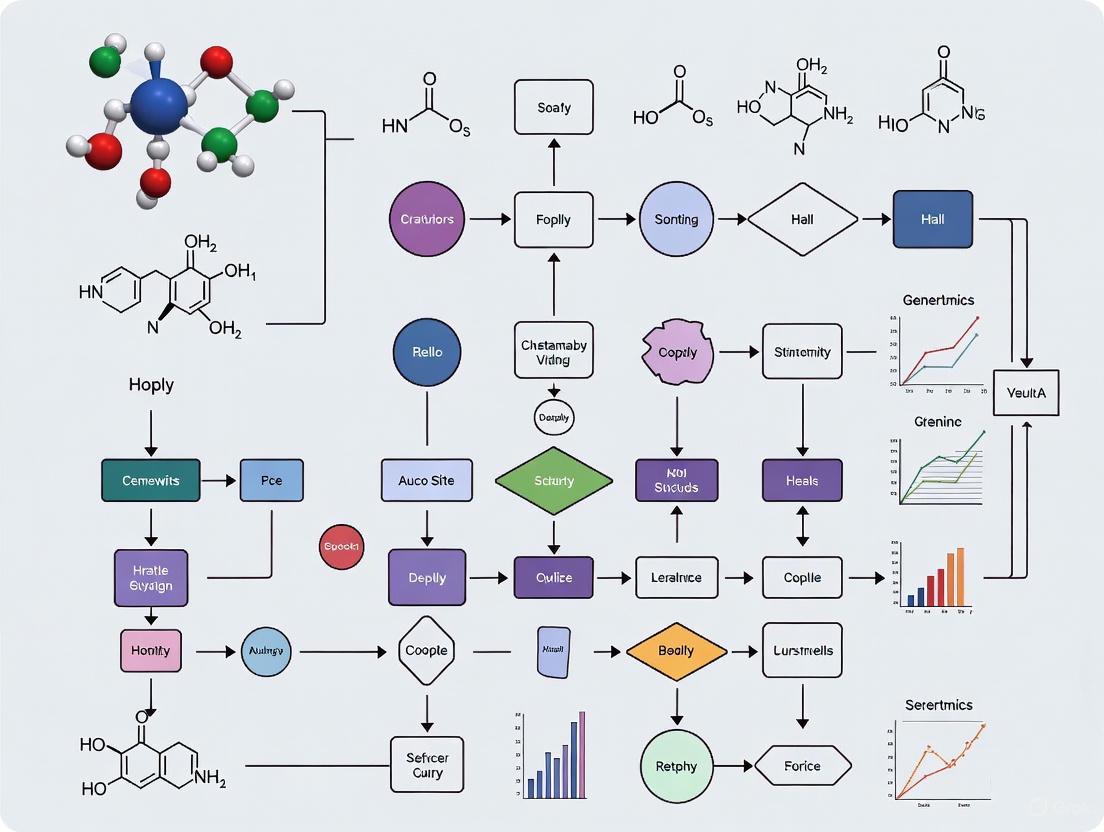
This article traces the transformative journey of the chemical biology platform from its origins bridging chemistry and pharmacology to its current state as a multidisciplinary, AI-powered engine for drug discovery.
From Trial-and-Error to AI: The Evolution of the Chemical Biology Platform in Modern Drug Discovery
Abstract
This article traces the transformative journey of the chemical biology platform from its origins bridging chemistry and pharmacology to its current state as a multidisciplinary, AI-powered engine for drug discovery. Aimed at researchers, scientists, and drug development professionals, it explores the foundational principles established in the late 20th century, the integration of modern methodologies like AI and high-throughput screening, strategic solutions for persistent bottlenecks, and the comparative analysis of contemporary platforms driving translational success. By synthesizing historical context with 2025 trends, this review provides a comprehensive roadmap for designing mechanistic studies that effectively incorporate translational physiology and precision medicine.
The Roots of Revolution: Bridging Chemistry and Biology for Targeted Therapies
The final quarter of the 20th century marked a pivotal juncture in pharmaceutical research. While the era saw the development of increasingly potent compounds capable of targeting specific biological mechanisms with high affinity, the industry collectively faced a formidable obstacle: demonstrating unambiguous clinical benefit in patient populations [1]. This challenge, often termed the "translational gap," between laboratory efficacy and clinical success, necessitated a fundamental restructuring of drug discovery and development philosophies. The inability to reliably predict which potent compounds would deliver therapeutic value in costly late-stage clinical trials acted as the primary catalyst for change, spurring the evolution from traditional, siloed approaches toward the integrated, multidisciplinary framework known as the chemical biology platform [1]. This platform emerged as the engine for a new paradigm, bridging the disciplines of chemistry, physiology, and clinical science to foster a mechanism-based approach to clinical advancement.
The Historical Imperative: From Serendipity to Systems
The traditional drug development model, which relied heavily on trial-and-error and phenotypic screening in animal models, became increasingly unsustainable in the face of growing regulatory and economic pressures [1]. The Kefauver-Harris Amendment of 1962, enacted in reaction to the thalidomide tragedy, formally demanded proof of efficacy from "adequate and well-controlled" clinical trials, fundamentally altering the landscape by dividing the clinical evaluation process into distinct phases (I, IIa, IIb, and III) [1]. This regulatory shift underscored the inadequacy of existing models and highlighted the urgent need for a more predictive, science-driven framework.
The initial response within the industry was to bridge the foundational disciplines of chemistry and pharmacology. Chemists focused on synthesis and scale-up, while pharmacologists and physiologists used animal and cellular models to demonstrate potential therapeutic benefit and develop absorption, distribution, metabolism, and excretion (ADME) profiles [1]. However, this linear process lacked a formal mechanism for connecting preclinical findings to human clinical outcomes, leaving a critical gap in predicting which compounds would ultimately prove successful.
The Chemical Biology Platform: A New Organizational Framework
The chemical biology platform was introduced as an organizational strategy to systematically optimize drug target identification and validation, thereby improving the safety and efficacy of biopharmaceuticals [1]. Unlike its predecessors, this platform leverages a multidisciplinary team to accumulate knowledge and solve problems, often relying on parallel processes to accelerate timelines and reduce the costs of bringing new drugs to patients [1].
Core Principles and Definitions
- Chemical Biology: The study and modulation of biological systems using small molecules, often selected or designed based on the structure, function, or physiology of biological targets. It involves creating biological response profiles to understand protein network interactions [1].
- Translational Physiology: The examination of biological functions across multiple levels of organization, from molecules and cells to organs and populations. It forms the core of the chemical biology platform by providing the essential biological context [1].
- Platform Goal: To connect a series of strategic steps that determine whether a newly developed compound could translate into clinical benefit, using translational physiology as a guiding principle [1].
The Four-Step Catalyst Framework
A pivotal, systematic framework based on Koch's postulates was developed to indicate the potential clinical benefit of new agents [1]. This framework provided the necessary rigor to transition from potent compounds to clinical proof.
Table 1: The Four-Step Framework for Establishing Clinical Proof
| Step | Description | Purpose |
|---|---|---|
| 1. Identify a Disease Biomarker | Identify a specific, measurable parameter linked to the disease pathophysiology. | To establish an objective, quantifiable link between a biological process and a clinical condition. |
| 2. Modify Parameter in Animal Model | Demonstrate that the drug candidate modifies the identified biomarker in a relevant animal model of the disease. | To provide initial proof of biological activity in a living system. |
| 3. Modify Parameter in Human Disease Model | Show that the drug modifies the same parameter in a controlled human disease model. | To bridge the gap from animal physiology to human biology and establish early clinical feasibility. |
| 4. Demonstrate Dose-Dependent Clinical Benefit | Establish a correlation between the drug's dose, the change in the biomarker, and a corresponding clinical benefit. | To confirm the therapeutic hypothesis and validate the biomarker as a surrogate for clinical outcome. |
A seminal case study that validated this approach was the development and subsequent termination of CGS 13080, a thromboxane synthase inhibitor from Ciba [1]. The framework successfully guided the evaluation: the drug was shown to decrease thromboxane B2 (Step 1-3) and reduce pulmonary vascular resistance in patients undergoing mitral valve surgery (Step 4). However, the program was terminated due to a very short half-life and the infeasibility of creating an effective oral formulation [1]. This example underscores how the platform enables early, data-driven decisions to terminate non-viable compounds, preventing costly late-stage failures.
Enabling Technologies and Methodologies
The chemical biology platform synergized with concurrent technological revolutions, dramatically enhancing its predictive power.
The Molecular Biology and Omics Revolution
Advances in molecular biology provided the tools to identify and target specific DNA, RNA, and proteins involved in disease processes [1]. The development of immunoblotting in the late 1970s and early 1980s, for instance, allowed for the relative quantitation of protein abundance. This evolved into modern systems biology techniques, which the platform integrates to understand protein network interactions. These include:
- Transcriptomics: For analyzing global gene expression patterns.
- Proteomics: For large-scale study of protein expression and function.
- Metabolomics: For profiling the unique chemical fingerprints of cellular processes [1].
High-Throughput and High-Content Screening
The rise of combinatorial chemistry and high-throughput screening (HTS) enabled the rapid testing of vast compound libraries against defined molecular targets [1]. This was complemented by high-content analysis, which uses automated microscopy and image analysis to quantify multiparametric cellular events such as:
- Cell viability and apoptosis
- Cell cycle analysis
- Protein translocation
- Phenotypic profiling [1]
Additional cellular assays integral to the platform include reporter gene assays for assessing signal activation and various techniques, including voltage-sensitive dyes and patch-clamp electrophysiology, for screening ion channel targets in neurological and cardiovascular diseases [1].
The Scientist's Toolkit: Key Research Reagent Solutions
The experimental workflows within the chemical biology platform rely on a suite of essential reagents and materials.
Table 2: Essential Research Reagents and Their Functions in the Chemical Biology Platform
| Research Reagent / Material | Function in Experimental Workflow |
|---|---|
| Small Molecule Compounds | Chemical tools to perturb and study specific biological targets and pathways; used for dose-response studies and phenotypic screening. |
| Antibodies (Primary & Secondary) | Key reagents for immunoblotting (Western Blot), immunofluorescence, and immunohistochemistry to detect and quantify specific protein targets. |
| Reporter Gene Constructs (e.g., Luciferase, GFP) | Engineered DNA vectors used in reporter assays to visualize and quantify signal transduction pathway activation upon ligand-receptor engagement. |
| Voltage-Sensitive Dyes | Fluorescent probes used to screen ion channel activity and monitor changes in membrane potential in cellular assays. |
| Cell Viability/Proliferation Assay Kits (e.g., MTT, ATP-based) | Reagents to quantitatively measure the effects of compounds on cell health, proliferation, and death. |
| siRNA/shRNA Libraries | Synthetic RNA molecules for targeted gene knockdown, enabling functional validation of drug targets in genetic screens. |
Visualizing the Workflow: From Target to Proof-of-Concept
The following diagram, generated using DOT language and compliant with the specified color and contrast rules, illustrates the integrated, multi-disciplinary workflow of the modern chemical biology platform.
Diagram Title: Integrated Chemical Biology Platform Workflow
Impact and Future Directions
The adoption of the chemical biology platform has fundamentally reshaped pharmaceutical research and development. By the year 2000, the industry was systematically working on approximately 500 targets, with a clear focus on target families such as G-protein coupled receptors (45%), enzymes (25%), ion channels (15%), and nuclear receptors (~2%) [1]. This structured, mechanism-based approach persists in both academic and industry research as the standard for advancing clinical medicine.
The platform's core legacy is its role in fostering precision medicine. By prioritizing a deep understanding of the underlying biological processes and the patient-specific factors that influence treatment response, the chemical biology platform enables the development of targeted therapies for defined patient subgroups. Furthermore, the integrative nature of the platform continues to evolve, incorporating cutting-edge computational approaches like artificial intelligence to extract patterns from complex biological data [2] [3], thereby further enhancing the ability to translate potent compounds into definitive clinical proof. For physiology educators, instilling an appreciation for this platform is crucial for training the next generation of researchers in the design of experimental studies that effectively incorporate translational physiology [1].
The evolution of the modern chemical biology platform represents a paradigm shift in pharmaceutical research, yet its foundations rest firmly upon early collaborations between chemists and pharmacologists. Prior to the 1950s, pharmaceutical research operated largely through disconnected efforts where chemists extracted and synthesized potential therapeutic agents while pharmacologists used animal models to demonstrate potential therapeutic benefit and develop absorption, distribution, metabolism, and excretion (ADME) profiles [1]. This separation created significant inefficiencies in drug development, particularly as researchers began recognizing that understanding both the chemical properties of compounds and their biological effects on living organisms was essential for therapeutic advancement. The bridging of these disciplines marked a critical turning point, establishing a framework that would eventually evolve into the sophisticated chemical biology approaches used in contemporary drug discovery [1].
The historical significance of this collaboration cannot be overstated. As pharmacology emerged from its roots in physiology and chemistry, it became increasingly apparent that a systematic approach to studying drug interactions with biological systems would require integrated expertise [4]. This paper explores how the early collaborative efforts between chemists and pharmacologists established fundamental principles, methodologies, and conceptual frameworks that enabled the transition from traditional trial-and-error approaches to the mechanism-based drug development strategies that underpin modern chemical biology platforms.
Historical Context and Key Drivers
The Scientific and Regulatory Landscape
The early collaboration between chemists and pharmacologists emerged within a specific historical context characterized by both scientific advances and regulatory changes. The Kefauver-Harris Amendment of 1962 mandated proof of efficacy from adequate and well-controlled clinical trials, fundamentally changing drug development requirements and necessitating closer collaboration between disciplines [1]. This regulatory shift occurred alongside scientific advancements in molecular biology and biochemistry that provided tools to identify and target specific DNA, RNA, and proteins involved in disease processes [1].
The post-World War II period witnessed unprecedented growth in pharmaceutical research, with government funding agencies like the National Institutes of Health (NIH) increasing their investments in basic scientific research [5]. This funding environment encouraged interdisciplinary approaches, as demonstrated by James Shannon's work at the Goldwater Memorial Hospital, where he assembled teams to develop synthetic antimalarials, creating an environment where chemists and pharmacologists worked side-by-side to solve therapeutic challenges [6]. The establishment of the Laboratory of Chemical Pharmacology at the NIH further institutionalized this collaborative approach, focusing research on drug metabolism and the cytochrome P450 enzymes responsible for drug disposition [6].
Evolution from Isolated Disciplines to Integrated Approaches
The transition from isolated disciplinary work to integrated research followed a recognizable progression:
- Pre-1950s: Chemists and pharmacologists worked in separate silos with limited interaction [1]
- 1950s-1960s: Initial recognition of the need for collaboration, spurred by regulatory changes [1]
- 1970s-1980s: Formalization of interdisciplinary teams through Clinical Biology departments [1]
- 1990s-Present: Full integration through chemical biology platforms leveraging genomics and systems biology [1]
Table 1: Historical Timeline of Key Developments in Chemist-Pharmacologist Collaboration
| Time Period | Primary Collaboration Model | Key Developments | Representative Figures/Institutions |
|---|---|---|---|
| Pre-1950s | Isolated disciplines | Extraction and isolation of active compounds; animal efficacy models | Friedrich Sertürner (morphine), Pelletier & Caventou (quinine) [4] |
| 1950s-1960s | Initial bridging efforts | Kefauver-Harris Amendment (1962); increased regulatory requirements | James Shannon at NIH Goldwater Memorial Hospital [6] |
| 1970s-1980s | Clinical Biology departments | Focus on biomarkers and human disease models; structured interdisciplinary teams | Ciba's Clinical Biology department (1984) [1] |
| 1990s-present | Chemical biology platforms | Integration of genomics, combinatorial chemistry, high-throughput screening | Broad Institute Chemical Biology Program [7] |
Foundational Figures and Their Contributions
Pioneers in Integrated Drug Development
The early collaboration between chemists and pharmacologists was advanced by several key figures whose work demonstrated the power of interdisciplinary approaches:
Paul Ehrlich (1854-1915) stands as a monumental figure in bridging chemistry and pharmacology. Ehrlich introduced a systematic research approach based on synthesizing multiple chemical structures for pharmacological screening in animal models of disease states [8]. His work with Sahachiro Hata on arsphenamine (Salvarsan) for syphilis treatment embodied this integrated approach, combining chemical synthesis with biological screening to produce one of the first modern chemotherapeutic agents [8]. Ehrlich's concepts of "chemoreceptor" and "chemotherapy" fundamentally linked chemical structure to pharmacological activity, establishing principles that would guide future collaborations [8].
Frederick Banting and Charles Best's discovery of insulin similarly exemplified successful interdisciplinary collaboration. Their work involved isolating the active antidiabetic principle from pancreatic extracts, conducting animal experiments, and rapidly moving to human treatment—all within an integrated framework that connected chemical isolation with physiological assessment [6]. The subsequent partnership with Eli Lilly chemists to purify and scale up production demonstrated how industrial collaboration between chemistry and pharmacology could bring life-saving treatments to market [5].
Institutional Leaders and Framework Developers
Beyond individual researchers, certain institutions and leaders played crucial roles in establishing frameworks for collaboration:
James Shannon's work at the NIH created an environment where interdisciplinary approaches thrived. His recruitment of both chemists like Bernard Brodie and pharmacologists established teams that advanced understanding of drug metabolism and disposition [6]. The Laboratory of Chemical Pharmacology became a training ground for scientists skilled in both chemical and pharmacological principles [6].
Gertrude Elion, working with George Hitchings, exemplified the power of chemist-pharmacologist collaboration in drug discovery. Their work on purine analogues and systematic study of nucleic acid biosynthesis led to drugs for leukemia, malaria, and viral infections, earning them the Nobel Prize in 1988 [9]. Elion's background in chemistry combined with Hitchings' pharmacological approach demonstrated how understanding both chemical structure and biological function could lead to therapeutic breakthroughs.
Table 2: Key Figures in Early Chemist-Pharmacologist Collaboration and Their Contributions
| Scientist | Primary Discipline | Key Contributions | Impact on Collaboration |
|---|---|---|---|
| Paul Ehrlich | Immunology/Chemistry | Developed systematic drug screening; introduced concepts of chemoreceptor and chemotherapy [8] | Established framework for synthesizing and testing chemical compounds against biological targets |
| Julius Axelrod | Pharmacology/Chemistry | Discovered actions of neurotransmitters in regulating nervous system metabolism [9] | Nobel Prize (1970) for work combining chemical and pharmacological approaches to neuroscience |
| Gertrude Elion | Chemistry/Biochemistry | Developed principles for drug treatment through rational drug design [9] | Nobel Prize (1988) for collaborative approach to drug discovery connecting chemical structure with biological function |
| James Shannon | Physiology/Medicine | Established interdisciplinary research models at NIH [6] | Created institutional structures that fostered chemist-pharmacologist collaboration |
| Sir David Jack | Pharmacology | Major inventions improving and saving millions of lives [9] | Demonstrated impact of collaborative drug discovery on global health |
Methodological Advances and Experimental Approaches
Early Experimental Systems and Models
The collaboration between chemists and pharmacologists required development of specialized experimental methodologies that could bridge chemical and biological understanding. Early approaches included:
Animal Models of Human Disease: Researchers developed standardized animal models that could predict human therapeutic responses. The spontaneously hypertensive rat became a crucial model for evaluating compounds that controlled blood pressure, while the rat tail-flick test provided a standardized approach to assess compounds for pain reduction [1]. These models allowed pharmacologists to evaluate the biological effects of compounds synthesized by chemists, creating a feedback loop for chemical optimization.
Isolation and Purification Techniques: Chemists developed methods for isolating active ingredients from natural sources, a crucial step in moving from crude extracts to defined compounds. Friedrich Sertürner's isolation of morphine from opium in the early 19th century established this principle, followed by Pierre Joseph Pelletier and Joseph Bienaimé Caventou's isolation of quinine from cinchona bark [4]. These isolation techniques provided pure compounds for pharmacological evaluation, establishing structure-activity relationships.
Drug Metabolism Studies: The development of analytical techniques for tracking drug disposition represented a key collaborative area. Bernard Brodie and Sidney Udenfriend's work on extracting drugs into "the least polar solvent" and measuring them with spectrophotometers or fluorometers provided methods for understanding what happened to drugs in the body [6]. Their studies on acetanilide metabolism led to the discovery that N-acetylaminophenol (acetaminophen/paracetamol) was the active analgesic metabolite [6].
The Rise of Systematic Screening Approaches
Paul Ehrlich's introduction of systematic screening marked a revolutionary advance over earlier trial-and-error approaches. His methodology followed these key steps:
- Synthesis of multiple related chemical structures
- Pharmacological screening in disease models
- Structure modification based on efficacy and toxicity results
- Iterative optimization of therapeutic index [8]
This approach first proved successful in the development of arsphenamine (Salvarsan) for syphilis treatment, where Ehrlich and Hata tested hundreds of arsenic compounds before identifying an effective and tolerable option [8]. The methodology established the foundation for modern high-throughput screening approaches used in chemical biology today.
Diagram: Early iterative drug development workflow, based on Paul Ehrlich's systematic approach
Key Research Reagents and Experimental Tools
The collaboration between chemists and pharmacologists depended on development of specialized research reagents and tools that enabled precise investigation of drug actions. These materials formed the essential toolkit for early interdisciplinary research:
Table 3: Essential Research Reagents and Tools for Early Collaborative Drug Discovery
| Reagent/Tool | Function | Historical Significance | Example Applications |
|---|---|---|---|
| Isolated Alkaloids | Pure compounds for pharmacological testing | Enabled structure-activity relationship studies | Morphine (pain), Quinine (malaria) [4] |
| Animal Disease Models | In vivo evaluation of therapeutic efficacy | Provided biological context for chemical compounds | Spontaneously hypertensive rat (hypertension) [1] |
| Spectrophotometers | Quantitative drug measurement in biological samples | Enabled pharmacokinetic studies | Drug metabolism research at Goldwater Memorial Hospital [6] |
| Synthetic Dyes | Selective tissue staining and biological targeting | Revealed selective affinity for biological structures | Paul Ehrlich's methylene blue for nervous tissue [8] |
| Receptor Binding Assays | Quantitative assessment of drug-target interactions | Provided mechanistic understanding of drug action | Receptor theory development [4] |
| Radioisotope Labels | Tracking drug distribution and metabolism | Enabled detailed pharmacokinetic studies | Cytochrome P450 research [6] |
Conceptual Frameworks and Theoretical Advances
The Receptor Theory and Structure-Activity Relationships
A fundamental conceptual advance emerging from chemist-pharmacologist collaboration was the development of receptor theory, which provided a mechanistic framework for understanding how specific chemical structures produced biological effects [4]. The concept gained momentum during the late 1800s and early 1900s, revealing how drugs could bind to specific molecular structures to activate (agonists) or inhibit (antagonists) physiological processes [4]. This theoretical framework connected chemical structure directly to biological function, enabling more rational drug design.
John Newport Langley's work on alkaloids such as nicotine, pilocarpine, and curare demonstrated specific interactions with muscle and nerve functions, convincing researchers like Paul Ehrlich of the existence of "chemoreceptors" [8]. These concepts evolved into modern understanding of drug-target interactions, forming the theoretical basis for much of contemporary pharmacology and chemical biology.
The Therapeutic Index and Safety Optimization
The collaboration between chemists and pharmacologists also advanced the crucial concept of the therapeutic index—the relationship between effective and toxic doses. Paracelsus' recognition that "the dose makes the poison" established the importance of dosage considerations [4], but it was the systematic work of early collaborative teams that operationalized this concept into drug optimization strategies.
Early toxicology studies conducted by interdisciplinary teams led to understanding of reactive metabolites and their role in drug toxicity [6]. This knowledge enabled chemists to modify molecular structures to avoid toxic metabolic pathways while pharmacologists developed assays to detect potential adverse effects earlier in the development process. The integration of safety assessment into early drug design represented a significant advance over earlier approaches that focused primarily on efficacy.
Case Studies: Exemplars of Successful Collaboration
The Development of Antibiotics
The antibiotic revolution provides a compelling case study of successful chemist-pharmacologist collaboration. Alexander Fleming's initial discovery of penicillin's antibiotic properties in 1928 was followed by intensive collaboration between multiple pharmaceutical companies (including Merck, Pfizer, and Squibb), chemists, and pharmacologists to develop mass production methods [5]. This "immense scale and sophistication of the penicillin development effort marked a new era for the way the pharmaceutical industry developed drugs" [5], establishing a model for large-scale interdisciplinary projects.
The success with penicillin was followed by the "Golden Age of Antibiotics" in the 1940s and 1950s, with discoveries like streptomycin by Albert Schatz for tuberculosis treatment [4]. These developments relied on close collaboration between chemists who isolated and modified compounds, and pharmacologists who evaluated their efficacy and safety in biological systems.
The Evolution of Anticancer Therapies
Paul Ehrlich's development of arsphenamine for syphilis established the "magic bullet" concept—the idea that compounds could be designed to selectively target disease-causing organisms [8]. This concept later formed the basis for modern chemotherapy approaches [4]. The collaboration between Ehrlich (providing the chemical and theoretical framework) and Hata (conducting biological screening in syphilis-infected rabbits) demonstrated how integrated teams could tackle complex therapeutic challenges [8].
This early work established principles that would later enable development of cancer treatments, including the 1970s "war on cancer" that produced numerous chemotherapeutic agents [5]. The more recent development of immunotherapies, such as Bristol-Myers Squibb's ipilimumab and Merck's pembrolizumab, represents the modern evolution of these early collaborative principles [5].
Legacy and Evolution into Modern Chemical Biology
The early collaboration between chemists and pharmacologists established foundational principles that would evolve into modern chemical biology approaches. The chemical biology platform that emerged in the early 2000s represents the direct descendant of these early interdisciplinary efforts, leveraging advances in genomics, combinatorial chemistry, and high-throughput screening to optimize drug target identification and validation [1].
Contemporary chemical biology maintains the core integrative spirit of early collaborations while incorporating new technologies and scale. As noted in recent analysis, "Chemical biology refers to the study and modulation of biological systems, and the creation of biological response profiles through the use of small molecules that are often selected or designed based on current knowledge of the structure, function, or physiology of biological targets" [1]. This definition echoes the goals of early 20th century researchers like Paul Ehrlich, but with vastly expanded tools and capabilities.
The legacy of these early collaborations is evident in modern academic contributions to drug development. Analysis of inventors on key patents shows that "academic inventors and founders of new biotechnology company are responsible for nearly a third of small molecule new molecular entities (NMEs) approved since 2001" [10], demonstrating how the collaborative model between basic science and applied pharmacology has become institutionalized in modern drug discovery.
Diagram: Evolution from isolated disciplines to integrated chemical biology
The progression from isolated chemical and pharmacological research to integrated chemical biology platforms represents one of the most significant transformations in pharmaceutical research. The early collaborators who bridged these disciplines established not only specific methodologies and conceptual frameworks, but also a culture of interdisciplinary integration that continues to drive pharmaceutical innovation today. Their legacy endures in the continued evolution of chemical biology approaches that leverage advances in adjacent fields to overcome the persistent challenges of drug development.
The last quarter of the 20th century marked a pivotal transformation in pharmaceutical research, creating the essential conditions for Clinical Biology to emerge as a formal discipline. While pharmaceutical companies had become adept at producing highly potent compounds targeting specific biological mechanisms, they faced a fundamental obstacle: demonstrating clear clinical benefit in human patients [1]. This challenge was particularly pronounced in the early 1980s, as advances in molecular biology and biochemistry provided new tools to identify and target specific DNA, RNA, and proteins involved in disease processes [1]. Despite these technological advances, the critical gap between laboratory success and clinical efficacy persisted, prompting a fundamental re-evaluation of drug development strategies. It was within this context that Clinical Biology was established in 1984 at Ciba (now Novartis) as the first organized effort within the pharmaceutical industry to create a systematic translational workflow [1]. This new discipline was founded on the core principle of bridging the chasm between preclinical findings and clinical outcomes through strategic application of physiological knowledge and biomarker validation.
Historical Backdrop: The Evolving Concept of Translation
The conceptual foundation for Clinical Biology emerged alongside the broader development of translational medicine. The idea of translation has evolved significantly from its initial conception as a unidirectional "bench to bedside" process. In 1996, Geraghty formally introduced the concept of translational medicine to facilitate effective connections between bench researchers and bedside caregivers [11]. By 2003, this had matured into a two-way translational model encompassing both "bench to bedside" and "bedside to bench" directions [11]. This evolution recognized that clinical observations should inform basic research questions, creating a continuous cycle of knowledge improvement.
Translational medicine was formally defined by the European Society for Translational Medicine (EUSTM) in 2015 as "an interdisciplinary branch of the biomedical field supported by three main pillars: benchside, bedside and community," with the goal of combining "disciplines, resources, expertise, and techniques within these pillars to promote enhancements in prevention, diagnosis, and therapies" [11]. The scope of translational research expanded through various models, from the original 2T model (T1: basic science to human studies; T2: clinical knowledge to improved health) to more comprehensive frameworks incorporating T0 (scientific discovery) through T4 (population health impact) [11]. Clinical Biology emerged as the operational embodiment of these conceptual frameworks within pharmaceutical development.
Defining Clinical Biology: Core Principles and Framework
Conceptual Foundation and Definition
Clinical Biology can be defined as an organized operational framework within pharmaceutical research that bridges preclinical physiology and clinical pharmacology through the strategic use of biomarkers and human disease models. The primary mission of this discipline was to address the critical "translational block" between promising laboratory compounds and demonstrated clinical efficacy [1]. Clinical Biology encompassed the early phases of clinical development (Phases I and IIa) and was tasked with identifying human models of disease where drug effects on biomarkers could be demonstrated alongside early evidence of clinical efficacy in small patient groups [1].
The discipline was founded on four key principles derived from Koch's postulates and adapted for drug development:
- Identify a disease parameter (biomarker)
- Show that the drug modifies that parameter in an animal model
- Show that the drug modifies the parameter in a human disease model
- Demonstrate a dose-dependent clinical benefit that correlated with similar change in direction of the biomarker [1]
The Organizational Structure and Workflow
Clinical Biology represented a fundamental organizational and philosophical shift in pharmaceutical development. It established dedicated interdisciplinary teams focused on fostering collaboration among preclinical physiologists, pharmacologists, and clinical pharmacologists [1]. This structural innovation broke down traditional silos between research and clinical functions.
The translational workflow established by Clinical Biology created a systematic approach to decision-making before companies launched costly Phase IIb and III trials [1]. This workflow relied on identifying appropriate biomarkers and developing valid models of human disease that possessed three key characteristics:
- The biomarker of interest was present
- Clinical symptoms were easily monitored
- A relationship between biomarker concentration and clinical symptoms could be demonstrated [1]
Figure 1: Clinical Biology Workflow in Pharmaceutical Development
The Clinical Biology Toolkit: Methodologies and Reagents
The establishment of Clinical Biology as a discipline required the systematic application of specific methodological approaches and research tools. The table below summarizes the key methodological components and their functions within the translational workflow.
Table 1: Core Methodologies of Clinical Biology
| Methodology Category | Specific Techniques | Function in Translational Workflow |
|---|---|---|
| Biomarker Identification & Validation | Immunoblotting, Protein Quantitation, DNA/RNA Analysis | Identify disease parameters and confirm drug modification of these parameters in animal and human models [1] |
| Human Disease Modeling | Clinical symptom monitoring, Biomarker concentration correlation | Develop validated human disease models with measurable clinical endpoints [1] |
| Pharmacokinetic/Pharmacodynamic Analysis | ADME profiling, Dose-response characterization | Establish relationship between drug exposure, biomarker modification, and clinical benefit [1] |
| Early Clinical Trial Design | Phase I safety studies, Phase IIa proof-of-concept | Demonstrate drug effect on biomarker and early clinical efficacy in small patient groups [1] |
Research Reagent Solutions
The experimental foundation of Clinical Biology relied on a specific set of research reagents and tools that enabled the critical transitions between preclinical and clinical research.
Table 2: Essential Research Reagents and Tools
| Research Reagent/Tool | Function | Application in Translational Workflow |
|---|---|---|
| Specific Biomarkers | Quantifiable biological parameters indicating disease state or drug effect | Serve as measurable endpoints in animal and human disease models [1] |
| Reference Probe Drugs | Well-characterized compounds used to validate experimental systems | Generate control data for comparison with candidate drugs (e.g., midazolam) [12] |
| Animal Disease Models | Validated physiological systems for preliminary efficacy testing | Establish proof of biological activity before human trials [1] |
| Human Disease Models | Patient populations with characterized biomarkers and clinical symptoms | Test drug effects in relevant human pathophysiology [1] |
| Analytical Assays | Methods for quantifying drug concentrations and biomarker levels | Generate pharmacokinetic and pharmacodynamic data [1] |
Case Study: The CGS 13080 Example
A compelling illustration of the Clinical Biology framework in action comes from the development of CGS 13080, a thromboxane synthase inhibitor developed by Ciba Geigy [1]. This case exemplifies how the systematic application of Clinical Biology principles could lead to rational, if difficult, decisions in pharmaceutical development.
Following the established four-step framework, researchers:
- Identified thromboxane B2 (the metabolite of thromboxane A2) as a relevant biomarker for thrombotic conditions
- Demonstrated that CGS 13080 effectively decreased thromboxane B2 in animal models
- Showed that intravenous administration decreased thromboxane B2 and demonstrated clinical efficacy in human patients undergoing mitral valve replacement surgery by reducing pulmonary vascular resistance
- However, critical analysis revealed that the half-life of CGS 13080 was only 73 minutes, making oral formulation infeasible for chronic treatment [1]
This application of the Clinical Biology workflow provided clear, early evidence of fundamental limitations, leading to the rational termination of the development program. Similar outcomes occurred with thromboxane synthase inhibitors and receptor antagonists at other companies including Smith Kline, Merck, and Glaxo Welcome [1], demonstrating how this approach could prevent costly late-stage failures.
Evolution and Legacy: From Clinical Biology to Modern Translational Science
The Clinical Biology framework established in the 1980s served as the direct precursor to contemporary translational science platforms. The discipline evolved through several distinct phases, each building upon the foundational principles of integrated, physiology-driven drug development.
Figure 2: Evolution from Clinical Biology to Modern Translational Science
Clinical Biology's core principles were subsequently reorganized into Lead Optimization groups covering animal pharmacology, human safety (Phase I), through Phase IIa proof-of-concept studies, and Product Realization groups managing Phase IIb, Phase III, and approval stages [1]. This organizational structure maintained the fundamental translational bridge that Clinical Biology had established while adapting to new technological capabilities.
The introduction of the chemical biology platform in approximately 2000 represented the direct evolution of Clinical Biology principles, enhanced by new capabilities in genomics, combinatorial chemistry, structural biology, and high-throughput screening [1]. This platform further formalized the multidisciplinary team approach to accumulate knowledge and solve problems, often using parallel processes to accelerate development timelines and reduce costs [1].
Modern translational systems pharmacology approaches now build directly upon this foundation, combining physiologically based pharmacokinetic (PBPK) modeling with Bayesian statistics to identify and transfer pathophysiological and drug-specific knowledge across distinct patient populations [12]. These contemporary approaches represent the technological maturation of the fundamental insight that drove the creation of Clinical Biology: that systematic, physiology-driven translation requires both specialized methodologies and integrated organizational structures.
The establishment of Clinical Biology in the 1980s represented a watershed moment in pharmaceutical development, creating the first structured translational workflow to bridge the critical gap between preclinical discovery and clinical application. This discipline provided the conceptual and operational foundation for modern translational science by introducing systematic approaches to biomarker validation, human disease modeling, and early-phase clinical decision-making. The principles established by Clinical Biology—interdisciplinary collaboration, physiological grounding, and strategic use of biomarkers—continue to underpin contemporary drug development platforms. As modern approaches increasingly incorporate sophisticated computational modeling and omics technologies, they build upon the fundamental translational bridge that Clinical Biology first institutionalized, demonstrating the enduring legacy of this foundational discipline in advancing therapeutic innovation.
Within the broader evolution of chemical biology research, the conceptual framework of Koch's postulates has transcended its original purpose in infectious disease to inform modern drug development paradigms. This whitepaper delineates a tailored four-step framework, derived from Koch's principles, for establishing causal relationships between pharmaceutical interventions and clinical benefit. We detail how this adapted methodology underpins the chemical biology platform—an organizational approach that optimizes drug target identification and validation through rigorous biological understanding [1]. The framework integrates translational physiology to examine biological functions across multiple levels, from molecular interactions to population-wide effects, thereby addressing the critical challenge of demonstrating clinical efficacy for target-based compounds [1]. We further present experimental protocols, visualization methodologies, and essential research tools that enable researchers to apply this framework effectively in preclinical and early clinical development.
The chemical biology platform emerged as a strategic response to critical challenges in pharmaceutical research during the late 20th century. While pharmaceutical companies developed increasingly potent compounds targeting specific biological mechanisms, they faced significant obstacles in demonstrating definitive clinical benefit [1]. This challenge catalyzed a transformation in drug development approaches, leading to the emergence of translational physiology and precision medicine.
The historical foundation for this evolution traces back to Robert Koch's seminal work in the late 19th century. Koch's original postulates established a rigorous methodology for linking microorganisms to specific diseases through four criteria: consistent presence in disease, isolation in pure culture, disease reproduction in healthy hosts, and re-isolation from experimentally infected hosts [13] [14]. While revolutionary for infectious diseases, these postulates revealed limitations when applied to complex modern drug development, particularly for non-infectious diseases and target-based therapies [15].
The integration of Koch's logical framework into drug development represents a paradigm shift from traditional trial-and-error methods to a mechanism-based approach. This transition was formalized through the establishment of Clinical Biology departments in pharmaceutical companies during the 1980s, specifically designed to bridge the gap between preclinical findings and clinical outcomes [1]. The adaptation of Koch's principles for therapeutic development mirrors their historical evolution in microbiology, where they have been continuously refined to address emerging complexities—from viral diseases to proteopathies and polymicrobial infections [16] [15] [17].
The Four-Step Framework for Establishing Clinical Benefit
The adaptation of Koch's postulates for drug development crystallized into a systematic four-step approach for demonstrating clinical benefit. This framework was formally implemented within pharmaceutical R&D structures to provide rigorous causal inference between drug mechanisms and patient outcomes [1].
Table 1: The Four-Step Framework for Establishing Clinical Benefit
| Step | Description | Koch's Postulate Analogy | Key Objectives |
|---|---|---|---|
| 1. Identify Disease Parameter | Identify and validate a biomarker or physiological parameter linked to the disease process | Analogous to Koch's requirement for consistent microbe presence in disease | Establish measurable, disease-relevant parameter with prognostic value |
| 2. Demonstrate Target Engagement in Animal Models | Show that the drug candidate modifies the identified parameter in relevant animal models | Parallels Koch's requirement for isolation and culture of the pathogen | Confirm pharmacological activity and dose-response relationship in vivo |
| 3. Verify Human Target Modulation | Demonstrate that the drug modulates the parameter in human disease models or early clinical studies | Corresponds to Koch's experimental infection requirement | Establish translation from animal models to human biology |
| 4. Correlate Parameter Change with Clinical Benefit | Demonstrate dose-dependent clinical improvement that correlates with biomarker modification | Reflects Koch's re-isolation requirement for confirming causality | Validate the parameter as a surrogate for clinical efficacy |
Step 1: Identification and Validation of Disease Parameters
The initial step requires identifying a quantifiable biomarker or physiological parameter intimately involved in the disease process. This parameter must satisfy specific criteria: clinical relevance, measurability across species, and modifiability through therapeutic intervention [1]. Unlike classical Koch's first postulate—which requires the microbe's invariable presence in disease—this adapted step acknowledges the multifactorial nature of many chronic diseases.
Methodology: Parameter identification employs systems biology approaches, including transcriptomics, proteomics, and metabolomics, to understand how protein networks integrate in disease states [1]. Validation requires demonstrating consistent abnormality in diseased populations versus healthy controls, though not necessarily absolute presence or absence as in Koch's original framework.
Step 2: Experimental Confirmation in Animal Models
The second step necessitates demonstrating that the drug candidate modifies the identified parameter in physiologically relevant animal models. This phase establishes proof-of-concept for target engagement and biological effect.
Protocol for In Vivo Validation:
- Model Selection: Choose animal models that recapitulate key aspects of human disease pathology and express the target parameter
- Dose-Ranging Studies: Administer therapeutic compound across multiple dosage levels to establish exposure-response relationship
- Parameter Monitoring: Quantitatively assess parameter modification using validated analytical methods
- Control Groups: Include appropriate controls (vehicle, positive control, etc.) to distinguish specific drug effects
This step addresses the same fundamental question as Koch's second postulate—isolation and testing of the putative causal agent—but applies it to therapeutic intervention rather than microbial pathogenesis.
Step 3: Translation to Human Disease Models
The third step requires demonstrating parameter modification in human subjects or validated human disease models. This critical transition from animal models to human biology represents the cornerstone of translational physiology.
Experimental Approach: Implement Phase IIa clinical trials or human challenge models to establish proof-of-concept in select patient populations [1]. The methodology must ensure:
- Adequate sample size for detecting clinically relevant effect sizes
- Robust measurement of the identified parameter
- Assessment of inter-individual variability in response
- Preliminary safety and tolerability evaluation
Step 4: Establishing Clinical Correlations
The final step demands demonstrating a dose-dependent clinical benefit that correlates with modification of the identified parameter. This establishes the parameter as a valid surrogate for clinical efficacy and confirms the therapeutic hypothesis.
Validation Methodology: Conduct correlative analyses in expanded clinical trials to establish:
- Temporal relationship between parameter modification and clinical improvement
- Magnitude of parameter change predictive of clinical outcome
- Consistency across patient subpopulations
- Dose-response relationship for both parameter modification and clinical benefit
This framework's practical application is exemplified by the development of CGS 13080, a thromboxane synthase inhibitor. While the compound demonstrated target engagement (reduced thromboxane B2) and clinical efficacy in mitigating pulmonary vascular resistance during mitral valve replacement surgery, its short half-life (73 minutes) and lack of feasible oral formulation ultimately limited clinical utility, leading to program termination [1]. This case underscores the framework's value in early failure identification, potentially saving substantial development resources.
Experimental Protocols and Methodologies
Target Identification and Validation Protocols
Modern target identification leverages chemical biology platforms that integrate genomic information, combinatorial chemistry, and high-throughput screening technologies [1]. The protocol encompasses:
Primary Screening:
- Utilize high-content multiparametric analysis of cellular events via automated microscopy
- Implement reporter gene assays to assess signal activation following ligand-receptor engagement
- Apply voltage-sensitive dyes or patch-clamp techniques for neurological and cardiovascular targets
- Employ phenotypic profiling to identify compounds producing desired morphological or functional changes
Validation Workflow:
- Gene Expression Modulation: Knockdown or overexpression of target gene to observe phenotypic consequences
- Biochemical Assays: Measure direct binding affinity and functional effects on target protein
- Selectivity Profiling: Evaluate compound effects across related targets to establish specificity
- Pathway Mapping: Elucidate downstream consequences of target engagement through phosphoproteomics and transcriptomics
Translational Assessment Protocol
Bridging preclinical findings to clinical application requires systematic translational assessment:
In Vitro to In Vivo Translation:
- Establish correlation between cellular assay results and animal model responses
- Determine pharmacokinetic-pharmacodynamic relationships across test systems
- Identify species-specific differences in target biology or drug metabolism
Animal Model to Human Translation:
- Conduct microdosing studies with radiolabeled compounds to assess human distribution
- Perform tissue biopsies where feasible to directly measure target engagement
- Implement functional imaging (PET, MRI) to monitor biological effects non-invasively
Diagram 1: Experimental Workflow for Clinical Benefit Assessment
The Scientist's Toolkit: Essential Research Reagents and Platforms
Successful application of the Koch-inspired framework requires specialized research tools and platforms that enable rigorous target validation and clinical correlation.
Table 2: Essential Research Reagents and Platforms
| Tool Category | Specific Examples | Function in Clinical Benefit Framework |
|---|---|---|
| Cellular Assay Systems | High-content multiparametric analysis, Reporter gene assays, Voltage-sensitive dyes | Enable target validation and mechanism elucidation through functional cellular readouts |
| Animal Models | Spontaneously hypertensive rats, Tail-flick test models, Genetically engineered models | Provide physiological context for evaluating parameter modification and therapeutic efficacy |
| Biomarker Assays | ELISA, Flow cytometry, Transcriptomic profiling, Metabolic panels | Quantify disease parameters and target engagement across species |
| Structural Biology Tools | X-ray crystallography, Cryo-EM, NMR spectroscopy | Facilitate rational drug design through target structure determination |
| Omics Technologies | Proteomics, Metabolomics, Transcriptomics, Network analyses | Enable systems-level understanding of protein network interactions and disease mechanisms |
The chemical biology platform integrates these tools through multidisciplinary teams that accumulate knowledge and solve problems, often relying on parallel processes to accelerate development timelines and reduce costs [1]. This organizational approach represents the modern embodiment of Koch's rigorous methodology, adapted for the complexity of contemporary drug development.
Case Studies and Applications
Successful Application: Clinical Biology Department Model
The formal implementation of Koch-inspired principles in pharmaceutical development emerged with the establishment of Clinical Biology departments at major pharmaceutical companies in the 1980s [1]. This organizational innovation specifically addressed the challenge of translating mechanistic understanding into demonstrated clinical benefit.
The Hoechst Marion Roussel reorganization exemplified this approach, structuring R&D into three functional groups:
- Target Identification and Lead Finding
- Lead Optimization (the successor to Clinical Biology)
- Product Realization
The Lead Optimization group encompassed animal pharmacology, animal and human safety (Phase 1), through Phase IIa Proof of Concept studies in select disease subsets, directly implementing the four-step framework for establishing clinical benefit [1].
Diagnostic Application: Next-Generation Sequencing
The principles underlying Koch's postulates find modern expression in next-generation sequencing (NGS) technologies, which address similar causal questions in diagnostic contexts [18]. NGS enables:
- High specificity and sensitivity in pathogen detection, surpassing traditional culture methods
- Elimination of growth limitations for fastidious or uncultivable organisms
- Comprehensive pathogen profiling in polymicrobial infections
- Faster turnaround times compared to classical microbiological methods
The evolution from Koch's culture-based methods to sequence-based pathogen detection mirrors the broader transition in drug development from phenotypic screening to target-based approaches, while maintaining the same fundamental commitment to causal rigor.
The adaptation of Koch's postulates into a framework for establishing clinical benefit represents a cornerstone of modern translational physiology and precision medicine. This methodology provides the logical foundation for the chemical biology platform—an organizational approach that optimizes drug target identification and validation through emphasis on understanding underlying biological processes [1].
The continued evolution of this framework addresses emerging challenges in pharmaceutical development, including:
- Complex pathogen-host interactions where disease manifestation depends on host vulnerabilities rather than intrinsic microbial pathogenicity alone [17]
- Polymicrobial and microbiome-related diseases that cannot be addressed through single-pathogen models [19]
- Ethical constraints on human experimentation, driving innovation in alternative models such as organoids and humanized animal systems [17]
As drug development continues to evolve toward increasingly targeted and personalized approaches, the conceptual framework derived from Koch's postulates remains essential for establishing causal relationships between therapeutic interventions and clinical outcomes. The integration of this rigorous methodology with modern chemical biology platforms ensures that drug discovery maintains both scientific rigor and practical relevance in addressing human disease.
The first quarter of the twenty-first century has witnessed a fundamental transformation in biological science and therapeutic development, marked by a decisive transition from phenomenological observation to mechanism-based understanding. This paradigm shift has been predominantly fueled by unprecedented advances in genomics and gene-editing technologies that have redefined how researchers investigate biological systems and develop interventions. The completion of the Human Genome Project in 2001 provided the foundational blueprint, while subsequent technological innovations, particularly CRISPR-Cas gene editing, have empowered scientists to move beyond correlation to direct causal manipulation of biological systems [20]. This evolution has been especially pronounced in the chemical biology platform, which has matured into an organizational approach that optimizes drug target identification and validation through emphasis on understanding underlying biological processes [1]. The convergence of genomics with chemical biology has created a powerful framework for deciphering the molecular mechanisms of disease and accelerating the development of targeted therapeutics, ultimately enabling a new era of precision medicine that is fundamentally mechanism-based rather than symptomatic in its approach.
The Evolution of the Chemical Biology Platform
Historical Foundations and Key Transitions
The development of the chemical biology platform represents a strategic evolution from traditional, empirical approaches in pharmaceutical research to a more integrated, mechanism-based paradigm. During the last 25 years of the 20th century, pharmaceutical companies faced a significant challenge: while they had developed highly potent compounds targeting specific biological mechanisms, demonstrating clinical benefit remained a major obstacle [1]. This challenge prompted a fundamental re-evaluation of drug development strategies and led to the emergence of translational physiology and personalized medicine, later termed precision medicine.
The evolution occurred through several critical stages. Initially, the field was characterized by a disciplinary divide, where chemists focused on extracting, synthesizing, and modifying potential therapeutic agents, while pharmacologists utilized animal models and cellular systems to demonstrate potential therapeutic benefit and develop absorption, distribution, metabolism, and excretion (ADME) profiles [1]. The Kefauver-Harris Amendment in 1962, enacted in response to the thalidomide tragedy, mandated proof of efficacy from adequate and well-controlled clinical trials, further formalizing the drug development process and dividing Phase II clinical evaluation into two components: Phase IIa (identifying diseases where potential drugs might work) and Phase IIb/III (demonstrating statistical proof of efficacy and safety) [1].
A pivotal transition occurred with the introduction of Clinical Biology, which established interdisciplinary teams focused on identifying human disease models and biomarkers that could more easily demonstrate drug effects before progressing to costly late-stage trials [1]. This approach, pioneered by researchers like FL Douglas at Ciba (now Novartis), established four key steps based on Koch's postulates to indicate potential clinical benefits of new agents: (1) identify a disease parameter (biomarker); (2) show that the drug modifies that parameter in an animal model; (3) show that the drug modifies the parameter in a human disease model; and (4) demonstrate a dose-dependent clinical benefit that correlates with similar change in direction of the biomarker [1]. This systematic approach represented an early framework for translational research.
The Rise of Modern Chemical Biology
The formal development of chemical biology platforms around the year 2000 marked the maturation of this approach, leveraging new capabilities in genomics information, combinatorial chemistry, structural biology, high-throughput screening, and sophisticated cellular assays [1]. Unlike traditional trial-and-error methods, chemical biology emphasizes targeted selection and integrates systems biology approaches—including transcriptomics, proteomics, metabolomics, and network analyses—to understand protein network interactions [1]. By 2000, the pharmaceutical industry was working on approximately 500 targets, including G-protein coupled receptors (45%), enzymes (25%), ion channels (15%), and nuclear receptors (~2%) [1].
The chemical biology platform achieves its goals through multidisciplinary teams that accumulate knowledge and solve problems, often relying on parallel processes to accelerate timelines and reduce costs for bringing new drugs to patients [1]. This approach persists in both academic and industry-focused research as a mechanism-based means to advance clinical medicine, with physiology providing the core biological context in which chemical tools and principles are applied to understand and influence living systems.
The Genomic Revolution: Enabling Technologies and Methodologies
Advanced Sequencing and Mapping Technologies
The genomic revolution has been powered by sophisticated technologies that enable comprehensive analysis of genetic information. The following table summarizes key methodological breakthroughs that have enabled mechanism-based research:
Table 1: Genomic Technologies Enabling Mechanism-Based Research
| Technology | Key Application | Impact on Mechanism-Based Research |
|---|---|---|
| Whole-Genome Sequencing | Identifying genetic variants associated with diseases and traits | Provides complete genetic blueprint for understanding molecular basis of phenotypes |
| Genome-Wide Association Studies (GWAS) | Linking specific genetic variations to particular characteristics | Enables identification of causal genetic factors underlying complex traits |
| RNA Interference (RNAi) | Targeted gene knockdown to assess gene function | Establishes causal relationships between genes and phenotypic outcomes |
| Single-Cell Multi-Omics | Analyzing genome, epigenome, transcriptome, and proteome at single-cell level | Reveals cell-level variation and lineage relationships previously obscured by bulk sequencing |
| CRISPR-Cas Gene Editing | Precise manipulation of DNA sequences at defined genomic locations | Enables direct functional validation of genetic mechanisms through targeted modifications |
High-Throughput Genomic Methodologies
The shift to mechanism-based research has been accelerated by high-throughput methodologies that systematically evaluate genetic function. Genome-wide association studies have become particularly powerful, as demonstrated in research on color pattern polymorphism in the Asian vine snake (Ahaetulla prasina) [21]. In this study, researchers sequenced 60 snakes (30 of each color morph) with average coverage of ~15-fold, identifying 12,562,549 SNPs after quality control [21]. The GWAS using Fisher's exact test with a Bonferroni-corrected p < 0.05 threshold revealed an interval on chromosome 4 containing 903 genome-wide significant SNPs that showed strong association with color phenotype [21]. This region spanned 426.29 kb and harbored 11 protein-coding genes, including SMARCE1, with a specific missense mutation (p.P20S) identified as having a deleterious impact on proteins [21].
Similarly, in the harlequin ladybird (Harmonia axyridis), researchers performed a de novo genome assembly of the Red-nSpots form using long reads from Nanopore sequencing, then conducted a genome-wide association study using pool sequencing from 14 pools of individuals representing worldwide genetic diversity and four main color pattern forms [22]. Among 18,425,210 SNPs called on autosomal contigs, they identified 710 SNPs strongly associated with the proportion of Red-nSpots individuals, with 86% located within a single 1.3 Mb contig [22]. The strongest association signals delineated a ~170 kb region containing the pannier gene, establishing it as the color pattern locus [22].
Research Reagent Solutions for Genomic Studies
Table 2: Essential Research Reagents for Genomic Studies
| Reagent/Category | Function | Specific Examples/Applications |
|---|---|---|
| CRISPR-Cas Systems | Precise genome editing through targeted DNA cleavage | Casgevy therapy for sickle cell disease and beta-thalassemia [23] |
| Lipid Nanoparticles (LNPs) | Delivery of genome-editing components to specific tissues | Intellia Therapeutics' in vivo CRISPR therapies for hATTR and HAE [23] |
| Programmable Nucleases | Targeted DNA cleavage at specific genomic loci | PCE systems for megabase-scale chromosomal engineering [24] |
| Reporter Gene Assays | Assessment of signal activation in response to ligand-receptor engagement | Screening for neurological and cardiovascular drug targets [1] |
| High-Content Screening Systems | Multiparametric analysis of cellular events using automated microscopy | Quantifying cell viability, apoptosis, protein translocation, and phenotypic profiling [1] |
| Suppressor tRNAs | Bypass premature termination codons to enable full-length protein synthesis | PERT platform for treating nonsense mutation-mediated diseases [25] |
Case Studies: From Genetic Mapping to Mechanism
Case Study 1: Chromosomal Engineering in Plants
A groundbreaking demonstration of advanced genome editing emerged in 2025 with the development of Programmable Chromosome Engineering (PCE) systems by researchers at the Chinese Academy of Sciences [24]. This technology overcomes critical limitations of traditional Cre-Lox systems through three key innovations: (1) asymmetric Lox site design that reduces reversible recombination by over 10-fold; (2) AiCErec, a recombinase engineering method using AI-informed protein evolution to optimize Cre's multimerization interface, yielding a variant with 3.5 times the recombination efficiency of wild-type Cre; and (3) a scarless editing strategy that uses specifically designed pegRNAs to perform re-prime editing on residual Lox sites, precisely replacing them with the original genomic sequence [24].
The experimental protocol involved building a high-throughput platform for rapid recombination site modification, leveraging advanced protein design and AI, and implementing clever genetic tweaks. The PCE platforms (PCE and RePCE) allow flexible programming of insertion positions and orientations for different Lox sites, enabling precise, scarless manipulation of DNA fragments ranging from kilobase to megabase scale in both plant and animal cells [24]. Key achievements included targeted integration of large DNA fragments up to 18.8 kb, complete replacement of 5-kb DNA sequences, chromosomal inversions spanning 12 Mb, chromosomal deletions of 4 Mb, and whole-chromosome translocations [24]. As proof of concept, the researchers created herbicide-resistant rice germplasm with a 315-kb precise inversion, showcasing transformative potential for genetic engineering and crop improvement [24].
Diagram 1: PCE system workflow for chromosomal engineering.
Case Study 2: Universal Gene Editing Approach
Researchers at the Broad Institute developed a novel genome-editing strategy called PERT (Prime Editing-mediated Readthrough of Premature Termination Codons) that addresses a common cause of roughly 30% of rare diseases [25]. This approach targets nonsense mutations that create errant termination codons in mRNA, signaling cells to halt protein synthesis too early and resulting in truncated, malfunctioning proteins [25].
The experimental methodology involved:
- Identification of Target: Among 200,000 disease-causing mutations in the ClinVar database, 24% are nonsense mutations [25].
- Suppressor tRNA Engineering: Testing tens of thousands of tRNA variants to engineer a highly efficient suppressor tRNA that adds an amino acid building block in response to premature termination codons.
- Genomic Integration: Optimizing a prime editing system to install this suppressor tRNA directly into cell genomes, replacing an existing, redundant tRNA.
- Validation: Testing the approach in human cell models of Batten disease, Tay-Sachs disease, and Niemann-Pick disease type C1, and in a mouse model of Hurler syndrome [25].
The results demonstrated restoration of enzyme activity at approximately 20-70% of normal levels in cell models—theoretically sufficient to alleviate disease symptoms [25]. In mouse models, PERT restored about 6% of normal enzyme activity, nearly eliminating all disease signs without detected off-target edits or effects on normal protein synthesis [25].
Diagram 2: PERT mechanism for nonsense mutation correction.
Case Study 3: Genetic Mapping of Color Polymorphism
Research on the Asian vine snake (Ahaetulla prasina) provides a compelling example of how genetic mapping reveals molecular mechanisms underlying phenotypic variation [21]. The study combined transmission electron microscopy, metabolomics analysis, genome assembly, and transcriptomics to investigate the basis of color variation between green and yellow morphs.
The experimental protocol included:
- Morphological Analysis: TEM imaging revealed that chromatophore morphology (mainly iridophores) was the main basis for color differences, with yellow morphs containing iridophores with disordered and relatively thicker crystal platelets [21].
- Genome Assembly: Sequencing and assembly of a high-quality 1.77-Gb chromosome-anchored genome with 18,362 protein-coding genes [21].
- Population Genomics: Re-sequencing 60 snakes (30 per color morph) with ~15-fold coverage, identifying 12,562,549 SNPs after quality control [21].
- GWAS: Using Fisher's exact test to identify a region on chromosome 4 containing 903 genome-wide significant SNPs strongly associated with color phenotype [21].
- Functional Validation: Identifying a conservative amino acid substitution (p.P20S) in SMARCE1 that may regulate chromatophore development from neural crest cells, verified through knockdown experiments in zebrafish [21].
This comprehensive approach revealed that differences in the distribution and density of chromatophores, especially iridophores, are responsible for skin color variations, with a specific genetic variant in SMARCE1 strongly associated with the yellow morph [21].
Data Presentation and Quantitative Assessment in Genomic Research
Quantitative Framework for Chemical Probe Assessment
The shift to mechanism-based research requires rigorous assessment of research tools. The Probe Miner resource exemplifies this approach, providing objective, quantitative, data-driven evaluation of chemical probes [26]. This systematic analysis of >1.8 million compounds for suitability as chemical tools against 2,220 human targets revealed critical limitations in current chemical biology resources.
Table 3: Quantitative Assessment of Chemical Probes in Public Databases
| Assessment Criteria | Number/Percentage of Compounds | Proteome Coverage |
|---|---|---|
| Total Compounds (TC) | >1.8 million | N/A |
| Human Active Compounds (HAC) | 355,305 (19.7% of TC) | 11% of human proteome (2,220 proteins) |
| Potency (<100 nM) | 189,736 (10.5% of TC, 53% of HAC) | Reduced coverage |
| Selectivity (>10-fold) | 48,086 (2.7% of TC, 14% of HAC) | 795 human proteins (4% of proteome) |
| Cellular Activity (<10 μM) | 2,558 (0.7% of HAC) | 250 human proteins (1.2% of proteome) |
The assessment employed minimal criteria for useful chemical tools: (1) potency of 100 nM or better on-target biochemical activity; (2) at least 10-fold selectivity against other tested targets; and (3) cellular permeability (proxied by activity in cells at ≤10 μM) [26]. Alarmingly, only 93,930 compounds had reported binding or activity measurements against two or more targets, highlighting limited exploration of compound selectivity in medicinal chemistry literature [26]. This quantitative framework enables researchers to make informed decisions about chemical tool selection, prioritizing compounds with demonstrated specificity and potency for mechanism-based studies.
Clinical Trial Progress and Outcomes
The transition to mechanism-based approaches is evidenced by the growing number of CRISPR-based therapies entering clinical trials. As of 2025, multiple therapies have demonstrated promising results in human trials:
Table 4: Selected CRISPR Clinical Trials Demonstrating Mechanism-Based Approaches
| Therapy/Target | Developer | Approach | Key Results |
|---|---|---|---|
| Casgevy (SCD/TBT) | Vertex/CRISPR Therapeutics | Ex vivo CRISPR-Cas9 editing of hematopoietic stem cells | First-ever approved CRISPR medicine; 50 active treatment sites established [23] |
| hATTR Amyloidosis | Intellia Therapeutics | In vivo LNP delivery to liver to reduce TTR protein | ~90% reduction in TTR protein sustained over 2 years; phase III trials ongoing [23] |
| Hereditary Angioedema (HAE) | Intellia Therapeutics | In vivo LNP delivery to reduce kallikrein protein | 86% reduction in kallikrein; 8 of 11 high-dose participants attack-free [23] |
| CPS1 Deficiency | Multi-institutional collaboration | Personalized in vivo CRISPR for infant | Developed, FDA-approved, and delivered in 6 months; patient showing improvement [23] |
These clinical advances demonstrate how mechanism-based approaches—targeting specific proteins or genetic defects—can produce dramatic therapeutic benefits. The successful development of Casgevy marks a historic milestone as the first approved CRISPR-based medicine, establishing a regulatory pathway for future gene editing therapies [23]. Notably, the personalized approach for CPS1 deficiency was developed and delivered in just six months, setting precedent for rapid development of bespoke genetic medicines [23].
Emerging Trends and Technologies
The integration of genomics with chemical biology continues to evolve, with several emerging technologies poised to further accelerate mechanism-based research. Artificial intelligence and machine learning are becoming indispensable for interpreting complex genomic datasets, predicting regulatory elements, chromatin states, protein structures, and variant pathogenicity at a universal scale [20]. The combination of AI with protein engineering, as demonstrated in the development of AiCErec for chromosome engineering, represents a powerful new approach for optimizing biological tools [24].
Multi-omic profiling technologies now allow mechanistic mapping across genome, epigenome, transcriptome, and proteome, enabling researchers to trace causal relationships rather than merely identifying associative correlations [20]. Single-cell multi-omics, chromatin accessibility mapping, and spatial genomics collectively reveal lineage relationships, pathway analysis, cell state transitions, and molecular vulnerabilities with unprecedented resolution [20]. The application of these technologies to cell-free DNA (cfDNA) analysis has created new opportunities for non-invasive disease monitoring and early detection [20].
Delivery technologies, particularly lipid nanoparticles (LNPs), have emerged as critical enablers of in vivo gene editing [23]. The natural affinity of LNPs for liver tissue has enabled successful targeting of liver-expressed disease proteins, while research continues on developing versions with affinity for other organs [23]. The ability to safely redose LNP-delivered therapies, as demonstrated in Intellia's hATTR trial and the personalized CPS1 deficiency treatment, opens new possibilities for optimizing therapeutic efficacy [23].
The genomic breakthrough has fundamentally transformed biological research and therapeutic development, fueling a comprehensive shift to mechanism-based approaches. The convergence of genomic technologies, gene editing tools, and chemical biology principles has created a powerful framework for understanding biological systems at molecular resolution and developing precisely targeted interventions. This paradigm shift has moved the field from descriptive biology to programmable biological engineering, with direct implications for precision diagnostics, therapeutics, and population health [20].
The chemical biology platform has evolved from its origins in bridging chemistry and pharmacology to an integrated, multidisciplinary approach that leverages systems biology, genomics, and computational methods to understand and manipulate biological mechanisms [1]. This evolution has been catalyzed by genomic technologies that enable researchers to move from observing correlations to establishing causality through direct genetic manipulation and functional validation.
As the field looks toward the next 25 years, genetics and genomics will not merely describe biology but will increasingly engineer it [20]. Routine clinical care will integrate whole genome interpretation and molecular phenotyping, while preventive medicine may rely on population-wide polygenic and multi-omic screening. The continued integration of genomic technologies with chemical biology promises to further accelerate this transition, enabling a future where therapeutic development is fundamentally mechanism-based, precisely targeted, and increasingly personalized.
The Modern Toolkit: AI, Multi-Omics, and High-Throughput Technologies Reshaping Discovery
The drug discovery process has undergone a profound transformation, evolving from traditional, labor-intensive trial-and-error approaches to a sophisticated, data-driven discipline grounded in the chemical biology platform. This platform emerged from the strategic bridging of chemistry and biology, leveraging small molecules to probe and modulate biological systems [1]. Its development was marked by key milestones: the initial synergy between chemists and pharmacologists, the introduction of clinical biology to connect preclinical findings with clinical outcomes via biomarkers, and the eventual integration of genomics, high-throughput screening, and structural biology [1].
Historically, pharmaceutical research was a slow, costly endeavor, long governed by Eroom's Law—the observation that drug discovery becomes slower and more expensive over time, despite technological improvements [27]. The traditional process of screening millions of compounds, often relying on serendipity and chemical intuition, resulted in an average development timeline of 10-15 years and a cost exceeding $2 billion per new drug [28] [27].
Artificial intelligence (AI) and machine learning (ML) are now irrevocably altering this landscape, representing the latest and most disruptive phase in the evolution of the chemical biology platform. By shifting the paradigm from "discovery by luck" to "discovery by design," AI is inverting the traditional model [27]. This whitepaper provides an in-depth technical guide for researchers and scientists, exploring how AI-driven virtual screening and generative molecular design are accelerating drug discovery, improving success rates, and reshaping the future of pharmaceuticals.
AI-Accelerated Virtual Screening
Virtual screening (VS) is a cornerstone of modern computational drug discovery, tasked with identifying promising drug candidates from vast chemical libraries. With the advent of ultra-large, make-on-demand libraries containing billions of compounds, the demand for accurate and highly efficient VS methods has never been greater [29].
Core Principles and Methodological Advances
The success of a virtual screening campaign hinges on two crucial computational predictions: the accurate determination of the binding pose (the 3D structure of the protein-ligand complex) and the reliable estimation of the binding affinity (the strength of the interaction) [29]. While deep learning-based methods have emerged, physics-based docking methods that incorporate molecular mechanics force fields often remain superior for scenarios where the binding site is known, due to their generalizability to novel targets and complexes [29].
Significant innovation is occurring in the development of open-source, high-performance VS platforms. For instance, the OpenVS platform integrates an active learning framework to intelligently triage and screen ultra-large libraries [29]. This approach involves simultaneously training a target-specific neural network during docking computations, which guides the selection of the most promising compounds for more expensive, high-fidelity docking calculations, dramatically improving computational efficiency [29].
Another state-of-the-art example is RosettaVS, which builds upon the Rosetta general force field (RosettaGenFF). Key enhancements that boost its virtual screening performance include:
- Incorporation of New Atom Types and Torsional Potentials: This improves the accurate modeling of a wider diversity of functional groups found in billion-compound libraries [29].
- Modeling Receptor Flexibility: Unlike rigid docking methods, RosettaVS allows for flexible protein side chains and limited backbone movement, which is critical for correctly modeling induced fit upon ligand binding [29].
- Combined Enthalpy and Entropy Scoring (RosettaGenFF-VS): The scoring function combines enthalpy calculations (ΔH) with a new model estimating the entropy change (ΔS) upon binding, leading to more reliable ranking of different ligands [29].
Table 1: Benchmarking Performance of Virtual Screening Methods on Standard Datasets
| Method | Dataset | Key Metric | Performance | Comparative Outcome |
|---|---|---|---|---|
| RosettaGenFF-VS | CASF-2016 (Screening Power) | Top 1% Enrichment Factor (EF1%) | 16.72 | Outperformed all other physics-based methods [29] |
| RosettaGenFF-VS | CASF-2016 (Docking Power) | Success Rate in Identifying Native Pose | Leading Performance | Superior in distinguishing native binding poses from decoys [29] |
| RosettaVS (VSH Mode) | DUD Dataset (40 Targets) | AUC & ROC Enrichment | State-of-the-Art | Excellent performance in distinguishing true binders from non-binders [29] |
Experimental Protocol: An AI-Accelerated Virtual Screening Workflow
The following protocol outlines a typical workflow for screening a multi-billion compound library using a platform like OpenVS, which can be completed in less than seven days on a high-performance computing (HPC) cluster [29].
Target Preparation:
- Obtain the 3D structure of the target protein from experimental sources (e.g., X-ray crystallography, Cryo-EM) or via a high-accuracy prediction tool like OpenFold2 or MULTICOM4 (for complexes) [30] [31]. The target sequence is passed to the tool, which may use multiple sequence alignment (MSA) information to determine the structure.
- Define the binding site of interest based on known biological data.
Library Curation and Preparation:
- Select the virtual compound library (e.g., ZINC, Enamine REAL). These libraries are often decomposed into molecular fragments to facilitate more efficient generation and screening in subsequent steps [30].
Hierarchical AI-Accelerated Screening:
- Initial Triage with VSX Mode: Use a rapid docking mode like RosettaVS's Virtual Screening Express (VSX) for an initial pass. This mode sacrifices some granularity (e.g., limited receptor flexibility) for speed.
- Active Learning-Guided Selection: The OpenVS platform's AI agent uses the initial docking scores to train a predictive model. This model then iteratively selects the most promising compounds from the vast library for further docking, avoiding the need to screen every compound exhaustively [29].
- High-Precision Re-docking with VSH Mode: The top-ranking hits from the VSX stage are re-docked using a high-precision mode (e.g., VSH). This mode incorporates full receptor flexibility and more exhaustive conformational sampling to yield accurate binding poses and affinity estimates [29].
Post-Screening Analysis and Validation:
Generative Molecular Design
Generative molecular design represents a paradigm shift from screening existing compounds to creating novel ones. Instead of searching a predefined chemical space, generative AI models explore a near-infinite space of possible molecules to propose new structures tailored to specific desired properties [30].
Core Principles and Methodological Advances
Generative models for molecules are typically trained on large datasets of known chemical structures and properties, learning the underlying probability distribution of "drug-like" molecules. These models can then sample from this distribution to generate novel, synthetically accessible compounds [32]. Key approaches include:
- Fragment-Based Generation: Molecules are constructed from fragments derived from previously synthesized compounds, which inherently biases the output toward synthesizable structures [30] [32].
- Deep Generative Models: Techniques such as recurrent neural networks (RNNs), variational autoencoders (VAEs), and generative adversarial networks (GANs) can learn a continuous representation of molecules, allowing for smooth interpolation and optimization in the latent chemical space [32].
A central challenge in generative molecular design is the "reality gap"—the disconnect between a molecule's predicted performance in silico and its actual behavior in the physical world. The most advanced strategies to bridge this gap rely on the use of oracles [30].
Oracles, or scoring functions, are feedback mechanisms that evaluate AI-generated molecules based on a desired outcome (e.g., binding affinity, solubility, low toxicity). They create a closed "Design-Make-Test-Analyze" (DMTA) cycle powered by AI [30]. Oracles can be:
- Computation-Based: Fast, cost-effective filters like rule-based checks (Lipinski's Rule of 5) or quantitative structure-activity relationship (QSAR) models are used for initial triage. Higher-accuracy computational oracles include molecular docking, free-energy perturbation (FEP) calculations, and quantum chemistry methods, with new tools like Boltz-2 achieving FEP-level accuracy at speeds 1000x faster [30] [31].
- Experiment-Based: The ultimate validation comes from wet-lab experiments, such as high-throughput in vitro assays or, increasingly, results from automated laboratories where robotics synthesize and test AI-designed molecules, providing direct experimental feedback to the model [30] [33].
Table 2: A Tiered Oracle Strategy for Generative Molecular Design
| Oracle Type | Examples | Strengths | Limitations | Typical Use in Workflow |
|---|---|---|---|---|
| Rule-Based | Lipinski's Rule of 5, PAINS filters | Very fast, widely accepted heuristics | Over-simplified, can reject viable candidates | Initial high-throughput filtering [30] |
| QSAR/ML Models | ADMET property prediction, activity prediction | Fast, cost-effective, useful for large-scale screening | Requires large, high-quality training data | Intermediate scoring and prioritization [30] |
| Physics-Based Simulation | Molecular Docking, Free Energy Simulations | Models physical interactions, more realistic than QSAR | Computationally intensive, can be slow | High-accuracy evaluation of top candidates [30] [29] |
| Experimental | In vitro assays, automated lab testing | High biological relevance, ground truth | Costly, lower throughput, slower | Final validation and model refinement [30] |
Experimental Protocol: Oracle-Driven Generative Design
This protocol details an iterative process for generating and optimizing novel molecules using oracles for feedback, as exemplified by platforms like NVIDIA's BioNeMo or iterative MolMIM models [30].
Define Target Product Profile (TPP):
- Establish the multi-objective goals for the desired molecule, including primary activity (e.g., IC50 < 100 nM), selectivity, ADMET properties, and synthesizability constraints.
Initial Molecule Generation:
- A generative model (e.g., GenMol, MolMIM) produces an initial set of novel molecular structures, either de novo or from a seed fragment library [30].
Oracle Evaluation Loop:
- Computational Screening: Generated molecules are first evaluated by a tier of rapid computational oracles (e.g., QSAR for properties, fast docking for affinity).
- Ranking and Selection: Molecules are ranked based on their multi-parameter oracle scores. The top-performing candidates are selected for the next step.
- Model Update (Iterative Learning): The generative model is updated or fine-tuned on the high-scoring molecules, biasing subsequent generations toward the desired property profile. This step is what closes the AI-driven DMTA loop [30].
Experimental Validation and Feedback:
- The final, computationally optimized molecules are synthesized.
- They are tested in experimental assays (the most robust oracle). The experimental results are fed back into the model to improve its predictive power and guide further optimization cycles [30].
The Scientist's Toolkit: Key Research Reagent Solutions
The effective implementation of AI-driven discovery relies on a suite of computational and experimental tools that form the modern scientist's toolkit.
Table 3: Essential Research Reagents and Tools for AI-Driven Discovery
| Tool Category | Specific Examples | Function & Application |
|---|---|---|
| Generative AI Platforms | NVIDIA BioNeMo, Insilico Medicine Chemistry42, Exscientia Centaur Chemist | Generate novel molecular structures de novo based on multi-parameter optimization goals [30] [33] [27]. |
| Virtual Screening Platforms | OpenVS, RosettaVS, Schrödinger Glide | Enable high-throughput, accurate docking of ultra-large chemical libraries to identify initial hits [29]. |
| High-Performance Computing (HPC) | Local CPU/GPU Clusters, Cloud Computing (AWS, Azure) | Provides the computational power required for training large AI models and running billions of docking simulations [33] [29]. |
| Structure Prediction Tools | OpenFold2, AlphaFold3, MULTICOM4, Boltz-2 | Predict the 3D structure of protein targets and protein-ligand complexes, which is essential for structure-based design [30] [31]. |
| Automated Synthesis & Testing | Eppendorf & Tecan Robotics, Automated Labs (e.g., Exscientia's AutomationStudio) | Automate the synthesis and biological testing of AI-designed molecules, providing high-quality, reproducible experimental data to close the AI feedback loop [33] [34]. |
| Data Management & Analysis | Cenevo/Labguru, Sonrai Analytics | Manage, integrate, and analyze complex multi-modal data (imaging, 'omics, clinical) to generate biological insights and train robust AI models [34]. |
The integration of AI and machine learning into the chemical biology platform marks a revolutionary advance in the history of drug discovery. The synergistic combination of AI-accelerated virtual screening and generative molecular design is moving the field from a paradigm of screening and serendipity to one of rational engineering and design. This is demonstrated by tangible outcomes, such as Insilico Medicine's TNIK inhibitor, which progressed from target to clinical trials in roughly half the traditional time—a feat enabled by its AI platforms [33] [27].
The core of this new paradigm is the creation of a tight, iterative feedback loop between in silico predictions and experimental reality, mediated by computational and experimental oracles. As these technologies mature—with enhancements in the accuracy of protein-ligand affinity prediction, the rise of autonomous AI-agent-driven labs, and a growing focus on synthesizability and clinical translatability—their impact is poised to deepen. This progression promises not only to accelerate the discovery of new therapeutics but also to expand the scope of druggable targets, ultimately forging a more efficient and successful path from concept to clinic.
The field of chemical biology has undergone a significant transformation, evolving from traditional, reductionist approaches to a holistic, systems-level paradigm that integrates multiple omics technologies. This evolution was largely driven by the pharmaceutical industry's need to demonstrate clinical benefit for highly potent compounds targeting specific biological mechanisms [1]. The last 25 years of the 20th century marked a pivotal period where the challenge of translating laboratory findings to clinical success paved the way for transformative changes in drug development, leading to the emergence of translational physiology and precision medicine [1]. A critical component in this transition was the development of the chemical biology platform—an organizational approach to optimize drug target identification and validation while improving the safety and efficacy of biopharmaceuticals [1].
The introduction of the chemical biology platform around the year 2000 represented a fundamental shift from traditional trial-and-error methods. Unlike previous approaches, chemical biology focuses on selecting target families and incorporates systems biology approaches—including transcriptomics, proteomics, and metabolomics—to understand how protein networks integrate and function [1]. This platform emerged synergistically with advances in genomics, combinatorial chemistry, structural biology, and high-throughput screening, enabling researchers to accumulate knowledge and solve problems through multidisciplinary teamwork and parallel processes [1]. This historical context frames our current discussion on integrating proteomics, metabolomics, and transcriptomics—technologies that now form the backbone of modern systems biology research in both academic and industrial settings.
Core Principles of Multi-Omics Integration
The Complementary Nature of Omics Layers
Systems biology is an interdisciplinary research field that requires the combined contribution of biologists, chemists, mathematicians, and engineers to untangle the biology of complex living systems by integrating multiple types of quantitative molecular measurements with well-designed mathematical models [35]. The fundamental premise of multi-omics integration rests on the recognition that each omics layer provides unique yet complementary information about biological systems:
Transcriptomics provides information about gene expression levels through mRNA quantification, representing the first step in the flow of genetic information [36]. It serves as an indirect measure of DNA activity, revealing which genes are actively being transcribed under specific conditions [36].
Proteomics focuses on the identification and quantification of proteins and their post-translational modifications, representing the functional effectors within cells [37]. Proteins not only act as enzymes and structural components but also undergo modifications that dramatically alter their activity, positioning them as the central executors of cellular functions [37].
Metabolomics comprehensively analyzes small molecule metabolites (typically ≤1.5 kDa), which represent the end products and intermediates of biochemical reactions [36]. Because metabolites change rapidly in response to environmental or physiological shifts, metabolomics offers a real-time snapshot of cellular state [37].
The true power of systems biology emerges when these layers are integrated, as they represent consecutive steps in the flow of biological information from genes to function. Transcriptomics covers the upstream processes, proteomics represents the intermediate functional step, and metabolomics focuses on the ultimate mediators of metabolic processes [36]. This integration provides bidirectional insights: revealing which proteins regulate metabolism, and how metabolic changes feedback to modulate protein function and gene expression [37].
The Central Role of Metabolomics in Integration
Interestingly, metabolomics often serves as a "common denominator" in multi-omics studies due to its closeness to cellular or tissue phenotypes [35]. Metabolites represent the downstream products of multiple interactions between genes, transcripts, and proteins, making metabolomics uniquely positioned to bridge the gap between genotype and phenotype [35]. Many of the experimental, analytical, and data integration requirements essential for metabolomics studies are fully compatible with genomics, transcriptomics, and proteomics studies, providing broadly useful guidelines for sampling, handling, and processing that benefit multi-omics research as a whole [35].
Methodological Frameworks for Data Integration
Experimental Design for Multi-Omics Studies
A high-quality, well-thought-out experimental design is the key to success for any multi-omics study [35]. The first step for any systems biology experiment is to capture prior knowledge and formulate appropriate, hypothesis-testing questions [35]. Several critical factors must be considered during experimental design:
Sample Considerations: A successful systems biology experiment requires that multi-omics data should ideally be generated from the same set of samples to allow for direct comparison under the same conditions [35]. However, this is not always possible due to limitations in sample biomass, sample access, or financial resources. The choice of biological matrix is also crucial—blood, plasma, or tissues are excellent bio-matrices for generating multi-omics data because they can be quickly processed and frozen to prevent rapid degradation of RNA and metabolites [35].
Temporal and Spatial Considerations: Proper consideration of time points and cellular context is essential. Different molecular layers exhibit varying temporal dynamics, with metabolites changing most rapidly and proteins and transcripts demonstrating intermediate stability [35].
Replication Strategy: The experimental design must account for biological, technical, analytical, and environmental replication to ensure statistical robustness and reproducibility [35].
Table 1: Key Considerations in Multi-Omics Experimental Design
| Design Aspect | Key Considerations | Potential Pitfalls |
|---|---|---|
| Sample Selection | Compatibility across omics platforms; sufficient biomass; appropriate biological matrix | FFPE tissues incompatible with some omics; urine limited for proteomics/genomics |
| Sample Processing | Rapid processing and freezing; standardized protocols | Degradation of RNA and metabolites with delayed processing |
| Replication | Biological, technical, and analytical replicates; appropriate sample size | Underpowered studies; confounding technical variation |
| Meta-data Collection | Comprehensive experimental and sample information | Incomplete context for data interpretation |
Computational Integration Strategies
Several computational approaches have been developed for integrating transcriptomics, proteomics, and metabolomics data, which can be broadly categorized into three main strategies [36]:
Correlation-Based Integration Methods
Correlation-based strategies involve applying statistical correlations between different types of generated omics data to uncover and quantify relationships between various molecular components [36]. These methods include:
Gene Co-expression Analysis Integrated with Metabolomics Data: This approach identifies gene modules with similar expression patterns and links them to metabolites identified from metabolomics data to identify co-regulated metabolic pathways [36]. The correlation between metabolite intensity patterns and the eigengenes (representative expression profiles) of each co-expression module can reveal which metabolites are most strongly associated with each gene module [36].
Gene-Metabolite Network Analysis: This method visualizes interactions between genes and metabolites in a biological system by collecting gene expression and metabolite abundance data from the same biological samples and integrating them using Pearson correlation coefficient analysis or other statistical methods [36]. The resulting networks help identify key regulatory nodes and pathways involved in metabolic processes [36].
Similarity Network Fusion: This technique builds a similarity network for each omics dataset separately, then merges all networks while highlighting edges with high associations in each omics network [36].
Combined Omics Integration Approaches
These approaches attempt to explain what occurs within each type of omics data in an integrated manner, generating independent datasets that can be jointly interpreted [36]. Methods include:
Joint-Pathway Analysis: This simultaneously maps multiple omics data types onto biological pathways to identify consistently altered pathways across molecular layers [38].
Constraint-Based Modeling: This uses genome-scale metabolic models to integrate proteomic and metabolomic data, predicting metabolic fluxes and identifying regulatory mechanisms [36].
Machine Learning Integrative Approaches
Machine learning strategies utilize one or more types of omics data, potentially incorporating additional information inherent to these datasets, to comprehensively understand responses at the classification and regression levels [36]. These approaches are particularly valuable for identifying complex patterns and interactions that might be missed by single-omics analyses [36].
Table 2: Computational Tools for Multi-Omics Integration
| Tool Name | Integration Approach | Supported Omics | Key Features |
|---|---|---|---|
| 3Omics | Correlation-based, Pathway enrichment | Transcriptomics, Proteomics, Metabolomics | Web-based; one-click analysis; correlation networking; phenotype mapping [39] |
| MixOmics | Multivariate statistics | Multiple omics types | Partial Least Squares; discriminant analysis; regularized methods [37] |
| MOFA2 | Factor analysis | Multiple omics types | Identifies latent factors driving variation across omics layers [37] |
| MetaboAnalyst | Pathway analysis | Metabolomics with other omics | Pathway mapping; network visualization; statistical analysis [37] |
| xMWAS | Network-based | Multiple omics types | Association network analysis; integration with clinical data [37] |
The following diagram illustrates the major computational strategies for multi-omics data integration:
Practical Workflows and Experimental Protocols
Sample Preparation for Multi-Omics Studies
Proper sample preparation is critical for successful multi-omics integration. The goal is to obtain high-quality extracts of both proteins and metabolites from the same biological material [37]. Best practices include:
- Joint Extraction Protocols: When possible, use protocols enabling simultaneous recovery of proteins and metabolites from the same biological material [37].
- Sample Preservation: Keep samples on ice and process rapidly to minimize degradation of labile molecules, especially RNA and metabolites [37].
- Internal Standards: Include isotope-labeled peptides and metabolites as internal standards to allow accurate quantification across runs [37].
A significant challenge lies in balancing conditions that preserve proteins (which often require denaturants) with those that stabilize metabolites (which may be heat- or solvent-sensitive) [37]. Furthermore, sample collection, processing, and storage requirements need to be factored into any good experimental design, as these variables may affect the types of omics analyses that can be undertaken [35].
Data Acquisition Technologies
Technology selection is a critical step in designing a successful multi-omics study. The choice depends on research goals—whether the priority is high-throughput screening, detailed pathway mapping, or clinical biomarker validation [37].
Proteomics Technologies: Liquid chromatography coupled with tandem mass spectrometry (LC-MS/MS) remains the gold standard for large-scale protein identification and quantification [37]. Data-Independent Acquisition (DIA) offers high reproducibility and broad proteome coverage, while Tandem Mass Tags (TMT) enable multiplexed quantification across multiple samples, increasing throughput [37].
Metabolomics Technologies: Both gas chromatography-mass spectrometry (GC-MS) and liquid chromatography-mass spectrometry (LC-MS) are commonly used [37]. GC-MS provides excellent resolution for volatile compounds and is highly reproducible, while LC-MS offers broader metabolite coverage, including lipids and polar metabolites, with high sensitivity [37].
Transcriptomics Technologies: RNA sequencing (RNA-seq) is the predominant method for transcriptome analysis, allowing comprehensive profiling of mRNA expression levels and alternative splicing events [38].
The following workflow diagram illustrates a typical multi-omics integration process:
The Scientist's Toolkit: Essential Research Reagents and Materials
Successful multi-omics integration requires carefully selected reagents and materials throughout the experimental workflow. The following table details key research solutions and their functions:
Table 3: Essential Research Reagent Solutions for Multi-Omics Studies
| Reagent/Material | Function | Application Notes |
|---|---|---|
| RNA Stabilization Reagents | Preserve RNA integrity during sample collection and storage | Critical for transcriptomics; prevents rapid RNA degradation [35] |
| Protein Denaturants | Denature proteins and inhibit proteases | Required for proteomics; may interfere with metabolite extraction [37] |
| Metabolite Extraction Solvents | Extract and stabilize small molecule metabolites | Organic solvents (methanol, acetonitrile) commonly used; must be compatible with downstream MS analysis [37] |
| Isotope-Labeled Internal Standards | Enable accurate quantification across samples | Required for both proteomics (labeled peptides) and metabolomics (labeled metabolites) [37] |
| LC-MS Grade Solvents | High purity solvents for mass spectrometry | Minimize background noise and ion suppression in MS analysis [37] |
| Solid Phase Extraction Cartridges | Cleanup and concentrate analytes | Used in sample preparation for both proteomics and metabolomics [37] |
Applications in Biomedical Research and Drug Development
Case Study: Radiation Response Mechanisms
A 2023 study demonstrated the power of multi-omics integration by combining transcriptomics with metabolomics and lipidomics to investigate radiation-induced altered pathway networking in mice [38]. Researchers exposed mice to 1 Gy (low dose) and 7.5 Gy (high dose) of total-body irradiation and analyzed blood samples at 24 hours post-exposure [38].
The integrated analysis revealed:
- Dysregulated Metabolic Pathways: Joint-Pathway Analysis and STITCH interaction showed radiation exposure resulted in changes in amino acid, carbohydrate, lipid, nucleotide, and fatty acid metabolism [38].
- Immune Response Activation: Gene Ontology analysis revealed elicited immune response, with "immunoglobulin production" showing the highest significance in the high-dose group [38].
- Key Regulatory Enzymes: Sixteen differentially expressed genes were found to encode metabolic enzymes involved in lipid, nucleotide, amino acid, and carbohydrate metabolism in the high-dose group [38].
This study exemplifies how multi-omics integration can provide a comprehensive understanding of biological processes following external stressors, uncovering metabolic pathways and molecular interactions that would be difficult to identify using single-omics approaches [38].
Application in Precision Medicine and Biomarker Discovery
The integration of proteomics with metabolomics has proven especially valuable for advancing precision medicine [37]. This integrated approach transforms multiple domains:
- Biomarker Discovery: Benefits from higher sensitivity and specificity, as protein-metabolite correlations can distinguish disease states more effectively than either dataset alone [37].
- Pathway Analysis: Becomes more accurate when proteomic signals are combined with metabolomic readouts, reducing false positives in enrichment studies [37].
- Predictive Modeling: In clinical research is strengthened by fusing proteomic and metabolomic features, leading to more robust prognostic tools [37].
This surge in integrated approaches is driven by the rise of personalized medicine, where clinicians aim to tailor treatments based on a patient's molecular profile [37]. Multi-omics integration—particularly proteomics-metabolomics workflows—offers one of the most actionable strategies to bridge molecular research and real-world healthcare applications [37].
Challenges and Future Directions
Despite significant advances, several challenges remain in multi-omics integration:
- Data Heterogeneity: Proteomic and metabolomic datasets differ in scale, dynamic range, and noise distribution, creating integration challenges [37]. Without proper normalization, integrated analyses may produce misleading results [37].
- Technical Variability: Batch effects and technical variation can confound biological signals, requiring sophisticated correction methods like ComBat to ensure biological signals dominate the analysis [37].
- Sample Compatibility: Generating multi-omics data from the same set of samples is not always possible due to limitations in sample biomass, sample access, or financial resources [35]. In some cases, it may not be scientifically appropriate, as different omics platforms have different sample requirements [35].
Future directions in the field include the integration of artificial intelligence and machine learning approaches to extract meaningful patterns from large, complex multi-omics datasets [40]. Additionally, the development of improved computational tools and standardized protocols will enhance reproducibility and facilitate more widespread adoption of integrated multi-omics approaches across biological and biomedical research.
The continued evolution of multi-omics integration within the chemical biology platform promises to deepen our understanding of complex biological systems, accelerate drug discovery, and advance the implementation of precision medicine approaches in clinical practice.
The evolution of the chemical biology platform has fundamentally transformed drug discovery, shifting the paradigm from traditional trial-and-error methods toward a mechanism-based, systematic approach to understanding and manipulating biological systems [1]. This transition, deeply influenced by the rise of translational physiology, demanded more sophisticated biological assays that could accurately reflect the complexity of living systems, moving beyond biochemical screens that failed to increase new drug approvals [41] [1]. The development of cell-based assays and their integration with advanced microscopy and automation technologies provided the necessary tools to meet this challenge, giving rise to the field of high-content screening (HCS).
High-content screening refers to any cell-based experiment monitored through multifaceted techniques—including reporter signals, morphological analysis, and phenotypic profiling—used to measure cellular responses to controlled stimuli with both spatial and temporal resolution [41]. This review explores the key cellular assay methodologies that form the backbone of modern HCS, their technical execution, and their role in advancing the chemical biology platform toward more predictive and physiologically relevant drug discovery.
Core Methodologies in Cellular Assaying
Immunohistochemistry-Based Assays
Immunohistochemistry (IHC) is a powerful and widespread method used to understand the distribution, localization, and extent of protein expression within an intact cellular structure [41]. Unlike western blotting or ELISA, which analyze homogeneous cell lysates, IHC preserves spatial information, preventing signal dilution that can occur when a biomarker is partially expressed within a heterogeneous cell population [41]. This is particularly advantageous for assessing drug effects on specific cell types within complex environments like stem cell niches or tumors.
Key Technical Advancements for HCS:
- Multiplexed and Automated Assays: Traditional IHC was limited by time-consuming manual processes. Automated, fluorescence-based IHC assays now enable rapid quantification of protein expression alongside other cellular parameters [41].
- Imaging Flow Cytometry: This technology combines the high-throughput capability of traditional flow cytometry with high-resolution multispectral imaging, allowing researchers to obtain traditional cytometry data while simultaneously analyzing cell morphology and protein localization [41].
RNAi Screening
RNA interference (RNAi) enables functional genomic analysis by silencing expression of specific genes through introduction of complementary RNA strands that trigger degradation of target mRNA [41]. Large-scale RNAi screens have provided crucial insights into gene function relevant to cancer, infection, obesity, and aging [41].
High-Throughput Implementation:
- Reverse Transfection Arrays: For genome-wide screens, RNAi-liposome complexes are spotted onto plates using liquid-handling robotics. Cells are subsequently seeded onto these "transfection arrays," permitting local transfection at each spot through solid phase transfection [41]. This approach allows numerous conditions to be tested in parallel with several replicates while minimizing cross-contamination risks [41].
- Phenotypic Analysis: When coupled with HCS, RNAi screening enables identification of gene modifiers based on phenotypic changes, connecting gene function to cellular morphology and behavior [42].
Cell-Based Fluorescence Reporter Gene Assays
Reporter gene assays represent a mainstay approach for studying gene regulation, signaling pathways, and transcription factor activity in drug discovery [41] [43]. These assays involve introducing reporter genes—controlled by specific cis-regulatory elements—into host cells, then monitoring reporter activity as a surrogate for transcriptional activation [41].
Common Reporter Systems:
- Enzymatic Reporters: β-galactosidase, chloramphenicol acyltransferase (CAT), and luciferase have been traditionally used [41].
- Fluorescent Reporters: Green fluorescent protein (GFP) and its colored variants enable non-invasive, kinetic studies in living cells without requiring cell lysis or substrate addition [41].
Table 1: Common Reporter Genes and Their Applications
| Reporter Gene | Detection Method | Key Advantages | Common Applications |
|---|---|---|---|
| GFP | Fluorescence microscopy | Non-invasive, live-cell imaging, kinetic studies | Promoter activity, protein localization |
| Luciferase | Luminescence measurement | High sensitivity, low background | High-throughput compound screening |
| β-galactosidase | Colorimetric or chemiluminescent assay | Cost-effective, well-established | Transfection efficiency normalization |
Technical Considerations and Limitations: While extremely valuable, traditional reporter systems utilize artificially engineered promoters that may not accurately reflect endogenous cellular regulation, which involves complex signaling circuits [41]. To circumvent this limitation, bacterial artificial chromosome (BAC) reporter constructs have been developed, incorporating larger genomic segments that preserve more natural regulatory contexts [41]. Additionally, internal controls are critical, leading to the development of dual promoter systems that employ two distinct reporter genes—one under control of an inducible promoter of interest and another under a constitutive promoter for normalization [41].
High-Content Screening: Integration and Analysis
High-content screening (HCS) integrates automated microscopy, multi-parameter image analysis, and cell-based assays to evaluate complex cellular responses to genetic or chemical perturbations [41]. By moving beyond single-parameter readouts, HCS provides systems-level data crucial for the chemical biology platform, enabling researchers to understand how protein networks integrate and influence cellular phenotypes [1].
HCS has been successfully applied to:
- Characterize drug efficacy and identify toxic pathways [41]
- Categorize subcellular protein localizations [41]
- Identify phenotypic signatures using RNAi [41]
- Screen gene-deletion libraries through live-cell imaging [41]
From 2D to 3D Cell Culture Systems
A significant advancement in HCS has been the extension of cell-based assays from traditional two-dimensional (2D) monolayers to three-dimensional (3D) cell culture systems [41]. These 3D models better recapitulate the structural and functional complexity of native tissues, providing more physiologically relevant contexts for assessing compound activity and toxicity.
Advanced Applications: Image-Based High-Content Reporter Assays
The development of image-based high-content reporter assays has significantly boosted transcription factor drug discovery and contributed to understanding their functions and molecular dynamics [43]. These assays address several limitations of traditional reporter systems by providing spatial information and enabling single-cell analysis.
Key Advantages of Image-Based Approaches:
- Single-Cell Resolution: Heterogeneity in reporter response within a cell population can be detected and quantified.
- Spatial Context: Subcellular localization of reporter signals (e.g., transcription factor nuclear translocation) can be monitored.
- Multiplexing Capacity: Multiple cellular parameters, including morphological changes and other fluorescent markers, can be measured simultaneously alongside reporter activity [43].
Technical Implementation: Image-based reporter assays typically utilize automated microscopy platforms coupled with sophisticated image analysis algorithms. These systems can track dynamic processes such as NF-κB nuclear translocation, glucocorticoid receptor activation, and other transcription factor dynamics in response to compound treatment or genetic manipulation [43].
Table 2: High-Content Analysis Applications in Drug Discovery
| Application Area | Measured Parameters | Biological Significance |
|---|---|---|
| Cytotoxicity Screening | Cell viability, membrane integrity, apoptosis | Prioritize compounds with favorable safety profiles |
| On-Target Activity | Protein translocation, phosphorylation, reporter activation | Confirm mechanism of action early in discovery |
| Phenotypic Screening | Cell morphology, organelle structure, cytoskeletal organization | Identify novel biological mechanisms without predefined targets |
Experimental Protocols: Key Methodologies
Protocol: Fluorescence-Based Alkaline Phosphatase Activity Assay for Osteoblast Differentiation
This protocol exemplifies how traditional biochemical assays can be adapted for high-content analysis, as demonstrated in primary calvarial osteoblasts [42].
Materials:
- Primary calvarial osteoblasts (or relevant cell type)
- 384-well microplates
- Osteogenic induction medium (ascorbic acid, β-glycerophosphate, dexamethasone)
- ELF97 Endogenous Phosphatase Detection Kit
- DRAQ5 nuclear stain
- Cell culture incubator (37°C, 5% CO₂)
- High-content imaging system with appropriate filters
Procedure:
- Cell Seeding and Transfection: Seed primary calvarial osteoblasts in 384-well plates at appropriate density (e.g., 1,000-2,000 cells/well). For genetic screens, perform reverse transfection with siRNA complexed with Lipofectamine RNAiMAX [42].
- Osteogenic Induction: After 48 hours, replace transfection medium with osteogenic induction medium (+OI) or control medium (-OI) [42].
- Differentiation Period: Culture cells for 6-8 days, refreshing media every 2-3 days.
- Cell Fixation: At endpoint, rinse cells with PBS and fix with 4% paraformaldehyde for 15 minutes at room temperature.
- Staining: Apply ELF97 substrate according to manufacturer's instructions to detect alkaline phosphatase activity. Counterstain nuclei with DRAQ5 [42].
- Image Acquisition: Acquire images using a high-content imager with appropriate filters for ELF97 (fluorescence) and DRAQ5.
- Image Analysis: Use automated image analysis software (e.g., CellProfiler) to:
- Identify and count nuclei
- Detect fluorescent ELF97 spots
- Quantify fluorescence intensity per cell
- Normalize ALP activity to cell number [42]
Protocol: RNAi Screening with High-Content Readout
This generalized protocol outlines the key steps for conducting high-content RNAi screens, adaptable to various biological questions.
Materials:
- siRNA library
- Reverse transfection reagent (e.g., Lipofectamine RNAiMAX)
- Multiwell plates (96- or 384-well)
- Automated liquid handling system
- High-content microscope with environmental control
- Cell lines or primary cells of interest
- Fixation and staining reagents
Procedure:
- Library Preparation: Aliquot siRNA libraries into multiwell plates using automated liquid handlers.
- Reverse Transfection: Complex siRNAs with transfection reagent in plates. Seed cells directly onto transfection complexes [42].
- Incubation: Culture cells for desired duration (typically 48-96 hours for gene knockdown).
- Staining: Fix cells and stain with appropriate fluorescent markers (antibodies, dyes) for target phenotypes.
- Automated Imaging: Acquire images using high-content microscope with multiple channels.
- Data Analysis: Extract multiple parameters per cell using image analysis software. Apply statistical methods to identify hits based on phenotypic changes.
The Scientist's Toolkit: Essential Research Reagents
Table 3: Key Research Reagent Solutions for Cellular Assays and High-Content Analysis
| Reagent/Category | Function/Application | Examples/Specifics |
|---|---|---|
| Reporter Gene Systems | Monitor transcriptional activity and signaling pathways | GFP variants, luciferase, β-galactosidase [41] |
| RNAi Libraries | Genome-wide or targeted gene knockdown | siRNA, shRNA collections for reverse transfection [41] [42] |
| Fluorescent Dyes & Stains | Label cellular compartments and processes | DRAQ5 (nuclei), ELF97 (phosphatase activity) [42] |
| Antibodies (Validated) | Detect specific proteins and post-translational modifications | IHC-validated antibodies for automated staining [41] |
| 3D Cell Culture Matrices | Create physiologically relevant microenvironments | Extracellular matrix hydrogels, spheroid cultures [41] |
| Transfection Reagents | Introduce nucleic acids into cells | Lipofectamine RNAiMAX for reverse transfection [42] |
Visualizing Experimental Workflows
The following diagrams illustrate key experimental workflows and conceptual relationships in high-content analysis.
Diagram 1: High-Content RNAi Screening Workflow
Diagram 2: Evolution of Chemical Biology Platform
Diagram 3: Reporter Gene Assay Components
The evolution from simple reporter assays to sophisticated high-content analysis represents a fundamental advancement in the chemical biology platform, enabling researchers to move from isolated target-focused approaches to integrated, systems-level understanding of biological complexity. This progression has been driven by the convergence of multiple technologies: automated microscopy, advanced image analysis algorithms, sophisticated fluorescent tools, and robust cell culture systems. By providing multiparametric data at single-cell resolution within physiologically relevant contexts, high-content analysis fulfills the promise of translational physiology—bridging the gap between molecular observations and organism-level outcomes. As these technologies continue to evolve, particularly with advancements in 3D culture models, artificial intelligence-based image analysis, and CRISPR-based genomic manipulation, they will further enhance the predictive power of preclinical research and accelerate the development of safer, more effective therapeutics.
The development of the chemical biology platform marked a pivotal shift in pharmaceutical research, transitioning from traditional trial-and-error methods to a mechanism-based approach that integrates knowledge of biological systems for drug discovery [1]. This platform emerged from the need to bridge disciplines, combining chemistry, biology, and physiology to understand the underlying biological processes and demonstrate clinical benefit for new therapeutic compounds [1] [44]. Within this evolved framework, target engagement—the direct confirmation of drug-protein interactions in physiologically relevant environments—became a critical parameter for validating new chemical probes and drug candidates [45].
The Cellular Thermal Shift Assay (CETSA) represents a significant advancement in this paradigm, providing a label-free method for studying drug-target interactions directly in living cells, cell lysates, and tissues [46] [47]. First introduced in 2013, CETSA exploits the fundamental principle of ligand-induced thermal stabilization, where binding of a small molecule to its target protein enhances the protein's thermal stability, reducing its susceptibility to denaturation under thermal stress [46]. This technique has since become an indispensable tool in the chemical biology arsenal, enabling researchers to study target engagement in native cellular environments without requiring chemical modification of compounds or genetic engineering of proteins [45] [47].
Principles and Mechanisms of CETSA
Fundamental Biophysical Principles
The operational principle of CETSA is grounded in the biophysical phenomenon that proteins unfold, denature, and precipitate when exposed to increasing temperatures. However, when a ligand binds to its target protein, it stabilizes the protein's structure, making it more resistant to thermal denaturation [48] [47]. This stabilization occurs because the ligand-protein complex exists in a lower energy state compared to the unbound native protein, thereby requiring additional energy (in the form of higher temperature) to unfold [48].
In practice, this ligand-induced stabilization is measured through the protein's thermal aggregation temperature (Tagg), which represents the midpoint temperature where proteins begin to unfold and aggregate in the non-equilibrium conditions of a CETSA experiment [45]. A measurable shift in this parameter (∆Tagg) serves as a direct indicator of drug-target engagement [46] [45].
Experimental Workflow
A typical CETSA experiment involves several key steps that can be adapted based on the biological system and detection method [45]:
- Drug Treatment: Cells, cell lysates, or tissue samples are treated with the drug compound or control vehicle for a specified duration.
- Controlled Heating: Samples are subjected to a temperature gradient or single isothermal challenge to induce thermal denaturation.
- Cell Lysis and Protein Separation: Cells are lysed, and precipitated proteins are separated from soluble proteins through centrifugation or filtration.
- Protein Quantification: Remaining soluble (non-denatured) protein is quantified using various detection methods.
The following workflow diagram illustrates the key experimental steps in CETSA:
CETSA Methodological Evolution and Experimental Formats
The CETSA methodology has evolved significantly since its introduction, expanding from a simple Western blot-based approach to encompass sophisticated proteome-wide profiling and high-throughput screening applications.
Core CETSA Formats
Table 1: Comparison of Key CETSA Methodological Formats
| Method Format | Detection Method | Primary Application | Throughput | Key Advantages | Limitations |
|---|---|---|---|---|---|
| WB-CETSA | Western Blot | Target validation | Low to Medium | Simple implementation; requires only specific antibodies | Limited to known targets; antibody-dependent |
| ITDR-CETSA | Various (WB, MS, AlphaScreen) | Binding affinity assessment | Medium | Provides EC50 values for ranking compound affinity | Requires prior knowledge of target protein |
| MS-CETSA/TPP | Mass Spectrometry | Unbiased target identification | High | Proteome-wide; thousands of proteins simultaneously | Resource-intensive; requires MS expertise |
| HT-CETSA | Homogeneous assays (AlphaScreen, TR-FRET) | High-throughput compound screening | Very High | Miniaturized; automated liquid handling | May require specialized detection systems |
| 2D-TPP | Mass Spectrometry | Comprehensive binding dynamics | High | Multidimensional analysis (temperature + concentration) | Complex data processing |
Advanced CETSA Derivatives
The continuous evolution of CETSA has led to the development of several advanced derivatives that expand its application scope:
- IMPRINTS-CETSA: A multi-dimensional format that studies protein interaction states across time courses or concentration gradients, enabling dissection of complex cellular processes [49].
- Thermal Proteome Profiling (TPP): Combines CETSA with quantitative mass spectrometry to assess thermal stability across the entire proteome simultaneously [46] [48].
- Two-Dimensional TPP (2D-TPP): Integrates temperature range and compound concentration range experiments to provide high-resolution binding dynamics [46].
- Cell Surface TPP (CS-TPP): Specialized for membrane proteins and cell surface targets [48].
Experimental Protocols and Research Toolkit
Key Research Reagent Solutions
Table 2: Essential Research Reagents and Materials for CETSA Experiments
| Reagent/Material | Function | Application Notes |
|---|---|---|
| Appropriate Cellular Model | Protein source for binding studies | Can include cell lines, primary cells, tissues, or patient-derived samples [45] |
| Compound of Interest | Ligand for target engagement | No modification required; native structure preserved [46] [47] |
| Lysis Buffer | Cell membrane disruption | Composition varies by detection method; must preserve protein integrity |
| Protein Quantification Reagents | Detection of soluble protein | Antibodies for WB; tandem mass tags for MS; AlphaScreen beads for HTS [45] [49] |
| Temperature Control System | Precise thermal challenge | Water baths, thermal cyclers, or specialized heating devices |
| Centrifugation/Filtration System | Separation of soluble/aggregated protein | Method selection depends on sample type and throughput requirements |
Detailed Protocol: MS-CETSA for Proteome-Wide Target Identification
For researchers investigating novel targets of natural products or uncharacterized compounds, the MS-CETSA (also known as Thermal Proteome Profiling) approach provides the most comprehensive solution:
Sample Preparation:
- Culture appropriate cells in biological replicates and treat with compound of interest or vehicle control for the desired duration.
- Aliquot cell suspensions into multiple tubes for heating at different temperatures (typically 8-12 points across a 37-67°C range).
- Heat samples for precisely 3 minutes using a calibrated thermal cycler.
- Immediately freeze samples in liquid nitrogen to halt thermal denaturation, then thaw on ice.
- Lysate cells through multiple freeze-thaw cycles (typically 3 cycles of freezing in liquid nitrogen and thawing at room temperature).
- Centrifuge lysates at high speed (100,000 × g for 30 minutes) to separate soluble proteins from aggregates.
- Collect soluble fractions for subsequent processing [46] [48].
Mass Spectrometry Sample Processing:
- Digest soluble proteins with trypsin following standard proteomic protocols.
- Label peptides from different temperature points with isobaric tandem mass tags (TMT).
- Pool labeled samples and fractionate using high-pH reverse-phase chromatography.
- Analyze fractions by liquid chromatography coupled to tandem mass spectrometry (LC-MS/MS) [49].
Data Analysis:
- Process raw MS data using quantitative proteomics software (Proteome Discoverer or MaxQuant).
- Apply specialized analysis tools such as IMPRINTS.CETSA R package or TPP software suite.
- Generate melting curves for each protein across the temperature range.
- Identify significant thermal shifts (∆Tagg) between treated and control samples [49].
The data analysis workflow for MS-CETSA experiments involves multiple steps that can be visualized as follows:
Applications in Complex Biological Systems
Target Identification for Natural Products
CETSA has proven particularly valuable for identifying molecular targets of natural products, which have historically presented challenges for traditional affinity-based methods due to their structural complexity and difficulty of chemical modification [46] [48]. The label-free nature of CETSA allows direct assessment of target engagement without requiring structural modification of natural products, preserving their native bioactivity and binding specificity [48]. Notable applications include target deconvolution for anti-cancer natural products, antimicrobial compounds, and bioactive molecules from medicinal plants [50] [48].
Studies in Physiologically Relevant Environments
A key strength of CETSA is its applicability to complex biological systems that closely mimic physiological conditions:
- Intact Cells: Allows assessment of target engagement considering cellular factors like metabolism, compartmentalization, and regulatory mechanisms [45] [47].
- Primary Cells and Tissues: Enables translation to clinically relevant systems, including patient-derived samples [45] [50].
- In Vivo Applications: Facilitates monitoring of drug distribution and target engagement in animal models, bridging toward clinical applications [45].
Clinical Translation and Personalized Medicine
The implementation of CETSA toward clinical applications represents a cutting-edge development in precision medicine. Research initiatives are currently utilizing MS-CETSA with clinical samples from various cancers (acute myeloid leukemia, breast cancer, colorectal cancer) to enhance understanding of individual patient drug responses and potentially guide personalized therapy decisions [50].
Integration with Complementary Approaches
While powerful as a standalone technique, CETSA achieves maximum utility when integrated with complementary approaches within the chemical biology platform:
- Chemical Proteomics: CETSA can validate targets identified through affinity-based pulldown experiments, reducing false positives [46] [48].
- Structural Biology: Thermal shift data can inform structural studies by identifying stabilizing ligands for protein crystallization.
- Systems Biology: Integration with transcriptomics, metabolomics, and network analyses provides comprehensive mechanistic insights [1].
- Phenotypic Screening: CETSA helps bridge the gap between phenotypic observations and molecular mechanisms by identifying relevant targets [48].
This integrated approach exemplifies the core philosophy of the modern chemical biology platform—leveraging multidisciplinary methodologies to accelerate therapeutic development and improve understanding of biological systems [1].
The evolution of CETSA methodologies continues to advance target engagement studies in complex systems. Current developments focus on enhancing throughput through automated platforms [51], improving data analysis with sophisticated computational tools [49], and expanding applications to previously challenging protein classes such as membrane proteins and low-abundance targets [46] [48].
As a cornerstone of the modern chemical biology platform, CETSA provides critical insights into drug-target interactions across physiological environments, enabling more informed decisions throughout drug discovery and development. The ability to directly measure target engagement in relevant biological systems helps bridge the gap between in vitro potency and cellular efficacy, potentially reducing attrition in later stages of drug development.
The continued refinement and application of CETSA and its derivative methodologies will undoubtedly contribute to the advancement of targeted therapeutics and precision medicine, fulfilling the promise of the chemical biology platform to transform drug discovery through mechanism-based approaches and multidisciplinary integration.
The field of chemical biology is undergoing a revolutionary transformation, moving beyond traditional occupancy-driven pharmacology toward innovative therapeutic modalities that offer unprecedented control over biological systems. This evolution is characterized by a shift from simply inhibiting protein function to actively manipulating the cell's intrinsic machinery for therapeutic purposes. Among the most promising of these new modalities are Proteolysis-Targeting Chimeras (PROTACs) and oligonucleotide-based therapies, which represent fundamental advances in our ability to target disease-causing proteins and genetic information, respectively. These technologies have expanded the "druggable" proteome, enabling researchers to address challenging targets previously considered inaccessible to conventional small molecules, including transcription factors, scaffolding proteins, and mutant oncoproteins. The integration of these platforms with cutting-edge tools in artificial intelligence, high-throughput screening, and synthetic biology is accelerating their translation from basic research tools to clinical therapeutics, reshaping the landscape of drug discovery for complex diseases.
PROTACs: Revolutionizing Targeted Protein Degradation
Mechanistic Principles and Historical Development
PROTACs are heterobifunctional molecules that harness the ubiquitin-proteasome system (UPS) to achieve selective elimination of target proteins. A canonical PROTAC comprises three covalently linked components: a ligand that binds the protein of interest (POI), a ligand that recruits an E3 ubiquitin ligase, and a linker that bridges the two [52]. The resulting chimeric molecule facilitates the formation of a POI–PROTAC–E3 ternary complex, leading to polyubiquitination of the target protein and its subsequent degradation by the 26S proteasome [53].
This approach represents a hallmark of event-driven pharmacology, contrasting with traditional occupancy-based inhibition [52]. A key advantage is the catalytic nature of PROTACs; once a target protein is degraded, the PROTAC molecule can be recycled, eliminating the need for continuous occupancy and enabling more robust activity against proteins harboring resistance mutations [52] [54]. PROTAC technology, originally conceived in 2001 as experimental tools, has undergone rapid evolution into promising clinical candidates, with the first molecule entering clinical trials in 2019 and remarkable progress to Phase III completion by 2024 [52].
Key Design Components and Optimization Strategies
The degradation efficiency, selectivity, and target scope of a PROTAC are influenced by several interdependent factors. While high-affinity binding of both the POI ligand and the E3 ligand is important, the stability and cooperativity of the ternary complex are often more critical [52].
Table 1: Key Components of PROTAC Design
| Component | Description | Design Considerations |
|---|---|---|
| POI Ligand | Binds the target protein | Can be small molecules, nucleic acids, or peptides; binding affinity and binding site lysine proximity are crucial |
| E3 Ligase Ligand | Recruits E3 ubiquitin ligase | CRBN and VHL are most widely used; expanding E3 ligase repertoire addresses tissue specificity and resistance |
| Linker | Connects POI and E3 ligands | Length, flexibility, polarity, and spatial orientation directly affect ternary complex geometry and degradation efficiency |
| Ternary Complex | POI-PROTAC-E3 assembly | Cooperativity factor (α) quantifies stability; positive cooperativity (α > 1) enhances degradation efficacy |
The linker serves as a tunable element in PROTAC design, and its structural optimization has been shown to significantly impact both pharmacokinetics and target selectivity [52]. Studies have shown that even weak-affinity ligands can drive potent degradation if the linker supports favorable ternary complex geometry [52]. Among E3 ligase ligands, CRBN- and VHL-based molecules are the most widely used due to their defined structure–activity relationships, favorable stability, and synthetic accessibility [52] [55].
Signaling Pathway Visualization
The mechanism of PROTAC-mediated targeted protein degradation can be visualized through the following ubiquitin-proteasome system pathway:
Experimental Protocols for PROTAC Development
Ternary Complex Formation Assay
Purpose: To evaluate the formation and stability of the POI-PROTAC-E3 ligase ternary complex, a critical determinant of degradation efficiency.
Methodology:
- Surface Plasmon Resonance (SPR): Immobilize either the POI or E3 ligase on a sensor chip. Monitor binding kinetics as the other components are flowed over in the presence of the PROTAC molecule. This allows determination of dissociation constants for both binary and ternary complexes [53].
- AlphaScreen/AlphaLISA: Use donor and acceptor beads conjugated to the POI and E3 ligase respectively. Upon ternary complex formation, laser excitation produces a measurable signal. Titrate the PROTAC to determine cooperativity factor (α) [53].
- Biolayer Interferometry: Similar principle to SPR but uses fiber-optic biosensors to measure binding interactions in real-time [53].
Data Analysis: Calculate the cooperativity factor (α) defined as the ratio of binary (POI/PROTAC or E3 ligase/PROTAC) and ternary (POI/PROTAC/E3 ligase) dissociation constants. When α > 1, the ternary complex is more stable than the binary complexes, indicating positive cooperativity [53].
Degradation Efficacy Assessment
Purpose: To quantify PROTAC-mediated target degradation in cellular models.
Methodology:
- Cell Culture: Treat appropriate cell lines with varying concentrations of PROTAC (typically ranging from 1 nM to 10 μM) for predetermined time points (usually 4-24 hours).
- Cell Lysis: Harvest cells and prepare lysates using RIPA buffer supplemented with protease and phosphatase inhibitors.
- Western Blotting: Separate proteins by SDS-PAGE, transfer to membranes, and probe with target-specific antibodies. Use housekeeping proteins (e.g., GAPDH, β-actin) as loading controls.
- Quantification: Measure band intensity using densitometry software. Calculate DC50 (concentration causing 50% degradation) and Dmax (maximum degradation achieved) from dose-response curves [53].
Advanced Methods: For more precise quantification, combine with cellular thermal shift assay (CETSA) to confirm target engagement or use high-content imaging to assess degradation in specific cellular compartments [56].
Research Reagent Solutions for PROTAC Development
Table 2: Essential Research Tools for PROTAC Development
| Reagent/Category | Specific Examples | Function/Application |
|---|---|---|
| E3 Ligase Ligands | CRBN ligands (e.g., Pomalidomide), VHL ligands | Recruit specific E3 ubiquitin ligases to form ternary complex |
| PROTAC Building Blocks | POI inhibitors with functional handles (─COOH, ─NH2, ─N3) | Serve as warheads for target protein binding |
| Linker Libraries | PEG-based chains, alkyl chains, customized lengths | Connect POI and E3 ligands; optimize ternary complex geometry |
| Ubiquitin-Proteasome Assay Kits | Ubiquitination assay kits, proteasome activity assays | Monitor enzymatic activity and validate mechanism of action |
| Ternary Complex Analysis Tools | SPR chips, AlphaScreen beads, BLI sensors | Quantify binding kinetics and cooperativity factors |
Oligonucleotides: Precision Targeting of Genetic Information
Fundamental Principles and Therapeutic Applications
Oligonucleotides are short, single-stranded sequences of synthetic DNA or RNA that have become indispensable tools in molecular biology and therapeutics [57]. Their utility stems from the property of complementarity - the chemical recognition and hydrogen-bonding between specific nucleotide bases that drives the formation of double-stranded molecules [58]. This fundamental principle enables precise targeting of specific genetic sequences for research and therapeutic purposes.
Oligonucleotides are synthesized through solid-phase chemical synthesis using phosphoramidite chemistry, which allows for the sequential addition of protected nucleotides in the 3' to 5' direction [59]. The process has been fully automated since the late 1970s, enabling rapid and inexpensive access to custom-made oligonucleotides of desired sequence, typically ranging from 15-100 bases in length [59].
Key Applications and Modalities
The applications of oligonucleotides in research and therapy have expanded dramatically, with several distinct modalities emerging:
Table 3: Major Oligonucleotide Modalities and Applications
| Modality | Mechanism of Action | Primary Applications |
|---|---|---|
| Antisense Oligonucleotides (ASOs) | Bind complementary mRNA through Watson-Crick base pairing, modulating RNA function through various mechanisms | RNase H-mediated degradation of pre-mRNA, steric blockage of translation, modulation of splicing |
| siRNA | Utilize RNA interference pathway; guide strand incorporated into RISC complex to cleave complementary mRNA | Potent and specific gene silencing for research and therapeutic applications |
| Aptamers | Form specific 3D structures that bind molecular targets with high affinity and specificity | Research reagents, diagnostic tools, targeted therapeutics and drug delivery systems |
| Primers | Short DNA strands that provide starting point for DNA synthesis by DNA polymerase | PCR, DNA sequencing, cDNA synthesis |
| Probes | Labeled oligonucleotides for detecting complementary sequences | Gene expression analysis, fluorescence in situ hybridization (FISH), diagnostic assays |
Oligonucleotide Synthesis Workflow
The standard phosphoramidite method for oligonucleotide synthesis involves a cyclic four-step process:
Experimental Protocols for Oligonucleotide Applications
Antisense Oligonucleotide Gene Silencing
Purpose: To reduce specific target gene expression using antisense oligonucleotides.
Methodology:
- ASO Design: Design 15-20 nucleotide ASOs complementary to the target mRNA sequence. Consider GC content (40-60%), avoid self-complementarity and repetitive sequences. Incorporate chemical modifications (e.g., phosphorothioate backbone, 2'-O-methyl or 2'-MOE ribose modifications) to enhance stability and binding affinity [57] [58].
- Cell Transfection: Culture appropriate cell lines and transfect with ASOs using lipid-based transfection reagents. Include scrambled sequence controls and untreated controls. Optimize concentration (typically 10-100 nM) and time course (24-72 hours).
- Efficiency Assessment:
- qRT-PCR: Isolate total RNA, reverse transcribe to cDNA, and perform quantitative PCR with target-specific primers to measure mRNA reduction.
- Western Blotting: Analyze protein level reduction 48-72 hours post-transfection.
- Functional Assays: Perform cell-based assays relevant to target gene function (e.g., proliferation, apoptosis, differentiation).
Troubleshooting: If efficiency is low, redesign ASOs targeting different regions of the mRNA, optimize transfection conditions, or try different chemical modifications.
Oligonucleotide Modification and Labeling
Purpose: To incorporate functional groups or labels for detection, stabilization, or conjugation.
Methodology:
- During Synthesis: Add modifications during solid-phase synthesis using modified phosphoramidites:
- 5'-end labeling: Use 5'-DMT-protected phosphoramidites with fluorophores (FAM, Cy3, Cy5), biotin, or thiol groups.
- Internal modifications: Incorporate modified bases (e.g., 2'-O-methyl, LNA) using corresponding phosphoramidites.
- 3'-end modifications: Use controlled pore glass (CPG) supports with desired modifications [57].
- Post-Synthesis Modification:
- Amino-modified oligos: React with NHS ester derivatives of fluorophores or other labels.
- Thiol-modified oligos: Conjugate with maleimide-activated proteins or other thiol-reactive molecules.
- Purification: Purify labeled oligonucleotides by HPLC or electrophoresis to remove unincorporated labels and failure sequences.
Applications: Labeled oligonucleotides are used as probes for hybridization, fluorescence in situ hybridization (FISH), molecular beacons, and aptamer development [57] [58].
Research Reagent Solutions for Oligonucleotide Research
Table 4: Essential Research Tools for Oligonucleotide Applications
| Reagent/Category | Specific Examples | Function/Application |
|---|---|---|
| Synthesis Reagents | Phosphoramidites, solid supports (CPG), activating reagents | Automated oligonucleotide synthesis on solid phase |
| Modification Reagents | Fluorescent dyes (FAM, Cy3), biotin, quenchers (BHQ), spacers | Functionalize oligonucleotides for detection and conjugation |
| Stabilizing Modifications | Phosphorothioate bonds, 2'-O-methyl, 2'-MOE, LNA | Enhance nuclease resistance and binding affinity |
| Delivery Systems | Lipid nanoparticles (LNPs), cationic lipids, polymer-based carriers | Improve cellular uptake and biodistribution |
| Detection Kits | Hybridization probes, qPCR master mixes, FISH kits | Detect and quantify oligonucleotides and their targets |
Comparative Analysis and Future Directions
Comparative Advantages and Challenges
Both PROTACs and oligonucleotides represent significant advances over traditional small molecule drugs, but each presents distinct advantages and challenges:
Table 5: Comparison of New Therapeutic Modalities
| Parameter | PROTACs | Oligonucleotides | Traditional Small Molecules |
|---|---|---|---|
| Mechanism | Event-driven protein degradation | Target gene expression at RNA/DNA level | Occupancy-driven inhibition |
| Target Scope | Proteins with ligandable pockets | Genomic sequences with accessible sites | Proteins with functional pockets |
| Dosing | Sub-stoichiometric, catalytic | Stoichiometric, often requires repeat dosing | Continuous occupancy required |
| Specificity | High (depends on ternary complex) | Very high (sequence-dependent) | Moderate to high |
| Delivery | Cellular permeability challenges | Major challenge (membrane impermeability) | Generally good |
| "Undruggable" Targets | Transcription factors, scaffolding proteins | Proteins without defined binding pockets | Limited to conventional targets |
| Key Challenges | Hook effect, molecular weight, E3 ligase repertoire | Stability, delivery, off-target effects | Resistance, limited target space |
Integration with Emerging Technologies
The convergence of PROTAC and oligonucleotide technologies with other cutting-edge platforms is accelerating their development and expanding their applications:
Artificial Intelligence in Design: AI platforms are dramatically accelerating the design of both PROTACs and oligonucleotides. For PROTACs, machine learning models predict ternary complex formation, degradation efficiency, and physicochemical properties, significantly reducing the need for empirical screening [53] [33]. For oligonucleotides, AI algorithms optimize sequence design to maximize target engagement and minimize off-target effects [33] [60].
High-Throughput Screening: The combination of CRISPR screening with high-throughput systems enables genome-wide functional studies to identify optimal targets for both modalities [60]. Automated synthesis and screening platforms allow rapid iteration of PROTAC linkers and oligonucleotide sequences [56].
Advanced Delivery Systems: Innovations in delivery technologies, particularly lipid nanoparticles (LNPs), are overcoming the primary limitation of oligonucleotide therapeutics [60]. For PROTACs, tissue-specific targeting strategies and proteolysis-targeting antibody conjugates are being developed to improve bioavailability and tissue distribution [52].
Clinical Translation and Future Outlook
The clinical translation of both PROTACs and oligonucleotides has gained substantial momentum. For PROTACs, the clinical landscape now includes programs across different developmental phases, with candidates such as ARV-110 for prostate cancer and ARV-471 for breast cancer demonstrating proof-of-concept in humans [52]. Several BTK degraders are also advancing through clinical trials for hematologic malignancies [52] [53].
In the oligonucleotide space, multiple RNA-targeting therapies have received regulatory approval, including treatments for spinal muscular atrophy, Duchenne muscular dystrophy, and hereditary transthyretin-mediated amyloidosis [58]. The success of mRNA vaccines during the COVID-19 pandemic has further validated the platform and accelerated interest in mRNA applications for cancer, genetic disorders, and autoimmune diseases [60].
Future directions for these modalities include:
- Expanding target scope: Covalent PROTACs to access challenging targets, and circular RNA therapeutics for more stable gene modulation [54] [60].
- Improving tissue specificity: Tissue-restricted E3 ligases for PROTACs and cell-type-specific delivery systems for oligonucleotides [52].
- Combination therapies: Rational combinations of PROTACs with traditional inhibitors or oligonucleotides with other modalities to overcome resistance [55].
- Personalized approaches: Patient-specific oligonucleotide sequences and biomarker-guided PROTAC therapies [60].
The rise of PROTACs and oligonucleotides represents a fundamental shift in chemical biology and therapeutic development, moving beyond the constraints of traditional occupancy-based pharmacology. These modalities have not only expanded the druggable landscape but have also provided powerful new tools for basic research and target validation. As these platforms continue to evolve through integration with AI, advanced delivery technologies, and structural biology, they are poised to transform the treatment of complex diseases ranging from cancer to genetic disorders. The ongoing clinical success of both PROTACs and oligonucleotides underscores their potential to address previously untreatable conditions, heralding a new era in precision medicine that leverages the cell's intrinsic machinery for therapeutic benefit.
Navigating Discovery Bottlenecks: Strategic Library Curation and AI-Driven Optimization
The biopharmaceutical industry currently faces a critical productivity challenge, with R&D margins projected to decline significantly from 29% to 21% of total revenue by 2030 [61]. This decline is driven substantially by rising attrition rates, with the success rate for Phase 1 drugs plummeting to just 6.7% in 2024, compared to 10% a decade ago [61]. A fundamental shift has occurred in combinatorial library design, moving from vast, diversity-driven libraries to more biologically focused, 'lead-like' libraries that are virtually screened for a variety of ADMET (absorption, distribution, metabolism, elimination, toxicity) properties [62]. This evolution represents a strategic response to the observation that large numbers of compounds synthesized through early combinatorial approaches did not yield the expected increase in viable drug candidates [62]. Within this context, the strategic curation of compound libraries has emerged as a foundational element in addressing the high attrition rates that plague drug development.
Historical Evolution of Chemical Biology Platforms
The development of screening libraries has closely followed advances in medicinal chemistry, computational methods, and molecular biology. In the earliest days of drug discovery, active compounds were often found serendipitously from natural products or historical collections [63]. The last 25 years of the 20th century marked a pivotal period where pharmaceutical companies began producing highly potent compounds targeting specific biological mechanisms but faced the significant obstacle of demonstrating clinical benefit [1]. This challenge stimulated transformative changes, leading to the emergence of translational physiology and the development of the chemical biology platform [1].
The introduction of high-throughput screening (HTS) in the 1990s created increased demand for large, diverse compound libraries, many originating from in-house archives or combinatorial chemistry [63]. However, these combinatorial approaches often lacked the complexity and clinical relevance required for success, prompting a strategic shift. The critical evolution occurred through a series of defined steps:
- Bridging Disciplines: The first step involved bridging chemistry and pharmacology, with chemists synthesizing and modifying potential therapeutic agents while pharmacologists used animal models and later cell and tissue systems to demonstrate therapeutic benefit and develop ADME profiles [1].
- Introduction of Clinical Biology: The establishment of Clinical Biology departments in the 1980s, such as at Ciba (now Novartis), created a crucial bridge between preclinical findings and clinical outcomes [1]. This approach was based on four key steps adapted from Koch's postulates: identifying a disease parameter (biomarker); demonstrating drug effect in an animal model; showing effect in a human disease model; and demonstrating dose-dependent clinical benefit correlating with biomarker changes [1].
- Development of Chemical Biology Platforms: Around 2000, the formal development of chemical biology platforms emerged to leverage genomics information, combinatorial chemistry, improvements in structural biology, high-throughput screening, and genetically manipulated cellular assays [1]. This represented the maturation of an integrated, mechanism-based approach to drug discovery.
The Quality-over-Quantity Paradigm in Library Design
Strategic Imperatives for Library Curation
A well-curated compound library serves as more than a simple repository; it functions as an enabler of efficient, cost-effective, and successful hit identification [64]. The strategic prioritization of quality over quantity encompasses several critical imperatives:
- Diversity Drives Discovery: Optimal diversity involves strategically selecting compounds that provide broad coverage of chemical space while avoiding those with unfavorable physicochemical properties [64]. This approach increases the probability of finding hits representing novel chemical scaffolds, pharmacophores, and mechanisms of action, which is particularly important when targeting novel or challenging biological pathways.
- Quality Enhancement: The quality of compounds significantly impacts hit identification outcomes. Poor-quality compounds with unwanted substructures—such as chemically or metabolically unstable/reactive, cytotoxic, or poorly soluble compounds—can lead to false positives or unproductive hits [64]. Focusing on high-purity compounds with well-characterized structures and appropriate physicochemical properties minimizes noise and enhances screening reliability.
- Reducing Attrition Rates: A curated library mitigates attrition by focusing on compounds with drug-like properties, guided by modern medicinal chemistry principles including Csp3/globularity and in silico prediction/global modeling [64]. This pre-selection ensures hits are more likely to have favorable pharmacokinetics and toxicological profiles, reducing downstream failure risks.
- Cost Efficiency: Screening large libraries with poor-quality or redundant compounds is both time-consuming and expensive. A well-curated library maximizes the efficiency of high-throughput screening (HTS) platforms by focusing efforts on compounds with the highest potential for success [64].
Computational Design and Filtering Strategies
Modern library design employs sophisticated computational approaches to prioritize compound quality. The philosophy behind combinatorial library design has changed radically since the early days of vast, diversity-driven libraries [62]. This shift was essential because the large numbers of compounds synthesised did not result in the anticipated increase in drug candidates [62].
Contemporary approaches incorporate multiple objective optimization during library design, which includes consideration of cost, synthetic feasibility, availability of reagents, diversity, drug- or lead-likeness, and predicted ADME and toxicity properties [62]. Medicinal chemistry principles are now routinely applied to design smaller, high-purity, information-rich libraries [62]. Guidelines like Lipinski's Rule of 5 and additional filters for toxicity and assay interference help define 'drug-likeness' and exclude problematic compounds [63].
Table 1: Key Filters for Quality-Focused Library Design
| Filter Category | Specific Criteria | Impact on Library Quality |
|---|---|---|
| Physicochemical Properties | Lipinski's Rule of 5, solubility, molecular weight | Enhances drug-likeness and bioavailability [63] |
| Structural Alerts | Reactive functional groups, PAINS (pan-assay interference compounds) | Reduces false positives and assay interference [63] |
| ADMET Prediction | In silico prediction of absorption, distribution, metabolism, excretion, toxicity | Identifies compounds with unfavorable pharmacokinetic profiles early [62] |
| Scaffold Diversity | Representation of distinct molecular frameworks | Increases probability of identifying novel chemotypes [64] |
Quantitative Analysis: Impact of Library Quality on Screening Outcomes
Evidence from Virtual Screening Studies
Recent research directly examines the relationship between library size, quality, and screening outcomes. A 2025 study investigating the impact of library size and testing scale in virtual screening demonstrated that while larger libraries can improve outcomes, the scale of testing is equally critical [65]. The researchers docked a 1.7 billion-molecule virtual library against β-lactamase and tested 1,521 new molecules, comparing results to a 99 million-molecule screen where only 44 molecules were tested [65].
The findings revealed that in the larger screen, hit rates improved twofold, more scaffolds were discovered, and potency improved significantly [65]. Approximately 50-fold more inhibitors were identified, supporting the conclusion that larger libraries harbor many more ligands, but also highlighting that comprehensive testing is essential to realize this potential [65]. Importantly, when sampling smaller sets from the 1,521 tested molecules, hit rates only converged when several hundred molecules were tested, indicating that sufficient testing scale is necessary for reliable results [65].
Economic Implications of Library Quality
The economic argument for quality-focused libraries is compelling. The biopharmaceutical industry currently spends over $300 billion annually on R&D, yet the internal rate of return for R&D investment has fallen to 4.1%—well below the cost of capital [61]. This declining productivity is partially attributable to high attrition rates in later development stages, where failures become exponentially more costly.
Strategic library curation addresses this economic challenge by front-loading quality control to eliminate problematic compounds before they enter expensive screening and development pipelines. This approach aligns with the industry's need to conduct trials as critical experiments with clear success or failure criteria, rather than as exploratory fact-finding missions [61].
Table 2: Comparative Analysis of Library Design Strategies
| Parameter | Quantity-Focused Approach | Quality-Focused Approach |
|---|---|---|
| Primary Objective | Maximize number of compounds | Optimize chemical diversity and drug-likeness [64] |
| Screening Hit Rate | Lower, with more false positives | Higher, with more genuine leads [63] |
| Downstream Attrition | Higher failure rates in development | Reduced attrition due to better initial properties [64] |
| Resource Efficiency | Inefficient due to follow-up on poor leads | Efficient focus on tractable chemical matter [64] |
| Typical Library Size | Hundreds of thousands to millions | Tens of thousands to ~200,000 [66] [67] |
Implementation Framework: Building Quality-Focused Compound Libraries
Compound Management and Quality Control Protocols
Implementing a quality-focused library requires robust compound management protocols. The National Institutes of Health Chemical Genomics Center (NCGC) has developed sophisticated processes for handling compounds for both screening and follow-up purposes [66]. Their system includes several critical components:
- Compound Receipt and Processing: Compounds are received in solid state or as solutions and are registered using specialized software to auto-generate unique identifiers [66]. An SD file containing the minimum compound structure, source, and source sample identifier is typically used for initial registration.
- Solubilization and Quality Assessment: Samples are dissolved in DMSO to produce 10 mM solutions, with visual inspection to identify mixtures containing undissolved material [66]. Tubes with undissolved material undergo sonication treatment for up to 10 minutes to complete dissolution.
- Sample Compression and Formatting: Compounds in 96-tube racks are compressed into 384-well polypropylene plates via interleaved quadrant transfer using an automated system equipped with a 96-tip head and plate stacker [66]. This process includes mixing samples by aspirating and dispensing 20 μL of solution to ensure homogeneity.
The NCGC's approach to quantitative HTS (qHTS) involves assaying complete compound libraries at a series of dilutions to construct full concentration-response profiles, enabling more reliable hit identification [66]. This represents a significant advancement over traditional single-concentration screening, which has been associated with a high proportion of false positives [66].
The Scientist's Toolkit: Essential Research Reagent Solutions
Table 3: Key Reagents and Systems for Quality-Focused Compound Management
| Tool/Reagent | Function | Implementation Example |
|---|---|---|
| 2D-barcoded Matrix Tubes | Sample tracking and storage | Enable uniform processing and tracking of compound containers [66] |
| Automated Liquid Handling Systems | High-throughput compound manipulation | Evolution P3 system with 96-tip head for compression from 96-tube racks to 384-well plates [66] |
| Plate Sealers | Sample integrity maintenance | PlateLoc Thermal Plate Sealer with BenchCel 2x stacker system for heat sealing plates [66] |
| Database Management Software | Compound registration and tracking | ActivityBase for auto-generating unique identifiers and managing salts/solvates table [66] |
| DMSO Solutions | Standardized compound solubilization | Production of 10 mM solutions for consistent screening concentrations [66] |
Visualization of Workflows and Processes
Compound Management and Screening Workflow
Diagram 1: Compound Management and Screening Workflow. This diagram illustrates the sequential process from compound receipt through quality assessment to quantitative high-throughput screening, highlighting critical quality control checkpoints.
Library Curation and Optimization Process
Diagram 2: Library Curation and Optimization Process. This diagram shows the iterative process of library curation, emphasizing multiple filtering stages and the continuous improvement cycle based on screening data.
Emerging Trends and Technologies
The future of compound library design is being shaped by several converging technologies and approaches. Artificial intelligence and machine learning are rapidly transforming how compound libraries are designed, prioritized, and exploited [63]. Predictive models can virtually screen massive chemical spaces and rank compounds by likelihood of activity, allowing researchers to focus physical screening on enriched, higher-probability subsets [63].
There is also a revival of interest in natural products as possible sources of ideas for library synthesis [62]. While large combinatorial libraries are generally synthesised using straightforward chemistry with few synthetic steps, many natural products have high structural complexity with stereochemical purity, making them attractive starting points for library design [62].
Additionally, the continued expansion of virtual screening libraries—which have recently grown 10,000-fold—presents both opportunities and challenges [65]. As these libraries grow, so does the importance of robust filtering and prioritization strategies to identify genuinely promising compounds amid the vast chemical space.
The evolution of compound libraries from historical collections to precisely curated and computationally enriched sets mirrors the maturation of the drug discovery process itself [63]. By focusing on quality-over-quantity principles—emphasizing diversity, drug-like properties, and careful filtering—researchers can address the fundamental challenges of attrition and productivity that currently constrain pharmaceutical innovation.
The integration of well-curated compound libraries with advanced screening technologies like qHTS and data-driven approaches creates a powerful foundation for overcoming persistent bottlenecks in drug discovery. This strategy, framed within the historical development of chemical biology platforms, represents a critical path forward for improving the efficiency and success rates of therapeutic development, ultimately enabling more effective medicines to reach patients in need.
The design of chemical libraries has undergone a revolutionary transformation, evolving from simple collections of compounds archived for screening to sophisticated, computationally-driven platforms integral to modern drug discovery. This evolution, framed within the broader context of chemical biology platform research, represents a shift from quantity-focused combinatorial approaches toward quality-centered design principles that emphasize drug-likeness, diversity, and screening efficiency. By integrating advancements in combinatorial chemistry, cheminformatics, and artificial intelligence, researchers can now navigate chemical space more intelligently, prioritizing compounds with favorable physicochemical properties, minimal toxicity, and high synthetic feasibility. This review examines the historical development of library design strategies, details contemporary computational filtering approaches, and presents quantitative frameworks for constructing optimized screening libraries, providing drug development professionals with a comprehensive technical guide to this critical discipline.
The chemical biology platform has emerged as an organizational approach that optimizes drug target identification and validation while improving the safety and efficacy of biopharmaceuticals. This platform connects a series of strategic steps to determine whether a newly developed compound could translate into clinical benefit using translational physiology [1]. Unlike traditional trial-and-error methods, chemical biology emphasizes targeted selection and integrates systems biology approaches to understand protein network interactions [1].
Within this framework, library design has evolved from a numbers game to a sophisticated discipline that profoundly impacts the entire drug discovery pipeline. The maturation of high-throughput screening (HTS) as a discipline has positioned cheminformatics as a critical tool for selecting compounds for diverse screening libraries [68]. This review examines how library design strategies have developed in tandem with the chemical biology platform, focusing on principles for maximizing the diversity of biological outcomes obtainable from screening libraries while minimizing library size and cost.
Historical Evolution of Combinatorial Chemistry Approaches
From Simple Archives to Combinatorial Boom
The concept of a chemical library has transformed radically over time. Initially, libraries consisted of collections of molecules prepared one-by-one, primarily for archiving, patent protection, and multi-project screening rather than as part of a comprehensive strategy to accelerate discovery [69]. The combinatorial chemistry boom that emerged in the 1990s enabled tens of thousands of compounds to be made in a single cycle, compared to only 50-70 compounds per year using traditional medicinal chemistry methods [69].
The concept of combinatorial chemistry was developed in the mid-1980s, with Geysen's multi-pin technology and Houghten's tea-bag technology for synthesizing hundreds of thousands of peptides on solid support in parallel [70]. Key milestones included Lam et al.'s introduction of one-bead one-compound (OBOC) combinatorial peptide libraries in 1991 and Bunin and Ellman's report of the first small-molecule combinatorial library in 1992 [70]. These approaches initially generated excitement that increasing the number of molecules synthesized would proportionally increase hit discovery rates.
The Disappointment and Quest for Quality
Surprisingly, the exponential increase in molecules generated by high-throughput technologies did not substantially improve hit rates over a ten-year period, despite several orders of magnitude increase in compounds synthesized and screened [69]. By the early 2000s, it became apparent that combinatorial chemistry and rapid high-throughput synthesis capabilities were not merely a game of numbers but required thorough design with intelligent selection of compounds to be synthesized [69].
This realization prompted a fundamental shift in strategy toward what became known as the "quest for quality" in library design. Researchers began recognizing that early combinatorial libraries often explored regions of chemical space with limited biological relevance, leading to poor results in screening campaigns against novel target classes [68]. This recognition stimulated the development of more sophisticated design principles incorporating known drug characteristics and defined physicochemical parameters.
Modern Library Design Strategies and Scaffold Selection
Principles of Scaffold-Based Library Design
Most combinatorial chemical libraries can be represented as a fixed scaffold with a set of variable R-groups (typically between 1-4), with each variable position filled by a set of fragments known as substituents [69]. The expression "virtual library" refers to all molecules potentially made with a given scaffold using all possible reactants, often far exceeding practical synthesis limits [69]. For example, a scaffold with three variable positions with 200, 50, and 100 available reagents respectively would generate 1 million theoretical products [69].
The choice of scaffold represents the first major decision in library design and profoundly influences the resulting library's properties. An ideal scaffold should meet multiple requirements, including favorable ADME properties, appropriate geometrical characteristics for vector orientation, robust binding interactions, and synthetic accessibility compatible with combinatorial chemistry [69]. Additionally, patent position and novelty are crucial considerations given the substantial R&D investments required for drug development [69].
Master Scaffolds and Superscaffolds
A particularly efficient strategy for pharmaceutical companies involves developing "master scaffolds" or "superscaffolds" with potential to interact with diverse biological targets. These templates allow companies to approach R&D from a multi-project perspective, where appropriate substituents introduced into the reference master scaffold can generate drug candidates achieving potency and selectivity for specific diseases [69] [71].
The benzodiazepinedione scaffold exemplifies a versatile template used across therapeutic areas including anxiolytics, antiarrhythmics, vasopressin antagonists, HIV reverse transcriptase inhibitors, and cholecystokinin antagonists [69]. Similarly, recent work has explored sulfur(VI) fluorides as superscaffolds, creating combinatorial libraries of several hundred million compounds through SuFEx (Sulfur Fluoride Exchange) reactions [71]. These approaches demonstrate how single rationally designed scaffolds can generate sufficient chemical diversity to discover new ligands for important drug targets.
Table 1: Characteristics of Ideal Scaffolds for Combinatorial Library Design
| Scaffold Attribute | Functional Requirement | Design Consideration |
|---|---|---|
| Geometrical Properties | Proper vector orientation for substituents | Must present substituents in 3D geometrical orientation allowing favorable receptor interactions |
| Binding Interactions | Contribution to target binding | Capable of forming robust interactions (e.g., hydrogen bonds in bidentate manner for kinase inhibitors) |
| ADME Profile | Favorable drug-like properties | Once fixed, scaffold significantly constrains ADME property modulation of final compounds |
| Synthetic Accessibility | Amenable to combinatorial chemistry | Availability of bond-forming reactions suitable for array synthesis (e.g., carbon-carbon, carbon-heteroatom) |
| Patent Position | Novelty and protectability | Bioisosteric transformations can circumvent patentability problems while maintaining properties |
| Diversity Potential | Versatility across targets | Good geometrical diversity in virtual space of substituents enables adaptation to multiple biological targets |
Quantitative Characterization of Drug-like Scaffolds
Early work by Ghose et al. provided both quantitative and qualitative characterization of known drugs to guide generation of "drug-like" libraries [72]. Analysis of the Comprehensive Medicinal Chemistry (CMC) database established qualifying ranges for key physicochemical properties covering more than 80% of known drugs:
- Calculated log P: -0.4 to 5.6 (average: 2.52)
- Molecular weight: 160-480 (average: 357)
- Molar refractivity: 40-130 (average: 97)
- Total number of atoms: 20-70 (average: 48) [72]
Qualitative analysis revealed that benzene is the most abundant substructure in drug databases, slightly more abundant than all heterocyclic rings combined [72]. Nonaromatic heterocyclic rings are twice as abundant as aromatic heterocycles, while tertiary aliphatic amines, alcoholic OH, and carboxamides represent the most abundant functional groups [72].
Analytical Techniques for Diversity Assessment
Visualization of Chemical Space
Cheminformatics provides powerful visualization techniques for understanding compound library content and identifying unexplored regions of chemical space with potential biological relevance [68]. Common approaches include calculating numerical descriptors for each compound followed by principal component analysis (PCA) to reduce descriptor vectors to two or three dimensions for visualization [68]. This technique enables comparison of drugs, natural products, and combinatorial libraries.
Additional visualization methods include:
- Multi-fusion similarity maps: Combine multiple similarity metrics to provide complementary information on compound libraries
- Scaffold trees: Hierarchical representation of molecular frameworks
- Principal moments of inertia plots: Represent molecular shape diversity in a concise visual format [68]
These visualization techniques aid qualitative evaluation of chemical spaces while supporting development of chemical descriptors related to biological relevance for quantitative analysis.
Quantitative Metrics for Compound Collections
Beyond visualization, quantitative descriptors enable rigorous analysis of library content. Useful metrics for library analysis include:
- Moments of Inertia descriptors: Used in PMI plots to quantify shape complexity
- Max-fusion and mean-fusion metrics: Employed in multi-fusion similarity maps
- Natural product-likeness scores: Prioritize compounds with structural features resembling natural products [68]
These metrics help researchers move beyond simple diversity measures based solely on molecular structure to incorporate biological relevance through proxy sets such as natural products, approved drugs, or clinical candidates.
Table 2: Quantitative Metrics for Analyzing Compound Screening Libraries
| Metric Category | Specific Measures | Application in Library Design |
|---|---|---|
| Physicochemical Properties | Molecular weight, logP, H-bond donors/acceptors, TPSA, rotatable bonds | Filtering compounds using drug-like rules (Lipinski, Veber) |
| Structural Complexity | Fraction of sp³ carbons (Fsp³), chiral centers, stereochemical complexity | Assessing natural product-likeness and structural novelty |
| Shape Descriptors | Principal moments of inertia, molecular shape analysis | Quantifying three-dimensional diversity beyond connectivity |
| Drug-likeness Scores | Quantitative Estimate of Drug-likeness (QED), Natural Product-likeness Score | Prioritizing compounds with higher probability of drug-like behavior |
| Synthetic Accessibility | Synthetic complexity score, retrosynthetic analysis | Identifying compounds with feasible synthetic routes |
Computational Filtering and AI-Driven Design
Multi-Dimensional Filtering Approaches
Contemporary library design incorporates sophisticated computational filtering to prioritize compounds with optimal drug development potential. The druglikeFilter framework exemplifies this approach, assessing drug-likeness across four critical dimensions:
Physicochemical properties: Evaluated against established rules including molecular weight, hydrogen bond acceptors/donors, ClogP, rotatable bonds, and topological polar surface area, integrating 12 practical rules from literature (5 property-based, 7 substructure-based) [73]
Toxicity alerts: Investigation from multiple perspectives using approximately 600 toxicity alerts derived from preclinical and clinical studies covering acute toxicity, skin sensitization, genotoxic carcinogenicity, and non-genotoxic carcinogenicity, plus CardioTox net for hERG blockade prediction [73]
Binding affinity: Measured through dual-path analysis using structure-based molecular docking (AutoDock Vina) and sequence-based AI prediction (transformerCPI2.0) when protein structural information is unavailable [73]
Compound synthesizability: Assessed through retro-route prediction using RDKit for synthetic accessibility estimation and Retro* algorithm for retrosynthetic planning [73]
This comprehensive filtering approach enables automated multidimensional evaluation of compound libraries, dramatically improving the quality of selected compounds for experimental testing.
Ultra-Large Virtual Screening
Recent innovations have enabled screening of ultralarge chemical libraries containing billions of compounds. Compared to traditional HTS constrained to approximately one million compounds, this virtual approach offers substantial advantages in cost and time efficiency [71]. The advent of DNA-encoded chemical libraries (DECLs) has been particularly transformative, allowing creation and decoding of huge diversity small-molecule organic, peptide, or macrocyclic libraries [70].
Advances in computational power and algorithms now facilitate structure-based virtual screening of gigascale chemical spaces, further accelerated by fast iterative screening approaches [74]. These methods leverage the flood of data on ligand properties and binding to therapeutic targets alongside their 3D structures, abundant computing capacities, and on-demand virtual libraries of drug-like small molecules [74].
Diagram 1: Multi-Dimensional Compound Filtering Workflow. This diagram illustrates the sequential filtering approach used in modern library design, progressing from physicochemical property assessment through toxicity screening, binding affinity prediction, and synthesizability evaluation.
Experimental Protocols and Case Studies
Case Study: Ultra-Large Library for CB2 Antagonists
A recent study demonstrated the power of modern library design approaches through discovery of cannabinoid type II receptor (CB2) antagonists from a virtual library of 140 million compounds [71]. The protocol encompassed:
Library Enumeration: Building blocks retrieved from vendor servers (Enamine, ChemDiv, Life Chemicals, ZINC15 Database) were used to generate a combinatorial library via SuFEx reactions for sulfonamide-functionalized triazoles and isoxazoles using ICM-Pro software [71].
Receptor Model Optimization: The CB2 receptor crystal structure was refined using a ligand-guided receptor optimization algorithm to account for binding site flexibility, generating models for antagonist-bound and agonist-bound states validated by receiver operating characteristic (ROC) analysis [71].
Virtual Screening Workflow:
- Initial energy-based docking of 140M compounds with score threshold of -30
- Top 340K compounds re-docked with higher conformational sampling effort
- Selection of 10K compounds per model based on docking score
- Clustering for diversity and novelty filtering compared to known CB1/CB2 ligands
- Final selection of 500 compounds based on docking score, binding pose, novelty, and synthetic tractability [71]
Experimental Validation: Synthesis of 11 selected compounds identified 6 with CB2 antagonist potency better than 10 μM, representing a 55% hit rate with 2 compounds in sub-micromolar range [71]. This exceptionally high success rate demonstrates the power of combining reliable reactions with structure-based virtual screening of ultra-large libraries.
Table 3: Key Research Reagents and Computational Tools for Modern Library Design
| Tool Category | Specific Resources | Function in Library Design |
|---|---|---|
| Building Block Sources | Enamine, ChemDiv, Life Chemicals, ZINC15 Database | Provide readily available chemical starting materials for virtual library enumeration |
| Cheminformatics Software | RDKit, Pybel, Scikit-learn | Calculate physicochemical properties and implement machine learning models for compound filtering |
| Docking Programs | AutoDock Vina, ICM-Pro | Perform structure-based virtual screening through molecular docking simulations |
| Toxicity Databases | Approximately 600 curated structural alerts | Identify compounds with potential toxicity risks based on problematic substructures |
| Retrosynthesis Tools | Retro* algorithm, RDKit synthetic accessibility | Assess synthetic feasibility and plan routes for candidate compounds |
| AI Binding Predictors | transformerCPI2.0, other deep learning models | Predict compound-protein interactions when structural information is limited |
The evolution of library design from simple combinatorial collections to sophisticated, computationally-driven platforms reflects broader trends in chemical biology and drug discovery. The integration of AI and machine learning continues to accelerate, with deep learning approaches now enabling rapid identification of highly diverse, potent, target-selective, and drug-like ligands to protein targets [74]. These advancements are democratizing the drug discovery process, presenting new opportunities for cost-effective development of safer small-molecule treatments.
Future directions will likely include increased incorporation of translational physiology concepts, examining biological functions across multiple levels from molecular interactions to population-wide effects [1]. Additionally, the continued expansion of available chemical space through both real and virtual compounds will enable exploration of previously inaccessible regions with high biological relevance. As these technologies mature, the distinction between library design and drug optimization will continue to blur, ultimately enabling more efficient discovery of therapeutics for diverse human diseases.
The chemical biology platform, with its emphasis on understanding underlying biological processes and leveraging knowledge from similar molecules, provides the essential framework for this continued evolution [1]. By fostering mechanism-based approaches to clinical advancement, integrated library design remains a critical component in modern drug development, effectively bridging the historical divide between chemical synthesis and biological evaluation.
The evolution of chemical biology platform research has been marked by a continuous pursuit of precision and efficiency, particularly in the critical stages of hit triage and analogue design. The primary challenges in this domain have traditionally revolved around establishing robust Structure-Activity Relationships (SAR) and accurately predicting off-target effects to avoid adverse outcomes in later development stages. The integration of Artificial Intelligence (AI), especially machine learning (ML) and deep learning (DL), is fundamentally restructuring this landscape [75]. By leveraging its robust data-processing capabilities and precise pattern recognition techniques, AI has catalyzed a paradigm shift from experience-driven, traditional methods to an intelligent, data-algorithm symbiosis [75]. This transformation enables researchers to interpret complex molecular data, automate feature extraction, and improve decision-making across the drug development pipeline [76], ultimately accelerating the discovery of safer and more effective therapeutic candidates.
The Evolution of AI in Chemical Biology
The journey of AI in life sciences began with foundational concepts like the Turing Test in the 1950s, which proposed that machines could exhibit intelligent behavior equivalent to humans [77] [78]. However, the true convergence of AI with biological research gained significant momentum alongside the rise of genome editing technologies. As large-scale data on off-target effects and target screening accumulated from techniques like CRISPR-Cas9, the complexity of this data exceeded the processing capabilities of traditional statistical methods [78]. The deep learning revolution, sparked by breakthroughs in image recognition around 2012, provided unprecedented computational power for analyzing these massive biological datasets [78]. This synergy between AI and experimental biology has since evolved into a powerful partnership, with AI now acting as a "navigator" that leads genome editing and drug discovery from basic research into clinical applications, while biological research supplies rich and diverse data that further advances AI capabilities [78].
From Traditional Methods to AI-Driven Approaches
Traditional hit triage and analogue design relied heavily on manual analysis of chemical structures and activity data, a process that was both time-consuming and limited in its ability to handle complex, high-dimensional data. The transition to AI-driven approaches represents a fundamental shift in research paradigms, moving from experience-driven experimentation to data-algorithm symbiosis [75]. Core AI technologies, including machine learning, deep learning, and generative models, now enable the intelligent deconstruction of massive heterogeneous data, deep pattern recognition in complex biological systems, and real-time responsiveness in dynamic experimental environments [75]. This transition has been particularly transformative in overcoming the traditional processing bottlenecks that once constrained chemical biology research.
AI Applications in Hit Triage and SAR Analysis
Hit triage represents a crucial stage in early drug discovery where potential chemical compounds are evaluated and prioritized based on their activity against a biological target. AI has revolutionized this process through advanced pattern recognition and predictive modeling capabilities that significantly enhance both the efficiency and accuracy of candidate selection.
Machine Learning for SAR Pattern Recognition
Machine learning algorithms excel at identifying complex, non-linear relationships in chemical data that may not be apparent to human researchers. Techniques such as random forests and support vector machines can process high-dimensional descriptors of chemical structures to establish quantitative Structure-Activity Relationship (QSAR) models [76]. These models learn from known active and inactive compounds to predict the biological activity of novel molecules, thereby guiding the selection of the most promising hits for further investigation. The continuous learning capacity of these algorithms means that their predictive performance improves as more experimental data becomes available, creating a virtuous cycle of refinement in SAR analysis.
Deep Learning for Enhanced Predictive Accuracy
Deep learning approaches, particularly graph neural networks and transformers, have demonstrated remarkable capabilities in molecular representation learning [76]. Unlike traditional machine learning that relies on hand-crafted molecular features, these algorithms can automatically extract relevant features directly from molecular structures, often represented as graphs where atoms are nodes and bonds are edges. This capability allows for more nuanced understanding of molecular properties and their relationship to biological activity. For instance, deep learning-based predictors have been developed to improve the design of single guide RNA (sgRNA) in CRISPR systems by optimizing target selection and minimizing off-target effects [78] [79], demonstrating the potential of similar approaches in small molecule drug discovery.
Table 1: AI Models for SAR Analysis and Their Applications
| AI Model | Primary Application in SAR | Key Advantages | Reported Performance |
|---|---|---|---|
| Random Forests [76] | QSAR Modeling | Handles high-dimensional data, provides feature importance | High accuracy in activity classification |
| Graph Neural Networks [76] | Molecular Representation | Learns directly from molecular structure | Superior prediction of bioactivity |
| Transformers [76] | Chemical Pattern Recognition | Processes sequential molecular data | State-of-the-art in molecular property prediction |
| Deep Learning-Based Predictors [78] | Target Selection Optimization | Improves design precision | Enhanced sgRNA design efficiency |
High-Throughput Screening Enhancement
AI-powered high-throughput virtual screening has dramatically reduced computational costs while improving hit identification rates [76]. By leveraging predictive models to prioritize compounds for experimental testing, researchers can focus resources on the most promising candidates. These AI-driven systems can analyze enormous chemical libraries, often containing millions of compounds, and identify structural patterns associated with desired biological activity. This capability is particularly valuable in the early stages of hit triage, where the goal is to rapidly narrow down vast chemical spaces to a manageable number of high-priority candidates for experimental validation.
AI-Driven Off-Target Prediction and Mitigation
Predicting and mitigating off-target effects represents one of the most significant challenges in drug discovery. AI approaches have transformed this critical area by enabling more accurate prediction of unintended interactions before compounds advance to costly later-stage development.
Predictive Modeling for Off-Target Profiling
AI algorithms, particularly deep learning models, can predict potential off-target interactions by analyzing chemical structures against extensive databases of known protein-ligand interactions [75]. These models utilize multi-task learning to simultaneously predict activity across multiple biological targets, identifying compounds with desirable selectivity profiles. Platforms like DeepTox use graph-based descriptors and advanced neural network architectures to assess toxicity risks by recognizing structural patterns associated with adverse effects [76]. The predictive capability of these systems continues to improve as they are trained on larger and more diverse datasets, enhancing their ability to generalize across chemical classes and target families.
Structural Biology and Binding Affinity Prediction
In structure-based drug design, AI-enhanced scoring functions and binding affinity models have demonstrated superior performance compared to classical approaches [76]. These models integrate three-dimensional structural information of target proteins with chemical features of ligands to predict binding modes and affinities with remarkable accuracy. The integration of AI with molecular dynamics simulations has been particularly transformative, with deep learning algorithms approximating force fields and capturing conformational dynamics that influence binding specificity [76]. This capability enables researchers to understand not just whether a compound will bind to its intended target, but how structural fluctuations might lead to unintended interactions with off-target proteins.
AI in CRISPR and Lessons for Chemical Biology
The application of AI in genome editing offers valuable insights for small molecule drug discovery. In CRISPR-Cas9 systems, AI-driven models have been developed to enhance sgRNA design, minimize off-target effects, and optimize CRISPR-associated systems [78] [79]. Deep learning-based predictors and protein language models enable more accurate guide RNA design and novel Cas protein discovery [78]. Similarly, in chemical biology, AI algorithms can be employed to design compounds with enhanced specificity, drawing parallels from the precision achieved in genome editing tools. The successful integration of AI in CRISPR optimization provides a roadmap for applying similar methodologies to small molecule therapeutic development.
Table 2: AI Platforms for Off-Target and Toxicity Prediction
| Platform/Tool | Primary Function | Methodology | Applications |
|---|---|---|---|
| DeepTox [76] | Toxicity Prediction | Graph-based descriptors, multitask learning | Early toxicity risk assessment |
| Deep-PK [76] | Pharmacokinetics Prediction | Neural networks on molecular structures | ADMET property optimization |
| AI-PRS [80] | Drug Dosage Optimization | Machine learning on therapeutic data | HIV treatment optimization |
| comboFM [80] | Drug Combination Analysis | Factorization machines | Optimal drug coalescing and dosing |
Experimental Protocols and Methodologies
Implementing AI-driven approaches in hit triage and analogue design requires carefully designed experimental and computational protocols. Below are detailed methodologies for key experiments cited in this field.
Protocol for AI-Guided Hit Triage
Objective: To prioritize hit compounds from high-throughput screening using AI-driven QSAR models.
- Data Curation: Collect and standardize chemical structures and corresponding biological activity data from screening assays. Apply chemical standardization rules and remove duplicates.
- Feature Calculation: Generate molecular descriptors (e.g., topological, electronic, and physicochemical properties) or use deep learning methods that automatically extract features.
- Model Training: Split data into training (70%), validation (15%), and test sets (15%). Train multiple machine learning algorithms (e.g., random forest, support vector machines, graph neural networks) on the training set.
- Model Validation: Evaluate model performance on the validation set using metrics including AUC-ROC, precision-recall, and Matthews correlation coefficient.
- Hit Prediction: Apply the best-performing model to predict activity of untested compounds. Rank compounds by predicted activity and selectivity scores.
- Experimental Verification: Select top-ranked compounds for experimental testing to validate model predictions.
Protocol for Off-Target Prediction Using Deep Learning
Objective: To predict potential off-target interactions for lead compounds.
- Data Collection: Compile a comprehensive dataset of known chemical-protein interactions from public databases (e.g., ChEMBL, BindingDB).
- Molecular Representation: Represent compounds as molecular graphs or fingerprints and proteins as sequences or structural features.
- Network Architecture: Implement a deep neural network with separate encoders for compounds and proteins, followed by interaction prediction layers.
- Multi-Task Training: Train the model to predict interactions across multiple target proteins simultaneously to capture selectivity profiles.
- Off-Target Scoring: Apply the trained model to score potential off-target interactions for new compounds based on structural similarity to known ligands.
- Experimental Validation: Test compounds against predicted off-targets using binding assays or cellular activity tests to verify predictions.
Protocol for AI-Driven Analogue Design
Objective: To design novel analogues with improved potency and reduced off-target effects.
- SAR Analysis: Use trained AI models to identify structural features correlated with desired activity and selectivity.
- Generative Modeling: Employ generative adversarial networks (GANs) or variational autoencoders (VAEs) to generate novel molecular structures maintaining key pharmacophores.
- Property Prediction: Screen generated compounds using predictive models for bioavailability, toxicity, and off-target potential.
- Compound Selection: Prioritize compounds balancing novelty, predicted activity, and favorable ADMET properties.
- Synthesis and Testing: Synthesize top candidates and evaluate them in biological assays to validate AI predictions.
Essential Research Reagent Solutions
The successful implementation of AI-driven approaches in chemical biology relies on a foundation of specialized research reagents and computational tools. The following table details key resources essential for experiments in hit triage and analogue design.
Table 3: Essential Research Reagent Solutions for AI-Driven Chemical Biology
| Research Reagent | Function | Application Context |
|---|---|---|
| CRISPR-Cas9 Systems [78] | Gene editing and functional genomics | Target validation and mechanism studies |
| High-Content Screening Assays | Multiparametric cellular response profiling | Generating training data for AI models |
| Chemical Libraries [76] | Diverse compound collections for screening | Hit identification and expansion |
| Protein Structural Databases | 3D protein-ligand interaction information | Structure-based AI model training |
| ADMET Prediction Platforms [76] | In silico absorption, distribution, metabolism, excretion, toxicity | Compound prioritization and optimization |
| Graph Neural Network Frameworks [76] | Molecular representation and learning | SAR analysis and property prediction |
Visualization of AI-Driven Workflows
The following diagrams illustrate key experimental workflows and logical relationships in AI-driven hit triage and analogue design, providing visual guidance for implementing these methodologies.
AI-Driven Hit Triage and Optimization Workflow
Off-Target Prediction Methodology
The integration of artificial intelligence into hit triage and analogue design represents a fundamental transformation in chemical biology platform research. By overcoming traditional challenges in SAR analysis and off-target prediction, AI-powered approaches are accelerating the drug discovery pipeline while improving the quality and safety of therapeutic candidates. The continued evolution of these technologies—particularly through advanced deep learning architectures, generative models, and hybrid AI-physics approaches—promises to further enhance our ability to navigate complex chemical and biological spaces. As these methodologies mature, they will undoubtedly become increasingly indispensable tools in the chemist's arsenal, ultimately contributing to more efficient development of novel therapeutics for unmet medical needs. The future of chemical biology lies in the synergistic partnership between human expertise and artificial intelligence, leveraging the strengths of both to advance our understanding and manipulation of biological systems.
The challenge of translating digital designs into functionally validated realities is not a new phenomenon but a central theme in the evolution of chemical biology. The field has systematically progressed from observational science to predictive design, creating an ongoing tension between computational innovation and practical validation. The chemical biology platform emerged as an organizational response to the historical failure of promising compounds to demonstrate clinical benefit despite robust theoretical frameworks [1].
This platform connected a series of strategic steps to determine whether newly developed compounds could translate into clinical benefit using translational physiology, which examines biological functions across multiple levels—from molecular interactions to population-wide effects [1]. The fundamental scaling challenge was identified decades ago: highly potent compounds targeting specific biological mechanisms consistently faced obstacles in demonstrating clinical utility, creating what we now term the scale-up gap between digital design and functional validation [1].
The Contemporary Scale-Up Challenge: Biological and Technical Barriers
Modern drug development faces multidimensional scaling challenges that extend beyond biological mechanisms to encompass manufacturing, regulatory, and computational barriers.
Biological Barriers to Functional Validation
- Immunogenicity and Biocompatibility: The immune system frequently recognizes designed delivery systems as foreign, leading to rapid clearance and reduced therapeutic efficacy. A major challenge is complement activation-related pseudoallergy (CARPA), where nanoparticles activate the complement system, causing inflammation, fever, chills, and potentially anaphylaxis [81].
- Protein Corona Formation: When nanoparticles enter biological fluids, proteins immediately adsorb to their surface, forming a "protein corona" that critically determines nanoparticle biocompatibility, targeting capability, and cellular interactions [81].
- Biological Barrier Penetration: Designed systems must overcome physiological obstacles including the mononuclear phagocyte system (MPS) clearance, endothelial barriers in target tissues, and the tumor microenvironment in oncology applications [81].
Technical and Manufacturing Hurdles
The transition from laboratory-scale production to industrial manufacturing presents substantial challenges:
Table 1: Technical Barriers in Scaling Drug Delivery Systems
| Barrier Category | Specific Challenges | Impact on Translation |
|---|---|---|
| Manufacturing Complexity | Reproducibility of nano-formulations, batch-to-batch variability, aseptic production for sterile products | Limited scale-up capability, increased development costs |
| Analytical Characterization | Incomplete understanding of critical quality attributes (CQAs), inadequate in vitro-in vivo correlation (IVIVC) | Uncertain predictive power of quality control assays |
| Stability and Storage | Physical and chemical instability during storage, maintenance of sterility | Shorter shelf-life, complex storage requirements |
Quantitative Assessment of the Translation Landscape
The magnitude of the scale-up gap becomes evident when examining quantitative data from both technological adoption and therapeutic development sectors.
Table 2: Quantitative Measures of Technology Adoption and Translation
| Technology Domain | Adoption/Translation Metric | Value/Status | Source |
|---|---|---|---|
| Artificial Intelligence | Enterprise-wide adoption score | 3-4 (Piloting to Scaling in progress) | [82] |
| Industrial Robotics | Annual new robot sales (global) | Stalled at ~500,000 units since 2021 | [83] |
| AI Agent Market | Projected market value by 2030 | $35-45 billion (with orchestration) | [83] |
| Drug Delivery Systems | Translation rate from lab to clinic | "Limited number" progress to clinical trials | [81] |
The data reveals a consistent pattern: despite substantial investment and technological advancement, scaling from pilot projects to full deployment remains challenging across multiple domains. For AI in pharmaceutical applications, this manifests in cultural and institutional barriers rather than scientific ones, including communication gaps between pharmaceutical and computational science communities, trust issues regarding data security and algorithmic bias, and knowledge gaps in understanding AI's capabilities and limitations [84].
Emerging Solutions and Experimental Frameworks
Advanced Computational and AI Tools
Digital Twin Technology represents a promising approach to bridging the scale-up gap. This technology uses AI to create personalized models of disease progression for individual patients, simulating how a patient's condition might evolve without treatment [84]. This enables researchers to compare the real-world effects of an experimental therapy against predicted outcomes, potentially reducing the number of subjects needed in clinical trials without compromising statistical integrity [84].
The T7-ORACLE system developed at Scripps Research provides a groundbreaking experimental framework for accelerating functional validation. This orthogonal replication system enables continuous hypermutation and accelerated evolution in E. coli, allowing researchers to evolve proteins with useful, new properties thousands of times faster than nature [85].
Table 3: Research Reagent Solutions for Accelerated Validation
| Research Tool | Function/Application | Key Features | Validation Context |
|---|---|---|---|
| T7-ORACLE System | Continuous protein evolution | Error-prone T7 DNA polymerase, 100,000x higher mutation rate | Rapidly evolves proteins for improved function or to predict resistance |
| Organ-on-a-Chip Models | Simulation of organ-level physiology | Microfluidic devices with human cells | Predicts human toxicity and metabolism more accurately than animal models |
| AI Digital Twins | Clinical trial simulation | Personalizes disease progression models | Reduces required trial participants while maintaining statistical power |
| Lipid Nanoparticles (LNPs) | Nucleic acid delivery | Ionizable lipids, PEG-lipids, cholesterol | Enables RNA-based therapeutics through efficient intracellular delivery |
Experimental Protocol: T7-ORACLE for Accelerated Protein Evolution
Methodology for Continuous Evolution of Therapeutic Proteins:
System Setup: Engineer E. coli bacteria to host an artificial DNA replication system derived from bacteriophage T7, creating an orthogonal replication system that operates separately from the cell's own machinery [85].
Target Gene Insertion: Clone the gene of interest (e.g., therapeutic antibody fragment, enzyme) into a specialized plasmid vector containing the T7 origin of replication [85].
Continuous Evolution Culture: Grow engineered E. coli cells in selective media, with the error-prone T7 DNA polymerase introducing random mutations during each replication cycle (approximately every 20 minutes) [85].
Selection Pressure Application: Expose evolving culture to escalating selective pressures relevant to the desired function (e.g., higher antibiotic concentrations, substrate analogs, temperature changes) [85].
Variant Screening and Isolation: After 5-7 days of continuous evolution (approximately 500+ generations), screen variants for improved function using high-throughput assays [85].
Validation and Characterization: Isplicate and characterize lead variants using structural biology (X-ray crystallography, Cryo-EM) and functional assays to confirm improved properties [85].
Visualization of Scaling Frameworks and Workflows
Historical Evolution of Chemical Biology Translation
Modern Digital Design to Validation Workflow
Regulatory and Infrastructure Considerations
The scaling process faces increasing regulatory complexity as technologies advance. Regulatory frameworks are struggling to keep pace with scientific innovation, particularly in areas involving AI and novel modalities [86]. The FDA has released draft guidance proposing a risk-based credibility framework for AI models used in regulatory decision-making, while the EU's AI Act classifies healthcare-related AI systems as "high-risk," imposing stringent requirements for validation, traceability, and human oversight [86].
Furthermore, infrastructure limitations create significant bottlenecks. The surging demand for compute-intensive workloads, especially from AI, robotics, and immersive environments, is creating unprecedented demands on global infrastructure [82]. Data center power constraints, physical network vulnerabilities, and rising compute demands have exposed limitations in global infrastructure that directly impact scaling capabilities [82].
Bridging the scale-up gap requires an integrated approach that acknowledges the historical evolution of chemical biology while embracing emerging technologies. The most successful translation frameworks will incorporate:
Continuous Evolution Systems like T7-ORACLE that dramatically accelerate the design-build-test cycle for biological therapeutics [85].
AI-Enhanced Prediction through digital twin technology and machine learning models that improve the predictive power of preclinical studies [84].
Regulatory-Development Integration with early and ongoing regulatory interactions to shape validation strategies acceptable to global authorities [86].
Cross-Functional Collaboration that breaks down traditional silos between computational design, biological validation, and clinical implementation [1].
The future of translational chemical biology lies in creating seamless workflows that connect digital design to functional validation through iterative, data-driven approaches that learn from each cycle to progressively narrow the scale-up gap. By building on the historical foundation of chemical biology platforms while leveraging contemporary tools, researchers can systematically address the persistent challenge of translating promising digital designs into clinically validated therapeutics.
Integrated Cross-Disciplinary Teams as a Strategy to Break Down Research Silos
The evolution of the chemical biology platform is fundamentally a history of breaking down disciplinary silos to address complex biomedical challenges. In the late 20th century, pharmaceutical research faced a significant obstacle: while highly potent compounds targeting specific biological mechanisms were being developed, demonstrating clinical benefit remained challenging [1]. This challenge precipitated a transformative shift from traditional, compartmentalized research toward integrated, cross-disciplinary approaches that define modern chemical biology. Chemical biology emerged as an organizational approach to optimize drug target identification and validation while improving the safety and efficacy of biopharmaceuticals [1]. This platform connects a series of strategic steps to determine whether a newly developed compound could translate into clinical benefit using translational physiology, which examines biological functions across multiple levels—from molecular interactions to population-wide effects [1]. The progression from multidisciplinary to truly transdisciplinary research represents a critical evolution in scientific strategy, creating a new synthesis of chemistry and other subjects where knowledge, methods, and solutions are developed holistically [87].
Quantitative Evidence: Measuring the Impact of Cross-Disciplinary Integration
The effectiveness of structured cross-disciplinary initiatives can be quantitatively measured through scientific output and collaboration patterns. Social network analysis of grant submissions and publications from the Institute of Clinical and Translational Sciences (ICTS) provides compelling evidence for the impact of such integration.
Table 1: Evolution of Cross-Disciplinary Collaboration in Grant Submissions and Publications [88]
| Analysis Model | Metric | 2007 (Pre-Initiative) | 2010/2011 (Post-Initiative) | Change in Cross-Discipline vs. Within-Discipline Collaboration |
|---|---|---|---|---|
| Cohort Model (First-year members only) | Grant Submissions | 440 | 557 | Increase |
| Publications | 1,101 | 1,218 | Increase | |
| Growth Model (All members over time) | Grant Submissions | 440 | 986 | Increase |
| Publications | 1,101 | 2,679 | Decrease (attributed to time lag and pressure for younger scientists to publish in their own fields) |
The data reveals that researchers engaged in cross-disciplinary initiatives generally became more collaborative in both grant submissions and publications, though contextual factors like career stage and publication timelines influence outcomes [88]. The distribution of disciplines within these collaborative networks further illustrates the diversity of expertise required for translational success.
Table 2: Distribution of Disciplines in Cross-Disciplinary Research Networks [88]
| Discipline | Grant Submissions (2007) | Grant Submissions (2010) | Publications (2007) | Publications (2011) |
|---|---|---|---|---|
| Clinical Disciplines | 99 | 258 | 120 | 447 |
| Genetics | 6 | 21 | 8 | 40 |
| Neuroscience | 8 | 22 | 8 | 39 |
| Public Health | 9 | 22 | 14 | 34 |
| Immunology | 5 | 18 | 4 | 27 |
| Bioengineering | 2 | 11 | 4 | 17 |
| Social Sciences | 1 | 5 | 3 | 9 |
Methodological Framework: Implementing Cross-Disciplinary Teams
Structural Foundations for Successful Collaboration
Establishing effective cross-disciplinary research teams requires intentional design principles and organizational structures. Successful teams share several common characteristics that can be systematically implemented [89]:
- Clear Role Definition and Recognition: Tasks and responsibilities should be unambiguously assigned to limit ambiguity and ensure each member's contributions are recognized, with functional roles and job titles established at project initiation [89].
- Diverse Team Composition: Assembling collaborators with varying backgrounds, scientific, technical, and stakeholder expertise increases team productivity. This includes involving statisticians during planning phases and engaging clinical administrators to remove administrative barriers [89].
- Dedicated Leadership and Management: The team leader and project manager guide the team through establishment processes, ensuring all member voices are heard and valued while facilitating communication and maintaining project timelines [89].
- Psychological Safety and Shared Vision: Creating an environment where team members feel safe contributing ideas while working toward a common research aim is essential. This involves accepting all ideas, discussing them collectively, and developing a shared vision through iterative listening sessions [89].
Experimental Workflow for Cross-Disciplinary Drug Discovery
The chemical biology platform employs a systematic, transdisciplinary approach to drug discovery that integrates knowledge and methodologies across traditional disciplinary boundaries. The following workflow visualization captures this integrated experimental paradigm:
Integrated Experimental Workflow in Chemical Biology
This workflow demonstrates the convergence of methodologies across disciplines, from initial target identification through clinical translation, requiring continuous collaboration among chemists, biologists, pharmacologists, and clinical researchers [1].
The Scientist's Toolkit: Essential Research Reagent Solutions
Modern chemical biology research relies on a sophisticated toolkit of reagents and methodologies that enable cross-disciplinary investigation. The table below details essential research reagent solutions and their functions within integrated drug discovery pipelines.
Table 3: Key Research Reagent Solutions for Cross-Disciplinary Chemical Biology
| Reagent/Methodology | Primary Function | Application in Cross-Disciplinary Research |
|---|---|---|
| High-Content Screening Assays | Multiparametric analysis of cellular events using automated microscopy | Enables quantitative assessment of cell viability, apoptosis, protein translocation, and phenotypic profiling across biological contexts [1] |
| Reporter Gene Systems | Assessment of signal activation in response to ligand-receptor engagement | Provides functional readouts of pathway activation that bridge chemical intervention and biological response [1] |
| Combinatorial Chemistry Libraries | Generation of diverse compound collections for screening | Supplies chemical diversity necessary for identifying novel bioactive compounds against emerging targets [1] |
| Voltage-Sensitive Dyes | Measurement of ion channel activity in neurological and cardiovascular research | Facilitates functional screening of compounds targetingelectrically excitable cells and tissues [1] |
| Biomarker Assays | Quantitative measurement of disease parameters and treatment response | Enables translational assessment of target engagement and pharmacological effects across model systems and human trials [1] |
| Proteomic/Transcriptomic Profiling | Systems-level analysis of protein and gene expression networks | Provides comprehensive views of compound effects across biological pathways rather than single targets [1] |
Organizational Architecture for Cross-Disciplinary Success
Strategic Implementation Frameworks
Building effective cross-disciplinary research teams requires deliberate organizational strategies that address both structural and cultural dimensions. Research indicates several critical success factors [90]:
- Break Down Silos: Encourage regular seminars or workshops where researchers from different departments can share work and discover potential synergies [90].
- Establish Shared Resources: Create multi-user facilities with specialized equipment that naturally bring diverse teams together and foster collaboration [90].
- Facilitate Communication: Implement digital platforms or regular informal meetings to help researchers identify potential collaborators and share project updates [90].
- Promote a Culture of Openness: Reward and recognize teamwork while acknowledging the importance of each team member's unique contribution to project success [90].
The organizational structure of cross-disciplinary teams can be visualized as an integrated network rather than a traditional hierarchical arrangement:
Network Structure of Cross-Disciplinary Research Teams
Evolution from Multidisciplinary to Transdisciplinary Research
Understanding the progression of collaborative research models clarifies the strategic advantage of fully integrated approaches. The transition encompasses four distinct modes of operation [87]:
- Disciplinary: Working strictly within the confines and methodologies of a single field.
- Multidisciplinary: Researchers from different disciplines working in parallel or sequentially, each contributing their specific expertise without significant integration.
- Interdisciplinary: Teams working jointly across disciplinary boundaries, transferring methods from one field to another and developing shared frameworks.
- Transdisciplinary: Creating a new synthesis that integrates knowledge, methods, and solutions holistically, recognizing that valuable insights emerge in the spaces between traditional disciplines [87].
This evolution represents a shift from compartmentalized, corrective problem-solving toward systemic, preventive approaches that leverage the full potential of integrated expertise [87].
Case Study: The Chemical Biology Platform in Action
The development of the chemical biology platform at pharmaceutical companies exemplifies the successful implementation of cross-disciplinary strategies. The historical progression followed three critical steps [1]:
Bridging Chemistry and Pharmacology: Prior to the 1950s-60s, pharmaceutical scientists primarily included chemists and pharmacologists working in relative isolation. Chemists focused on synthesis and modification of therapeutic agents, while pharmacologists used animal models and tissue systems to demonstrate potential therapeutic benefit [1].
Introduction of Clinical Biology: The establishment of Clinical Biology departments in the 1980s created a crucial bridge between preclinical research and clinical application. This approach was formalized through four key steps adapted from Koch's postulates: (1) Identify a disease parameter (biomarker); (2) Show that the drug modifies that parameter in an animal model; (3) Show that the drug modifies the parameter in a human disease model; and (4) Demonstrate a dose-dependent clinical benefit that correlates with similar change in direction of the biomarker [1].
Development of Integrated Chemical Biology Platforms: Around 2000, chemical biology was formally introduced to leverage genomics information, combinatorial chemistry, improvements in structural biology, high-throughput screening, and genetically manipulable cellular assays. This created a framework where multidisciplinary teams could accumulate knowledge and solve problems using parallel processes to accelerate drug development [1].
This historical case study demonstrates how intentional organizational design and methodological integration can systematically break down research silos to address complex challenges in drug development.
The strategic implementation of integrated cross-disciplinary teams represents a fundamental shift in how scientific research is organized and conducted. By breaking down traditional silos and fostering collaboration across chemistry, biology, pharmacology, and clinical research, the chemical biology platform has dramatically improved our ability to address complex biomedical challenges. The quantitative evidence, methodological frameworks, and historical case studies presented demonstrate that intentional organizational design is equally as important as scientific innovation in driving breakthrough discoveries. As research challenges grow increasingly complex, the continued evolution of these integrated approaches will be essential for translating basic scientific discoveries into tangible clinical benefits for patients.
Platforms in Practice: Validating Clinical Translation and Comparing AI-Driven Pipelines
The development of thromboxane A2 (TxA2) synthase inhibitors represents a critical chapter in the history of pharmaceutical research, exemplifying the challenges of transitioning from mechanistic understanding to clinical success. Thromboxane A2 is a potent platelet aggregator and vasoconstrictor derived from arachidonic acid metabolism through the prostaglandin endoperoxide H2 (PGH2) pathway [91]. In the early stages of targeted drug development, TxA2 presented an attractive therapeutic target for managing thrombotic, cardiovascular, and inflammatory diseases [92].
This case study examines the failures of early thromboxane synthase inhibitors within the broader context of the evolving chemical biology platform. This platform emerged as an organizational approach to optimize drug target identification and validation, emphasizing understanding of underlying biological processes and leveraging knowledge from the action of similar molecules [1]. The shortcomings of these inhibitors played a significant role in advancing this platform, demonstrating the necessity of integrating systems biology and translational physiology into drug development paradigms.
The Therapeutic Rationale and Initial Promise
The Biological Role of Thromboxane A2
Thromboxane A2 is synthesized primarily in platelets through the action of thromboxane synthase on the cyclic endoperoxide PGH2 [91]. Its physiological actions include:
- Potent platelet aggregation and activation
- Vasoconstriction of vascular smooth muscle
- Bronchoconstriction in pulmonary tissue
- Involvement in various pathophysiological conditions including thrombosis, atherosclerosis, and inflammation [91]
The central role of TxA2 in platelet activation made it a prime target for anti-thrombotic therapy development [92].
Theoretical Advantages Over Existing Therapies
Early thromboxane synthase inhibitors offered two significant theoretical advantages over cyclooxygenase inhibitors like aspirin:
Preservation of prostacyclin production: Unlike aspirin, which inhibits both thromboxane and prostacyclin synthesis, thromboxane synthase inhibitors specifically block TxA2 formation without preventing formation of prostacyclin (PGI2), a platelet-inhibitory and vasodilator compound [93].
Endoperoxide "steal" effect: The prostaglandin endoperoxide substrate (PGH2) that accumulates in platelets during thromboxane synthase inhibition could potentially be donated to endothelial prostacyclin synthase at sites of platelet-vascular interactions, further enhancing prostacyclin formation [93].
Table 1: Theoretical Advantages of Thromboxane Synthase Inhibitors over Aspirin
| Feature | Aspirin (COX Inhibitor) | Thromboxane Synthase Inhibitor |
|---|---|---|
| TxA2 Inhibition | Complete | Complete |
| PGI2 Preservation | No | Yes |
| Endoperoxide Redirection | No | Yes ("steal" effect) |
| Platelet Activation | Inhibited | Inhibited |
| Vascular Effects | Neutral | Potentially beneficial |
Case Study: CGS 13080 - A Representative Failure
Compound Profile and Development Context
CGS 13080 was a thromboxane synthase inhibitor developed by Ciba (now Novartis) in the early 1980s. Its development occurred during a pivotal period when pharmaceutical companies were producing highly potent compounds targeting specific biological mechanisms but struggling to demonstrate clinical benefit [1]. This challenge prompted the establishment of Clinical Biology departments to bridge the gap between preclinical findings and clinical outcomes [1].
Clinical Evaluation and Demonstrated Shortcomings
The clinical assessment of CGS 13080 followed a four-step approach based on Koch's postulates to indicate potential clinical benefits [1]:
- Identification of a disease parameter (biomarker) - Thromboxane B2 (TxB2), the metabolite of TxA2
- Demonstration that the drug modifies this parameter in animal models
- Confirmation that the drug modifies the parameter in human disease models
- Establishment of a dose-dependent clinical benefit correlating with biomarker changes
While intravenous administration of CGS 13080 demonstrated a decrease in thromboxane B2 and showed clinical efficacy in reducing pulmonary vascular resistance for patients undergoing mitral valve replacement surgery, critical shortcomings emerged [1]:
- Pharmacokinetic limitations: CGS 13080 exhibited a very short half-life of approximately 73 minutes
- Formulation challenges: Development of an effective oral formulation was not feasible
- Practical limitations: The short half-life and lack of oral bioavailability severely limited clinical utility
These shortcomings led to the termination of CGS 13080's development, along with similar thromboxane synthase inhibitors and receptor antagonist programs at other companies including Smith Kline, Merck, and Glaxo Welcome [1].
Mechanistic Flaws and Physiological Limitations
The Prostanoloid Receptor Cross-Talk Problem
The fundamental mechanistic flaw in thromboxane synthase inhibition alone emerged from understanding the prostanoid receptor cross-talk. While inhibiting TxA2 production, this approach led to accumulation of the prostaglandin endoperoxide PGH2, which could activate the same thromboxane receptor (TP receptor) as TxA2 [92].
This paradoxical effect meant that even with effective enzyme inhibition, platelet activation could still occur through the shared receptor pathway [92]. The accumulated PGH2 acted as a potent agonist at the TXA2 receptor, potentially negating the benefits of synthase inhibition [92].
Incomplete Suppression and Biological Substitution
Clinical observations revealed additional limitations:
- Incomplete suppression of thromboxane biosynthesis in some cases
- Biological substitution by prostaglandin endoperoxides during long-term dosing studies [93]
- Variable responses across different patient populations and disease states
As noted in FitzGerald et al. (1985), "the lack of drug efficacy may have resulted from either incomplete suppression of thromboxane biosynthesis and/or substitution for the biological effects of thromboxane A2 by prostaglandin endoperoxides during long-term dosing studies" [93].
Diagram 1: Thromboxane synthase inhibition mechanism and limitations. Synthase inhibitors (red) block TXA2 production but cause PGH2 accumulation, which can still activate TP receptors and cause platelet aggregation.
The Evolution Toward Dual-Action Agents
Pharmacological Advancements
Recognition of these limitations prompted development of dual-action agents combining thromboxane synthase inhibition with receptor antagonism. This approach aimed to:
- Block TxA2 production (synthase inhibition)
- Prevent action of both TxA2 and accumulated PGH2 (receptor blockade)
- Enhance local production of antithrombotic prostaglandins [94]
Case Study: Terbogrel - A Dual-Action Agent
Terbogrel represents this evolved approach as a combined thromboxane A2 receptor antagonist and synthase inhibitor [94].
Table 2: Pharmacodynamic Profile of Terbogrel
| Parameter | Value | Significance |
|---|---|---|
| TxA2 Receptor IC50 | 12 ng mL⁻¹ | High potency receptor blockade |
| Thromboxane Synthase IC50 | 6.7 ng mL⁻¹ | High potency enzyme inhibition |
| Platelet Aggregation Inhibition | >80% (at 150 mg dose) | Potent antiplatelet effect |
| Prostacyclin Production | Enhanced | Beneficial vascular effects |
Terbogrel demonstrated complementary pharmacodynamic actions with dose-dependent inhibition of platelet aggregation and complete inhibition of both thromboxane synthase and receptor occupancy at the highest tested dose (150 mg) [94]. Even at trough concentrations, receptor occupancy remained above 80% with complete synthase inhibition [94].
The Chemical Biology Platform Perspective
Integration into Modern Drug Development
The evolution from selective thromboxane synthase inhibitors to dual-action agents exemplifies core principles of the chemical biology platform:
- Multidisciplinary integration: Combining knowledge from chemistry, physiology, and clinical medicine
- Systems understanding: Recognizing the network of prostanoid interactions rather than isolated targets
- Translational physiology: Examining biological functions across multiple levels from molecules to populations [1]
Impact on Pharmaceutical Development Strategies
This case study influenced broader pharmaceutical development through:
- Team-based approaches: Fostering collaboration among preclinical physiologists, pharmacologists, and clinical researchers [1]
- Biomarker integration: Emphasizing physiological biomarkers like urinary 11-dehydro-thromboxane B2 for target engagement assessment [95]
- Early proof-of-concept: Implementing Phase IIa studies to demonstrate effect on biomarkers and early clinical efficacy before costly late-stage trials [1]
Diagram 2: Evolution from traditional isolated target focus to integrated chemical biology platform approach in thromboxane modulator development.
Contemporary Applications and Research Methods
Modern Experimental Protocols
Current research on thromboxane modulators employs sophisticated methodologies:
Thromboxane Receptor Occupancy Assay
- Principle: Measure binding of high-affinity ligand ³H-SQ 29,548 to platelet TxA2 receptors
- Method: Platelet-rich plasma incubation with radiolabeled ligands followed by separation and quantification
- Application: Determine receptor blockade efficacy of investigational compounds [94]
Urinary 11-dehydro-thromboxane B2 (U-TXM) Quantification
- Principle: U-TXM is a stable enzymatic metabolite of TXA2/TXB2
- Method: Non-invasive urine collection with immunoassay or mass spectrometry analysis
- Application: Biomarker of in vivo TXA2 biosynthesis and platelet activation [95]
Platelet Aggregation Studies
- Principle: Assess functional response to various agonists
- Method: Platelet-rich plasma preparation with aggregometry measurement
- Application: Determine antiplatelet efficacy of thromboxane modulators [94]
The Scientist's Toolkit: Essential Research Reagents
Table 3: Key Research Reagents for Thromboxane Studies
| Reagent/Method | Function/Application | Experimental Role |
|---|---|---|
| ³H-SQ 29,548 | High-affinity TxA2 receptor ligand | Receptor binding and occupancy studies |
| Urinary 11-dehydro-TXB2 Assay | Stable TXA2 metabolite quantification | In vivo biomarker of platelet activation |
| Platelet Aggregometry | Measurement of platelet aggregation | Functional assessment of antiplatelet agents |
| Collagen/AA agonists | Platelet activation stimuli | Provocation testing for compound efficacy |
| ELISA/Luminescence assays | Protein quantification and detection | High-throughput drug screening |
| Thromboxane Synthase Inhibitors | Reference compounds (e.g., ozagrel) | Benchmarking and mechanistic studies |
The shortcomings of early thromboxane synthase inhibitors provided valuable lessons that influenced the development of the chemical biology platform. These historical failures demonstrated that target potency alone is insufficient for clinical success without comprehensive understanding of physiological networks and translational pathways.
The evolution toward dual-action agents and the continued refinement of thromboxane modulators reflects broader trends in pharmaceutical development, where systems biology and mechanism-based approaches increasingly guide therapeutic innovation. This case study remains relevant as thromboxane biology continues to be explored in emerging fields including cancer metastasis, angiogenesis, and inflammatory disorders [91], with ongoing clinical trials assessing aspirin's anti-cancer effects through thromboxane modulation [95].
Understanding this historical context is essential for training the next generation of researchers in experimental design that effectively incorporates translational physiology and acknowledges the integrative role of physiological systems in drug response [1].
The field of drug discovery has undergone a profound transformation over the past quarter-century, evolving from traditional trial-and-error methods toward a more precise, mechanism-based approach. This transition was catalyzed by the development of the chemical biology platform—an organizational strategy that optimizes drug target identification and validation by emphasizing understanding of underlying biological processes and leveraging knowledge from similar molecules' effects on these processes [1]. This platform connects strategic steps to determine clinical translatability using translational physiology, which examines biological functions across multiple levels from molecular interactions to population-wide effects [1].
The integration of artificial intelligence (AI) represents the latest evolutionary stage of the chemical biology platform. By leveraging systems biology techniques—including proteomics, metabolomics, and transcriptomics—AI-powered platforms now enable targeted therapeutic selection with unprecedented precision and efficiency [1]. This review examines how three leading AI-driven companies—Exscientia, Insilico Medicine, and Recursion—have operationalized this evolved chemical biology paradigm into clinical-stage drug discovery platforms, accelerating the journey from target identification to human trials.
Company Platforms and Clinical Pipelines
Platform Architectures and Technological Differentiation
Exscientia has pioneered an end-to-end AI-driven platform that integrates algorithmic creativity with human domain expertise, a strategy termed the "Centaur Chemist" approach [33]. Their platform uses deep learning models trained on extensive chemical libraries and experimental data to design novel molecular structures satisfying precise target product profiles encompassing potency, selectivity, and ADME properties [33]. A key differentiator is their incorporation of patient-derived biology through the 2021 acquisition of Allcyte, enabling high-content phenotypic screening of AI-designed compounds on actual patient tumor samples [33].
Insilico Medicine developed Pharma.AI, a comprehensive generative AI-powered drug discovery platform spanning biology, chemistry, and medicine development [96]. Their end-to-end system includes PandaOmics for target discovery, Chemistry42 for small molecule design, and Generative Biologics for biologics engineering [96]. The platform employs large language models and generative adversarial networks (GANs) to identify novel targets and design optimized molecules, with a strong focus on aging and age-related diseases [97] [98].
Recursion employs a phenomics-first approach centered on its Recursion Operating System (OS), which leverages automated wet lab facilities utilizing robotics and computer vision to capture millions of cellular experiments weekly [99]. Their platform generates high-dimensional biological datasets from cellular imaging, creating one of the largest fit-for-purpose proprietary biological and chemical datasets globally—approximately 65 petabytes spanning phenomics, transcriptomics, InVivomics, proteomics, ADME, and de-identified patient data [99]. To process this massive data, Recursion collaborated with NVIDIA to build BioHive-2, biopharma's most powerful supercomputer [99].
Table 1: Key Characteristics of AI Drug Discovery Platforms
| Company | Core Platform | Technology Differentiation | Data Assets |
|---|---|---|---|
| Exscientia | Centaur Chemist | Patient-derived biology integration; Automated design-make-test-learn cycle | Chemical libraries; Patient tumor sample data |
| Insilico Medicine | Pharma.AI | Generative AI from target to candidate; Large language models for biology | Multi-omics data; Clinical databases |
| Recursion | Recursion OS | Phenomic screening at scale; Computer vision cellular imaging | 65+ petabyte biological dataset; Cellular image database |
Clinical Pipeline Status and Key Assets
As of late 2025, these three companies have advanced multiple candidates into clinical development, providing crucial validation of their platforms' translational capabilities.
Exscientia's clinical pipeline includes several promising assets, though the company underwent strategic pipeline prioritization in late 2023 [33]. Their lead program is GTAEXS-617, a CDK7 inhibitor in Phase I/II trials for advanced solid tumors [33]. They also have EXS-74539 (LSD1 inhibitor) with IND approval and Phase I initiation in early 2024, and EXS-73565 (MALT1 inhibitor) progressing through IND-enabling studies [33]. Notably, Exscientia's A2A antagonist program (EXS-21546) was halted after competitor data suggested insufficient therapeutic index [33].
Insilico Medicine has demonstrated one of the most productive clinical pipelines with over 30 drug candidates, seven in clinical trials [100]. Their most advanced asset is Rentosertib (INS018_055/ISM001-055), a novel AI-designed TNIK inhibitor for idiopathic pulmonary fibrosis (IPF) that demonstrated positive results in Phase IIa studies [101] [33]. The drug showed mean improvement in lung function (FVC), with biomarker analysis revealing antifibrotic and anti-inflammatory effects in IPF patients over 12 weeks of treatment [101].
Recursion's pipeline focuses on oncology and rare diseases, with multiple assets in clinical development [102]. Key oncology programs include REC-617 (CDK7 inhibitor) in Phase I/II for advanced solid tumors, REC-1245 (RBM39 degrader) in Phase I for biomarker-enriched solid tumors and lymphoma, and REC-3565 (MALT1 inhibitor) in Phase I for B-cell malignancies [102]. In rare diseases, REC-4881 (MEK1/2 inhibitor) has reached Phase II development for familial adenomatous polyposis with Fast Track and Orphan Drug designations [102].
Table 2: Selected Clinical-Stage Assets from AI Platforms (2025)
| Company | Asset | Target/MOA | Indication | Development Phase |
|---|---|---|---|---|
| Exscientia | GTAEXS-617 | CDK7 inhibitor | Advanced solid tumors | Phase I/II |
| Exscientia | EXS-74539 | LSD1 inhibitor | Hematologic cancers | Phase I |
| Insilico Medicine | INS018_055 | TNIK inhibitor | Idiopathic Pulmonary Fibrosis | Phase IIa |
| Recursion | REC-617 | CDK7 inhibitor | Advanced solid tumors | Phase I/II |
| Recursion | REC-1245 | RBM39 degrader | Biomarker-enriched solid tumors & lymphoma | Phase I |
| Recursion | REC-3565 | MALT1 inhibitor | B-cell malignancies | Phase I |
| Recursion | REC-4881 | MEK1/2 inhibitor | Familial adenomatous polyposis | Phase II |
A significant industry development occurred in August 2024 when Recursion acquired Exscientia in a $688M merger, aiming to create an "AI drug discovery superpower" [33]. This merger combined Exscientia's generative chemistry and design automation capabilities with Recursion's extensive phenomics and biological data resources, potentially creating a fully integrated end-to-end platform [33].
Experimental Methodologies and Workflows
AI-Driven Discovery Workflows
The AI platforms reviewed employ sophisticated, multi-stage workflows that represent the modern evolution of the chemical biology platform. These workflows integrate diverse data types and iterative optimization cycles that dramatically accelerate traditional discovery timelines.
AI-Driven Drug Discovery Workflow: This integrated process demonstrates the continuous design-make-test-learn cycle employed by modern AI platforms.
Key Experimental Protocols
Target Identification and Validation (Exemplified by Insilico's PandaOmics) PandaOmics employs large language models (LLMs) with four novel LLM scores to assess and validate disease targets [96]. The platform integrates multi-omics data—including transcriptomics, proteomics, and metabolomics—with clinical outcome data to identify novel therapeutic targets. Dataset sharing capabilities, gene signature analysis, and single-cell data viewers enable collaborative validation of targets across research teams [96]. This approach significantly compresses the target identification phase, which traditionally required extensive laboratory experimentation.
Compound Design and Optimization (Exemplified by Insilico's Chemistry42) Chemistry42 implements constrained generation where researchers select specific protein-based pharmacophores as constraints, guiding the AI to generate more targeted molecules [96]. The platform incorporates MDFlow, a molecular dynamics (MD) simulation application for biomolecules and protein-ligand complexes that predicts binding stability and conformational changes [96]. This physics-based approach complements the AI-driven design, enabling more accurate prediction of compound behavior before synthesis.
Phenotypic Screening and Validation (Exemplified by Recursion's Platform) Recursion employs automated high-content screening where robotics and computer vision capture millions of cellular experiments weekly [99]. Their system utilizes automated microscopy and image analysis to quantify cell viability, apoptosis, cell cycle analysis, protein translocation, and phenotypic profiling [1]. All results feed back into the Recursion OS in a continuously improving feedback loop, creating a growing knowledge base that informs future experiments [99].
Research Reagent Solutions and Essential Materials
Table 3: Key Research Reagent Solutions for AI-Driven Discovery Platforms
| Reagent/Material | Function in Experimental Workflow | Application Example |
|---|---|---|
| High-Content Screening Assays | Multiparametric analysis of cellular events | Phenotypic profiling in Recursion's platform [1] |
| Voltage-Sensitive Dyes | Ion channel activity screening | Neurological and cardiovascular target screening [1] |
| Reporter Gene Assays | Assessment of signal activation | Ligand-receptor engagement studies [1] |
| Patient-Derived Samples | Ex vivo efficacy testing | Exscientia's patient tumor testing [33] |
| Automated Synthesis Robotics | Compound generation and testing | Exscientia's AutomationStudio [33] |
| Single-Cell RNA Sequencing Kits | Cellular heterogeneity analysis | Target identification in PandaOmics [96] |
Analysis of Platform Performance and Clinical Translation
Discovery Timeline Acceleration
A key metric for evaluating AI platform efficiency is the compression of early-stage discovery timelines. Insilico Medicine has demonstrated particularly impressive acceleration, progressing their idiopathic pulmonary fibrosis drug from target discovery to Phase I trials in approximately 18 months—a fraction of the typical 5-year timeline for traditional discovery [33]. Similarly, Exscientia reports in silico design cycles approximately 70% faster than industry standards, requiring 10× fewer synthesized compounds [33]. These efficiencies represent significant departures from traditional pharmaceutical R&D timelines and budgets.
Recursion's platform has demonstrated significant improvements in speed and efficiency from hit identification to IND-enabling studies compared to traditional pharmaceutical company averages [99]. Their industrialized approach to drug discovery leverages massive parallelization of experiments through automation, enabling rapid hypothesis testing and candidate optimization [99] [102].
Clinical Validation and Success Rates
Despite accelerated discovery timelines, the ultimate validation of AI platforms rests on clinical success rates. By 2024, over 75 AI-derived molecules had reached clinical stages industry-wide [33], though none have yet received regulatory approval. The AI-discovered compounds currently in clinical trials will provide crucial data on whether AI can improve success rates rather than just accelerating failures.
Promising early clinical data includes Insilico's TNIK inhibitor for IPF, which demonstrated improved lung function and favorable biomarker modulation in Phase IIa studies [101]. Similarly, Recursion's REC-3565 (MALT1 inhibitor) was precision-designed with selectivity over UGT1A1 to potentially reduce hyperbilirubinemia risk—a toxicity concern with other MALT1 inhibitors [102]. This targeted design approach exemplifies how AI platforms may improve therapeutic windows through optimized selectivity profiles.
Integration with Traditional Chemical Biology
The most successful AI platforms have not replaced traditional chemical biology principles but have rather enhanced and accelerated them. The fundamental steps of the chemical biology platform—including target identification, lead optimization, and demonstration of clinical relevance through biomarker modulation [1]—remain central to AI-driven workflows. The difference lies in the scale, speed, and data integration capabilities that AI enables.
The Recursion-Exscientia merger exemplifies the trend toward integrating complementary approaches—combining Recursion's massive phenotypic data generation with Exscientia's automated compound design capabilities [33]. This fusion creates a platform that more completely encompasses the evolved chemical biology paradigm, from initial biological observation to optimized clinical candidate.
Integration of Traditional Chemical Biology with AI Platforms: Modern AI-driven discovery builds upon the foundational principles of chemical biology while adding computational layers that accelerate and refine the process.
The integration of AI platforms into clinical-stage drug discovery represents the natural evolution of the chemical biology platform, leveraging computational power and large-scale data integration to accelerate the translation of biological insights into therapeutic candidates. Exscientia, Insilico Medicine, and Recursion have established themselves as leaders in this space, with multiple assets now in clinical development providing crucial validation of their approaches.
While these platforms have demonstrated remarkable efficiency gains in early discovery, their ultimate success will be determined by clinical trial outcomes and regulatory approvals. The coming 2-3 years will be pivotal as more AI-discovered compounds advance to later-stage trials, providing definitive evidence of whether AI can improve success rates rather than just accelerating failures.
The ongoing convergence of AI with traditional chemical biology principles—emphasizing mechanistic understanding, biomarker development, and translational physiology—suggests that these platforms will continue to evolve toward more predictive, patient-centric drug discovery. As these technologies mature, they hold the potential to fundamentally reshape pharmaceutical R&D, making the discovery of effective therapies faster, more efficient, and more targeted to patient needs.
The field of chemical biology has evolved from a basic science discipline into a powerful engine for therapeutic discovery. This evolution is marked by the integration of advanced computational and artificial intelligence (AI) tools, creating a new paradigm for drug development. Modern platforms are now judged by a new set of key performance indicators: the speed of discovery, the efficiency of generating clinical candidates, and the effectiveness of partnership models. This whitepaper provides a technical guide to these metrics, offering a comparative analysis of current platforms, detailed experimental protocols, and essential tools that are defining the next generation of chemical biology research.
Comparative Analysis of Modern Discovery Platforms
The table below synthesizes available data on leading AI-driven drug discovery platforms, highlighting their distinctive technological approaches, clinical progress, and reported impacts on discovery speed. This landscape was notably consolidated in 2024 with the merger of Recursion and Exscientia, creating an integrated "AI drug discovery superpower" [33].
Table 1: Comparative Metrics of Leading AI-Driven Drug Discovery Platforms
| Platform / Company | Core Technological Approach | Reported Discovery Speed | Clinical Pipeline (as of 2025) | Notable Clinical Candidates |
|---|---|---|---|---|
| Exscientia [33] | Generative AI & Automated Precision Chemistry | Design cycles ~70% faster; 10x fewer compounds synthesized [33] | Multiple candidates designed (in-house & with partners); focus narrowed to 2 lead programs in 2023 [33] | CDK7 inhibitor (GTAEXS-617), LSD1 inhibitor (EXS-74539) in Phase I/II [33] |
| Insilico Medicine [33] | Generative AI for Target & Drug Discovery | Target-to-Phase I in 18 months for IPF drug [33] | ISM001-055 (TNK inhibitor) in Phase IIa for Idiopathic Pulmonary Fibrosis [33] | ISM001-055 [33] |
| Schrödinger [33] | Physics-Enabled & Machine Learning Design | Information not available in search results | TAK-279 (TYK2 inhibitor) advanced to Phase III [33] | TAK-279 [33] |
| BenevolentAI [33] | Knowledge-Graph-Driven Target Discovery | Information not available in search results | Information not available in search results | Information not available in search results |
| St. Jude CBT [103] | Synthetic Chemistry & High-Throughput Screening | Chromatin production: 30 min vs. 1 week; reaction analysis: 2 months to 1 day [103] | Research-focused platform; enables target identification & compound screening [103] | N/A |
Detailed Experimental Protocols
The acceleration of discovery is grounded in innovations in both wet-lab and dry-lab methodologies. The following protocols detail two cutting-edge approaches.
Protocol: Synthetic Generation of Nucleosomes for High-Throughput Screening
This protocol, pioneered by researchers at St. Jude Children's Research Hospital, enables the rapid production of defined chromatin states for drug screening against epigenetic targets [103].
Objective: To synthesize nucleosomes with specific histone modifications in vitro within 30 minutes, bypassing the need for week-long cellular purification [103].
Methodology:
- Peptide Synthesis: Chemically synthesize short peptide sequences corresponding to histone proteins, incorporating desired post-translational modifications (e.g., methylation, acetylation) [103].
- Native Chemical Ligation: Link the synthesized peptides together through a native chemical ligation process to form full-length, modified histones [103].
- Nucleosome Assembly: Combine the synthetic histones with DNA sequences of interest to form mononucleosomes or polynucleosomes in vitro [103].
- Screening: Utilize the synthetically defined nucleosomes in high-throughput biochemical assays to identify compounds that modulate chromatin-regulating enzymes [103].
Significance: This method provides a rapid, scalable source of well-defined chromatin, drastically accelerating the initial discovery phase for drugs targeting epigenetic drivers of diseases like pediatric cancer [103].
Protocol: AI-Guided "Lab-in-the-Loop" for Molecule Optimization
This iterative workflow, as implemented by organizations like Genentech, tightly integrates AI with experimental biology to optimize therapeutic candidates [104].
Objective: To create a continuous feedback loop where AI models design molecules that are synthesized and tested experimentally, with results used to refine the AI models [104].
Methodology:
- AI-Driven Design: Machine learning models, trained on vast historical chemical and biological data, generate novel molecular structures predicted to meet a multi-parameter target product profile (e.g., potency, selectivity, ADME properties) [33] [104].
- Automated Synthesis & Testing: AI-proposed compounds are synthesized, often using automated, robotics-mediated precision chemistry [33]. They are then tested in high-content phenotypic screens, sometimes using patient-derived tissue samples to enhance translational relevance [33].
- Data Integration & Model Retraining: All new experimental data—both positive and negative results—are fed back into the AI models. This retraining step improves the models' predictive accuracy for subsequent design cycles [104].
- Iteration: The process repeats, with each cycle producing compounds closer to the ideal clinical candidate [104].
Significance: This closed-loop system compresses the traditional design-make-test-analyze cycle, simultaneously optimizing for multiple drug properties and increasing the probability of clinical success [33] [104].
Visualizing Discovery Workflows
The following diagrams illustrate the logical flow of the integrated discovery platforms and specific screening strategies described in this whitepaper.
Diagram 1: Integrated AI-Drug Discovery Workflow. This loop shows the continuous cycle of computational design and experimental validation, leading to candidate selection.
Diagram 2: Breaker Molecule Discovery Logic. This pathway outlines the rationale and key steps for developing molecules that disrupt protein-protein interactions like Ras-PI3Kα [105].
The Scientist's Toolkit: Essential Research Reagents & Solutions
The experimental advances in chemical biology are enabled by a suite of specialized reagents and computational tools.
Table 2: Key Research Reagent Solutions for Modern Chemical Biology
| Reagent / Solution | Function / Application | Example Use-Case |
|---|---|---|
| Synthetic Histone Peptides [103] | Building blocks for creating nucleosomes with specific, defined post-translational modifications for biochemical assays. | Studying the effects of specific chromatin states on enzyme activity in drug screening [103]. |
| Covalent Fragment Libraries [105] | Small molecules with reactive groups (electrophiles) used to identify functional sites on target proteins. | Discovering cysteine residues on a target protein, like PI3Kα, that can be targeted by covalent drugs [105]. |
| Atom-Level Molecular Representations (SELFIES/SMILES) [106] | String-based notations that encode molecular structure for use by chemical language models. | Training AI models to generate valid novel proteins and antibody-drug conjugates atom-by-atom [106]. |
| FAIR Data Cloud Infrastructure [104] | Cloud-native platforms ensuring data is Findable, Accessible, Interoperable, and Reusable. | Powering the "Lab of the Future" by creating a seamless, self-improving loop between dry and wet labs [104]. |
| Biological Foundation Models (e.g., ESM-2) [104] | AI models pre-trained on vast biological sequence datasets to understand protein structure and function. | Calculating druggability scores for the entire human genome and predicting protein-ligand binding affinity [104]. |
The metrics of success in chemical biology are being rewritten. Speed is no longer measured in years but in months for early discovery stages, as demonstrated by platforms achieving target-to-clinical timelines of under two years [33]. Clinical candidate rates are being improved through AI-driven multi-parameter optimization and rigorous early validation in physiologically relevant models [103] [33]. Finally, partnership models are evolving beyond simple collaborations to complex mergers and federated learning consortia, such as the AISB, which enable secure collaboration while protecting intellectual property [33] [104]. The history and evolution of chemical biology platform research reveal a clear trajectory: the integration of sophisticated chemistry, scalable data infrastructure, and powerful AI is creating a new, more efficient, and more effective paradigm for delivering transformative therapies to patients.
The Science for Life Laboratory Drug Discovery and Development (SciLifeLab DDD) platform represents a transformative model in academic research, establishing an industry-standard infrastructure for drug discovery within the Swedish academic ecosystem. Established in 2014 as one of ten platforms within the national SciLifeLab infrastructure, the DDD platform operates as a collaborative research engine, bridging the gap between basic academic research and preclinical drug development [107] [108]. This model is strategically designed to provide principal investigators (PIs) with the expertise and resources necessary to progress therapeutic concepts toward preclinical proof-of-concept, addressing the critical "valley of death" in translational research [109] [107].
A unique aspect of the Swedish innovation system that has fundamentally shaped the platform's operation is the Swedish Teacher's Exemption Law, which ensures that academic researchers retain all rights and ownership to intellectual property and prototype drugs developed through platform collaborations [107] [108]. This principle of preserving academic ownership while providing sophisticated drug discovery capabilities creates a powerful incentive for researcher participation and forms a core tenet of the DDD platform's philosophy.
Historical Evolution and Strategic Positioning
The SciLifeLab DDD platform emerged from a coordinated effort between four universities in the Stockholm/Uppsala region: Karolinska Institutet, KTH Royal Institute of Technology, Stockholm University, and Uppsala University [107]. Initially focused on serving the Stockholm/Uppsala axis, SciLifeLab became a national research infrastructure in 2013 and has since expanded its footprint to encompass all major Swedish universities, creating a truly national resource for the academic life science community [107] [108].
The platform was conceived to address a critical gap in the translational research pipeline. While Swedish academia demonstrated excellence in basic biomedical research, the transition from fundamental discoveries to therapeutic development was hampered by limited access to specialized infrastructure and industry-level expertise. The DDD platform filled this void by providing integrated drug discovery efforts to the Swedish academic research community, supported by earmarked funds from the Swedish government [108].
Table: Expansion of Therapeutic Modalities at SciLifeLab DDD
| Time Period | Therapeutic Modalities | Key Technological Additions |
|---|---|---|
| Initial Focus (2014) | Small molecules, human antibodies | Compound collections, phage display libraries |
| Recent Expansion (2023-) | Oligonucleotides, new modalities | OligoNova Hub, PROTACs technology |
| Strategic Focus Areas | Polypharmacology, cell therapeutics | DNA-encoded libraries, machine learning |
This strategic expansion reflects the platform's commitment to staying at the forefront of drug discovery innovation. The addition of oligonucleotide therapeutics through the OligoNova Hub based in Gothenburg exemplifies this evolution, creating potential synergies between the platform's established antibody expertise and new modality capabilities [109] [110].
Operational Framework and Collaborative Models
The SciLifeLab DDD platform operates through a structured framework of collaboration options designed to accommodate diverse research needs and project stages. This multi-tiered approach ensures that academic researchers can access appropriate levels of support throughout their drug discovery journey.
Four Collaborative Pathways
The platform offers four distinct ways for researchers to engage with its resources and expertise [109]:
- DDDPROGRAM: Comprehensive drug discovery projects that are typically prioritized biannually by the DDD national steering board and represent deep, long-term collaborations lasting 4-5 years.
- DDDCOLLABORATIVE: Focused access to specific resources, instruments, or technologies within the DDD infrastructure for more targeted research needs.
- DDDSERVICE: Commissioned research utilizing spare capacity in platform resources, with decisions on inclusion made biweekly by the DDD management team.
- DDDPULSE: An entrepreneurial postdoc program designed to foster the next generation of drug discovery scientists.
A key operational differentiator is the platform's funding model. For Swedish academic users, the platform's research and service activities are predominantly state-funded, with researchers only responsible for consumables costs through individual grants. Industry and international academic users operate under a full-cost model [109] [107]. This financial structure significantly lowers barriers to entry for academic researchers and encourages exploration of high-risk therapeutic concepts.
Integration with Innovation Ecosystems
The DDD platform has established a sophisticated "one-stop shop" model for academic drug development through formalized collaboration with Swedish innovation support systems [110]. This coordinated approach ensures that researchers receive simultaneous technical support from the DDD platform and commercialization support from university innovation offices, incubators, and holding companies. This integration addresses the multifaceted challenges of translating basic research into viable drug development candidates while preparing researchers for the technical and commercial challenges of therapeutic development.
Technical Capabilities and Infrastructure
The SciLifeLab DDD platform integrates ten expert facilities that collectively provide comprehensive coverage of the drug discovery value chain. This infrastructure delivers industry-standard capabilities typically inaccessible to academic researchers, enabling sophisticated therapeutic development projects.
Core Service Units and Technologies
Table: Technical Capabilities of SciLifeLab DDD Platform
| Service Area | Key Technologies & Methodologies | Research Applications |
|---|---|---|
| Compound Management | Access to ~200,000-350,000 compounds; DNA-encoded libraries (up to 10B substances) [107] [110] | Hit identification, virtual screening, lead discovery |
| Protein Production & Characterization | qPCR, isothermal calorimetry, biosensors, liquid handling robots [107] | Assay development, structural studies, mode of action analysis |
| Biochemical & Cellular Screening | Ultrasonic non-contact dispensing, robotic liquid handlers, plate readers, high-throughput flow cytometry [107] | Primary assays, structure-activity relationship (SAR) establishment |
| Human Antibody Therapeutics | Phage display libraries, ELISA, HTRF, surface plasmon resonance [107] | Antibody selection, characterization, humanization, bispecific antibodies |
| Biophysical & Structural Characterization | Surface plasmon resonance (SPR), microscale thermophoresis, X-ray crystallography [107] | Fragment-based lead generation, ligand-protein interaction studies |
| ADME of Therapeutics | UPLC-MS/MS, liquid handling robotic systems [107] | Pharmaceutical profiling, pharmacokinetics/pharmacodynamics (PK/PD) modeling |
| Computational Chemistry & ML | Virtual screening, machine learning algorithms, face recognition-inspired workflows [110] | Pattern identification in screening data, compound optimization |
Specialized Research Reagent Solutions
The platform provides access to sophisticated research reagents and libraries that form the foundation of its drug discovery activities:
- SciLifeLab Compound Collection: A diverse library of approximately 200,000-350,000 chemical substances available in assay-ready plates for screening initiatives [107] [111].
- DNA-Encoded Chemical Libraries: Ultra-large libraries containing up to 10 billion unique DNA-encoded drug-like substances that enable identification of chemical starting points against challenging biological targets [109] [110].
- IP-Free Human Phage Display Libraries: Specialized libraries for selection and characterization of therapeutic antibody candidates without intellectual property restrictions [107].
- SPECS Drug Repurposing Library: A focused compound collection specifically for drug repurposing initiatives, accessible through the platform's Compound Center [111].
Experimental Protocols and Methodologies
Integrated Drug Discovery Workflow
The platform employs systematic workflows that integrate multiple technological capabilities across its facilities. The following diagram illustrates a representative therapeutic project workflow:
Case Study: Mebendazole Repurposing Project
A representative example of the platform's integrated methodology can be found in the mebendazole repurposing project led by researchers at Uppsala University [112]. This project exemplifies how the platform's capabilities can be systematically applied to overcome specific drug development challenges.
Table: Experimental Protocol for Prodrug Development
| Experimental Stage | Methodology & Techniques | Platform Facilities Involved |
|---|---|---|
| Lead Identification | Serendipitous observation of anticancer effects in models; literature review | Biochemical & Cellular Screening |
| Mechanistic Studies | Biochemical assays, cellular models, pharmacological profiling by Clinical Proteomics Mass Spectrometry | Target Product Profile & Drug Safety Assessment |
| Chemistry Optimization | Prodrug design to improve poor pharmacokinetic profile; synthetic chemistry | Medicinal & Synthetic Chemistry |
| ADME Profiling | In vitro ADME characterization; in vivo pharmacokinetic evaluations | ADME of Therapeutics (ADMEoT) |
| In Vivo Validation | Pharmacodynamic studies in disease models | Biochemical & Cellular Screening |
The project successfully addressed the poor pharmacokinetic profile of mebendazole through prodrug development, while mechanistic studies revealed new biological effects relevant to both cancer and autoimmune diseases [112]. This case demonstrates how the platform enables interdisciplinary collaboration to advance challenging drug development projects that would be difficult to execute within a traditional academic setting.
Research Output and Impact Analysis
Since its establishment, the SciLifeLab DDD platform has generated substantial research output and demonstrated significant impact through project exits, publications, and commercial developments. The platform's portfolio typically includes 19-20 active drug discovery projects spanning small molecules, antibodies, oligonucleotides, and new modalities [109].
Project Exit Portfolio and Commercialization
Table: Representative Project Exits from SciLifeLab DDD (2016-2024)
| Year | Principal Investigator | Therapeutic Area | Project Type | Commercial Outcome |
|---|---|---|---|---|
| 2024 | Göran Landberg | Oncology | Small Molecule | Not Specified |
| 2023 | Jens Carlsson | Infectious Diseases | Small Molecule | Antiviral prototype with superior properties vs. commercial drugs [110] |
| 2021 | Sara Mangsbo | Oncology | New Modalities | Precision medicine platform for cancer treatment [110] |
| 2020 | Magnus Essand | Oncology | New Modalities | CAR-T project for glioblastoma; advanced to private company [109] |
| 2019 | Susanne Lindquist | Autoimmune Diseases | Antibody | Further development by Lipum AB [109] |
The platform has demonstrated particular strength in oncology therapeutics, which represents the majority of its exited projects. Notably, three startup companies resulting from platform collaborations have reached Nasdaq listing, demonstrating the commercial viability of the research outputs [110].
Scientific Publications and Technology Development
Beyond project exits, the platform has contributed to significant scientific advances published in high-impact journals. Recent publications include research on engineered IgG hybrids that enhance Fc-mediated function of anti-streptococcal and SARS-CoV-2 antibodies in Nature Communications, and virtual screening approaches that identified SARS-CoV-2 main protease inhibitors with broad-spectrum activity against coronaviruses in JACS [109].
The platform has also developed innovative technologies that expand its capabilities, including:
- PROTACs technology: Established methodology for developing proteolysis targeting chimeras, a novel class of drugs that break down target proteins rather than inhibiting their functions [109].
- Machine learning-enhanced screening: Implementation of algorithms originally developed for face recognition (through collaboration with X-Chem and Google) to identify patterns in screening data and enable virtual screening of billion-compound libraries [110].
- COVID-19 response: Rapid launch of research projects targeting SARS-CoV-2, including viral protease inhibitors and antibodies with high-binding strength to the viral surface protein [109].
Comparative Analysis with International Models
The SciLifeLab DDD platform operates within a global ecosystem of academic drug discovery centers. Comparative analysis reveals both shared principles and unique characteristics of the Swedish model.
When compared with other international academic drug discovery consortia, such as the NCI Chemical Biology Consortium in the United States [113] and the Drug Discovery and Chemical Biology Consortium in Finland [114], several distinctive features emerge:
- Funding Structure: Unlike many international models that operate on full-cost recovery, the DDD platform's state-supported infrastructure with academic users only paying for consumables significantly lowers barriers to entry for academic researchers [109] [107].
- IP Framework: The Swedish Teacher's Exemption Law creates a fundamentally different IP environment compared to models where institutions retain ownership or negotiate shared IP arrangements [108].
- National Integration: The platform's evolution from a regional to a truly national resource with nodes across Sweden creates a unique "one-stop shop" model integrated with academic innovation systems [110].
- Therapeutic Modality Breadth: The platform's coverage of small molecules, antibodies, oligonucleotides, and new modalities provides unusual diversity in an academic setting, typically only found in large pharmaceutical companies [109] [110].
The platform also exemplifies how academic centers can effectively leverage industrial expertise - many of its scientists have extensive experience from both academy and biopharma/pharma organizations, bringing industry-standard practices and mindsets to academic projects [107].
Future Directions and Strategic Initiatives
The SciLifeLab DDD platform continues to evolve its capabilities and strategic focus in response to emerging technologies and therapeutic concepts. Current strategic initiatives focus on four key technology areas that will shape its future direction [110]:
Therapeutic Oligonucleotides: Expansion through the OligoNova Hub to leverage the relatively short development times of oligonucleotide drugs, particularly for diseases affecting the liver, central nervous system, and eyes.
Machine Learning and AI: Implementation of advanced algorithms for virtual screening of ultra-large chemical libraries and pattern recognition in high-dimensional screening data.
Complex Library Screening: Enhanced capabilities for selections from DNA-encoded substance libraries containing up to 10 billion unique molecules.
Proximity-Induced Drugs: Development of novel therapeutic concepts based on targeted protein degradation (PROTACs) rather than conventional inhibition.
These strategic directions position the platform to address increasingly challenging therapeutic targets and leverage the latest technological advances in drug discovery. The appointment of Professor Jens Carlsson, a prominent researcher in computer-based substance screens, as Platform Scientific Director further strengthens the platform's capabilities in computational chemistry and virtual screening [110].
The platform continues to actively seek new collaborations through regular project calls, with current emphasis on small molecule, antibody, and oligonucleotide projects [109] [110]. This ongoing engagement with the academic community ensures a pipeline of innovative projects that leverage the platform's evolving capabilities.
The SciLifeLab DDD platform represents a sustainable blueprint for academic drug discovery collaboration that effectively bridges the gap between basic research and therapeutic development. By providing industry-standard infrastructure within an academic context while preserving researcher ownership through the unique Swedish Teacher's Exemption Law, the platform has created an environment conducive to high-risk, high-reward therapeutic exploration.
Its integrated approach—combining diverse therapeutic modalities, state-funded infrastructure, strategic industry collaborations, and close integration with commercialization expertise—offers a replicable model for academic drug discovery ecosystems globally. As the platform continues to evolve, embracing new modalities and technologies like oligonucleotide therapeutics, machine learning, and targeted protein degradation, it demonstrates how academic centers can maintain relevance at the forefront of drug discovery innovation.
The platform's track record of project exits, publications, and startup formations validates its model while contributing to the broader goal of translating academic research into patient benefits. For the global drug discovery community, the SciLifeLab DDD platform offers both inspiration and practical strategies for organizing collaborative academic drug discovery efforts in service of advancing human health.
The concept of the Proof of Concept (PoC) trial represents a pivotal milestone in modern drug development, emerging directly from the historical evolution of the chemical biology platform. This evolution was characterized by a shift away from traditional, empirical methods toward a disciplined, mechanism-based approach to clinical advancement [1]. The critical challenge that stimulated this change was the pharmaceutical industry's ability to create highly potent compounds in the late 20th century, while simultaneously facing significant obstacles in demonstrating clinical benefit for those compounds [1]. This gap between laboratory success and clinical efficacy prompted a fundamental re-evaluation of drug development strategies.
The rise of translational physiology and the formalization of the chemical biology platform provided the necessary framework to bridge this gap [1]. The chemical biology platform is an organizational approach designed to optimize drug target identification and validation and improve the safety and efficacy of biopharmaceuticals. It achieves this through an emphasis on understanding underlying biological processes and leveraging knowledge gained from the action of similar molecules [1]. Within this framework, the PoC study serves as the critical testing ground where a hypothesized mechanism of action, often discovered and refined through chemical biology, is first tested for its functional effect in humans. The core of this approach, as established in the 1980s, rests on four key steps to indicate potential clinical benefit: 1) Identify a disease parameter (biomarker); 2) Show that the drug modifies that parameter in an animal model; 3) Show that the drug modifies the parameter in a human disease model; and 4) Demonstrate a dose-dependent clinical benefit that correlates with a similar change in direction of the biomarker [1]. This review will delve into the technical execution of this final, crucial step.
Theoretical Framework: The Role of Biomarkers in Defining Clinical PoC
A biomarker, in the context of PoC studies, is a defined characteristic that is measured as an indicator of normal biological processes, pathogenic processes, or responses to an exposure or intervention. The strategic use of biomarkers is what transforms a simple efficacy test into a rich, informative PoC trial.
Biomarker Classification and Utility
Biomarkers can be categorized based on their application in drug development. The following table outlines the primary types of biomarkers relevant to PoC studies:
Table 1: Classification of Key Biomarker Types in Proof-of-Concept Studies
| Biomarker Type | Definition | Role in Proof-of-Concept | Example |
|---|---|---|---|
| Pharmacodynamic (PD) Biomarker | A biomarker that demonstrates a biological response to a therapeutic intervention. | Confirms that the drug is engaging its intended target and modulating the biological pathway in humans. | Reduction in thromboxane B2 levels after administration of a thromboxane synthase inhibitor [1]. |
| Predictive Biomarker | A biomarker that identifies individuals who are more likely to experience a favorable effect from a specific therapeutic. | Enriches the study population to increase the probability of observing a clinical benefit. | Not covered in search results. |
| Surrogate Endpoint | A biomarker that is intended to substitute for a clinical efficacy endpoint and is expected to predict clinical benefit. | Provides an early signal of potential clinical efficacy, often using a continuous measure that allows for dose-response characterization. | Changes in microvessel density or endothelial cell death as indicators of anti-angiogenic activity [115]. |
The Dose-Response Relationship as the Core of PoC
The demonstration of a dose-response relationship is the most compelling evidence that an observed effect is truly due to the drug's action. A well-defined dose-response curve for a biomarker effect strengthens the argument for a causal relationship between target engagement and the observed biological outcome. This relationship is central to defining the Optimal Biological Dose (OBD), which may differ from the Maximum Tolerated Dose (MTD) [115]. The OBD is the dose at which the optimal pharmacological effect is observed, based on integrated biomarker data.
Experimental Design and Methodologies for Robust PoC
Designing a PoC study requires meticulous planning, from patient selection to endpoint definition. The primary goal is to make a clear "go/no-go" decision regarding further clinical development.
Core Components of a PoC Study Protocol
A robust PoC study protocol should explicitly address the following elements:
- Patient Population: The population should be selected to maximize the ability to detect a signal. This often involves enrolling patients with a measurable level of the target or biomarker and a disease that is relatively homogenous.
- Dose Selection: Doses are typically chosen based on preclinical PK/PD models to cover a range from sub-therapeutic to supra-therapeutic, ensuring that the dose-response relationship can be adequately characterized.
- Endpoint Definition: The study should pre-specify a primary biomarker endpoint (e.g., change from baseline in a specific PD marker) and key secondary endpoints, which may include early clinical efficacy signals.
- Randomization and Blinding: A randomized, double-blind, placebo-controlled design is the gold standard to minimize bias and ensure the integrity of the results.
Quantitative Biomarker Analysis Techniques
Advanced laboratory techniques are required to quantitatively assess biomarker levels with high precision and accuracy.
Table 2: Key Experimental Methodologies for Biomarker Analysis in PoC Trials
| Methodology | Principle | Application in PoC | Detailed Experimental Protocol |
|---|---|---|---|
| Laser Scanning Cytometry (LSC) | A technique for quantitative multiparametric analysis of individual cells within solid tissue sections. | Quantifying biomarker levels in tumor biopsies, such as measuring apoptosis in specific cell populations or microvessel density [115]. | 1. Obtain excisional tumor biopsies at baseline and post-treatment. 2. Stain tissue sections with fluorescent antibodies (e.g., anti-CD31 for endothelial cells) and TUNEL for apoptosis. 3. Scan slides using LSC to quantify fluorescence intensity per cell. 4. Use LSC-guided vessel contouring to measure microvessel density. |
| Immunofluorescence Staining | Uses antibodies conjugated with fluorescent dyes to visualize and quantify specific antigens in cells or tissues. | Determining levels of specific proteins (e.g., HIF-1α, BCL-2) in tumor-associated cells to assess drug-induced biological changes [115]. | 1. Fix and permeabilize tissue sections. 2. Incubate with primary antibodies against the target protein. 3. Incubate with fluorescently-labeled secondary antibodies. 4. Counterstain with DAPI to label nuclei. 5. Quantify fluorescence intensity using LSC or automated microscopy. |
| Functional Imaging (e.g., PET) | Uses radiotracers to non-invasively image and quantify physiological processes, such as tumor blood flow or metabolism. | Providing a longitudinal, non-invasive measure of drug effect on tumor physiology [115]. | 1. Administer a radiotracer (e.g., ^15^O-water for blood flow) to the patient. 2. Perform positron emission tomography (PET) imaging at baseline and after a defined treatment period. 3. Reconstruct images and calculate quantitative parameters (e.g., standardized uptake value - SUV). |
Data Analysis and OBD Determination
The analysis of integrated biomarker data from a PoC study often employs mathematical modeling to define the OBD. As demonstrated in the study of recombinant human endostatin, a quadratic polynomial model can be fitted to the dose-response data for each biomarker [115]. In this case, the model identified maximal increases in endothelial cell death and decreases in microvessel density at doses of approximately 250 mg/m², thereby defining the OBD for that agent [115]. This quantitative approach moves beyond simple hypothesis testing to provide a precise estimate of the most therapeutically promising dose for subsequent development.
A Case Study in Practice: Recombinant Human Endostatin
The Phase I dose-finding study of recombinant human endostatin serves as a seminal example of a comprehensive PoC assessment, even in the absence of significant clinical activity [115].
- Objective: To correlate changes in tumor biology with dose and define an OBD.
- Methods: The study employed a multi-faceted biomarker strategy in excisional tumor biopsies obtained before and after treatment. This included LSC to quantify endothelial cell (EC) and tumor cell (TC) apoptosis, microvessel density, and levels of proteins like BCL-2 and HIF-1α. Tumor blood flow was simultaneously assessed via PET imaging [115].
- Findings and PoC Conclusion: The study successfully demonstrated a dose-dependent, bell-shaped response for key biomarkers. Maximal effects on EC apoptosis and reduction in microvessel density were observed at ~250 mg/m². The lack of significant tumor cell death provided a clear biological explanation for the drug's limited clinical efficacy at the time, offering a valuable "no-go" decision point or a rationale for dose selection in more refined trials [115]. This exemplifies how a well-executed PoC can de-risk future development investments.
The Scientist's Toolkit: Essential Reagents and Materials
The execution of the methodologies described requires a suite of specialized research reagents and platforms.
Table 3: Research Reagent Solutions for PoC Biomarker Analysis
| Reagent / Solution | Function | Key Characteristics |
|---|---|---|
| Fluorescently-Labeled Antibodies | To specifically tag and visualize target proteins (e.g., CD31, HIF-1α, BCL-2) in cells and tissues for quantification. | High specificity, low cross-reactivity, bright and photostable fluorophores (e.g., Alexa Fluor dyes). |
| TUNEL Assay Kit | To label and quantify apoptotic cells in situ by detecting DNA fragmentation. | High sensitivity, low background noise, compatible with other fluorescent labels. |
| Cell Viability and Apoptosis Assays | To screen for compound efficacy and toxicity in cellular models during early discovery phases [1]. | High-content, multiparametric readouts (e.g., measuring caspase activation, membrane integrity). |
| Reporter Gene Assays | To assess signal activation in response to ligand-receptor engagement in cellular systems [1]. | Genetically engineered cell lines with a reporter (e.g., luciferase) under the control of a responsive promoter. |
| Ion Channel Assays | To screen neurological and cardiovascular drug targets using voltage-sensitive dyes or patch-clamp techniques [1]. | Functional readouts of ion channel activity and modulation. |
Visualizing the Proof-of-Concept Workflow
The following diagrams illustrate the logical workflow of a PoC study and the biological pathway of a case study drug, created using the specified color palette and contrast guidelines.
Diagram 1: PoC Study Workflow
Diagram 2: Endostatin Biomarker Pathway
The rigorous evaluation of dose-dependent clinical benefit and its correlation with biomarkers is the cornerstone of a successful Proof of Concept strategy. This approach, born from the evolution of chemical biology and translational physiology, provides the critical evidence needed to advance the most promising therapeutic candidates while halting the development of those unlikely to succeed. By employing a multidisciplinary toolkit of quantitative biomarker assays, robust clinical design, and sophisticated data modeling, researchers can definitively answer the fundamental question of whether a drug works in humans as intended, thereby de-risking the entire drug development pipeline.
Conclusion
The evolution of the chemical biology platform represents a paradigm shift from serendipitous discovery to a deliberate, mechanism-based approach that integrates physiology, chemistry, and computational science. The foundational principle of understanding biological context remains paramount, but it is now supercharged by AI-driven efficiency, functionally validated target engagement, and strategically curated chemical libraries. These advances are compressing discovery timelines and increasing the translational predictivity of drug candidates. Looking forward, the convergence of generative AI with large-scale experimental data, the maturation of new therapeutic modalities, and the growth of collaborative open-science platforms will further redefine the landscape. For researchers, success will hinge on the ability to work within these integrated, cross-disciplinary frameworks, leveraging the full scope of the chemical biology platform to deliver precise and effective medicines to patients.
References
- 1. The Evolution of Chemical Biology into Translational ... [https://pmc.ncbi.nlm.nih.gov/articles/PMC12326334/]
- 2. Chemical evidence of ancient life detected in 3.3-billion- ... [https://carnegiescience.edu/chemical-evidence-ancient-life-detected-33-billion-year-old-rocks]
- 3. Study finds early life clues in 3.3-billion-year-old rocks [https://msutoday.msu.edu/news/2025/11/ancient-chemical-clues-reveal-earths-earliest-life-33-billion-years-ago]
- 4. Historical Overview of Pharmacology and Modern Practices [https://carrington.edu/blog/a-historical-overview-of-pharmacology/]
- 5. A history of the pharmaceutical industry [https://pharmaphorum.com/r-d/a_history_of_the_pharmaceutical_industry]
- 6. Clinical pharmacology – the first 75 years and a view of the ... [https://pmc.ncbi.nlm.nih.gov/articles/PMC1885127/]
- 7. Chemical Biology Program [https://www.broadinstitute.org/chemical-biology/chemical-biology-program]
- 8. The Contributions of Paul Ehrlich to Pharmacology [https://pmc.ncbi.nlm.nih.gov/articles/PMC2790789/]
- 9. Pharmacology Hall of Fame [https://www.bps.ac.uk/about/about-pharmacology/pharmacology-hall-of-fame]
- 10. Rising Academic Contributions to Drug Development [https://pmc.ncbi.nlm.nih.gov/articles/PMC8552459/]
- 11. Scope highlights of Annals of Translational Medicine ... [https://pmc.ncbi.nlm.nih.gov/articles/PMC10632572/]
- 12. Translational learning from clinical studies predicts drug ... [https://www.nature.com/articles/s41540-017-0012-5]
- 13. Revisiting Koch's postulates: A tailored approach for ... [https://pmc.ncbi.nlm.nih.gov/articles/PMC12105784/]
- 14. Koch's postulates [https://en.wikipedia.org/wiki/Koch%27s_postulates]
- 15. Koch's Postulates - an overview [https://www.sciencedirect.com/topics/medicine-and-dentistry/kochs-postulates]
- 16. Koch's Postulates and Infectious Proteins - PMC [https://pmc.ncbi.nlm.nih.gov/articles/PMC8544537/]
- 17. Koch's postulates: from classical framework to modern app... [https://www.degruyterbrill.com/document/doi/10.1515/gme-2025-0006/html?srsltid=AfmBOoo6V2KMxB3qoWmtJDzcQDZSHnhos3DJMt_o8qu9FmvjcCV6Xy1J]
- 18. From Skepticism to Revolution: From Koch's Foundations ... [https://www.midogtest.com/blog/from-skepticism-to-revolution-from-kochs-foundations-to-the-promise-of-next-gen-sequencing-in-disease-diagnosis/]
- 19. Commensal Koch's postulates: establishing causation in ... [https://www.sciencedirect.com/science/article/pii/S1369527417301595]
- 20. Breakthroughs in genetics and genomics research in the ... [https://link.springer.com/article/10.1007/s13237-025-00620-8]
- 21. Genetic mapping and molecular mechanism behind color ... [https://genomebiology.biomedcentral.com/articles/10.1186/s13059-023-02887-z]
- 22. The Genomic Basis of Color Pattern Polymorphism in ... [https://pmc.ncbi.nlm.nih.gov/articles/PMC6203698/]
- 23. CRISPR Clinical Trials: A 2025 Update [https://innovativegenomics.org/news/crispr-clinical-trials-2025/]
- 24. Scientists just cracked the code to editing entire ... [https://www.sciencedaily.com/releases/2025/08/250805041612.htm]
- 25. Single prime editing system could potentially treat multiple ... [https://www.broadinstitute.org/news/single-prime-editing-system-could-potentially-treat-multiple-genetic-diseases]
- 26. Objective, Quantitative, Data-Driven Assessment of Chemical ... [https://pmc.ncbi.nlm.nih.gov/articles/PMC5814752/]
- 27. How AI Is Irrevocably Altering the DNA of Drug Development [https://www.drugpatentwatch.com/blog/how-ai-is-already-changing-drug-development/?srsltid=AfmBOoo8ftiEamkW0wkPSYOUwXoL8gZHznikKkeA-Y2fpZfCs9ZIBsUI]
- 28. How AI is taking over every step of drug discovery - C&EN [https://cen.acs.org/physical-chemistry/computational-chemistry/AI-taking-over-step-drug/103/web/2025/10]
- 29. An artificial intelligence accelerated virtual screening ... [https://www.nature.com/articles/s41467-024-52061-7]
- 30. Guiding Generative Molecular Design with Experimental ... [https://developer.nvidia.com/blog/guiding-generative-molecular-design-with-experimental-feedback-using-oracles/]
- 31. AI in Biotech: 2025 Trends, Discoveries, and Game-Changing ... [https://blackthorn.ai/blog/ai-in-biotech-trends-discoveries-and-game-changing-technologies/]
- 32. Fake it until you make it? Generative de novo design and ... [https://www.sciencedirect.com/science/article/abs/pii/S0959440X2300132X]
- 33. Leading AI-Driven Drug Discovery Platforms [https://www.sciencedirect.com/science/article/abs/pii/S0031699725075118]
- 34. Inside ELRIG's Drug Discovery 2025 [https://www.drugtargetreview.com/article/190237/inside-elrigs-drug-discovery-2025/]
- 35. Systems Biology and Multi-Omics Integration - PubMed Central [https://pmc.ncbi.nlm.nih.gov/articles/PMC6523452/]
- 36. Strategies for Comprehensive Multi-Omics Integrative Data ... [https://pmc.ncbi.nlm.nih.gov/articles/PMC11592251/]
- 37. Integrating Proteomics with Metabolomics: A Multi-Omics ... [https://www.metwarebio.com/integrating-proteomics-with-metabolomics-a-multi-omics-strategy-for-systems-biology/]
- 38. Metabolomics and transcriptomics based multi-omics ... [https://www.nature.com/articles/s41540-023-00305-5]
- 39. 3Omics: a web-based systems biology tool for analysis ... [https://bmcsystbiol.biomedcentral.com/articles/10.1186/1752-0509-7-64]
- 40. Systems biology approaches integrated with artificial ... [https://www.sciencedirect.com/science/article/pii/S2214030120300493]
- 41. Cell-Based Assay Design for High-Content Screening of ... [https://pmc.ncbi.nlm.nih.gov/articles/PMC5906801/]
- 42. Cell-based RNAi screening and high-content analysis in ... [https://www.nature.com/articles/s41598-018-32364-8]
- 43. Image-based high-content reporter assays: limitations and ... [https://www.sciencedirect.com/science/article/abs/pii/S1740674910000089]
- 44. The Evolution of Chemical Biology into Translational ... [https://pubmed.ncbi.nlm.nih.gov/40668627/]
- 45. Screening for Target Engagement using the Cellular Thermal ... [https://www.ncbi.nlm.nih.gov/books/NBK374282/]
- 46. Applications of the Cellular Thermal Shift Assay to Drug ... [https://pmc.ncbi.nlm.nih.gov/articles/PMC12072176/]
- 47. Principle of CETSA [https://www.pelagobio.com/about-cetsa/our-core-technology/]
- 48. CETSA and thermal proteome profiling strategies for target ... [https://www.sciencedirect.com/science/article/abs/pii/S0944711323002234]
- 49. IMPRINTS.CETSA and IMPRINTS.CETSA.app: an R package ... [https://pmc.ncbi.nlm.nih.gov/articles/PMC10982947/]
- 50. Our Research - CETSA [https://www.cetsa.org/new-project]
- 51. A robust CETSA data analysis automation workflow for ... [https://www.sciencedirect.com/science/article/pii/S2472555224000340]
- 52. Proteolysis‐Targeting Chimera (PROTAC) - PubMed Central [https://pmc.ncbi.nlm.nih.gov/articles/PMC12495453/]
- 53. Advancing Design Strategy of PROTACs for Cancer Therapy [https://pmc.ncbi.nlm.nih.gov/articles/PMC12188103/]
- 54. Covalency in PROTACs: Mechanisms and applications [https://www.sciencedirect.com/science/chapter/bookseries/pii/S0065774324000113]
- 55. Targeted protein degradation: advances in drug discovery ... [https://www.nature.com/articles/s41392-024-02004-x]
- 56. Top 5 Drug Discovery Trends 2025 Driving Breakthroughs [https://www.pelagobio.com/cetsa-drug-discovery-resources/blog/drug-discovery-trends-2025/]
- 57. Oligonucleotide Applications in Research [https://www.thermofisher.com/us/en/home/brands/thermo-scientific/molecular-biology/molecular-biology-learning-center/molecular-biology-resource-library/spotlight-articles/using-oligos-in-research.html]
- 58. What are oligonucleotides used for? [https://nanostring.com/blog/what-are-oligonucleotides-used-for/]
- 59. Oligonucleotide synthesis [https://en.wikipedia.org/wiki/Oligonucleotide_synthesis]
- 60. 2025 Trends in Biotech and Life Sciences Research | Blog [https://go.zageno.com/blog/2025-trends-in-biotech-and-life-sciences-research]
- 61. Biopharma RD Faces Productivity And Attrition Challenges ... [https://www.clinicalleader.com/doc/biopharma-r-d-faces-productivity-and-attrition-challenges-in-2025-0001]
- 62. Computational design strategies for combinatorial libraries [https://www.sciencedirect.com/science/article/abs/pii/S1367593103000577]
- 63. The evolution of chemical collections and drug-like diversity [https://www.ddw-online.com/the-evolution-of-chemical-collections-and-drug-like-diversity-36277-202509/]
- 64. The Importance of a Well-Curated Compound Library in Hit ... [https://www.evotec.com/sciencepool/the-importance-of-a-well-curated-compound-library-in-hit-identification]
- 65. The impact of library size and scale of testing on virtual ... [https://pubmed.ncbi.nlm.nih.gov/39753705/]
- 66. Compound Management for Quantitative High-Throughput ... [https://pmc.ncbi.nlm.nih.gov/articles/PMC2390859/]
- 67. High-Throughput Screening (HTS) for Drug Discovery [https://www.thermofisher.com/us/en/home/industrial/pharma-biopharma/drug-discovery-development/screening-compounds-libraries-hit-identification/high-throughput-screening-drug-discovery.html]
- 68. Cheminformatics approaches to analyze diversity in ... [https://www.sciencedirect.com/science/article/abs/pii/S1367593110000438]
- 69. Library Design [https://drugdesign.org/chapters/library-design/]
- 70. Combinatorial Chemistry in Drug Discovery - PMC [https://pmc.ncbi.nlm.nih.gov/articles/PMC5645069/]
- 71. Virtual Screening of a Chemically Diverse “Superscaffold ... [https://pmc.ncbi.nlm.nih.gov/articles/PMC12034570/]
- 72. A knowledge-based approach in designing combinatorial ... [https://pubmed.ncbi.nlm.nih.gov/10746014/]
- 73. druglikeFilter 1.0: An AI powered filter for collectively ... [https://pmc.ncbi.nlm.nih.gov/articles/PMC12268052/]
- 74. Computational approaches streamlining drug discovery [https://www.nature.com/articles/s41586-023-05905-z]
- 75. AI reshaping life sciences: intelligent transformation ... [https://pmc.ncbi.nlm.nih.gov/articles/PMC12500557/]
- 76. Revolutionizing pharmacology: AI-powered approaches in ... [https://www.sciencedirect.com/science/article/pii/S259009862500020X]
- 77. Artificial Intelligence and Healthcare: A Journey through ... [https://pmc.ncbi.nlm.nih.gov/articles/PMC11122160/]
- 78. From Code to Life: The AI‐Driven Revolution in Genome ... [https://pmc.ncbi.nlm.nih.gov/articles/PMC12376515/]
- 79. Health research in the era of artificial intelligence [https://www.sciencedirect.com/science/article/pii/S2950347724000239]
- 80. Evolution of AI and ML in Medical Infrastructure [https://encyclopedia.pub/entry/40633]
- 81. Factors determining drug delivery system translation [https://www.sciencedirect.com/science/article/abs/pii/S0168365925007795]
- 82. McKinsey technology trends outlook 2025 [https://www.mckinsey.com/capabilities/tech-and-ai/our-insights/the-top-trends-in-tech]
- 83. TMT Predictions 2026: The gap narrows, but persists [https://www.deloitte.com/us/en/insights/industry/technology/technology-media-and-telecom-predictions.html]
- 84. How AI will reshape pharma in 2025 [https://www.drugtargetreview.com/article/154981/how-ai-will-reshape-pharma-by-2025/]
- 85. New “evolution engine” creates super-proteins ... [https://www.sciencedaily.com/releases/2025/08/250807233038.htm]
- 86. Regulatory strategy reimagined: Three trends accelerating ... [https://www.drugdiscoverytrends.com/regulatory-strategy-reimagined-three-trends-accelerating-drug-development/]
- 87. OWC – Cross-Disciplinary Approaches [https://www.iocd.org/v3_site/OWC/approaches.html]
- 88. Breaking Down Silos: Mapping Growth of Cross‐ ... [https://pmc.ncbi.nlm.nih.gov/articles/PMC4405428/]
- 89. Team principles for successful interdisciplinary research ... [https://pmc.ncbi.nlm.nih.gov/articles/PMC10946054/]
- 90. Fostering Cross-disciplinary Materials Research [https://www.labmanager.com/fostering-cross-disciplinary-materials-research-building-bridges-for-breakthroughs-34234]
- 91. From the Design to the Clinical Application ... [https://pubmed.ncbi.nlm.nih.gov/16533159/]
- 92. Thromboxane Synthase Inhibitor - an overview [https://www.sciencedirect.com/topics/chemistry/thromboxane-synthase-inhibitor]
- 93. The biochemical pharmacology of thromboxane synthase ... [https://pubmed.ncbi.nlm.nih.gov/3905048/]
- 94. Pharmacokinetics and pharmacodynamics of terbogrel, a ... [https://pmc.ncbi.nlm.nih.gov/articles/PMC1884538/]
- 95. a sub-study of the Add-Aspirin trial | British Journal of Cancer [https://www.nature.com/articles/s41416-023-02310-1]
- 96. Showcasing gen-AI breakthroughs ... [https://insilico.com/tpost/rd037pu8d1-showcasing-gen-ai-breakthroughs-insilico]
- 97. Insilico Medicine: Main [https://insilico.com/]
- 98. 25 Leading AI Companies to Watch in 2025 : Transforming Drug ... [https://biopharmaapac.com/analysis/32/5655/25-leading-ai-companies-to-watch-in-2025-transforming-drug-discovery-and-precision-medicine.html]
- 99. | Technology-driven Exscientia AI Drug Discovery [https://www.exscientia.com/]
- 100. -Powered AI Global Solution Deep Dive Analysis... Drug Discovery [https://www.linkedin.com/pulse/ai-powered-drug-discovery-global-solution-deep-dive-alex-g--wdxte]
- 101. Meet us at PFF Summit 2025 [https://insilico.com/tpost/ot1bbsv451-meet-us-at-pff-summit-2025-insilico-medi]
- 102. Recursion's Drug Discovery Pipeline [https://www.recursion.com/pipeline]
- 103. The behind-the-scenes chemistry driving drug discovery [https://www.stjude.org/research/progress/2025/the-behind-the-scenes-chemistry-driving-drug-discovery.html]
- 104. Highlights from the 2025 AWS Life Sciences Symposium's ... [https://aws.amazon.com/blogs/industries/highlights-from-the-2025-aws-life-sciences-symposiums-drug-discovery-track/]
- 105. A breakup strategy that’s inspiring clinical for cancer candidates [https://cen.acs.org/biological-chemistry/cancer/breakup-strategy-clinical-candidates/103/web/2025/11]
- 106. Chemical language models can generate biomolecules atom ... [https://pubs.rsc.org/en/content/articlehtml/2025/dd/d5dd00107b]
- 107. Institutional profile: the national Swedish academic drug ... [https://pmc.ncbi.nlm.nih.gov/articles/PMC5481862/]
- 108. Open for collaboration: an academic platform for drug ... [https://www.sciencedirect.com/science/article/pii/S1359644616302446]
- 109. Drug Discovery and Development Platform (DDD) [https://www.scilifelab.se/units/ddd-platform/]
- 110. The Drug Discovery and Development (DDD) platform [https://www.scilifelab.se/news/infrastructure-update-the-drug-discovery-and-development-ddd-platform/]
- 111. Chemical Biology Consortium Sweden [https://www.scilifelab.se/units/cbcs/]
- 112. From antiparasitic to anticancer: DDD exit project explores ... [https://www.scilifelab.se/news/from-antiparasitic-to-anticancer-ddd-exit-project-explores-new-treatment-strategies-for-cancer-and-lupus/]
- 113. NExT Chemical Biology Consortium Support Programs [https://frederick.cancer.gov/node/5912]
- 114. Drug Discovery and Chemical Biology Consortium [https://www.helsinki.fi/en/infrastructures/drug-discovery-and-chemical-biology-consortium]
- 115. Quantitative analysis of biomarkers defines an ... - PubMed [https://pubmed.ncbi.nlm.nih.gov/14734449/]