Research Articles
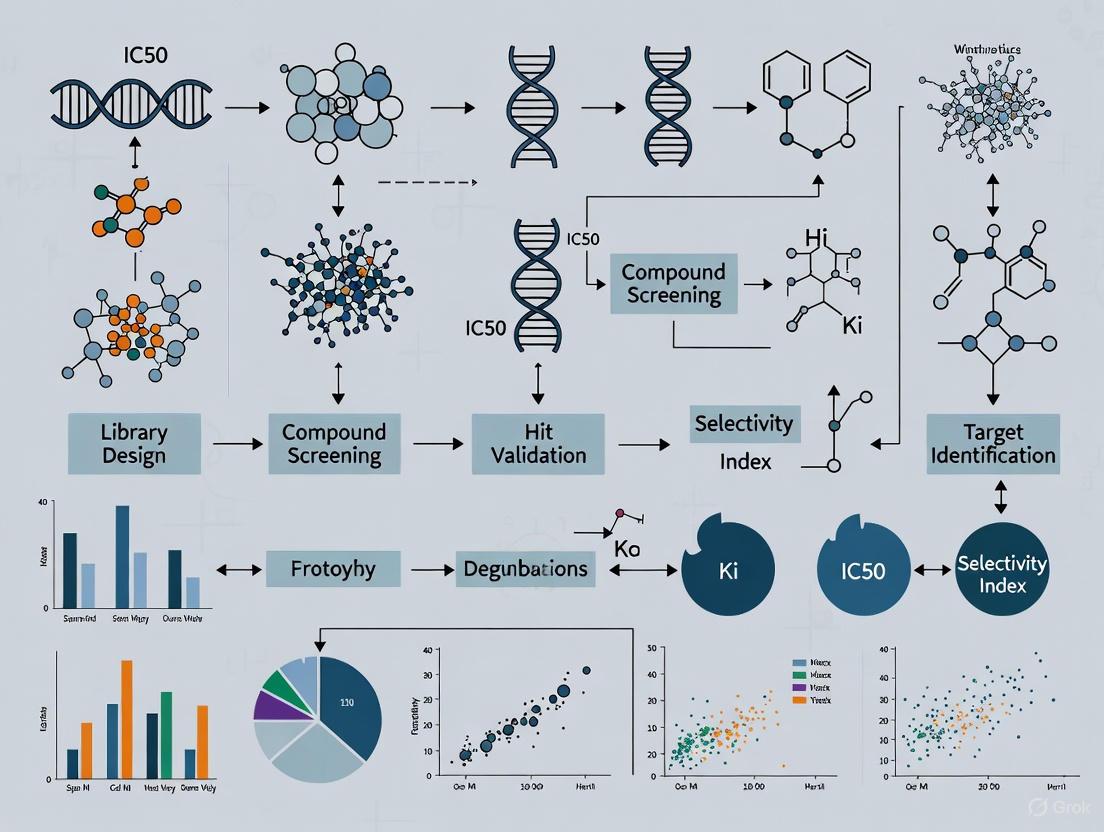
Chemogenomic Library Screening in Precision Oncology: A Strategic Guide to Target Discovery and Drug Development
This article provides a comprehensive overview of chemogenomic library screening and its pivotal role in advancing precision oncology.
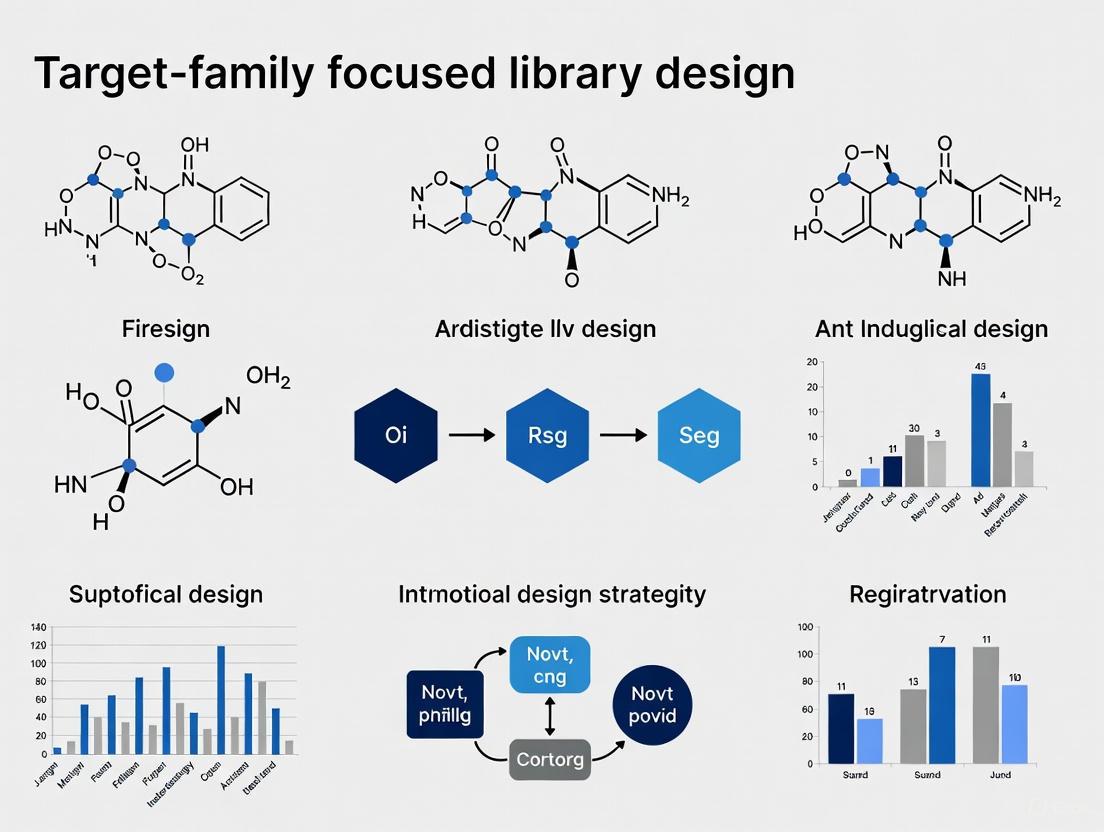
Target-Family Focused Library Design: Strategies for Efficient Drug Discovery
This article provides a comprehensive overview of target-family focused library design, a strategic approach in drug discovery that creates compound collections tailored to interact with specific protein families.

Strategic Design of Target-Annotated Compound Libraries to Power Phenotypic Drug Discovery
Phenotypic Drug Discovery (PDD) has re-emerged as a powerful strategy for identifying first-in-class therapeutics, yet its success is critically dependent on the quality of the compound libraries screened.
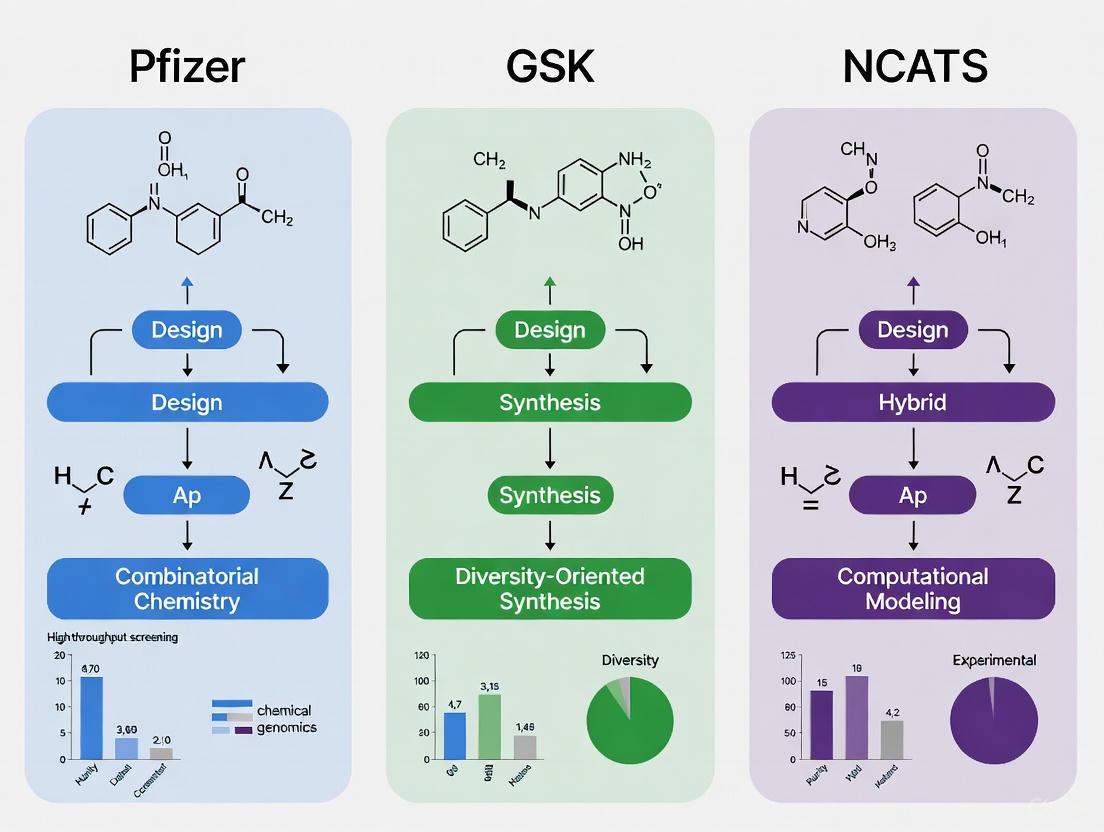
Strategic Designs in Chemogenomic Libraries: A Comparative Analysis of Pfizer, GSK, and NCATS Approaches for Modern Drug Discovery
This article provides a comprehensive comparative analysis of chemogenomic library design strategies employed by leading pharmaceutical organizations Pfizer and GlaxoSmithKline (GSK), alongside the National Center for Advancing Translational Sciences (NCATS).
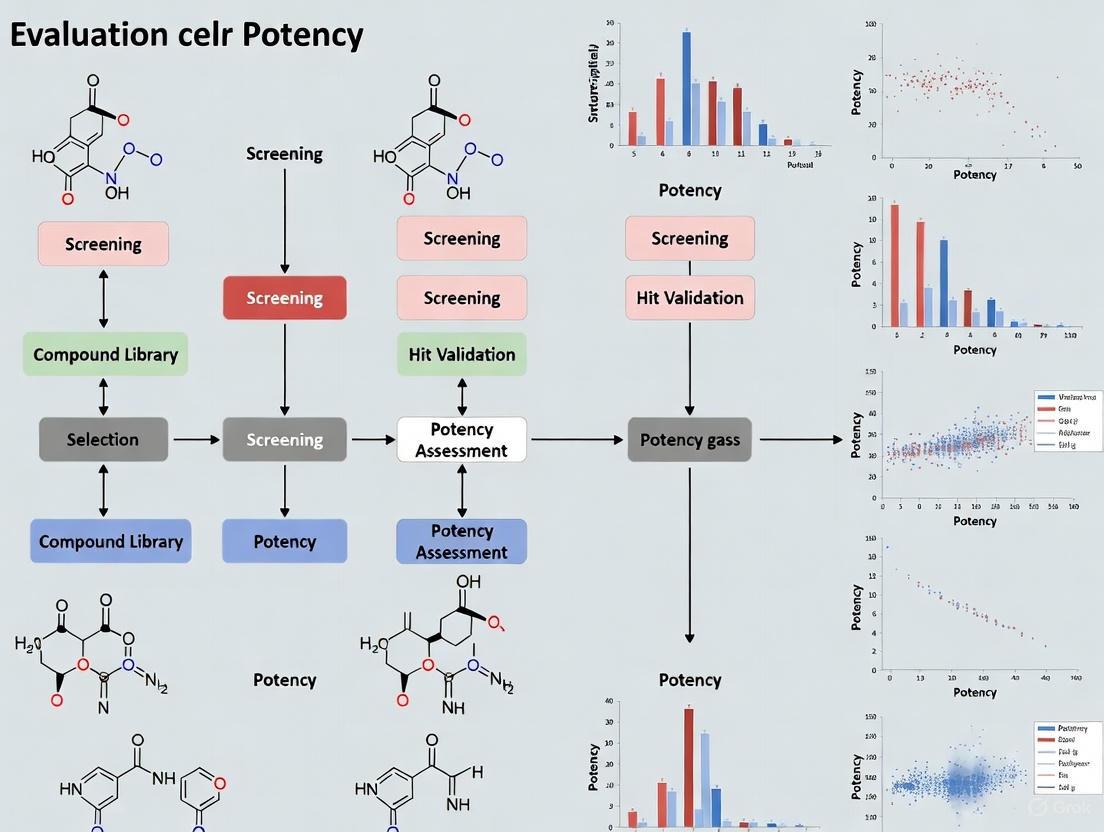
Evaluating Cellular Potency: Strategies for Assessing Compound Libraries in Drug Discovery
This article provides a comprehensive framework for researchers and drug development professionals to evaluate the biological potency of compounds across diverse screening libraries.
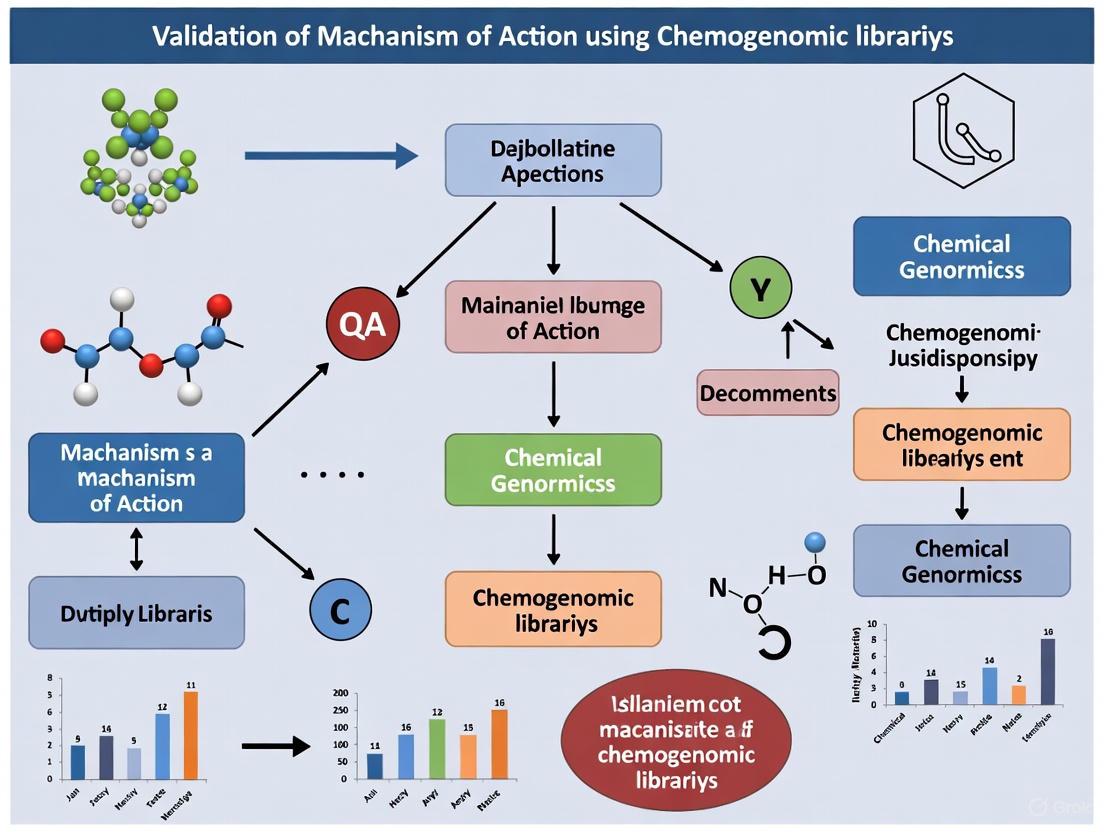
Validating Mechanism of Action in Drug Discovery: A Practical Guide to Chemogenomic Libraries
This article provides a comprehensive guide for researchers and drug development professionals on the application of chemogenomic libraries for validating the mechanism of action (MoA) of small molecules.
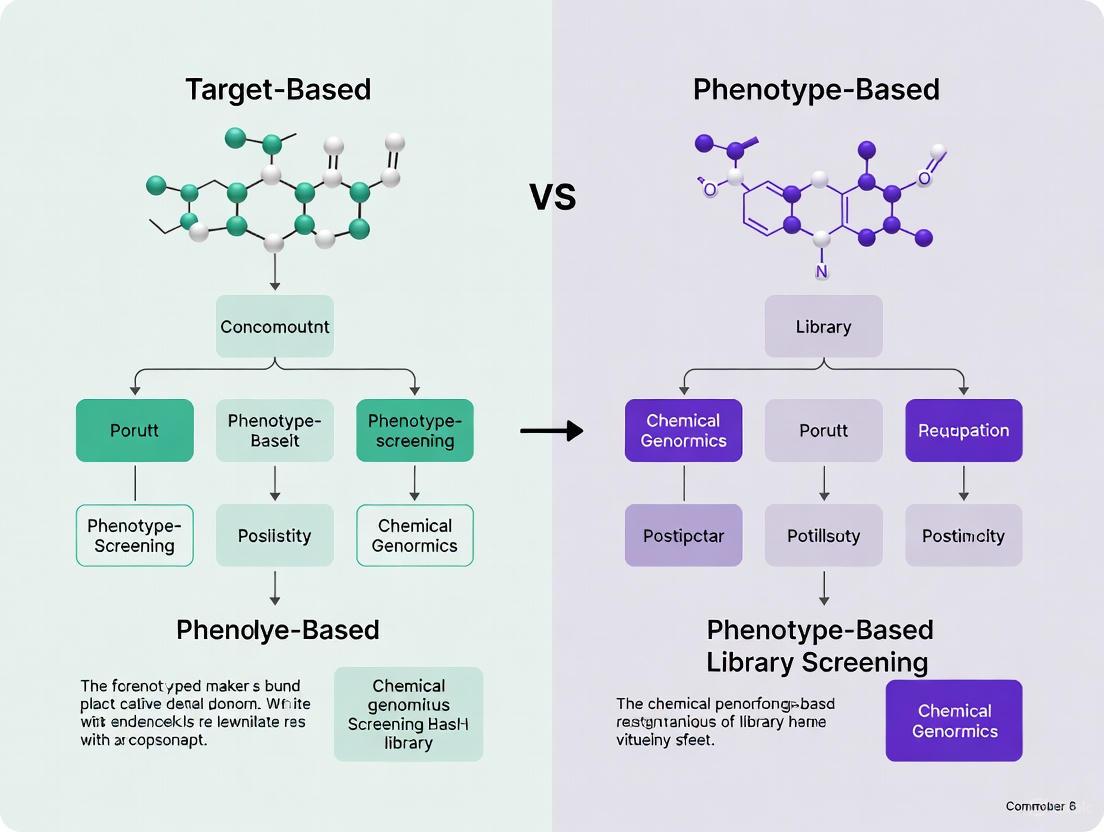
Target-Based vs Phenotypic Screening in Drug Discovery: A Strategic Guide for Researchers
This article provides a comprehensive comparison of target-based and phenotypic screening strategies in modern drug discovery.
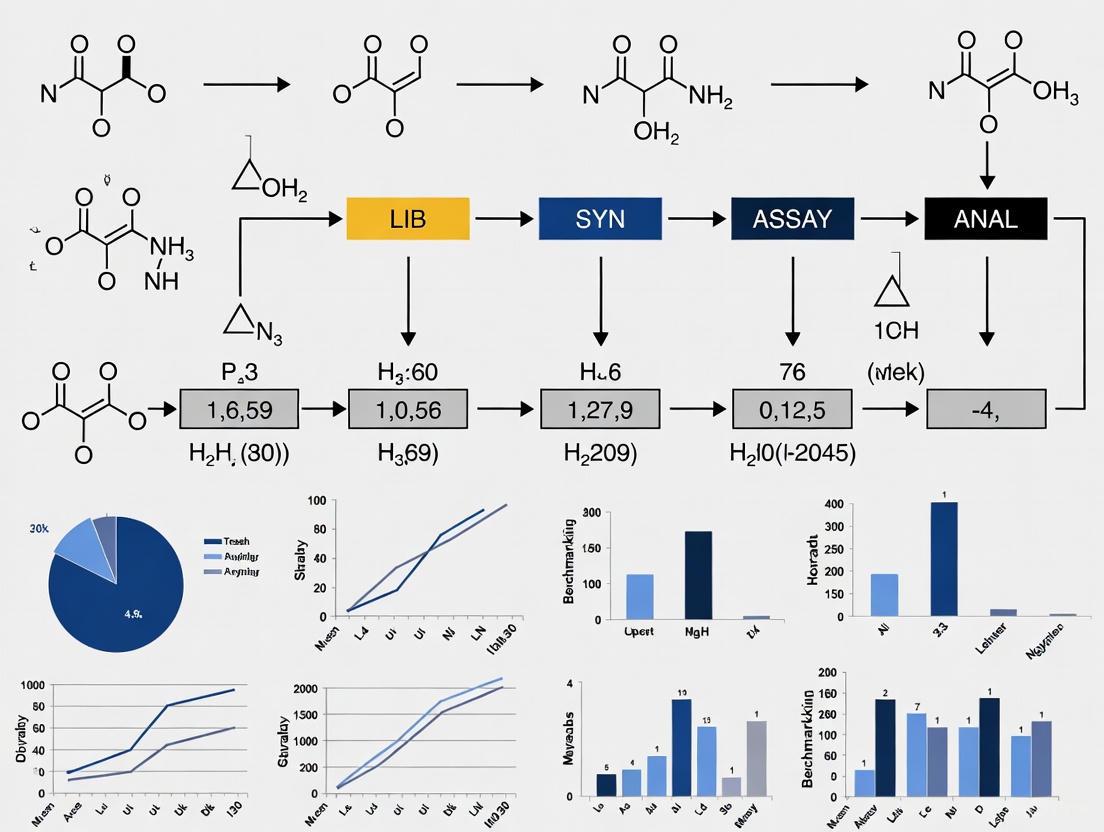
Benchmarking Chemogenomic Libraries: Design Strategies for Precision Oncology and Phenotypic Screening
This article provides a comprehensive benchmark analysis of modern chemogenomic library design strategies, addressing the critical needs of researchers and drug development professionals.
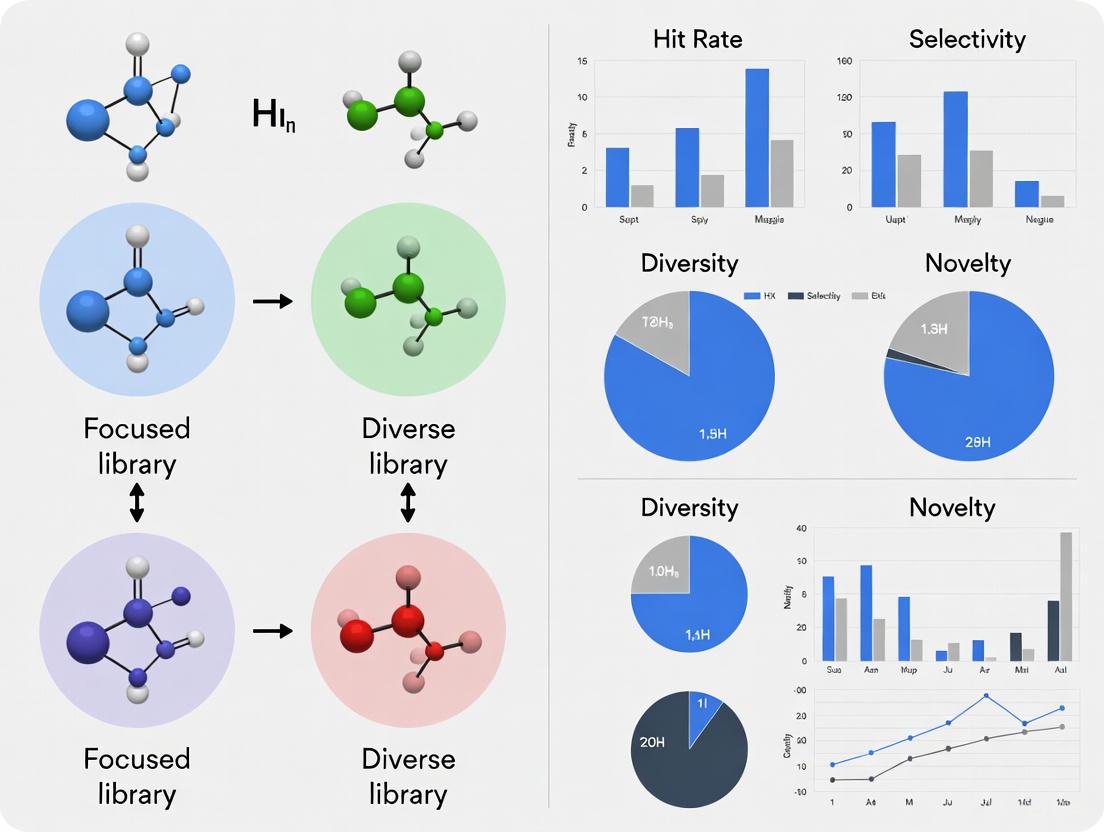
Focused vs. Diverse Screening Libraries: A Strategic Guide for Hit Identification in Drug Discovery
Selecting the optimal screening library is a critical, early-stage decision in drug discovery that significantly impacts project timelines, costs, and success.
Chemogenomic Libraries vs. Diverse Compound Sets: A Strategic Analysis of Hit Rates in Modern Drug Discovery
This article provides a comprehensive analysis for researchers and drug development professionals on the strategic choice between chemogenomic libraries and diverse compound sets for screening campaigns.