Research Articles
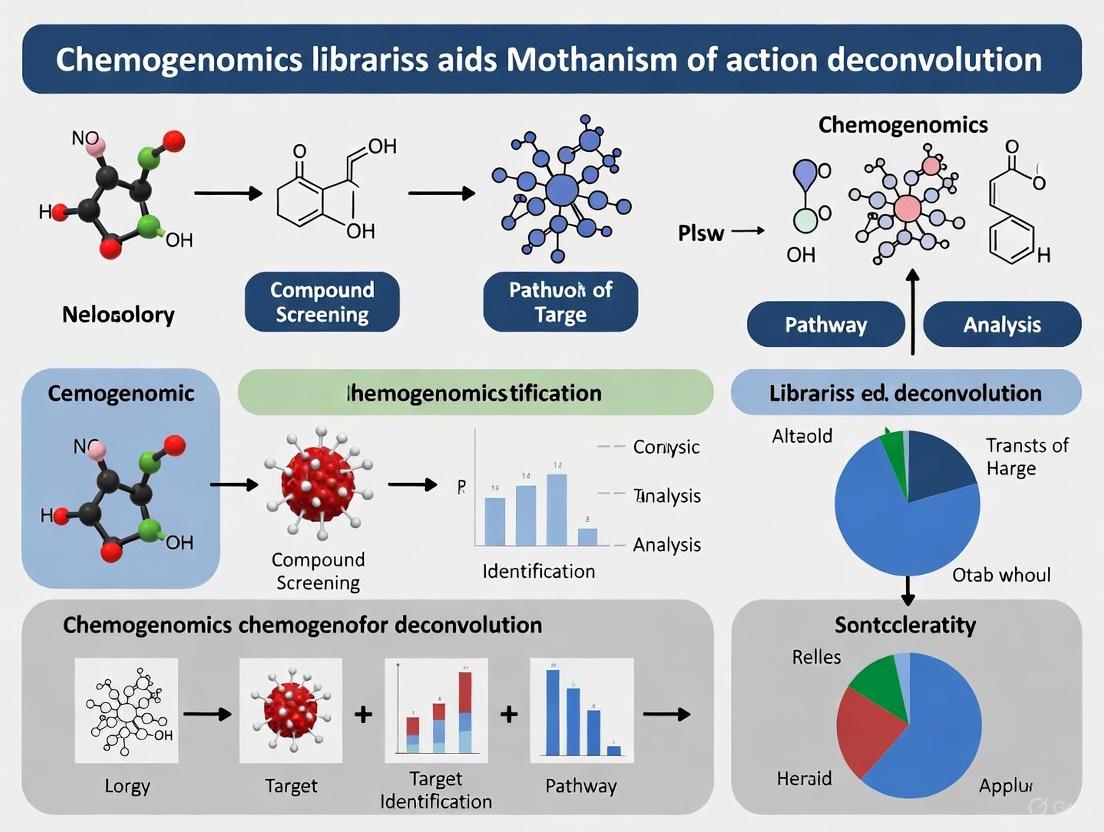
Chemogenomics Libraries: Bridging Phenotypic Screening to Target Identification
This article explores the pivotal role of chemogenomics libraries in deconvoluting the mechanism of action (MoA) for hits identified in phenotypic screens.
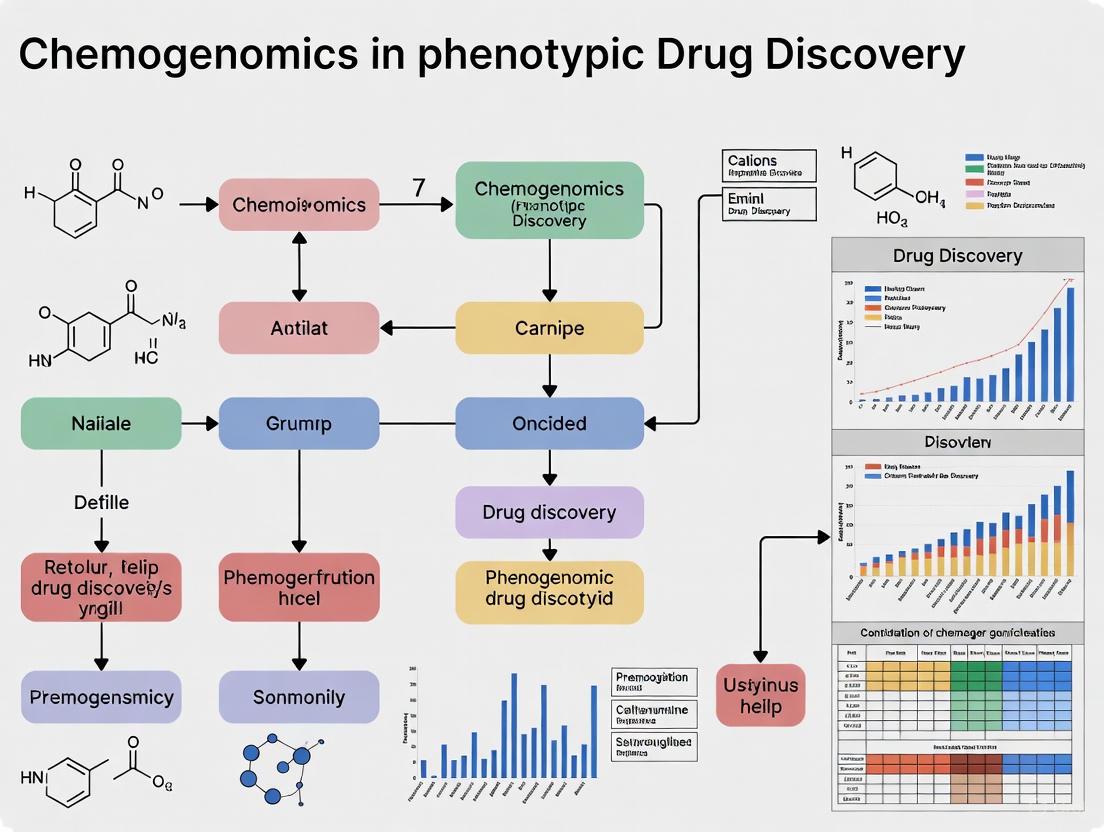
Chemogenomics in Phenotypic Drug Discovery: Bridging Biology and Chemistry for First-in-Class Therapies
This article explores the integral role of chemogenomics in modern phenotypic drug discovery (PDD), a biology-first approach responsible for a disproportionate number of first-in-class medicines.
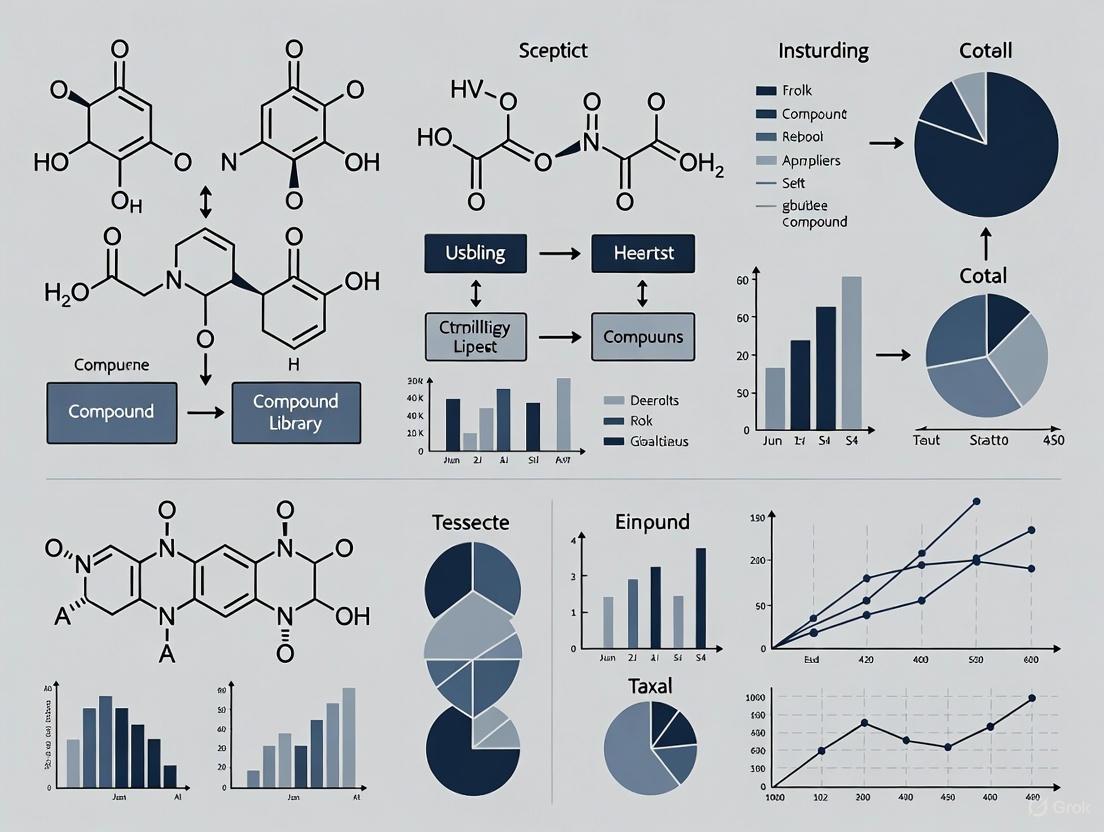
Chemogenomic Compound Libraries: A Guide to Target Discovery and Phenotypic Screening
This article provides a comprehensive overview of chemogenomic compound libraries, which are curated collections of small molecules designed to systematically probe families of biological targets.
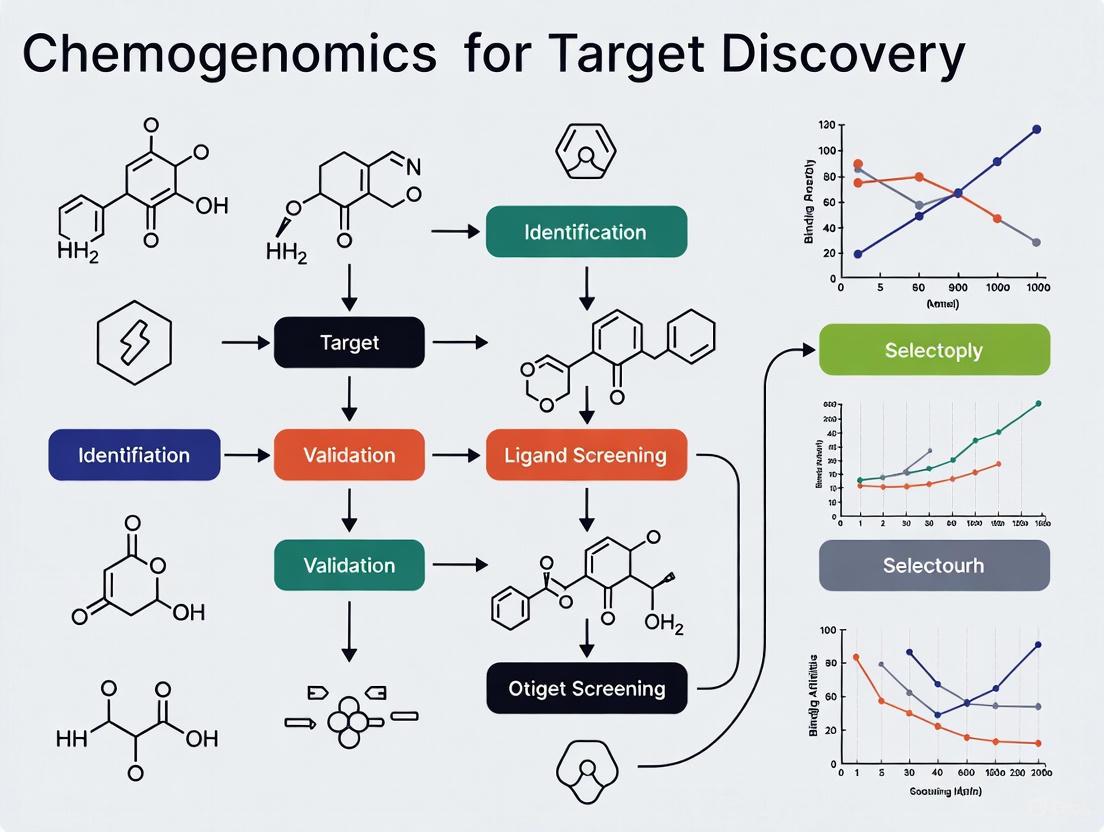
Chemogenomics: A Comprehensive Guide to Accelerating Target Discovery in Drug Development
This article provides a comprehensive overview of chemogenomics, an innovative strategy that integrates combinatorial chemistry, genomics, and proteomics to systematically identify and validate novel therapeutic targets and bioactive compounds.
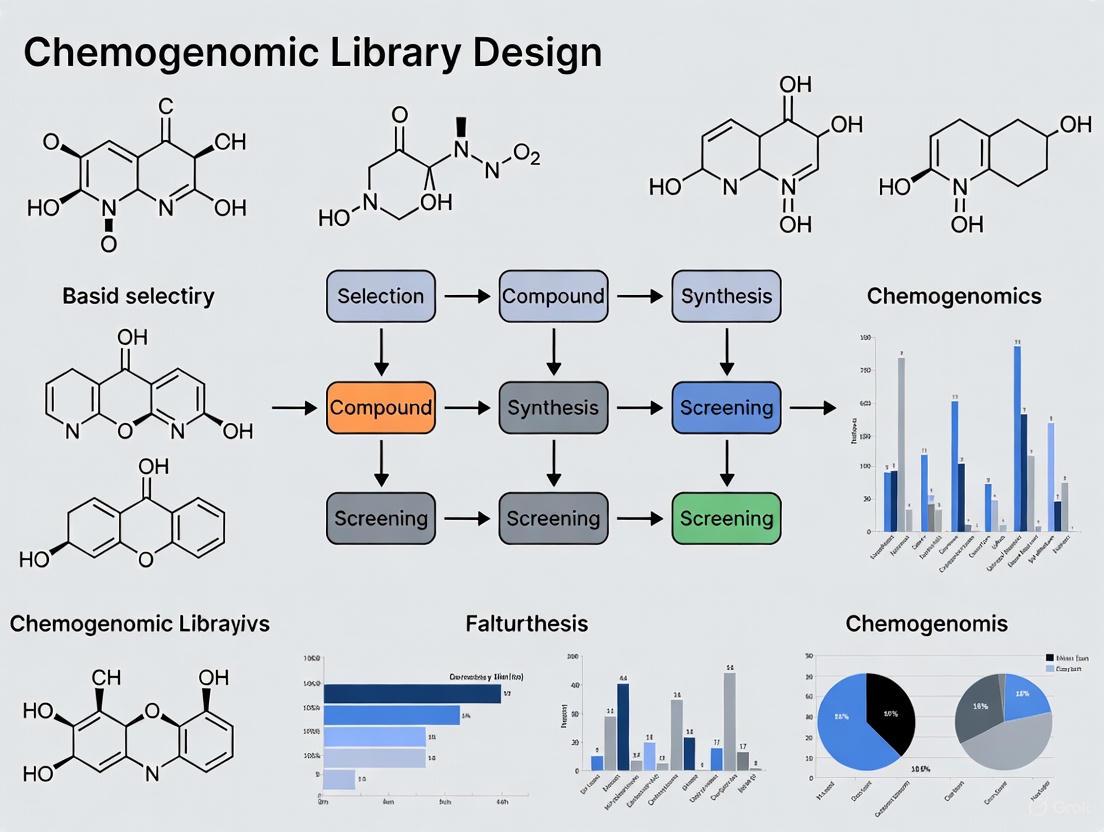
Strategic Chemogenomic Library Design: Principles, Applications, and Best Practices for Target Discovery
This article provides a comprehensive guide to the basic principles of chemogenomic library design for researchers, scientists, and drug development professionals.

Genetic vs Pharmacological Inhibition of Intrinsic Resistance: Mechanisms, Applications, and Clinical Translation
This article provides a comprehensive comparison of genetic and pharmacological strategies for targeting intrinsic resistance mechanisms in disease treatment.
Validating ECOFF Values and Intrinsic Resistance Breakpoints: A Comprehensive Guide for Antimicrobial Research and Drug Development
This article provides a comprehensive framework for researchers, scientists, and drug development professionals on the validation of Epidemiological Cut-off (ECOFF) values and intrinsic resistance breakpoints.
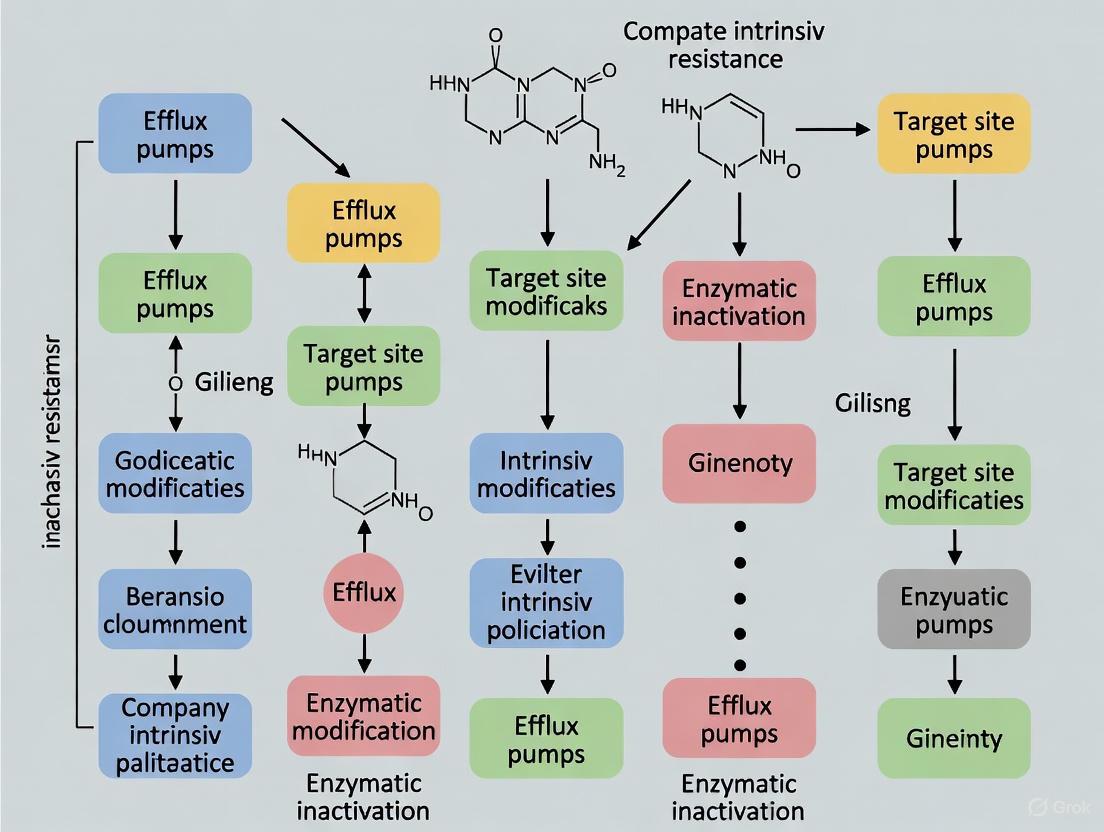
Intrinsic Resistance in ESKAPE Pathogens: A Comparative Analysis of Core Defense Mechanisms and Therapeutic Implications
This article provides a comprehensive comparative analysis of the intrinsic resistance mechanisms employed by ESKAPE pathogens—Enterococcus faecium, Staphylococcus aureus, Klebsiella pneumoniae, Acinetobacter baumannii, Pseudomonas aeruginosa, and Enterobacter species.
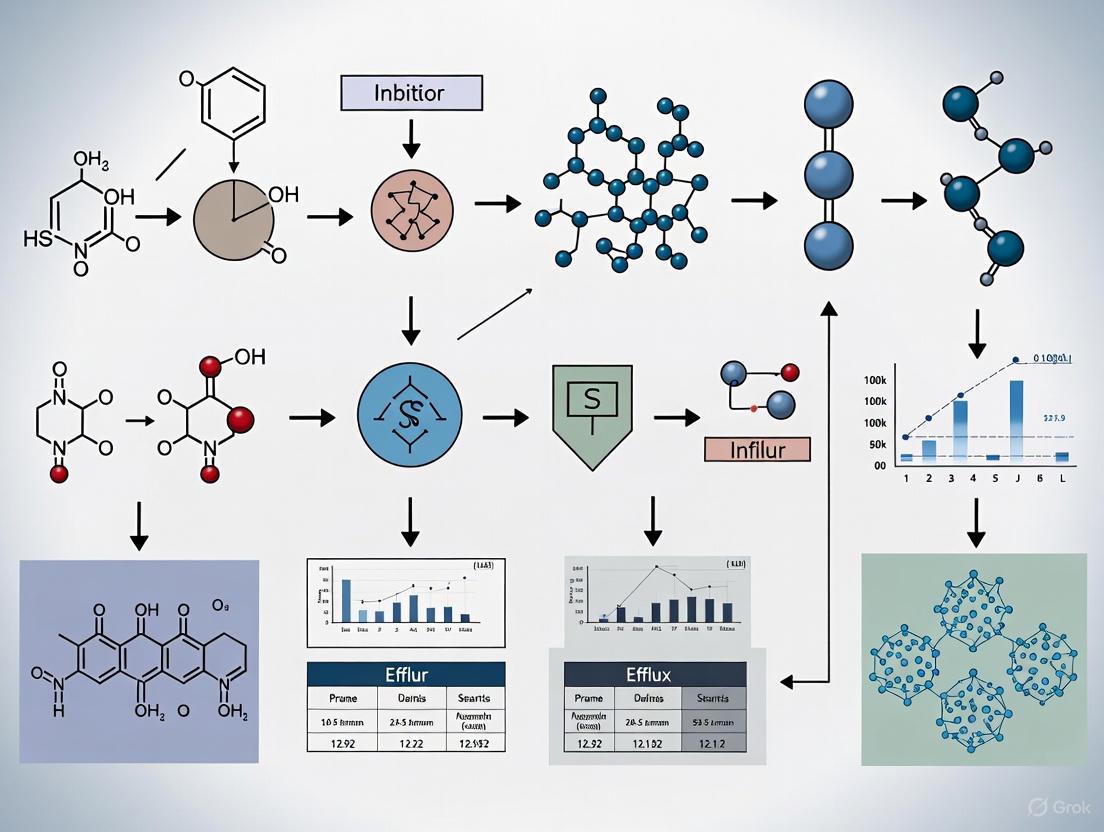
Comparative Efficacy of Efflux Pump Inhibitors: A Comprehensive Review for Rescuing Antibiotic Activity
Multidrug-resistant Gram-negative bacteria pose an urgent global health threat, with efflux pumps like AcrB playing a major role in antibiotic failure.
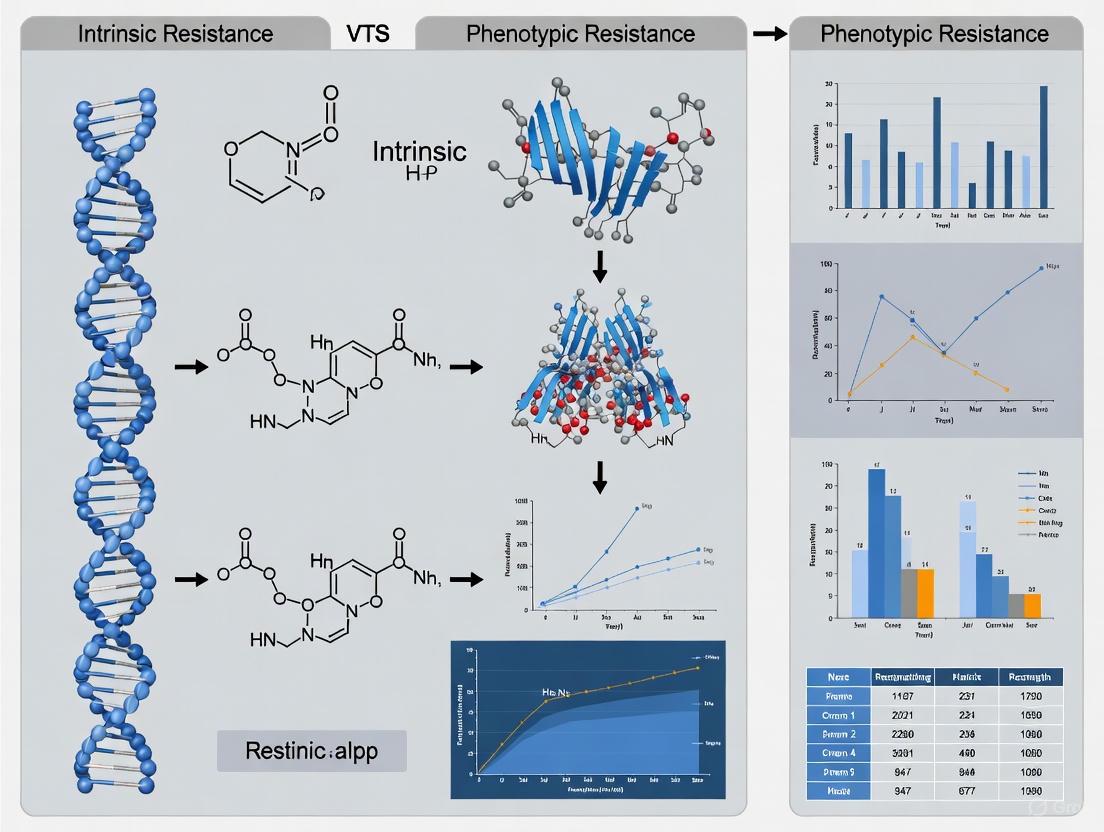
Decoding Bacterial Defenses: A Strategic Guide to Validating Intrinsic vs. Phenotypic Resistance
This article provides researchers, scientists, and drug development professionals with a comprehensive framework for distinguishing between intrinsic and phenotypic antimicrobial resistance (AMR).