Research Articles
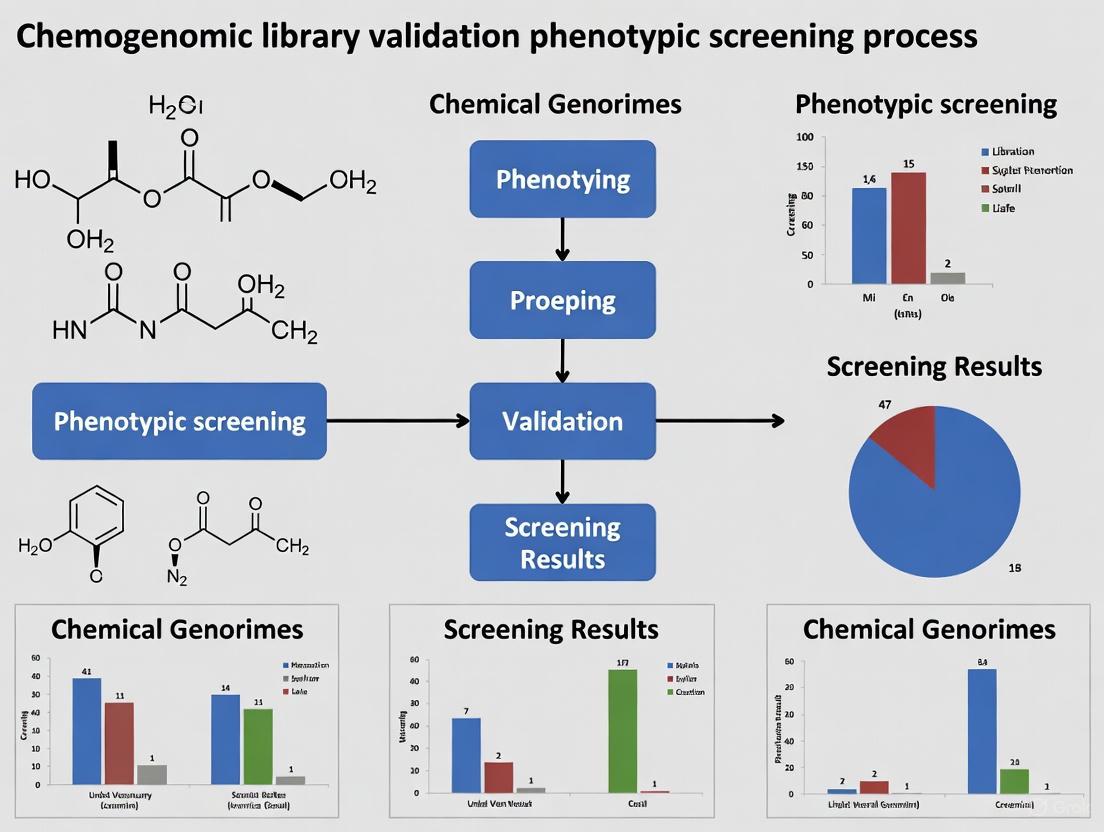
Validating Chemogenomic Libraries for Phenotypic Screening: Strategies for Unlocking Novel Drug Targets
This article provides a comprehensive guide for researchers and drug development professionals on the validation of chemogenomic libraries for phenotypic screening.
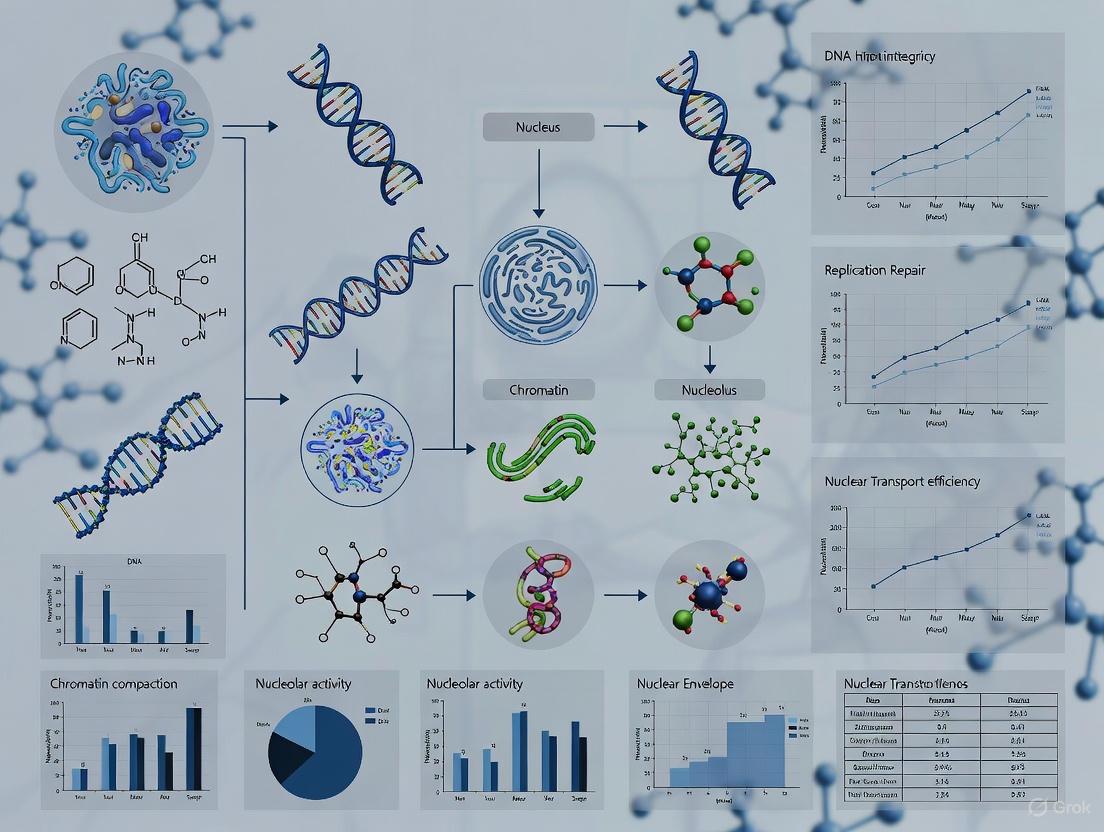
Nuclear Morphology Analysis: A Deep Learning Biomarker for Cell Health Assessment in Aging and Disease
This article explores the transformative role of nuclear morphology as a biomarker for cellular health, with a specific focus on applications in aging research and drug development.
Overcoming Solubility Challenges in Phenotypic Screening: Strategies for Reliable Bioactivity Data
This article provides a comprehensive guide for researchers and drug development professionals on managing poorly water-soluble compounds in phenotypic assays.
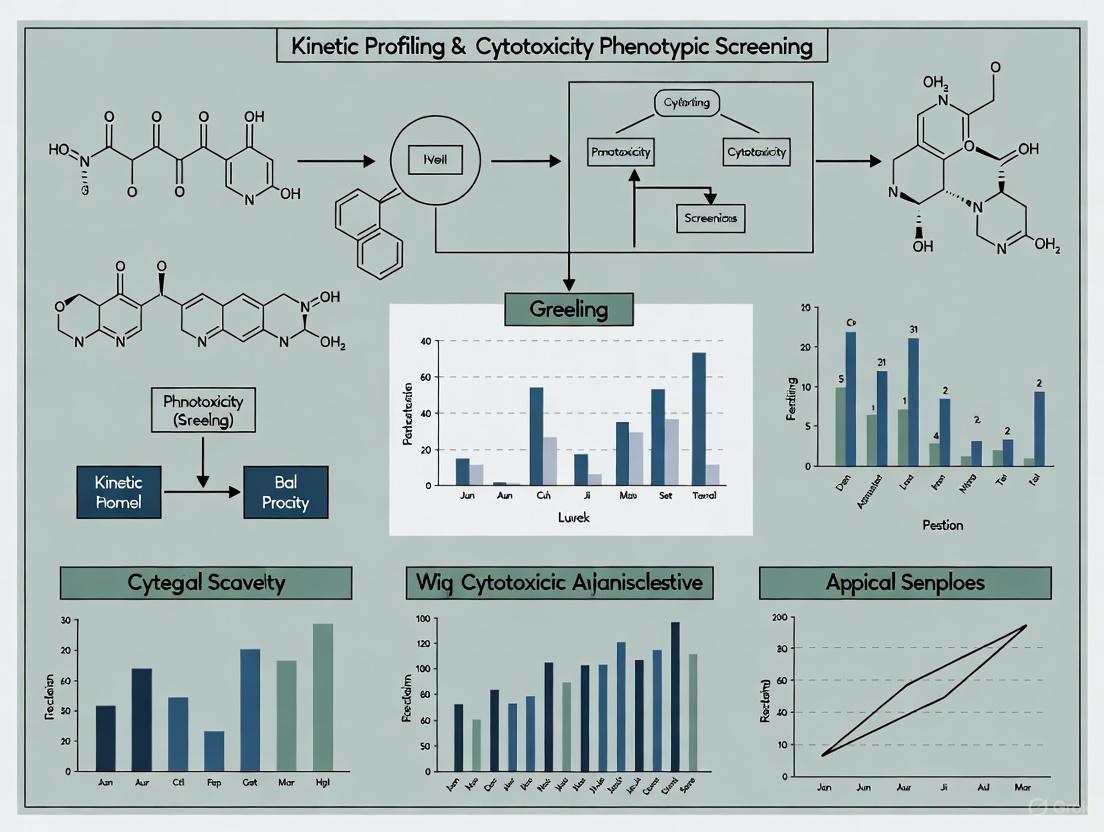
Kinetic Profiling in Cytotoxicity Phenotypic Screening: Advancing Predictive Drug Discovery
This article explores the integration of kinetic profiling with phenotypic cytotoxicity screening, a transformative approach for modern drug discovery.
Target Deconvolution in Phenotypic Screening: Overcoming Challenges to Unlock First-in-Class Therapies
Phenotypic drug discovery (PDD) has re-emerged as a powerful strategy for identifying first-in-class therapeutics, often acting through novel mechanisms.
Overcoming Morphological Profiling Data Analysis Challenges: From Classical Features to Self-Supervised Learning
Morphological profiling through high-content imaging, particularly the Cell Painting assay, has emerged as a powerful technology for drug discovery and functional genomics.
Strategic Cell Health Assessment: A Guide to Effective Compound Toxicity Filtering in Drug Discovery
This article provides a comprehensive guide for researchers and drug development professionals on leveraging cell health assessment for early and predictive compound toxicity filtering.
Optimizing Dye Concentrations for Live-Cell Phenotypic Screening: A Guide to Enhanced Assay Performance
Live-cell phenotypic screening provides dynamic, real-time insights into cellular responses but requires careful optimization of dye concentrations to balance signal intensity with cell viability.
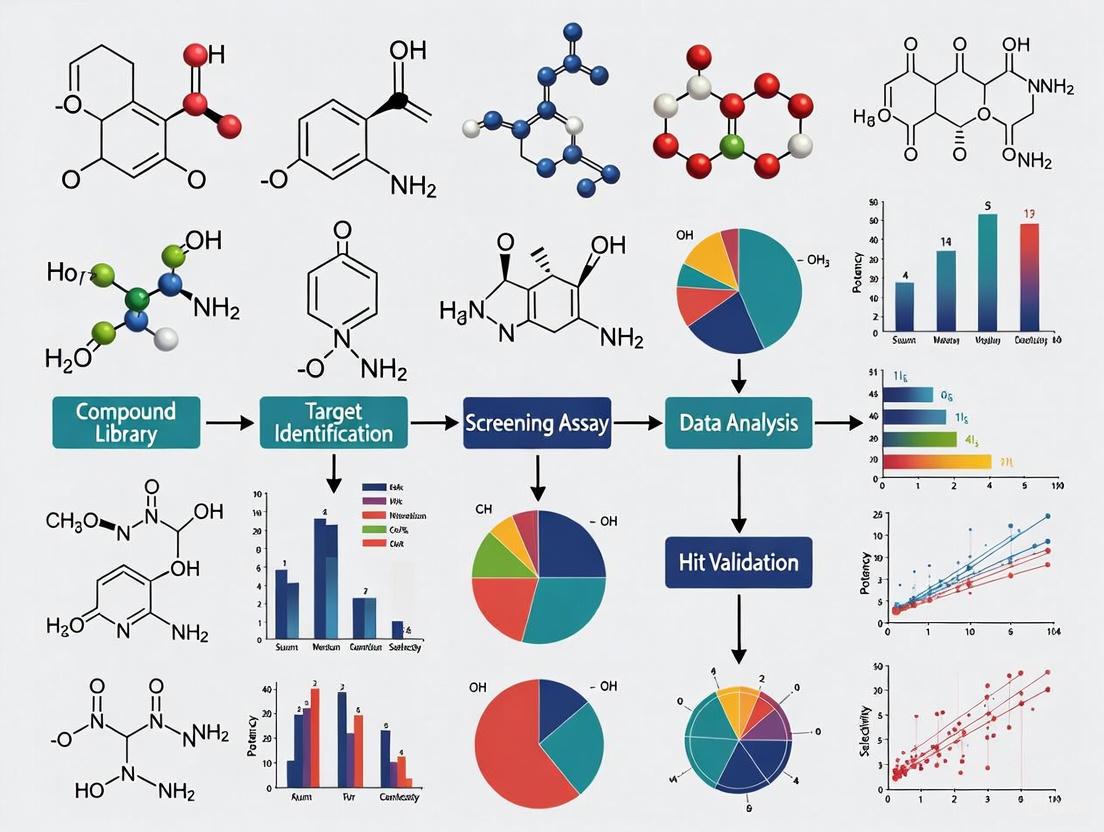
Combating Compound Interference in Phenotypic High Content Screening: Strategies for AI-Driven, Reproducible Drug Discovery
This article provides a comprehensive guide for researchers and drug development professionals on addressing the critical challenge of compound interference in phenotypic High Content Screening (HCS).
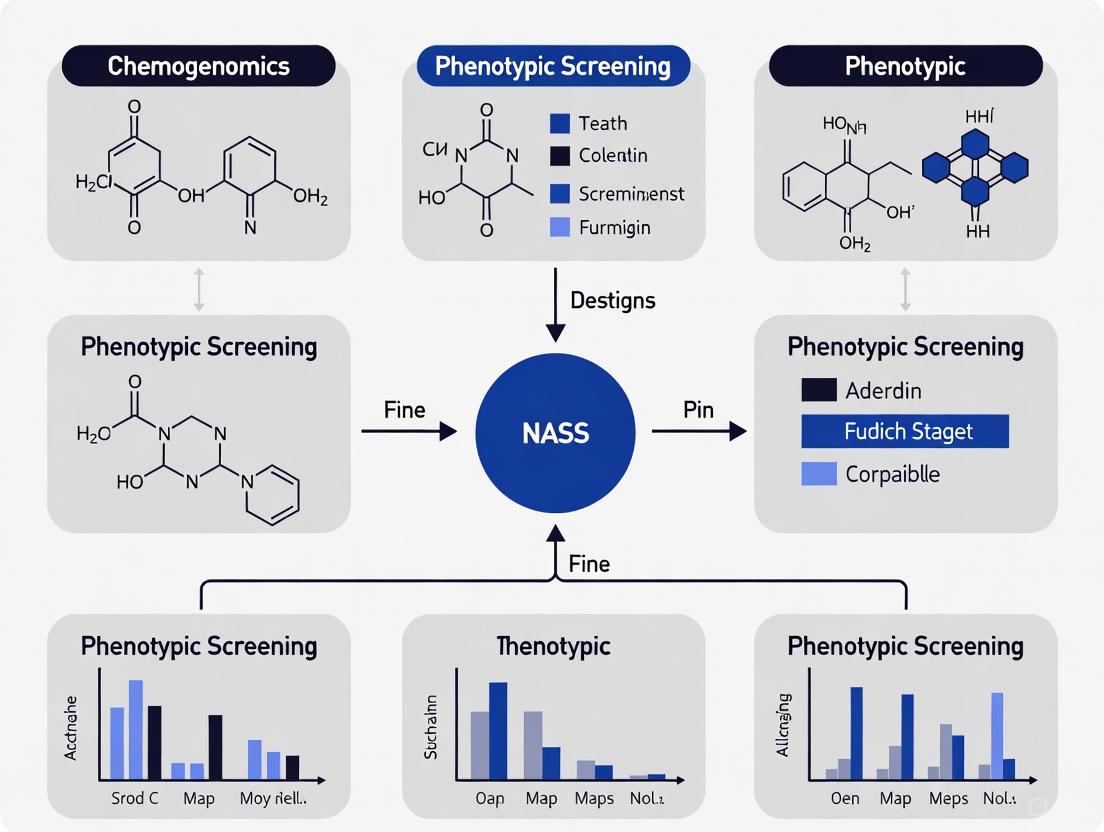
Strategies for Reducing False Positives in Phenotypic Screening and Chemogenomics
This article addresses the critical challenge of false positives in phenotypic screening and chemogenomics, a major bottleneck in early drug discovery that leads to significant resource waste.