Research Articles
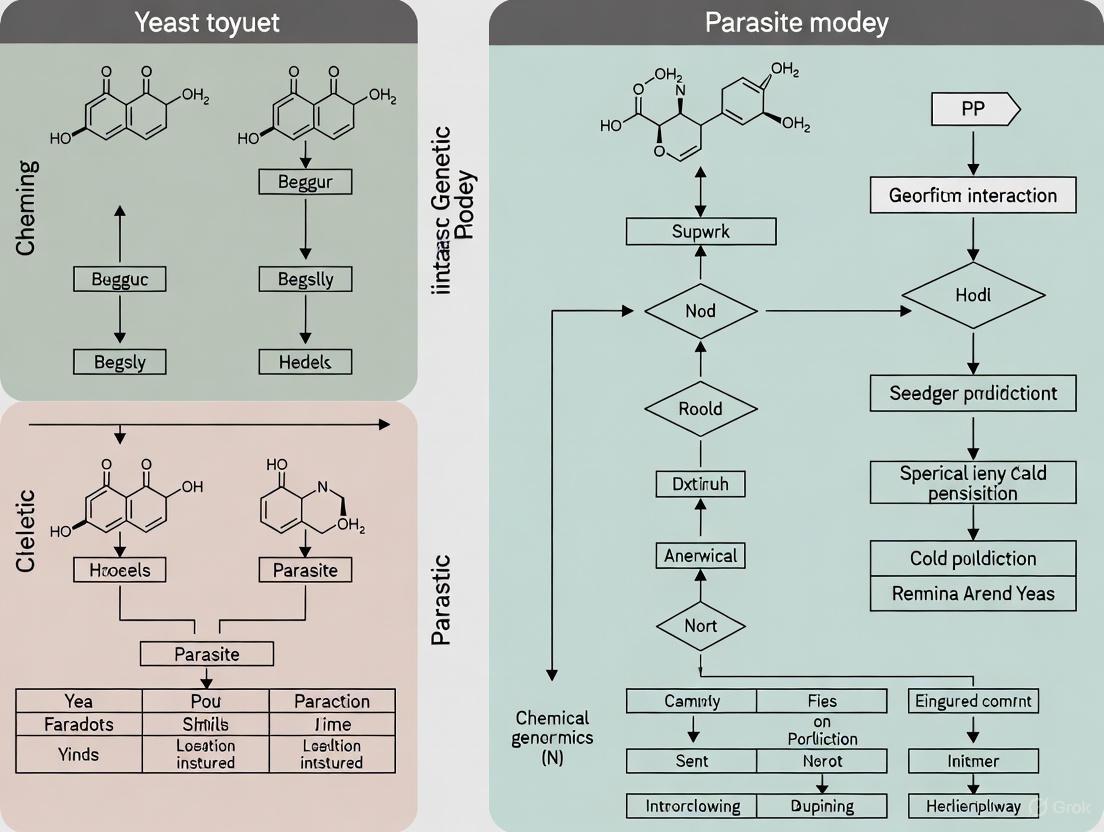
Chemical Genetic Interactions: Leveraging Yeast and Parasite Models for Antiparasitic Drug Discovery
This article explores the transformative role of chemical genetic interactions in accelerating drug discovery, with a focus on yeast and parasite models.
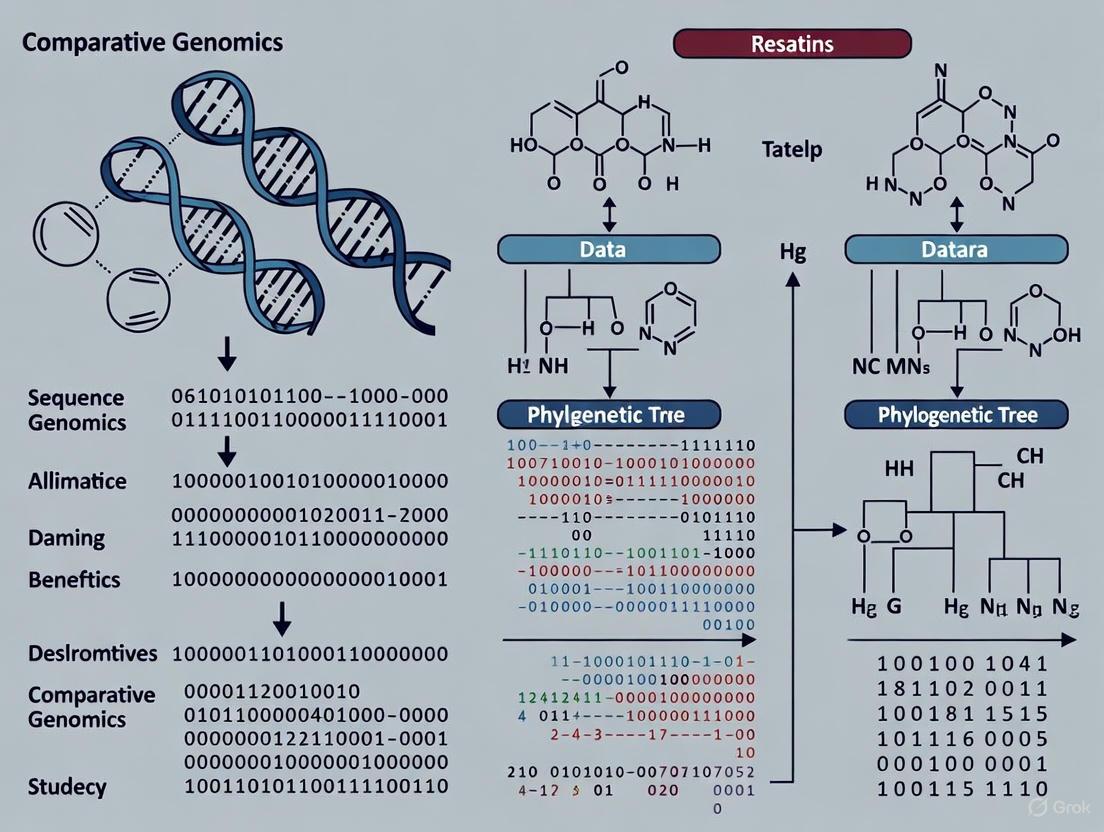
Using Comparative Genomics to Identify Novel Antimicrobial Peptides: A Strategy to Combat Drug-Resistant Superbugs
The escalating global health crisis of antimicrobial resistance necessitates the discovery of novel therapeutic agents.
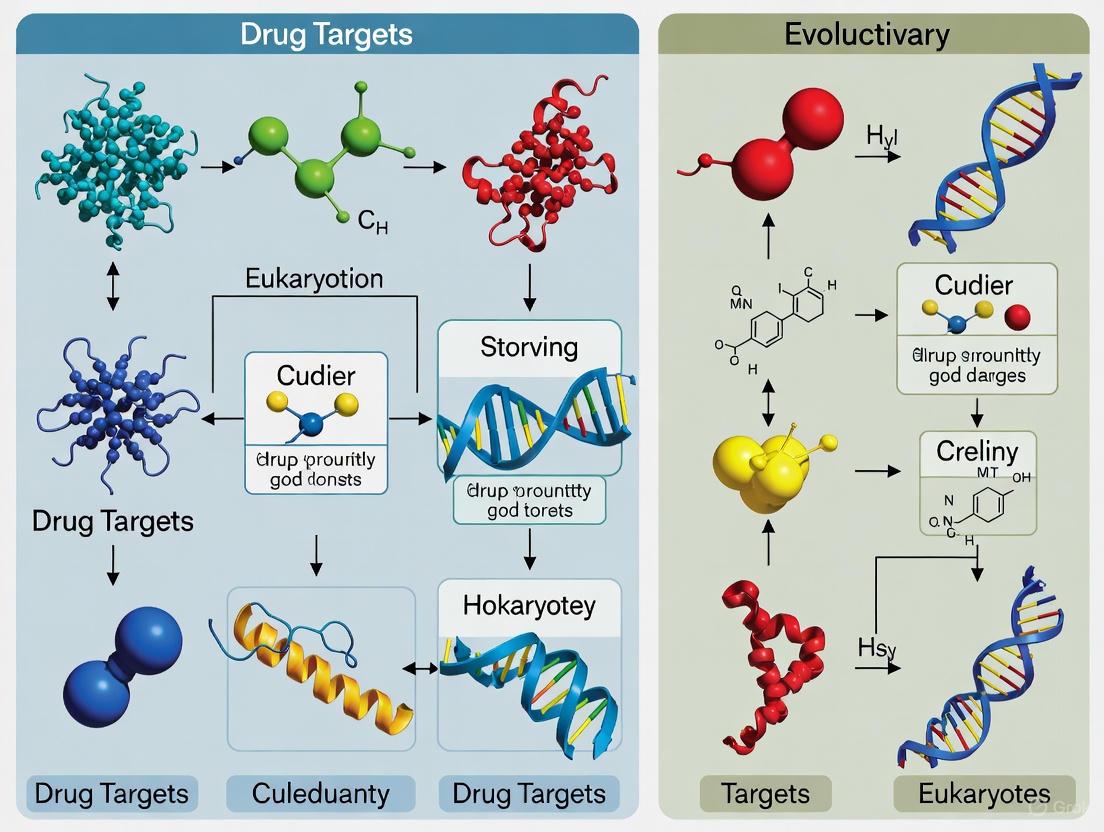
Evolutionary Conservation of Drug Targets: A Cross-Eukaryotic Guide for Target Discovery and Validation
This article provides a comprehensive analysis of the evolutionary conservation of drug targets across diverse eukaryotic species, a critical consideration for modern drug discovery.
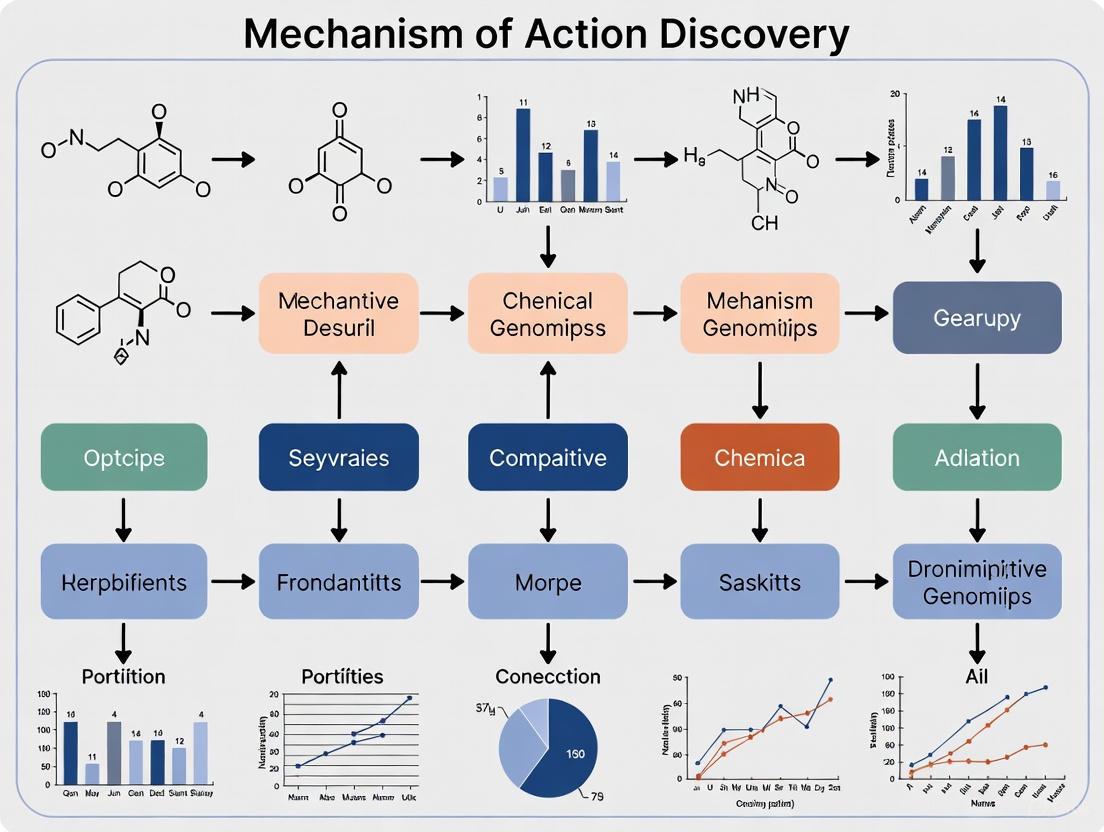
Comparative Chemical Genomics: A Systematic Framework for Mechanism of Action Discovery in Drug Development
This article provides a comprehensive overview of comparative chemical genomics, an integrative approach that combines large-scale genetic perturbations with chemical screening to elucidate drug mechanisms of action (MoA).
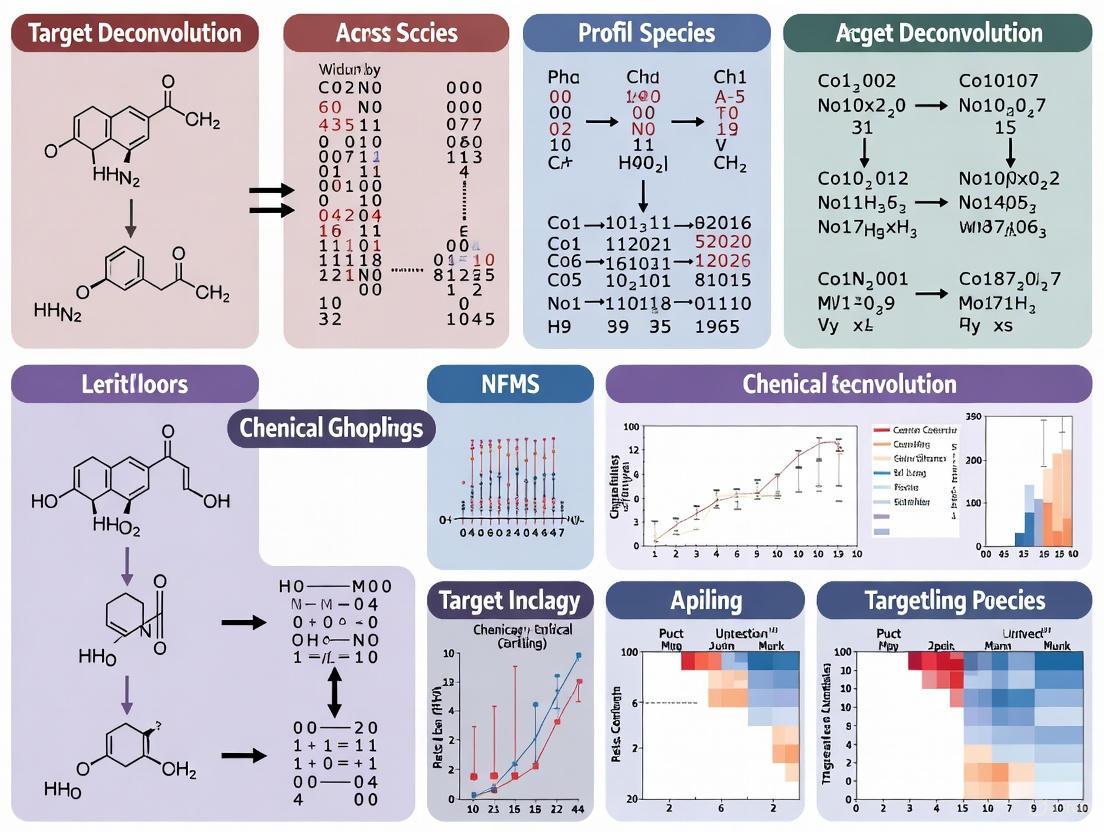
Chemical Genomic Profiling for Target Deconvolution: Cross-Species Strategies and Advanced Applications in Drug Discovery
This article provides a comprehensive overview of chemical genomic profiling as a powerful, unbiased approach for target deconvolution in phenotypic drug discovery.
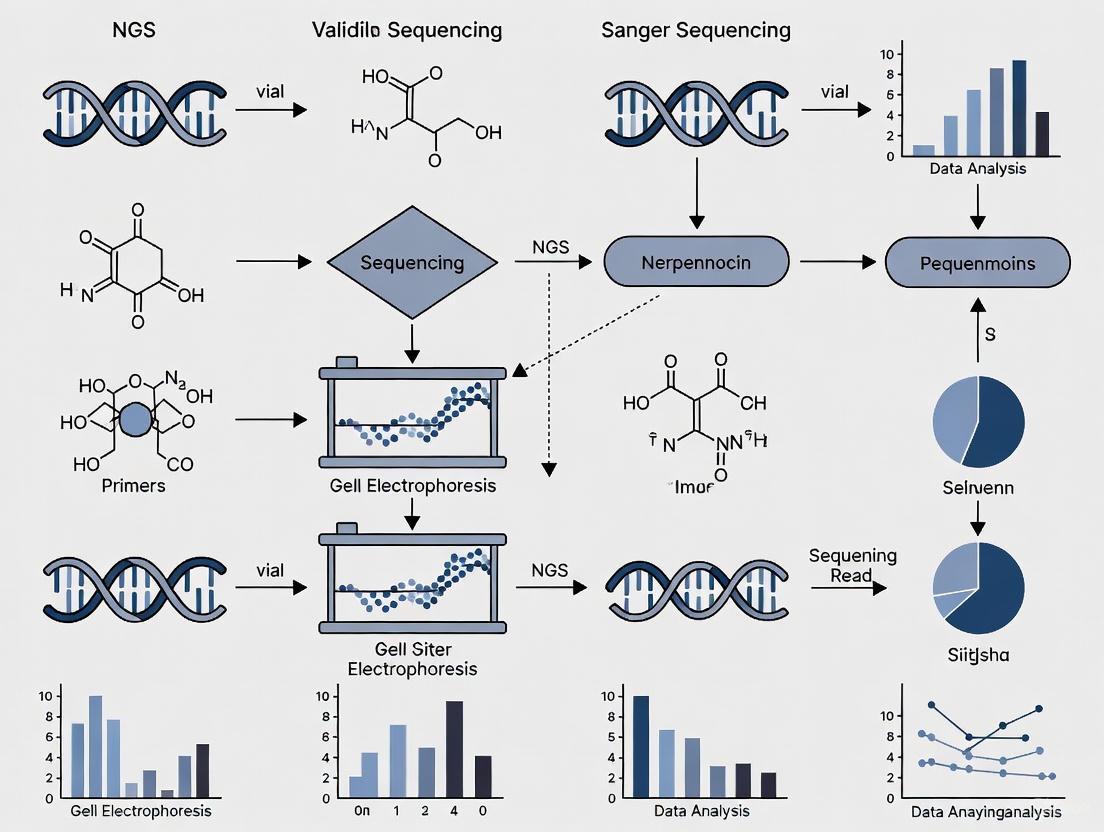
NGS vs Sanger Sequencing: A Strategic Guide for Validating Chemogenomic Hits
This article provides a comprehensive framework for researchers and drug development professionals selecting between Next-Generation Sequencing (NGS) and Sanger sequencing to validate chemogenomic screening results.
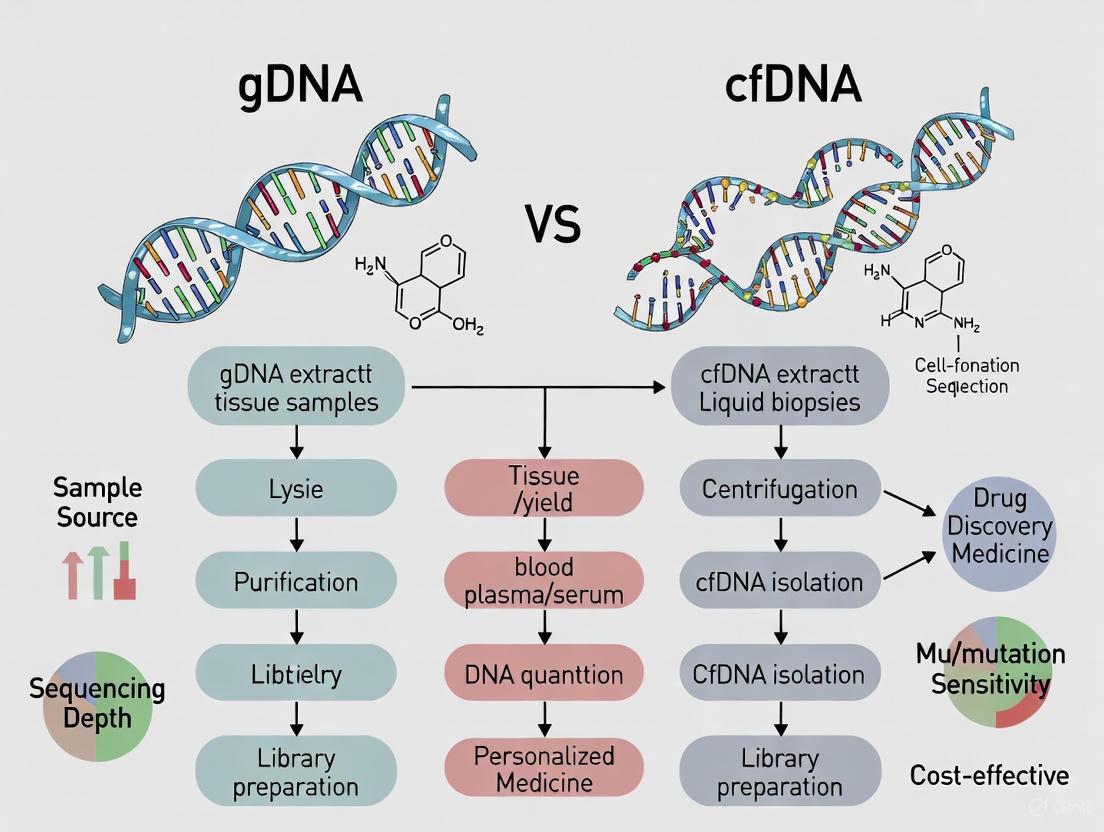
gDNA vs. cfDNA in NGS for Chemogenomics: A Strategic Guide for Drug Development
This article provides a comprehensive comparison of genomic DNA (gDNA) and cell-free DNA (cfDNA) based Next-Generation Sequencing (NGS) methodologies within chemogenomic studies.
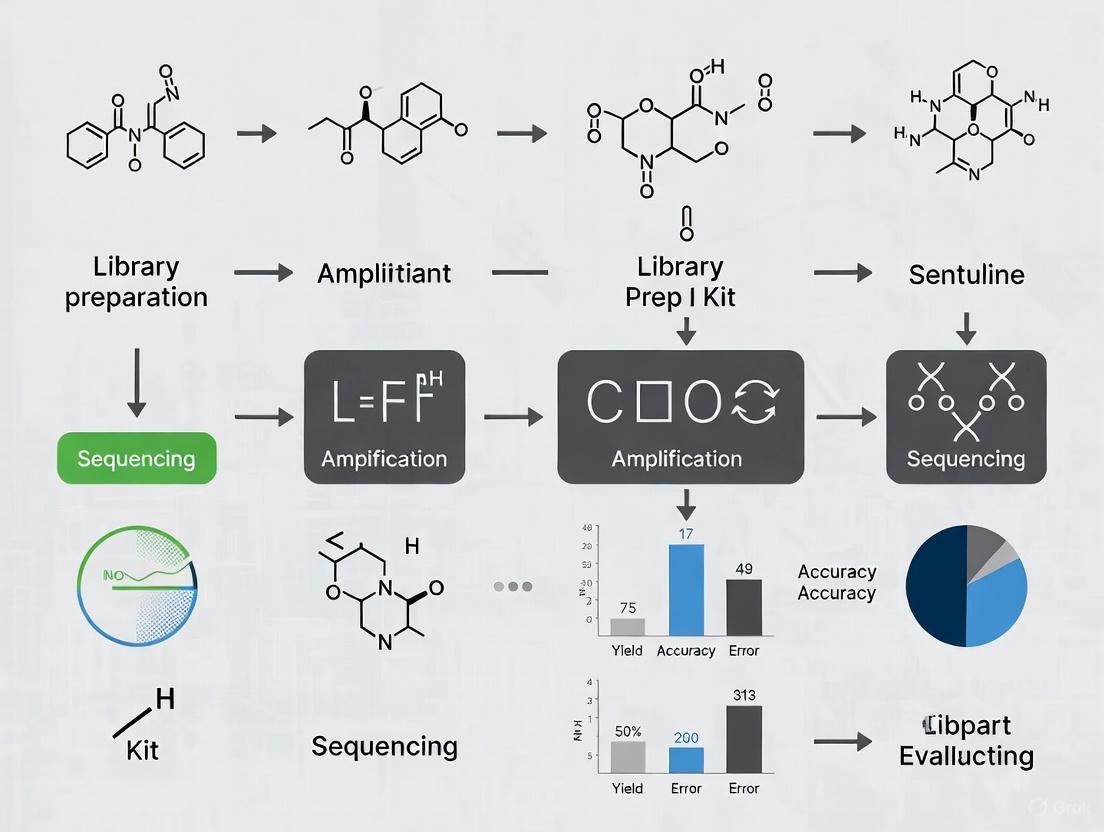
A Strategic Guide to Evaluating NGS Library Prep Kits for Robust Chemogenomics
This article provides researchers, scientists, and drug development professionals with a comprehensive framework for selecting and optimizing next-generation sequencing (NGS) library preparation kits specifically for chemogenomics applications.
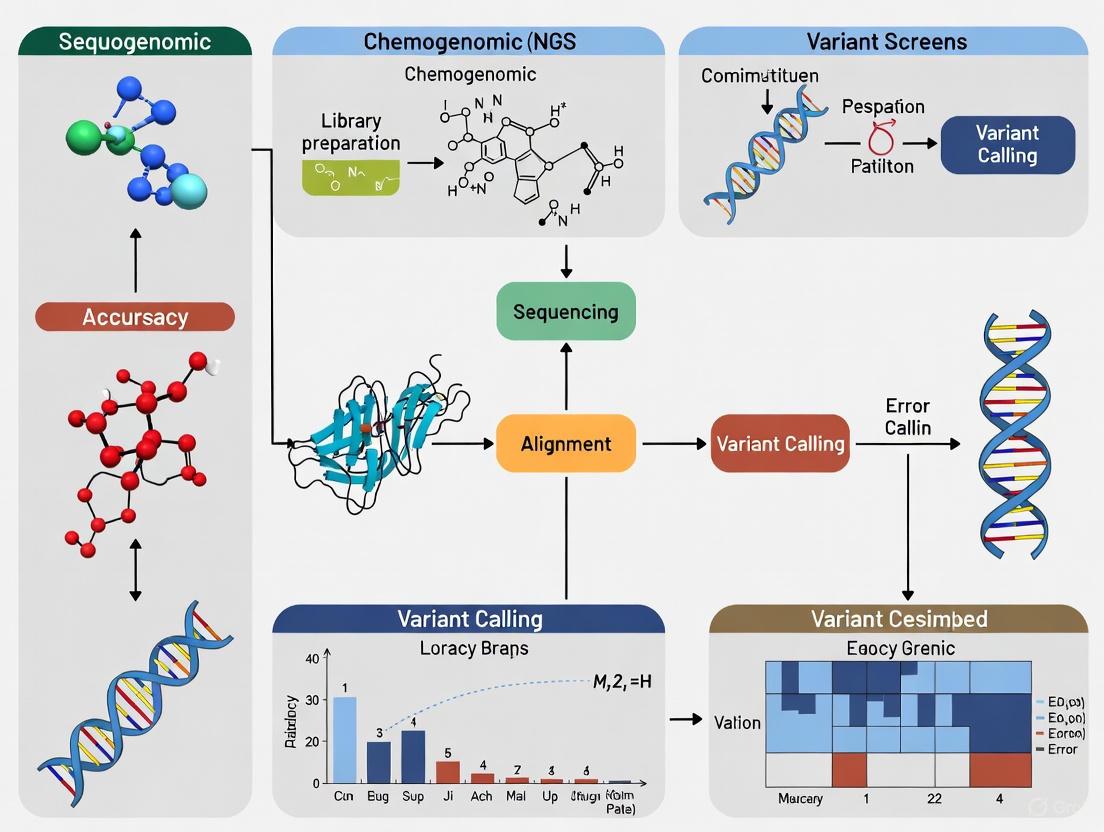
Precision Calling: Optimizing NGS Variant Accuracy in Chemogenomic Screens for Drug Discovery
Next-generation sequencing (NGS) variant calling is foundational to interpreting chemogenomic screens, where accurately linking genetic perturbations to compound sensitivity is paramount.
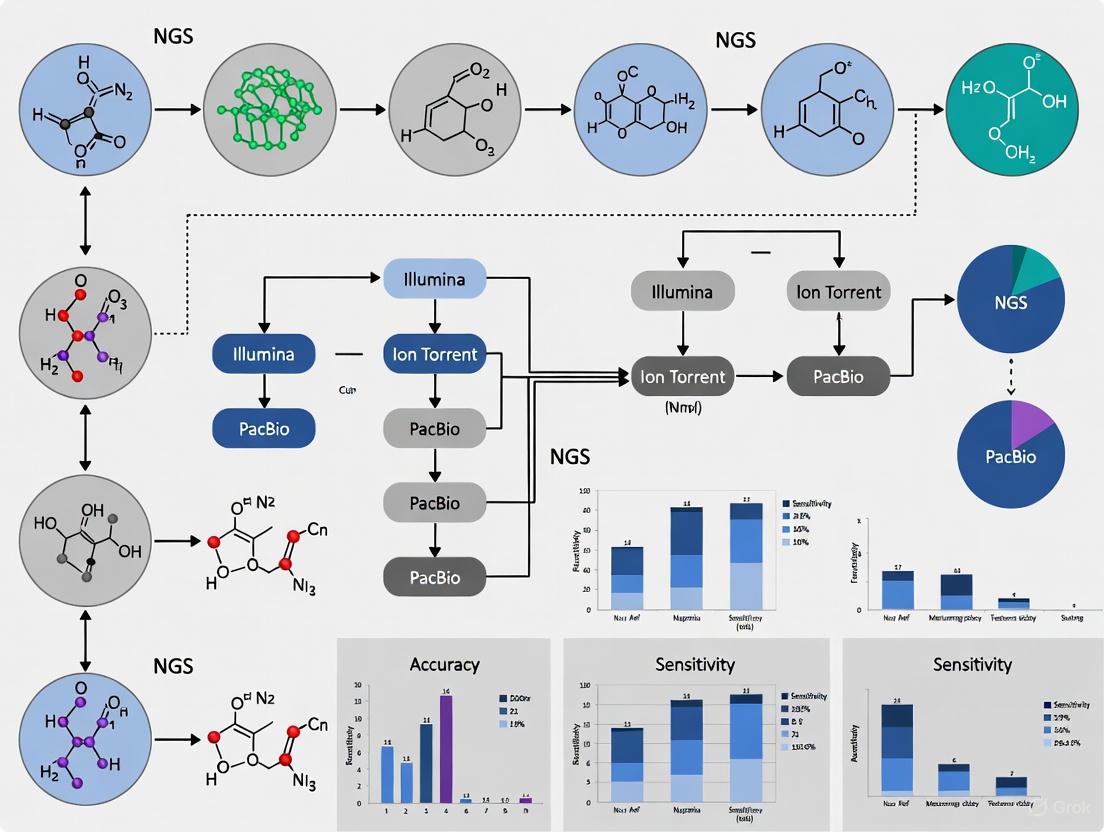
Benchmarking NGS Platforms for Chemogenomic Sensitivity: A Comprehensive Guide for Precision Toxicology and Drug Development
Error-corrected next-generation sequencing (ecNGS) has revolutionized the direct evaluation of genome-wide mutations following exposure to mutagens, enabling high-resolution detection of chemical-induced genetic alterations.