Rational Drug Design: Foundational Concepts, AI-Driven Methods, and Translational Success
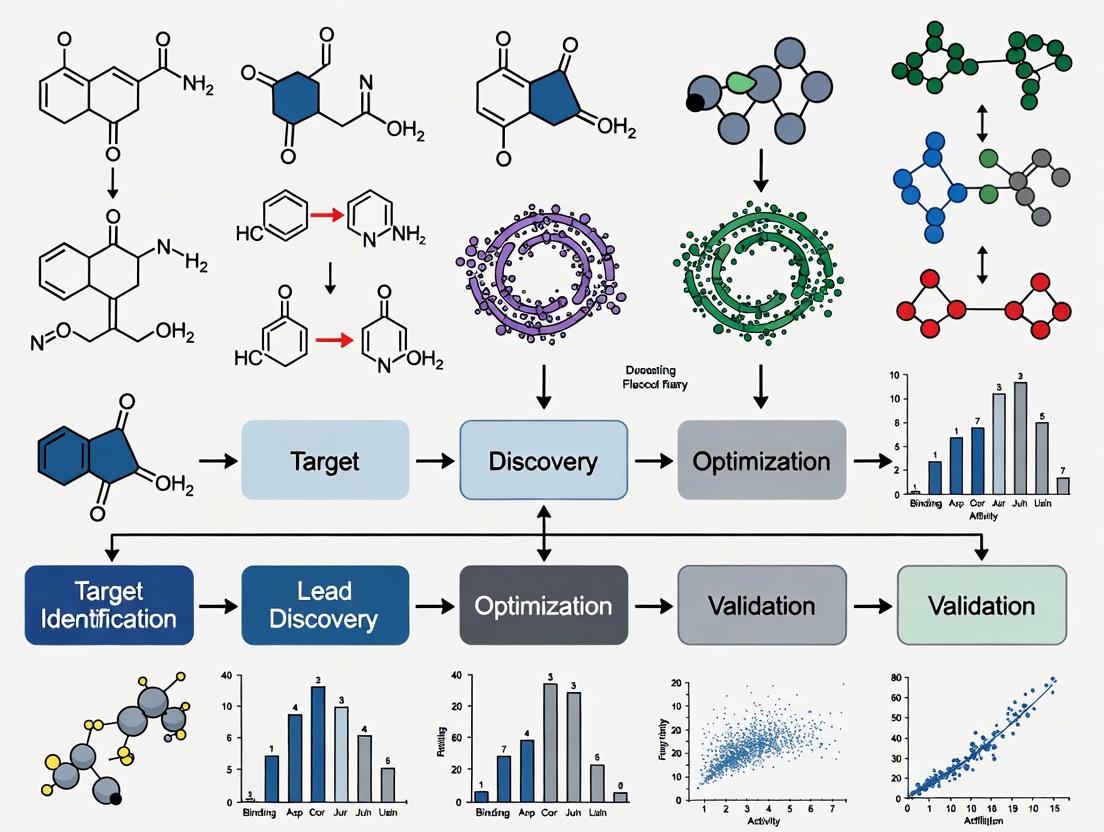
This article provides a comprehensive overview of the foundational concepts and modern practices of Rational Drug Design (RDD) for researchers and drug development professionals.
Rational Drug Design: Foundational Concepts, AI-Driven Methods, and Translational Success
Abstract
This article provides a comprehensive overview of the foundational concepts and modern practices of Rational Drug Design (RDD) for researchers and drug development professionals. It explores the paradigm shift from traditional trial-and-error methods to a hypothesis-driven approach grounded in structural biology and computational modeling. The scope spans from core principles and the latest AI-powered methodologies to strategies for troubleshooting optimization challenges and validating candidate efficacy. By synthesizing current trends and real-world case studies, this resource aims to equip scientists with the knowledge to design more effective and safer therapeutics efficiently.
From Intuition to informacophore: Core Principles of Rational Drug Design
Rational Drug Design (RDD) represents a fundamental shift in pharmaceutical development from traditional stochastic methods to a targeted, knowledge-driven approach. Unlike empirical discovery that relies on random screening of compounds, RDD involves the inventive process of finding new medications based on detailed knowledge of a biological target [1]. This methodological transition has transformed drug discovery from a high-cost, time-consuming endeavor into a more efficient, predictive science. The core premise of RDD is the design of molecules that are complementary in shape and charge to their biomolecular targets, enabling precise binding and modulation of target activity [1] [2]. This paradigm shift has been accelerated by advancements in structural biology, computational power, and artificial intelligence, allowing researchers to explore vast chemical spaces with unprecedented accuracy.
Historical Evolution: From Empirical Screening to Rational Design
The development of rational drug design emerged as a distinct methodology in the 1950s, with early examples demonstrating the power of targeting specific physiological mechanisms. Three landmark cardiovascular drugs—propranolol, captopril, and losartan—exemplify this historical progression and the increasing integration of epistemic and practical projects in pharmaceutical research [3].
Table 1: Historical Evolution of Rational Drug Design Through Case Studies
| Drug | Therapeutic Class | Development Period | Key Innovation | Target Knowledge Base |
|---|---|---|---|---|
| Propranolol | Beta-blocker | 1958-1964 | First β-adrenoreceptor antagonist | Receptor pharmacology without detailed structural data |
| Captopril | ACE inhibitor | 1970s | First structure-based design targeting ACE | Detailed enzyme mechanism and active site chemistry |
| Losartan | Angiotensin II receptor antagonist | 1980s-1990s | First AT1 receptor blocker | Receptor subtype characterization and binding requirements |
The development of propranolol by James Black and colleagues at Imperial Chemical Industries (1958-1964) marked a pivotal transition. The rationale was straightforward—design a molecule to inhibit adrenaline's action on β-adrenoreceptors to reduce cardiac oxygen demand—but represented a new approach to pharmaceutical development [3]. Captopril's design in the 1970s demonstrated even greater integration of target knowledge, leveraging understanding of angiotensin-converting enzyme (ACE) and its zinc-containing active site to design specific inhibitors [3]. By the time losartan was developed in the 1980s-1990s, the approach had evolved further to include receptor subtype characterization and detailed binding requirements [3].
This historical progression shows how rational drug design became possible when theoretical knowledge of drug-target interaction and experimental testing could interlock in cycles of mutual advancement [3]. The methodology has progressively shifted from targeting receptor systems without detailed structural knowledge to precise atomic-level intervention based on comprehensive understanding of target architecture.
Core Methodologies in Rational Drug Design
Structure-Based Drug Design (SBDD)
Structure-Based Drug Design relies on knowledge of the three-dimensional structure of biological targets obtained through experimental methods such as X-ray crystallography or NMR spectroscopy, or computational predictions [1] [2]. When an experimental structure is unavailable, homology modeling may create a target model based on related proteins with known structures [1]. The SBDD process involves four critical steps:
- Preparation of protein structure: Refining the target structure for computational analysis
- Identification of binding sites: Locating specific regions where ligand binding occurs
- Preparation of ligands: Optimizing candidate compounds for docking studies
- Docking and scoring: Computational prediction of binding poses and affinity estimation [2]
Key SBDD techniques include virtual screening of large molecular databases to identify potential ligands, de novo ligand design building molecules within constraints of the binding pocket, and optimization of known ligands by evaluating proposed analogs [1]. Modern implementations of SBDD increasingly incorporate artificial intelligence and machine learning to enhance prediction accuracy [4].
Ligand-Based Drug Design (LBDD)
When structural information about the biological target is limited or unavailable, Ligand-Based Drug Design provides an alternative approach. LBDD relies on knowledge of molecules known to interact with the target of interest [1]. The primary methods include:
- Pharmacophore modeling: Defining the essential structural features a molecule must possess to bind effectively to the target [1] [2]
- Quantitative Structure-Activity Relationship (QSAR): Establishing mathematical relationships between chemical structure descriptors and biological activity to predict new analogs [1]
These approaches enable indirect drug design by extrapolating from known active compounds to novel chemical entities with improved properties.
Ligand-Based Drug Design Workflow
The Scientist's Toolkit: Essential Research Reagents and Materials
Table 2: Essential Research Reagents and Materials for Rational Drug Design
| Category | Specific Examples | Function in RDD |
|---|---|---|
| Target Production | Cloning vectors, expression cells, purification resins | Generate and purify biological targets for structural studies and screening assays [1] |
| Structural Biology | Crystallization screens, cryo-protectants, NMR isotopes | Determine 3D structures of targets and target-ligand complexes [1] [2] |
| Compound Libraries | Diverse small molecules, fragment libraries, natural products | Provide starting points for lead identification and optimization [1] [5] |
| Computational Resources | Molecular docking software, QSAR packages, MD simulations | Predict binding, optimize compounds, and simulate molecular interactions [1] [4] |
| Binding Assays | Fluorescent dyes, radioisotopes, surface plasmon resonance chips | Quantitatively measure ligand-target interactions and binding affinity [1] [5] |
| ADME/Tox Screening | Metabolic enzymes, cell barriers, toxicity biomarkers | Assess pharmacokinetic properties and safety profiles of candidates [1] [2] |
Quantitative Framework: Key Parameters and Data Analysis
Successful implementation of rational drug design requires careful optimization of multiple physicochemical and biological parameters. The following quantitative framework guides decision-making throughout the drug discovery process.
Table 3: Key Quantitative Parameters in Rational Drug Design
| Parameter Category | Specific Metrics | Optimal Ranges/Targets | Computational Methods |
|---|---|---|---|
| Binding Affinity | Kd, Ki, IC50 | Lower values indicating stronger binding (nM-pM range) | Molecular docking, free energy calculations, QSAR [1] [6] |
| Drug-Likeness | Molecular weight, logP, H-bond donors/acceptors | Lipinski's Rule of Five and related guidelines [1] | Physicochemical property prediction, lipophilic efficiency [1] |
| Structural Optimization | Binding energy (ΔG), enthalpy (ΔH), entropy (ΔS) | Negative ΔG for spontaneous binding | Molecular mechanics, quantum mechanics, molecular dynamics [1] [2] |
| Selectivity | Selectivity indices, therapeutic window | Higher values indicating better safety profiles | Binding site comparison, off-target screening [1] [5] |
The binding affinity can be mathematically represented using the Gibbs free energy equation:
[ΔG = -RT \ln K_d]
where ΔG is the Gibbs free energy change, R is the universal gas constant, T is the temperature in Kelvin, and Kd is the dissociation constant [6]. A negative ΔG value indicates spontaneous binding, with more negative values corresponding to stronger interactions.
For multi-parameter optimization during lead compound development, scoring functions incorporate various terms:
[Score = w1ΔG{bind} + w2LipophilicEfficiency + w3SAS + w_4RotatableBonds + \cdots]
where wn represents weighting factors for different physicochemical and pharmacological properties [1].
Experimental Protocols: Methodological Details
Structure-Based Virtual Screening Protocol
Virtual screening represents a cornerstone methodology in modern rational drug design, enabling efficient exploration of vast chemical spaces. The following protocol outlines a standardized approach for structure-based virtual screening:
Target Preparation:
- Obtain 3D structure from Protein Data Bank or through homology modeling
- Add hydrogen atoms and optimize hydrogen bonding network
- Assign partial charges using appropriate force fields (e.g., AMBER, CHARMM)
- Remove crystallographic water molecules except those involved in key interactions
Binding Site Identification:
- Analyze known ligand binding locations from co-crystal structures
- Use computational detection methods (e.g., GRID, FPOCKET)
- Characterize physicochemical properties of binding pockets (hydrophobicity, electrostatic potential)
Compound Library Preparation:
- Curate database of purchasable compounds (e.g., ZINC, ChEMBL)
- Generate plausible 3D conformations for each compound
- Apply filters for drug-likeness and structural alerts
Molecular Docking:
- Perform high-throughput docking using rapid algorithms (e.g., AutoDock Vina, FRED)
- Select top-ranked compounds for more precise docking with flexible side chains
- Cluster results based on binding poses and chemical similarity
Post-Screening Analysis:
Chemogenomic Profiling Protocol
Chemogenomic approaches systematically explore interactions between chemical and target spaces, providing a framework for polypharmacology assessment and selectivity optimization:
Ligand and Target Space Description:
- Encode compounds using 1D, 2D, and 3D descriptors (molecular weight, topological fingerprints, pharmacophores)
- Represent targets by sequence motifs, binding site features, and structural domains
- Calculate similarity metrics (e.g., Tanimoto coefficient for compounds, sequence identity for targets)
Interaction Matrix Construction:
- Compile experimental data (Kd, Ki, IC50) for known target-ligand pairs
- Organize as 2D matrix with targets as columns and compounds as rows
- Identify data gaps for predictive modeling
Knowledge-Based Prediction:
- Apply ligand-based prediction (similar compounds → similar targets)
- Implement target-based prediction (similar targets → similar ligands)
- Use machine learning models to fill interaction matrix gaps
- Validate predictions with experimental testing [5]
Structure-Based Drug Design Workflow
Emerging Technologies and Future Directions
Artificial Intelligence and Deep Learning
The integration of artificial intelligence represents the cutting edge of rational drug design. AI models, particularly deep learning networks, are increasingly applied to predict key properties such as binding affinity, toxicity, and pharmacokinetic profiles [4]. These models complement traditional physics-based simulations by identifying complex patterns in large chemical and biological datasets. The emergence of AlphaFold 3 exemplifies this trend, providing an accurate atomic-level view of biomolecular systems that includes proteins, nucleic acids, small molecule ligands, and post-translational modifications [7]. This technology enables prediction of novel complexes without experimental structural data, dramatically accelerating target assessment and compound design.
Nanomedicine and Delivery Optimization
Rational design principles are expanding beyond small molecules to encompass nanomedicines and delivery systems. Computer-aided design strategies are being applied to optimize nanoparticles for drug delivery, particularly through high-throughput screening of lipid-like materials [8]. For example, computational chemistry and machine learning help identify ionizable lipids with optimal delivery efficiency for mRNA vaccines and therapeutics, moving beyond trial-and-error approaches that dominated early nanomedicine development [8].
Challenges and Limitations
Despite significant advances, rational drug design faces several persistent challenges. Accurate prediction of binding affinity remains imperfect, requiring iterative design-synthesis-test cycles [1]. Incorporating target flexibility, solvent effects, and accurate simulation of molecular dynamics demands substantial computational resources [2]. Furthermore, optimizing for multiple parameters simultaneously—including affinity, selectivity, pharmacokinetics, and safety—presents complex multi-objective optimization problems [1]. Future methodological developments must address these limitations while further integrating experimental and computational approaches to accelerate therapeutic discovery.
Rational Drug Design has fundamentally transformed pharmaceutical discovery from a stochastic process to a predictive science. By leveraging detailed knowledge of biological targets and their interactions with chemical entities, RDD enables more efficient, targeted therapeutic development. The continued integration of structural biology, computational modeling, and artificial intelligence promises to further enhance the precision and efficiency of drug discovery. As these methodologies mature and expand to encompass novel therapeutic modalities, rational design principles will remain foundational to advancing human health through targeted therapeutic interventions.
The field of computer-aided drug design is undergoing a profound transformation, driven by the integration of advanced machine learning with traditional biochemical principles. This evolution marks a shift from the static, expert-defined pharmacophore—an abstract model of steric and electronic features essential for molecular recognition—to a dynamic, data-driven informacophore. The informacophore leverages large-scale biological data and sophisticated algorithms to generate novel molecular structures with desired bioactivity, thereby expanding the foundational concepts of rational drug design (RDD) research. This whitepaper delineates this conceptual and technical progression, providing an in-depth examination of the underlying methodologies, experimental protocols, and computational tools that are redefining the landscape of pharmaceutical development.
Rational Drug Design (RDD) is a methodology for developing new pharmaceuticals through a scientific understanding of physiological mechanisms and drug-target interactions, integrating both epistemic (knowledge-seeking) and practical (technology-design) research aims [9]. Its emergence was made possible when theoretical knowledge of drug-target interaction and experimental testing began to interlock in cycles of mutual advancement.
A cornerstone concept in this field is the pharmacophore, officially defined by the International Union of Pure and Applied Chemistry (IUPAC) as "the ensemble of steric and electronic features that is necessary to ensure the optimal supra-molecular interactions with a specific biological target structure and to trigger (or to block) its biological response" [10] [11]. Historically, pharmacophores were used to denote common structural or functional elements essential for activity, but the modern definition emphasizes an abstract description of stereoelectronic molecular properties, not specific functional groups [10].
This abstract nature gives pharmacophores an inherent scaffold hopping ability, enabling the identification of structurally diverse molecules that share the same essential chemical functionalities required for biological activity [10]. The transition from this established concept to the nascent informacophore represents a paradigm shift. Whereas a pharmacophore is a static hypothesis derived from known actives or a single protein structure, an informacophore is a generative, data-driven model. It utilizes vast chemical and biological datasets—often derived from large-scale virtual screening or 'omics' technologies—within deep learning architectures to actively design and optimize novel bioactive compounds, thereby operationalizing RDD principles on an unprecedented scale.
The Pharmacophore: A Foundational Model
3D Representation and Feature Types
Pharmacophores represent the nature and location of chemical features involved in ligand-target interactions as geometric entities in three-dimensional space [10]. This representation captures the active conformation of a molecule and the essential interactions contributing to its activity. The core set of pharmacophoric features includes [10] [11]:
Table 1: Core Pharmacophore Features and Their Interactions
| Feature Type | Geometric Representation | Complementary Feature | Interaction Type | Structural Examples |
|---|---|---|---|---|
| Hydrogen-Bond Acceptor (HBA) | Vector / Sphere | HBD | Hydrogen-Bonding | Amines, Carboxylates, Ketones |
| Hydrogen-Bond Donor (HBD) | Vector / Sphere | HBA | Hydrogen-Bonding | Amines, Amides, Alcoholes |
| Aromatic (AR) | Plane / Sphere | AR, PI | π-Stacking, Cation-π | Any Aromatic Ring |
| Positive Ionizable (PI) | Sphere | AR, NI | Ionic, Cation-π | Ammonium Ions |
| Negative Ionizable (NI) | Sphere | PI | Ionic | Carboxylates |
| Hydrophobic (H) | Sphere | H | Hydrophobic Contact | Alkyl Groups, Alicycles |
To account for spatial constraints imposed by the binding site shape, pharmacophore models often incorporate exclusion volumes (XVOL). These represent forbidden areas where the ligand cannot occupy space due to steric clashes with the receptor, a feature that can be reliably extracted from X-ray structures of ligand-receptor complexes [10] [11].
Pharmacophore Model Generation Methodologies
The generation of pharmacophore models depends on available data, and can be broadly classified into two approaches.
Structure-Based Pharmacophore Modeling
This approach requires the three-dimensional structure of a macromolecular target, typically obtained from X-ray crystallography, NMR spectroscopy, or computational techniques like homology modelling and AlphaFold2 [11]. The workflow is as follows:
- Protein Preparation: The target structure is critically evaluated and prepared. This involves assessing residue protonation states, adding hydrogen atoms (absent in X-ray structures), and checking for missing residues or atoms to ensure the general quality and biological relevance of the structure [11].
- Ligand-Binding Site Detection: The binding site is identified manually from co-crystallized ligands or, more commonly, using bioinformatics tools like GRID or LUDI. GRID is a grid-based method that uses different functional groups to sample a protein region and identify energetically favorable interaction points, while LUDI predicts interaction sites using distributions of non-bonded contacts from experimental structures [11].
- Feature Generation and Selection: The binding site is analyzed to generate a map of potential interactions. Initially, many features are detected; only those essential for bioactivity are selected for the final model. This selection can be based on the conservation of interactions across multiple structures, the energetic contribution to binding, or key functional residues identified from sequence alignations [11]. When a protein-ligand complex is available, the ligand's bioactive conformation directly guides the placement of pharmacophore features.
Diagram 1: Structure-Based Pharmacophore Modeling Workflow
Ligand-Based Pharmacophore Modeling
This method is employed when the 3D structure of the target is unknown. It builds models from a collection of ligands known to be active against the same target, at the same binding site, and in the same orientation [10] [12]. The key steps are:
- Ligand Set Compilation and Conformational Analysis: A set of active and sometimes inactive ligands is compiled. Each ligand undergoes a conformational analysis to generate a representative set of its low-energy 3D conformations [12].
- Molecular Alignment and Feature Extraction: The conformational ensembles of the active ligands are superimposed to find their common pharmacophoric alignment. The algorithm then identifies the chemical features (e.g., HBA, HBD, Hydrophobic) that are spatially conserved across the aligned set [12].
- Model Hypothesis and Validation: One or more pharmacophore hypotheses are generated. These models are validated for their ability to discriminate known active compounds from inactive ones, and the best model is selected [12].
Diagram 2: Ligand-Based Pharmacophore Modeling Workflow
The Paradigm Shift: From Pharmacophore to Informacophore
The pharmacophore model, while powerful, faces limitations: it often requires explicit expert knowledge, depends on the quality and size of the initial input data (a few known actives or a single protein structure), and is primarily a static query for screening existing libraries. The informacophore paradigm overcomes these by leveraging deep learning to generate novel molecular structures directly from pharmacophoric constraints.
The PGMG Framework: A Prime Example
The Pharmacophore-Guided deep learning approach for bioactive Molecule Generation (PGMG) exemplifies the informacophore concept [13]. It uses pharmacophore hypotheses as a bridge to connect different types of activity data and directly generate bioactive molecules.
Experimental Protocol and Workflow of PGMG:
- Training Data Construction: Training samples are built from SMILES strings of molecules in large chemical databases (e.g., ChEMBL). Chemical features are identified, and a subset is randomly selected to build a pharmacophore network, ( G_p ). The shortest-path distances on the molecular graph are used as a proxy for Euclidean distances between pharmacophore features [13].
- Model Architecture: PGMG employs a graph neural network (GNN) to encode the spatially distributed chemical features of the pharmacophore hypothesis. A latent variable, ( z ), is introduced to model the many-to-many relationship between pharmacophores and molecules, boosting the diversity of generated molecules. A transformer decoder then learns to map this encoded information (( c ) for pharmacophore and ( z ) for chemical groups) into a valid SMILES string representing a novel molecule [13].
- Molecule Generation: To generate molecules, a pharmacophore hypothesis ( c ) is provided. Latent variables ( z ) are sampled from a prior distribution (e.g., standard Gaussian), and molecules are generated from the conditional distribution ( p(x|z,c) ) [13]. This process allows for flexible, on-demand generation in both ligand-based and structure-based design scenarios.
Diagram 3: PGMG's Informacophore Generation Process
Performance and Validation
In evaluations, PGMG demonstrated its capability to generate molecules with strong docking affinities while maintaining high scores of validity, uniqueness, and novelty [13]. It outperformed other methods in the ratio of available molecules (a metric for novel molecule generation) by 6.3% and successfully captured the distribution of physicochemical properties (Molecular Weight, LogP, QED, TPSA) of the training data, confirming its ability to learn underlying chemical space principles [13].
The Scientist's Toolkit: Essential Research Reagents and Computational Solutions
The implementation of pharmacophore and informacophore approaches relies on a suite of computational tools and data resources.
Table 2: Key Research Reagents and Computational Solutions
| Tool/Resource Name | Type/Function | Brief Description and Role in RDD |
|---|---|---|
| RDKit [13] | Cheminformatics Software | Open-source toolkit for cheminformatics used to identify chemical features from molecules and construct pharmacophore networks in workflows like PGMG. |
| RCSB Protein Data Bank (PDB) [11] | Structural Database | Primary source for 3D structures of proteins and protein-ligand complexes, serving as the essential starting point for structure-based pharmacophore modeling. |
| GRID [11] | Binding Site Analysis Software | A grid-based method that uses different molecular probes to sample a protein region and identify energetically favorable interaction points for feature generation. |
| LUDI [11] | Binding Site Analysis Software | A knowledge-based method that predicts potential interaction sites using geometric rules and distributions of non-bonded contacts from experimental structures. |
| AlphaFold2 [11] | Protein Structure Prediction | AI system that predicts protein 3D structures from amino acid sequences with high accuracy, providing reliable models for structure-based design when experimental structures are unavailable. |
| ChEMBL [13] | Bioactivity Database | A large-scale, open-access database of bioactive molecules with drug-like properties, used as a primary data source for training deep generative models like PGMG. |
| PGMG Framework [13] | Deep Generative Model | A pharmacophore-guided deep learning approach that represents the informacophore concept, generating novel bioactive molecules from pharmacophore hypotheses using GNNs and transformers. |
The conceptual evolution from the pharmacophore to the data-driven informacophore marks a significant maturation in Rational Drug Design. The pharmacophore remains a vital, interpretable model that abstracts the essence of molecular recognition. However, its integration into deep learning architectures has given rise to the informacophore—a generative, predictive, and dynamic tool that actively designs novel chemical entities. This synergy between foundational biochemical principles and cutting-edge artificial intelligence is overcoming traditional limitations of data scarcity and restricted chemical space exploration. As these data-driven methods continue to evolve, they promise to accelerate the drug discovery process, enabling more efficient and creative development of therapeutics for challenging diseases. The informacophore, therefore, is not a replacement for the pharmacophore, but rather its logical evolution, deeply embedding the wisdom of the past into the powerful computational frameworks of the future.
Rational Drug Design (RDD) represents a foundational pillar of modern pharmaceutical science, marking a revolutionary departure from traditional, serendipity-based drug discovery methods. Unlike the trial-and-error approach that dominated early pharmaceutical development, RDD employs a systematic, knowledge-driven process where compounds are deliberately designed to interact with specific molecular targets involved in disease pathways [14] [15]. This methodology is predicated on a deep understanding of the target's structure and function, enabling scientists to design molecules that precisely fit and modulate biological activity.
The significance of RDD lies in its ability to increase efficiency, reduce costs, and improve success rates in the drug discovery pipeline. By focusing on defined biological targets and using structural information to guide synthesis, RDD minimizes the reliance on random screening of thousands of compounds [15]. This review chronicles the pivotal historical successes of RDD, from its early conceptual origins to contemporary applications, highlighting the methodological breakthroughs and transformative therapies that have emerged from this paradigm.
The Foundational Shift: From Serendipity to Rational Design
The landscape of drug discovery was fundamentally transformed by the emergence of RDD principles in the mid-20th century. Historically, drug development was largely characterized by accidental discoveries and random screening of compound libraries. Landmark drugs like penicillin and chlorodiazepoxide were found through serendipity rather than design [15]. This process was inefficient, with estimates suggesting that only one compound out of ten thousand tested would eventually become an approved medicine [15].
George Hitchings and Gertrude Elion pioneered the systematic approach that would become known as rational drug design at Burroughs Wellcome Laboratories in the 1940s. They deliberately diverged from the traditional path by designing new molecules with specific molecular structures to interfere with cellular processes [14] [16]. Their foundational hypothesis centered on targeting nucleic acid synthesis, speculating that differences in nucleic acid metabolism between normal human cells, cancer cells, protozoa, bacteria, and viruses could be exploited to develop selective therapeutics [14]. This targeted approach represented a paradigm shift from random compound screening to a biology-first, hypothesis-driven methodology that would define RDD.
Table 1: Comparison of Traditional Drug Discovery vs. Rational Drug Design
| Aspect | Traditional Discovery (Trial-and-Error) | Rational Drug Design |
|---|---|---|
| Approach | Random screening, serendipity | Targeted, knowledge-based design |
| Efficiency | Low (~1 in 10,000 compounds succeed) | Higher, due to targeted approach |
| Key Players | Fleming (penicillin), Sternbach (chlordiazepoxide) | Hitchings & Elion, Cushman & Ondetti |
| Timeframe | Indefinite, unpredictable | Structured, iterative optimization |
| Theoretical Basis | Limited biological understanding | Deep target engagement knowledge |
The Hitchings and Elion Era: Purine Analogs and the First RDD Successes
The collaboration between George Hitchings and Gertrude Elion at Burroughs Wellcome produced the first definitive successes of rational drug design, establishing core principles that would guide future efforts. Their work focused on purines—building blocks of DNA and RNA—based on the hypothesis that interfering with nucleic acid synthesis could selectively inhibit the growth of pathogenic cells [14] [16].
Hitchings assigned Elion to investigate purines and their role in nucleic acid metabolism. They discovered that bacterial cells required specific purines to synthesize DNA, and reasoned that blocking these purines from being incorporated into DNA would halt cell growth [14]. This led to their development of "antimetabolites"—compounds structurally similar to natural purines that would trick metabolic enzymes into latching onto them instead of the natural substrates, thereby blocking DNA production [14].
By 1950, this approach yielded two significant compounds: diaminopurine and thioguanine, structural analogs of adenine and guanine respectively. These drugs proved effective against leukemia, a cancer characterized by uncontrolled white blood cell proliferation [14]. Elion later created 6-mercaptopurine (6-MP, Purinethol) by substituting an oxygen atom with a sulfur atom on a purine molecule [14]. Through six years of dedicated research, she discovered that combining 6-MP with other drugs could cure most childhood leukemia cases, representing a monumental achievement in cancer therapy [14] [16].
Table 2: Early RDD Successes from Hitchings and Elion's Laboratory
| Drug | Year | Target/Condition | Mechanism of Action | Impact |
|---|---|---|---|---|
| Diaminopurine | ~1950 | Leukemia | Purine analog, inhibits DNA synthesis | First successful RDD-based leukemia treatment |
| Thioguanine | ~1950 | Leukemia | Guanine analog, inhibits DNA synthesis | Effective against specific forms of leukemia |
| 6-Mercaptopurine (6-MP) | Post-1950 | Childhood leukemia | Purine antimetabolite | Cure for most patients when combined with other drugs |
| Azathioprine (Imuran) | 1960s | Organ transplantation | Suppresses immune system | Enabled successful organ transplants by preventing rejection |
| Allopurinol (Zyloprim) | 1960s | Gout | Reduces uric acid production | Treatment for painful gout symptoms |
| Acyclovir (Zovirax) | 1970s | Herpes | Selective antiviral; interferes with viral replication | Proof that drugs could target viruses selectively |
The legacy of Hitchings and Elion extended far beyond these individual drugs. Their work established several foundational principles of RDD:
- Target Identification: Focus on specific biological pathways essential to disease pathology
- Exploitation of Biochemical Differences: Design compounds that capitalize on metabolic differences between normal and pathogenic cells
- Structure-Based Design: Create molecules that mimic natural substrates to interfere with enzymatic processes
- Iterative Optimization: Continuously refine lead compounds based on biological results [14] [16]
Their approach also demonstrated the potential for unexpected therapeutic applications, as when drugs originally developed for leukemia were found to suppress the immune system, leading to the development of azathioprine (Imuran) for organ transplantation [14]. Similarly, their development of allopurinol for gout emerged from this systematic approach to drug design [14]. For their contributions, Hitchings and Elion shared the 1988 Nobel Prize in Physiology or Medicine with James Black [14] [16].
Captopril: A Case Study in Structure-Based Design
The development of Captopril, the first angiotensin-converting enzyme (ACE) inhibitor, represents another landmark achievement in RDD that demonstrates the power of target-based design. The Captopril story began with observations of drastically reduced blood pressure in individuals bitten by the Brazilian viper, Bothrops jararaca [17]. Researchers discovered that the venom contained peptides that potently inhibited ACE, an enzyme crucial for producing the vasoconstrictor angiotensin II [17].
Scientists at Squibb Pharmaceuticals isolated and purified the active peptide from the venom, naming it teprotide. While teprotide showed promising blood pressure-lowering effects in clinical trials, its peptide nature meant it had to be administered intravenously and was unsuitable as a chronic treatment for hypertension [17]. The project was nearly abandoned until researchers made a critical connection: ACE was identified as a zinc metalloprotease, similar to the previously studied carboxypeptidase A (CPA) [17].
This conceptual breakthrough enabled a structure-based design approach. Despite the absence of a direct crystal structure for ACE, researchers led by Cushman and Ondetti constructed a hypothetical model of its active site based on the known structure of CPA [17]. They hypothesized that a molecule combining elements of the snake venom peptides and the CPA inhibitor benzylsuccinic acid could effectively block ACE activity.
Their design strategy proceeded through several iterations:
- Initial lead compounds focused on succinyl proline, which provided specificity but limited potency
- Incorporation of the "Phe-Ala-Pro" pharmacophore from venom peptides led to 2-methyl succinyl proline with improved activity
- Optimization of the zinc-binding group, replacing a carboxylate with a thiol, dramatically increased potency
The resulting drug, Captopril, proved 1000 times more potent than the initial lead compound and became the first orally active ACE inhibitor, establishing an entirely new class of cardiovascular therapeutics [17].
Figure 1: The Rational Design Workflow for Captopril
Modern Advancements: From Structure-Based Design to AI-Driven RDD
The principles established by early RDD pioneers have evolved dramatically with technological advancements, particularly in structural biology and computational methods. The latter part of the 20th century saw the rise of structure-based drug design, enabled by X-ray crystallography and nuclear magnetic resonance (NMR) spectroscopy, which allowed researchers to visualize drug targets at atomic resolution [18].
Contemporary RDD increasingly leverages artificial intelligence (AI) and machine learning (ML) to accelerate and enhance the drug discovery process. AI models can now explore vast chemical spaces, predict binding affinities, and optimize drug candidates with unprecedented efficiency [19] [4]. These computational approaches complement experimental techniques by providing rapid insights that would traditionally require extensive laboratory work.
A transformative development in modern RDD is the emergence of AlphaFold, an AI system that predicts protein structures with remarkable accuracy. The latest iteration, AlphaFold 3, extends this capability to predict the structures of complexes containing proteins, nucleic acids, small molecules, and ions [7]. This breakthrough provides researchers with an atomic-level view of biomolecular interactions, enabling the design of therapeutics against targets previously considered intractable.
The impact of these technologies is exemplified in cases like the immune checkpoint protein TIM-3, a cancer immunotherapy target. AlphaFold 3 accurately predicted the structure of TIM-3 bound to small molecule ligands, including the characterization of a previously unknown binding pocket, demonstrating its utility in rational structure-based design [7].
Table 3: Evolution of Tools and Technologies in Rational Drug Design
| Era | Key Technologies | Capabilities | Limitations |
|---|---|---|---|
| 1950s-1970s (Hitchings & Elion) | Basic biochemistry, metabolite analysis, enzyme assays | Understanding metabolic pathways, designing substrate analogs | Limited structural information, reliance on biochemical inference |
| 1980s-2000s (Structure-Based Design) | X-ray crystallography, NMR, homology modeling, molecular docking | 3D visualization of targets, structure-based optimization | Experimental structure determination slow and not always feasible |
| 2010s-Present (AI-Enhanced RDD) | AI/ML models, molecular dynamics, virtual screening, AlphaFold | Rapid prediction of structures and interactions, exploration of vast chemical spaces | Model interpretability, computational resource requirements |
The Scientist's Toolkit: Essential Reagents and Methods in RDD
The practice of rational drug design relies on a sophisticated toolkit of research reagents and methodologies that enable the identification and optimization of therapeutic compounds.
Figure 2: Core Methodologies and Reagents in the RDD Workflow
Table 4: Essential Research Reagent Solutions in Rational Drug Design
| Reagent/Method | Function in RDD | Specific Examples from Case Studies |
|---|---|---|
| Enzyme Assay Systems | Quantitative measurement of target engagement and inhibition | Hitchings & Elion's purine incorporation assays; Cushman's first quantitative ACE assay [14] [17] |
| X-ray Crystallography | Determination of 3D atomic structures of targets and target-ligand complexes | BACE-1 inhibitor complex visualization; carboxypeptidase A structure guiding Captopril design [18] [17] |
| Homology Modeling | Prediction of unknown protein structures based on related proteins with known structures | ACE active site modeling based on carboxypeptidase A structure [17] |
| Virtual Screening Libraries | Computational screening of compound databases to identify potential hits | Modern AI/ML platforms for exploring chemical space [19] [4] |
| Structure-Activity Relationship (SAR) Analysis | Systematic evaluation of structural modifications on compound activity | Optimization of 6-MP combinations; Captopril lead optimization (>60 analogs) [14] [17] |
| AI/ML Prediction Platforms | Prediction of binding modes, affinities, and molecular properties | AlphaFold 3 for protein-ligand complex prediction; machine learning models for binding affinity [19] [7] [4] |
Rational Drug Design has fundamentally transformed pharmaceutical development from a serendipitous process to a deliberate, knowledge-driven science. The historical successes chronicled in this review—from the pioneering work of Hitchings and Elion on purine analogs to the structure-based development of Captopril and contemporary AI-powered discoveries—demonstrate the progressive refinement of this paradigm.
The foundational concepts established by early RDD practitioners remain highly relevant: identify critical biological targets, understand their structure and function, and design compounds that selectively modulate their activity. What has evolved dramatically are the tools available to implement this approach, with modern structural biology and artificial intelligence providing unprecedented insights into molecular interactions.
As RDD continues to evolve, the integration of increasingly sophisticated computational methods with experimental validation promises to accelerate the discovery of novel therapeutics for diseases that remain intractable. The historical successes of RDD not only represent monumental achievements in their own right but also provide a foundation for future innovation in pharmaceutical research and development.
Rational Drug Design (RDD) represents a paradigm shift from traditional trial-and-error approaches to a targeted strategy based on understanding molecular interactions between drugs and their biological targets. The core premise of RDD is exploiting the detailed recognition and discrimination features associated with the specific arrangement of chemical groups in the active site of a target macromolecule. This approach allows researchers to conceive new molecules that can optimally interact with proteins to block or trigger specific biological actions [20]. The modern RDD workflow has evolved into an integrated framework that synergistically combines computational predictions with experimental validation, significantly accelerating the timeline from target identification to viable drug candidates while reducing associated costs [2] [21].
The foundational concepts of RDD are built upon molecular recognition principles, notably the lock-and-key model proposed by Emil Fischer in 1890, which explains how substrates fit into the active sites of macromolecules similar to keys fitting into locks. This was later expanded by Daniel Koshland's induced-fit theory in 1958, which accounted for the conformational changes that occur in both ligand and target during the recognition process [20]. These fundamental principles continue to inform contemporary drug design strategies, now enhanced by sophisticated computational infrastructure and high-throughput experimental techniques.
Core Methodologies in Rational Drug Design
Structure-Based Drug Design (SBDD)
Structure-Based Drug Design (SBDD) relies directly on the three-dimensional structural information of biological targets, typically obtained through X-ray crystallography, NMR spectroscopy, or cryo-electron microscopy. When the experimental structure of the target protein is unavailable, computational techniques like homology modeling can generate reliable structural models based on homologous proteins with known structures [2]. The SBDD process involves several critical steps: First, preparation of the protein structure involves adding hydrogen atoms, assigning partial charges, and optimizing side-chain orientations. Second, identification of binding sites locates pockets on the protein surface suitable for ligand binding. Third, preparation of ligands involves generating 3D structures with proper geometry and charge distributions. Finally, docking and scoring predict how small molecules bind to the target and estimate binding affinity [2].
SBDD provides a visual framework for direct design of new molecular prototypes, allowing researchers to utilize detailed 3D features of the active site by introducing appropriate functionalities in designed ligands [20]. However, SBDD faces several challenges, including accounting for target flexibility throughout molecular docking and modeling, considering the role of water molecules in facilitating hydrogen bonding interactions, and incorporating solvation effects for drug molecules in aqueous environments [2].
Ligand-Based Drug Design (LBDD)
When the three-dimensional structure of the target protein is unavailable, Ligand-Based Drug Design (LBDD) offers an alternative approach that utilizes the information from known active molecules. This indirect method expedites drug development through analysis of the stereochemical and physicochemical features of reference compounds [2]. Key techniques in LBDD include pharmacophore modeling, which identifies the essential spatial arrangement of molecular features responsible for biological activity, and three-dimensional Quantitative Structure-Activity Relationship (3D QSAR) studies, which correlate biological activity with molecular properties [2].
LBDD employs molecular mimicry strategies, where new chemical entities are designed to position the 3D relative location of structural elements recognized as necessary in active molecules. This approach has successfully generated mimics of biologically important compounds including ATP, dopamine, histamine, and estradiol [20]. A specialized application of molecular mimicry focused on peptides has evolved into the field of peptidomimetics, which aims to transform peptide leads into drug-like molecules with improved stability and bioavailability [20].
Synergistic Integration of SBDD and LBDD
The most powerful modern RDD approaches leverage both SBDD and LBDD methodologies synergistically. When information is available for both the target protein and active molecules, the two approaches can be developed independently yet inform each other [20]. The synergy is realized when promising docked molecules designed through SBDD are compared to active structures from LBDD, and when interesting mimics from LBDD are docked into the protein structure to verify convergent conclusions [20].
Establishing this synergy requires correct binding models that position active molecules accurately into the active site of the target protein. The ideal situation involves having X-ray structures of complexes between active compounds and the target protein, though computational modeling can predict binding modes when structural data is unavailable [20]. This integrated global approach aims to identify structural models that rationalize the biological activities of known molecules based on their interactions with the 3D structure of the target protein [20].
Table 1: Key Computational Methods in Modern RDD
| Method Category | Specific Techniques | Primary Applications | Key Advantages |
|---|---|---|---|
| Structure-Based Methods | Molecular Docking, Molecular Dynamics Simulations, Binding Free Energy Calculations | Binding Pose Prediction, Virtual Screening, Lead Optimization | Direct visualization of binding interactions; Structure-based optimization |
| Ligand-Based Methods | Pharmacophore Modeling, 3D-QSAR, Similarity Searching | Lead Identification, Scaffold Hopping, Activity Prediction | Applicable when target structure is unknown; Leverages existing bioactivity data |
| Integrated Approaches | Structure-Based Pharmacophore, MD-Informed Docking | Binding Mode Validation, Scaffold Optimization | Combines strengths of both approaches; Increases confidence in predictions |
The Integrated RDD Workflow: From Computation to Experimentation
The modern RDD workflow follows an iterative cycle where computational predictions guide experimental work, which in turn refines computational models. This integrated approach creates a positive feedback loop that continuously improves both the understanding of the biological system and the quality of drug candidates.
Workflow Visualization
Target Identification and Validation
The RDD process begins with identification and validation of a biological target—typically a protein, receptor, or enzyme—that plays a key role in a disease pathway. Modern target discovery increasingly leverages genomic and proteomic data to link specific genes to disease mechanisms at the molecular level [20]. Target validation establishes that modulation of the target (inhibition or activation) will produce a therapeutic effect with acceptable safety margins. Techniques for target validation include genetic approaches (knockout/knockdown studies), biochemical methods, and cellular models of disease [2].
Computational Screening and Compound Prioritization
Once a validated target is established, computational screening methods identify potential lead compounds. Virtual screening of compound libraries can encompass millions of structures, with molecular docking predicting how each compound might bind to the target. For example, Schrödinger's automated reaction workflow (AutoRW) enables high-throughput screening of catalysts, reagents, and substrates by automating the computation of reaction coordinates, transition states, and energetic barriers [21].
Advanced enterprises have scaled these efforts significantly; teams using platforms like LiveDesign can collaboratively screen over 2000 catalysts per year, compared to approximately 150 catalysts annually for a single modeling user [21]. This enterprise-scale approach demonstrates the dramatic efficiency gains possible with modern computational infrastructure.
Table 2: Key Research Reagents and Computational Tools in Modern RDD
| Category | Reagent/Tool | Function/Purpose | Application Example |
|---|---|---|---|
| Computational Tools | AutoRW (Schrödinger) | Automated reaction workflow for high-throughput screening | Large-scale catalyst screening for polymer design [21] |
| Computational Tools | VTK/ParaView | Scalable visualization and analysis | HPC-based simulation analysis for aerospace and energy R&D [22] |
| Computational Tools | Molecular Dynamics (GROMACS) | Simulate protein-ligand interactions over time | Stability analysis of peptide-protein complexes [23] |
| Experimental Assays | In Vitro Binding Assays | Measure direct compound-target interactions | Determination of inhibition constants (Ki) for lead compounds |
| Experimental Assays | Cellular Activity Assays | Assess functional effects in biological systems | Measurement of IC50 values in cancer cell lines [23] |
Experimental Validation and Iterative Optimization
Computational predictions must be experimentally validated to confirm biological activity. Initial validation typically involves in vitro assays to measure binding affinity and functional effects. For example, in the development of peptide inhibitors targeting survivin for cancer therapy, researchers synthesized the computationally designed P3 peptide and experimentally validated its efficacy [23].
The experimental results feed back into computational models to refine predictions and guide the next cycle of compound design. This iterative process continues until compounds with desired potency, selectivity, and drug-like properties are identified. The integration of computational and experimental data occurs most effectively on collaborative platforms that allow research teams to "share, analyze and communicate data seamlessly and make rapid decisions" across departments and geographical locations [21].
Case Study: Peptide Inhibitors Targeting Survivin for Cancer Therapy
A recent study exemplifies the modern integrated RDD workflow in the development of peptide inhibitors targeting the survivin protein for cancer therapy [23]. Survivin, a member of the Inhibitor of Apoptosis Protein (IAP) family, is overexpressed in various human cancers but largely absent in most normal tissues, making it an attractive therapeutic target [23].
Computational Design and Analysis
Researchers designed anti-cancer peptides derived from the Borealin protein, which naturally interacts with survivin as part of the Chromosomal Passenger Complex (CPC) essential for cell division [23]. Through single-point mutations, they developed several peptide variants and evaluated them using computational approaches:
- Molecular Docking identified peptides P2 and P3 as having the highest binding affinities, interacting with the Borealin-binding region and linker region of survivin [23].
- Molecular Dynamics (MD) Simulations using GROMACS analyzed the stability of protein-peptide complexes through:
- Root Mean Square Deviation (RMSD) calculations showed that after 18 ns, the RMSD curves for protein-ligand systems exhibited nearly identical conformation change patterns within an acceptable range [23].
- Radius of Gyration (Rg) analysis demonstrated consistent and steady conformational changes across all systems, indicating stable interaction behavior [23].
- Protein-Ligand Interaction Energy calculations revealed favorable binding energies, with short-range Coulombic interaction energies of -232.263 kJ mol⁻¹ for P2 and -229.382 kJ mol⁻¹ for P3 [23].
Experimental Validation
Based on computational analysis, the P3 peptide was synthesized for experimental validation. The peptide demonstrated significant potential as a novel anti-cancer agent by targeting key mechanisms in cancer cell survival and proliferation [23]. The study illustrates the dual approach of modern cancer therapeutics: disrupting cell division through inhibition of CPC formation while simultaneously inducing apoptosis in cancer cells.
Survivin Signaling Pathway
Advanced Applications and Future Directions
Automated Workflows in Catalysis and Polymer Design
Beyond traditional drug discovery, integrated RDD approaches are advancing fields like catalysis and materials science. Schrödinger's AutoRW workflow exemplifies this trend, automating the processes of enumeration, mapping, organization, and output needed for high-throughput screening [21]. Applications include:
- Polypropylene Tacticity Control: Scientists studied 13 isotactic catalysts using AutoRW to understand adjacent stereoselectivity in polypropylene production, with results showing good agreement with experimental selectivities (R² = 0.8) [21].
- Epoxy-Amine Reaction Screening: Researchers screened a library of 12 amines and 21 epoxides to build a relative reaction barrier heat map, enabling efficient design of high-performance polymers [21].
- Comonomer Selectivity Optimization: AutoRW screened 35 catalyst derivatives with different polymer substrates to understand effects on comonomer selectivity for block copolymerization [21].
High-Performance Computing and Visualization
The increasing complexity of RDD simulations demands advanced computing infrastructure. High-Performance Computing (HPC) environments now enable simulations that were previously impractical, while interactive visual workflows help bridge the gap between data generation and insight [22]. Modern visual workflow platforms combine high-performance back-end frameworks with flexible interfaces, allowing deployment of custom solutions on desktops, in Jupyter notebooks, or directly on the web [22]. These platforms transform how organizations explore, validate, and communicate results by making workflows "visual, collaborative, and accessible to both experts and non-specialists" [22].
Enterprise-Scale Collaboration Platforms
The future of RDD lies in platforms that support enterprise-scale collaboration, such as Schrödinger's LiveDesign, which enables teams to "collaborate, design, experiment, analyze, track, and report in a centralized platform" [21]. These platforms break down silos between research functions and geographical locations, creating environments where computational chemists, medicinal chemists, and biologists can work from the same live data rather than static reports [21]. This approach accelerates the iterative design-make-test-analyze cycles that are fundamental to successful drug discovery.
The modern RDD workflow represents a sophisticated integration of computational and experimental approaches that has transformed drug discovery from an empirical art to a rational science. By combining structure-based and ligand-based design methodologies within collaborative frameworks, researchers can accelerate the identification and optimization of therapeutic compounds while reducing the costs and timelines associated with traditional approaches. As computational power increases and algorithms become more refined, this integration will deepen further, potentially incorporating artificial intelligence and machine learning to extract even more insight from the growing body of chemical and biological data. The continued evolution of these integrated workflows promises to enhance our ability to address increasingly complex therapeutic challenges and deliver novel medicines to patients more efficiently.
AI and Structural Insights: The Modern RDD Toolkit for Accelerated Discovery
AI-Powered De Novo Molecular Design and Virtual Screening
Rational Drug Design (RDD) is a systematic process for creating new medications based on knowledge of a biological target, a paradigm that has evolved from intuition-led approaches to a data-driven discipline [24] [25]. The overarching goal of RDD is to design small molecules that are complementary in shape and charge to their biomolecular targets, thereby activating or inhibiting function to provide therapeutic benefit [25]. De novo molecular design represents a pivotal advancement within this framework, referring to computational methods that generate novel molecular structures from atomic building blocks with no a priori relationships, tailored to specific therapeutic objectives [26] [27]. This approach stands in contrast to traditional virtual screening, which is limited to exploring existing chemical libraries [28] [29].
The integration of Artificial Intelligence (AI), particularly deep learning, has catalyzed a paradigm shift in de novo design [26] [30]. AI enables the rapid exploration of the vast chemical space—estimated to contain 10^33 to 10^60 drug-like molecules—which is computationally intractable for traditional screening methods [26] [28]. This review explores how AI-powered de novo design and virtual screening are reshaping the foundational concepts of RDD, providing researchers with powerful tools to accelerate the discovery of novel therapeutic agents.
Foundations of Rational Drug Design
Core Principles and Evolution
Rational Drug Design was first formalized in the 1950s, becoming the methodological ideal in the 1980s following successful developments like lovastatin and captopril [24]. Traditional drug discovery follows a structured pipeline of complex, time-consuming steps: target identification, hit discovery, hit-to-lead progression, lead optimization, and preclinical and clinical testing [24]. This process is exceedingly costly, averaging USD 2.6 billion, and lengthy, taking over 12 years from inception to market approval [24] [30]. RDD aimed to counter these inefficiencies by using molecular modeling combined with structure-activity relationship (SAR) studies to strategically modify functional chemical groups to improve drug candidate effectiveness [24].
The core concept of RDD involves three general steps: (1) identifying a specific target that plays a key role in disease; (2) elucidating the structure and function of this target; and (3) using this information to design a drug molecule that interacts with the target in a therapeutically beneficial way [25]. This approach contrasts with traditional trial-and-error testing of chemical substances on cultured cells or animals, instead beginning with a hypothesis that modulation of a specific biological target may have therapeutic value [25].
Key Methodological Approaches
Two primary computational approaches dominate traditional RDD:
Structure-Based Drug Design (SBDD): Also known as direct drug design, this approach uses the three-dimensional structure of a biological target to develop new drug molecules [27] [25]. When the three-dimensional structure of a receptor is known through X-ray crystallography, NMR, or electron microscopy, researchers can analyze the molecular shape, physical properties, and chemical properties of the active site to design ligands that form optimal non-covalent interactions [27]. SBDD encompasses two main strategies: de novo drug design (building molecules from scratch) and virtual screening (computational screening of large databases of known molecules) [25].
Ligand-Based Drug Design (LBDD): Also termed indirect drug design, this approach relies on knowledge of other molecules that bind to the biological target of interest [27] [25]. When the target structure is unknown, researchers use known active binders to develop a pharmacophore model or quantitative structure-activity relationship (QSAR) models that define the essential chemical features required for biological activity [27]. Key LBDD methods include scaffold hopping, pseudoreceptor modeling, and QSAR studies [25].
Table 1: Key Methodological Approaches in Rational Drug Design
| Approach | Core Principle | Key Techniques | Application Context |
|---|---|---|---|
| Structure-Based Drug Design (SBDD) | Uses 3D structure of biological target | Molecular docking, de novo design, virtual screening | Known target structure from X-ray crystallography, NMR, cryo-EM |
| Ligand-Based Drug Design (LBDD) | Uses known active ligands as templates | Pharmacophore modeling, QSAR, scaffold hopping | Unknown target structure but known active compounds |
| AI-Powered De Novo Design | Generates novel molecules from scratch | Deep generative models, reinforcement learning | Exploration of vast chemical spaces beyond existing libraries |
AI-Powered De Novo Molecular Design
The Machine Learning Revolution in Molecular Generation
The emergence of generative AI has fundamentally transformed de novo molecular design, enabling the rapid, semi-automatic design and optimization of drug-like molecules [26]. While conventional de novo methods faced challenges with synthetic feasibility and required specialized computational skills, generative AI algorithms have revitalized the field by leveraging vast data on bioactivity, toxicity, and protein structures [26].
The development of ultra-large, "make-on-demand" or "tangible" virtual libraries has significantly expanded the range of accessible drug candidate molecules [24]. For example, chemical suppliers Enamine and OTAVA offer 65 and 55 billion novel make-on-demand molecules, respectively [24]. Screening such vast chemical spaces requires ultra-large-scale virtual screening for hit identification, as direct empirical screening of billions of molecules is not feasible [24].
Key AI Architectures and Applications
Several deep learning architectures have demonstrated remarkable success in de novo molecular design:
Generative Pretraining Transformer (GPT) Models: MolGPT, a transformer-decoder model, has shown excellent performance in generating drug-like molecules compared to earlier approaches like CharRNN, variational autoencoder (VAE), and generative adversarial networks (GANs) [28]. Recent modifications to GPT architectures include rotary position embedding (RoPE) to better handle relative position dependencies, DeepNorm for enhanced training stability, and GEGLU activation functions to improve expressiveness [28].
Encoder-Decoder Transformers: The T5-based T5MolGe model implements a complete encoder-decoder transformer architecture for conditional molecular generation tasks, learning the internal relationships between conditional properties and SMILES sequences to enable better control over specified molecular properties [28].
Selective State Space Models (Mamba): This emerging architecture addresses the quadratic computational complexity of transformers, showing promising results in language modeling and molecular generation tasks, particularly for handling long sequences [28].
Monte Carlo Tree Search (MCTS) with Neural Networks: Combined with multitask neural network surrogate models and recurrent neural networks for rollouts, MCTS has been successfully applied to explore chemical space and design novel therapeutic agents against SARS-CoV-2 [31].
Table 2: Performance Comparison of AI Models for Molecular Generation
| Model Architecture | Key Features | Strengths | Reported Limitations |
|---|---|---|---|
| Generative Pretraining Transformer (GPT) | Autoregressive, decoder-only architecture | Excellent performance in unconditional generation | Limited control for conditional generation tasks |
| T5-based Encoder-Decoder | Complete encoder-decoder, conditional generation | Better learning of property-SMILES relationships | Higher computational requirements |
| Selective State Space (Mamba) | Linear scaling with sequence length | Efficient for long sequences | Emerging technology, less extensively validated |
| Monte Carlo Tree Search (MCTS) | Combinatorial search with surrogate models | Effective exploration of chemical space | Dependent on quality of surrogate model |
AI-Driven Drug Discovery Workflow - This diagram illustrates the iterative cycle of AI-powered molecular generation, virtual screening, and experimental validation within the modern drug discovery paradigm.
Experimental Protocols and Methodologies
AI-Guided De Novo Design Protocol for Specific Targets
The following detailed methodology outlines an AI-powered workflow for designing inhibitors against specific drug targets, such as the L858R/T790M/C797S-mutant EGFR in non-small cell lung cancer [28]:
Step 1: Problem Formulation and Objective Definition
- Define precise molecular objectives: Specify target properties including binding affinity (Vina score < -9.0 kcal/mol), selectivity profile, ADMET properties, and synthetic accessibility [28] [31].
- Establish constraints: Molecular weight (<500 Da), logP range, rotatable bonds, and specific structural alerts to avoid.
Step 2: Data Curation and Preprocessing
- Collect known active compounds: Compile structural data and binding affinities for existing EGFR inhibitors from databases like ChEMBL and BindingDB [27] [31].
- Generate molecular representations: Convert structures to SMILES strings or molecular graphs, ensuring standardized representation and data cleaning [28] [29].
- Apply transfer learning: Use large-scale molecular databases (e.g., ZINC containing 250k molecules) for pretraining, followed by fine-tuning on target-specific data to overcome small dataset limitations [28] [31].
Step 3: Model Selection and Training
- Architecture selection: Choose appropriate generative model (e.g., GPT-based, T5MolGe, or Mamba) based on dataset size and conditional generation requirements [28].
- Implement conditional generation: Train models to explicitly learn relationships between molecular structures and target properties through embedding vector representation spaces [28].
- Optimize hyperparameters: Adjust learning rates, batch sizes, and network architectures through cross-validation.
Step 4: Molecular Generation and Optimization
- Generate candidate molecules: Use trained model to produce novel molecular structures meeting specified constraints.
- Apply Monte Carlo Tree Search: Implement MCTS with rollout using RNN to explore chemical space efficiently, guided by multi-task neural network predictions of binding affinity [31].
- Incorporate multi-objective optimization: Simultaneously optimize for binding affinity, drug-likeness, and synthetic accessibility using penalty terms for undesirable properties [31].
Step 5: Validation and Experimental Testing
- Conduct virtual screening: Filter generated molecules using molecular docking simulations against target structure [31].
- Synthesize promising candidates: Prioritize molecules with best predicted properties for chemical synthesis.
- Perform biological assays: Evaluate actual binding affinity, cellular activity, and selectivity through enzyme inhibition assays, cell viability assays, and mechanism of action studies [24].
Advanced Model Architectures and Implementation
For the T5MolGe implementation [28]:
- The model is built on a complete encoder-decoder transformer architecture based on the T5 (Transfer Text-to-Text Transformer) framework.
- The encoder processes conditional molecular properties and learns their embedding vector representation.
- This encoded representation guides the vector representation of SMILES sequences during generation.
- The final decoder block employs a softmax output with maximum likelihood objective to generate valid molecular structures.
- The model is trained to learn the mapping relationship between conditional properties and SMILES sequences, enabling precise control over generated molecular characteristics.
For GPT-based implementations with advanced modifications [28]:
- GPT-RoPE incorporates rotary position embedding to encode absolute position with a rotation matrix while incorporating explicit relative position dependency.
- GPT-Deep modifies layer normalization and residual connections using DeepNorm to combine the performance of Post-LN with the training stability of Pre-LN.
- GPT-GEGLU introduces a novel activation function combining properties of GELU and GLU to dynamically adjust neuron activation.
T5MolGe Encoder-Decoder Architecture - This diagram shows the complete encoder-decoder transformer architecture for conditional molecular generation, which learns embedding relationships between properties and structures.
The Scientist's Toolkit: Research Reagent Solutions
Table 3: Essential Research Reagents and Computational Tools for AI-Powered De Novo Design
| Resource Category | Specific Tools/Resources | Function and Application |
|---|---|---|
| Chemical Databases | ZINC Database (250k+ molecules), BindingDB (800k+ molecules) [31] | Provide training data for AI models; sources of known active compounds for ligand-based design |
| Make-on-Demand Libraries | Enamine (65 billion compounds), OTAVA (55 billion compounds) [24] | Ultra-large virtual libraries of synthetically accessible compounds for virtual screening |
| Molecular Representations | SMILES, Deep SMILES, SELFIES, Molecular Graph Representations [28] [29] | Standardized formats for encoding chemical structures for AI processing and generation |
| Generative AI Frameworks | ChemTS Python Library [31], MolGPT [28], T5MolGe [28] | Software implementations of molecular generation algorithms for de novo design |
| Validation Assays | Enzyme Inhibition Assays, Cell Viability Assays, Pathway-Specific Readouts [24] | Experimental methods to validate AI-generated molecules and confirm biological activity |
| Docking Software | Molecular Docking Simulations (Vina) [31] | Computational tools for predicting binding affinity and orientation of generated molecules |
Case Studies and Clinical Applications
Successful Implementations of AI-Powered De Novo Design
Several notable achievements demonstrate the real-world impact of AI-powered de novo molecular design:
SARS-CoV-2 Therapeutics: Researchers employed a de novo design strategy combining Monte Carlo Tree Search with multitask neural networks to discover novel therapeutic agents against SARS-CoV-2 [31]. The approach generated hundreds of new candidates that outperformed existing FDA-approved molecules in binding Vina scores to the spike protein [31].
Fourth-Generation EGFR Inhibitors: AI-driven de novo design has been applied to target L858R/T790M/C797S-mutant EGFR in non-small cell lung cancer, addressing acquired resistance to third-generation inhibitors like osimertinib [28]. Transformer-based models generated novel molecular structures optimized for overcoming the C797S mutation.
Clinical-Stage AI-Designed Compounds: Drugs developed using AI-powered de novo design, including DSP-1181, EXS21546, and DSP-0038, have reached clinical trials, demonstrating the viability of AI-generated therapeutic agents [26]. While these compounds primarily target well-researched biological targets and do not necessarily innovate structural or binding properties, they validate the utility of generative algorithms in producing effective therapeutics [26].
Integration with Traditional Medicinal Chemistry
A critical insight from successful implementations is that AI-powered de novo design works most effectively when integrated with traditional medicinal chemistry expertise [24] [30]. For instance, the "informacophore" concept represents a fusion of structural chemistry with informatics, extending the traditional pharmacophore by incorporating data-driven insights derived from SARs, computed molecular descriptors, fingerprints, and machine-learned representations of chemical structure [24]. This hybrid approach enables more systematic and bias-resistant strategies for scaffold modification and optimization while maintaining connections to chemical intuition [24].
The iterative feedback loop spanning computational prediction, experimental validation, and optimization remains central to modern drug discovery [24]. Biological functional assays are not just confirmatory tools but strategic enablers that shape the direction of both computational exploration and chemical design [24]. As noted in recent reviews, AI represents a valuable complementary tool in small-molecule drug discovery, augmenting traditional methodologies rather than replacing them [30].
The field of AI-powered de novo molecular design continues to evolve rapidly, with several emerging trends shaping its future development. The convergence of generative models with Bayesian retrosynthesis planners, self-supervised pretraining on ultra-large chemical corpora, and multimodal integration of omics-derived features represents the next frontier in precision therapeutics [32]. The emergence of agentic AI systems that can autonomously navigate discovery pipelines points toward increasingly automated molecular design ecosystems [30].
Despite these advances, significant challenges remain. Model interpretability continues to present obstacles, as machine-learned informacophores can be challenging to link back to specific chemical properties [24]. The synthetic accessibility of AI-generated molecules requires careful consideration, and clinical success is not guaranteed, as demonstrated by the discontinuation of DSP-1181 after Phase I trials despite a favorable safety profile [30].
In conclusion, AI-powered de novo molecular design represents a transformative advancement within the framework of Rational Drug Design. By enabling the systematic exploration of vast chemical spaces and the generation of novel molecular entities with optimized properties, these approaches are reshaping drug discovery paradigms. When thoughtfully integrated with traditional medicinal chemistry expertise and experimental validation, AI-powered de novo design holds significant promise for accelerating the delivery of innovative therapeutics to address unmet medical needs.
High-Fidelity Structure Prediction with AlphaFold 3 and Beyond
Rational Drug Design (RDD) has traditionally relied on hypothesis-driven experimentation to modulate therapeutic targets, a process often constrained by incomplete structural knowledge of biomolecular systems. The emergence of AlphaFold 3 (AF3) represents a foundational shift in this paradigm, providing researchers with an unprecedented atomic-level view of nearly the entire biomolecular landscape [33] [7]. This AI model, developed by Google DeepMind and Isomorphic Labs, extends beyond the protein structure prediction capabilities of its predecessor to a unified framework capable of predicting the joint 3D structures of proteins, nucleic acids (DNA, RNA), small molecule ligands, ions, and modified residues [34] [35]. For the first time, AF3 achieves accuracy that surpasses specialized physics-based tools in predicting drug-like interactions, making it the first AI system to outperform traditional docking methods by at least 50% on standard benchmarks [34] [35]. This technological leap provides the structural foundation for a new era of RDD, enabling scientists to understand and target biological complexes in their full cellular context.
AlphaFold 3: Architectural Revolution
Core Model Architecture and Innovations
AlphaFold 3's architecture constitutes a substantial evolution from AlphaFold 2, engineered to handle the diverse chemistry of life's molecules within a single, unified deep-learning framework [34]. The model replaces AF2's complex Evoformer and structure module with a streamlined, diffusion-based approach that directly predicts raw atom coordinates.
Table: AlphaFold 3 Architectural Components and Functions
| Component | Function | Improvement over AlphaFold 2 |
|---|---|---|
| Pairformer | Processes pair and single representations only | Replaces evoformer; substantially reduces MSA processing [34] |
| Diffusion Module | Generates atomic coordinates via iterative denoising | Directly predicts raw coordinates; eliminates need for rotational frames/torsion angles [34] |
| Cross-Distillation | Enriches training with predicted structures | Reduces hallucination in unstructured regions [34] |
| Confidence Head | Predicts pLDDT, PAE, and distance error matrix | Uses "mini-rollout" during training to estimate accuracy [34] |
The diffusion process begins with a cloud of atoms and iteratively refines it into the final molecular structure, akin to AI image generators [35] [36]. This multiscale approach allows the network to learn local stereochemistry at low noise levels and large-scale structure at high noise levels, effectively eliminating the need for specialized stereochemical violation losses required in AF2 [34]. The model processes inputs including polymer sequences, residue modifications, and ligand SMILES strings, generating joint 3D structures that reveal how these molecules fit together holistically [34] [7].
Workflow Diagram: AlphaFold 3 Structure Prediction
The following diagram illustrates the end-to-end workflow of AlphaFold 3's structure prediction process, from input processing through the diffusion-based generation of atomic coordinates.
Quantitative Performance Benchmarks
Accuracy Across Biomolecular Interaction Types
AlphaFold 3 demonstrates substantial improvements across nearly all categories of biomolecular interactions compared to previous state-of-the-art methods, both specialized and general-purpose.
Table: AlphaFold 3 Performance Across Biomolecular Complex Types
| Complex Type | AF3 Performance | Comparison to Previous Methods | Significance for Drug Discovery |
|---|---|---|---|
| Protein-Ligand | 50% more accurate | Surpasses physics-based docking tools (Vina) without structural input [34] [35] | Enables blind docking for drug-like molecules |
| Protein-Nucleic Acid | Much higher accuracy | Exceeds nucleic-acid-specific predictors [34] | Critical for genomics, antibiotic design |
| Antibody-Antigen | Substantially higher | Improves upon AlphaFold-Multimer v2.3 [34] | Accelerates therapeutic antibody development |
| Overall Biomolecules | Far greater accuracy | First AI system to surpass physics-based tools [34] | Unified framework for diverse therapeutic modalities |
The model's performance was rigorously evaluated on recent interface-specific benchmarks. For protein-ligand interactions, AF3 was tested on the PoseBusters benchmark set comprising 428 structures released to the PDB in 2021 or later, with accuracy reported as the percentage of protein-ligand pairs with pocket-aligned ligand root mean squared deviation (r.m.s.d.) of less than 2 Å [34]. Even without using structural inputs (unlike traditional docking tools that leverage solved protein structures), AF3 greatly outperformed classical docking tools such as Vina (Fisher's exact test, P = 2.27 × 10⁻¹³) and all other true blind docking methods like RoseTTAFold All-Atom (P = 4.45 × 10⁻²⁵) [34].
Experimental Validation and Limitations
Independent assessment of AlphaFold predictions reveals important considerations for research applications. Even highest-confidence predictions have approximately twice the errors of high-quality experimental structures, with about 10% of these highest-confidence predictions containing "very substantial errors" that make them unusable for detailed analyses like drug discovery [37]. Key limitations include:
- Environmental Context: AF3 does not account for ligands, ions, covalent modifications, or environmental conditions that affect protein structure and function [37]
- Dynamic Conformations: The model may struggle with flexible, dynamic conformations common in certain biomolecules like aptamers [38]
- Training Data Bias: Performance varies for biomolecules with limited structural representation in training data (e.g., single-stranded DNA aptamers) [38]
These limitations underscore that AF3 predictions are best considered as "exceptionally useful hypotheses" that should be confirmed with experimental structure determination for applications requiring high confidence in atomic-level details [37].
Research Protocols and Applications
Experimental Workflow for Structure-Based Drug Design
The following diagram outlines a comprehensive research protocol for leveraging AlphaFold 3 in rational drug design, from target identification to lead optimization.
Case Study: TIM-3 Immune Checkpoint Inhibition
A compelling demonstration of AF3's RDD capabilities comes from the study of TIM-3, an immune checkpoint protein targeted for cancer immunotherapy [7]. Researchers provided AF3 with only the raw protein sequence and SMILES representations of three ligands, without any structural information about binding pockets. Remarkably:
- AF3 accurately predicted all three ligand-bound crystal structures that were solved experimentally but not included in its training set
- The model identified a previously uncharacterized binding pocket discovered in the original study
- Predictions showed almost identical binding modes to the ground truth structures
- Ligand-free predictions displayed a very different, flat and open pocket conformation, demonstrating AF3's ability to model context-dependent structural changes [7]
This case exemplifies AF3's capacity to accelerate hit-to-lead optimization by providing accurate structural hypotheses for structure-activity relationship (SAR) rationalization without requiring experimental structure determination at each optimization cycle.
Table: Key Research Reagent Solutions for AlphaFold 3 Workflows
| Tool/Resource | Function | Application Context |
|---|---|---|
| AlphaFold Server | Free web platform for non-commercial research | Rapid hypothesis generation for academic researchers [35] [36] |
| CETSA (Cellular Thermal Shift Assay) | Validate target engagement in intact cells/tissues | Confirm binding hypotheses in physiologically relevant systems [39] |
| PoseBusters Benchmark | Validate protein-ligand prediction accuracy | Benchmark docking performance against experimental structures [34] |
| DNA-Encoded Libraries (DELs) | High-throughput ligand screening | Identify initial hits for structure-guided optimization [40] |
| Phenix Software Suite | Macromolecular structure determination | Integrate AI predictions with experimental data [37] |
Future Directions and Integration Strategies
The trajectory of structure prediction points toward increasingly integrated systems that combine AF3's static structural insights with dynamic and functional data. Promising directions include:
- Multi-Scale Modeling: Combining atomic-level structure prediction with cellular-scale physiological models to predict system-level effects [41]
- Dynamics Integration: Moving beyond static structures to model conformational changes and allosteric mechanisms
- Genomic Context: Linking structural predictions with genomic and transcriptomic insights for target validation [33]
- Automated Workflows: Embedding AF3 within fully automated design-make-test-analyze (DMTA) cycles for accelerated compound optimization [39]
For optimal impact, research organizations should develop integrated capabilities that combine AF3's predictive power with experimental validation. As noted by Nathan Bennette of Catalent, "The rational design concept is to use models—conceptual models and mechanistic models—to develop more focused hypotheses and then targeted experimentation to more efficiently get at the solution" [41]. This approach replaces traditional trial-and-error with hypothesis-driven experimentation, significantly compressing development timelines while delivering more optimized outcomes.
AlphaFold 3 represents a fundamental transformation in the structural toolkit available for rational drug design. By providing accurate, atomic-level hypotheses for nearly all biomolecular complexes within a unified framework, it enables researchers to approach target validation and therapeutic design with unprecedented precision. While experimental confirmation remains essential—particularly for detailed interactions like ligand binding—AF3's ability to generate high-fidelity structural models in seconds rather than months fundamentally reorients the RDD paradigm from retrospective analysis to prospective design. As the technology continues to evolve and integrate with complementary AI models for molecular dynamics and functional prediction, it promises to accelerate our understanding of biological mechanisms and the development of novel therapeutics across previously intractable target classes.
Accelerating Hit-to-Lead with AI-Guided Optimization Cycles
The hit-to-lead (H2L) optimization phase represents one of the most critical stages in the drug discovery pipeline, where initial "hit" compounds from high-throughput screening are transformed into promising "lead" candidates with improved potency, selectivity, and developability profiles [42]. Within the broader thesis of rational drug design (RDD), this process has historically been characterized by labor-intensive, sequential cycles of chemical synthesis and biological testing, often requiring significant time and resources. The integration of artificial intelligence (AI) has catalyzed a paradigm shift in this domain, transforming H2L from a rate-limiting step into an accelerated, predictive engine for candidate generation [43].
AI-guided optimization cycles compress the traditional design-make-test-analyze (DMTA) timeline by leveraging machine learning (ML) and generative models to propose compounds with optimized properties before synthesis. This approach aligns with the core principles of RDD—applying molecular-level knowledge to systematically engineer compounds with desired biological effects—while introducing unprecedented efficiency. For instance, companies like Exscientia report AI-driven design cycles approximately 70% faster than conventional methods, requiring an order of magnitude fewer synthesized compounds to identify viable clinical candidates [43]. This review provides an in-depth technical examination of the AI methodologies, experimental protocols, and reagent systems that underpin this accelerated H2L paradigm, offering researchers a practical framework for implementation.
Core AI Methodologies Powering Hit-to-Lead Acceleration
Machine Learning Paradigms for Molecular Optimization
The application of AI in H2L optimization encompasses several distinct machine learning paradigms, each suited to specific aspects of the candidate refinement process. Supervised learning employs labeled datasets for classification and regression tasks, utilizing algorithms like Support Vector Machines (SVMs) and Random Forests (RFs) to predict key molecular properties such as binding affinity, solubility, and metabolic stability from chemical structure [44]. Unsupervised learning techniques, including principal component analysis (PCA) and K-means clustering, identify latent patterns and natural groupings within high-dimensional chemical data, enabling researchers to navigate complex structure-activity landscapes and prioritize novel chemotypes [44].
For scenarios with limited labeled data, semi-supervised learning leverages both labeled and unlabeled compounds to enhance prediction reliability for parameters like drug-target interactions [44]. Meanwhile, reinforcement learning has emerged as a powerful strategy for de novo molecular design, where an "agent" iteratively proposes and evaluates chemical structures against a multi-parameter reward function that balances potency, selectivity, and pharmacokinetic properties [44] [45]. This approach enables the automated generation of novel compounds satisfying complex target product profiles.
Key Computational Tools and Their Applications
Table 1: Deep Learning Tools for Hit-to-Lead Optimization
| Tool Category | Example Applications | Key Function in H2L |
|---|---|---|
| Generative Chemistry (e.g., Exscientia's Platform) | De novo molecular design | Generates novel compound structures optimized for multiple parameters (potency, ADMET) [43]. |
| Structure-Based Virtual Screening | Molecular docking, binding affinity prediction | Prioritizes hits by predicting binding modes and energies against 3D target structures [45] [46]. |
| Ligand-Based Modeling | Quantitative Structure-Activity Relationship (QSAR), similarity searching | Predicts activity of new analogs from known actives; useful when target structure is unknown [46]. |
| Molecular Dynamics Simulations | Binding stability, conformational analysis | Assesses the stability of drug-target complexes and mechanisms of action over time [45]. |
Integrated AI-Guided Workflows
The most significant acceleration in H2L is achieved by integrating these AI tools into a cohesive, iterative workflow. A prime example is the combination of high-throughput medicinal chemistry (HTMC) with computational simulations, as demonstrated in the optimization of a SARS-CoV-2 Mpro inhibitor. Researchers rapidly transformed a 14 μM hit into a 16 nM lead by using molecular docking to inform targeted libraries for synthesis, followed by machine learning models trained on the resulting data to guide subsequent design cycles [45]. This closed-loop system exemplifies the modern, AI-driven DMTA cycle, dramatically reducing the number of compounds requiring synthesis and testing.
Diagram 1: AI-Guided Optimization Funnel. The closed-loop cycle iteratively refines HTS hits into a lead candidate using integrated design, synthesis, testing, and machine learning analysis [43] [45].
Quantitative Frameworks for Lead Qualification
A critical function of AI in the H2L phase is the quantitative prediction of key compound properties that determine lead suitability. These models are trained on vast, structured datasets to provide accurate, multi-parametric optimization guidance.
Predicting Drug-Target Interactions (DTI)
Accurate prediction of DTI is foundational for understanding a compound's mechanism of action and potential off-target effects. Deep learning models, particularly graph neural networks (GNNs), have demonstrated high proficiency in this area. GNNs represent molecules as graphs (atoms as nodes, bonds as edges) and learn features directly from this structure, enabling highly accurate predictions of binding affinity without relying on predefined chemical descriptors [44]. This capability allows for the early identification of compounds with strong on-target activity and a clean off-target profile.
ADMET Property Evaluation
Attrition due to poor pharmacokinetics or toxicity remains a major challenge in drug development. AI models are now routinely used to predict Absorption, Distribution, Metabolism, Excretion, and Toxicity (ADMET) properties in silico, flagging potential liabilities before compounds are ever synthesized [44]. For example, models can predict human liver microsomal stability, plasma protein binding, and inhibition of key cytochrome P450 enzymes, guiding medicinal chemists toward compounds with a higher probability of clinical success [42] [44].
Table 2: Key Properties and AI Prediction Targets in Hit-to-Lead
| Property Category | Specific Metrics | Typical H2L Target | AI Prediction Utility |
|---|---|---|---|
| Potency | IC50, EC50, Kd | nM range | Predicts binding affinity from structure, prioritizes synthesis [44]. |
| Selectivity | Selectivity index vs. related targets | >10-100 fold | Identifies off-target interactions and flags potential toxicity [42]. |
| Solubility | Aqueous solubility (PBS) | >50 μM | Forecasts developability and informs formulation strategy [44]. |
| Metabolic Stability | Half-life in liver microsomes | >30 min | Flags compounds with high clearance, reducing late-stage failure [44]. |
| CYP Inhibition | IC50 vs. CYP3A4, 2D6 | >10 μM | Predicts drug-drug interaction potential early [42]. |
Experimental Protocols for AI-Validated Lead Generation
Protocol: High-Throughput Medicinal Chemistry (HTMC) Coupled with Computational Screening
This protocol, adapted from the work on SARS-CoV-2 Mpro inhibitors, demonstrates how AI guides the rapid exploration of chemical space with minimal synthesis [45].
- Initial Compound Design: Begin with an initial hit compound (e.g., IC50 = 14 μM). Use molecular docking against the target's 3D structure (e.g., from X-ray crystallography) to identify key binding interactions in the S1, S2, and S1' pockets.
- Virtual Library Generation: Design a focused virtual library by systematically varying R-groups on the core scaffold that interact with the identified binding pockets. The library should contain 1,000-10,000 conceptual compounds.
- AI-Powered Prioritization:
- Use Random Forest or Support Vector Regression models, trained on existing bioactivity data, to predict the potency (pIC50) of each virtual compound.
- Apply deep learning models (e.g., Graph Neural Networks) to predict ADMET properties.
- Apply a multi-parameter optimization filter to select 50-100 top-ranking compounds that balance predicted potency, favorable ADMET properties, and synthetic feasibility.
- Parallel Synthesis: Synthesize the prioritized compounds using automated, parallel synthesis techniques compatible with the required chemistry (e.g., amide coupling, Suzuki reactions).
- High-Throughput Biochemical Assaying: Test all synthesized compounds in a target-specific biochemical assay (e.g., a fluorescence resonance energy transfer (FRET)-based protease assay for Mpro) to determine IC50 values.
- Iterative Model Retraining: Feed the new chemical structures and their experimentally measured IC50 values back into the AI models. Retrain the models to improve their predictive accuracy for the next design cycle.
- Lead Identification: After 2-3 iterative cycles, a potent lead compound (e.g., IC50 = 16 nM) is identified, as demonstrated in the referenced study [45].
Protocol: Ligand-Based Optimization Using Chemical Similarity Networks
This approach is particularly valuable when the 3D structure of the target is unavailable [46].
- Fingerprint Generation: Encode the chemical structures of all active hit compounds and a large database of known bioactive molecules (e.g., from ChEMBL or PubChem) into a numerical fingerprint (e.g., ECFP4 or MACCS keys).
- Similarity Network Construction: Calculate the pairwise Tanimoto similarity between all fingerprints. Construct a chemical similarity network where nodes represent compounds and edges connect compounds with a Tanimoto coefficient above a defined threshold (e.g., 0.7).
- Scaffold Hopping and Analogue Identification: Analyze the network to identify:
- Clusters of highly similar compounds with known activity (for traditional SAR expansion).
- "Scaffold-hop" candidates: compounds that are structurally distinct from the original hit but connected via the network due to similar substructures or shape, potentially offering improved properties or novel IP space [46].
- Activity Prediction: Use the network to infer the potential biological activity of the newly identified analogs based on the activities of their network neighbors.
- Synthesis and Testing: Prioritize and synthesize the most promising scaffold-hop and analog candidates for experimental validation.
Diagram 2: Experimental H2L Workflow. Two parallel AI-driven paths (structure-based and ligand-based) converge on a unified prioritization and experimental validation step [45] [46].
The Scientist's Toolkit: Essential Research Reagent Solutions
The experimental execution of AI-guided H2L campaigns relies on a suite of reliable and scalable reagent systems and assay technologies.
Table 3: Key Research Reagent Solutions for Hit-to-Lead Optimization
| Reagent/Assay Type | Specific Example | Function in H2L Workflow |
|---|---|---|
| Biochemical Assay Kits | Transcreener Assays (e.g., for kinases, GTPases) | Homogeneous, mix-and-read biochemical assays that measure direct target engagement and compound potency for enzymes in a high-throughput format [42]. |
| Cell-Based Assay Reagents | Reporter gene assays (Luciferase, GFP); Viability assays (MTT, CellTiter-Glo) | Evaluate compound efficacy, functional activity, and potential cytotoxicity in a physiologically relevant cellular environment [42]. |
| Selectivity & Profiling Panels | Kinase panels (e.g., from Reaction Biology, Eurofins); CYP450 inhibition assays | Counter-screening against related targets or anti-targets to assess selectivity and identify potential off-target interactions early [42]. |
| ADME/Tox Screening Tools | Caco-2 cell kits for permeability; Human liver microsomes for metabolic stability | Provide early in vitro data on key pharmacokinetic and toxicity parameters, feeding critical data back into AI models [42] [44]. |
The integration of AI into hit-to-lead optimization represents a fundamental advancement in rational drug design. By establishing a tight, iterative feedback loop between computational prediction and high-throughput experimentation, AI-guided cycles dramatically compress timelines and enhance the quality of resulting lead candidates. The synergistic application of generative chemistry, machine learning-based property prediction, and automated experimental validation creates a powerful engine for de-risking early discovery. As these technologies continue to mature and become more deeply integrated into pharmaceutical R&D, they promise to further increase the efficiency and success rate of translating initial hits into viable clinical candidates, solidifying their role as a foundational component of modern drug discovery.
Mechanistic Modeling for Formulation and Solubility Challenges
Rational Drug Design (RDD) is a scientific approach that leverages the detailed understanding of biomolecular targets to systematically discover and develop new medications, moving beyond traditional trial-and-error methods to make drug development more accurate, efficient, and cost-effective [2] [47]. Within the RDD paradigm, mechanistic modeling has emerged as a pivotal tool for overcoming some of the most persistent challenges in pharmaceutical development, particularly in the realms of drug formulation and solubility. Mechanistic, or first-principles, modeling refers to computational approaches built upon the fundamental scientific principles governing a system, offering robust and extrapolative capabilities that surpass purely data-driven models [48]. For drug substances, where approximately 85% are ionizable compounds, intrinsic aqueous solubility—the solubility of the uncharged form—is a foundational property [49]. It is essential for understanding in vivo dissolution, characterizing processes in pharmaceutical science, and avoiding costly late-stage failures due to poor bioavailability [49] [2]. By providing a "visual" framework [20] and a profound understanding of underlying physical and chemical phenomena [48], mechanistic modeling enables researchers to design better drug products with optimal solubility, stability, and performance.
The integration of modeling and simulation (M&S) into pharmaceutical development is increasingly recognized for its strategic, business, and regulatory value [48]. From a regulatory perspective, agencies like the U.S. Food and Drug Administration (FDA) now acknowledge the role of quantitative methods and mechanistic modeling, such as Physiologically Based Pharmacokinetic (PBPK) models, in supporting bioequivalence assessments and product-specific guidance development through a model-integrated evidence paradigm [50]. This review will explore the core mechanistic modeling approaches addressing formulation and solubility, provide detailed methodological protocols, and frame these techniques within the established workflow of rational drug discovery.
Core Mechanistic Modeling Approaches for Solubility and Formulation
Tackling solubility and formulation challenges requires a multi-faceted modeling strategy. The primary approaches can be categorized based on the scale of analysis and the primary source of structural information used.
Structure-Based Solubility Prediction
When the three-dimensional structure of a target or a crystal lattice is available, structure-based design principles can be applied. Quantitative Structure-Property Relationships (QSPRs) are a prime example of a data-driven, mechanistically transparent approach for predicting intrinsic aqueous solubility [49]. These models use molecular descriptors that relate to key steps in the solubility process:
- Dissociation of the molecule from the crystal.
- Formation of a cavity in the solvent.
- Insertion of the molecule into the solvent [49].
The performance of such models can be remarkably improved through consensus modeling, which combines predictions from multiple individual models. This approach has been shown to reduce the number of strong prediction outliers by more than two times [49].
Ligand-Based and Data-Driven Modeling
In the absence of detailed structural data, ligand-based approaches prevail. Pharmacophore-based drug design relies on the stereochemical and physicochemical features of known active molecules to generate hypotheses about the interactions necessary for solubility or biological activity [20] [2]. This strategy of molecular mimicry involves designing new chemical entities that position key structural elements in 3D space similarly to successful reference compounds [20].
Modern implementations of these principles increasingly leverage machine learning (ML). For instance, ML models like Gaussian Process Regression (GPR) and Multilayer Perceptron (MLP) neural networks can be optimized with algorithms like Grey Wolf Optimization (GWO) to accurately predict drug solubility in green solvents, such as supercritical CO₂, based on experimental datasets of temperature and pressure [51]. Ensemble models that vote among base learners further enhance predictive accuracy [51].
Process-Level Mechanistic Modeling
Formulation challenges extend beyond molecular solubility to include the entire manufacturing process. Distributed or discrete mechanistic models are used here to understand complex, heterogeneous systems like wet granulation and fluidized-bed coating [48]. These models, which include:
- Discrete Element Method (DEM): For modeling powder behavior and particle-particle interactions.
- Population Balance Modeling (PBM): For tracking particle size distribution and other attributes over time.
- Computational Fluid Dynamics (CFD): For simulating fluid flow, heat transfer, and related phenomena [48].
They provide high-resolution process understanding, enable optimal development with fewer experiments, and align with the Quality-by-Design (QbD) framework advocated by regulatory authorities [48].
Table 1: Summary of Core Mechanistic Modeling Approaches
| Modeling Approach | Fundamental Basis | Primary Application in Formulation/Solubility | Key Strengths |
|---|---|---|---|
| QSPR Models [49] | Quantitative Structure-Property Relationships | Prediction of intrinsic aqueous solubility from molecular structure. | Mechanistically transparent; relates descriptors to dissolution steps; good for drug substance prioritization. |
| Machine Learning (ML) [51] | Artificial Intelligence & Statistical Learning | Modeling complex solubility in solvents (e.g., supercritical CO₂) and property prediction. | High accuracy with tuned hyperparameters; can model highly non-linear relationships. |
| Discrete Element Method (DEM) [48] | Newton's Laws of Motion | Modeling powder blending, granulation, and bulk powder behavior in unit operations. | Provides particle-scale insight into mixing and segregation; critical for solid dosage form manufacturing. |
| Population Balance Modeling (PBM) [48] | Population Balance Equations | Tracking particle size distribution during unit operations like crystallization and granulation. | Essential for predicting and controlling Critical Quality Attributes (CQAs) related to particle size. |
| Computational Fluid Dynamics (CFD) [50] [48] | Navier-Stokes Equations | Modeling fluid flow, heat transfer, and spray patterns in coaters and inhalers. | Optimizes device design and process parameters for complex drug products like inhaled aerosols. |
Experimental Protocols for Model Development and Validation
The development of a reliable mechanistic model follows a structured, iterative workflow. The protocol below, adapted for solubility and formulation challenges, is based on established frameworks for mechanistic systems modeling [52] [48].
Protocol 1: QSPR Model Development for Intrinsic Solubility Prediction
This protocol details the creation of a transparent QSPR model for intrinsic aqueous solubility (S₀), as used in successful solubility challenge submissions [49].
1. Define Model Scope and Curate Training Data
- Objective: Predict the logS₀ of drug substance-like compounds.
- Data Curation: Collect a fit-for-purpose training set of compounds with high-quality, experimentally measured intrinsic solubility values. The dataset must consist of drug substances and possess experimental accuracy comparable to the intended application [49]. Two dataset types can be used: a small, high-quality set (e.g., 81 compounds) or a larger, more diverse set (e.g., 346 compounds) [49].
2. Calculate Molecular Descriptors
- Procedure: Use reputable chemical informatics software to calculate a wide array of molecular descriptors for every compound in the training set. These descriptors should encode information about molecular size, polarity, hydrophobicity, hydrogen bonding, and flexibility.
3. Select Descriptors and Derive the Model
- Method: Use descriptor selection methods (e.g., stepwise selection, genetic algorithms) to identify a parsimonious set of descriptors that are mechanistically linked to the solubility process (crystal dissociation, cavity formation) [49].
- Model Fitting: Employ Multiple Linear Regression (MLR) to derive a transparent QSPR equation. An example model structure might be:
logS₀ = a + b*(Descriptor1) + c*(Descriptor2) + ...
4. Validate the Model
- Internal Validation: Use cross-validation on the training set to assess robustness.
- External Validation: Predict the solubility of a pristine external test set not used in training. Evaluate performance using metrics like R², root mean square error (RMSE), and the number of strong outliers [49].
5. Deploy a Consensus Model
- Procedure: Derive multiple QSPR models using different descriptor sets or selection methods. A consensus prediction, such as the average of the individual model predictions, remarkably improves predictive capability and reduces outliers [49].
Protocol 2: Machine Learning-Enhanced Solubility Modeling in Green Solvents
This protocol uses ML to model drug solubility in supercritical CO₂, a green processing technique for enhancing drug solubility in continuous manufacturing [51].
1. Dataset Preparation
- Data Source: Obtain a dataset comprising two input features—Temperature (T) in Kelvin and Pressure (P) in MPa—and one output—solubility (s) in g/L [51]. A typical dataset may contain 45 data points across ranges of T=308–348 K and P=12.2–35.5 MPa.
- Data Splitting: Randomly split the dataset into a training subset (e.g., 80%) for model learning and a test subset (e.g., 20%) for final evaluation.
2. Model Selection and Hyperparameter Tuning
- Model Choice: Select at least two different ML models, such as a Gaussian Process Regressor (GPR) for its uncertainty quantification and a Multilayer Perceptron (MLP) for capturing complex non-linearities [51].
- Optimization: Use a Grey Wolf Optimization (GWO) algorithm to tune the hyperparameters of each model. GWO efficiently explores the hyperparameter space by simulating the leadership and hunting hierarchy of grey wolves [51].
3. Construct an Ensemble Voting Model
- Procedure: Create a voting ensemble regressor that combines the predictions of the tuned GPR and MLP models. The final prediction can be a simple average (soft voting) of the two models' outputs.
4. Model Training and Evaluation
- Training: Train the individual GPR and MLP models, as well as the voting model, on the training subset.
- Performance Assessment: Use the held-out test set to evaluate all models. The ensemble voting model typically demonstrates superior accuracy compared to the individual base models [51].
The following workflow diagram illustrates the key stages of mechanistic model development, from scope definition to deployment, highlighting its iterative nature.
Successful implementation of mechanistic modeling requires a suite of computational and experimental tools. The following table details key resources for conducting research in this field.
Table 2: Essential Research Reagent Solutions for Mechanistic Modeling
| Tool/Resource | Category | Function in Modeling & Experimentation |
|---|---|---|
| High-Quality Solubility Datasets [49] | Experimental Data | Provides curated, reliable intrinsic solubility (logS₀) values for QSPR model training and validation. Foundation for fit-for-purpose models. |
| Molecular Descriptor Software [49] | Computational Tool | Calculates quantitative descriptors (e.g., lipophilicity, polar surface area) from chemical structures for use in QSPR models. |
| Gaussian Process Regression (GPR) [51] | Machine Learning Model | A probabilistic ML model used for solubility prediction; provides uncertainty estimates along with predictions. |
| Grey Wolf Optimization (GWO) [51] | Optimization Algorithm | A meta-heuristic algorithm used to tune the hyperparameters of ML models like GPR and MLP, enhancing their predictive accuracy. |
| Discrete Element Method (DEM) Software [48] | Process Modeling Tool | Models the granular dynamics of powder blends, critical for understanding and designing unit operations for solid dosage forms. |
| Population Balance Modeling (PBM) Software [48] | Process Modeling Tool | Tracks the evolution of particle populations (e.g., size, composition) during processes like granulation and crystallization. |
| Computational Fluid Dynamics (CFD) Software [50] [48] | Process Modeling Tool | Simulates fluid flow, heat transfer, and mass transfer in processes such as fluidized bed coating and inhaler spray dispersion. |
Integration with the Rational Drug Design Workflow
Mechanistic modeling for formulation and solubility is not an isolated activity but is deeply integrated into the broader rational drug design (RDD) process. The synergy between structure-based and ligand-based design is a hallmark of a mature RDD project [20]. In an ideal scenario, a modeler can dock a promising molecule designed via pharmacophore mimicry into the protein's active site to see if the two approaches lead to convergent conclusions [20]. This synergy creates a powerful feedback loop that accelerates the discovery process.
The typical RDD process, into which mechanistic modeling fits, involves several key stages [47]:
- Target Identification & Validation: Identifying and validating a biological target relevant to the disease.
- Lead Discovery: Identifying initial "hit" compounds that interact with the target.
- Lead Optimization: Optimizing hits into "lead" compounds with improved potency, selectivity, and drug-like properties. It is at this stage that solubility and formulation modeling become critical, as compounds are optimized for adequate intrinsic solubility and other key physicochemical properties [49] [2].
- Preclinical Development: Conducting in vitro and in vivo studies to assess safety and pharmacokinetics (ADME: Absorption, Distribution, Metabolism, Excretion) [47]. PBPK modeling, a form of mechanistic modeling, is increasingly used here to predict human pharmacokinetics [50].
The following diagram maps the key mechanistic modeling approaches discussed in this guide onto the specific formulation and solubility challenges they address within the RDD workflow.
Mechanistic modeling represents a paradigm shift in addressing the perennial challenges of drug formulation and solubility. By moving from empirical observations to a first-principles understanding, these computational approaches provide a powerful, transparent, and predictive framework. From QSPRs and machine learning that illuminate molecular-level solubility to DEM and CFD that optimize manufacturing processes, mechanistic modeling is an indispensable component of modern Rational Drug Design. As the regulatory landscape evolves to embrace model-integrated evidence [50], the strategic value of these models will only grow, solidifying their role in developing safer, more effective, and more efficiently manufactured drug products. The continued integration of mechanistic modeling into the pharmaceutical development workflow is essential for realizing the full promise of rational drug design and delivering innovative therapies to patients.
Navigating Discovery Hurdles: Strategies for Selectivity and Efficacy
Overcoming Off-Target Effects with Proteome-Wide Binding Analysis
The paradigm of rational drug design (RDD) has historically been guided by the "magic bullet" principle—the concept that a drug should act selectively on a single, specific molecular target. However, the high attrition rates in late-stage clinical trials, often reaching 90%, frequently result from a lack of efficacy or unanticipated toxicities, underscoring the limitations of this selective model [53]. The discovery that a single drug often interacts with multiple proteins has shifted the RDD landscape toward polypharmacology, which deliberately focuses on multi-target therapies to perturb disease-associated networks more effectively [53]. This paradigm acknowledges the robustness of biological systems, where affecting multiple nodes is more likely to produce a desired therapeutic outcome than targeting a single protein.
Within this context, off-target binding refers to the interaction of a small molecule with proteins other than its primary intended target. While such binding can present opportunities for drug repurposing, it is more notoriously a primary cause of detrimental side-effects [53]. Consequently, the a priori identification of off-targets across the entire proteome has become a critical objective in modern RDD. This guide details the foundational concepts and methodologies enabling proteome-wide binding analysis, providing a framework for researchers to systematically anticipate, understand, and harness drug promiscuity.
The Scale of the Problem: Proteome-Wide Coverage and Promiscuity
The success of proteome-wide off-target prediction is fundamentally constrained by the available data on proteomes, structures, and known ligand interactions.
Current Coverage of the Proteomic and Structural Landscape
The following table summarizes the scope of the problem, highlighting the disparity between the size of the proteome and our current capacity to analyze it for drug binding.
Table 1: Proteome and Structural Coverage for Drug Target Identification
| Entity | Coverage Statistics | Implication for Off-Target Analysis |
|---|---|---|
| Sequenced Genomes | >1,000 prokaryotic & >100 eukaryotic genomes sequenced (as of 2010) [53] | Provides the fundamental sequence database for in silico proteome construction. |
| Human Protein Structures | ~6,000 unique experimental structures in the PDB; ~50% coverage via homology modeling [53] | Structure-based methods are feasible for approximately half the human proteome. |
| Known Drug Target Space | Covers ~5% of the human proteome [53] | Ligand-based methods are limited by the small fraction of proteins with known drug binders. |
| Drug Promiscuity | Each existing drug binds to an average of 6.3 protein receptors [53] | Off-target binding is the norm, not the exception, validating the need for systematic analysis. |
The Cysteinome: A Case Study in Widespread Engagement
Recent large-scale experimental studies have quantified the extent of this promiscuity. A 2025 chemoproteomic analysis screened 70 covalent drugs against over 24,000 cysteines in the human proteome, identifying 279 proteins as potential drug targets across diverse functional categories [54]. This demonstrates that even a single type of amino residue can provide a vast landscape for off-target interactions. The study found that while engagement was often site-specific (~63% of proteins contained only a single engaged cysteine), the potential for polypharmacology was substantial [54].
Computational Methodologies for Off-Target Prediction
Computational approaches provide a scalable and cost-effective means for initial proteome-wide screening. These methods can be broadly categorized into structure-based and ligand-based techniques.
Structure-Based Bioinformatics Approaches
These methods leverage the evolutionary principle that proteins with similar sequences or structures, particularly in their binding sites, may bind similar ligands [53].
- Global Sequence/Structure Similarity: Early methods inferred functional and binding relationships from global sequence homology or 3D fold similarity. This is effective for identifying off-targets within the same protein family but can miss cross-reactivity across folds [53].
- Binding Site Similarity Analysis: This more powerful technique searches for local similarities in ligand binding pockets, enabling the discovery of off-targets across different protein folds. For example, COX-2 specific inhibitors were found to bind the unrelated carbonic anhydrase family due to binding site similarity [53]. This approach can suggest novel lead compounds and repurposing opportunities.
The following diagram illustrates a typical computational workflow for structure-based off-target prediction, integrating both global and local similarity checks.
Ligand-Based and Deep Learning Approaches
When structural data is limited, methods based on ligand chemistry are highly valuable.
- Chemical Similarity Principle: This approach identifies putative protein targets for a query molecule by matching it with chemically similar "bait" compounds with known target annotations [55]. Tools like the DRIFT web server enable high-throughput, multi-ligand target identification using this principle [55].
- Deep Learning Integration: Modern pipelines combine the chemical similarity principle with deep learning models to rank compound-protein interactions more accurately, significantly enhancing predictive power for proteome-wide mapping [55].
Table 2: Summary of Computational Prediction Methods
| Method | Fundamental Principle | Key Strength | Common Tool/Output |
|---|---|---|---|
| Global Similarity | Protein sequence/structure conservation implies functional relationship [53]. | Simple, effective for close homologs. | BLAST, Foldseek; List of homologous proteins. |
| Binding Site Similarity | Local 3D geometry and physicochemical properties of binding pockets determine ligand fit [53]. | Detects off-targets across different protein folds. | SiteMatch, CPORT; List of proteins with similar pockets. |
| Chemical Similarity | Chemically similar molecules are likely to share biological targets [55]. | Does not require protein structural data. | DRIFT server; List of putative targets from compound databases. |
| Deep Learning | Neural networks learn complex patterns from large datasets of known compound-protein interactions [55]. | High accuracy and ability to generalize. | Custom models; Ranked list of interaction probabilities. |
Experimental Protocols for Proteome-Wide Validation
Computational predictions require experimental validation. Chemoproteomics has emerged as the leading method for empirically defining a compound's interactome.
Quantitative Thiol Reactivity Profiling (QTRP) for Covalent Drugs
This protocol is designed to map the interactions of covalent drugs with cysteine residues across the proteome in a native biological context [54].
- Objective: To identify and quantify the specific cysteine residues in the human proteome that are engaged by a library of covalent drugs.
- Detailed Methodology:
- Sample Preparation: HEK293T cell lysates (or intact cells) are treated with either a DMSO vehicle control or the drug of interest.
- Competitive Labelling: Samples are subsequently exposed to a broad-spectrum, cysteine-reactive probe (e.g., IPM: 2-iodo-N-(prop-2-yn-1-yl) acetamide). The drug and probe compete for binding to accessible cysteines.
- Protein Digestion & Enrichment: Proteins are digested into peptides. Peptides containing the probe-labeled cysteines are conjugated to isotopically labeled biotin tags via click chemistry and enriched using streptavidin beads.
- LC-MS/MS Analysis: Enriched peptides are identified and quantified using Liquid Chromatography-Tandem Mass Spectrometry (LC-MS/MS).
- Data Analysis: The reduction in probe labeling in the drug-treated sample compared to the DMSO control (quantified as a ratio RH/L = RDMSO:drug) measures drug engagement. Cysteines with an RH/L ≥ 4 (indicating ≥75% reduction in labeling) are considered "engaged" [54].
The workflow for this experimental protocol is visualized below.
The Scientist's Toolkit: Essential Research Reagents and Materials
The following table details key reagents and their critical functions in a typical chemoproteomics experiment, such as the QTRP protocol described above.
Table 3: Essential Research Reagents for Chemoproteomic Off-Target Analysis
| Reagent / Material | Function in the Experimental Protocol |
|---|---|
| Covalent Drug Library | The compounds of interest; possess electrophilic warheads (e.g., acrylamide, epoxide) that react with nucleophilic cysteine residues [54]. |
| Broad-Spectrum Cysteine-Reactive Probe (e.g., IPM) | A pan-reactive iodoacetamide-based probe that labels a wide range of accessible cysteines, serving as a reporter for drug competition [54]. |
| Isotopically Labeled Biotin-Azide Tags | Used in click chemistry to attach a biotin handle to the probe-labeled peptides, enabling enrichment and simultaneous quantification from different samples (e.g., light vs. heavy isotopes) [54]. |
| Streptavidin Beads | Solid-phase resin used to affinity-purify and enrich biotin-tagged, probe-labeled peptides from the complex protein digest, reducing sample complexity for MS analysis [54]. |
| Liquid Chromatography-Tandem Mass Spectrometer (LC-MS/MS) | Core analytical instrument that separates peptides (LC) and identifies/fragments them (MS/MS) to determine sequence and quantify abundance [54]. |
Integrating and Applying Off-Target Data in the Drug Discovery Pipeline
The ultimate goal of proteome-wide binding analysis is not merely to generate lists of off-targets, but to interpret this data to predict phenotypic outcomes and guide drug development.
- Network Pharmacology Analysis: Identified off-targets must be mapped onto biological pathways and networks to understand the system-level impact of their inhibition or activation. This helps explain efficacy and toxicity [53].
- Lead Optimization: Chemoproteomic maps can be used to rationally design out interactions with off-targets linked to toxicity, thereby improving compound safety profiles [54].
- Drug Repurposing: Discovering an unanticipated interaction with a therapeutically relevant target for a different disease can open new indications for existing drugs [53].
- Designing Polypharmacology: These methods enable the intentional design of drugs that hit multiple specific nodes in a disease network for enhanced efficacy, moving beyond serendipity to rational polypharmacology [53].
The "magic bullet" model is giving way to a more nuanced understanding of drug action in which off-target effects are inevitable and, with the right tools, manageable and even exploitable. Proteome-wide binding analysis, through the integrated application of computational prediction and experimental chemoproteomics, provides the foundational concepts and techniques necessary to navigate this complexity. By systematically mapping the interactome of drug candidates, researchers can de-risk clinical development, uncover new therapeutic opportunities, and usher in a new era of rationally designed, multi-targeted therapeutics.
Rescuing Compounds with Poor Bioavailability via Rational Formulation
Within the foundational framework of Rational Drug Design (RDD), the successful translation of a potent active pharmaceutical ingredient (API) into an effective medicine is a critical milestone. A significant barrier to this translation is poor bioavailability, a prevalent issue that derails many promising drug candidates. It is estimated that over 80% of new drug compounds fall into Biopharmaceutics Classification System (BCS) Class II and IV, categories defined by poor aqueous solubility and/or permeability [56]. Rational formulation is the discipline that rescues these compounds by applying a scientific, data-driven approach to design drug delivery systems that overcome physicochemical and biological barriers. This guide details the advanced strategies and experimental methodologies that enable researchers to systematically enhance bioavailability, thereby salvaging valuable therapeutic agents and advancing them through the development pipeline.
Foundational Concepts: The Interplay of Bioavailability and Rational Drug Design
Defining Oral Bioavailability and Key Barriers
In RDD, oral bioavailability (F%) is defined as the fraction of an orally administered drug that reaches the systemic circulation. It is a critical pharmacokinetic (PK) parameter calculated from the relationship between plasma concentration and time, specifically as the percentage of the dose area under the curve (AUC) after oral administration divided by the AUC after intravenous administration [57]. This parameter is influenced by a compound's journey through four key processes: Absorption, Distribution, Metabolism, and Excretion (ADME).
The major barriers to bioavailability include:
- Poor Aqueous Solubility: Limits dissolution in the gastrointestinal (GI) fluids, a prerequisite for absorption.
- Low Permeability: Hinders transport across the intestinal epithelium into the bloodstream.
- First-Pass Metabolism: Leads to significant pre-systemic degradation of the API by the liver or gut wall.
The following diagram illustrates the core formulation strategy workflow in RDD for addressing these challenges.
The Role of Computational Prediction in RDD
Computational tools are indispensable in RDD for the early identification of bioavailability issues. Quantitative Structure-Activity Relationship (QSAR) models are convenient computational tools for predicting toxicokinetic (TK) properties like oral bioavailability and volume of distribution [57]. These in silico models use machine learning algorithms to correlate the molecular descriptors of a compound with its pharmacokinetic fate, allowing for early prioritization or structural optimization of lead candidates.
Table 1: Key Parameters in QSAR Modeling for Oral Bioavailability Prediction [57]
| Parameter | Description | Role in Bioavailability Assessment |
|---|---|---|
| Dataset Size | Models trained on 1,200-1,700 curated chemicals | Provides a robust foundation for predictive model training and validation. |
| Model Type | Regression and classification (binary/multiclass) | Allows for continuous F% prediction or categorical classification (e.g., low/medium/high). |
| Performance | Characterized by metrics like Q2F3 and GMFE | Quantifies model predictability and reliability for informed decision-making. |
| Application | Applied to potential endocrine-disrupting chemicals (EDCs) | Highlights chemicals with high human health risk due to unfavorable TK profiles. |
Advanced Formulation Strategies for Bioavailability Enhancement
Rational formulation employs a suite of advanced technologies designed to address specific bioavailability barriers. The selection of a strategy is based on a thorough understanding of the API's physicochemical properties, the desired release profile, and the target indication [58].
Table 2: Advanced Formulation Strategies for Poorly Soluble Drugs
| Formulation Technology | Primary Mechanism of Action | Key Advantages | Common Applications |
|---|---|---|---|
| Amorphous Solid Dispersions (ASDs) [56] [58] | Stabilizes API in high-energy, non-crystalline state to increase apparent solubility and dissolution rate. | Significantly enhances solubility for BCS Class II drugs; commercially viable and scalable via Hot Melt Extrusion/Spray Drying. | Small molecules with high crystallinity and poor solubility. |
| Lipid-Based Delivery Systems [58] | Dissolves/disperses API in lipid carriers to enhance solubilization and facilitate lymphatic absorption. | Bypasses first-pass metabolism; improves absorption for lipophilic compounds. | Lipophilic APIs, nutraceuticals, hormones. |
| Nanoparticulate Systems [58] | Increases surface area via particle size reduction to accelerate dissolution and enhance cellular uptake. | Enables targeted and controlled release; improves solubility and permeability. | Drugs with very low solubility, targeted therapies. |
| Stimuli-Responsive Systems [59] | Releases drug in response to specific physiological stimuli (pH, enzymes, temperature). | Ensures on-demand drug release; improves therapeutic outcomes and reduces side effects. | Topical delivery for inflamed, infected, or wounded skin. |
The Formulation Scientist's Toolkit: Essential Research Reagents and Materials
The experimental execution of the strategies above relies on a core set of reagents and technologies.
Table 3: Research Reagent Solutions for Bioavailability Enhancement
| Research Reagent / Technology | Function in Formulation | Specific Examples & Notes |
|---|---|---|
| Polymeric Carriers | Matrix formers in ASDs that inhibit recrystallization and maintain supersaturation. | Hydrophilic polymers like HPMCAS, PVP-VA, Soluplus. |
| Lipid Excipients | Components of lipid-based systems (e.g., self-emulsifying drug delivery systems). | Medium-chain triglycerides (MCTs), surfactants (Tween 80), and co-solvents. |
| Permeation Enhancers | Temporarily and reversibly modify mucosal barriers to improve API permeability. | Fatty acid derivatives, terpenes, amino acid-based enhancers [59]. |
| Functional Excipients | Address specific formulation challenges beyond basic structure. | Nitrite scavengers (e.g., ascorbic acid) for safety; flavoring agents for palatability [60]. |
| Hot Melt Extrusion System | Continuous manufacturing platform for producing homogeneous ASDs. | Used to create stable solid dispersions [56]. |
| Spray Drying Equipment | Technology for producing ASDs and engineered particles via solvent evaporation. | Enables amorphous state formation and scalable manufacturing [56]. |
Experimental Protocols and Methodologies
Protocol: Developing a Predictive QSAR Model for Oral Bioavailability
This protocol outlines the steps for creating a computational model to estimate oral bioavailability, a valuable tool for early-stage compound screening [57].
Objective: To develop a validated QSAR model for predicting the oral bioavailability (F%) of new chemical entities.
Methodology:
- Data Collection and Curation:
- Collect a large set of chemicals (e.g., 1,712 compounds) with experimentally known F% values from literature and databases.
- Curate the data to remove duplicates and errors, ensuring high-quality input.
- Molecular Descriptor Calculation:
- Compute a comprehensive set of molecular descriptors (e.g., 1,826 descriptors using software like Mordred) for each chemical. Descriptors quantify structural and physicochemical properties.
- Data Splitting and Preprocessing:
- Split the dataset into a training set (e.g., ~1,213 chemicals) for model building and a validation set (e.g., 405 chemicals) for testing.
- Apply feature selection algorithms (e.g., VSURF) to identify the most relevant molecular descriptors (e.g., 66 descriptors) and avoid overfitting.
- Model Training and Validation:
- Train multiple machine learning algorithms (e.g., Random Forest, CatBoost) on the training set for both regression (continuous F%) and classification (e.g., low/high F%).
- Validate model performance on the hold-out validation set using dedicated metrics (e.g., Q2F3 for regression).
Protocol: Formulation and Characterization of an Amorphous Solid Dispersion via Hot Melt Extrusion
This is a core experimental protocol for one of the most successful formulation strategies for poorly soluble compounds [56] [58].
Objective: To manufacture and characterize an amorphous solid dispersion (ASD) to enhance the solubility and dissolution rate of a BCS Class II API.
Methodology:
- Pre-formulation Screening:
- Assess API-polymer miscibility and thermal stability using techniques like Hot-Stage Microscopy (HSM) and Thermogravimetric Analysis (TGA).
- Select a suitable polymeric carrier (e.g., HPMCAS, PVP-VA) based on screening results.
- Powder Blending and Extrusion:
- Physically blend the API and polymer(s) in the desired ratio using a twin-screw blender.
- Process the blend using a Hot Melt Extruder (HME). Key parameters to optimize include:
- Screw configuration and speed (RPM)
- Temperature profile along the barrel zones
- Feed rate
- Collect the extrudate and allow it to cool.
- Post-Processing and Characterization:
- Mill the extrudate into a fine powder suitable for downstream processing (e.g., tableting, capsule filling).
- Characterize the final ASD using:
- Differential Scanning Calorimetry (DSC) and X-Ray Powder Diffraction (XRPD): To confirm the conversion from crystalline to amorphous state.
- Dissolution Testing: To demonstrate enhanced dissolution rate and extent compared to the pure crystalline API.
- Stability Studies: To monitor physical stability and prevent recrystallization over time under accelerated conditions.
Integration with Broader RDD and Future Perspectives
The rescue of compounds via rational formulation is not an isolated activity but is deeply integrated into the modern RDD paradigm. The landscape of drug discovery has been transformed by advancements in bioinformatics and cheminformatics, with key techniques like structure-based virtual screening, molecular dynamics simulations, and AI-driven models allowing researchers to explore vast chemical spaces and optimize drug candidates with unprecedented efficiency [4]. These computational methods complement experimental formulation techniques by accelerating the identification of viable candidates and refining lead compounds.
The future of formulation science is aligned with broader trends in pharmaceutical development, including:
- AI and Automation: The use of deep graph networks to generate virtual analogs and AI-guided retrosynthesis is compressing the traditional hit-to-lead timeline from months to weeks [39].
- Personalized Medicine: Additive manufacturing (3D printing) enables the production of polypills and dosage forms with tailored release profiles, paving the way for highly personalized therapies [60].
- Quality by Design (QbD): This structured development approach ensures quality is built into the product from the beginning by thoroughly understanding product properties and process controls, which is particularly valuable for formulating poorly soluble drugs [56].
The following diagram summarizes the interconnected nature of the bioavailability challenge and the multi-faceted strategies required to overcome it, positioning rational formulation as a central pillar of successful RDD.
Rational Drug Design (RDD) represents a paradigm shift from traditional trial-and-error discovery to a structured process grounded in the understanding of molecular targets and their interactions with potential therapeutics. The core premise of RDD is to use knowledge of a biological target's three-dimensional structure and physicochemical properties to design effective and selective drug candidates [61] [4]. However, the adoption of sophisticated artificial intelligence (AI) and machine learning (ML) models in RDD has introduced a significant challenge: the "black box" problem. While these models can predict molecular properties, binding affinities, and ADMET (Absorption, Distribution, Metabolism, Excretion, Toxicity) profiles with remarkable accuracy, their complex internal workings often lack transparency, making it difficult for researchers to understand the rationale behind their predictions [62] [63]. This opacity is particularly problematic in drug discovery, where understanding the mechanistic basis of a drug's action is crucial for optimizing lead compounds, anticipating failures, and ensuring regulatory approval [39].
Explainable AI (XAI) has emerged as a critical solution to this challenge, aiming to make the decision-making processes of AI models transparent, interpretable, and trustworthy for human experts [62] [63]. In the context of chemistry and drug discovery, XAI moves beyond simply providing accurate predictions; it seeks to offer chemically meaningful insights that align with established scientific knowledge [64] [65]. By bridging the gap between predictive power and interpretability, XAI empowers researchers to validate model reasoning against domain expertise, identify novel structure-activity relationships, and make more informed decisions throughout the drug development pipeline. This transforms AI from an inscrutable oracle into a collaborative partner in scientific discovery [65]. The transition towards explanation-driven research, facilitated by XAI, is poised to accelerate the identification of viable drug candidates, reduce late-stage attrition rates, and foster innovation in therapeutic development [39] [66].
Core XAI Methodologies and Their Chemical Interpretation
The implementation of XAI in chemistry employs a diverse set of techniques, each offering unique mechanisms to illuminate the black box. These methods can be broadly categorized into model-agnostic approaches, which can be applied to any AI model, and model-specific approaches, which are intrinsically tied to a particular model's architecture.
Model-Agnostic Interpretation Techniques
Model-agnostic methods are highly versatile and among the most widely adopted XAI techniques in drug discovery.
SHapley Additive exPlanations (SHAP): Rooted in cooperative game theory, SHAP quantifies the marginal contribution of each input feature (e.g., a molecular descriptor, atomic property, or experimental condition) to the final model prediction [67] [62] [63]. In a chemical context, a SHAP analysis can reveal which specific molecular fragments, functional groups, or physicochemical properties (such as logP, polar surface area, or the presence of a particular pharmacophore) are the primary drivers of a predicted activity, toxicity, or binding affinity [67]. This allows medicinal chemists to rationally prioritize or modify molecular scaffolds during lead optimization.
Local Interpretable Model-agnostic Explanations (LIME): LIME operates by creating a local, interpretable surrogate model (such as a linear regression) that approximates the complex model's predictions for a specific instance [62] [63]. For example, when predicting the solubility of a particular compound, LIME might highlight the atoms or bonds that most significantly influence the prediction for that specific molecule. This local fidelity provides actionable, instance-specific insights that are easily digestible for chemists [63].
Model-Specific and Inherently Interpretable Approaches
Beyond post-hoc analysis, a parallel strategy involves developing models that are inherently interpretable.
- Explainable Chemical Artificial Intelligence (XCAI): This approach integrates physical rigor directly into the AI architecture. The SchNet4AIM model, for instance, is a neural network specifically designed to predict real-space chemical descriptors derived from the Quantum Theory of Atoms in Molecules (QTAIM) and the Interacting Quantum Atoms (IQA) approach [64]. Unlike traditional "black-box" models that output a single, opaque property, SchNet4AIM predicts local, physically meaningful quantities such as atomic charges (
Q), localization indices (λ), delocalization indices (δ), and pairwise interaction energies [64]. The resulting predictions are not just numbers but are grounded in quantum mechanics, providing a direct, explainable link between molecular structure and electronic properties. For instance, the group delocalization indices predicted by SchNet4AIM have been shown to be reliable indicators of supramolecular binding events, offering a transparent window into the electron rearrangements that drive complexation [64].
The following table summarizes these core methodologies and their specific value in chemical applications.
Table 1: Core XAI Methodologies in Chemistry and Drug Discovery
| Methodology | Underlying Principle | Chemical Interpretation | Common Use Cases in RDD |
|---|---|---|---|
| SHAP (SHapley Additive exPlanations) [67] [62] | Game theory; assigns feature importance based on marginal contribution to prediction. | Identifies key molecular descriptors, fragments, or atomic properties influencing a prediction. | Molecular property prediction, binding affinity estimation, ADMET toxicity screening. |
| LIME (Local Interpretable Model-agnostic Explanations) [62] [63] | Creates a local, interpretable surrogate model to approximate complex model predictions. | Highlights atom/bond contributions for a single molecule's prediction. | Explaining individual compound activity/solubility; validating single predictions. |
| XCAI (Explainable Chemical AI) [64] | End-to-end learning of real-space, quantum chemical descriptors (e.g., QTAIM/IQA). | Provides atomic charges, bond orders, and interaction energies from first principles. | Unveiling electronic origins of supramolecular binding, reactivity, and catalysis. |
| Counterfactual Explanations [68] | Generates minimal input changes to alter the model's output. | Suggests specific, minimal structural modifications to achieve a desired property change. | Lead optimization: guiding synthetic efforts to improve potency or reduce toxicity. |
Figure 1: A conceptual workflow illustrating how different XAI techniques interface with a black-box AI model to generate chemically actionable insights for drug discovery researchers.
Practical Implementation: An XAI Protocol for Virtual Screening
Integrating XAI into a standard RDD workflow, such as virtual screening, transforms it from a purely predictive task into an interpretable and knowledge-generating process. The following protocol details the steps for implementing an XAI-enhanced virtual screening campaign to identify novel kinase inhibitors.
Experimental Protocol
Objective: To screen a large virtual chemical library for potential kinase inhibitors and use XAI to rationalize the predictions and guide hit selection and optimization.
Step 1: Data Curation and Featurization
- Source a publicly available kinase inhibitor dataset, such as from ChEMBL or BindingDB. The dataset should contain compound structures (SMILES or SDF formats) and corresponding bioactivity data (e.g., IC50, Ki).
- Preprocess the data by standardizing chemical structures, removing duplicates, and curating the activity data into active/inactive classes or continuous potency values.
- Featurize the compounds by calculating a set of relevant molecular descriptors (e.g., RDKit descriptors, ECFP4 fingerprints, or physicochemical properties like molecular weight and logP) [63].
Step 2: Model Training and Validation
- Split the data into training (70%), validation (15%), and hold-out test (15%) sets. Ensure a representative distribution of activity classes across splits.
- Train a high-performing ensemble model, such as an Extra Trees or Gradient Boosting model, on the training set to predict compound activity [67].
- Validate the model's performance on the validation and test sets using standard metrics (AUC-ROC, Precision, Recall, F1-score). A model with sufficient predictive power is a prerequisite for meaningful explanations.
Step 3: Virtual Screening and XAI Interpretation
- Screen your proprietary or commercial virtual library using the trained model to obtain activity scores and predictions.
- Apply SHAP Analysis to the model's predictions on the top-ranked hits and a random sample of the database.
- Use the
SHAPPython library to compute SHAP values for each molecular feature for every prediction. - Generate summary plots to visualize the global importance of features across the entire set of screened compounds.
- Generate force plots or decision plots for individual hit compounds to explain which specific features (e.g., the presence of a hydrogen bond donor, a hydrophobic aromatic ring, or a specific molecular fragment) drove the model's positive prediction for that specific molecule [67] [63].
- Use the
Step 4: Chemical Validation and Insight Generation
- Triangulate the XAI results with prior knowledge. For example, if the model highlights a hydrophobic subpocket interaction that is known to be critical for kinase binding, this increases confidence in the explanation.
- Prioritize hit compounds for synthesis and experimental testing not only based on their predicted activity score but also on the chemical plausibility and consistency of the XAI-derived rationale.
- Use the SHAP-derived feature importance to design new compounds during lead optimization, focusing on modifying the key structural elements identified by the model.
The Scientist's XAI Toolkit
Successful implementation of the above protocol relies on a suite of software tools and computational resources.
Table 2: Essential Research Reagents and Software for XAI in Chemistry
| Tool / Resource | Type | Primary Function | Relevance to XAI Protocol |
|---|---|---|---|
| RDKit [63] | Open-Source Cheminformatics Library | Chemical representation, descriptor calculation, and fingerprint generation. | Used in Step 1 for featurizing molecular structures into machine-readable descriptors. |
| scikit-learn | Open-Source ML Library | Provides implementation of tree-based models (Extra Trees, GBM) and data splitting utilities. | Used in Step 2 to train and validate the predictive machine learning model. |
| SHAP Library [67] [63] | Model Interpretation Library | Computes SHAP values for any model and provides various visualization plots. | The core XAI component in Step 3, used to explain the model's virtual screening predictions. |
| SchNetPack / SchNet4AIM [64] | Deep Learning Framework | An architecture for predicting local, real-space quantum chemical properties. | An alternative for a more physics-based, inherently interpretable approach (XCAI). |
| AutoDock Vina / SwissADME [39] | Molecular Docking & ADME Prediction Tools | Provides complementary structure-based insights and drug-likeness filters. | Used to validate and enrich XAI findings with structural interaction data and property predictions. |
Case Studies & Applications in Rational Drug Design
The application of XAI in RDD is moving from theoretical promise to practical impact across multiple stages of the drug discovery pipeline. The following case studies illustrate its transformative potential.
Antibiotic Discovery: A landmark study utilized a graph neural network to predict molecules with antibiotic activity. Following the model's predictions, the researchers employed a subgraph search algorithm, an XAI technique, to identify the minimal chemical substructures responsible for the predicted activity. This explainability step was crucial for pinpointing the functional groups that defined a new structural class of antibiotics, providing a clear chemical hypothesis for subsequent synthesis and experimental validation [65].
Optimizing Biomass Pyrolysis for Drug Precursors: While not a direct drug discovery application, research into the microwave pyrolysis of lignocellulosic biomass for sustainable fuel production showcases a powerful XAI workflow. Machine learning models (Decision Tree and Extra Trees) were trained to predict product yields. SHAP analysis was then used to identify the dominant process parameters (temperature, ash content, fixed carbon) and feedstock properties governing the yield of valuable bio-oil, a potential source of chemical precursors [67]. This data-driven, interpretable framework is directly transferable to optimizing chemical synthesis and biocatalytic processes in pharmaceutical manufacturing.
Target Engagement and Validation: As drug modalities diversify to include protein degraders and RNA-targeting agents, confirming direct target engagement in a physiologically relevant context is critical. Techniques like the Cellular Thermal Shift Assay (CETSA) generate quantitative data on drug-target binding in cells and tissues [39]. When combined with AI models, XAI can help interpret the complex datasets generated, revealing how binding is influenced by cellular environment and dose, thereby providing a transparent link between a drug candidate's chemical structure and its functional efficacy in a biological system [39].
The field of XAI in chemistry is rapidly evolving, with several emerging trends poised to further deepen its integration into RDD. A significant frontier is the integration of Large Language Models (LLMs) with domain-specific chemical models [65]. The challenge of explaining the reasoning of billion-parameter LLMs is being addressed through techniques like prompt engineering, retrieval-augmented generation, and supervised fine-tuning, aiming to make their outputs in chemical tasks more interpretable and verifiable [65]. Furthermore, the vision of self-driving (autonomous) laboratories relies on XAI at its core. In these closed-loop systems, AI agents not only propose new experiments but must also explain their reasoning to human scientists, requiring context-aware explanations tailored to specific research goals [66] [65]. Finally, the push for standardized evaluation frameworks for XAI methods is gaining momentum. Assessing the fidelity, stability, and chemical plausibility of explanations is crucial for moving from attractive visualizations to truly reliable scientific insights [68].
In conclusion, addressing the "black box" problem is no longer a secondary concern but a foundational requirement for the continued advancement of AI-driven rational drug design. By implementing XAI methodologies—from SHAP and LIME to inherently interpretable frameworks like SchNet4AIM—researchers can transform AI from an opaque prediction engine into a collaborative partner that offers transparent, chemically meaningful rationales for its outputs. This shift empowers scientists to validate models, generate novel hypotheses, and make more confident decisions, ultimately compressing timelines and mitigating the high risks associated with drug development. As XAI technologies mature and converge with experimental validation platforms, they will undoubtedly become an indispensable component of the modern chemist's toolkit, solidifying the role of explainable AI as a cornerstone of innovative and efficient therapeutic discovery.
Balancing Affinity and Reactivity in Covalent Inhibitor Design
Targeted covalent inhibitors (TCIs) represent a rapidly advancing frontier in rational drug design, particularly for challenging targets previously considered "undruggable." Unlike traditional reversible inhibitors, TCIs undergo a two-step mechanism involving initial reversible binding followed by irreversible covalent bond formation with nucleophilic amino acids. The fundamental challenge in TCI development lies in optimizing the delicate balance between the non-covalent binding affinity (reflected in Kᵢ) and the covalent reactivity (reflected in kᵢₙₐcₜ) to achieve maximal selectivity and potency while minimizing off-target effects. This whitepaper examines the foundational principles governing this balance, current methodological approaches for kinetic parameter determination, computational design strategies, and practical guidelines for researchers engaged in covalent drug discovery campaigns.
Covalent inhibitors operate through a well-defined two-step mechanism that distinguishes them from conventional reversible drugs. The first step involves affinity-driven recognition, where the inhibitor binds reversibly to the target protein's binding pocket through complementary non-covalent interactions. This initial complex (EI) then undergoes a chemical modification step where an electrophilic warhead on the inhibitor forms a covalent bond with a nucleophilic residue on the target protein, resulting in irreversible inhibition [69] [70].
The kinetics of this process are described by three critical parameters:
- Kᵢ: The inhibition constant for the initial reversible binding step
- kᵢₙₐcₜ: The maximum rate constant for the covalent bond formation
- kₑff (kᵢₙₐcₜ/Kᵢ): The second-order rate constant representing overall inactivation efficiency [69]
This mechanism provides TCIs with several therapeutic advantages, including prolonged target residence time, the ability to achieve efficacy with lower systemic exposure, and potential activity against resistance mutations. However, it also introduces the risk of idiosyncratic toxicity from off-target protein modification, making the careful optimization of warhead reactivity and binding affinity paramount to successful TCI development [71].
Fundamental Kinetic Principles
The Two-Step Inhibition Model
The kinetic mechanism of irreversible covalent inhibition follows a defined pathway:
E + I ⇌ EI → EI*
Where E represents the enzyme, I the inhibitor, EI the reversible non-covalent complex, and EI* the final covalently modified adduct [69]. The kinetic parameters are mathematically related through the following equations:
Kᵢ = (kₒff + kᵢₙₐcₜ)/kₒₙ [69]
kₑff = kᵢₙₐcₜ/Kᵢ [69]
The parameter kₑff (M⁻¹·s⁻¹) provides the most comprehensive measure of covalent inhibitor potency as it incorporates both binding affinity and chemical reactivity. A potent covalent inhibitor must exhibit both significant intrinsic reactivity (reflected by kᵢₙₐcₜ) and strong non-covalent binding affinity (reflected by Kᵢ) [69].
Table 1: Key Kinetic Parameters for Covalent Inhibition
| Parameter | Symbol | Definition | Significance in Optimization |
|---|---|---|---|
| Inhibition Constant | Kᵢ | Equilibrium constant for initial reversible binding step | Measures target affinity; lower values indicate stronger binding |
| Inactivation Rate Constant | kᵢₙₐcₜ | Maximum rate of covalent bond formation | Measures warhead reactivity; higher values indicate faster reaction |
| Inactivation Efficiency | kₑff | Second-order rate constant (kᵢₙₐcₜ/Kᵢ) | Overall potency measure; guides compound prioritization |
Strategic Balance in Optimization
Successful TCI design requires careful balancing of kinetic parameters rather than maximizing individual components. Over-reliance on high warhead reactivity to achieve potency typically leads to increased promiscuous off-target labeling and reduced selectivity [69] [72]. Instead, optimization should prioritize decreasing Kᵢ to achieve tighter binding rather than switching to more reactive warheads to push for higher kᵢₙₐcₜ [69].
Recent studies on EGFR inhibitors demonstrate that optimization should follow a two-phase process that underscores the importance of balancing—rather than maximizing—the inactivation efficiency rate (kᵢₙₐcₜ/Kᵢ) [73]. This approach enables selective inhibition of mutant forms over wild-type proteins, particularly for TCIs exhibiting the fastest kᵢₙₐcₜ/Kᵢ ratios [73].
The following diagram illustrates the key relationships and optimization strategy in covalent inhibitor design:
Methodologies for Kinetic Parameter Determination
Experimental Approaches for Kinetic Profiling
Accurate determination of Kᵢ and kᵢₙₐcₜ values is essential for rational optimization of TCIs. Multiple experimental approaches have been developed, each with specific applications and limitations:
Direct Observation Methods utilize mass spectrometry to monitor covalent adduct formation over time. Techniques like RapidFire MS enable near-continuous monitoring of protein modification without requiring enzymatic activity assays. While this approach provides direct measurement of covalent bonding, it requires specialized instrumentation and may be less accessible for high-throughput applications [70].
Continuous Assays (Kitz & Wilson Analysis) monitor enzyme activity in real-time through spectrophotometric detection of product formation or substrate consumption. These assays are conducted with enzyme, inhibitor, and substrate present simultaneously, allowing direct observation of time-dependent inhibition progression. This method is ideal for enzymes with chromogenic or fluorogenic substrates but requires continuous monitoring capabilities [70].
Discontinuous Assays measure enzyme activity at discrete time points after incubation of enzyme with inhibitor. These include:
- Incubation time-dependent IC₅₀ assays: Enzyme, inhibitor, and substrate are incubated together before quenching and measurement
- Pre-incubation time-dependent IC₅₀ assays: Enzyme and inhibitor are pre-incubated before substrate addition, followed by endpoint measurement [70]
Recent advancements like the EPIC-Fit method have enabled the determination of kᵢₙₐcₜ and Kᵢ values directly from pre-incubation IC₅₀ data, significantly increasing the practicality of this approach [70].
Proteome-Wide Kinetic Profiling: COOKIE-Pro Method
The COOKIE-Pro (Covalent Occupancy Kinetic Enrichment via Proteomics) method represents a cutting-edge approach for quantifying irreversible covalent inhibitor binding kinetics on a proteome-wide scale [69]. This unbiased method uses a two-step incubation process with mass spectrometry-based proteomics to determine kᵢₙₐcₜ and Kᵢ values against both on-target and off-target proteins simultaneously [69].
Experimental Workflow:
- Permeabilized Cell Preparation: Preserves natural protein complexes while eliminating variability in compound permeation rates
- Two-Step Incubation: Systematic variation of inhibitor concentration and time points
- Mass Spectrometry Analysis: Quantification of covalent adduct formation across the proteome
- Kinetic Parameter Calculation: Determination of kᵢₙₐcₜ and Kᵢ for all modified proteins [69]
The method has been validated using BTK inhibitors spebrutinib and ibrutinib, accurately reproducing known kinetic parameters while identifying both expected and novel off-targets. Notably, COOKIE-Pro revealed that spebrutinib has over 10-fold higher potency for TEC kinase compared to its intended target BTK [69]. The methodology has also been adapted for high-throughput screening using a streamlined two-point strategy applied to libraries of covalent fragments, successfully generating thousands of kinetic profiles [69].
The following workflow diagram illustrates the key steps in proteome-wide kinetic profiling:
Table 2: Comparison of Methods for Kinetic Parameter Determination
| Method | Key Features | Throughput | Information Obtained | Limitations |
|---|---|---|---|---|
| Direct Observation (MS) | Monitors covalent adduct formation directly | Medium | Direct quantification of protein modification | Requires specialized MS instrumentation |
| Continuous Assay (Kitz & Wilson) | Real-time activity monitoring | Low to Medium | kᵢₙₐcₜ, Kᵢ from progression curves | Requires continuous detection method |
| Incubation Time-Dependent IC₅₀ | Single-point measurements at multiple times | High | Time-dependent IC₅₀, estimated kᵢₙₐcₜ/Kᵢ | Less accurate for individual parameters |
| Pre-incubation Time-Dependent IC₅₀ | Enzyme-inhibitor pre-incubation before assay | High | kᵢₙₐcₜ, Kᵢ from IC₅₀ shift | Requires recent analysis methods (EPIC-Fit) |
| COOKIE-Pro | Proteome-wide profiling using MS | Medium to High | kᵢₙₐcₜ, Kᵢ for entire cysteinome | Complex data analysis, computational resources |
Computational and Structure-Based Design Approaches
Covalent Docking and Simulation Methods
Computational approaches for covalent inhibitor design have advanced significantly to address the unique challenges of modeling covalent bond formation. Traditional non-covalent docking programs are unsuitable for TCIs because they cannot model post-reaction protein-ligand structures [74]. Emerging methods like CovCIFDock utilize hybrid quantum mechanical/molecular mechanical (QM/MM) simulations capable of bond rearrangement to accurately predict binding modes of covalent inhibitors [74].
This workflow typically involves:
- Classical docking of the pre-reactive complex to generate initial poses
- QM/MM minimization to form the protein-ligand bond and refine the final geometry
- Binding free energy calculations to rank inhibitor potency [74]
Validation studies demonstrate that such methods can replicate experimental binding modes within 2Å of crystal structures, providing valuable tools for structure-based design [74].
De Novo Design of Peptide-Based Covalent Inhibitors
For challenging targets with large interaction surfaces, such as protein-protein interfaces, peptide-based covalent inhibitors offer advantages over small molecules due to their larger interaction surface area. A recently developed computational framework enables de novo design of peptide-based irreversible inhibitors through:
- Mapping complementary binding site residues to identify optimal peptide sequences
- Warhead selection and incorporation based on target nucleophile properties
- Peptide folding prediction using molecular dynamics simulations
- Binding affinity estimation through covalent molecular dynamics (MDcov) and free energy calculations [75]
Application to KRASG12C identified peptide inhibitors with binding free energies comparable to sotorasib, while benchmarking against BTK481C yielded peptides outperforming FDA-approved inhibitors including zanubrutinib, acalabrutinib, and ibrutinib [75].
Warhead Reactivity and Selectivity Considerations
Warhead Selection and Reactivity Assessment
The choice of electrophilic warhead profoundly influences the selectivity, potency, and safety profile of covalent inhibitors. While numerous warheads have been developed, acrylamides remain the most commonly employed due to their moderate reactivity and synthetic accessibility [76]. However, recent advances have expanded the toolbox to include warheads targeting diverse nucleophilic residues:
Table 3: Common Warheads and Their Applications in Covalent Inhibitor Design
| Warhead Class | Target Residues | Reversibility | Key Characteristics | Clinical Examples |
|---|---|---|---|---|
| Acrylamides | Cysteine | Irreversible | Moderate reactivity, tunable electronics | Ibrutinib, Osimertinib |
| Propiolamides | Cysteine | Irreversible | Higher reactivity than acrylamides | Research compounds |
| Aldehydes | Cysteine, Lysine | Reversible | Tunable residence time | Proteasome inhibitors |
| Boronic Acids | Serine | Reversible | Target serine proteases | Bortezomib |
| Cyanoacrylamides | Cysteine | Reversible | Tunable reactivity | Research compounds |
| Sulfonyl Fluorides | Tyrosine, Lysine | Irreversible | Low inherent reactivity, context-dependent | Research probes |
Warhead reactivity is typically assessed through glutathione (GSH) half-life measurements, with an ideal reactivity window between 30-120 minutes, corresponding to marketed covalent inhibitors [72]. This assay provides insight into potential off-target reactivity and metabolic stability, serving as a crucial filter during compound optimization [72] [76].
Structural Determinants of Selectivity
Achieving selectivity in covalent inhibition depends on both the warhead properties and the structural context of the target binding site. Key factors include:
- Residue pKₐ modulation: The nucleophilicity of targeted residues is influenced by their local protein environment, with pKₐ perturbations significantly enhancing reactivity [71]
- Warhead geometry and orientation: Binding pose optimality for the covalent bond-forming reaction critically impacts efficiency [72]
- Binding pocket accessibility: The shape and properties of cavities near the targeted residue influence specificity [71]
Studies on EGFR inhibitors demonstrate that even subtle structural changes, such as enantiomeric differences in pyrrolidine linkers, can result in significant potency variations due to altered warhead positioning [72]. X-ray crystallography of enantiomeric EGFR inhibitors revealed covalent bond formation in the potent S-enantiomer that was absent in the R-enantiomer, explaining the more than order of magnitude difference in cellular potency [72].
The Scientist's Toolkit: Essential Research Reagents and Methods
Table 4: Key Research Reagents and Experimental Tools for Covalent Inhibitor Development
| Reagent/Assay | Application | Key Features | Considerations |
|---|---|---|---|
| COOKIE-Pro Platform | Proteome-wide kinetic profiling | Unbiased identification of on/off targets, quantitative kᵢₙₐcₜ/Kᵢ determination | Requires MS expertise, computational analysis |
| TR-FRET Displacement Assays | Medium-throughput screening | Homogeneous format, suitable for kinase targets | Requires specific fluorescent probes |
| Activity-Based Protein Profiling (ABPP) | Target engagement assessment | Direct measurement of covalent modification | May require specialized probes (e.g., IA-Rho) |
| GSH Reactivity Assay | Warhead reactivity assessment | Predicts off-target potential, metabolic stability | Solution reactivity may not reflect protein environment |
| Covalent Docking Software (CovCIFDock) | Structure-based design | Predicts binding modes of covalent complexes | Requires structural data, computational resources |
| Intact Protein Mass Spectrometry | Confirmation of covalent modification | Direct evidence of adduct formation | Limited throughput, specialized instrumentation |
The rational design of targeted covalent inhibitors requires meticulous optimization of both binding affinity and chemical reactivity parameters. Successful TCI development hinges on comprehensive kinetic characterization (Kᵢ and kᵢₙₐcₜ), strategic warhead selection based on reactivity profiling, and integration of advanced computational and experimental methods. The ongoing refinement of proteome-wide screening approaches like COOKIE-Pro and sophisticated covalent docking methods continues to advance the field, enabling targeting of previously intractable biological targets. As these methodologies mature, they promise to expand the therapeutic landscape for covalent inhibitors across diverse disease areas, particularly for challenging targets where traditional reversible inhibition has proven insufficient.
From In-Silico to In-Vivo: Validating and Benchmarking RDD Success
The Critical Role of Functional Assays in Validating AI Predictions
The paradigm of rational drug design (RDD) is fundamentally grounded in leveraging detailed knowledge of biological targets and their interactions with potential therapeutics. Traditionally encompassing structure-based and ligand-based approaches, RDD aims to bypass serendipitous discovery in favor of a principled design process [20]. The integration of artificial intelligence has dramatically accelerated this process, enabling the in silico prediction and design of drug candidates with unprecedented speed [77] [78]. However, the inherent complexity of biological systems and the "black box" nature of many advanced AI models create a critical validation gap that can only be bridged by rigorous experimental confirmation [79]. Functional assays thereby serve as the essential empirical foundation that transforms computational predictions into biologically relevant discoveries, ensuring that AI-generated candidates demonstrate not only predicted binding but also the desired functional effect in physiologically relevant contexts.
Within the foundational concepts of RDD research, this validation step completes the iterative cycle of design, prediction, and testing. As one publication notes, the ideal RDD project synergistically combines target-based and ligand-based information, using experimental results to refine computational models [20]. In the modern AI-driven landscape, functional assays provide the critical feedback that grounds these models in biological reality, mitigating risks associated with model overfitting, training data biases, and oversimplified in silico environments [77]. This guide details the specific methodologies and strategic frameworks for employing functional assays to validate AI predictions, thereby enhancing the efficiency and success rate of rational drug development.
AI in Drug Discovery: Capabilities and Limitations
Artificial intelligence, particularly machine learning (ML) and deep learning (DL), has transformed multiple facets of drug discovery. AI applications now excel at analyzing complex, high-dimensional datasets to identify novel therapeutic targets, predict protein structures with tools like AlphaFold, and generate novel drug-like molecules through generative adversarial networks (GANs) and variational autoencoders (VAEs) [77] [79] [78]. For instance, AI-driven platforms can design novel small molecules targeting immunotherapeutic pathways like PD-L1 and IDO1, and predict ADMET (Absorption, Distribution, Metabolism, Excretion, and Toxicity) properties with increasing accuracy [78].
Quantitative benchmarks demonstrate AI's predictive power. Recent models for B-cell epitope prediction have achieved accuracies of 87.8% (AUC = 0.945), significantly outperforming traditional methods [80]. In T-cell epitope prediction, the MUNIS framework showed a 26% higher performance than previous state-of-the-art algorithms [80]. Furthermore, AI-driven tools like the GearBind graph neural network have successfully optimized vaccine antigens, resulting in variants with up to a 17-fold increase in binding affinity for neutralizing antibodies [80].
Despite these advances, AI models face several inherent limitations that necessitate experimental validation. These challenges include:
- Data Dependency and Bias: Model performance is contingent on the quality, quantity, and representativeness of training data. Biased or unrepresentative datasets can lead to models that lack generalizability [77].
- The "Black Box" Problem: The decision-making processes of complex deep learning models can be opaque, making it difficult to interpret why a specific prediction was made and to identify potential failures [79].
- Oversimplification of Biological Complexity: In silico models often struggle to fully capture the dynamic, multi-cellular environment of a living organism, including off-target effects and complex pharmacokinetics [77] [81].
Table 1: Key AI Techniques in Drug Discovery and Their Validation Needs
| AI Technique | Primary Applications in Drug Discovery | Key Limitations Necessitating Functional Assays |
|---|---|---|
| Supervised Learning (e.g., SVMs, Random Forests) | QSAR modeling, ADMET prediction, virtual screening [78] | Predictions are extrapolations from existing data; may miss novel mechanisms or effects in new chemical spaces. |
| Deep Learning (e.g., CNNs, RNNs) | Bioactivity prediction, molecular representation, peptide-epitope mapping [80] [78] | "Black box" nature obscures failure modes; requires experimental confirmation of predicted activity. |
| Generative Models (e.g., GANs, VAEs) | De novo molecular design, lead optimization [79] [78] | Generated structures may be chemically unstable, non-synthesizable, or have unpredicted biological effects. |
| Graph Neural Networks (GNNs) | Molecular property prediction, protein-protein interaction mapping [80] [79] | Predictions based on structural graphs may not account for dynamic binding kinetics or cellular context. |
A Framework for Validating AI Predictions with Functional Assays
Validation should be a staged process that mirrors the drug discovery pipeline, progressing from simpler, high-throughput assays to more complex, physiologically relevant systems. This tiered approach efficiently resources by rapidly filtering out false positives from AI predictions before committing to more resource-intensive experimental models.
The following diagram illustrates the core logic and decision points in a robust validation workflow that integrates AI prediction with experimental confirmation.
Stage 1: In Vitro Binding and Biochemical Assays
The first validation step assesses whether the AI-predicted candidate physically interacts with the intended target as expected.
- Surface Plasmon Resonance (SPR): SPR is a gold-standard technique for quantifying binding affinity (KD), kinetics (kon, koff), and specificity in real-time without labels. It directly validates AI-predicted binding events, such as a small molecule inhibiting a protein-protein interaction [80].
- Protocol Summary: The target protein is immobilized on a sensor chip. The AI-predicted ligand is flowed over the surface at varying concentrations. The association and dissociation of the ligand with the target changes the refractive index at the sensor surface, allowing for precise calculation of kinetic and equilibrium binding parameters.
- ELISA (Enzyme-Linked Immunosorbent Assay): Used to confirm epitope-antibody binding or to measure the concentration of specific biomarkers in a sample. It can validate AI predictions of immunogenic epitopes [80].
- Protocol Summary: For epitope validation, the predicted peptide is coated onto a microplate. A primary antibody (e.g., from immunized serum) is added. Binding is detected using an enzyme-linked secondary antibody and a colorimetric substrate. The signal intensity correlates with binding strength.
- Cellular Binding Assays (Flow Cytometry): Confirms binding in a more native cellular context, crucial for targets like membrane receptors.
- Protocol Summary: Cells expressing the target receptor are incubated with a fluorescently labeled AI-predicted ligand (e.g., a small molecule or antibody). Flow cytometry is used to quantify the percentage of cells that bind the ligand and the mean fluorescence intensity, indicating binding level.
Stage 2: In Vitro Cellular Functional Assays
After confirming binding, the next critical step is to determine if this interaction produces the desired biological effect in living cells.
- Cell Viability and Proliferation Assays (e.g., MTT, CTG): Essential for validating AI-predicted oncotherapeutic agents or immunomodulators intended to kill cancer cells or expand T-cells.
- Protocol Summary: Target cells (e.g., cancer cell lines) are treated with the AI-predicted compound. After an incubation period, a reagent like MTT is added, which is reduced by metabolically active cells to a purple formazan product. Solubilized formazan is quantified spectrophotometrically, with signal intensity being proportional to the number of viable cells.
- Mechanistic Reporter Assays: These assays test whether a compound activates or inhibits a specific signaling pathway, validating the AI-predicted mechanism of action.
- Protocol Summary: A reporter gene (e.g., luciferase, GFP) is placed under the control of a response element for the pathway of interest (e.g., NF-κB, STAT). Cells transfected with this construct are treated with the AI-predicted compound. Pathway activation is measured by quantifying the reporter signal, confirming the compound's functional effect on the intended target.
- High-Throughput Screening (HTS) with Functional Readouts: Allows for the functional validation of hundreds of AI-prioritized compounds in an automated format, assessing parameters like calcium flux, apoptosis, or kinase activity [77].
Stage 3: In Vivo Efficacy and Toxicity Models
Successful candidates from in vitro functional assays must be tested in whole organisms to confirm efficacy, safety, and pharmacokinetics in a complex physiological system.
- In Vivo Challenge Models: These models are critical for vaccine development, where AI-predicted epitopes or antigens need to demonstrate protective immunity.
- Protocol Summary: Animals (e.g., mice) are immunized with the AI-predicted antigen. They are then challenged with the live pathogen. Protection is assessed by monitoring survival rates, pathogen load, and disease symptoms compared to non-immunized controls, as demonstrated in studies validating AI-predicted epitopes [80].
- Xenograft and Syngeneic Tumor Models: The standard for validating anti-cancer therapies, including small molecules and immunomodulators.
- Protocol Summary: Human cancer cells (xenograft) or mouse cancer cells (syngeneic) are implanted into immunodeficient or immunocompetent mice, respectively. Mice are treated with the AI-predicted compound. Efficacy is evaluated by measuring tumor volume over time and overall survival.
- Pharmacokinetic/Pharmacodynamic (PK/PD) Studies: These studies evaluate the in vivo absorption, distribution, metabolism, and excretion (ADMET) of a compound, validating AI-based ADMET predictions [79] [78].
- Protocol Summary: The compound is administered to animals (e.g., via oral gavage or intravenous injection). Blood samples are collected at multiple time points and analyzed using techniques like LC-MS/MS to determine compound concentration over time. This data is used to calculate key PK parameters (e.g., half-life, bioavailability).
Table 2: Summary of Key Functional Assays for Validating AI Predictions
| Assay Category | Example Assays | Measured Parameters | Role in Validating AI Prediction |
|---|---|---|---|
| Biochemical Binding | SPR, ELISA, ITC | Binding affinity (KD), Kinetics (kon, koff), Specificity | Confirms the physical interaction predicted by molecular docking or affinity models. |
| Cellular Function | Viability (MTT), Reporter Gene, Flow Cytometry, MS-based Immunopeptidomics [80] | Pathway modulation, Cell death/proliferation, Cytokine secretion, T-cell activation, Peptide presentation | Verifies that binding translates to a biologically relevant effect in a living cell. |
| In Vivo Efficacy | Xenograft models, Challenge models | Tumor growth inhibition, Survival, Pathogen clearance, Immune cell infiltration | Demonstrates functional efficacy and safety in a complex, whole-organism system. |
| ADMET | Microsomal stability, Caco-2 permeability, hERG assay, In vivo PK studies | Metabolic stability, Permeability, Cardiotoxicity risk, Bioavailability | Validates AI-based predictions of pharmacokinetics and toxicity, de-risking candidates [79] [78]. |
The Scientist's Toolkit: Essential Reagents and Materials
Successful execution of functional assays relies on a suite of specialized research reagents and tools. The following table details key solutions essential for the validation workflows described.
Table 3: Research Reagent Solutions for Functional Validation
| Reagent / Material | Function and Application in Validation |
|---|---|
| Recombinant Proteins & Cell Lines | Provide the purified target (for binding assays) or a consistent cellular system (for functional assays) to test AI-predicted interactions. Engineered cell lines with reporter constructs are vital for mechanistic studies. |
| SPR Sensor Chips | The solid support for immobilizing target biomolecules in Surface Plasmon Resonance, enabling label-free kinetic analysis of AI-predicted ligand binding. |
| ELISA Kits | Pre-packaged reagents and plates for standardized quantification of specific binding events (e.g., antibody-epitope) or biomarkers, facilitating high-throughput validation. |
| Flow Cytometry Antibodies & Dyes | Enable the detection and quantification of cell surface markers, intracellular proteins, and functional states (e.g., apoptosis, cell cycle) in complex cell populations treated with AI-designed compounds. |
| LC-MS/MS Systems | The core technology for identifying and quantifying compounds in complex biological matrices (e.g., plasma), crucial for validating AI-predicted ADMET properties in PK/PD studies [79]. |
| HTS-Compatible Assay Kits | Optimized, miniaturized biochemical or cellular assays (e.g., viability, kinase activity) formatted for automated screening of hundreds to thousands of AI-prioritized compounds. |
Case Studies in Integrated Validation
The synergy between AI prediction and functional validation is best illustrated by recent successes in the literature.
- Case Study 1: Validating Novel T-Cell Epitopes with MUNIS. The AI model MUNIS was used to predict CD8+ T-cell epitopes from a viral proteome. The computational predictions were then validated through a series of functional assays. First, HLA binding assays confirmed the peptides' stable binding to MHC class I molecules. Subsequently, T-cell activation assays measured cytokine production (e.g., IFN-γ) and T-cell proliferation upon exposure to the predicted epitopes, confirming their ability to elicit a functional immune response. This two-tiered validation established MUNIS as a tool capable of identifying genuinely immunogenic epitopes, not just strong binders [80].
- Case Study 2: Functional Profiling of an AI-Designed Small Molecule. A generative AI model designed a novel small molecule targeting the PD-1/PD-L1 immune checkpoint. Validation involved:
- SPR/Bio-Layer Interferometry (BLI): Confirmed direct binding to recombinant PD-L1 protein and measured affinity.
- Cell-Based Co-culture Assay: A crucial functional test where T-cells and PD-L1-expressing cancer cells were co-cultured with the compound. The reversal of T-cell exhaustion, measured by increased cytokine release and cancer cell killing, validated the compound's intended functional role as an immune checkpoint inhibitor [78].
The integration of artificial intelligence into rational drug design represents a powerful evolution of the field, but it does not supplant the foundational principle that therapeutic candidates must be empirically validated in biological systems. Functional assays are not merely a final checkpoint; they are an integral component of an iterative feedback loop. Data from these assays refine and improve AI models, leading to more accurate and biologically relevant predictions in subsequent cycles [77] [20].
As AI continues to advance, tackling more complex challenges like de novo drug design and personalized therapy, the role of functional validation will only grow in importance. The future of efficient and successful drug discovery lies in a synergistic partnership—where AI's predictive power is systematically grounded and guided by the rigorous, empirical truth of functional biological assays. This disciplined approach ensures that the accelerated pace of AI-driven discovery translates into genuine clinical breakthroughs.
Quantifying Target Engagement in Live Cells with CETSA
The Cellular Thermal Shift Assay (CETSA) has emerged as a transformative methodology for directly quantifying drug target engagement in physiologically relevant environments. As a foundational tool in rational drug design (RDD), this label-free technology enables researchers to verify compound binding to intended protein targets within intact cells, tissues, and clinical samples. By measuring ligand-induced changes in protein thermal stability, CETSA provides critical data throughout the drug discovery pipeline—from initial target validation and hit identification to lead optimization and preclinical profiling. This technical guide examines CETSA's core principles, experimental protocols, and applications within RDD frameworks, addressing how this methodology mitigates the prevalent issue of target engagement failures that account for significant clinical trial attrition.
Rational drug design depends on establishing a clear connection between compound exposure, target binding, and pharmacological effect. A significant obstacle in this process is the frequent failure of drug candidates during clinical development, with nearly 50% of failures attributed to inadequate efficacy often linked to poor target engagement [82]. Traditional binding assays using purified proteins or cell lysates often fail to predict compound behavior in native cellular environments due to their inability to account for critical factors including cell permeability, intracellular metabolism, and off-target effects [83] [82].
Introduced in 2014, CETSA addresses these limitations by enabling direct measurement of drug-target interactions in intact cells under physiological conditions [83]. The methodology is grounded in the biophysical principle that ligand binding typically alters the thermal stability of target proteins. This thermal shift phenomenon can be quantified to confirm and quantify target engagement, providing a critical bridge between biochemical assays and functional responses in living systems [84].
CETSA has guided numerous drug discovery projects by providing insights into target engagement, lead generation, target identification, and lead optimization [83]. Its application spans diverse protein classes including soluble cytosolic proteins, nuclear proteins, mitochondrial proteins, and even challenging multipass membrane proteins [83]. Furthermore, the technology has proven valuable for profiling emerging therapeutic modalities such as PROTACs and molecular glue degraders [83].
Core Principles and Mechanisms
Theoretical Foundation
The fundamental principle underlying CETSA is that most proteins undergo conformational changes or stabilization upon ligand binding, resulting in altered thermal stability profiles [83]. When a compound binds to its target protein, it typically either stabilizes or destabilizes the protein's structure, changing its resistance to heat-induced denaturation. This shift in thermal stability serves as a direct indicator of compound binding [83].
In its basic implementation, CETSA involves incubating live cells with and without the test compound, followed by subjecting the cells to a transient heat shock. The amount of soluble (non-denatured) protein remaining after heating is then quantified. When a compound binds to its target, the thermal stability is altered, causing a shift in the protein's melt curve known as a thermal shift [83]. This shift can manifest as either stabilization (increased melting temperature) or destabilization (decreased melting temperature), with destabilization potentially occurring when compounds interfere with protein-protein interactions or compete with natural substrates [83].
Table: Types of Thermal Shifts in CETSA and Their Interpretations
| Shift Type | Direction | Potential Mechanism | Biological Significance |
|---|---|---|---|
| Stabilization | Increased melting temperature | Direct compound binding to target | Confirms target engagement; typical for enzyme inhibitors |
| Destabilization | Decreased melting temperature | Disruption of protein complexes or cofactor binding | May indicate allosteric modulation or interference with protein-protein interactions |
| No Shift | No change in melting temperature | Lack of binding or insufficient compound exposure | Suggests poor permeability, rapid metabolism, or lack of affinity |
CETSA Workflow and Detection Methods
The standard CETSA protocol consists of four key steps: (1) compound incubation with live cells or lysates, (2) heat treatment at different temperatures, (3) separation of folded from denatured proteins, and (4) protein detection and quantification [83]. The detection method chosen depends on the experimental objectives, sample availability, and throughput requirements.
Table: Comparison of CETSA Detection Formats
| Detection Method | Throughput | Targets per Experiment | Key Advantages | Primary Applications |
|---|---|---|---|---|
| Western Blot | Low | Single | Transferable between matrices; no protein labeling required | Target engagement assessments; validation studies |
| Dual-antibody Proximity Assays | Medium to High | Single | High sensitivity; automatable | Primary screening; hit confirmation; tool finding |
| Split Reporter System | High | Single | No detection antibodies needed; automatable | Primary screening; hit confirmation; lead optimization |
| Mass Spectrometry | Low | >7,000 (proteome-wide) | Unlabeled proteins; proteome-wide coverage | Target identification; mode of action studies; selectivity profiling |
Experimental Design and Protocols
Basic CETSA Protocol for Intact Cells
The following protocol outlines the standard CETSA procedure for intact mammalian cells, adaptable to various cell types including plant cells [85] and bacterial systems [86].
Materials and Reagents:
- Cultured cells of interest
- Test compounds and appropriate vehicle controls
- Protein extraction buffer (e.g., PBS with protease inhibitors)
- PCR tubes or 96-well PCR plates
- Thermal cycler with gradient capability
- Liquid nitrogen for freeze-thaw cycles
- Centrifuge compatible with PCR plates
- Detection reagents (antibodies for Western blot, MS-compatible buffers, etc.)
Procedure:
- Cell Preparation and Compound Treatment: Harvest cells and resuspend in appropriate medium. Treat with test compound or vehicle control for predetermined time (typically 30 minutes to several hours) at physiological conditions [85] [87].
Heat Challenge: Aliquot cell suspensions into PCR tubes or plates. Subject to a temperature gradient (typically ranging from 37°C to 65°C) for 2-8 minutes using a thermal cycler [85] [87]. The optimal heating time should be determined empirically for each target.
Cell Lysis and Protein Separation: Lyse heated cells using multiple freeze-thaw cycles (typically 3-7 cycles in liquid nitrogen) [85]. Centrifuge at high speed (e.g., 20,000 × g for 20 minutes) to separate soluble protein from denatured aggregates.
Protein Detection and Quantification: Transfer soluble fraction to fresh tubes for protein quantification using selected detection method (Western blot, MS, or other immunoassays) [83] [88].
Data Analysis: Plot remaining soluble protein against temperature to generate melt curves. Calculate thermal shift (ΔTm) between compound-treated and vehicle control samples.
For tissue samples, optimized homogenization protocols are essential to maintain compound binding during sample processing [87]. For plant cells, additional considerations include addressing the cell wall through multiple freeze-thaw cycles (typically 7 cycles) [85].
Advanced CETSA Formats
Isothermal Dose-Response Fingerprinting (ITDRF-CETSA) This format measures target engagement at a fixed temperature across a compound concentration gradient, providing EC50 values for cellular target engagement potency [83] [87]. The procedure involves:
- Treating cells with serial compound dilutions
- Heating all samples at a single temperature (selected based on initial melt curve)
- Quantifying remaining soluble protein
- Plotting protein abundance against compound concentration to determine EC50
The ITDRF-CETSA EC50 value represents a relative measure of target engagement potency that incorporates factors beyond simple binding affinity, including cell permeability, intracellular metabolism, and competition with endogenous ligands [83].
Thermal Proteome Profiling (TPP) Also known as MS-CETSA, this proteome-wide approach monitors thermal stability changes for thousands of proteins simultaneously using multiplexed quantitative mass spectrometry [83] [85] [89]. Key applications include:
- Unbiased target identification
- Selectivity profiling across the proteome
- Mode-of-action studies
- Discovery of downstream effector proteins [85]
Recent innovations like compressed CETSA formats (PISA or one-pot) pool temperature points per condition, reducing sample requirements and MS instrument time while maintaining statistical power [83].
IMPRINTS-CETSA This multidimensional format studies protein interaction states by combining time course or concentration gradients with thermal profiling, enabling detailed analysis of dynamic cellular processes [88].
Data Analysis and Interpretation
Quantitative Analysis Methods
CETSA data analysis involves both melt curve analysis and dose-response modeling. For melt curve data, the temperature at which 50% of the protein is denatured (aggregation temperature or Tagg) is determined for both treated and control samples. The thermal shift (ΔTm) is calculated as: ΔTm = Tm(treated) - Tm(control)
A significant ΔTm (typically >2°C) indicates compound binding. For ITDRF experiments, data are fitted to a sigmoidal dose-response curve to determine the EC50 value, representing the compound concentration that stabilizes 50% of the target protein at the selected temperature [83] [87].
The CETSA EC50 differs from biochemical binding affinity measurements as it incorporates cellular factors including membrane permeability, intracellular compound concentrations, and potential metabolic transformations [83]. This makes it particularly valuable for lead optimization in drug discovery.
Statistical Analysis and Hit Identification
For proteome-wide CETSA data, specialized statistical packages have been developed. The IMPRINTS.CETSA R package provides a comprehensive analysis framework, offering two primary scoring methods [88]:
2D-Score Method: Evaluates changes in both protein abundance and thermal stability, classifying proteins into four categories:
- NN: No significant changes in either dimension
- NC: Significant stability change only
- CN: Significant abundance change only
- CC: Significant changes in both dimensions
I-Score Method: A robust single-measure scoring system that combines both abundance and stability information into a unified metric for hit prioritization [88].
These tools enable rigorous statistical analysis of CETSA data, facilitating the identification of true binders while controlling for false discoveries.
Applications in Drug Discovery
Target Validation and Engagement
CETSA provides critical data for strengthening target validation by connecting compound-target interactions with downstream phenotypic effects. For example, in a study on tropomyosin receptor kinase A (hTrkA) inhibitors, CETSA revealed that allosteric and ATP-competitive inhibitors induced distinct thermal stability perturbations, correlating with their binding to different conformational states of the receptor [83]. This information guided the prioritization of compounds with desired mechanism of action.
In antibacterial research, CETSA confirmed target engagement of EthR inhibitors in Mycobacterium tuberculosis, demonstrating enhanced efficacy of ethionamide when co-administered with transcriptional repressor inhibitors [86]. This approach led to clinical candidate BVL-GSK098, which entered Phase 1 trials in 2020 [86].
In Vivo Target Engagement
CETSA enables translation of target engagement measurements from cellular models to in vivo settings. A landmark study demonstrated quantitative measurement of RIPK1 inhibitor engagement in mouse peripheral blood mononuclear cells, spleen, and brain tissues [87]. This application is particularly valuable for establishing pharmacokinetic-pharmacodynamic relationships and confirming that compounds reach their intended targets in relevant tissues.
The ability to monitor target engagement in clinical biospecimens positions CETSA as a potential biomarker strategy for patient stratification and dose selection in clinical trials [82] [87].
Emerging Modalities
CETSA has proven valuable for characterizing non-traditional therapeutic modalities. For PROTACs and molecular glue degraders, CETSA can monitor both initial target binding and downstream effects on protein complexes and degradation pathways [83]. In a study on immunomodulatory drugs (IMiDs), CETSA MS profiling confirmed direct binding to the E3 ligase cereblon (CRBN) and identified time-dependent degradation of known and novel protein targets [83].
The Scientist's Toolkit: Essential Research Reagents
Table: Key Research Reagent Solutions for CETSA Experiments
| Reagent/Resource | Function/Purpose | Application Notes |
|---|---|---|
| CETSA-Compatible Lysis Buffer | Protein extraction while maintaining complex integrity | Should include protease inhibitors; avoid detergents that interfere with detection methods |
| Tandem Mass Tag (TMT) Reagents | Multiplexed quantitative proteomics | Enables TPP experiments with multiple conditions; 10- or 11-plex sets common |
| Validated Target-Specific Antibodies | Protein detection in Western blot formats | Required for targeted CETSA; validation for native protein essential |
| AlphaLISA/EFC Detection Kits | High-throughput protein quantification | Enables screening of large compound collections; requires specific instrumentation |
| IMPRINTS.CETSA R Package | Statistical analysis of CETSA data | Open-source tool for data normalization, visualization, and hit identification [88] |
| Semi-Automated Liquid Handling | Process standardization and throughput enhancement | Critical for reproducible sample processing across temperature points [87] |
CETSA has established itself as a cornerstone technology in rational drug design, providing direct evidence of target engagement in physiologically relevant systems. Its ability to bridge molecular binding events with cellular phenotypes addresses a critical gap in traditional drug discovery approaches. As the methodology continues to evolve with improved throughput, data analysis tools, and applications to complex biological systems, CETSA is poised to play an increasingly vital role in reducing clinical attrition rates and delivering more effective therapeutics to patients.
The integration of CETSA early in drug discovery cascades enables more informed decision-making, prioritization of compounds with favorable cellular target engagement properties, and ultimately strengthens the translation of preclinical findings to clinical success. For drug development professionals, mastering CETSA methodologies represents a valuable investment in building more robust and predictive research capabilities.
Rational Drug Design (RDD) represents a paradigm shift in pharmaceutical development, moving from traditional empirical methods to a targeted approach grounded in structural bioinformatics and computational modeling. This methodology leverages detailed knowledge of biological targets and their three-dimensional interactions with potential drug compounds to guide the discovery and optimization process [4] [90]. The core premise of RDD is the systematic identification and development of therapeutic agents based on an understanding of molecular interactions at the atomic level, in contrast to the high-throughput screening approaches that dominated earlier drug discovery efforts.
The landscape of drug discovery has been transformed by recent advancements in bioinformatics and cheminformatics [4]. Key computational techniques, including structure- and ligand-based virtual screening, molecular dynamics simulations, and artificial intelligence–driven models, now allow researchers to explore vast chemical spaces, investigate molecular interactions, predict binding affinity, and optimize drug candidates with unprecedented accuracy and efficiency [4]. These computational methods complement experimental techniques by accelerating the identification of viable drug candidates and refining lead compounds, thereby addressing the resource-intensive nature of traditional drug discovery, which typically requires over a decade and costs billions to bring a new therapeutic agent to market [4].
This case study provides a comprehensive benchmarking analysis comparing Rational Drug Design methodologies against traditional workflows. We examine quantitative performance metrics, detail experimental protocols, visualize core workflows, and catalog essential research tools to provide researchers, scientists, and drug development professionals with a clear framework for evaluating these complementary approaches to drug discovery.
Core Methodological Comparison: RDD vs. Traditional Workflows
Rational Drug Design and traditional empirical approaches represent fundamentally different philosophies in drug discovery. The table below summarizes their core characteristics, advantages, and limitations.
Table 1: Fundamental Characteristics of RDD and Traditional Drug Discovery Workflows
| Aspect | Rational Drug Design (RDD) | Traditional Workflows |
|---|---|---|
| Foundation | Target-based, structure-guided, knowledge-driven [90] | Phenotype-based, empirical screening [90] |
| Starting Point | Known molecular target structure (e.g., protein, enzyme) [90] | Observable biological effect on cells or tissues [90] |
| Primary Approach | Computational modeling, molecular docking, simulation [4] [90] | High-throughput screening (HTS) of compound libraries [90] |
| Key Advantage | Targeted mechanism, higher potential specificity, reduced candidate pool size [4] | Unbiased discovery of novel mechanisms, no prior structural knowledge needed [90] |
| Key Limitation | Dependent on accurate structural data and force fields [90] | High cost, low hit rates, mechanism of action often unknown initially [90] |
| Automation & AI Integration | High suitability for AI-driven candidate optimization and prediction [4] | Primarily automated in screening, less integrated with predictive AI models |
The transformative impact of RDD stems from its synergistic relationship between medical chemistry, bioinformatics, and molecular simulation [90]. Before exploring specific benchmarking data, it is essential to understand that the success of any theoretical study in RDD depends on the availability of relevant information, particularly the three-dimensional structure of the molecular target [90]. The exponential growth in known molecular target structures, driven by advances in X-ray crystallography, Nuclear Magnetic Resonance (NMR), and super-resolved fluorescence microscopy, has been a critical enabler for the massive and constant use of computational tools in research centers worldwide [90].
Quantitative Benchmarking Analysis
To objectively evaluate the efficiency and effectiveness of both strategies, we analyzed key performance indicators across the early drug discovery pipeline. The following table summarizes comparative metrics derived from literature and case studies.
Table 2: Performance Benchmarking of RDD vs. Traditional Workflows
| Performance Metric | Rational Drug Design (RDD) | Traditional Workflows | Relative Advantage |
|---|---|---|---|
| Initial Hit Identification | Weeks to months (Virtual screening) [90] | Months to years (HTS campaign) [90] | ~70-80% Faster [90] |
| Compound Library Size | 10^5 - 10^7 compounds (in silico) [4] | 10^5 - 10^6 compounds (physical) [90] | Larger accessible space |
| Lead Optimization Cycles | Reduced number of iterative cycles [4] | Multiple lengthy synthesis-test cycles [90] | ~30-50% Reduction |
| Resource Requirements | High computational cost, lower laboratory cost [90] | Extremely high reagent/compound cost [90] | Significant cost saving potential |
| Success Rate (Hit-to-Lead) | Improved through targeted approach [4] | Low hit rates (<0.1% common) [90] | Higher quality hits |
The quantitative superiority of RDD in the early stages is largely attributable to its computational foundation. Techniques such as structure-based virtual screening allow researchers to efficiently explore vast chemical spaces in silico before synthesizing or testing any compounds physically [4]. Artificial intelligence models, alongside traditional physics-based simulations, now play an important role in predicting key properties such as binding affinity and toxicity, contributing to more informed decision-making and reducing the number of costly experimental cycles [4].
However, challenges remain in terms of accuracy, interpretability, and the computational power required for these simulations [4]. Furthermore, the accurate prediction of binding energies remains a principal challenge for molecular docking, with major implications for predicting novel effective drugs [90].
Experimental Protocols for Key Methodologies
Protocol 1: Structure-Based Virtual Screening (RDD Workflow)
This protocol is a cornerstone of Rational Drug Design, used to identify potential hits from large virtual compound libraries.
1. Target Preparation:
- Obtain the three-dimensional structure of the target protein from the Protein Data Bank (PDB) or via homology modeling.
- Remove water molecules and co-crystallized ligands, except for essential structural waters or cofactors.
- Add hydrogen atoms, assign partial charges, and define protonation states of residues (e.g., His, Asp, Glu) appropriate for the physiological pH.
- Define the binding site coordinates based on the known ligand location or predicted active site.
2. Ligand Library Preparation:
- Retrieve 2D structures of compounds from databases (e.g., ZINC, PubChem).
- Convert 2D structures to 3D and minimize energy using molecular mechanics force fields (e.g., MMFF94).
- Generate possible tautomers and stereoisomers at physiological pH.
3. Molecular Docking Execution:
- Select a docking program (e.g., AutoDock, GOLD, Glide) and scoring function [90].
- Configure docking parameters: search algorithm (e.g., genetic algorithm, Monte Carlo), number of runs, and pose clustering.
- Execute docking simulations to generate multiple binding poses for each ligand.
- Score and rank all poses based on the estimated binding affinity.
4. Post-Processing and Hit Selection:
- Visually inspect top-ranked poses for key interactions (e.g., hydrogen bonds, hydrophobic contacts, pi-stacking).
- Rescore poses using more rigorous methods if needed (e.g., MM/PBSA, MM/GBSA) to account for solvation effects [90].
- Select top candidates for in vitro validation based on consensus scoring and interaction analysis.
Protocol 2: High-Throughput Screening (Traditional Workflow)
This protocol represents the standard empirical approach for hit identification without prior structural knowledge.
1. Assay Development and Validation:
- Design a biochemical or cell-based assay that reports on the target's biological activity (e.g., fluorescence, luminescence).
- Optimize assay conditions (buffer, pH, temperature, reagent concentrations) for robustness and signal-to-background ratio.
- Perform validation experiments to determine the Z'-factor (>0.5 is acceptable) to confirm assay suitability for HTS.
2. Compound Library Management:
- Prepare compound plates (e.g., 384-well format) using dissolved chemical libraries.
- Use liquid handling robots to transfer nanoliter volumes of compounds to assay plates.
- Include appropriate controls on each plate (positive, negative, vehicle).
3. Screening Execution:
- Dispense the target (enzyme, receptor, cells) into assay plates containing compounds.
- Incubate for the predetermined time under optimized conditions.
- Add detection reagents and measure the assay signal using plate readers.
- Process raw data to calculate percentage inhibition or activation for each well.
4. Hit Identification and Triaging:
- Apply a hit threshold (e.g., >50% inhibition at 10 µM).
- Remove promiscuous hits and compounds with undesirable properties via data mining.
- Confirm hits through re-testing in dose-response format to determine IC50/EC50 values.
- Prioritize confirmed hits for lead optimization based on potency, selectivity, and chemical attractiveness.
Workflow Visualization
The following diagrams, generated using Graphviz, illustrate the logical relationships and sequential steps in both drug discovery methodologies.
Rational Drug Design (RDD) Workflow
RDD Flow
Traditional Empirical Workflow
Traditional Drug Discovery Flow
The Scientist's Toolkit: Essential Research Reagents and Materials
Successful implementation of either drug discovery strategy requires specific reagents, tools, and computational resources. The following table details essential components for the featured methodologies.
Table 3: Essential Research Reagent Solutions for RDD and Traditional Workflows
| Item Name | Function/Application | Workflow |
|---|---|---|
| Protein Expression & Purification Kits | Production of high-purity, functional protein for structural studies and assay development. | Both |
| Crystallization Screening Kits | Identification of optimal conditions for growing protein crystals for X-ray diffraction. | RDD |
| Virtual Compound Libraries | Curated collections of commercially available or novel compounds for in silico screening. | RDD |
| Molecular Docking Software | Predicts the preferred orientation and binding affinity of a small molecule to a macromolecular target. | RDD |
| HTS-Compatible Assay Kits | Validated, ready-to-use biochemical assays formatted for high-throughput screening. | Traditional |
| Compound Management Systems | Automated storage, retrieval, and reformatting of large chemical libraries. | Traditional |
| Cell-Based Reporter Assays | Systems for monitoring target modulation in a physiologically relevant cellular context. | Traditional |
| MD Simulation Software | Models physical movements of atoms and molecules over time to study dynamics. | RDD |
The selection of appropriate tools is critical for success. For RDD, the accuracy of computational predictions hinges on the quality of the initial structural data and the sophistication of the scoring functions used in molecular docking [90]. For traditional workflows, the robustness and reproducibility of the HTS assay are paramount to identifying genuine hits amid false positives [90].
This benchmarking analysis demonstrates that Rational Drug Design and traditional empirical workflows offer complementary strengths in the drug discovery ecosystem. RDD provides a targeted, efficient, and resource-conscious approach for situations with adequate structural biological knowledge, while traditional methods remain valuable for novel target classes where mechanism is unknown or for phenotypic discovery.
The future of drug discovery lies not in choosing one approach over the other, but in their strategic integration. The increasing use of AI and machine learning models to predict key properties like binding affinity and toxicity is already bridging the gap between computational prediction and experimental validation [4]. As structural bioinformatics technologies continue to evolve from in silico to in vivo applications, the synergy between Rational Drug Design and refined experimental screening promises to further accelerate the development of novel therapeutics, ultimately reducing the time and cost required to bring new medicines to patients [4].
Integrating Human Organoids for Physiologically Relevant Validation
Rational drug design (RDD) traditionally relies on two-dimensional (2D) cell cultures and animal models for preclinical validation, yet these systems often fail to predict human physiological responses. Two-dimensional models lack the tissue architecture and cellular heterogeneity of human organs, while animal models exhibit species-specific differences that limit their translational relevance [91] [92]. This translation gap contributes to the high failure rate of clinical trials, which exceeds 85% due to safety and efficacy concerns [92]. Organoid technology has emerged as a transformative approach that bridges this gap by providing three-dimensional (3D) in vitro models that faithfully mimic human organ physiology.
Human organoids are 3D, self-organizing structures derived from pluripotent stem cells (PSCs) or adult stem cells (ASCs) that recapitulate key structural and functional characteristics of their corresponding organs [91] [93]. These "mini-organs" encapsulate the genetic profiles, cellular characteristics, cell-cell interactions, and physiological functions of organ-specific cells, enabling more accurate modeling of human development and disease [93]. For rational drug design, organoids serve as a critical bridge between conventional cell lines and in vivo models, preserving disease-specific histopathology, cellular heterogeneity, and patient-specific molecular profiles that are essential for predicting therapeutic responses [94].
The foundational premise for integrating organoids into RDD workflows rests on their ability to model human physiology and pathology with high fidelity. Organoids replicate the complex tissue architecture and multicellular environments that govern drug distribution, metabolism, and mechanism of action in human tissues. By incorporating human genetic diversity and disease-specific mutations, organoid models enable the evaluation of drug efficacy and toxicity within physiologically relevant human contexts, ultimately strengthening the target validation cascade in rational drug design [91] [93] [94].
Scientific Foundation of Organoid Technology
Historical Development and Key Milestones
The conceptual foundation of organoid technology dates back to 1907, when H.V. Wilson demonstrated that dissociated sponge cells could self-organize to regenerate an entire organism [93]. The term "organoid" was first introduced in 1946 by Smith and Cochrane to describe organ-like elements found in teratomas [95]. However, the field experienced exponential growth following two pivotal breakthroughs: the application of human embryonic stem cells (hESCs) in 1998 and the development of induced pluripotent stem cells (iPSCs) by Shinya Yamanaka in 2006, which demonstrated that somatic cells could be reprogrammed into pluripotent stem cells using four transcription factors (Oct4, Sox2, Klf4, and c-Myc) [93] [94].
In 2009, Clevers et al. constructed the first intestinal organoids by providing leucine-rich repeat-containing G-protein coupled receptor 5 (Lgr5) stem cells with an appropriate niche consisting of Matrigel, epidermal growth factor (EGF), Wingless-related integration site (WNT), Noggin, R-spondin-1, and other cytokines [93]. This achievement established the fundamental protocol for generating 3D organoids from adult stem cells and sparked widespread interest in organoid research. Between 2009 and 2024, scientists developed organoids for numerous tissues including retina, prostate, brain, liver, kidney, heart, and blood vessels [93].
The development of patient-derived organoids (PDOs) marked another significant advancement, particularly for cancer research and personalized medicine. In 2011, Clevers' group generated tumor organoids from patient-derived colorectal adenomas, colorectal adenocarcinomas, and Barrett's esophagus tissues [95]. Subsequent years witnessed the establishment of pancreatic organoids (2015), patient-derived liver cancer organoids (2017), and gastric cancer organoids (2018) that maintained genotype-phenotype correlations and drug response patterns of the original tumors [95].
Classification of Organoids by Origin and Application
Organoids can be classified based on their cellular origin and intended applications. Pluripotent stem cell (PSC)-derived organoids are generated from embryonic stem cells (ESCs) or induced pluripotent stem cells (iPSCs) through directed differentiation into specific lineages, commonly used for brain, kidney, heart, and retinal organoids [93]. These models typically contain complex cell compositions, including mesenchymal, epithelial, and sometimes endothelial components, though their development is often time-consuming [93].
Adult stem cell (ASC)-derived organoids are generated from tissue-resident stem cells expanded under defined culture conditions that control self-renewal and differentiation, frequently used for intestine, liver, pancreas, and various cancers [93]. These organoids more closely resemble adult tissues in maturity, making them suitable for modeling adult tissue repair and viral infections [93].
Patient-derived cancer organoids (PDCOs) are established from patient tumor tissues obtained through surgical resection or biopsy, preserving the genetic and phenotypic characteristics of the original tumors [95]. These models have become invaluable tools for personalized oncology, enabling ex vivo drug testing and treatment selection based on individual tumor biology.
Table 1: Classification of Organoids by Cellular Origin and Characteristics
| Organoid Type | Source Cells | Differentiation Protocol | Key Applications | Advantages | Limitations |
|---|---|---|---|---|---|
| PSC-Derived | Embryonic stem cells (ESCs) or induced pluripotent stem cells (iPSCs) | Directed differentiation through developmental cues | Modeling organ development, genetic diseases, developmental disorders | Complex cellular composition, potential for multiple organ types | Lengthy development time, often fetal phenotype |
| ASC-Derived | Tissue-resident adult stem cells | Expansion with tissue-specific niche factors | Disease modeling, host-pathogen interactions, regenerative medicine | Closer to adult tissue maturity, faster establishment | Limited to tissues with active stem cell populations |
| Patient-Derived Cancer Organoids (PDCOs) | Tumor biopsy or surgical resection | Culture with tissue-specific factors | Personalized drug screening, biomarker discovery, drug resistance studies | Preserves tumor heterogeneity, clinical predictive value | Variable establishment rates, stromal components often lost |
Current Methodologies and Technical Approaches
Core Protocols for Organoid Generation
The establishment of organoids requires precise control over cellular microenvironmental conditions, including extracellular matrix (ECM) composition, growth factors, and signaling molecules. The fundamental protocol involves isolating stem cells or progenitor cells and embedding them in a 3D matrix that supports self-organization and differentiation.
For ASC-derived organoids, the general workflow begins with tissue dissociation into single cells or small clusters through enzymatic or mechanical methods [95]. The cells are then suspended in a basement membrane extract, most commonly Matrigel, which provides a 3D scaffold with necessary adhesion ligands and structural support [96]. The embedded cells are cultured in specialized media containing specific combinations of growth factors, nutrients, and small molecules that mimic the stem cell niche of the target tissue [96]. For example, intestinal organoids typically require EGF, Noggin, R-spondin-1, and WNT agonists to maintain stemness and promote differentiation [93].
PSC-derived organoids follow a more complex differentiation protocol that guides pluripotent cells through developmental stages resembling embryonic organogenesis [93]. This involves sequential exposure to patterning factors that recapitulate developmental signaling pathways, such as WNT, BMP, FGF, and RA signaling, to direct regional specification and cellular diversification [93]. Cerebral organoids, for instance, undergo neural induction followed by maturation in spinning bioreactors to enhance nutrient exchange and minimize necrosis [93].
Table 2: Essential Signaling Pathways and Their Roles in Organoid Development
| Signaling Pathway | Key Ligands/Inhibitors | Role in Organoid Development | Representative Organoid Types |
|---|---|---|---|
| WNT/β-catenin | R-spondin, WNT agonists, IWP-2 (inhibitor) | Stem cell maintenance, proliferation, patterning | Intestinal, gastric, hepatic, renal |
| BMP/TGF-β | BMP, Noggin (inhibitor), A83-01 (inhibitor) | Differentiation, morphogenesis, tissue patterning | Intestinal, cerebral, cardiac |
| FGF | FGF10, FGF2, FGF7 | Proliferation, branching morphogenesis | Pulmonary, hepatic, pancreatic |
| EGF | Epidermal Growth Factor | Epithelial cell proliferation, survival | Virtually all epithelial organoids |
| Notch | DAPT (inhibitor), JAG1 | Cell fate determination, differentiation | Intestinal, cerebral, renal |
| Hedgehog | Purmorphamine (agonist), Cyclopamine (antagonist) | Patterning, morphogenesis | Cerebral, pancreatic, renal |
Advanced Culture Systems and Engineering Approaches
Traditional organoid culture methods face limitations including variability, lack of standardization, and inadequate replication of the tumor microenvironment (TME). Recent advances have addressed these challenges through engineering approaches and specialized culture systems.
The "Organoid Plus and Minus" framework represents an integrated research strategy that combines technological augmentation with culture system refinement [94]. The "Minus" approach focuses on minimizing exogenous growth factors or culturing under physiologically restrictive conditions to better preserve tissue-specific characteristics and improve predictive validity for preclinical drug development [94]. For example, studies on colorectal cancer organoids (CRCOs) have demonstrated that activation of the Wnt and EGF signaling pathways, as well as inhibition of BMP signaling, are not essential for the survival of most CRCOs [94]. A medium formulated without R-spondin, Wnt3A, and EGF not only sustained CRCO proliferation but also preserved intratumoral heterogeneity and generated drug response data with improved predictive validity [94].
The "Plus" strategy involves enhancing organoid complexity and functionality through co-culture systems, bioengineering approaches, and improved extracellular matrix formulations [94] [96]. Microfluidic platforms and organ-on-chip (OoC) technologies provide fine-tuned control of the culture microenvironment, including nutrient and growth factor gradients, thereby decreasing reliance on supraphysiological concentrations of exogenous supplements [94]. These systems incorporate fluidic flow and mechanical cues that enhance cellular differentiation, well-polarized cell architecture, and tissue functionality [92].
Three-dimensional bioprinting enables precise spatial organization of multiple cell types within organoids, creating more physiologically relevant models [96]. Defined and tunable biomaterials, micropatterning techniques, and engineered scaffolds provide several advantages, including spatial guidance for organoid growth and morphogenesis, enhanced efficiency of cell-cell interactions, and reduced dependence on diffusible growth factors [94]. These platforms allow precise regulation of both the type and concentration of supplemented factors, thereby facilitating the rational design of minimal media [94].
Figure 1: Organoid Generation Workflow from Stem Cell Isolation to Drug Testing Applications
Experimental Protocols for Drug Validation
Establishing Organoids for Drug Screening
The application of organoids in drug validation requires standardized protocols for generation, maintenance, and drug testing. The following protocol outlines the key steps for establishing patient-derived cancer organoids (PDCOs) for drug screening applications, adapted from established methodologies [95].
Tissue Processing and Organoid Establishment:
- Sample Collection: Obtain tumor tissue through surgical resection or biopsy under sterile conditions. Transport in cold preservation medium (e.g., Advanced DMEM/F12 with antibiotics).
- Tissue Dissociation: Mechanically dissociate tissue using scalpels or forceps, then enzymatically digest using collagenase (1-2 mg/mL) or other tissue-specific enzymes at 37°C for 30-60 minutes with periodic agitation.
- Cell Separation: Pass the digested tissue through a cell strainer (70-100 μm) to remove undigested fragments. Centrifuge at 300-500 × g for 5 minutes and resuspend in appropriate organoid medium.
- Matrix Embedding: Mix cell suspension with Matrigel or synthetic hydrogel (typically 50-80% v/v) at 4°C. Plate 20-40 μL droplets in pre-warmed culture plates and polymerize at 37°C for 20-30 minutes.
- Culture Initiation: Overlay polymerized Matrigel droplets with organoid culture medium supplemented with appropriate growth factors and small molecules. Culture at 37°C with 5% CO₂, changing medium every 2-3 days.
Drug Sensitivity Testing:
- Organoid Harvesting: Harvest organoids by dissolving Matrigel with cold buffer (e.g., Cell Recovery Solution) or enzymatic digestion. Mechanically break organoids into small fragments or single cells using gentle trituration.
- Drug Treatment Plate Preparation: Seed organoid fragments into 96-well or 384-well plates pre-coated with reduced-growth factor Matrigel. Allow organoids to re-establish for 24-48 hours before drug treatment.
- Drug Exposure: Prepare serial dilutions of test compounds in organoid medium. Treat organoids with compounds for 5-7 days, refreshing drug-containing medium every 2-3 days.
- Viability Assessment: Measure cell viability using ATP-based assays (e.g., CellTiter-Glo 3D), resazurin reduction, or calcein-AM staining. Include appropriate controls (vehicle-treated and maximum inhibition).
- Data Analysis: Calculate IC₅₀ values using non-linear regression analysis of dose-response curves. For combination studies, calculate synergy scores using appropriate models (e.g., Bliss independence or Loewe additivity) [97].
Protocol for Drug Combination Synergy Studies in Organoids
Evaluating the synergy of drug combinations is crucial in advancing treatment regimens, particularly for complex diseases like cancer. The following protocol details the steps for calculating drug synergy in organoids derived from murine tumors, adaptable to human organoid models [97].
Primary Cell and Organoid Establishment:
- Tumor Dissociation: Isolate tumors from murine models and process immediately. Mechanically mince tissue followed by enzymatic digestion using tumor dissociation enzyme cocktail at 37°C for 30-45 minutes.
- Cell Culture Setup: After dissociation, passage cells through a 40-70 μm cell strainer. Centrifuge at 300 × g for 5 minutes and resuspend in appropriate organoid culture medium.
- Organoid Culture: Plate single-cell suspension in Matrigel as described in section 4.1. Culture for 7-14 days until organoids reach appropriate size and complexity for drug testing.
Drug Combination Treatment and Analysis:
- Experimental Design: Set up treatment groups including single agents at multiple concentrations, combinations at fixed ratios, and vehicle controls. Include a minimum of 3 replicates per condition.
- Viability Measurement: Treat organoids with drug combinations for predetermined time periods (typically 5-7 days). Assess cell viability using ATP-based luminescence assays optimized for 3D cultures.
- Synergy Calculation:
- Normalize viability data to vehicle controls
- Calculate expected additive effect using the Bliss independence model: Eadditive = EA + EB - (EA × EB), where EA and EB are the fractional inhibitions of drugs A and B alone
- Determine synergy as observed effect minus expected additive effect: Esynergy = Eobserved - Eadditive
- Generate synergy scores using computational tools, with positive values indicating synergy and negative values indicating antagonism
Validation and Follow-up:
- Morphological Assessment: Document organoid morphological changes using brightfield or fluorescence microscopy before and after treatment.
- Mechanistic Studies: For synergistic combinations, perform additional analyses including apoptosis assays (caspase activation), cell cycle analysis, and pathway inhibition studies using Western blotting or immunofluorescence.
- In Vivo Correlation: Validate promising combinations in appropriate animal models to confirm efficacy and safety profiles.
Table 3: Research Reagent Solutions for Organoid Drug Screening
| Reagent Category | Specific Examples | Function | Application Notes |
|---|---|---|---|
| Extracellular Matrices | Matrigel, Synthetic hydrogels (PEG-based), Collagen I | 3D structural support, biomechanical cues | Matrigel batch variability concerns driving synthetic alternatives |
| Basal Media | Advanced DMEM/F12, IntestiCult, STEMdiff | Nutrient foundation | Must be supplemented with tissue-specific factors |
| Essential Growth Factors | EGF, FGF10, R-spondin-1, Noggin, WNT3A | Stem cell maintenance, proliferation, differentiation | Concentrations must be optimized for each organoid type |
| Small Molecule Inhibitors | Y-27632 (ROCK inhibitor), A83-01 (TGF-β inhibitor), CHIR99021 (WNT activator) | Pathway modulation, viability enhancement | Y-27632 critical during passage to prevent anoikis |
| Dissociation Reagents | Accutase, TrypLE, Collagenase/Hyaluronidase | Organoid dissociation for passaging | Gentle enzymes preferred to maintain cell viability |
| Viability Assays | CellTiter-Glo 3D, Calcein-AM/EthD-1, Resazurin | Quantification of treatment effects | 3D-optimized assays required for accurate assessment |
Analytical Methods and Data Interpretation
High-Content Imaging and Analysis
The complex 3D architecture of organoids presents unique challenges for quantitative analysis that have been addressed through advanced imaging and machine learning approaches. Traditional 2D image analysis algorithms struggle with organoids due to their heterogeneous differentiation status, different focal planes within extracellular matrices, and similarities to dense cell clusters in co-culture systems [98].
High-throughput brightfield imaging of entire culture wells can generate time-lapse and end-point analyses, but quantification of parameters such as organoid number, size, and shape remains challenging [98]. To address these limitations, specialized image-processing algorithms have been developed, including OrganoSeg for colorectal and pancreatic organoids, OrgaQuant for intestinal epithelium, and OrganoidTracker for small intestinal epithelium with fluorescent labeling [98].
Recent advances incorporate deep neural networks (DNN) for alveolar organoid analysis using merged z-stacks, and OrganoID for pancreatic cancer organoid area tracking [98]. These tools enable automated quantification of organoid growth, morphology, and response to treatments in both mono-cultures and co-culture systems. For example, the Organoid App developed for extrahepatic cholangiocyte organoid (ECO) cultures co-cultured with polarized human effector T cells provides reliable high-throughput identification, validation, and quantification of organoids in complex co-cultures [98].
The integration of artificial intelligence (AI) with high-content imaging has further enhanced organoid analysis. Machine learning algorithms can now identify subtle morphological features indicative of specific biological states, such as differentiation, necrosis, or specific drug effects. The SiQ-3D platform enables real-time visualization of T-cell-mediated tumor cell killing within PDCOs, helping predict responses to immune checkpoint blockade [95]. Similarly, the OrBITS platform allows integrated imaging and analysis for medium-throughput drug screening in pancreatic cancer organoids [95].
Multi-Omics Integration and Bioinformatic Analysis
Comprehensive characterization of organoid responses requires integration of multiple data modalities, including genomics, transcriptomics, proteomics, and metabolomics. Next-generation sequencing of organoids can validate the preservation of mutational landscapes from original tumors and identify molecular determinants of drug response [95]. For instance, in gastric cancer organoids, specific genetic alterations directly influence dependence on niche growth factors, with mutations in CDH1/TP53 and RNF43/ZNRF3 rendering organoids independent of R-spondin and Wnt signaling, respectively [95]. These genotype-phenotype relationships can predict drug responses, such as RNF43-mutated tumors showing sensitivity to Wnt pathway inhibitors.
Transcriptomic profiling through RNA sequencing reveals pathway activation states and molecular subtypes that correlate with drug sensitivity. Proteomic analyses using mass spectrometry or multiplexed immunoassays quantify protein expression and phosphorylation states that directly reflect functional pathway activities. Metabolomic profiling provides insights into metabolic reprogramming in disease states and in response to treatments.
The integration of these multi-omics datasets with high-content imaging and drug response data enables systems-level analysis of drug mechanisms and resistance patterns. Bioinformatic pipelines can identify biomarkers predictive of drug response and generate hypotheses about combination therapies that overcome resistance mechanisms. Machine learning approaches are particularly valuable for integrating these diverse data types and extracting biologically meaningful patterns that would be difficult to identify through traditional statistical methods.
Figure 2: Multi-Modal Data Integration from Organoid Models for Drug Response Analysis
Applications in Drug Development and Validation
Disease Modeling and Drug Screening
Organoids have revolutionized disease modeling and drug screening by providing physiologically relevant human models that bridge the gap between traditional 2D cultures and in vivo models. In oncology, patient-derived cancer organoids (PDCOs) have demonstrated remarkable correlation between therapeutic responses ex vivo and clinical outcomes in patients [94]. These models preserve the architectural integrity, microenvironmental cues, and cellular heterogeneity of parental tumors, critical for modeling tumor behavior and therapeutic responses [94].
The structural and metabolic similarities between organoids and native tissues make them highly effective preclinical tools for evaluating drug toxicity and safety [94]. Their rapid generation and scalability further enhance their utility in drug repurposing studies [94]. Compared to conventional 2D cultures, organoid systems reduce the occurrence of false-positive drug hits and improve the accuracy of cardiac safety predictions during preclinical screenings [94].
Beyond cancer, organoids have proven instrumental in elucidating genetic cell fate in hereditary diseases, infectious diseases, metabolic disorders, and malignancies, as well as in the study of processes such as embryonic development, molecular mechanisms, and host-microbe interactions [93]. For example, brain organoids have successfully recapitulated central nervous system viral infections, with Zika virus infection causing reduced organoid size and loss of surface folds, while SARS-CoV-2 infection leads to neuron-neuron and neuron-glial cell fusion, resulting in cell death and synaptic loss [93].
Personalized Medicine and Clinical Translation
Patient-derived organoids have emerged as powerful tools for personalized medicine, enabling ex vivo drug testing to guide treatment decisions for individual patients. This approach is particularly valuable in cancers with limited standard treatments, such as pancreatic and cholangiocarcinoma, where organoids may help guide off-label therapy decisions or enrollment into clinical trials [95].
The application of organoids in treatment decision-making for digestive system cancers has shown significant progress, with PDCOs preserving not only the genetic features of the tumor but also important aspects of the tumor microenvironment, such as stromal architecture, immune cell infiltration, and extracellular matrix interactions [95]. This allows them to more accurately model drug responses, resistance mechanisms, and even predict efficacy of immunotherapies [95]. For instance, PDCOs have been used to investigate immune checkpoint pathways like PD-1/PD-L1 and CTLA-4, helping identify patients who are most likely to benefit from immunomodulatory treatments [95].
Clinical trials are increasingly exploring applications of organoid technology in neoadjuvant therapy and real-time treatment guidance. The ability to rapidly generate and screen patient-derived organoids (within 4-6 weeks) makes them clinically relevant for informing treatment decisions, particularly in advanced cancers where time is critical [95]. The future of personalized oncology may involve routine generation of organoids from patient biopsies to test multiple therapeutic options ex vivo before administering treatments to patients.
Table 4: Quantitative Market Data and Adoption Trends for Organoid Technologies
| Parameter | Current Status | Projected Growth | Key Drivers |
|---|---|---|---|
| Global Market Value | $3.03 billion (2023) [92] | $15.01 billion (2031) [92] | CAGR of 22.1% [92] |
| Pharmaceutical Adoption | 45% market share [96] | Increasing | Need for better predictive models in drug development |
| Regional Distribution | North America (40%), Europe (30%), Asia-Pacific (20%) [96] | Asia-Pacific highest growth (25% annually) [96] | Research investments in China, Japan, South Korea |
| Application Segmentation | Drug discovery/toxicology leading [96] | Regenerative medicine fastest growth [96] | Expansion into transplantation and tissue engineering |
| Technology Integration | 40% of scientists using complex models [99] | Expected to double by 2028 [99] | Automation, AI, and standardization advances |
Future Directions and Concluding Remarks
Emerging Trends and Technologies
The field of organoid technology is rapidly evolving, with several emerging trends poised to enhance their application in drug validation. Vascularization represents a critical frontier, as current organoids typically develop necrotic cores when they grow beyond 300-400 micrometers in diameter due to diffusion limitations [92] [96]. Various approaches including co-culture systems with endothelial cells, microfluidic devices, and 3D bioprinting of vascular networks have shown promise but require further optimization for routine implementation [92].
The integration of organoids with organ-on-chip (OoC) technologies offers a complementary solution, combining the three-dimensional structure of organoids with the dynamic functionality of organ-chips [92]. These platforms provide microenvironments incorporating fluidic flow and mechanical cues, enhancing cellular differentiation, well-polarized cell architecture, and tissue functionality [92]. They also enable co-culture with immune cells or microbes, allowing researchers to study complex interactions in diseases like inflammatory bowel disease or enteric coronavirus infection [92].
Automation and artificial intelligence are transforming organoid workflows by addressing challenges of reproducibility and scalability. Automated systems such as the CellXpress.ai Automated Cell Culture System operate continuously, minimizing manual labor and improving consistency [99]. Machine learning algorithms assist in real-time monitoring, image-based analysis, and quality control by identifying features such as necrosis, proliferation, and morphological irregularities [95] [99]. These technologies are essential for standardizing organoid generation and analysis across different laboratories.
The regulatory landscape is also shifting to accommodate organoid technologies. In April 2025, the U.S. Food and Drug Administration (FDA) announced plans to phase out traditional animal testing in favor of laboratory-cultured organoids and organ-on-a-chip systems for drug safety evaluation [94] [99]. This policy change is expected to drive rapid adoption of organoid-based model systems in pharmaceutical development and regulatory submissions.
Organoid technology has transformed the landscape of preclinical drug validation by providing physiologically relevant human models that bridge the critical gap between traditional 2D cultures and in vivo models. By faithfully recapitulating human tissue architecture, cellular heterogeneity, and organ-level functionality, organoids offer unprecedented opportunities for understanding disease mechanisms, evaluating drug efficacy and toxicity, and advancing personalized medicine.
The integration of organoids into rational drug design frameworks addresses fundamental limitations of conventional models, particularly their poor predictive value for human responses. As the technology continues to evolve through advances in vascularization, microenvironment complexity, automation, and data analytics, organoids are poised to become central tools in the drug development pipeline.
The ongoing standardization of organoid protocols, combined with regulatory shifts toward human-relevant testing systems, positions this technology to significantly impact drug development efficiency and success rates. While challenges remain in reproducibility, scalability, and complete recapitulation of organ physiology, the current trajectory suggests that organoids will play an increasingly prominent role in founding the conceptual and experimental basis for rational drug design, ultimately contributing to more effective and safer therapeutics for patients.
Conclusion
Rational Drug Design has fundamentally transformed from a structure-based concept into a dynamic, data-driven discipline powered by AI and cross-disciplinary integration. The synthesis of foundational principles with cutting-edge computational tools, rigorous experimental validation, and systematic troubleshooting frameworks now enables the efficient development of precise therapeutics. Future progress hinges on overcoming challenges in model interpretability, data quality, and the seamless integration of multimodal biological data. As these technologies mature, RDD is poised to tackle currently intractable targets, usher in an era of highly personalized medicines, and significantly de-risk the entire drug development pipeline, ultimately delivering better treatments to patients faster.
References
- 1. - Wikipedia Drug design [https://en.wikipedia.org/wiki/Drug_design]
- 2. Fundamental considerations in drug design - PMC [https://pmc.ncbi.nlm.nih.gov/articles/PMC9212230/]
- 3. the emergence of rational drug design in ... [https://www.sciencedirect.com/science/article/abs/pii/S1369848605000488]
- 4. Structural bioinformatics for rational drug design [https://www.sciencedirect.com/science/article/pii/S2475037925000159]
- 5. Chemogenomic approaches to rational drug design - PMC [https://pmc.ncbi.nlm.nih.gov/articles/PMC1978269/]
- 6. : Rational & Examples | StudySmarter Drug Design Definition [https://www.studysmarter.co.uk/explanations/medicine/pharmacy/rational-drug-design/]
- 7. Rational drug design with AlphaFold 3 [https://www.isomorphiclabs.com/articles/rational-drug-design-with-alphafold-3]
- 8. Rational strategies for improving the efficiency of design ... [https://www.nature.com/articles/s41467-024-54265-3]
- 9. the emergence of rational drug design in ... [https://pubmed.ncbi.nlm.nih.gov/16137601/]
- 10. Applications of the Pharmacophore Concept in Natural ... [https://pmc.ncbi.nlm.nih.gov/articles/PMC7685156/]
- 11. Drug Design by Pharmacophore and Virtual Screening ... [https://pmc.ncbi.nlm.nih.gov/articles/PMC9145410/]
- 12. Pharmacophore modeling in drug design [https://www.sciencedirect.com/science/article/abs/pii/S1054358925000109]
- 13. A pharmacophore-guided deep learning approach for ... [https://www.nature.com/articles/s41467-023-41454-9]
- 14. George Hitchings and Gertrude Elion [https://www.sciencehistory.org/education/scientific-biographies/george-hitchings-and-gertrude-elion/]
- 15. Drug Design—Past, Present, Future - PMC [https://pmc.ncbi.nlm.nih.gov/articles/PMC8911833/]
- 16. Gertrude B. Elion [https://www.womenshistory.org/education-resources/biographies/gertrude-b-elion]
- 17. Success Stories in Drug Discovery [https://drugdesign.org/chapters/success-stories-in-drug-discovery/]
- 18. Case Studies in Structure-Based Designs [https://drugdesign.org/chapters/structure-based-design-case-studies/]
- 19. Harnessing machine learning for rational drug design [https://pubmed.ncbi.nlm.nih.gov/40175042/]
- 20. Principles of Rational Drug Design [https://drugdesign.org/chapters/drug-design/]
- 21. An automated workflow for rapid large-scale computational ... [https://www.schrodinger.com/materials-science/learn/white-papers/automated-workflow-rapid-large-scale-computational-screening-meet-demands-modern/]
- 22. Accelerating HPC Innovation with Interactive Visual ... [https://www.kitware.com/accelerating-hpc-innovation-with-interactive-visual-workflows/]
- 23. Computational and experimental discovery of peptide ... [https://www.nature.com/articles/s41598-025-13110-3]
- 24. From Patterns to Pills: How Informatics Is Shaping Medicinal ... [https://pmc.ncbi.nlm.nih.gov/articles/PMC12114992/]
- 25. Concepts of Rational Drug design in drug discovery.pptx [https://www.slideshare.net/slideshow/concepts-of-rational-drug-design-in-drug-discovery-pptx/279182611]
- 26. De novo drug design through artificial intelligence [https://www.frontiersin.org/journals/hematology/articles/10.3389/frhem.2024.1305741/full]
- 27. Advances in De Novo Drug Design: From Conventional to ... [https://pmc.ncbi.nlm.nih.gov/articles/PMC7915729/]
- 28. Screening of multi deep learning-based de novo molecular ... [https://www.nature.com/articles/s41598-025-86840-z]
- 29. De novo Molecular Design [https://comlibrary.bocsci.com/services/de-novo-molecular-design.html]
- 30. Artificial Intelligence in Small-Molecule Drug Discovery [https://pmc.ncbi.nlm.nih.gov/articles/PMC12472608/]
- 31. Artificial Intelligence-Guided De Novo Molecular Design ... [https://pmc.ncbi.nlm.nih.gov/articles/PMC8154149/]
- 32. Generative AI for drug discovery and protein design [https://www.sciencedirect.com/science/article/pii/S2590098625000107]
- 33. Review of AlphaFold 3: Transformative Advances in Drug ... [https://pmc.ncbi.nlm.nih.gov/articles/PMC11292590/]
- 34. Accurate structure prediction of biomolecular interactions ... [https://www.nature.com/articles/s41586-024-07487-w]
- 35. AlphaFold 3 predicts the structure and interactions of all ... [https://blog.google/technology/ai/google-deepmind-isomorphic-alphafold-3-ai-model/]
- 36. AlphaFold 3 predicts the structure and interactions of all ... [https://www.isomorphiclabs.com/articles/alphafold-3-predicts-the-structure-and-interactions-of-all-of-lifes-molecules]
- 37. Researchers Assess AlphaFold Model Accuracy [https://biosciences.lbl.gov/2024/01/23/researchers-assess-alphafold-model-accuracy/]
- 38. Direct Modeling of DNA and RNA Aptamers with AlphaFold 3 [https://pmc.ncbi.nlm.nih.gov/articles/PMC12362623/]
- 39. Top 5 Drug Discovery Trends 2025 Driving Breakthroughs [https://www.pelagobio.com/cetsa-drug-discovery-resources/blog/drug-discovery-trends-2025/]
- 40. Rational Design Strategies in DNA-Encoded Libraries for ... [https://pubmed.ncbi.nlm.nih.gov/40708441/]
- 41. Shifting from Trial-and-Error to Rational Design Drives ... [https://www.pharmtech.com/view/shifting-from-trial-and-error-to-rational-design-drives-efficiency-in-pharmaceutical-formulation]
- 42. Hit to Lead Assays: Accelerating Early Drug Discovery [https://bellbrooklabs.com/hit-to-lead-assays/?srsltid=AfmBOorLyhXdvoweyzBSguUTOimUXLzz9blLtyq92ahz3ER4U_nlYNZM]
- 43. Leading AI-Driven Drug Discovery Platforms [https://www.sciencedirect.com/science/article/abs/pii/S0031699725075118]
- 44. Progress of AI-Driven Drug–Target Interaction Prediction and ... [https://pmc.ncbi.nlm.nih.gov/articles/PMC12563295/]
- 45. Accelerating the Hit-To-Lead Optimization of a SARS-CoV ... [https://pubmed.ncbi.nlm.nih.gov/40186586/]
- 46. Quantitative Methods in System-Based Drug Discovery [https://www.intechopen.com/chapters/53186]
- 47. Understanding the Step-by-Step Process of Rational Drug ... [https://parssilico.com/blogs/90-step-by-step-process-of-rational-drug-design]
- 48. Mechanistic modelling in pharmaceutical product and ... [https://www.sciencedirect.com/science/article/abs/pii/S0263876225001789]
- 49. Intrinsic Aqueous Solubility: Mechanistically Transparent ... [https://pmc.ncbi.nlm.nih.gov/articles/PMC9611068/]
- 50. Impact of Mechanistic Modeling and Simulation ... [https://pmc.ncbi.nlm.nih.gov/articles/PMC12439276/]
- 51. Machine learning analysis of drug solubility via green ... [https://www.nature.com/articles/s41598-025-11823-z]
- 52. A practical guide to mechanistic systems modeling in ... [https://pmc.ncbi.nlm.nih.gov/articles/PMC8293813/]
- 53. Structure-based Systems Biology for Analyzing Off-target ... [https://pmc.ncbi.nlm.nih.gov/articles/PMC3070778/]
- 54. Proteome-wide ligandability maps of drugs with diverse ... [https://www.nature.com/articles/s41467-025-60068-x]
- 55. Whole proteome mapping of compound-protein interactions [https://www.sciencedirect.com/science/article/pii/S2666246922000179]
- 56. New Whitepaper "Bioavailability Enhancement Strategies ... [https://www.aenova-group.com/en/news-events/news/22-04-2025-new-whitepaper-on-bioavailability-enhancement-strategies-for-poorly-soluble-drugs]
- 57. QSAR Models for Predicting Oral Bioavailability and ... [https://pmc.ncbi.nlm.nih.gov/articles/PMC12565085/]
- 58. Innovative Pharmaceutical Formulation Strategies to ... [https://www.upm-inc.com/innovative-approaches-in-pharmaceutical-formulation-for-improving-drug-bioavailability]
- 59. Topical Drug Delivery Trends 2025 [https://tiogaresearch.com/topical-drug-delivery-trends-2025-advanced-formulation-science-and-smart-delivery-systems/]
- 60. Industry Leaders Weigh in on the Future of Oral Solid Dose [https://www.tabletscapsules.com/3641-Technical-Articles/617375-2025-Predictions-Industry-Leaders-Weigh-in-on-the-Future-of-Oral-Solid-Dose/]
- 61. Rational Drug Design Thomas Mavromoustakos latest pdf ... [https://www.scribd.com/document/941463661/Rational-Drug-Design-Thomas-Mavromoustakos-latest-pdf-2025]
- 62. Explainable Artificial Intelligence in the Field of Drug Research [https://pmc.ncbi.nlm.nih.gov/articles/PMC12129466/]
- 63. Explainable Artificial Intelligence: A Perspective on Drug ... [https://www.mdpi.com/1999-4923/17/9/1119]
- 64. Explainable chemical artificial intelligence from accurate ... [https://www.nature.com/articles/s41467-024-48567-9]
- 65. Empowering scientific discovery with explainable small ... [https://link.springer.com/article/10.1007/s10462-025-11365-w]
- 66. Artificial intelligence in materials science and chemistry [https://www.sciencedirect.com/science/article/abs/pii/S2468519425006056]
- 67. Leveraging explainable AI framework for predictive ... [https://www.sciencedirect.com/science/article/abs/pii/S016523702500302X]
- 68. Explainable AI for chemistry and material science [https://xaiworldconference.com/2025/explainable-ai-for-chemistry-and-material-science/]
- 69. COOKIE-Pro: covalent inhibitor binding kinetics profiling on ... [https://www.nature.com/articles/s41467-025-63491-2]
- 70. A practical guide for the assay-dependent characterisation ... [https://pmc.ncbi.nlm.nih.gov/articles/PMC11544421/]
- 71. Current Progress in Computational Structure-Based Drug ... [https://pmc.ncbi.nlm.nih.gov/articles/PMC7669701/]
- 72. Factors affecting irreversible inhibition of EGFR and ... [https://www.nature.com/articles/s42004-025-01501-6]
- 73. Profiling and Optimizing Targeted Covalent Inhibitors ... [https://pubmed.ncbi.nlm.nih.gov/40801664/]
- 74. CovCIFDock: Covalent Docking with CIFDock and Hybrid ... [https://chemrxiv.org/engage/chemrxiv/article-details/67c4f369fa469535b9a9c05f]
- 75. De Novo Rational design of peptide-based covalent inhibitors ... [https://bmcmethods.biomedcentral.com/articles/10.1186/s44330-025-00021-y]
- 76. Reactivity of Covalent Fragments and Their Role in ... [https://www.mdpi.com/1424-8247/15/11/1366]
- 77. Integrating artificial intelligence in drug discovery and early ... [https://pmc.ncbi.nlm.nih.gov/articles/PMC11909971/]
- 78. Integrating artificial intelligence into small molecule ... [https://www.nature.com/articles/s44386-025-00029-y]
- 79. Revolutionizing pharmacology: AI-powered approaches in ... [https://www.sciencedirect.com/science/article/pii/S259009862500020X]
- 80. AI-driven epitope prediction: a systematic review ... [https://www.nature.com/articles/s41541-025-01258-y]
- 81. Rational Drug Design - an overview [https://www.sciencedirect.com/topics/psychology/rational-drug-design]
- 82. : A Key Factor in Drug Development Failures Target Engagement [https://www.pelagobio.com/cetsa-drug-discovery-resources/blog/target-engagement-drug-failure/]
- 83. A Shift in Thinking: Cellular Thermal Shift Assay-Enabled Drug... [https://pmc.ncbi.nlm.nih.gov/articles/PMC10108388/]
- 84. thermal shift assay - Wikipedia Cellular [https://en.wikipedia.org/wiki/Cellular_thermal_shift_assay]
- 85. Proteome-wide cellular thermal shift assay reveals ... [https://pmc.ncbi.nlm.nih.gov/articles/PMC8931322/]
- 86. Molecular Design in Practice: A Review of Selected Projects in ... [https://pmc.ncbi.nlm.nih.gov/articles/PMC8512331/]
- 87. CETSA quantitatively verifies in vivo target engagement of ... [https://www.nature.com/articles/s41598-017-12513-1]
- 88. IMPRINTS.CETSA and IMPRINTS.CETSA.app: an R package ... [https://pmc.ncbi.nlm.nih.gov/articles/PMC10982947/]
- 89. Deep learning based CETSA feature prediction cross ... [https://www.nature.com/articles/s41598-024-51193-6]
- 90. Computational Methods Applied to Rational Drug Design - PMC [https://pmc.ncbi.nlm.nih.gov/articles/PMC5039900/]
- 91. Development of Organoids for Drug Research and Tissue ... [https://www.sciencedirect.com/science/article/pii/S2950482125000300]
- 92. 2025 Trends: Organoids [https://www.genengnews.com/topics/genome-editing/2025-trends-organoids/]
- 93. Organoids: development and applications in disease models ... [https://pmc.ncbi.nlm.nih.gov/articles/PMC11416091/]
- 94. Iteration of Tumor Organoids in Drug Development [https://pmc.ncbi.nlm.nih.gov/articles/PMC12566727/]
- 95. The application of organoids in treatment decision-making for ... [https://molecular-cancer.biomedcentral.com/articles/10.1186/s12943-025-02429-0]
- 96. Examining the Market for Organoid Culture Systems in 2025 [https://eureka.patsnap.com/report-examining-the-market-for-organoid-culture-systems-in-2025]
- 97. Protocol to calculate the synergy of drug combinations in ... [https://www.sciencedirect.com/science/article/pii/S2666166724005197]
- 98. Analysis of organoid and immune cell co-cultures by machine ... [https://pmc.ncbi.nlm.nih.gov/articles/PMC10827864/]
- 99. Building reliable organoid models for human-relevant drug ... [https://www.drugtargetreview.com/article/189707/building-reliable-organoid-models-for-human-relevant-drug-discovery/]