Mining Biological Data: Unearthing Nature's Digital Treasure Trove
How computational approaches are transforming massive biological datasets into life-changing discoveries
The Digital Gold Rush in Biology
Imagine sifting through billions of pieces of genetic code, like a digital prospector panning for gold, to find that one precious nugget that could unlock the secret to a rare disease. This isn't science fiction—it's the reality of biological data mining, a revolutionary field turning the overwhelming flood of biological information into life-changing discoveries.
Data Explosion
We live in an era where a single laboratory can generate terabytes of biological data annually—from genetic sequences and protein structures to clinical records and research publications.
Knowledge Extraction
The true challenge is no longer collecting this information, but extracting meaningful knowledge from it. Welcome to the fascinating world where computer science, statistics, and biology converge.
"Biological data mining is transforming how we understand life's complexities and accelerating scientific breakthroughs that were once thought impossible."
What is Biological Data Mining?
Biological data mining refers to the process of unveiling patterns or crucial information from massive biological datasets. Owing to the evolution in big data's growth and data warehousing technology, incorporating data mining techniques has upsurged over the past few years, helping several companies and research institutions convert raw data into beneficial knowledge 1 .
Association Rules
These aid in finding relationships amidst variables in a dataset, much like how market basket analysis identifies products frequently purchased together 1 .
Neural Networks
Inspired by the human brain, these deep learning algorithms use layers of interconnected nodes to recognize complex patterns in biological data 1 .
Decision Trees
These use regression or classification methods to predict potential outcomes based on a set of decisions, represented in a tree-like visualization tool 1 .
Data Mining Process Flow
Data Collection
Gathering biological data from various sources including genomic databases, clinical records, and research publications.
Data Preprocessing
Cleaning, normalizing, and transforming raw data into a suitable format for analysis.
Pattern Discovery
Applying algorithms to identify meaningful patterns, correlations, and relationships.
Interpretation & Validation
Evaluating discovered patterns and validating findings through experimental approaches.
Breaking New Ground: Recent Trends and Discoveries
The field of biological data mining is evolving at a breathtaking pace, driven by both technological advances and urgent scientific questions.
AI & Machine Learning
Artificial intelligence (AI) and machine learning (ML) have transitioned from futuristic concepts to integral tools driving breakthroughs in bioinformatics 7 . In genomics, AI tools like Google's DeepVariant utilize deep learning to identify genetic variants with greater accuracy than traditional methods 2 .
Multi-Omics Integration
This integrative approach combines genomics with other layers of biological information, including transcriptomics, proteomics, metabolomics, and epigenomics 2 . For cancer research, multi-omics helps dissect the tumor microenvironment, revealing critical interactions between cancer cells and their surroundings 2 .
Cloud Computing
The volume of genomic data generated by modern technologies is staggering, often exceeding terabytes per project. Cloud computing has emerged as an essential solution, providing scalable infrastructure to store, process, and analyze this data efficiently 2 .
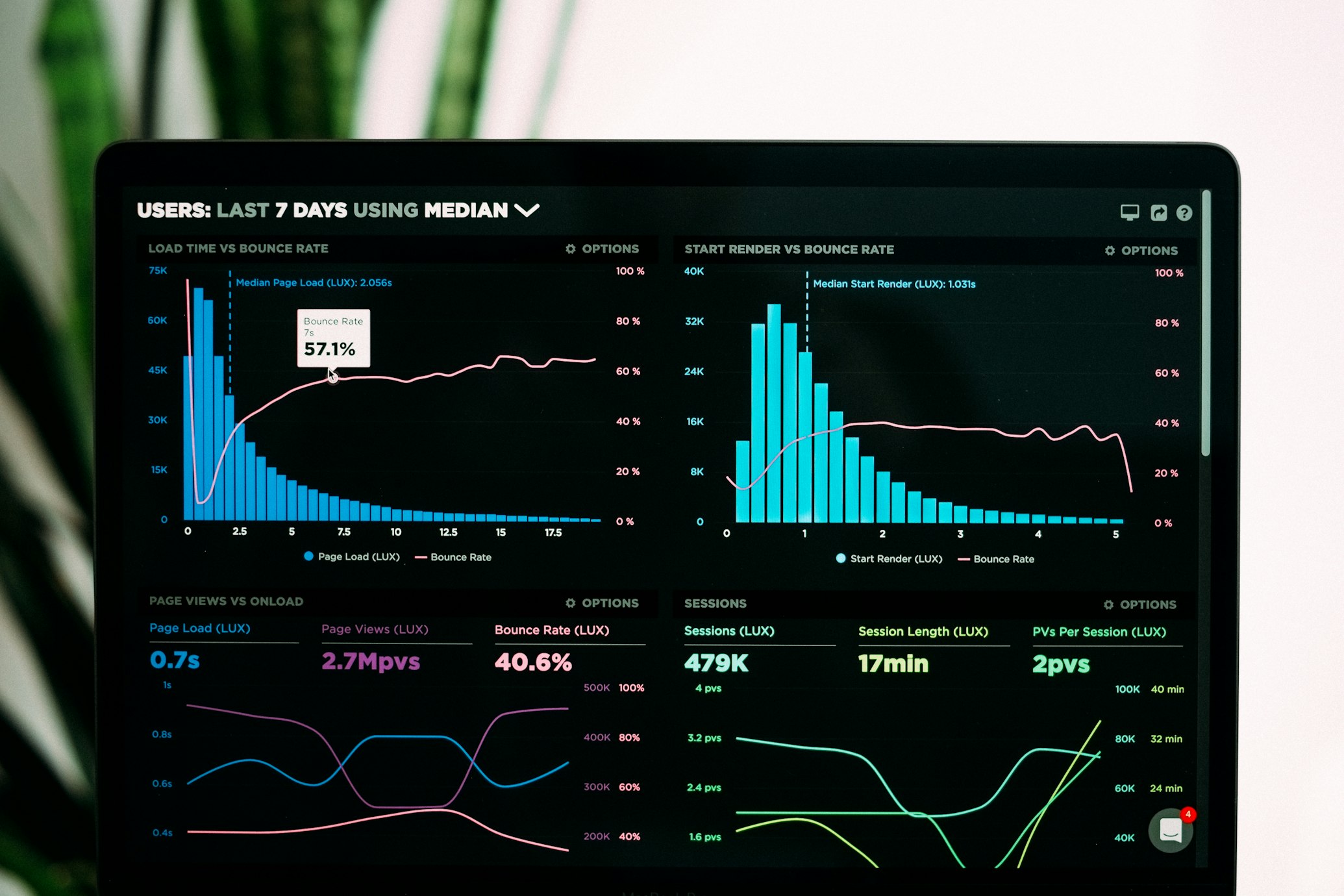
Multi-omics approaches integrate diverse biological data types to provide comprehensive insights into complex biological systems.
In-Depth Look: A Landmark Experiment in Data Mining
To understand how biological data mining translates into real-world discoveries, let's examine a pivotal study that demonstrates the power of this approach.
Mining Gene Expression Data to Uncover Epidermal Development Genes
In 2018, researchers introduced a novel data processing paradigm to identify key factors in biological processes via systematic collection of gene expression datasets, primary analysis of data, and evaluation of consistent signals 9 .
Methodology: A Step-by-Step Approach
- Data Curation: The team began by searching ArrayExpress for microarray datasets related to 295 known epidermis development genes 9 .
- Differential Gene Expression Analysis: The researchers performed differential gene expression analysis on the 24 experimental comparisons 9 .
- Consensus Scoring: To identify genes consistently important across multiple experiments, the team developed a consensus scoring system 9 .
- Functional Validation: The top-ranked genes were evaluated through phylogenetic analysis, literature review, and experimental validation 9 .
Experimental Workflow
The systematic approach ensured robust identification of key epidermal development genes.
Results and Analysis: Uncovering Hidden Players in Skin Biology
The application of this data mining paradigm yielded exciting results. The researchers identified 81 genes with consensus scores ≥ 6 as potentially critical for epidermal development 9 .
| Gene Symbol | Consensus Score | Prior Knowledge of Role in Skin |
|---|---|---|
| SBSN | 9 | No |
| EDN1 | 7 | Yes |
| ELOVL4 | 6 | Yes |
| HOPX | 6 | Yes |
| Direction of Change | Number of Genes | Key Biological Processes Affected |
|---|---|---|
| Up-regulated | 326 | Inflammatory response |
| Down-regulated | 161 | Cornified envelope formation |
Scientific Importance
This experiment demonstrates a reusable framework for extracting knowledge from public data repositories. The same paradigm was successfully applied to identify key genes in cold-induced thermogenesis, demonstrating its generalizability across biological domains 9 .
The Scientist's Toolkit: Essential Resources for Biological Data Mining
Engaging in biological data mining requires both computational tools and research reagents. Here's a comprehensive look at the essential resources in the data miner's toolkit.
| Resource Category | Specific Examples | Function and Application |
|---|---|---|
| Public Data Repositories | Gene Expression Omnibus (GEO), ArrayExpress, PubChem | Provide freely accessible datasets for mining and analysis 9 |
| Cheminformatic Tools | PubChem annotation tools, structure search algorithms | Facilitate annotation through links to scientific literature and connect chemical structures to biological activity |
| Statistical Toolkits | MINE (Maximal Information-based Nonparametric Exploration) | Detect a wide range of patterns in large datasets and identify relationships that might be missed by hypothesis-driven approaches 5 |
| Cloud Computing Platforms | Amazon Web Services, Google Cloud Genomics | Provide scalable infrastructure for storing and processing massive biological datasets 2 |
| AI-Powered Analysis Tools | DeepVariant, neural network frameworks | Identify genetic variants with high accuracy and predict biological outcomes from complex datasets 2 |

Modern biological data mining relies on sophisticated computational tools and platforms to handle the complexity and volume of biological data.
The Future of Biological Data Mining: Challenges and Opportunities
As we look toward the future, biological data mining faces both exciting opportunities and significant challenges. The volume of biological data continues to grow exponentially, with next-generation sequencing technologies becoming faster and more affordable 2 .
Emerging Frontiers
Single-Cell Genomics
This technology reveals the heterogeneity of cells within a tissue, requiring new data mining approaches capable of analyzing unprecedented levels of cellular diversity 2 .
Spatial Transcriptomics
By mapping gene expression in the context of tissue structure, this approach generates complex datasets that reveal how cellular function relates to anatomical position 2 .
Biological-Inspired AI
Frameworks like MycelialNet, inspired by the adaptive networks of fungal systems, represent a new frontier where the tools for data mining themselves are informed by biological principles 6 .
Ethical Considerations and Data Security
As data mining capabilities grow, so do concerns around data privacy and ethical use. Breaches in genomic data can lead to identity theft and genetic discrimination 2 .
Security Measures
Balancing innovation with privacy protection will require robust security measures, including advanced encryption algorithms and blockchain technology, while ensuring equitable access to genomic services across different regions 2 7 .
Future Data Growth Projection
Exponential growth in biological data requires increasingly sophisticated mining approaches.
From Data to Wisdom in the Biological Age
Biological data mining represents a fundamental shift in how we conduct biological research, turning the challenge of big data into an unprecedented opportunity for discovery.
Novel Insights
By developing sophisticated tools to detect patterns hidden in vast datasets, researchers are uncovering new biological insights at an accelerating pace.
Integration
The integration of AI, multi-omics approaches, and biologically-inspired computing frameworks promises to further enhance our ability to extract meaningful knowledge.
Discovery
While challenges remain in data management and ethical implementation, the future of biological data mining shines brightly—illuminating paths to discovery.
"The next time you hear about a groundbreaking genetic discovery or a new therapeutic target, remember the digital prospectors working behind the scenes—sifting through billions of data points to find those precious nuggets of insight that advance our understanding of life itself."