High-Content Multiparametric Analysis of Cellular Events: A 2025 Guide for Drug Discovery
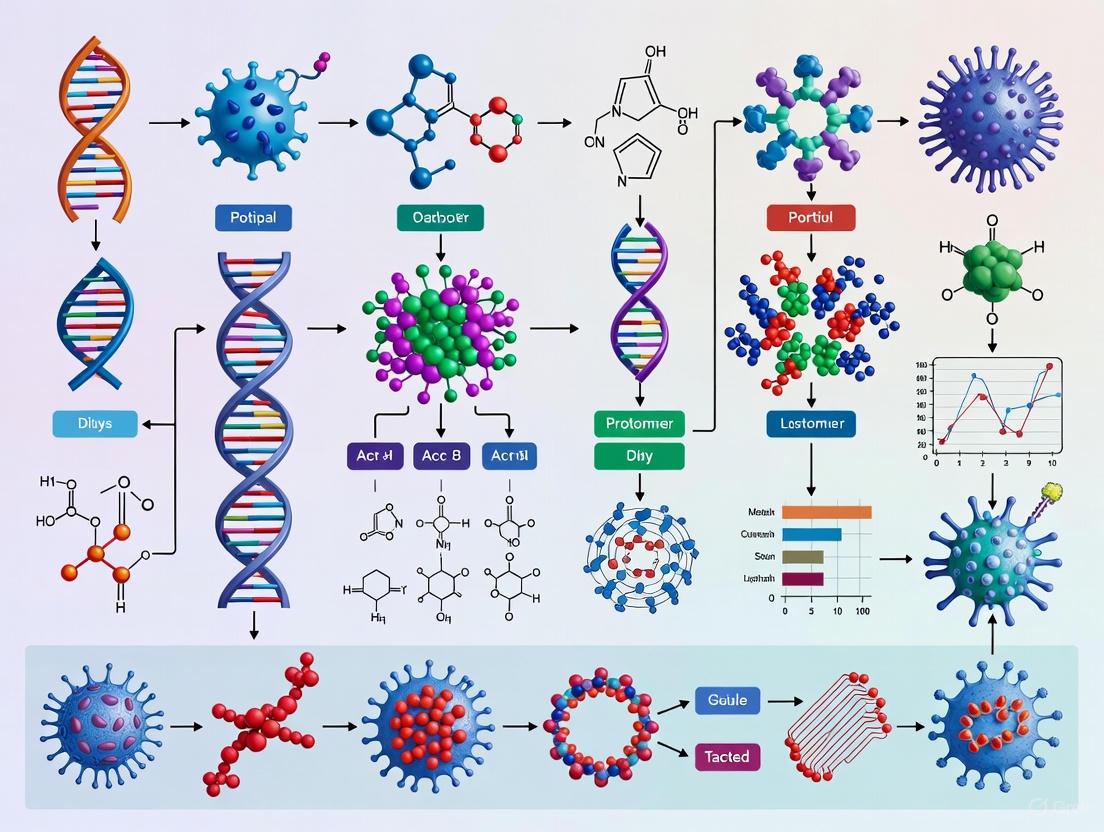
This article provides a comprehensive guide to high-content multiparametric analysis, a powerful technique combining automated microscopy with advanced computational methods to extract quantitative data from complex cellular systems.
High-Content Multiparametric Analysis of Cellular Events: A 2025 Guide for Drug Discovery
Abstract
This article provides a comprehensive guide to high-content multiparametric analysis, a powerful technique combining automated microscopy with advanced computational methods to extract quantitative data from complex cellular systems. Tailored for researchers, scientists, and drug development professionals, we cover the foundational principles of technologies like flow and mass cytometry, delve into methodological applications in phenotypic screening and toxicity studies, and address key challenges in data analysis and integration of 3D cell cultures. Furthermore, we explore validation strategies and compare computational approaches like FlowSOM and t-SNE, offering actionable insights to harness this technology for accelerating therapeutic discovery and development.
What is High-Content Multiparametric Analysis? Unpacking the Core Concepts
Defining High-Content Screening (HCS) and Multiparametric Analysis in Modern Biology
High-Content Screening (HCS) is an advanced imaging-based approach that combines automated microscopy, image processing, and quantitative data analysis to investigate complex cellular processes and phenotypes [1] [2]. Unlike traditional assays that focus on a single endpoint, HCS captures multiple quantitative parameters simultaneously from biological samples, typically cells or whole organisms, providing deeper insights into toxicity, efficacy, and disease mechanisms [3]. A key differentiator from High-Throughput Screening (HTS) is HCS's capacity for multiparametric analysis, enabling the extraction of numerous spatial and temporal measurements from a single experiment [3] [1]. This technology has become indispensable in pharmaceutical research, drug discovery, and basic biological research, with the global HCS market projected to grow from $3.1 billion in 2023 to $5.1 billion by 2029 [2].
Key Principles and Methodological Framework
Core Principles of HCS
HCS operates on several fundamental principles that distinguish it from other screening approaches. It provides spatially and temporally resolved information on cellular events, allowing researchers to observe phenomena within specific cellular compartments or organelles over time [1]. Through automated image analysis, HCS enables the unbiased quantification of complex cellular phenotypes, moving beyond investigator-selected measurements to comprehensive population-wide analysis [1] [4]. The integration of multiplexed assays allows researchers to measure multiple biological markers within a single experiment, significantly enhancing data efficiency and biological insight [2]. Furthermore, HCS bridges the critical gap between high information content and high throughput in biological experiments, making it possible to conduct large-scale screening without sacrificing biological complexity [4].
Standard HCS Workflow
The HCS process follows a structured, multi-stage workflow that ensures reproducibility and robust data generation [3]:
Sample Preparation: Cells or model organisms (e.g., zebrafish embryos) are treated with test compounds at defined concentrations and placed in multi-well plates suitable for automated imaging.
Automated Imaging: High-resolution fluorescence or brightfield microscopy captures cellular or whole-organism responses. This step is performed using automated microscopes that can image hundreds to thousands of samples per day.
Quantitative Data Extraction: Advanced image analysis software measures key morphological, functional, and intensity-based parameters from the acquired images.
AI-Based Pattern Recognition: Machine learning models identify significant phenotypic changes across complex datasets, enabling the detection of subtle patterns that might escape human observation.
Data Interpretation and Decision-Making: The extracted multiparametric data are analyzed statistically and used to rank compounds, assess toxicity, and identify lead candidates for further development.
Table 1: Key Technologies Enabling Modern HCS
| Technology | Key Function | Representative Examples |
|---|---|---|
| High-Resolution Fluorescence Microscopy | Visualizes cellular structures and protein interactions with high clarity | ImageXpress Micro Confocal System [2] |
| Live-Cell Imaging | Enables continuous observation of cell behavior over time | Incucyte Live-Cell Analysis System [2] |
| 3D Cell Culture & Organoid Screening | Provides physiologically relevant tissue models for more predictive screening | Nunclon Sphera Plates for 3D spheroid formation [2] |
| Automated Image Analysis Software | Extracts quantitative data from complex cellular images | Harmony Software, CellProfiler [2] [5] |
| Cloud-Based Data Storage & Analysis | Manages large volumes of image data and enables collaborative analysis | ZEN Data Storage system [2] |
Diagram 1: Standard HCS Workflow
Applications in Modern Biological Research
Drug Discovery and Development
HCS has become a cornerstone technology in pharmaceutical research, with applications spanning all stages of drug discovery. In primary compound screening, HCS enables the evaluation of thousands to hundreds of thousands of compounds for their effects on complex cellular phenotypes, going beyond single-target approaches to identify substances that alter cellular states in desired manners [1] [4]. For toxicology assessment, HCS provides detailed profiles of compound effects on cellular morphology and function. For example, zebrafish HCS allows for developmental toxicity screening through large-scale phenotypic analysis of live embryos, detecting teratogenic effects by scoring multiple morphological and physiological parameters [3]. In cardiotoxicity screening, automated, imaging-based multiparametric analysis evaluates key cardiac endpoints including heart rate, contractility, and rhythm abnormalities in real-time, identifying potential cardiac risks before advancing to mammalian studies [3]. HCS also plays a crucial role in evaluating ADME properties (absorption, distribution, metabolism, and excretion), providing critical information about drug candidate behavior in biological systems [4].
Disease Mechanism Elucidation
The multiparametric capabilities of HCS make it particularly valuable for unraveling complex disease mechanisms. In cancer research, HCS enables the characterization of tumor cell behavior, drug responses, and spatial relationships within the tumor microenvironment. For example, the MARQO pipeline has been used to analyze multiplexed tissue images from cancer patients, identifying CD8+ T cell enrichment in hepatocellular carcinoma responders to neoadjuvant immunotherapy [6]. For neurological disorders, HCS facilitates the study of neuronal morphology, synapse formation, and protein aggregation in models of Alzheimer's disease, Parkinson's disease, and other neurodegenerative conditions [2]. In infectious disease research, HCS platforms have been deployed to discover antimalarial compounds by monitoring parasite growth and host cell interactions, identifying promising candidates like bromophycolide A from marine natural product libraries [4]. Furthermore, chemical genetics approaches using HCS aim to functionally annotate the genome by identifying small molecules that act on specific gene products, creating chemical tools to probe protein function even when genetic knockouts are lethal [1].
Advanced Cellular Model Characterization
The advent of more physiologically relevant cellular models has increased the importance of HCS for their comprehensive characterization. 3D cell culture and organoid screening provide more accurate representations of human tissues, and HCS enables the quantitative assessment of complex structures that cannot be adequately evaluated with traditional methods [2]. Stem cell research utilizes HCS to monitor differentiation processes, identify distinct cellular subpopulations, and quantify changes in pluripotency markers over time [2]. Microfluidic organ-on-chip models, such as blood-brain barrier systems, benefit from HCS analysis to evaluate barrier integrity, cellular organization, and functional responses to compounds in controlled microenvironments [7].
Table 2: Quantitative Parameters in Representative HCS Applications
| Application Area | Key Measurable Parameters | Biological Significance |
|---|---|---|
| Developmental Toxicology (Zebrafish) | Body length, tail curvature, heart rate, organ morphology, spontaneous movement | Identifies teratogenic effects and developmental delays [3] [5] |
| Cardiotoxicity Screening | Heart rate, contractility, rhythm abnormalities, cardiomyocyte apoptosis | Predicts clinical cardiotoxicity risks [3] |
| Cancer Immunotherapy Response | CD8+ T cell density, spatial distribution, tumor infiltration, immune cell co-localization | Correlates with treatment efficacy and patient outcomes [6] |
| Nuclear Phenotype Analysis | Nuclear size, shape, lamin protein expression, telomere organization | Classifies lymphoma subtypes and predicts deformability [8] |
Detailed Experimental Protocols
Protocol 1: Multiplexed Tissue Analysis Using MARQO Pipeline
The MARQO (Multiplex-imaging Analysis, Registration, Quantification, and Overlaying) pipeline enables start-to-finish, single-cell resolution analysis of whole-slide tissue samples, particularly valuable for cancer immunotherapy studies [6].
Materials and Reagents:
- Tissue sections (4-5 μm thickness) on charged slides
- Multiplex immunohistochemistry/immunofluorescence staining reagents
- Primary antibodies validated for multiplexing
- Nuclear counterstain (DAPI or haematoxylin)
- Antigen retrieval solutions
- Automated staining platform (optional but recommended)
- MARQO software platform
Procedure:
- Sample Preparation and Staining:
- Perform multiplex staining using validated antibodies according to established protocols (MICSSS, CyCIF, CODEX, or other multiplex methods)
- Include appropriate nuclear counterstaining in each cycle for iterative segmentation
- Scan slides using high-resolution whole-slide scanner
Image Preprocessing and Registration:
- Import whole-slide images into MARQO pipeline
- Perform elastic image registration to align multiple staining cycles
- Apply tissue masking to focus analysis on relevant regions
- Split images into evenly sized tiles for parallel processing
Nuclear Segmentation:
- Perform iterative nuclear segmentation across all stains using StarDist algorithm
- Apply composite segmentation mask by retaining nuclear objects detected in ≥60% of iterations within 3μm centroid distance
- Eliminate hypothesized red blood cells and artifacts based on morphological features
Cell Phenotyping and Quantification:
- Apply unsupervised clustering with mini-batch k-means to identify distinct cell populations
- Perform user-guided classification through graphical interface to binarize positivity for each marker
- Quantify marker co-expression patterns and cellular densities
Spatial Analysis:
- Determine spatial relationships between identified cell populations
- Analyze cellular proximities and organizational patterns within defined tissue regions
- Export data for statistical analysis and visualization
Validation: Compare MARQO's segmentation performance with manual pathologist curation using metrics including Dice coefficient and cell detection accuracy. Validate cell classification against known marker expression patterns and establish reproducibility across technical replicates [6].
Protocol 2: Zebrafish Developmental Toxicology Screening
Zebrafish provide a whole-organism model for developmental toxicity screening, combining physiological relevance with high-throughput capability [3] [5].
Materials and Reagents:
- Wild-type or transgenic zebrafish embryos
- Egg water (60 μg/mL sea salt in reverse osmosis water)
- Test compounds dissolved in appropriate vehicle (typically DMSO ≤0.1%)
- 96-well or 384-well plates with transparent bottoms
- Methylcellulose or low-melting point agarose for immobilization
- Automated imaging system (e.g., VAST BioImager)
- Image analysis software (e.g., FishInspector)
Procedure:
- Embryo Collection and Compound Exposure:
- Collect zebrafish embryos 0-4 hours post-fertilization (hpf)
- Array individual embryos into wells containing 100-200 μL egg water
- Add test compounds at desired concentrations using liquid handling system
- Incubate at 28.5°C until desired developmental stage (typically 24-120 hpf)
Sample Preparation for Imaging:
- At appropriate timepoints, transfer embryos to imaging plates
- Immobilize embryos using 1.2% low-melting point agarose or 3% methylcellulose
- Orient embryos consistently for standardized imaging
Automated Image Acquisition:
- Acquate brightfield and/or fluorescence images using automated microscopy
- Use Vertebrate Automated Screening Technology (VAST) or similar platform for consistent positioning
- Capture multiple focal planes and magnifications as required for phenotypic assessment
Multiparametric Phenotype Analysis:
- Use FishInspector software to annotate and quantify morphological structures
- Calculate specimen features including length, tail curvature, eye size, and body shape
- Score developmental abnormalities using standardized toxicity scales
- Export Regions of Interest (ROIs) as JSON and CSV files for further analysis
Data Management and Analysis:
- Upload images and metadata to OMERO system for centralized management
- Apply statistical analysis to identify significant phenotypic changes
- Establish dose-response relationships for toxic effects
- Compare with positive and negative controls for assay validation
Quality Control: Include negative control (vehicle only) and positive control (known teratogen) in each plate. Monitor embryo viability throughout exposure period. Establish Z-factor for assay robustness. Ensure consistent imaging parameters across all experimental groups [3] [5].
Diagram 2: FAIR Data Management Workflow for HCS
Essential Research Reagents and Materials
Table 3: Research Reagent Solutions for HCS
| Reagent/Material | Function | Application Examples |
|---|---|---|
| Fluorescent Antibodies | Specific detection of cellular proteins and modifications | Immunofluorescence staining for protein localization and expression levels [6] [4] |
| CRISPR Libraries | Gene editing and functional genomics screening | Identification of gene functions in oncology and genetic disorders [2] |
| 3D Cell Culture Systems | Physiologically relevant tissue models | Nunclon Sphera Plates for spheroid and organoid formation [2] |
| Bio-Plex Multiplex Immunoassays | Simultaneous analysis of multiple proteins | Cancer biology and immunology research [2] |
| Live-Cell Dyes and Reporters | Dynamic monitoring of cellular processes | Fluorescent probes for second messengers, viability, and organelle function [1] [4] |
| Microfluidic Platforms | Controlled microenvironments for single-cell analysis | C1 Single-Cell Auto Prep System for stem cell research and oncology [2] |
Data Management and Analysis Frameworks
The massive datasets generated by HCS experiments present unique data management challenges, with single experiments often producing hundreds of thousands of images and associated metadata [5]. Effective HCS data management requires specialized frameworks that ensure data integrity, accessibility, and reproducibility.
OMERO-Based Data Management
The OMERO (Open Microscopy Environment Remote Objects) platform provides a flexible open-source solution for managing HCS datasets and metadata [5]. OMERO connects a PostgreSQL relational database with a filesystem-based image repository and HDF-based tabular data store, supporting a wide range of microscopy formats and integrating with analytical tools. Implementation typically involves:
- Centralized Repository: Storing images and metadata in a structured database accessible to authorized researchers
- Metadata Annotation: Associating experimental conditions, assay settings, and sample details with corresponding images
- Workflow Integration: Using tools like ezomero Python library to connect analysis workflows with data management tasks
- Collaborative Sharing: Enabling controlled access for collaborators and public dissemination through platforms like Bio Image Archive
Workflow Management Systems
Workflow Management Systems (WMS) such as Galaxy and KNIME provide crucial infrastructure for creating reproducible, semi-automated workflows for HCS bioimaging data management [5]:
Galaxy Platform: Offers user-friendly interface for processing extensive datasets, versioning tools, and sharing workflows. The OMERO-suite within Galaxy simplifies data transfer and metadata management with OMERO instances.
KNIME Analytical Platform: Enables creation of modular pipelines supporting over 140 image formats, with capabilities for preprocessing, segmentation, feature extraction, and classification. KNIME integrates with OMERO through Python scripts and ezomero code blocks.
These WMS platforms facilitate the transition from local file-based storage to automated, agile image data management frameworks, reducing human error and enhancing data consistency and reproducibility across international research institutions [5].
The field of High-Content Screening continues to evolve with emerging technologies that enhance its capabilities and applications. Artificial intelligence and machine learning are increasingly integrated into image analysis pipelines, improving pattern recognition and enabling the identification of subtle phenotypic changes that escape conventional analysis [3] [6]. The development of more sophisticated 3D models and organ-on-chip systems provides increasingly physiologically relevant contexts for screening, while advanced multiplexing technologies now enable the simultaneous assessment of 20 or more markers in single cells within tissue contexts [6] [2]. Microfluidic platforms continue to advance single-cell analysis capabilities, allowing high-content screening with minimal sample usage [2] [8].
The integration of HCS with multiparametric analysis represents a paradigm shift in biological research, enabling systems-level understanding of cellular responses to genetic, chemical, and environmental perturbations. As these technologies become more accessible and sophisticated, they will continue to drive innovations in drug discovery, functional genomics, and personalized medicine. The ongoing development of standardized workflows, data management frameworks, and analytical tools will further enhance the reproducibility and impact of HCS research across the biological sciences [5].
For researchers implementing HCS approaches, success depends on careful experimental design, robust validation of imaging and analysis pipelines, and adoption of FAIR (Findable, Accessible, Interoperable, Reusable) data management principles. By leveraging the full potential of high-content multiparametric analysis, scientists can uncover novel biological insights and accelerate the development of new therapeutic strategies for human diseases.
The transition from two-dimensional (2D) to three-dimensional (3D) cell culture represents a fundamental paradigm shift in high-content screening (HCS) and drug discovery. This evolution addresses a critical limitation of traditional methods: their poor predictive power for clinical outcomes. A pivotal example illustrates this point; a promising cancer therapy successfully cleared preclinical hurdles using 2D models where cells spread unnaturally on plastic, isolated from real-world complexities. However, in Phase I human trials, the therapy failed badly. The failure was attributed to the model system—in patients, tumors are not flat but exist as dense, three-dimensional ecosystems. This realization underscored that when models do not mimic human biology, results do not translate to clinical success, catalyzing the move toward 3D cell culture systems that provide tissue-like realism [9].
Modern 3D cultures, including spheroids and organoids, self-assemble into structures that restore morphological and functional features of human tissues. They facilitate complex extracellular matrix (ECM) interactions and create natural gradients of oxygen, nutrients, and pH. This realistic microenvironment is crucial for accurate disease modeling, leading to more physiologically relevant gene expression profiles, drug resistance behavior, and toxicological predictions [9]. The implementation of 3D cell cultures, alongside advanced cell models like stem cells and primary cells, is poised to significantly improve the predictability of drug efficacy and toxicity in humans before compounds enter clinical trials, thereby reducing the high attrition rates in pharmaceutical development [10].
Comparative Analysis: 2D vs. 3D Cell Culture Platforms
The choice between 2D and 3D cell culture is strategic, with each platform offering distinct advantages and limitations. The table below provides a structured comparison of their key characteristics.
Table 1: Quantitative Comparison of 2D vs. 3D Cell Culture Systems
| Feature | 2D Cell Culture | 3D Cell Culture |
|---|---|---|
| Growth Pattern | Monolayer; flat, uniform expansion [9] | Three-dimensional; expands in all directions [9] |
| Cell-Cell & Cell-ECM Interactions | Limited; forced polarity, unnatural contact [9] [10] | Dynamic and physiologically relevant; realistic spatial organization [9] [10] |
| Spatial Organization | None [9] | High; mimics tissue architecture (e.g., spheroids, organoids) [9] |
| Tissue Mimicry | Poor [9] | High; recapitulates in vivo physiology [9] [10] |
| Gene Expression Profiles | Altered due to unnatural growth surface [9] | More in vivo-like fidelity [9] |
| Drug Response | Often overestimates efficacy; lacks resistance mechanisms [9] | More predictive; accurately models drug penetration and resistance [9] [10] |
| Gradient Formation (O₂, nutrients, pH) | Absent; uniform exposure [9] | Present; creates heterogeneous cellular microenvironments [9] [10] |
| Cost & Infrastructure | Inexpensive; simple protocols, standard equipment [9] | Higher cost; requires specialized materials and protocols [9] |
| Throughput & Scalability | High; compatible with High-Throughput Screening (HTS) [9] | Moderate to high; newer technologies are improving HTS compatibility [9] [10] |
| Primary Applications | High-throughput compound screening, basic cytotoxicity, genetic manipulation [9] | Disease modeling (e.g., cancer), toxicology, personalized therapy, stem cell research [9] |
Key 3D Technologies and Their Applications in HCS
A suite of technologies has been developed to facilitate 3D cell culture, each with unique advantages for high-content multiparametric analysis.
Table 2: Key 3D Cell Culture Technologies and Their Characteristics in HCS
| Technology | Key Principle | Advantages for HCS | Disadvantages / Challenges |
|---|---|---|---|
| Multicellular Spheroids | Self-aggregation of cells into 3D clusters [10] | Easy protocols, scalable to different plate formats, compliant with HTS/HCS, high reproducibility [10] | Simplified architecture, ensuring uniform size can be challenging [10] |
| Organoids | Stem cells or organ progenitors self-organize into tissue-specific structures [10] | Patient-specific, in vivo-like complexity and architecture, ideal for personalized medicine [10] | Can be variable, less amenable to HTS, hard to reach in vivo maturity, may lack key cell types like vasculature [10] |
| Scaffold-Based Systems (Hydrogels) | Cells embedded in a supportive biomaterial (e.g., collagen, Matrigel, synthetic polymers) that mimics the ECM [9] [10] [11] | Applicable to microplates, amenable to HTS/HCS, high reproducibility, co-culture ability [10] | Simplified architecture, potential for variability across material lots [10] |
| Microfluidics (Organs-on-Chips) | Cells cultured in microfluidic channels to simulate vascular flow and mechanical forces [10] [11] | In vivo-like architecture and microenvironment, precise control of chemical and physical gradients [10] | Generally difficult to adapt to HTS, often lack fully functional vasculature [10] |
| 3D Bioprinting | Layer-by-layer deposition of cell-laden bioinks to create custom 3D structures [10] [11] | Custom-made architecture, control over chemical and physical gradients, high-throughput production potential [10] | Challenges with cells and materials, issues with tissue maturation, lack of vasculature in most current models [10] |
The 3D cell culture industry reflects this technological diversity. The market, valued at $1040.75 Million in 2022 and projected to grow at a CAGR of 15% through 2030, is segmented into scaffold-based, scaffold-free, microfluidics, and bioreactor products. Scaffold-based systems dominated revenue in 2024, while scaffold-free systems are growing at the fastest rate. In terms of application, cancer research accounts for 34% of applications, leveraging 3D models to study tumor microenvironments and personalized oncology. The regenerative medicine segment is also expanding rapidly, driven by the potential of organoid development to address the global organ shortage [11].
Experimental Protocols for High-Content Analysis of 3D Models
Protocol: Generation and Drug Screening of Tumor Spheroids Using Low-Adhesion Plates
This protocol is optimized for high-throughput drug screening and multiparametric analysis of cancer cell lines.
Research Reagent Solutions:
- Ultra-Low Attachment (ULA) Microplates: Surface-coated plates to minimize cell adhesion and promote self-aggregation into a single spheroid per well [10].
- Appropriate Cell Culture Medium: Formulated to support the specific cell line under investigation (e.g., SW-480, HCT-116 colon cancer cells) [9] [10].
- Matrigel or Synthetic Hydrogels: Optional, to provide an extracellular matrix (ECM) scaffold for more complex models [10] [11].
- CellTiter 96 AQueous Non-Radioactive Cell Proliferation Assay (MTS) Kit: For assessing cell viability and compound cytotoxicity in 3D cultures [9].
- Test Compounds: e.g., Chemotherapeutic agents like Doxorubicin, Fluorouracil, or Oxaliplatin [9] [10].
- Paraformaldehyde (4% in PBS): For spheroid fixation.
- Permeabilization Buffer (e.g., 0.1% Triton X-100 in PBS): For intracellular antibody staining.
- Immunofluorescence Staining Reagents: Primary and secondary antibodies, phalloidin (for F-actin), and DAPI (for nuclei) [9].
- Mounting Medium for 3D Imaging: To preserve spheroid structure during microscopy.
Methodology:
- Cell Seeding:
- Harvest and count cells. Prepare a single-cell suspension in complete medium.
- Seed cells into the ULA microplate at an optimized density (e.g., 1,000 - 10,000 cells/well in a 96-well format). The optimal density must be determined empirically for each cell line to form a single, well-defined spheroid.
- Centrifuge the plate at a low speed (e.g., 300-500 x g for 3-5 minutes) to gently aggregate cells at the bottom of the well.
- Incubate the plate at 37°C, 5% CO₂ for 72-96 hours to allow for spheroid formation.
Compound Treatment & Viability Assessment:
- After spheroid formation, carefully aspirate a portion of the medium and replace it with fresh medium containing the test compounds at the desired concentrations. Include vehicle controls.
- Incubate for the desired treatment period (e.g., 72-120 hours).
- For viability analysis, add the MTS reagent directly to the wells according to the manufacturer's instructions. Incubate for 1-4 hours, monitoring for color development.
- Record the absorbance at 490nm using a plate reader. Note that 3D cultures often show higher resistance to chemotherapeutic agents compared to 2D cultures, a phenomenon observed in vivo [9] [10].
Multiparametric High-Content Imaging and Analysis:
- For immunofluorescence, carefully aspirate the medium and wash spheroids with PBS.
- Fix spheroids with 4% PFA for 30-60 minutes at room temperature.
- Permeabilize and block with an appropriate buffer (e.g., 1% BSA, 0.1% Triton X-100 in PBS) for 1-2 hours.
- Incubate with primary antibodies (e.g., against Cleaved Caspase-3 for apoptosis, Ki-67 for proliferation) diluted in blocking buffer overnight at 4°C.
- Wash thoroughly and incubate with fluorescently conjugated secondary antibodies and DAPI for 2-4 hours at room temperature.
- Image the entire spheroid using a confocal microscope or a high-content imaging system with Z-stacking capability to capture 3D data.
- Analyze images using HCS software to extract multiparametric data, including:
- Spheroid volume and morphology.
- Total cell count (DAPI+).
- Proliferation index (Ki-67+).
- Apoptotic index (Caspase-3+).
- Drug penetration depth (if using a fluorescent drug analog).
Protocol: Establishing Patient-Derived Organoids for Personalized Therapy Screening
This protocol outlines the creation of organoids from patient tissue samples, enabling functional precision medicine and the assessment of therapy response in a clinically relevant model.
Research Reagent Solutions:
- Patient Tissue Sample: Surgically resected tumor or biopsy material.
- Digestion Enzyme Mix: e.g., Collagenase/Dispase in PBS, to dissociate tissue into single cells or small clusters.
- Basement Membrane Extract (BME): A commercially available product like Matrigel, which provides a complex ECM scaffold essential for organoid growth [10].
- Advanced Organoid Culture Medium: A defined medium, often containing specific growth factors (e.g., EGF, Noggin, R-spondin) to support the growth and differentiation of stem/progenitor cells from the tissue of origin [10].
- Cryopreservation Medium: FBS with 10% DMSO, for biobanking organoid lines.
Methodology:
- Tissue Processing and Initiation of Organoid Culture:
- Mince the patient tissue sample into small fragments (~1-2 mm³) using sterile scalpels.
- Digest the tissue fragments with an enzyme mix for 30-60 minutes at 37°C with gentle agitation. Triturate periodically to aid dissociation.
- Pass the cell suspension through a cell strainer (70-100 µm) to remove undigested fragments and obtain a single-cell/small-cluster suspension.
- Centrifuge the filtrate and resuspend the cell pellet in cold BME. Plate the BME-cell mixture as small droplets in pre-warmed culture plates.
- Polymerize the BME droplets at 37°C for 20-30 minutes, then carefully overlay with organoid culture medium.
- Culture at 37°C, 5% CO₂, replacing the medium every 2-3 days.
Expansion, Passaging, and Biobanking:
- Organoids are typically passaged every 1-2 weeks. For passaging, mechanically disrupt and enzymatically digest the BME dome and the organoids within.
- Re-embed the dissociated organoid fragments in fresh BME to initiate new cultures for expansion or screening.
- For biobanking, dissociate organoids, resuspend in cryopreservation medium, and freeze slowly before transferring to liquid nitrogen for long-term storage.
High-Content Drug Screening and Phenotypic Analysis:
- For screening, seed a defined number of dissociated organoid cells in BME into 96-well plates suitable for imaging.
- Once organoids have re-formed, treat with a panel of clinically relevant therapeutics.
- After treatment, fix and stain for relevant markers (e.g., live/dead stains, apoptosis, differentiation markers).
- Image using high-content confocal microscopy and perform 3D image analysis to quantify organoid viability, size, morphology, and marker expression in response to each drug. This data can be used to identify the most effective therapy for the patient [9] [10].
The Scientist's Toolkit: Essential Reagents and Materials
Table 3: Key Research Reagent Solutions for 3D Cell Culture and HCS
| Item | Function/Principle | Example Applications |
|---|---|---|
| Ultra-Low Attachment (ULA) Plates | Surface coating minimizes cell adhesion, forcing cells to self-aggregate into spheroids. Well geometry ensures single spheroid formation per well [10]. | High-throughput spheroid formation for drug screening; scalable across microplate formats [9] [10]. |
| Basement Membrane Extracts (BME/Matrigel) | A complex, reconstituted hydrogel derived from animal tumors that provides a biologically active scaffold mimicking the native extracellular matrix (ECM) [10]. | Essential for culturing organoids and other sensitive cell types that require ECM support for survival and differentiation [10]. |
| Synthetic Hydrogels (PeptiGels) | Chemically defined, tunable polymers that offer a reproducible and animal-free alternative to BME. Properties like stiffness and degradability can be engineered [11]. | Tissue engineering, creating more controlled and reproducible microenvironments for mechanistic studies [11]. |
| Hanging Drop Plates | Platforms where cells are suspended in a droplet of media from the top of a well, promoting aggregation into a spheroid by gravity without surface contact [10]. | Spheroid formation, particularly for co-culture studies where different cell types can be combined in the droplet [10]. |
| Microfluidic Chips (Organs-on-Chips) | Devices with micro-channels that allow for continuous perfusion, application of mechanical forces (e.g., shear stress), and creation of complex, multi-cellular tissue interfaces [10] [11]. | Modeling physiological organ functions and diseases; preclinical testing of drug efficacy and safety in a more dynamic system [10]. |
| 3D-Bioprinting Bioinks | Cell-laden hydrogels (often combined with synthetic polymers) that are used as "inks" in 3D printers to create custom, architecturally complex tissue constructs layer-by-layer [10] [11]. | Fabrication of patient-specific tissue models for transplantation, disease modeling, and advanced drug testing platforms [11]. |
Future Outlook: Integrated Workflows and Intelligent Design
The future of 3D cell culture in HCS is not a simple replacement of 2D but lies in hybrid workflows and AI integration. Leading laboratories are adopting a tiered approach: using 2D models for initial high-throughput screening due to their speed and cost-effectiveness, followed by 3D models for predictive secondary screening, and finally, patient-derived organoids for personalized therapy selection [9]. This multi-model strategy optimizes resources while maximizing biological relevance.
The integration of Artificial Intelligence (AI) and Machine Learning (ML) is set to revolutionize the field. These tools enable predictive analytics based on complex 3D imaging data, enhancing the accuracy of gene expression analysis and phenotypic screening. AI can optimize culture conditions, improve reproducibility, and reduce research timelines by rapidly identifying patterns in high-content, multiparametric datasets that are beyond human discernment [11]. Furthermore, regulatory bodies like the FDA and EMA are increasingly considering 3D data in submissions, signaling a broader acceptance of these advanced models in the drug development pipeline [9]. By 2028, most pharmaceutical R&D pipelines are expected to adopt these integrated, intelligent workflows, combining the speed of flat models, the realism of 3D systems, and the personalization of organoids to deliver more effective therapies to patients faster [9].
High-content analysis (HCA), also known as high-content screening (HCS), is a powerful approach that combines automated microscopy, high-throughput imaging, and multiparametric data analysis to investigate complex biological processes in cellular samples and 3D organoids [12]. This technology has become a cornerstone in biomedical research and drug discovery, enabling scientists to quantitatively analyze large sets of visual data at single-cell resolution [12] [13]. By leveraging automated imaging systems and sophisticated software algorithms, HCA facilitates the investigation of multiple parameters simultaneously to characterize cellular phenotypes on a large scale, making it particularly valuable for drug discovery, toxicology studies, and basic research applications [12].
The fundamental strength of HCA lies in its ability to extract rich, quantitative data from complex biological systems. Modern HCA platforms can rapidly analyze millions of cells, revealing the heterogeneity of responses that exist within cell populations across various manipulations, from genome-wide screens to small-molecule library analyses [14]. The integration of artificial intelligence and machine learning has further enhanced these systems, improving phenotypic profiling capabilities and accelerating scientific discovery through robust quantitative analysis of complex biological images and datasets [12].
Core Technological Components
Automated Imaging Systems
Automated microscopy systems form the hardware foundation of HCA, transforming traditional fluorescence microscopy into a high-throughput, quantitative tool [14]. These systems incorporate several critical components that work in concert to enable rapid, high-quality image acquisition.
Imaging Modalities: HCA systems primarily utilize two imaging approaches: widefield and confocal microscopy. Widefield imaging is the most commonly used technique (72% of users), followed by confocal imaging (64% of users) [15]. Confocal imaging is particularly valuable for 3D cell culture applications, tissue slice imaging, and visualization of small intracellular organelles, as it eliminates out-of-focus light, resulting in clearer images [15]. Recent advancements include laser-based line scanning confocal systems with adjustable apertures that maximize flexibility while maintaining exceptional image quality [15].
Key Hardware Components: Modern HCA systems feature sCMOS cameras for enhanced sensitivity, oil immersion objectives for high-resolution imaging, and automated components for scanning microtiter plates and integrating with robotic plate-handling systems [15]. Throughput capabilities have significantly improved, with some systems achieving acquisition rates up to 125 frames per second, enabling new applications such as analysis of calcium flux in beating cardiomyocytes [15]. These systems are also equipped with environmental control capabilities (temperature, CO₂, O₂) to maintain cell viability during live-cell imaging experiments [15].
Image Acquisition Software
Image acquisition software serves as the control center for HCA systems, coordinating hardware components and managing imaging parameters. Platforms like MetaXpress Acquire Software provide intuitive interfaces and guided workflows that streamline even complex imaging assays, enabling researchers to start generating data quickly [12].
These software solutions offer features such as automated focus maintenance, multi-site acquisition, and time-lapse experiment coordination [15]. Recent advancements include robust autofocus algorithms, enhanced tools for quickly reviewing scan data, and significant improvements in overall system flexibility and throughput [15]. The software also handles the massive data volumes generated by HCA systems, often incorporating compatibility with open standards like OME-TIFF to facilitate interoperability across platforms and integration with Laboratory Information Management Systems (LIMS) and electronic lab notebooks [13].
Image Analysis and Data Extraction
The analytical component of HCA transforms raw images into quantitative data through sophisticated image processing algorithms. Segmentation—the identification of specific cellular elements—serves as the cornerstone of high-content analysis [14]. This process typically begins with fluorescent dyes that label cellular compartments such as nuclei (e.g., Hoechst 33342, HCS NuclearMask stains) or entire cells (e.g., HCS CellMask stains) [14].
Once segmentation is achieved, the software can quantify additional fluorescent reporters for various cellular processes, extracting multiple parameters per cell [14]. Modern HCA software can evaluate a median of 6-10 different parameters per assay, providing a comprehensive view of cellular responses [15]. The integration of AI and machine learning has significantly enhanced these capabilities, allowing for more accurate phenotypic classification and automated decision-making [12] [13]. These systems can analyze complex biological images to quantify features such as protein expression, organelle morphology, and subcellular localization across large cell populations.
Table 1: Common Segmentation and Labeling Tools for High-Content Analysis
| Segmentation Tool | Ex/Em (nm) | Cellular Target | Primary Function |
|---|---|---|---|
| HCS NuclearMask Blue stain | 350/461 | Nucleus | Nuclear segmentation and cell identification |
| Hoechst 33342 dye | 350/461 | Nucleus | DNA content analysis and cell cycle assessment |
| HCS CellMask Green stain | 493/516 | Whole cell | Cytoplasmic segmentation and cell shape analysis |
| CellMask Green plasma membrane stain | 522/535 | Plasma membrane | Delineation of cell boundaries and membrane studies |
| CellTracker Deep Red stain | 630/660 | Whole cell | Live cell tracking and proliferation studies |
Performance Specifications and Comparison
The performance of HCA systems is characterized by several key specifications that determine their suitability for different research applications. Understanding these parameters is essential for selecting the appropriate instrumentation for specific experimental needs.
Table 2: High-Content Screening System Performance and Application Metrics
| Performance Parameter | Typical Range/Specification | Application Context |
|---|---|---|
| Throughput | Up to 125 fps frame rate | High-speed applications like calcium flux in cardiomyocytes |
| Multiplexing Capacity | Median of 3 dyes per assay | Simultaneous analysis of multiple cellular targets |
| Parameters Evaluated | 6-10 parameters per assay | Comprehensive cellular profiling |
| Spatial Resolution | Up to 60x magnification with oil immersion objectives | Subcellular detail and organelle visualization |
| 3D Culture Compatibility | <25% of current assays (increasing) | Biologically relevant disease modeling |
| Cell Types Used | Tumor cell lines (29%), Primary cells (22%) | Various biological contexts from simplified to complex models |
Key Performance Features: Sensitivity and resolution are ranked as the most important features when purchasing an HCS system, followed by image analysis software capabilities and throughput [15]. Modern systems address these needs through advancements such as variable aperture technology that maximizes flexibility while maintaining image quality, and automated image analysis that balances powerful capabilities with user-friendly interfaces to shorten learning curves [15].
The market for HCA systems is evolving toward greater accessibility, with some platforms now available at a fraction of the cost of traditional HCS systems while still providing broad imaging and detection capabilities [15]. This trend is expanding the adoption of HCA technology beyond large pharmaceutical companies to include academic institutions and smaller research laboratories.
Experimental Protocols and Applications
Cell Health and Cytotoxicity Assessment
Multiparametric HCA assays provide comprehensive readouts of cell health and compound cytotoxicity, making them valuable tools for drug discovery and safety assessment.
Protocol: Multiparametric Cell Health and Mitochondrial Toxicity Assay
Cell Preparation: Plate cells (e.g., HeLa or U2OS) on a 96-well plate at a density of 5,000 cells/well and allow to adhere overnight [14].
Compound Treatment: Treat cells with test compounds across an appropriate dose range (e.g., 0.375 μM to 50 μM for cytochalasin D) for a specified duration (e.g., 4 hours) [14].
Cell Staining:
- Fix and permeabilize cells using appropriate buffers
- Stain with primary antibody against target protein (e.g., anti-tubulin) followed by fluorescent secondary antibody (e.g., Alexa Fluor 594)
- Counterstain with organelle-specific probes (e.g., Alexa Fluor 488 phalloidin for actin)
- Add whole-cell stain (e.g., HCS CellMask Near-IR stain)
- Include nuclear counterstain (e.g., Hoechst 33342) [14]
Image Acquisition: Acquire images using a high-content analysis platform (e.g., Thermo Scientific CellInsight CX7 LZR) with a 20x objective [14].
Analysis: Quantify parameters such as mean fiber area (actin), cell number, mitochondrial membrane potential, and cell viability using HCA software algorithms [14].
This approach enables simultaneous assessment of multiple toxicity parameters, including prelethal indicators such as loss of mitochondrial membrane potential, which often precedes cell death and provides valuable early indicators of compound cytotoxicity [14].
Apoptosis and Autophagy Analysis
HCA enables detailed mechanistic studies of cell death pathways through multiplexed assays that capture spatial and temporal information.
Protocol: Caspase Activation and Apoptosis Detection
Cell Treatment: Treat cells (e.g., U2OS) with apoptosis inducers across a concentration range (e.g., staurosporine from 0 to 1 μM) for a defined period (e.g., 4 hours) [14].
Staining Procedure:
- Incubate cells with fluorogenic CellEvent Caspase-3/7 Green Detection Reagent
- Add nuclear counterstain (Hoechst 33342) without washing steps to preserve fragile apoptotic cells [14]
Image Acquisition and Analysis: Acquire images using an HCS platform and quantify the percentage of cells showing caspase activation based on green fluorescence localized to the nucleus [14].
The fluorogenic nature of the CellEvent reagent provides significant advantages for dynamic studies. Since the reagent is nonfluorescent until cleaved by activated caspases, no washing steps are required, preserving the entire apoptotic population including fragile cells and facilitating time-lapse imaging studies [14].
Diagram 1: Apoptosis detection workflow using fluorogenic caspase substrate.
3D Cell Culture and Complex Models
The application of HCA to 3D cell models represents a significant advancement in biological relevance and predictive capability.
Protocol: 3D Spheroid Analysis
Spheroid Generation: Form spheroids using appropriate methods (hanging drop, ultra-low attachment plates, or bioreactors) [15].
Compound Treatment: Apply test compounds across desired concentration ranges, ensuring adequate penetration into 3D structures.
Staining Optimization: Use validated staining protocols for 3D cultures, considering extended incubation times for adequate probe penetration [15].
Image Acquisition: Employ confocal imaging systems with Z-stacking capabilities to capture full spheroid architecture [15].
Image Analysis: Apply specialized 3D analysis algorithms to quantify parameters such as spheroid volume, viability, and morphology through the entire structure.
The transition from 2D to 3D cell-based models is accelerating, driven by the need for more biologically relevant and predictive assay systems [16]. 3D cell culture was rated as the HCS task that most requires confocal imaging, highlighting the technical considerations for these complex models [15].
Research Reagent Solutions
Successful HCA experiments depend on well-validated reagents specifically optimized for high-content applications. The following table details essential materials and their functions in HCA workflows.
Table 3: Essential Research Reagents for High-Content Analysis
| Reagent Category | Specific Examples | Function in HCA |
|---|---|---|
| Nuclear Stains | HCS NuclearMask stains, Hoechst 33342 | Nuclear segmentation, cell identification, and DNA content analysis |
| Cytoplasmic Stains | HCS CellMask stains, CellTracker dyes | Whole-cell segmentation, cell shape analysis, and live-cell tracking |
| Viability Indicators | LIVE/DEAD reagents, viability dyes | Discrimination of live/dead cells, exclusion of non-viable cells from analysis |
| Apoptosis Detectors | CellEvent Caspase-3/7 reagents | Fluorogenic detection of caspase activation as early apoptosis indicator |
| Mitochondrial Probes | HCS Mitochondrial Health Kit | Simultaneous measurement of mitochondrial membrane potential and cell health |
| Metabolic Stress Indicators | CellROX reagents, HCS LipidTox stains | Measurement of reactive oxygen species and phospholipidosis/steatosis |
| Immunofluorescence Reagents | Alexa Fluor-conjugated antibodies | Specific target detection with high photostability for multiplexing |
| Cell Proliferation Markers | 5-ethynl-2´-deoxyuridine (EdU) | Click chemistry-based detection of newly synthesized DNA |
Integrated Workflow and Future Directions
The complete HCA workflow integrates each technological component into a seamless pipeline from sample preparation to data visualization. Modern systems are increasingly focusing on interoperability, with support for open data standards and API integrations that facilitate connection with laboratory information management systems (LIMS) and electronic lab notebooks [13].
Diagram 2: Integrated high-content analysis workflow from sample to data.
Emerging Trends and Future Outlook: The HCA landscape is evolving rapidly, with several key trends shaping future developments. AI and machine learning integration is enhancing automated phenotypic classification and analysis capabilities [12] [16]. The transition from 2D to 3D cell-based models is accelerating, providing more biologically relevant systems for drug discovery [16]. There is also increasing automation of cell-based assays to improve reproducibility and throughput, and growing integration with CRISPR screening platforms for real-time genome-wide functional analysis [16].
The global HCA market is projected to expand from USD 1.9 billion in 2025 to USD 3.1 billion by 2035, reflecting the growing adoption and importance of this technology in biomedical research [16]. This growth is driven by increased adoption of image-based drug discovery, phenotypic screening, and precision oncology platforms in early-stage translational research and preclinical trials [16]. As these trends continue, HCA systems will become increasingly accessible, powerful, and integrated into the digital research ecosystem, further solidifying their role as essential tools for modern cell biology research and drug development.
High-content analysis (HCA), also known as high-content screening, is a powerful approach that uses automated, high-throughput imaging systems to investigate large sets of visual data obtained from biological samples [12]. This methodology enables the simultaneous extraction of multiple parameters from individual cells in their physiologic context, providing both quantitative and qualitative data on features such as intensity, size, distance, and spatial distribution of fluorescent markers [17]. The multiplexed functional screening allows researchers to characterize cellular and 3D organoid phenotypes and study complex biological processes on a large scale, making it particularly valuable for drug discovery, toxicology, and basic research applications [12].
The transition from conventional single-parameter assays to multiparametric analysis represents a fundamental shift in biological research. Where traditional approaches might measure a single endpoint such as cell viability, multiparametric HCA can simultaneously capture diverse parameters including nuclear morphology, mitochondrial membrane potential, reactive oxygen species production, glutathione levels, and vacuolar density from the same sample [18]. This comprehensive profiling enables researchers to identify complex patterns and subtle phenotypic changes that would be invisible in simpler assays, providing unprecedented insight into cellular events and their alteration by chemical or genetic perturbations [17].
Key Parameters in Cell Health Assessment
Multiparametric assays simultaneously quantify numerous cellular characteristics to provide a comprehensive view of cell health and function. The table below summarizes critical parameters measured in typical HCA experiments for toxicity assessment and their biological significance.
Table 1: Key Multiparametric Readouts for Cell Health Assessment
| Readout | Detection Method | Biological Significance | Expected Change in Toxicity |
|---|---|---|---|
| Cellular ATP Levels | Luciferase-based luminescence [18] | Indicator of metabolic activity and cell viability [18] | Decrease [18] |
| Nuclear Count | Hoechst 33342 staining [18] | Terminal cell health parameter for detecting acute toxicity [18] | Decrease [18] |
| Nuclear Size | Hoechst 33342 staining [18] | Subtle marker of cell health; can increase or decrease [18] | Variable [18] |
| Reactive Oxygen Species (ROS) | CellROX Green staining [18] | Main determinant of intracellular redox state; activates cell death pathways [18] | Increase [18] |
| Mitochondrial Membrane Potential (MMP) | MitoTracker Red CMXRos [18] | Direct indicator of mitochondrial health [18] | Increase or decrease [18] |
| Mitochondrial Structure | MitoTracker Deep Red FM [18] | Changes in morphology indicate toxic exposure [18] | Increased fragmentation or swelling [18] |
| Glutathione (GSH) Levels | ThiolTracker Violet [18] | Cellular antioxidant stabilizing redox state [18] | Increase or decrease [18] |
| Vacuolar Density | ThiolTracker Violet [18] | Cellular response to osmotic pressure changes [18] | Increase [18] |
| Chromatin Condensation | HCS NuclearMask Deep Red [18] | Early apoptotic marker [18] | Increase [18] |
Experimental Protocols for Multiparametric Analysis
Protocol 1: Measurement of Cellular ATP Content Using Luminescence
Principle: Metabolically active cells maintain high intracellular ATP levels, which can be quantified using a luciferase enzyme that converts luciferin to oxyluciferin in the presence of Mg²⁺, O₂, and ATP. This reaction produces luminescence proportional to ATP concentration [18].
Materials:
- CellTiter-Glo 2.0 Cell Viability Assay (Promega, cat. no. G9242) [18]
- Complete medium with antibiotics (DMEM or EMEM) [18]
- HepG2 cells (MilliporeSigma, cat. no. 85011430) [18]
- Greiner Bio-One 384-well Polystyrene Cell Culture Microplates [18]
- Plate reader capable of measuring luminescence (e.g., EnVision 2105) [18]
Procedure:
- Thaw CellTiter-Glo 2.0 reagent overnight at 4°C and equilibrate to room temperature before use [18].
- Plate HepG2 cells (passage number 8-20) at a density of 4.0 × 10³ cells per 50 μl of complete medium in 384-well plates. Include control wells with medium only (positive control) and cells with DMSO only (negative control) [18].
- Pin transfer 300 nl of test compounds in 10 mM DMSO to experimental wells, resulting in 60 μM working concentration and 0.6% DMSO final concentration. Transfer 0.6% DMSO only to control wells [18].
- Incubate plates for 6 or 24 hours in a humidified 37°C, 5% CO₂ incubator [18].
- Add CellTiter-Glo 2.0 reagent to each well, mix thoroughly, and incubate at room temperature for 10 minutes to stabilize luminescence signal [18].
- Measure luminescence using a plate reader [18].
Protocol 2: Multiparametric High-Content Analysis of Mitochondrial Function and ROS
Principle: This multiplexed assay simultaneously measures cell count, nuclear morphology, mitochondrial membrane potential, mitochondrial structure, and reactive oxygen species using automated microscopy and fluorescence-based dyes [18].
Materials:
- HepG2 cells (passage 8-20) [18]
- Complete DMEM or EMEM with antibiotics [18]
- Hoechst 33342 (nuclear staining) [18]
- MitoTracker Red CMXRos (mitochondrial membrane potential) [18]
- MitoTracker Deep Red FM (mitochondrial structure) [18]
- CellROX Green (reactive oxygen species) [18]
- IN Cell Analyzer imager (Cytiva) or similar high-content imaging system [18]
- Image analysis software (e.g., IN Cell Developer/INCarta) [18]
Procedure:
- Plate HepG2 cells at appropriate density (e.g., 4.0 × 10³ cells/well in 384-well plates) and incubate overnight [18].
- Treat cells with test compounds for 6 or 24 hours as described in Protocol 1 [18].
- Prepare staining solution containing all fluorescent dyes at optimized concentrations in pre-warmed medium [18].
- Remove treatment medium and add staining solution to cells. Incubate for 30-45 minutes at 37°C, 5% CO₂ [18].
- Replace staining solution with fresh pre-warmed medium or PBS [18].
- Image plates using high-content imaging system with appropriate filters and exposure settings [18].
- Analyze images using automated algorithms: identify and mask nuclei first, then determine cell boundaries or areas around nuclei for subsequent measurements [18].
Protocol 3: Analysis of Glutathione Levels and Vacuolar Density
Principle: This protocol measures glutathione (GSH) levels as a key cellular antioxidant and evaluates vacuolar density as an indicator of cellular stress responses using ThiolTracker Violet staining [18].
Materials:
- ThiolTracker Violet staining solution (GSH and vacuolar density) [18]
- HCS NuclearMask Deep Red (nuclear masking) [18]
- Pre-warmed Hanks' Balanced Salt Solution (HBSS) or phenol-free medium [18]
Procedure:
- Culture and treat cells as described in previous protocols [18].
- Prepare working solution of ThiolTracker Violet in DMSO and dilute in pre-warmed HBSS or phenol-free medium to final concentration of 10-20 μM [18].
- Remove culture medium and wash cells gently with PBS [18].
- Add ThiolTracker Violet staining solution and incubate for 30 minutes at 37°C [18].
- Remove staining solution and wash twice with PBS [18].
- Add NuclearMask Deep Red stain diluted in PBS and incubate for 10-15 minutes at room temperature [18].
- Image cells using high-content imager with appropriate laser lines and filter sets [18].
- Quantify GSH levels based on ThiolTracker Violet intensity normalized to cell number, and assess vacuolar density through morphological analysis [18].
Data Analysis Strategies for Multiparametric Datasets
Dimension Reduction Techniques
The analysis of multiparametric HCS data presents significant computational challenges, as each experiment with n siRNA oligonucleotides represented by m image descriptors creates an n·m dimensional matrix that cannot be easily visualized or interpreted [17]. Dimension reduction serves as an essential first step in processing these complex datasets, with several established approaches available:
Multidimensional Scaling (MDS): A non-linear mapping approach that rearranges objects in an efficient manner to arrive at a configuration that best approximates the observed distances [17]. MDS uses minimization algorithms that evaluate different configurations with the goal of maximizing goodness-of-fit [17].
Self-Organizing Maps (SOM): An artificial neural network method that projects data from input space to a lower-dimensional output space [17]. Effectively, SOM functions as a vector quantization algorithm that creates reference vectors in a high-dimensional input space (with each dimension representing one image descriptor) [17].
Principal Component Analysis (PCA): A statistical technique that transforms the original variables into a new set of uncorrelated variables called principal components, which are ordered by the amount of variance they explain from the original dataset [19].
Table 2: Software Tools for Multiparametric Data Analysis
| Software Name | Type | Key Features | Source |
|---|---|---|---|
| CellMine | Commercial | Integrates screening data with images and links to compound information [17] | BioImagene [17] |
| AcuityXpress | Commercial | Integrates image acquisition, analysis, and informatics [17] | Molecular Devices [17] |
| Genedata | Commercial | Supports quality control and analysis of large-volume screening datasets [17] | Genedata [17] |
| R-project | Open Source | Statistical computing and graphics; highly customizable [17] | R Foundation [17] |
| CellHTS2 | Open Source | Analyzes cell-based high-throughput RNAi screens [17] | Bioconductor [17] |
| Weka | Open Source | Collection of machine learning algorithms for data mining [17] | University of Waikato [17] |
Classification and Hit Identification Strategies
When analyzing HCS data to identify whether a particular siRNA is similar to controls, four key characteristics must be considered in multiparametric analysis: absolute image descriptor value (whether the signal is at high or low level), subtractive degree of change between groups (difference in descriptor across samples), fold change between groups (ratio of descriptor across samples), and reproducibility of the measurement [17].
Current methodologies for analyzing large-scale RNAi data sets typically rely on ranking data based on single image descriptors or significance values [17]. However, identifying patterns of image descriptors and grouping genes into classes based on multiparametric analysis provides much greater insight into biological function and relevance [17]. Classification techniques essentially evaluate these four characteristics for each siRNA in various ways to rank those most similar to controls [17].
Comparative studies have evaluated different strategies for summarizing cell populations on the well level, with percentile values demonstrating high classification accuracy [19]. As expected, dimension reduction typically leads to a lower degree of discrimination between control samples, but enables more manageable data exploration [19].
Research Reagent Solutions
Table 3: Essential Reagents for Multiparametric Cell Health Assays
| Reagent/Catalog Number | Function | Application in HCA |
|---|---|---|
| CellTiter-Glo 2.0 (G9242) [18] | Measures cellular ATP via luciferase reaction [18] | Viability and metabolic activity assessment [18] |
| Hoechst 33342 [18] | Nuclear staining dye [18] | Cell counting and nuclear morphology analysis [18] |
| MitoTracker Red CMXRos [18] | Mitochondrial membrane potential sensor [18] | Assessment of mitochondrial function [18] |
| MitoTracker Deep Red FM [18] | Mitochondrial structure marker [18] | Analysis of mitochondrial morphology and network [18] |
| CellROX Green [18] | Reactive oxygen species detection [18] | Quantification of oxidative stress [18] |
| ThiolTracker Violet [18] | Glutathione levels and vacuolar density [18] | Redox state and stress response evaluation [18] |
| HCS NuclearMask Deep Red [18] | Nuclear counterstain for fixed cells [18] | Chromatin condensation and nuclear morphology [18] |
Workflow and Data Analysis Visualization
HCA Informatics Data Pipeline
Multiparametric Data Analysis Flow
From Data to Discovery: Methodologies and Real-World Applications in Drug Development
In the field of high-content multiparametric analysis of cellular events, the transition to fully automated workflows is not merely a convenience but a necessity for robust, reproducible, and scalable research. These integrated systems streamline the entire experimental process, from initial sample preparation to final automated imaging and data analysis, thereby minimizing manual intervention, reducing human error, and enabling the acquisition of large, statistically powerful datasets [20]. This application note provides a detailed protocol and framework for establishing such an automated workflow, specifically designed for researchers, scientists, and drug development professionals engaged in complex cellular screening. The integration of advanced instrumentation with sophisticated data management is critical for unlocking the full potential of high-content screening (HCS) in drug discovery and basic research [21].
Key Research Reagent Solutions
The following table catalogues essential materials and reagents crucial for successful automated high-content screening experiments.
Table 1: Essential Research Reagents and Materials for Automated HCS Workflows
| Item Name | Function/Application |
|---|---|
| Cell Lines/3D Organoid Models | Primary biological models used for phenotypic and multiparametric analysis; the choice dictates the relevant cellular events studied [20]. |
| Assay-Ready Cells | Pre-plated, often engineered cells (e.g., reporter lines) ready for compound treatment, reducing preparation steps in automated workcells. |
| Liquid Reagents | Includes cell culture media, buffers, fixatives, permeabilization agents, fluorescent dyes, and antibodies for immunolabeling [22]. |
| Chemical Compounds/Biotherapeutics | The library of small molecules, siRNAs, or biologics (e.g., antibodies) screened for their effect on cellular phenotypes [23]. |
| Microtiter Plates | Standardized plates (e.g., 96-well, 384-well) compatible with automated liquid handlers and imagers, ensuring consistent experimental format [20]. |
Quantitative Comparison of Automated HCS System Performance
Selecting an appropriate automated imaging system is a cornerstone of workflow design. The following table summarizes key performance metrics for a benchmark high-content screening system, providing a basis for comparison and planning.
Table 2: Performance Metrics of the ImageXpress HCS.ai High-Content Screening System [20]
| Performance Parameter | Specification / Metric |
|---|---|
| Throughput (96-well plates) | 40 plates in ~2 hours; 80 plates in ~4 hours (hands-off operation) |
| Imaging Mode | Label-free imaging for assay readiness assessment over time |
| Analysis Software | Integrated IN Carta Image Analysis Software with AI modules (e.g., SINAP, Phenoglyphs) |
| Automation Level | Full walkaway automation for plate handling, imaging, and analysis |
| System Scalability | Modular design, scalable from benchtop systems to fully integrated custom workcells |
| Data Output | Multiparametric phenotypic data from 2D cells or 3D organoid models |
Experimental Protocol: An Automated Workflow for High-Content Screening
This protocol outlines a generalized, automated workflow for high-content screening of cellular events, integrating instrumentation and data management as described in the search results.
The following diagram illustrates the logical flow and integration points of the automated HCS workflow.
Detailed Methodological Steps
Phase 1: Automated Sample Preparation and Treatment
Automated Cell Culture and Seeding:
- Utilize an integrated automated system, such as one featuring a collaborative robot (e.g., PreciseFlex 400) and an automated CO2 incubator (e.g., LiCONiC Wave STX44), to maintain consistent culture conditions [20].
- Program the liquid handler (e.g., Beckman Coulter Biomek i7) to seed cells into microtiter plates at a predetermined density. This ensures uniformity across all wells and plates, a critical factor for reproducible results.
Compound Treatment and Manipulation:
- Following an appropriate incubation period for cell attachment, use the automated liquid handler to perform media exchanges, add chemical compounds or biologics from compound libraries, and introduce fluorescent dyes or antibodies for labeling [20].
- Integrated plate washers (e.g., AquaMax) and centrifuges (e.g., Bionex Solutions HiG4) can be incorporated into the workcell for more complex assay steps requiring washing and centrifugation.
Phase 2: Automated Imaging and AI-Powered Analysis
Automated Image Acquisition:
- The robotic system transfers assay plates from the incubator to the high-content imager (e.g., ImageXpress HCS.ai system). Intuitive scheduling software (e.g., Biosero Green Button Go) manages this entire process, enabling walkaway operation [20].
- Configure the acquisition software (e.g., MetaXpress Acquire) to capture multiple images per well across different channels (e.g., brightfield and fluorescence) at specified time points for kinetic assays.
AI-Driven Image Analysis and Hit Identification:
- Upon completion of imaging, automatically transfer data to integrated analysis software (e.g., IN Carta Image Analysis Software) [21].
- Utilize built-in AI analysis modules (e.g., SINAP for synapse analysis or Phenoglyphs for complex phenotype classification) to perform batch analysis without the need for manual pipeline development [21]. The software will extract multiparametric data (e.g., cell count, morphology, fluorescence intensity, texture) from the images.
- Implement hit identification criteria within the software (e.g., Genedata Screener) to automatically rank and flag samples based on the analyzed phenotypic features [24].
Phase 3: Data Management for FAIR Compliance
- Structured Data Management and Storage:
- To manage the massive amounts of images and metadata generated, transfer all data to a dedicated image data management platform like OMERO (Open Microscopy Environment Remote Objects) [5].
- Use Workflow Management Systems (WMS) such as Galaxy or KNIME to create semi-automated scripts that facilitate the structured and reproducible transfer of images and associated metadata from local storage to the OMERO instance, ensuring data consistency and provenance tracking [5].
- This centralized repository links images with all relevant experimental metadata (reagents, protocols, analytic outputs), making data Findable, Accessible, Interoperable, and Reusable (FAIR) for users, collaborators, and the broader community [5].
Integrated Data Management Workflow Diagram
The management of the vast and complex data generated by HCS is an integral part of the automated workflow, as depicted below.
High-content multiparametric analysis of cellular events has become a cornerstone of modern biological research and drug development. Technologies such as mass cytometry (CyTOF) and high-parametric flow cytometry enable the simultaneous measurement of dozens of cellular parameters at single-cell resolution, generating incredibly complex datasets. To extract meaningful biological insights from this high-dimensional data, researchers are increasingly turning to sophisticated computational approaches. This application note provides detailed protocols and frameworks for implementing two powerful machine learning techniques—clustering via FlowSOM and dimensionality reduction via t-SNE and UMAP—within the context of multiparametric cellular analysis. These methods enable unbiased identification of cell populations and visualization of high-dimensional relationships, facilitating deeper understanding of cellular heterogeneity in applications ranging from immunology to oncology research.
Theoretical Foundations
Dimensionality Reduction: t-SNE and UMAP
Dimensionality reduction techniques are essential for visualizing and interpreting high-dimensional data by projecting it into a lower-dimensional space while preserving meaningful relationships.
t-Distributed Stochastic Neighbor Embedding (t-SNE) is a non-linear dimensionality reduction technique that excels at visualizing high-dimensional data in 2D or 3D space. The algorithm works by preserving local relationships, ensuring that data points close in high-dimensional space remain close in the low-dimensional projection [25]. t-SNE operates through several key steps:
- Computing High-Dimensional Similarities: For each data point, t-SNE constructs a probability distribution over all other points where similar points have high probability of being picked as neighbors [25].
- Perplexity Parameter: This parameter influences the number of nearest neighbors considered, balancing attention between local and global data structure (typically between 5-50) [25].
- Low-Dimensional Embedding: The algorithm initializes points randomly in the low-dimensional space and uses gradient descent to minimize the Kullback-Leibler divergence between the high-dimensional and low-dimensional probability distributions [25].
A critical advancement in t-SNE was the introduction of the Student-t distribution in the low-dimensional space, which addresses the "crowding problem" by allowing moderately distant points in high-dimensional space to be more accurately represented [25].
Uniform Manifold Approximation and Projection (UMAP) is a more recent dimensionality reduction technique that often provides superior runtime performance and better preservation of global data structure compared to t-SNE [26]. UMAP constructs a topological representation of the data and then optimizes a low-dimensional equivalent. Key advantages include:
- Preservation of more global data structure than t-SNE
- Faster computation times, especially for large datasets
- Ability to handle very high-dimensional data efficiently [27]
Clustering: FlowSOM
FlowSOM is an unsupervised clustering algorithm that utilizes Self-Organizing Maps (SOM) for analyzing high-dimensional cytometry data. The method combines the efficiency of SOM with the visualization capabilities of Minimal Spanning Trees (MST) to provide an automated clustering solution that outperforms many traditional algorithms in speed and accuracy [28] [26].
The algorithm operates through three main stages:
- Grid Node Initialization: Nodes are randomly distributed across the feature space
- Training: The algorithm calculates distances between each cell and each node, followed by positional updates through "attraction" of nearby data points
- Termination: Processing stops after nodes have updated for a predetermined number of iterations [28]
FlowSOM excels at identifying unique cellular subsets and visualizing relationships through a two-level clustering approach and star charts that show marker expression patterns across all cells [26].
Comparative Analysis of Methods
Table 1: Characteristics of High-Dimensional Data Analysis Methods
| Method | Primary Function | Key Parameters | Strengths | Limitations |
|---|---|---|---|---|
| t-SNE | Dimensionality reduction, visualization | Perplexity (5-50), Learning rate (10-1000), Iterations (≥1000) [25] [29] | Excellent local structure preservation, produces well-separated clusters [25] [30] | Computationally intensive, stochastic results, does not preserve global structure well [30] |
| UMAP | Dimensionality reduction, visualization | Number of neighbors, Minimum distance, Metric [26] | Faster computation, better global structure preservation [26] | Can oversimplify complex relationships, parameter sensitivity |
| FlowSOM | Clustering, population identification | rlen (iterations), grid dimensions (xdim, ydim), Learning rate (alpha) [28] | Fast clustering, handles large datasets, standardized reproducible analysis [28] [26] | Requires parameter optimization, results vary with parameters [28] |
Table 2: Performance Comparison of Dimension Reduction Methods for CyTOF Data (Based on Comprehensive Benchmarking) [31]
| Method | Global Structure Preservation | Local Structure Preservation | Downstream Analysis Performance | Overall Ranking |
|---|---|---|---|---|
| SAUCIE | High | High | High | Top performer |
| SQuaD-MDS | Excellent | Moderate | Moderate | Top performer |
| scvis | High | High | Moderate | Top performer |
| UMAP | Moderate | Moderate | Excellent | High performer |
| t-SNE | Low | Excellent | Moderate | Medium performer |
Application Protocols
FlowSOM Clustering Protocol for High-Dimensional Cytometry Data
Materials and Reagents:
- High-dimensional cytometry data (CyTOF or spectral flow cytometry) in FCS format
- R statistical environment (version 4.2.3 or higher)
- FlowSOM R package (version 2.6.0 or higher)
- flowCore package for data handling
Procedure:
Data Preprocessing
Parameter Optimization
- Systematically vary key parameters to identify optimal settings:
- For large datasets (>10^6 cells), increase rlen values to ensure stable clustering [28]
SOM Construction and Clustering
- Build Self-Organizing Map using
BuildSOMfunction with optimized parameters - Perform metaclustering to group similar SOM nodes
- Visualize results using Minimum Spanning Trees (MST) and star charts for marker expression patterns
- Build Self-Organizing Map using
Validation
- Compare FlowSOM clusters with manual gating results where applicable
- Verify biological relevance of identified populations through known marker expression
- Assess clustering stability by running multiple iterations with different random seeds
Troubleshooting Notes:
- Address bugs in publicly available FlowSOM package by implementing debugged version [28]
- For unstable clustering, increase rlen values and ensure adequate learning rate [28]
- Larger grid dimensions capture finer details but increase computational complexity [28]
t-SNE and UMAP Protocol for Data Visualization
Materials and Reagents:
- Processed single-cell data (cytometry or single-cell RNA sequencing)
- Python environment with scikit-learn, umap-learn, and matplotlib packages
- Or R environment with Rtsne and umap packages
Procedure:
Data Preparation
- Preprocess data to remove technical artifacts and dead cells
- Apply appropriate normalization and transformation
- Select relevant markers/features for dimensionality reduction
Parameter Optimization for t-SNE
Parameter Optimization for UMAP
- Number of neighbors: Balance local vs. global structure (default=15)
- Minimum distance: Control cluster tightness (default=0.1)
- Metric: Distance metric (typically Euclidean)
Implementation (Python Example)
Visualization and Interpretation
- Create scatter plots of embedded data, coloring by key markers or cluster assignments
- Compare with known cell populations to validate biological relevance
- Avoid overinterpreting cluster positions in t-SNE as they may not reflect global relationships [30]
Troubleshooting Notes:
- For computational efficiency with large datasets, use Barnes-Hut approximation in t-SNE [29]
- If t-SNE shows "ball-like" structures, reduce learning rate [25]
- If clusters appear overly compressed, increase learning rate [25]
Integrated Workflow for Comprehensive Analysis
The true power of these methods emerges when they are combined in an integrated workflow for comprehensive high-dimensional data analysis. Below is a logical workflow diagram illustrating how these components interact:
Integrated Analysis Workflow
The Scientist's Toolkit: Essential Research Reagents and Materials
Table 3: Research Reagent Solutions for High-Dimensional Cellular Analysis
| Reagent/Material | Function | Application Notes |
|---|---|---|
| Metal-labeled Antibodies | Target protein detection in CyTOF | Panel design crucial; combine bright metals with low-abundance markers [26] |
| Fluorescently-labeled Antibodies | Target protein detection in spectral flow | Consider brightness and spillover; use brilliant buffers for better resolution [26] |
| Viability Stains (Cisplatin/NIR Zombie) | Discrimination of live/dead cells | Essential for data quality; reduces analysis artifacts [26] |
| Cell ID Intercalator-Ir | DNA content staining for CyTOF | Identifies nucleated cells; required for cell identification [26] |
| Enzymatic Digestion Cocktail | Tissue dissociation for TME analysis | Critical for solid tumors; optimize concentration and timing [32] |
| Fc Block | Reduce nonspecific antibody binding | Improves signal-to-noise ratio; especially important for myeloid cells [26] |
| Cell Stimulation Cocktails | Cell activation for functional studies | PMA/ionomycin for broad activation; peptide pools for antigen-specificity [28] |
Applications in Drug Discovery and Development
The integration of clustering and dimensionality reduction methods has profound implications for drug discovery, particularly in the following areas:
Target Identification and Validation
FlowSOM enables comprehensive immune profiling of the tumor microenvironment (TME), identifying rare cell populations that may serve as therapeutic targets. By characterizing the cellular heterogeneity within tumors, researchers can identify novel immune cell subsets associated with treatment response or resistance [32].
Lead Optimization
In lead optimization, these methods facilitate the assessment of compound effects on complex cellular systems. By monitoring changes in high-dimensional immune profiles following drug treatment, researchers can optimize compound properties for desired immunomodulatory effects while minimizing toxicity [33].
Biomarker Discovery
The unbiased nature of these algorithms enables discovery of novel biomarker signatures that might be missed through hypothesis-driven approaches. Integration of t-SNE/UMAP visualizations with clinical outcomes can reveal cellular patterns predictive of treatment response [32].
Clinical Trial Design and Patient Stratification
Machine learning approaches applied to high-dimensional cytometry data can identify patient subsets based on their immune profiles, enabling more targeted clinical trial designs and personalized treatment approaches [33].
FlowSOM, t-SNE, and UMAP represent powerful tools in the analytical arsenal for high-dimensional cellular data analysis. When implemented with careful parameter optimization and validation, these methods provide unprecedented insights into cellular heterogeneity and function. The integrated workflow presented here offers a robust framework for applications spanning basic research through drug development, enabling researchers to extract maximum biological insight from complex multiparametric datasets. As these technologies continue to evolve, they will undoubtedly play an increasingly central role in advancing our understanding of cellular biology and accelerating therapeutic development.
Modern phenotypic drug discovery (PDD) has re-emerged as a powerful strategy for identifying first-in-class therapies by focusing on modulating disease phenotypes in realistic biological systems rather than predefined molecular targets [34]. This approach is particularly valuable for complex diseases where the underlying pathology involves redundancy, compensatory mechanisms, or poorly characterized pathways [35]. By employing high-content multiparametric analysis, researchers can simultaneously quantify multiple cellular parameters in response to compound treatment, capturing system-level complexity and identifying novel biological mechanisms [36]. Recent successes including ivacaftor for cystic fibrosis and risdiplam for spinal muscular atrophy demonstrate how phenotypic screening can expand "druggable target space" to include unexpected cellular processes like pre-mRNA splicing, protein folding, and trafficking [34]. This application note details experimental frameworks and protocols for implementing phenotypic screening within high-content multiparametric analysis research.
Key Technological Foundations
High-content imaging and analysis (HCA) transforms fluorescence microscopy into a quantitative, high-throughput tool for investigating spatial and temporal aspects of cell biology [36]. The core strength lies in automated acquisition and analysis that enables millions of cells to be interrogated, revealing population heterogeneity and nuanced biological responses [36].
Table 1: Essential Imaging and Analysis Components for Phenotypic Screening
| Component Category | Specific Examples | Primary Function in Phenotypic Screening |
|---|---|---|
| High-Content Imager | PerkinElmer Operetta [37], Thermo Scientific CellInsight CX7/CX5 [36] | Automated image acquisition of multiwell plates with environmental control |
| Analysis Software | Harmony Software (PerkinElmer) [37], HCS Studio (Thermo Scientific) [36] | Automated image analysis, cell segmentation, and multiparametric feature extraction |
| Segmentation Dyes | HCS NuclearMask stains (Blue, Red, Deep Red), Hoechst 33342 [36] | Nuclear identification and cell counting; enables cytoplasmic segmentation |
| Whole-Cell Stains | HCS CellMask stains (Multiple colors), CellTracker dyes [36] | Delineation of entire cell boundary and morphological analysis |
| Specialized Assay Kits | HCS Mitochondrial Health Kit, LIVE/DEAD reagents, CellEvent Caspase-3/7 Green Reagent [36] | Multiplexed measurement of viability, apoptosis, mitochondrial membrane potential |
Experimental Protocols for Multiparametric Phenotypic Analysis
Protocol: Multiparametric Cell Health and Cytotoxicity Profiling
This protocol enables simultaneous assessment of multiple cell health parameters in adherent cell lines, providing a systems-level view of compound effects [36] [38].
Materials:
- Cell line of interest (e.g., U2OS, HeLa)
- 96-well or 384-well CellCarrier plates (PerkinElmer)
- Invitrogen HCS Mitochondrial Health Kit
- Invitrogen CellEvent Caspase-3/7 Green Detection Reagent
- Hoechst 33342 dye
- Compound library of interest
- Fixation buffer (3.7% paraformaldehyde in PBS)
- Permeabilization buffer (0.5% Triton X-100 in PBS)
- Blocking buffer (5% normal goat serum in PBS)
Method:
- Cell Plating: Plate 5,000-10,000 cells/well in 96-well plates and culture for 24 hours.
- Compound Treatment: Treat cells with test compounds across desired concentration range for 4-48 hours.
- Staining Solution Preparation: Prepare live-cell staining solution containing:
- 1:2000 dilution of Hoechst 33342 (nuclear label)
- 1:500 dilution of mitochondrial membrane potential dye (orange-fluorescent)
- 1:1000 dilution of viability dye (green-fluorescent)
- 4µM CellEvent Caspase-3/7 Green Reagent
- Staining: Replace culture media with staining solution and incubate at 37°C for 30 minutes.
- Fixation: Remove staining solution, add fixation buffer, and incubate for 15 minutes at room temperature.
- Image Acquisition: Image plates using 20x objective on high-content imager (e.g., CellInsight CX7 or Operetta). Acquire 5-9 fields/well.
- Analysis: Use HCS Studio or Harmony software to quantify:
- Total cell count (Hoechst channel)
- Apoptotic cells (Caspase-3/7 positive)
- Mitochondrial membrane potential (intensity of orange dye)
- Viability (intensity of green dye)
Protocol: High-Content Analysis of Autophagy Induction
This protocol quantifies autophagosome formation through immunolabeling of LC3B, a key autophagosomal marker [36].
Materials:
- U2OS or other relevant cell line
- Anti-LC3B primary antibody (Cell Signaling Technology #2775)
- Species-appropriate AF594 or AF647 secondary antibody
- Hoechst 33342
- Induction/blockade controls: chloroquine (20µM), PP242 (1µM)
- Fixation and permeabilization buffers
Method:
- Cell Treatment: Plate cells and treat with test compounds for 4-24 hours. Include controls:
- Untreated cells (baseline autophagy)
- Chloroquine-treated cells (blocks autophagic flux)
- PP242-treated cells (induces autophagy via mTOR inhibition)
- Fixation and Permeabilization: Fix cells with 3.7% PFA for 15 minutes, permeabilize with 0.5% Triton X-100 for 20 minutes.
- Immunostaining: Incubate with anti-LC3B primary antibody (1:400) at 4°C overnight. Follow with appropriate secondary antibody (1:500) for 1 hour at room temperature.
- Nuclear Staining: Counterstain with Hoechst 33342 (1µg/mL) for 10 minutes.
- Image Acquisition: Acquire images at 40x magnification.
- Quantification: Analyze using spot detection algorithms to count LC3B-positive puncta per cell. Validate specificity using genetic knockout of autophagy genes where possible [36].
Protocol: Multiparametric Cell Cycle Analysis Using EdU Incorporation and pHH3 Staining
This protocol provides accurate cell cycle phase distribution by combining DNA content measurement with specific S-phase and M-phase markers [37].
Materials:
- Adherent cell lines (HT29, U87MG, SKOV-3)
- Click-iT EdU Alexa Fluor 488 Imaging Kit
- Anti-pHH3 (S10) primary antibody (Cell Signaling Technology #9706)
- Species-appropriate AF546 secondary antibody
- Hoechst 33342
- CellCarrier 96-well plates
Method:
- Cell Plating: Plate 10,000 cells/well and culture for 24 hours.
- EdU Labeling: Incubate cells with 10µM EdU for 30 minutes immediately before fixation.
- Fixation and Permeabilization: Fix with 3.7% PFA for 15 minutes, permeabilize with 0.5% Triton X-100 for 20 minutes.
- EdU Detection: Perform click chemistry reaction with AF488 picolyl azide per manufacturer's instructions.
- pHH3 Immunostaining: Incubate with anti-pHH3 primary antibody (1:400) at 4°C overnight, then with AF546 secondary antibody (1:500) for 1 hour.
- DNA Staining: Stain with Hoechst 33342 (1µg/mL).
- Image Acquisition and Analysis:
- Acquire images at 10x or 20x magnification.
- Use Harmony software with PhenoLOGIC machine learning to separate single cells from clumps.
- Calculate normalized DNA content (Hoechst intensity), EdU incorporation (AF488), and pHH3 expression (AF546).
- Gate populations: G1 (2N DNA, EdU-, pHH3-), S-phase (EdU+), G2 (4N DNA, EdU-, pHH3-), M-phase (4N DNA, pHH3+).
Research Reagent Solutions
Table 2: Essential Reagents for Phenotypic Screening Assays
| Reagent Category | Specific Examples | Function | Application Examples |
|---|---|---|---|
| Nuclear Stains | Hoechst 33342, HCS NuclearMask Blue/Red/Deep Red [36] | DNA binding, nuclear segmentation | Cell counting, cell cycle analysis (DNA content) |
| Cytoplasmic Stains | HCS CellMask Blue/Green/Orange/Red [36] | Non-specific cytoplasmic membrane labeling | Cell morphology, cytoplasmic segmentation |
| Viability Assays | LIVE/DEAD reagents, HCS Mitochondrial Health Kit [36] | Membrane integrity, esterase activity | Viability assessment, cytotoxicity screening |
| Apoptosis Detection | CellEvent Caspase-3/7 Green Reagent [36] | Fluorogenic caspase-3/7 substrate | Early apoptosis detection, time-lapse studies |
| Proliferation Markers | EdU, BrdU click chemistry kits [37] | Thymidine analogs for DNA synthesis | S-phase identification, proliferation rate |
| Mitotic Markers | Anti-pHH3 (S10) antibody [37] | Phospho-histone H3 (Ser10) recognition | M-phase quantification, mitotic index |
| Autophagy Markers | Anti-LC3B antibody [36] | Autophagosomal membrane protein | Autophagosome quantification, autophagy induction |
| Metabolic Probes | CellROX reagents, HCS LipidTox stains [36] | ROS detection, lipid accumulation | Oxidative stress, phospholipidosis/steatosis |
Computational Framework and Data Analysis
Modern phenotypic screening increasingly incorporates computational approaches like the DrugReflector framework, which uses active reinforcement learning to predict compounds that induce desired phenotypic changes based on transcriptomic signatures [35]. This closed-loop system iteratively improves prediction accuracy using experimental feedback, demonstrating an order-of-magnitude improvement in hit rates compared to random library screening [35].
Multiparametric data analysis involves extracting hundreds of features from each cell, including morphological, intensity-based, and textual features. The resulting high-dimensional dataset requires specialized analytical approaches:
Biological Pathways and Mechanisms
Phenotypic screening has revealed novel therapeutic mechanisms by engaging unexpected biological pathways:
Phenotypic screening supported by high-content multiparametric analysis represents a powerful approach for novel drug target identification, particularly for complex diseases with poorly understood pathophysiology. The integrated workflows combining advanced cell models, multiplexed staining protocols, automated imaging, and computational analysis enable deconvolution of complex biological mechanisms and identification of first-in-class therapeutics with novel mechanisms of action. As demonstrated by recent successes across multiple therapeutic areas, this approach continues to expand the druggable genome and deliver transformative medicines by focusing on functional outcomes in biologically relevant systems.
In modern drug development, in vitro toxicology has transitioned from a supplementary tool to a fundamental strategic component for de-risking candidate compounds. This shift, championed by initiatives like the National Research Council's "Toxicity Testing in the 21st Century: A Vision and A Strategy," aims to apply scientific advances for more time- and cost-efficient chemical safety assessment while providing deeper mechanistic insights into toxic potential [39]. The driving forces behind this evolution include pressure for safer products and environments, economic considerations of late-stage drug attrition, and ethical concerns regarding animal testing [40]. Within this framework, high-content multiparametric analysis enables researchers to simultaneously evaluate multiple cellular health parameters, generating rich datasets that illuminate complex toxicity pathways and mechanisms early in development when course corrections are most feasible and cost-effective.
Multiparametric Assays for Predictive Toxicology
The Multiparametric Advantage
Multiparametric approaches represent a significant advancement over traditional single-endpoint toxicity testing. By simultaneously quantifying multiple parameters indicative of cell health, these assays provide a systems-level view of toxicological impact, enabling detection of subtle yet biologically significant perturbations that might be missed with narrower assessment methods. This comprehensive profiling is particularly valuable for understanding complex toxicities such as drug-induced liver injury (DILI), a leading cause of drug attrition and post-market withdrawals [18]. The integration of high-content screening (HCS) and high-throughput flow cytometry facilitates the collection of rich, quantitative data at single-cell resolution, revealing population heterogeneity and identifying rare toxicological events that might be obscured in bulk measurements [41].
Key Cellular Parameters in Toxicity Assessment
The following table summarizes critical cellular parameters measured in multiparametric toxicity studies, their biological significance, and common detection methodologies:
Table 1: Key Cell Health Parameters in Multiparametric Toxicity Assessment
| Parameter | Biological Significance | Detection Methods | Toxicological Interpretation |
|---|---|---|---|
| Cellular ATP Levels | Indicator of metabolic activity and cell viability [18] | Luminescence-based assays (e.g., CellTiter-Glo) [18] | Decrease indicates compromised metabolic state or cell death |
| Mitochondrial Membrane Potential (MMP) | Directly associated with mitochondrial health and function [18] | Fluorescent dyes (e.g., MitoTracker Red CMXRos) [18] | Increase or decrease can indicate toxic mechanism; changes can trigger apoptosis |
| Reactive Oxygen Species (ROS) | Main determinant of intracellular redox state [18] | Fluorescent probes (e.g., CellROX Green) [18] | Increase indicates oxidative stress, can activate cell death pathways |
| Glutathione (GSH) Levels | Cellular antioxidant stabilizing redox state [18] | Fluorescent assays (e.g., ThiolTracker Violet) [18] | Concentration changes reflect compensatory responses to oxidative stress |
| Nuclear Morphology | Marker of cell health and early apoptosis [18] | DNA-binding dyes (e.g., Hoechst 33342, HCS NuclearMask) [18] | Changes in size/intensity indicate stress; chromatin condensation marks apoptosis |
| Mitochondrial Structure | Reflects mitochondrial health and dynamics [18] | Fluorescent dyes (e.g., MitoTracker Deep Red FM) [18] | Toxic exposure can cause fragmentation or other morphological alterations |
| Vacuolar Density | Cellular response to osmotic pressure changes [18] | Bright-field or fluorescence imaging [18] | Increase indicates compensation for toxic compound exposure |
| Cell Count | Terminal cell health parameter [18] | Automated microscopy or flow cytometry [18] | Decrease indicates acute cytotoxicity |
Detailed Experimental Protocols
Protocol 1: Multiparametric High-Content Screening for Hepatotoxicity Assessment
This protocol utilizes HepG2 cells to simultaneously measure multiple cell health parameters, providing a comprehensive assessment of hepatotoxic potential [18].
Materials:
- HepG2 cells (passage number 8-20)
- Complete DMEM or EMEM medium with antibiotics
- 384-well polystyrene cell culture microplates
- Fluorescent dyes: Hoechst 33342, MitoTracker Red CMXRos, MitoTracker Deep Red FM, CellROX Green, ThiolTracker Violet, HCS NuclearMask Deep Red
- IN Cell Analyzer imager (Cytiva) or comparable high-content imaging system
- IN Cell Developer/INCarta software or equivalent analysis package
Procedure:
- Cell Plating: Plate HepG2 cells at a density of 4.0 × 10³ cells per 50 μL complete medium in 384-well microplates. Incubate overnight in a humidified 37°C, 5% CO₂ incubator to allow cell attachment and stabilization.
- Compound Treatment: Pin transfer 300 nL of test compounds in 10 mM DMSO to experimental wells, resulting in a final compound concentration of 60 μM and 0.6% DMSO. Include negative control wells (cells with 0.6% DMSO) and positive control wells (medium only).
- Exposure Incubation: Incubate plates for 6 or 24 hours to capture both acute and longer-term toxicity profiles.
- Staining for Live-Cell Imaging:
- Prepare staining solution containing all fluorescent probes at optimized concentrations in pre-warmed medium.
- Carefully remove culture medium and add staining solution.
- Incubate for 30-45 minutes under culture conditions protected from light.
- Image Acquisition: Acquire images using a high-content imager with appropriate filter sets for each fluorophore. Collect multiple fields per well to ensure statistical robustness.
- Image Analysis: Use automated analysis software to quantify parameters including:
- Cell count from nuclear staining
- Nuclear size and intensity from Hoechst/HCS NuclearMask
- Mitochondrial membrane potential from MitoTracker Red CMXRos
- Mitochondrial structure from MitoTracker Deep Red FM
- ROS levels from CellROX Green
- Glutathione levels from ThiolTracker Violet
- Vacuolar density from bright-field or specific fluorescent channels
Data Interpretation: Normalize all data to vehicle control-treated wells. Compound-induced toxicity is indicated by significant alterations in multiple parameters simultaneously. Pattern analysis across parameters can suggest specific mechanisms of toxicity (e.g., mitochondrial dysfunction, oxidative stress).
Protocol 2: High-Throughput ATP Content Assay
This luminescence-based assay provides a rapid, quantitative measure of cell viability and metabolic activity amenable to high-throughput screening [18].
Materials:
- HepG2 cells
- CellTiter-Glo 2.0 Cell Viability Assay (Promega)
- 384-well polystyrene microplates
- EnVision 2105 Multimode Plate Reader (PerkinElmer) or comparable luminescence reader
Procedure:
- Cell Plating: Plate HepG2 cells at 4.0 × 10³ cells per 50 μL complete medium in 384-well plates. Incubate overnight.
- Compound Treatment: Pin transfer test compounds as described in Protocol 1.
- Exposure and Detection:
- After 6 or 24 hours incubation, equilibrate plates to room temperature for 30 minutes.
- Add equal volume (50 μL) of CellTiter-Glo 2.0 reagent to each well.
- Mix contents for 2 minutes on an orbital shaker to induce cell lysis.
- Allow the plate to incubate at room temperature for 10 minutes to stabilize luminescent signal.
- Luminescence Measurement: Record luminescence using a plate-reading luminometer with integration time of 0.25-1 second per well.
Data Analysis: Normalize raw luminescence values to vehicle control wells (100% viability) and medium-only wells (0% viability). Calculate percent viability using the formula: % Viability = [(Compound Treated - Medium Only) / (Vehicle Control - Medium Only)] × 100
Quantitative Data Presentation and Analysis
Effective presentation of quantitative data from multiparametric toxicology studies enables clear interpretation and decision-making. Frequency tables and histograms are particularly valuable for representing distribution of toxic responses across cell populations or compound concentrations [42].
Table 2: Frequency Table of Cytotoxicity Scores from a 20-Point Quiz Assessing 30 Subjects' Understanding of Toxicological Concepts [42]
| Score | Frequency | Cumulative Frequency | Percentage |
|---|---|---|---|
| 0 | 2 | 2 | 6.7% |
| 5 | 1 | 3 | 3.3% |
| 12 | 1 | 4 | 3.3% |
| 15 | 2 | 6 | 6.7% |
| 16 | 2 | 8 | 6.7% |
| 17 | 4 | 12 | 13.3% |
| 18 | 8 | 20 | 26.7% |
| 19 | 4 | 24 | 13.3% |
| 20 | 6 | 30 | 20.0% |
For comparative studies, such as evaluating toxicity across multiple compounds or conditions, frequency polygons provide an effective visualization method. These graphs are particularly useful for emphasizing distribution differences in toxicological responses, such as comparing reaction times or sensitivity thresholds between different cell types or treatment conditions [42].
Visualizing Toxicity Pathways and Experimental Workflows
Pathway of Toxicity Leading to Cell Death
Diagram 1: Key Cellular Toxicity Pathways
Multiparametric Toxicity Screening Workflow
Diagram 2: Multiparametric Toxicity Screening Workflow
The Scientist's Toolkit: Essential Research Reagents and Materials
Table 3: Essential Research Reagents for Multiparametric In Vitro Toxicology
| Reagent/Material | Function | Application Notes |
|---|---|---|
| HepG2 Cell Line | Human hepatocellular carcinoma model for hepatotoxicity studies [18] | Use between passages 8-20; culture in DMEM or EMEM with antibiotics [18] |
| CellTiter-Glo 2.0 Assay | Luminescent measurement of cellular ATP levels [18] | "Mix and read" format amenable to high-throughput screening; indicates metabolic activity |
| Hoechst 33342 | Cell-permeant nuclear counterstain [18] | Measures cell count and nuclear size; minimal cytotoxicity for live-cell imaging |
| MitoTracker Probes (CMXRos, Deep Red FM) | Mitochondrial membrane potential and structure assessment [18] | CMXRos for MMP; Deep Red FM for structure; both require live-cell imaging |
| CellROX Green | Detection of reactive oxygen species (ROS) [18] | Intensity increases with oxidative stress; compatible with multiplexed assays |
| ThiolTracker Violet | Measurement of glutathione (GSH) levels [18] | Cellular antioxidant capacity indicator; also reveals vacuolar density |
| HCS NuclearMask Deep Red | Nuclear stain for chromatin condensation assessment [18] | Intensity increases with chromatin condensation in apoptosis |
| Viability Dyes (e.g., LIVE/DEAD Fixable Stains) | Discrimination of live/dead cell populations [43] | Critical for excluding dead cells in analysis due to nonspecific antibody binding |
The integration of high-content multiparametric analysis into early-stage toxicity testing represents a paradigm shift in predictive toxicology. By simultaneously evaluating multiple mechanistic parameters, researchers can now identify potential liabilities earlier in the development process, reduce reliance on animal studies through effective integrated testing strategies [39], and gain deeper insights into mechanisms of toxicity that inform structure-activity relationships and compound optimization. As these methodologies continue to evolve—incorporating more complex 3D models, ipsC-derived cells, and advanced high-dimensional data analysis approaches [44]—their predictive power and value in de-risking drug development will further increase, ultimately contributing to safer therapeutics and more efficient development pathways.
Integrating AI and ML-Based Software for Faster, More Accurate Analysis
Application Note
High-content screening (HCS) is an advanced imaging-based approach that combines automated microscopy with quantitative image analysis to extract detailed biological information from live cells or whole organisms [3]. A significant challenge in traditional HCS is the time-consuming and labor-intensive analysis of complex, multiparametric data. This application note details how the integration of Artificial Intelligence (AI) and Machine Learning (ML) software addresses this bottleneck, enabling faster, more accurate, and deeper analysis of cellular events. This is particularly transformative for drug discovery, where AI is being used to accelerate target identification, predict compound interactions, and optimize clinical trial design [45].
AI-Powered Analysis of Cellular Events
The core of this advancement lies in applying AI and ML for sophisticated pattern recognition within high-content imaging data. This allows researchers to move beyond simple, pre-defined measurements to the discovery of complex, often subtle, phenotypic signatures.
Real-Time Monitoring of Cell Differentiation: A prime example is the real-time monitoring of human Mesenchymal Stem Cell (hMSC) differentiation. By integrating a non-toxic fluorescent dye (ChromaLIVE) with an AI-powered image analysis system (AutoHCS), researchers can track differentiation kinetically without disrupting the cells. The AI software is trained to recognize the distinctive phenotypic signature associated with differentiation, which was validated against established immunocytochemistry methods for osteogenic markers. This provides a sensitive, non-destructive, and scalable kinetic assay for monitoring stem cell quality [46].
Multiparametric Live-Cell Cytotoxicity Analysis: In drug discovery, assessing compound cytotoxicity is essential. A multiparametric, image-based live-cell approach using a system like the Operetta High-content Analysis System can capture multiple phenotypic changes following a toxic insult. When combined with AI-based pattern recognition, this allows for the simultaneous analysis of various cellular responses—such as changes in cell morphology, membrane integrity, and nuclear characteristics—in a single, rapid assay on human hepatocytes (HepG2 cells), providing a comprehensive safety profile early in the drug development process [47].
Enhanced Phenotypic Screening in Whole Organisms: The use of zebrafish embryos in HCS demonstrates the power of AI in analyzing complex whole-organism responses. Their optical transparency allows for real-time imaging of internal processes. AI-driven analysis can be applied to large-scale phenotypic screening in developmental toxicology, scoring multiple morphological and physiological parameters automatically to detect teratogenic effects. Similarly, in cardiotoxicity screening, AI enables the automated, multi-parametric analysis of key cardiac endpoints like heart rate and contractility from live imaging data [3].
Quantitative Data and Performance
The integration of AI and ML directly enhances the quantitative output and performance of high-content analysis. The table below summarizes key improvements facilitated by this technology.
Table 1: Quantitative Enhancements from AI/ML Integration in Cellular Analysis
| Performance Metric | Traditional Analysis | AI/ML-Enhanced Analysis | Application Context |
|---|---|---|---|
| Analysis Throughput | Manual or semi-automated, time-consuming | Fully automated, high-speed processing of thousands of images | Screening of large compound libraries [3] |
| Data Depth | Limited, pre-defined parameters | Multi-parametric, discovery of novel phenotypic patterns | Multiparametric cytotoxicity and phenotypic screening [47] [3] |
| Assay Kinetics | Endpoint measurements, often destructive | Real-time, kinetic monitoring of live cells | Live-cell tracking of stem cell differentiation [46] |
| Predictive Power | Lower, based on single endpoints | Higher, based on complex multivariate patterns | Improved prediction of drug efficacy and toxicity [48] [45] |
Discussion
The adoption of AI in drug development is growing rapidly, with the FDA's Center for Drug Evaluation and Research (CDER) noting a significant increase in drug application submissions containing AI components [49]. The potential benefits are substantial, with one estimate suggesting AI-discovered drugs in Phase I trials may have a success rate of 80-90%, compared to 40-65% for traditionally discovered drugs [45].
However, challenges remain. The "black box" nature of some complex AI algorithms can make it difficult to interpret predictions, raising concerns about reliability and accountability [45]. Furthermore, the effectiveness of AI is dependent on the availability of high-quality, diverse datasets for training and validation [48] [45]. Regulatory agencies are actively developing frameworks to address these challenges and ensure the trustworthy use of AI in the development of safe and effective drugs [49].
Experimental Protocols
Protocol 1: AI-Assisted Real-Time Monitoring of hMSC Differentiation
This protocol describes a non-destructive method for kinetically tracking the differentiation of human Mesenchymal Stem Cells (hMSCs) using a live-cell dye and an AI-powered image analysis system.
I. Materials
- Cells: Human Mesenchymal Stem Cells (hMSCs).
- Culture Vessels: Appropriate microplates for high-content imaging (e.g., 96-well plates).
- Stain: ChromaLIVE non-toxic fluorescent dye [46].
- Differentiation Media: Osteogenic induction media.
- Imaging System: High-content imaging system compatible with live-cell environmental control.
- AI Software: AI-powered image analysis software (e.g., AutoHCS) [46].
II. Procedure
- Cell Plating: Plate hMSCs at an optimal density in culture microplates. Incubate overnight under standard conditions (37°C, 5% CO₂) to allow cell attachment [50].
- Induction of Differentiation: Replace the growth medium with osteogenic differentiation media. Include control wells maintained in standard growth medium.
- Live-Cell Staining: Following manufacturer's instructions, add the ChromaLIVE dye to the culture media. This stain is non-toxic and allows for repeated imaging without compromising cell viability [46].
- Automated Image Acquisition:
- Place the microplate into the high-content imaging system, maintaining environmental control at 37°C and 5% CO₂.
- Configure the acquisition software for a time-lapse experiment. Set the imaging intervals (e.g., every 4-6 hours) and the total duration of the experiment (e.g., 14-21 days) [50].
- AI-Powered Image Analysis:
- The acquired images are processed by the AI software (AutoHCS).
- The AI model, trained to recognize the phenotypic signature of osteogenic differentiation, analyzes the images at each time point.
- The software quantifies differentiation-related morphological changes, providing a quantitative output of the differentiation status over time [46].
- Validation: At endpoint, validate the AI-generated data using a well-established method, such as immunocytochemistry for osteogenic markers (e.g., osteocalcin) [46].
Diagram 1: Workflow for AI-assisted hMSC differentiation monitoring
Protocol 2: Multiparametric Live-Cell Cytotoxicity Analysis
This protocol outlines an image-based live-cell approach to study compound cytotoxicity by analyzing multiple phenotypic changes using high-content analysis.
I. Materials
- Cells: HepG2 cells (or other relevant cell line).
- Labware: 96- or 384-well microplates [50].
- Compounds: Compounds of interest for toxicity testing, along with appropriate controls.
- Fluorophore Mixture: A cocktail of fluorescent dyes to mark key cellular features. Example dyes include:
- Imaging System: High-content analysis system (e.g., Operetta High-content Analysis System) [47].
- Analysis Software: Cellular imaging analysis software with ML capabilities (e.g., MetaXpress) [50].
II. Procedure
- Cell Plating: Plate adherent HepG2 cells into 96- or 384-well microplates and incubate overnight for attachment [50].
- Compound Treatment: Treat cells with the test compounds at a range of concentrations. Include negative (vehicle) and positive (known toxicant) controls. Incubate for the desired period (e.g., 24-72 hours) [50].
- Cell Staining: Following treatment, stain the live cells with the pre-optimized fluorophore mixture according to the manufacturers' protocols [51] [50].
- Image Acquisition: Place the microplate into the high-content analysis system. Acquire high-resolution images from multiple sites per well using the appropriate fluorescence channels [47].
- Multiparametric Image Analysis:
- Use the analysis software to identify cells and segment subcellular compartments based on the fluorescent stains.
- Extract multiple quantitative parameters per cell, such as:
- Nuclear Morphology: Nuclear size, intensity, and texture.
- Cell Viability: Intensity of LIVE/DEAD stain.
- Mitochondrial Health: Mitochondrial membrane potential and network morphology.
- Cell Count: Total number of cells relative to controls.
- Employ integrated machine learning models to identify significant phenotypic patterns associated with cytotoxicity across this multiparametric dataset [47] [3].
- Data Interpretation: Rank compounds based on their cytotoxicity profiles. The multi-parameter data allows for the identification of the mechanism of toxicity (e.g., apoptosis, necrosis, mitotoxicity) [47].
Diagram 2: Multiparametric cytotoxicity analysis workflow
The Scientist's Toolkit: Research Reagent Solutions
The following table details key reagents and their functions essential for the successful implementation of AI-driven high-content analysis protocols.
Table 2: Essential Reagents for High-Content Multiparametric Analysis
| Reagent / Kit Name | Function in Assay | Application Context |
|---|---|---|
| ChromaLIVE Dye | A non-toxic fluorescent dye for live-cell staining, enabling real-time, kinetic imaging without compromising cell viability. | Real-time monitoring of cell differentiation and long-term phenotypic tracking [46]. |
| HCS NuclearMask Stains | Fluorescent stains that label the cell nucleus, used for cell counting, segmentation, and analysis of nuclear morphology. | Fundamental for nearly all high-content assays to identify individual cells [51]. |
| HCS LIVE/DEAD Green Kit | A viability assay that distinguishes live from dead cells based on esterase activity and membrane integrity. | Cytotoxicity screening and assessment of compound toxicity [51]. |
| HCS Mitochondrial Health Kit | A kit containing dyes to assess mitochondrial membrane potential and mass, key indicators of mitochondrial function. | Analysis of mitotoxicity and cellular health in apoptosis and toxicity studies [51]. |
| HCS CellMask Stains | Stains that label the cell cytoplasm, allowing for analysis of overall cell morphology, size, and shape. | Morphological analysis in cytotoxicity and phenotypic screening assays [51]. |
| Click-iT EdU HCS Assay | A non-antibody-based method to detect and quantify DNA synthesis (S-phase) and cell proliferation. | Cell cycle analysis, proliferation studies, and compound screening [51]. |
| CellROX Reagents | Fluorescent probes that measure oxidative stress in live cells. | Analysis of reactive oxygen species (ROS) as a marker of cellular stress [51]. |
Overcoming Hurdles: Troubleshooting and Optimizing Your HCS Workflow
In the field of high-content multiparametric analysis of cellular events, researchers are confronted with a significant data analysis bottleneck. The advent of automated high-content imaging systems has enabled the generation of immense, complex datasets from complex biological models, including 3D cell cultures, organoids, and microtissues [52]. However, traditional manual analysis methods are incapable of processing this volume of data in a timely manner, creating a critical bottleneck that hinders translational research and drug discovery pipelines [53]. This application note details structured strategies and protocols to overcome these challenges through the integration of advanced computational approaches, including artificial intelligence (AI) and machine learning (ML), optimized workflows, and robust quality control measures.
Key Bottlenecks in High-Content Data Analysis
The transition from reductionist target-directed discovery to more physiologically relevant models has exacerbated analytical challenges [53]. Primary bottlenecks include:
- Image Analysis Complexity: Thick 3D structures such as organoids, spheroids, and microtissues present significant challenges for segmentation and quantification compared to simple 2D monolayers [52].
- Data Volume and Dimensionality: Techniques like the Cell Painting assay can capture thousands of morphological features per cell, generating information-rich but computationally heavy datasets [54].
- Specialized Assay Development: Custom high-content screening (HCS) assays traditionally required extensive development time, sometimes spanning months to years [54].
- Workflow Integration: Disconnected data management and analysis tools create inefficiencies, while a lack of automated, user-independent workflows hampers reproducibility and throughput [55].
Strategic Solutions and Implementations
AI and Machine Learning Integration
Artificial intelligence and machine learning are revolutionizing image-based profiling by automating complex analytical tasks that previously required manual intervention [54].
Deep Learning for Image Segmentation: Traditional image processing pipelines rely on human-defined features and segmentation rules. Deep convolutional neural networks (CNNs) can now integrate feature extraction and interpretive tasks into a single process, enabling more accurate identification of cellular structures in complex samples [54]. These approaches are particularly valuable for low-contrast samples or intricate 3D structures where conventional algorithms fail [55].
Morphological Profiling with Cell Painting: The Cell Painting assay, when combined with ML, provides an unbiased, high-throughput solution for capturing comprehensive morphological responses to compound treatments [54]. This standardized method uses multiplexed fluorescent dyes to label eight cellular components, enabling the extraction of thousands of morphological features that can be aggregated into profiles using unbiased methods according to biologically meaningful similarities [54].
Table 1: AI/ML Solutions for High-Content Analysis Bottlenecks
| Bottleneck | AI/ML Solution | Implementation Example |
|---|---|---|
| Image Segmentation | Deep convolutional neural networks | Automated segmentation of organelles in 3D microtissues [54] |
| Feature Extraction | Unsupervised machine learning | Identification of novel morphological profiles in Cell Painting [54] |
| Predictive Modeling | Supervised machine learning | Compound activity prediction from existing HCS datasets [54] |
| Data Integration | Multimodal AI platforms | Combining image data with chemical structures in Ardigen phenAID [54] |
Automated Workflow Implementation
Automated, streamlined workflows are essential for managing the scale of high-content analysis. The following protocol outlines an integrated approach for analyzing 3D cellular models.
Protocol: Automated Analysis of 3D Microtissues for Drug Efficacy Testing
Materials:
- Akura 384-well plates or similar [52]
- CellVoyager CQ1 benchtop HCA system or equivalent confocal imager [52]
- CellPathfinder HCA software or comparable analysis package with deep learning functions [52]
- GFP- and RFP-expressing cell lines (e.g., NCI-N87-GFP and NIH-RFP fibroblasts) [52]
Methodology:
- 3D Model Generation: Seed Akura 384-well plates with a monodispersed mixture of GFP-expressing cancer cells and RFP-expressing fibroblast cells at optimal density for scaffold-free self-assembly [52].
- Compound Treatment: After spheroid formation (typically 3-7 days), treat wells with test compounds at varying concentrations (e.g., 0.05, 0.5, or 5.0 μM Lapatinib) alongside DMSO vehicle controls [52].
- Automated Imaging: Utilize confocal imaging systems with microlens-enhanced dual Nipkow disk technology to acquire high-resolution Z-stack images through entire microtissues while minimizing photobleaching and phototoxicity [52].
- Deep Learning Analysis: Apply pre-trained or custom-developed deep learning models within analysis software to segment and identify different cell populations (e.g., tumor vs. fibroblast) in 3D space [52] [54].
- Quantitative Morphometric Analysis: Automatically extract volumetric data and spatial distribution metrics for each cell population within the microtissue [52].
- Concentration-Response Modeling: Calculate dose-dependent effects on tumor volume and fibroblast distribution to quantify pharmacological efficacy [52].
This automated workflow enables batch analysis of multiple plates, significantly enhancing throughput for drug discovery applications [52].
Data Management and Quality Assurance
Robust data management and quality assurance protocols are fundamental for ensuring analytical reliability and reproducibility.
Quantitative Data Quality Assurance Protocol:
Data Cleaning:
- Check for and remove duplicate entries or measurements
- Establish thresholds for missing data exclusion (e.g., 50-100% completeness requirements)
- Perform Missing Completely at Random (MCAR) testing to assess bias potential
- Identify and address anomalies through descriptive statistics and range checks [56]
Psychometric Validation:
- Establish instrument reliability through Cronbach's alpha testing (>0.7 considered acceptable)
- Verify structural validity via factor analysis for multi-parameter instruments
- Conduct test-retest reliability assessments where applicable [56]
Normality and Distribution Testing:
- Assess kurtosis and skewness (±2 indicates normal distribution)
- Perform Kolmogorov-Smirnov or Shapiro-Wilk tests for normality confirmation
- Select appropriate statistical tests (parametric vs. non-parametric) based on distribution characteristics [56]
The following workflow diagram illustrates the integrated strategy for managing the high-content analysis bottleneck:
Research Reagent Solutions
Table 2: Essential Research Reagents for High-Content Analysis
| Reagent/Material | Function | Application Example |
|---|---|---|
| Cell Painting Dyes | Multiplexed labeling of 8 cellular components | Unbiased morphological profiling [54] |
| Akura 384-Well Plates | Scaffold-free 3D microtissue formation | Spheroid models for drug testing [52] |
| GFP/RFP Reporter Cell Lines | Fluorescent labeling of specific cell populations | Tracking tumor-stroma interactions [52] |
| CellVoyager CQ1 System | Automated high-resolution confocal imaging | Live-cell imaging of 3D models [52] |
| CellProfiler Software | Open-source image analysis and feature extraction | Machine learning-ready data generation [54] |
Results and Data Presentation
Effective implementation of these strategies yields quantifiable improvements in analysis efficiency and data quality.
Table 3: Quantitative Analysis of Pharmacological Effects on 3D Tumor Microtissues
| Lapatinib Concentration | Tumor Volume (Relative Units) | Fibroblast Volume (Relative Units) | Statistical Significance (p-value) |
|---|---|---|---|
| 0.05% DMSO (Control) | 1.00 ± 0.08 | 1.00 ± 0.11 | Reference |
| 0.05 μM | 0.92 ± 0.09 | 0.98 ± 0.10 | >0.05 |
| 0.5 μM | 0.65 ± 0.07 | 0.94 ± 0.09 | <0.01 |
| 5.0 μM | 0.31 ± 0.05 | 0.89 ± 0.08 | <0.001 |
The tabulated data demonstrates a concentration-dependent decrease in tumor volume with Lapatinib treatment, while fibroblast volume remains relatively constant, indicating selective pharmacological efficacy [52]. Automated analysis enables the precise quantification of these differential effects.
The following diagram outlines the decision-making process for selecting appropriate analytical methods:
The bottleneck in high-content multiparametric data analysis presents a significant challenge in cellular research and drug development. However, through the strategic implementation of AI and machine learning, automated workflows, and robust quality assurance protocols, researchers can effectively manage and extract meaningful insights from complex datasets. The integration of these approaches enables more efficient translation of high-content screening data into biologically relevant findings, ultimately enhancing the drug discovery process and improving clinical translation.
Optimizing Assay Development for Robust and Reproducible Results
In the field of high-content multiparametric analysis of cellular events, the development of robust and reproducible assays is not merely a preliminary step but a critical determinant of a research project's success. These assays, which measure multiple biological features simultaneously in single cells, have gained significant momentum due to their power to identify and validate new drug targets, predict in vivo toxicity, and suggest pathways for orphan compounds [57]. The inherent complexity of measuring numerous cellular parameters—from cell health and proliferation to protein translocation and morphological changes—introduces multiple variables that can compromise data quality and experimental reproducibility if not properly controlled. This application note provides a structured framework for optimizing assay development, with specific protocols and analytical tools designed to enhance robustness within the context of high-content multiparametric research. By implementing statistical design of experiments, standardized validation procedures, and systematic reagent selection, researchers can significantly improve the reliability of their data throughout the drug discovery pipeline, from initial target identification to clinical trial support [57].
Core Multiparametric Assays for Cellular Analysis
Multiparametric high-content assays enable researchers to capture a systems-level view of cellular responses by simultaneously measuring multiple key parameters of cell health and function. The following protocols and measurements form the foundation of a robust multiparametric analysis strategy.
Multiparametric Cell Health and Viability Assays
Assessing cell health through multiple complementary parameters provides a more comprehensive view of compound effects and cellular status than single-endpoint measurements.
Basic Protocol 1: Measurement of Cellular ATP Content using Luminescence
- Principle: Metabolically active cells maintain high levels of intracellular ATP, which can be quantified using a luciferase enzyme that converts luciferin to oxyluciferin in the presence of ATP, producing luminescence [18].
- Materials:
- CellTiter-Glo 2.0 Cell Viability Assay (Promega, cat. no. G9242)
- Complete medium (e.g., DMEM or EMEM with antibiotics)
- HepG2 cells (passage number 8-20) or other relevant cell line
- Dimethyl sulfoxide (DMSO)
- Greiner Bio-One 384-well Polystyrene Cell Culture Microplates
- Plate reader capable of measuring luminescence (e.g., EnVision 2105 Multimode Plate Reader)
- Methodology:
- Plate cells at an optimal density (e.g., 4.0 × 10³ cells per 50 μL of complete medium for a 384-well plate) and incubate overnight in a humidified 37°C, 5% CO₂ incubator [18].
- Pin transfer 300 nL of test compounds in DMSO to experimental wells, resulting in a final DMSO concentration not exceeding 0.6% to avoid cytotoxicity [18].
- Incubate plates for desired treatment duration (e.g., 6 or 24 hours).
- Equilibrate plates and CellTiter-Glo reagent to room temperature for approximately 30 minutes.
- Add an equal volume of CellTiter-Glo reagent to each well (e.g., 50 μL for a 50 μL culture volume).
- Mix contents on an orbital shaker for 2 minutes to induce cell lysis.
- Incubate at room temperature for 10 minutes to stabilize luminescence signal.
- Record luminescence using a plate reader.
- Data Analysis: Normalize luminescence values to vehicle control (0% inhibition) and positive control (100% inhibition). Calculate Z' factor to assess assay quality.
Basic Protocol 2: High-Content Analysis of Mitochondrial Health and Reactive Oxygen Species
- Principle: This multiplexed assay uses automated microscopy and fluorescent dyes to measure multiple parameters including cell count, nuclear morphology, mitochondrial membrane potential (MMP), mitochondrial structure, and reactive oxygen species (ROS) in the same sample [18].
- Materials:
- HepG2 cells or other relevant cell line
- Hoechst 33342 (for nuclear staining)
- MitoTracker Red CMXRos (for MMP)
- MitoTracker Deep Red FM (for mitochondrial structure)
- CellROX Green (for ROS)
- IN Cell Analyzer imager or similar high-content imaging system
- Methodology:
- Plate cells in multi-well microplates and incubate overnight.
- Treat cells with experimental compounds for predetermined durations.
- Stain cells with Hoechst 33342 (e.g., 1 μg/mL for 30 minutes) to identify nuclei and enable cell counting.
- Simultaneously stain with MitoTracker Red CMXRos (e.g., 100 nM) to measure mitochondrial membrane potential, MitoTracker Deep Red FM (e.g., 100 nM) to assess mitochondrial structure, and CellROX Green (e.g., 5 μM) to quantify reactive oxygen species.
- Image plates using a high-content analyzer with appropriate filters for each fluorophore.
- Analyze images using integrated software to quantify multiple parameters per cell.
- Data Analysis: Use automated image analysis algorithms to segment cells based on nuclear staining and quantify intensity and morphological features for each parameter. Population-level statistics reveal heterogeneous responses within cell populations.
Table 1: Key Parameters in Multiparametric Cell Health Assays
| Parameter | Detection Method | Dye/Reagent Examples | Biological Significance |
|---|---|---|---|
| Cellular ATP | Luminescence | CellTiter-Glo Reagent | Indicator of metabolic activity and viable cell number [18] |
| Nuclear Count | Fluorescence (Blue) | Hoechst 33342, HCS NuclearMask stains | Terminal cell health parameter for detecting acute toxicity [18] [58] |
| Mitochondrial Membrane Potential (MMP) | Fluorescence (Red) | MitoTracker Red CMXRos | Indicator of mitochondrial health; changes can trigger apoptosis [18] |
| Mitochondrial Structure | Fluorescence (Deep Red) | MitoTracker Deep Red FM | Altered morphology indicates toxic compound exposure [18] |
| Reactive Oxygen Species (ROS) | Fluorescence (Green) | CellROX Green | Increased levels activate cell death signaling pathways [18] |
| Glutathione (GSH) | Fluorescence (Violet) | ThiolTracker Violet | Cellular antioxidant that stabilizes intracellular redox state [18] |
| Vacuolar Density | Brightfield/Fluorescence | N/A | Cellular response to changes in osmotic pressure from toxic compounds [18] |
Apoptosis and Autophagy Assays
Protocol: Fluorogenic Caspase-3/7 Activity Measurement for Apoptosis
- Principle: The CellEvent Caspase-3/7 Green Reagent contains a DEVD peptide (caspase-3/7 recognition site) conjugated to a nucleic acid-binding dye. In apoptotic cells, activated caspase-3/7 cleaves the DEVD peptide, releasing the dye to bind DNA and produce a bright green-fluorescent signal [58].
- Key Advantage: As a fluorogenic probe, it requires no wash steps, preserving fragile apoptotic cells and enabling time-lapse imaging [58].
- Methodology:
- Seed cells in microplates and treat with compounds.
- Add CellEvent Caspase-3/7 Green Reagent (e.g., 2-5 μM final concentration) and Hoechst 33342 for nuclear counterstaining directly to the culture medium.
- Incubate for 30-60 minutes at 37°C.
- Image immediately without washing using a high-content analyzer with standard FITC and DAPI filter sets.
Protocol: LC3B Puncta Formation Assay for Autophagy
- Principle: Autophagy induction leads to the conversion of LC3B-I to LC3B-II and incorporation into autophagosomal membranes, appearing as discrete puncta that can be quantified by immunocytochemistry [58].
- Methodology:
- Culture and treat cells in microplates. For autophagic flux assessment, include groups treated with lysosomal inhibitors like chloroquine (20 μM) or bafilomycin A1.
- Fix cells with 4% paraformaldehyde for 15 minutes and permeabilize with 0.1% Triton X-100.
- Block with 1-5% BSA for 30 minutes.
- Incubate with anti-LC3B primary antibody (1:200-1:1000 dilution) for 2 hours at room temperature or overnight at 4°C.
- Incubate with appropriate fluorescent secondary antibody (e.g., Alexa Fluor 488, 1:500 dilution) for 1 hour.
- Counterstain nuclei with Hoechst 33342.
- Image and analyze the number and intensity of LC3B-positive puncta per cell using spot detection algorithms.
Table 2: Advanced Functional Assays for Cell Health Profiling
| Assay Type | Key Reagent | Readout | Mechanistic Insight |
|---|---|---|---|
| Apoptosis | CellEvent Caspase-3/7 Green Reagent | Green nuclear fluorescence | Activation of executioner caspases in early apoptosis [58] |
| Autophagy | LC3B Antibody | Puncta count per cell | Formation of autophagosomes; can measure autophagic flux with inhibitors [58] |
| Cell Proliferation | EdU (5-ethynyl-2´-deoxyuridine) | Click chemistry detection | DNA synthesis in newly proliferating cells [58] |
| Cell Viability | LIVE/DEAD Reagents | Fluorescence intensity | Plasma membrane integrity distinguishing live vs. dead cells [58] |
The Assay Optimization Workflow: A Systematic Approach
Developing robust assays requires a structured methodology that incorporates systematic planning, statistical experimental design, and rigorous validation. The following workflow provides a framework for this process, specifically tailored for high-content multiparametric assays.
Define Analytical Objectives and Requirements
Before assay design, clearly define what you are measuring (e.g., PK, ADA, NAb), the biological matrix (serum, plasma, cell supernatant), and required sensitivity/specificity levels [59]. CDSCO's 2025 guidelines emphasize context-specific assay design rather than repurposed generic kits, requiring scientific justification for key reagents like Reference Biological Products [59]. Establishing these parameters upfront ensures the assay will meet its intended purpose and regulatory expectations.
Implement Statistical Design of Experiments (DoE)
The transition from manual to robotic HTS has made assay optimization a significant bottleneck, which can be addressed through Statistical Design of Experiments [60]. This approach efficiently identifies significant factors, complex interactions, and nonlinear responses that might be missed through one-factor-at-a-time optimization. Key factors to optimize include:
- Cell seeding density and culture conditions
- Reagent concentrations and incubation times
- Temperature and timing parameters
- Signal detection parameters
Using an automated assay optimization approach that imports experimental designs from statistical packages and converts them into robotic methods can dramatically reduce optimization timelines while producing empirical models for determining optimum assay conditions [60].
Establish Validation Parameters and Quality Controls
Robust assays require systematic validation using appropriate quality metrics. The following parameters should be established for each assay:
Table 3: Key Validation Parameters for Robust Assays
| Validation Parameter | Target Specification | Purpose |
|---|---|---|
| Z' Factor | >0.5 | Assesses assay quality and separation between positive and negative controls |
| Linearity (R²) | >0.99 | Evaluates the proportional relationship between signal and analyte concentration [59] |
| Recovery Studies | 80-120% | Measures accuracy of detecting spiked analytes in biological matrix [59] |
| Intra-assay CV | <10% | Quantifies precision within a single experiment [59] |
| Inter-assay CV | <10% | Quantifies precision across multiple experiments [59] |
| LOD/LOQ | Appropriate for biological range | Determines sensitivity (Limit of Detection) and quantitative range (Limit of Quantification) [59] |
Incorporate appropriate reference standards, preferably cryopreserved in vapour-phase liquid nitrogen (-196°C) to avoid batch-to-batch drift and enable repeat analysis over extended timelines [59]. This strengthens long-term comparability, which is particularly important for preclinical and clinical translation.
Essential Research Reagent Solutions
The selection of appropriate reagents is fundamental to successful high-content multiparametric analysis. The following toolkit represents essential categories for robust assay development.
Table 4: Research Reagent Solutions for High-Content Analysis
| Reagent Category | Specific Examples | Function and Application |
|---|---|---|
| Nuclear Stains | Hoechst 33342, HCS NuclearMask Blue/Red/Deep Red stains | Cell segmentation, nuclear counting, cell cycle analysis [58] |
| Cytoplasmic/Cell Stains | HCS CellMask Blue/Green/Orange/Red/Deep Red stains | Whole-cell segmentation, morphological analysis, cell shape changes [58] |
| Plasma Membrane Stains | CellMask Green/Orange/Deep Red plasma membrane stains | Delineation of cell boundaries, membrane morphology studies [58] |
| Mitochondrial Dyes | MitoTracker Red CMXRos (MMP), MitoTracker Deep Red FM (structure) | Assessment of mitochondrial health, membrane potential, and morphology [18] |
| Viability/Cytotoxicity Assays | LIVE/DEAD reagents, HCS Mitochondrial Health Kit, CellTiter-Glo 2.0 | Multiparametric assessment of cell health, viability, and prelethal toxicity [58] |
| ROS and Oxidative Stress | CellROX Green/Orange/Deep Red reagents | Detection of reactive oxygen species, oxidative stress monitoring [18] [58] |
| Apoptosis Detection | CellEvent Caspase-3/7 Green Reagent | Fluorogenic detection of caspase activation in early apoptosis [58] |
| Proliferation Markers | EdU (5-ethynyl-2´-deoxyuridine) | Click chemistry-based detection of DNA synthesis in proliferating cells [58] |
| Autophagy Detection | LC3B Antibodies | Immunodetection of autophagosome formation, autophagic flux measurement [58] |
Data Integration and Analysis in Multiparametric Screening
High-content screening generates complex multidimensional datasets that require specialized analysis approaches. The integration of multiple parameters provides a more comprehensive understanding of biological responses than single-parameter assays.
Addressing Technical Challenges in HCS Implementation
While HCS provides tremendous power for biological discovery, several technical challenges must be addressed:
- Data Management: Storage needs for HCS can reach terabytes per year, requiring careful planning for data transfer, sharing, and annotation given the lack of universal image and data format standards [57].
- Biological Relevance: Consistency and reproducibility of cellular models is crucial, as variables that might be negligible in traditional HTS (e.g., mechanical forces, thermal fluctuations, donor age in primary cells) can become major sources of variance in sensitive HCS assays [57].
- Analysis Pipeline Optimization: A fluid partnership between assay developers and image analysis experts can reduce development time by balancing optimization efforts between biological and computational aspects of the assay [57].
Visualization of Quantitative Data
Effective visualization of quantitative data from high-content screens is essential for interpretation and communication of results. Histograms provide an appropriate representation for quantitative data where the horizontal axis forms a continuous number line, unlike standard bar charts [42]. For comparing distributions across multiple experimental conditions, frequency polygons offer a clear visualization method, created by joining the midpoints of histogram bars and enabling multiple distributions to be overlaid on the same axes [42] [61]. These graphical representations should follow principles of effective data presentation: clear labeling, appropriate scaling, and sufficient color contrast to ensure accessibility and accurate interpretation [62].
Optimizing assay development for robust and reproducible results requires a systematic approach that integrates careful planning, statistical experimental design, appropriate reagent selection, and rigorous validation protocols. By implementing the frameworks and protocols outlined in this application note, researchers in high-content multiparametric analysis can enhance the quality and reliability of their data throughout the drug discovery pipeline. The multiparametric nature of these assays provides unprecedented insight into cellular events but demands heightened attention to technical consistency and analytical rigor. Through the application of these principles, scientists can develop assays that not only generate publication-quality data but also reliably predict biological outcomes in subsequent preclinical and clinical studies.
Best Practices for High-Dimensional Data Storage and Computational Workloads
High-content multiparametric analysis of cellular events generates vast, complex datasets, where a single experiment can profile thousands of cellular features across millions of cells under various treatment conditions. This high-dimensional data presents significant challenges in storage, management, and computational processing. The field of high-performance computing (HPC) provides the essential infrastructure and methodologies to handle these workloads, enabling researchers to transform rich cellular phenotyping data into actionable biological insights. This document outlines best practices for structuring storage and computational workloads specifically for high-content cellular research, providing a framework for efficient and scalable analysis pipelines critical for advancing drug discovery and development.
High-Performance Computing (HPC) Architecture for Cellular Research
Core HPC Concepts
High-performance computing (HPC) uses clusters of powerful processors that work in parallel to process massive, multidimensional data sets and solve complex problems at extremely high speeds [63]. In the context of high-content screening (HCS), this capability is indispensable for processing image-based cellular data and performing complex multiparametric analyses.
Massively Parallel Computing: HPC uses massively parallel computing, which distributes computational tasks across tens of thousands to millions of processors or processor cores [63]. For cellular imaging analysis, this enables simultaneous processing of thousands of cellular images and parallel extraction of morphological features.
Computer Clusters: An HPC cluster comprises multiple high-speed computer servers (nodes) networked together [63]. These clusters typically use high-performance multi-core CPUs or GPUs, which are well-suited for the rigorous mathematical calculations required by machine learning models in phenotypic screening [63].
HPC Workload Management
HPC workloads rely on a message passing interface (MPI), a standard library and protocol for parallel computer programming that allows communication between nodes in a cluster [63]. For imaging workflows, MPI-IO enables parallelized processes to write output concurrently to the same file, which is essential when multiple processes are analyzing different portions of a large image dataset [64].
HPC Storage Solutions for High-Dimensional Cellular Data
Storage Performance Requirements
High-content cellular imaging generates extraordinary data volumes, with a single Cell Painting assay capturing thousands of morphological features across hundreds of thousands to millions of cells [54]. The storage infrastructure must meet specific performance metrics to handle this data effectively.
Table 1: Key Performance Metrics for HPC Storage in Cellular Research
| Metric | Target Specification | Importance in Cellular Imaging |
|---|---|---|
| Throughput | ≥1 GB/s per compute node | Enables rapid reading/writing of large image files |
| Latency | <1 ms for metadata operations | Accelerates access to millions of small files containing cellular features |
| IOPS (Input/Output Operations Per Second) | ≥50,000 for metadata-intensive workloads | Supports concurrent access by multiple analysis jobs |
| Capacity | Scalable to petabytes | Accommodates long-term storage of raw images and processed data |
Storage performance is measured through throughput (data transferred per unit time), latency (time delay for data access), and IOPS (input/output operations per second) [65]. High-content screening workflows require storage systems that excel in all these dimensions, particularly for metadata operations when accessing thousands of cellular feature measurements [64].
Storage Architecture and Tiering
HPC clusters typically implement several types of storage spaces optimized for different aspects of the research workflow [64]:
- Scratch Storage: Provides high-performance, parallel I/O for intermediate results and checkpointing during image analysis.
- Home Directories: Offer reliable storage for binaries, scripts, input files, and results, though often with lower performance than scratch space.
- Project Storage: Supports shared access to common resources like reference databases and standardized analysis pipelines.
Modern HPC storage solutions often combine flash storage for hot data (active analysis workloads) and hard disk drives (HDDs) for warm data and throughput-intensive sequential workloads [64]. This hybrid approach balances performance and cost-effectiveness when dealing with large-scale cellular imaging data.
Parallel File Systems
Parallel file systems like Lustre and IBM Spectrum Scale are essential for HPC environments as they enable simultaneous data access from multiple compute nodes [65]. These systems distribute data across a cluster of storage servers, allowing for high-speed data access and efficient processing across thousands of processing cores [65]. For high-content screening, this means multiple analysis jobs can access the same image repository concurrently without creating bottlenecks.
Computational Workload Management for Cellular Analysis
Workflow Orchestration for High-Content Screening
High-content screening involves a multi-step computational process from image acquisition to phenotypic profiling. The workflow must be efficiently managed across HPC resources to ensure timely processing of large screening campaigns.
Diagram 1: HCS Computational Workflow. This diagram illustrates the parallelized computational workflow for high-content screening data analysis, highlighting key stages where HPC resources are utilized.
AI and Machine Learning Workloads
Artificial intelligence and machine learning are revolutionizing high-content screening data analysis. Deep learning approaches, particularly convolutional neural networks, are increasingly used for tasks such as image segmentation, feature extraction, and morphological profiling [54]. These workloads are computationally intensive and benefit significantly from GPU acceleration within HPC environments.
ML analysis results are heavily influenced by the computational frameworks chosen to perform the task. Neural networks, which are machine-learning methods defined by flexible architecture that use weighted features to learn to distinguish features, are among the most widely used approaches [54]. Deep convolutional neural networks can integrate bespoke feature extraction and interpretive tasks in a single process [54].
Data Visualization Techniques for High-Dimensional Cellular Data
Dimensionality Reduction Methods
High-content multiparametric analysis generates data with thousands of features per cell, necessitating effective dimensionality reduction techniques to enable visualization and interpretation.
Table 2: Dimensionality Reduction Techniques for High-Dimensional Cellular Data
| Technique | Mechanism | Advantages | Limitations | Cellular Research Applications |
|---|---|---|---|---|
| Principal Component Analysis (PCA) | Linear transformation that maximizes variance preservation | Fast computation; preserves global structure | Limited to linear relationships; requires scaling | Initial data exploration; quality assessment |
| t-SNE (t-Distributed Stochastic Neighbor Embedding) | Non-linear probabilistic approach preserving local neighborhoods | Excellent cluster visualization; reveals local structure | Computational intensive; non-deterministic | Identifying cell subpopulations; phenotypic clustering |
| UMAP (Uniform Manifold Approximation and Projection) | Non-linear topological manifold learning | Preserves both local and global structure; faster than t-SNE | Sensitive to hyperparameter selection | Large-scale phenotypic mapping; trajectory analysis |
| Parallel Coordinates | Multiple parallel axes representing different features | Visualizes all dimensions simultaneously; identifies correlated features | Cluttered with large datasets; requires interaction | Comparing feature patterns across treatment conditions |
Implementation Protocols
Protocol 5.2.1: Principal Component Analysis for Cellular Feature Data
Purpose: To reduce dimensionality of high-content cellular feature data for visualization and initial pattern detection.
Materials:
- Standardized cellular feature matrix (samples × features)
- Python environment with scikit-learn, numpy, and matplotlib
- HPC resources for large datasets
Procedure:
- Data Standardization: Ensure each feature has a mean of zero and standard deviation of one using scikit-learn's StandardScaler.
- Covariance Matrix Computation: Calculate the covariance matrix capturing relationships between different cellular features.
- Eigenvalue Decomposition: Compute eigenvalues and eigenvectors to identify principal components.
- Data Transformation: Project the original high-dimensional data onto the principal components.
- Visualization: Create 2D or 3D scatter plots of the first two or three principal components.
Code Example:
Protocol 5.2.2: t-SNE for Phenotypic Cluster Visualization
Purpose: To visualize distinct cellular phenotypes and subpopulations identified through high-content imaging.
Materials:
- Normalized cellular feature matrix
- Python environment with scikit-learn
- Adequate computational resources (memory-intensive for large datasets)
Procedure:
- Data Preprocessing: Normalize the feature matrix to ensure comparable scales across features.
- Similarity Calculation: Compute pairwise similarities between cellular profiles in the high-dimensional space.
- Dimensionality Reduction: Minimize divergence between high-dimensional and low-dimensional similarity distributions using gradient descent.
- Visualization: Plot the resulting 2D embedding, coloring points by experimental conditions or cell types.
Code Example:
Essential Research Reagent Solutions for High-Content Screening
The following table details key reagents and materials essential for implementing high-content multiparametric analysis, particularly focusing on the widely adopted Cell Painting assay.
Table 3: Research Reagent Solutions for High-Content Cellular Analysis
| Reagent/Material | Function | Application in Cellular Research |
|---|---|---|
| Cell Painting Dyes (6-plex fluorescent dyes) | Labels 8 cellular components: nucleus, ER, Golgi, mitochondria, lysosomes, endosomes, cytoskeleton | Unbiased morphological profiling; detection of subtle phenotypic changes |
| High-Content Imaging Plates (96-, 384-, or 1536-well) | Provides optical-quality surface for automated imaging | Scalable experimental design; compatible with automated liquid handling |
| Live-Cell Compatible Dyes | Enables longitudinal tracking of dynamic cellular processes | Live-cell imaging; temporal monitoring of phenotypic responses |
| CellProfiler Software | Open-source image analysis platform for automated morphological feature extraction | Image segmentation; feature quantification; pipeline-based analysis |
| Genedata Screener | Enterprise platform for assay analysis and data management | Automated workflow management; quality control; collaborative analysis |
Integrated Data Management Framework
Effective management of high-dimensional cellular data requires an integrated approach that connects computational infrastructure with analytical workflows. The diagram below illustrates this comprehensive framework.
Diagram 2: Integrated Data Management Framework. This diagram shows the relationship between storage systems, computational resources, and analytical processes in a comprehensive data management strategy for high-content cellular research.
Implementing robust practices for high-dimensional data storage and computational workload management is essential for leveraging the full potential of high-content multiparametric analysis in cellular research. By combining HPC infrastructure with appropriate storage solutions, visualization techniques, and analytical workflows, researchers can efficiently extract biologically meaningful insights from complex cellular datasets. The protocols and frameworks outlined herein provide a foundation for establishing scalable, reproducible, and computationally efficient research pipelines that accelerate discovery in drug development and basic cell biology.
Improving Image Segmentation and Analysis Accuracy with Deep Learning Models
Application Note: A Data-Centric Framework for High-Content Cellular Image Segmentation
In high-content multiparametric analysis of cellular events, accurate image segmentation is the foundational step for generating quantitative data on morphological and phenotypic changes. Traditional segmentation methods often fail to generalize across the high variability inherent in cellular imaging data, such as differences in cell lines, staining protocols, and imaging conditions. This application note details a BioData-Centric AI framework that systematically engineers the data pipeline to enhance segmentation accuracy for robust quantitative analysis in drug discovery applications [66].
Core Methodology: The Four-Phase BioData-Centric Framework
The following workflow illustrates the iterative, data-centric framework for developing a robust segmentation model for high-content analysis.
- Phase 1: Pretraining – A model (e.g., Masked Autoencoder) is pretrained on the entire raw dataset in a self-supervised manner, learning general features of cellular structures without manual annotations [66].
- Phase 2: Assess Dataset – The pretrained model's latent space is analyzed to identify a minimal "core set" of the most representative images for initial manual annotation, maximizing annotation efficiency [66].
- Phase 3: Hunt for Mistakes – The initially fine-tuned model is used to identify a "critical set" of data samples with high prediction uncertainty. These are curated by experts and added to the training set for model refinement [66].
- Phase 4: Monitor Performance – During deployment, model performance is continuously monitored on new data, even without ground truth, using techniques like Reverse Classification Accuracy (RCA) to detect performance drops and trigger model updates [66].
Quantitative Performance Evaluation
Segmentation model performance was evaluated using multiple established metrics on a vascular structure segmentation task [66]. The data-centric framework enabled rapid performance improvement with minimal annotation effort.
Table 1: Performance Evaluation of Segmentation Models in a BioData-Centric Framework
| Model Version | Training Data | Annotation Effort | Dice Coefficient | Jaccard Index (IoU) | Qualitative Performance |
|---|---|---|---|---|---|
| M₀ (Initial Model) | Core Set (25 patches) | Low | 0.72 | 0.58 | Robust on simple structures, failures on complex morphologies |
| M₁ (Refined Model) | Core Set + Critical Set (3 patches) | Low (+12%) | 0.89 | 0.80 | Marked improvement on complex and low-contrast structures |
Protocol: A Multiparametric High-Content Screening Assay for Cell Health Profiling
Background
This protocol describes a multiplexed, high-content screening (HCS) assay to measure key cell health parameters indicative of hepatotoxicity, a major cause of drug attrition. Accurate segmentation of individual cells and subcellular structures is critical for the quantitative profiling of phenotypic changes in HepG2 cells upon compound treatment [18].
Experimental Workflow
The integrated workflow for the multiparametric cell health assessment is outlined below, highlighting the key steps from cell preparation to final analysis.
Step-by-Step Procedure
Materials:
- HepG2 cells (passage number 8–20)
- Complete DMEM or EMEM medium with antibiotics
- 384-well polystyrene cell culture microplates
- Dyes: Hoechst 33342, MitoTracker Red CMXRos, MitoTracker Deep Red FM, CellROX Green, ThiolTracker Violet [18]
- Equipment: IN Cell Analyzer imager (or equivalent automated microscope), IN Cell Developer/INCarta software (or equivalent image analysis platform) [18]
Protocol Steps:
Cell Plating:
- Plate HepG2 cells at a density of ( 4.0 \times 10^3 ) cells per well in 50 µL of complete medium [18].
- Incubate plates overnight in a humidified 37°C, 5% CO₂ incubator.
Compound Treatment:
- Pin-transfer 300 nL of test compounds (in 10 mM DMSO) to experimental wells to achieve a final concentration of 60 µM and 0.6% DMSO [18].
- Include negative control (DMSO only) and positive control (no cells) wells.
- Incubate plates for 6 or 24 hours.
Staining for High-Content Analysis:
- Prepare dye cocktails in pre-warmed medium.
- For Basic Protocol 2 (Cell Count, MMP, Mitochondrial Structure, ROS): Stain cells with Hoechst 33342 (nuclei), MitoTracker Red CMXRos (MMP), MitoTracker Deep Red FM (mitochondrial structure), and CellROX Green (ROS) [18].
- For Basic Protocol 3 (Vacuolar Density, GSH): Stain cells with HCS NuclearMask Deep Red (nuclei) and ThiolTracker Violet (GSH) [18].
- Incubate according to dye-specific protocols, then wash and replace with live-cell imaging buffer.
Image Acquisition:
- Acquire images on an automated microscope (e.g., IN Cell Analyzer) using a 20x or 40x objective.
- Capture at least 9 fields per well to ensure adequate cell counting.
- Use appropriate filter sets for each fluorophore to minimize bleed-through.
Image Segmentation and Analysis:
- Use image analysis software (e.g., IN Cell Developer, CellProfiler) to run a segmentation pipeline [18] [67].
- Primary Segmentation: Identify primary objects (e.g., nuclei) using the Hoechst channel.
- Secondary Segmentation: Identify secondary objects (e.g., cytoplasm) by propagating from the nuclei.
- Tertiary Segmentation: Identify subcellular objects (e.g., mitochondria) within the cytoplasmic masks.
- Feature Extraction: For each segmented object, extract morphological, intensity, and texture features (e.g., nuclear size, mitochondrial integrated intensity, etc.).
The Scientist's Toolkit: Research Reagent Solutions
Table 2: Essential Reagents for Multiparametric High-Content Screening
| Reagent / Dye | Function in Assay | Key Readout |
|---|---|---|
| Hoechst 33342 | Labels DNA in the nucleus. | Cell count, nuclear size and morphology [18]. |
| MitoTracker Red CMXRos | Accumulates in active mitochondria based on membrane potential (MMP). | Mitochondrial membrane potential; indicator of mitochondrial health [18]. |
| MitoTracker Deep Red FM | Labels mitochondria regardless of membrane potential. | Mitochondrial mass and network structure (punctate vs. tubular) [18]. |
| CellROX Green | Fluorescent probe that is oxidized by Reactive Oxygen Species (ROS). | Levels of oxidative stress [18]. |
| ThiolTracker Violet | Probe that binds to reduced thiols, primarily glutathione (GSH). | Cellular glutathione levels, a key antioxidant [18]. |
| HCS NuclearMask Deep Red | Labels the nucleus; used in multiplexed assays with green/orange probes. | Nuclear count and chromatin condensation [18]. |
Protocol: Enhancing Segmentation of Anatomical Structures via Edge Detection
Background
Segmentation accuracy, particularly at structural boundaries, is critical for quantitative analysis. This protocol describes a hybrid approach that integrates classical edge detection filters with a U-Net deep learning architecture to improve the segmentation of low-contrast and overlapping anatomical structures, as demonstrated in chest X-ray analysis [68]. The principle is directly applicable to segmenting complex cellular structures in high-content microscopy.
Methodology and Validation
The integration of edge detection as a pre-processing step enhances the boundary information presented to the deep learning model, leading to more precise segmentation masks.
Image Pre-processing with Edge Detection:
- Apply an edge detection filter (e.g., Sobel or Scharr operator) to the raw input image to generate a contour map [68].
- The Sobel operator was found to be particularly effective for enhancing structural boundaries without introducing significant noise [68].
- The original image and the contour map are then processed by the segmentation model.
Deep Learning Model and Training:
- A standard U-Net architecture is used for semantic segmentation [68].
- The model is trained to predict pixel-wise class labels (e.g., background, lung, heart, clavicle) using the original image and the edge-enhanced information.
Quantitative Results:
- The hybrid U-Net + Sobel filter approach demonstrated a significant improvement in segmentation accuracy compared to the baseline U-Net model [68].
Table 3: Performance of Hybrid U-Net + Sobel Model on Medical Image Segmentation
| Anatomical Structure | Accuracy | Dice Coefficient | Jaccard Index (IoU) |
|---|---|---|---|
| Lung Fields | 99.26% | 98.88% | 97.54% |
| Heart | 99.47% | N/A | 94.14% |
| Clavicles | 99.79% | N/A | 89.57% |
Evaluation Metrics for Segmentation Accuracy
Standard Metrics for Model Assessment
Selecting appropriate evaluation metrics is critical for reliably assessing segmentation performance, especially given the class imbalance typical in biological images (e.g., small organelles against a large cytoplasmic background) [69].
Table 4: Common Evaluation Metrics for Image Segmentation Models
| Metric | Calculation | Interpretation and Use Case |
|---|---|---|
| Dice Coefficient (F1-Score) | ( \frac{2 \times TP}{2 \times TP + FP + FN} ) | Measures overlap between prediction and ground truth. Robust to class imbalance; most common in medical imaging [69] [70]. |
| Jaccard Index (IoU) | ( \frac{TP}{TP + FP + FN} ) | Similar to Dice but more punitive for errors. Penalizes under- and over-segmentation more than DSC [69] [70]. |
| Precision | ( \frac{TP}{TP + FP} ) | Proportion of correctly identified positive pixels. Measures the rate of false positives [69] [70]. |
| Recall (Sensitivity) | ( \frac{TP}{TP + FN} ) | Proportion of actual positive pixels correctly identified. Measures the rate of false negatives [69] [70]. |
| Accuracy | ( \frac{TP + TN}{TP + TN + FP + FN} ) | Proportion of all correctly classified pixels. Can be misleading in class-imbalanced data (e.g., where background dominates) [69]. |
Key Consideration: The Dice Coefficient and Jaccard Index are strongly recommended over simple Accuracy for evaluating segmentation in high-content analysis, as they are more sensitive to the correct identification of often small and rare biological structures against a large background [69].
Ensuring Rigor: Validation Frameworks and Comparative Analysis of Techniques
In high-content multiparametric analysis of cellular events, robust validation is the cornerstone of generating reliable, interpretable, and translatable data. The complexity of these assays, which simultaneously quantify numerous parameters at a single-cell resolution, necessitates a rigorous framework to ensure that observed phenotypes are accurate, reproducible, and biologically meaningful. This document outlines a comprehensive validation strategy, moving from foundational experimental replicates to confirmatory orthogonal assays, providing researchers and drug development professionals with detailed application notes and protocols to bolster the integrity of their research.
Core Concepts in Validation
Validation in high-content analysis is a multi-tiered process designed to build confidence in the data at every level. The key pillars of this process are outlined in the table below.
Table 1: Core Components of a Validation Strategy for High-Content Analysis
| Component | Primary Objective | Key Considerations |
|---|---|---|
| Experimental Replicates | To account for and quantify biological and technical variability. | - Biological Replicates: Cells from different passages, different primary donors, or different batches of differentiated cells.- Technical Replicates: Multiple wells treated identically within a single plate to assess pipetting and plate homogeneity.- Independent Repeats: Performing the entire experiment again on a different day to confirm findings. |
| Assay Quality Control | To ensure the assay is robust and sensitive enough to detect a desired effect. | - Z' Factor: A statistical measure of assay robustness. A Z' > 0.5 is considered excellent for a cell-based screen [71].- Strictly Standardized Mean Difference (SSMD): Used for evaluating the strength of a phenotype in controls [71].- Coefficient of Variation (CV): Monitors the precision of the assay across plates and runs [71]. |
| Orthogonal Assays | To confirm a phenotype or hit compound using a different biological or technological method. | - Confirms that the result is not an artifact of the primary assay's specific conditions or readout.- Increases confidence in the biological relevance of a finding.- Examples include flow cytometry, transcriptomics, or proteomics to validate a finding from a high-content imaging screen [71]. |
Experimental Protocols
Protocol 1: In Vitro Validation of Multicolor Cytokine Panels Using Stimulated Co-cultures
This protocol provides a strategy for validating complex multicolor panels for intracellular cytokine staining (ICS) without resorting to animal disease models, aligning with the 3Rs principles (Replacement, Reduction, and Refinement) [72].
1. Principle: By using in vitro stimulated co-cultures of primary cells, one can create a complex cellular environment that yields a variety of cytokine-producing cells. This serves as a robust and ethical system for optimizing and validating spectral flow cytometry panels.
2. Applications: Optimization and validation of high-parametric flow cytometry panels for cytokine expression analysis in mouse immune and joint cells [72].
3. Reagents and Materials:
- Primary mouse cells: Helper T cells, splenocytes, fibroblast-like synoviocytes (FLS).
- Stimulation Cocktail: Phorbol 12-myristate 13-acetate (PMA) and Ionomycin (for T cells); Lipopolysaccharide (LPS) for macrophages.
- Protein Transport Inhibitor: Brefeldin A.
- Cell Culture Medium.
- Fluorophore-conjugated antibodies for target cytokines and surface markers.
- Flow Cytometry Staining Buffer.
- Fixation and Permeabilization Solution.
4. Experimental Procedure:
- Step 1: Cell Preparation. Isolate and culture primary cells. Euthanize mice under full anesthesia to obtain cells without inducing distress [72].
- Step 2: Co-culture and Stimulation. Establish co-cultures of T cells, splenocytes, and FLS. Stimulate the cultures with the appropriate agents (e.g., PMA/ionomycin for T cells, LPS for macrophages) in the presence of Brefeldin A to cause intracellular cytokine accumulation [72].
- Step 3: Staining and Data Acquisition. Perform cell surface staining, followed by fixation and permeabilization. Then, carry out intracellular staining with the pre-optimized multicolor antibody panel. Acquire data on a spectral flow cytometer [72].
- Step 4: Panel Validation. Compare stimulated and unstimulated co-cultures. The validation is successful if the panel clearly identifies and distinguishes distinct populations of cytokine-producing cells (e.g., TNFα+ from splenocytes, IFNγ+ from Th1 cells, IL-6+ from BMDMs) that are absent in unstimulated controls [72].
Protocol 2: High-Content Screen for Protein Mislocalization with Orthogonal Validation
This protocol details a high-content imaging screen to identify compounds that correct a disease-related protein trafficking defect, followed by a multi-step orthogonal validation cascade [71].
1. Principle: Leverage a quantifiable cellular phenotype (e.g., aberrant protein localization) as the primary readout in a high-throughput screen. Active compounds identified in the primary screen are then rigorously validated using dose-response assays and orthogonal methods in increasingly relevant cellular models.
2. Applications: Phenotypic drug discovery for rare diseases, target deconvolution, and compound mechanism-of-action studies [71].
3. Reagents and Materials:
- Disease-relevant cell models: Patient-derived fibroblasts, isogenic knockout cell lines (e.g., AP4B1KO SH-SY5Y), human induced pluripotent stem cell (hiPSC)-derived neurons [71].
- Small molecule library.
- Fixation and immunofluorescence staining reagents (e.g., antibodies against ATG9A and a TGN marker).
- High-content imaging system (e.g., Endeavor) [73].
- Reagents for orthogonal assays: RNA sequencing kits, proteomics kits, autophagic flux assays.
4. Experimental Procedure:
- Step 1: Primary Screening. Seed patient fibroblasts in 384-well microplates. Treat with a small molecule library (e.g., 10 µM, 24 hours). Fix and immunostain for the protein of interest (e.g., ATG9A) and an organelle marker (e.g., TGN). Acquire images and perform automated image analysis. The primary metric is the ratio of protein intensity in the target organelle versus the cytoplasm [71].
- Step 2: Hit Triage. Apply quality control metrics (Z' > 0.3, SSMD ≥ 3). Select hits that significantly reduce the mislocalization ratio (e.g., by ≥3 SD) without inducing toxicity (no significant reduction in cell count) [71].
- Step 3: Dose-Response Validation. Retest hit compounds in an 11-point dose range (e.g., 40 nM to 40 µM) in the primary cell line to confirm potency (EC50) and efficacy [71].
- Step 4: Orthogonal Assays in Disease-Relevant Models. Confirm the activity of lead compounds in more physiologically relevant models. This includes:
- Neuronal Models: Differentiating AP4B1KO SH-SY5Y cells or hiPSCs into neurons and repeating the protein localization assay [71].
- Multi-parametric Analysis: Using transcriptomics and proteomics to delineate the compound's mechanism of action and identify potential pathways involved (e.g., RAB proteins, autophagic flux) [71].
Visualization of Workflows
High-Content Screening and Validation Workflow
This diagram illustrates the multi-stage process of a high-content phenotypic screen, from primary hit identification through orthogonal validation.
Multiparametric Data Analysis Pipeline
This diagram outlines the key steps in processing and analyzing high-content, multiparametric data to generate phenotypic profiles for classification.
The Scientist's Toolkit: Research Reagent Solutions
Table 2: Essential Reagents and Materials for High-Content Multiparametric Analysis
| Reagent/Material | Function | Application Example |
|---|---|---|
| Brefeldin A | Protein transport inhibitor that causes intracellular accumulation of secreted proteins (e.g., cytokines) for enhanced detection [72]. | Intracellular cytokine staining (ICS) for flow cytometry or imaging [72]. |
| Live-Cell Reporters (e.g., CD-Tagging) | Genomically tags endogenous proteins with a fluorescent protein (e.g., YFP) to monitor their dynamics and expression in live cells [74]. | Live-cell phenotypic profiling for drug screening and functional annotation of compound libraries [74]. |
| Primary Cells (e.g., hiPSC-Derived Neurons, Fibroblasts) | Provide physiologically relevant and patient-specific disease models for phenotypic screening [71]. | Modeling neurological disorders (e.g., AP-4-HSP) and testing compound efficacy in a human genetic background [71]. |
| Stimulation Cocktails (PMA/Ionomycin, LPS) | Potent activators of immune cell signaling pathways, inducing cytokine production and other effector functions [72]. | Generating positive control populations for validating cytokine detection panels in flow cytometry [72]. |
| Antibody Panels for Spectral Flow Cytometry | Allow simultaneous measurement of 20+ parameters on a single cell, enabling deep immunophenotyping and functional analysis [72]. | High-parametric analysis of immune and stromal cell populations in complex co-cultures or tissue samples [72]. |
| Fixation/Permeabilization Kits | Preserve cellular architecture and allow antibodies to access intracellular epitopes. | Standard protocol for intracellular staining in both flow cytometry and high-content immunofluorescence. |
In the field of high-content multiparametric analysis of cellular events, the exponential growth in data dimensionality and volume has rendered traditional manual analysis methods increasingly impractical [75] [76]. Mass cytometry (CyTOF) and high-parameter flow cytometry now enable simultaneous measurement of up to 40+ parameters at the single-cell level, generating complex datasets that require sophisticated computational approaches for interpretation [31]. Within this landscape, two distinct computational strategies have emerged: automated clustering algorithms and dimensionality reduction techniques for visualization. FlowSOM (Self-Organizing Maps) and t-SNE (t-Distributed Stochastic Neighbor Embedding) represent leading examples of each approach, offering complementary strengths for extracting biological insights from high-dimensional cellular data. FlowSOM performs rapid, automated clustering of cell populations, while t-SNE specializes in creating intuitive two-dimensional visualizations of high-dimensional data structure [77] [78]. Understanding the relative capabilities, limitations, and appropriate application contexts for these tools is essential for researchers aiming to advance drug development and cellular research through multiparametric analysis.
Theoretical Foundations: Clustering versus Visualization
Fundamental Algorithmic Differences
FlowSOM and t-SNE employ fundamentally different mathematical approaches to address the challenges of high-dimensional cellular data analysis. FlowSOM utilizes a two-level clustering approach based on self-organizing maps, first organizing cells into a predefined number of nodes (typically through k-means clustering) and then grouping these nodes into meta-clusters through hierarchical consensus clustering [77] [78]. This approach provides a systematic framework for categorizing cells into distinct populations based on their complete marker expression profiles, enabling both detection of rare populations and comprehensive overview of marker expression patterns across all cells.
In contrast, t-SNE is a nonlinear dimensionality reduction algorithm that specializes in visualizing high-dimensional data by preserving local structures [75] [79]. The algorithm converts high-dimensional Euclidean distances between data points into conditional probabilities representing similarities, then constructs a probability distribution over pairs of objects in the high-dimensional space. In the low-dimensional embedding, t-SNE aims to minimize the Kullback-Leibler divergence between the probability distribution in the high-dimensional space and the distribution in the low-dimensional space [79]. This enables t-SNE to create intuitive two-dimensional maps where similar cells are positioned near each other, though global structure and inter-cluster distances are not preserved.
Comparative Strengths and Limitations
The structural differences between these algorithms translate to distinct analytical strengths and limitations. FlowSOM excels at providing explicit population frequency counts and enabling automated cell type identification, making it particularly valuable for quantitative comparative studies [77] [78]. Its two-level clustering approach helps identify both major and rare cell populations that might be missed through manual gating strategies. However, FlowSOM requires predetermined cluster numbers and provides limited inherent visualization capabilities without integration with other tools.
t-SNE's primary strength lies in its exceptional ability to reveal subtle population structures and continuous differentiation trajectories through intuitive visualization [79]. The algorithm effectively separates closely related cell populations that might collapse in other visualization methods like PCA. However, t-SNE has significant limitations: it does not preserve global data structure, physical distances between clusters on t-SNE maps have no interpretable meaning, and the stochastic nature of the algorithm can produce different layouts in different runs [79]. Additionally, t-SNE is computationally intensive for large datasets, typically requiring downsampling, and quantitative analysis requires additional steps of manual gating on the t-SNE map [75].
Performance and Benchmarking in Biological Contexts
Quantitative Performance Metrics
Recent comprehensive benchmarking studies evaluating 21 dimension reduction methods on 110 real and 425 synthetic CyTOF samples provide valuable insights into the relative performance of these approaches [31]. The evaluation employed 16 metrics across four main categories: global structure preservation, local structure preservation, downstream analysis performance, and concordance with matched scRNA-seq data.
While t-SNE remains widely used, these benchmarks revealed that less well-known methods like SAUCIE, SQuaD-MDS, and scvis often outperform both t-SNE and FlowSOM in specific metrics [31]. t-SNE demonstrated exceptional capabilities in local structure preservation, ranking alongside SQuad-MDS/t-SNE Hybrid as the best method for maintaining neighborhood relationships between similar cells. However, it showed limitations in preserving global data structure, where other methods like SQuaD-MDS excelled.
FlowSOM's performance in these benchmarks reflects its specialized clustering approach rather than comprehensive dimension reduction. While not directly included in the dimension reduction comparison, its underlying algorithm influences how it handles cellular data structure. The benchmarking revealed significant complementarity between different tools, suggesting that optimal method selection depends heavily on specific analytical needs and data characteristics [31].
Comparative Analysis with Conventional Gating
Studies directly comparing t-SNE-guided analysis with conventional manual gating provide practical insights into real-world performance. When applied to a 38-parameter mass cytometry panel analyzing human peripheral blood mononuclear cells, t-SNE demonstrated strong capability in stratifying general cellular lineages and most sub-lineages, with high correlation between conventional and t-SNE-guided cell frequency calculations for well-defined populations [75] [76].
However, important discrepancies emerged for specific immune cell subsets defined by continuous markers rather than discrete, divergent expression patterns. CD4+ T cell subsets defined by conventional gating of continuous markers (such as CCR7 and CD45RA) showed significant interspersion in t-SNE space, leading to quantification differences between analytical approaches [75]. This limitation persisted even when t-SNE analysis was restricted to the CD4+ T cell lineage alone, suggesting fundamental challenges in representing conventionally gated populations defined by arbitrary thresholds in continuous data.
Table 1: Performance Comparison Between FlowSOM and t-SNE for CyTOF Data Analysis
| Feature | FlowSOM | t-SNE |
|---|---|---|
| Primary Function | Automated clustering and population identification | Dimensionality reduction for visualization |
| Algorithm Type | Self-organizing maps with two-level clustering | Stochastic neighbor embedding with KL divergence minimization |
| Population Quantification | Direct cluster frequency output | Requires manual gating on embedded space |
| Rare Population Detection | Excellent, identifies small populations missed manually | Good, but may require focused analysis on relevant map regions |
| Handling Continuous Populations | Discrete clusters, may force separation | Reveals continuous gradients and transitions |
| Computational Scalability | Efficient for large cell numbers (≥100,000 cells) | Requires downsampling (typically 50,000-100,000 cells) |
| Integration with Other Tools | Often combined with visualization methods (t-SNE, UMAP) | Often combined with clustering methods (FlowSOM, PhenoGraph) |
| Stability | Deterministic results with same parameters | Stochastic, different runs produce varying layouts |
| Implementation | FlowJo plugin, R/Bioconductor package [78] | FlowJo, Cytobank, R, Python [79] |
Table 2: Benchmark Performance Metrics for Dimension Reduction Methods on CyTOF Data [31]
| Performance Category | Top Performing Methods | t-SNE Performance | Key Considerations |
|---|---|---|---|
| Local Structure Preservation | t-SNE, SQuad-MDS/t-SNE Hybrid | Excellent | Best for maintaining neighborhood relationships |
| Global Structure Preservation | SQuaD-MDS, SAUCIE | Limited | Inter-cluster distances not meaningful |
| Downstream Analysis Performance | UMAP, SAUCIE | Moderate | Cluster separation quality for subsequent analysis |
| Concordance with scRNA-seq Data | SAUCIE, scvis | Variable | Important for multi-omics integration |
| Runtime Efficiency | UMAP, PCA | Moderate | Requires optimization (perplexity, iterations) |
| Stability Across Runs | Deterministic methods (PCA) | Low | Results vary with different random seeds |
Experimental Protocols and Implementation
FlowSOM Clustering Protocol
Materials and Reagents:
- High-dimensional cytometry data (FCS format)
- R statistical environment (version 4.0 or higher)
- FlowSOM package (Bioconductor)
- Optional: FlowJo with FlowSOM plugin [78]
Methodology:
- Data Preprocessing: Import FCS files into R using the
flowCorepackage. Apply arcsinh transformation with a cofactor of 5 for CyTOF data or 150-200 for flow cytometry data to stabilize variance and normalize distributions [75] [76].
Marker Selection: Select relevant protein markers for clustering, excluding administrative channels (viability, DNA intercalator, event length, etc.).
Self-Organizing Map Computation:
Visualization and Interpretation:
- Visualize results using star charts showing marker expression patterns for each cluster
- Generate minimum spanning trees showing cluster relationships
- Annotate clusters based on canonical marker expression
- Export population frequencies for statistical analysis
Validation:
- Compare with manual gating results for key populations
- Assess cluster stability through resampling techniques
- Validate rare populations using orthogonal methods
t-SNE Analysis Protocol
Materials and Reagents:
- High-dimensional cytometry data (FCS format)
- R statistical environment with Rtsne package or FlowJo software
- Computational resources capable of handling large matrices
Methodology:
- Data Preprocessing and Sampling:
- Import FCS files and apply arcsinh transformation as described for FlowSOM
- Subsample data to 50,000-100,000 cells per analysis to ensure computational feasibility [75]
- For large datasets, use density-based sampling to preserve rare populations
Parameter Optimization:
Visualization and Gating:
- Create scatter plots of t-SNE components
- Overlay marker expression as heatmaps or contour plots
- Manually gate populations of interest directly on t-SNE space [79]
- Calculate population frequencies from t-SNE-guided gating
Interpretation and Validation:
- Compare t-SNE population frequencies with conventional gating results
- Focus interpretation on local structure rather than inter-cluster distances
- Validate novel findings using complementary methodologies
Integrated Applications in Multiparametric Cellular Research
Synergistic Analysis Approaches
The complementary strengths of FlowSOM and t-SNE make them particularly powerful when used in combination rather than as mutually exclusive alternatives. A common integrated workflow begins with FlowSOM to establish a comprehensive clustering of the cellular landscape, followed by t-SNE visualization to contextualize these clusters spatially and identify potential continuous populations or transitional states that might be artificially separated by discrete clustering [31]. This approach leverages FlowSOM's computational efficiency for handling large cell numbers while utilizing t-SNE's strength in revealing finer population structures.
For drug development applications, particularly in immunology and oncology, this integrated approach enables comprehensive characterization of treatment effects on diverse cell populations. For example, in studies of immune checkpoint blockade therapy, FlowSOM can quantify changes in specific T cell subpopulations, while t-SNE visualizations can reveal novel phenotypic states or continuous differentiation trajectories induced by treatment [6]. This strategy has proven valuable in identifying CD8+ T cell enrichment in responders to neoadjuvant cemiplimab therapy in hepatocellular carcinoma, providing both quantitative validation and spatial context for the findings [6].
Advanced Research Applications
Beyond basic immunophenotyping, these tools enable sophisticated analysis of cellular processes and disease mechanisms. In drug-induced liver injury screening, multiparametric high-content assays measuring ATP levels, reactive oxygen species, glutathione levels, mitochondrial membrane potential, and nuclear morphology generate complex datasets ideally suited for FlowSOM clustering to identify distinct toxicity mechanisms [18]. t-SNE visualization can then reveal continuous patterns of cellular response to toxic compounds and identify subpopulations of cells with differential susceptibility.
In spatial biology applications, tools like MARQO (Multiplex-imaging Analysis, Registration, Quantification and Overlaying) enable integration of multiplex immunohistochemistry or immunofluorescence data with single-cell clustering, providing spatial context to FlowSOM-identified populations [6]. This approach has been applied to diverse tissue types and staining platforms, demonstrating how clustering and visualization techniques extend beyond suspension cytometry to tissue-based analyses.
Table 3: Essential Research Reagent Solutions for High-Parameter Cellular Analysis
| Reagent Category | Specific Examples | Function in Analysis | Implementation Considerations |
|---|---|---|---|
| Viability Markers | Cell-ID Cisplatin [75] | Distinguishes live/dead cells | Critical for data quality; use before antibody staining |
| Metal-Labeled Antibodies | MaxPar conjugated antibodies [75] | Target protein detection | Panel design crucial; consider antigen density and metal sensitivity |
| Nuclear Stains | Cell-ID Intercalator-Ir [75], Hoechst 33342 [18] | Cell identification and segmentation | Essential for cell cycle analysis and nuclear morphology |
| Intracellular Staining Reagents | FoxP3 Staining Buffer Set [75] | Permeabilization for intracellular targets | Required for transcription factors, cytokines, signaling molecules |
| Metabolic Probes | MitoTracker Red CMXRos, CellROX Green, ThiolTracker Violet [18] | Measure mitochondrial function, ROS, glutathione | Enable multiparametric cell health assessment |
| Reference Controls | EQ Four Element Calibration Beads [75] | Instrument calibration and signal normalization | Essential for longitudinal studies and cross-experiment comparisons |
| Lysis Buffers | BD FACS Lysing Solution [75] | Erythrocyte removal in whole blood samples | Improve sample purity and data quality |
Implementation Considerations and Best Practices
Method Selection Guidelines
Choosing between FlowSOM, t-SNE, or an integrated approach depends on specific research objectives, data characteristics, and analytical requirements. FlowSOM is particularly advantageous when quantitative population frequencies are the primary endpoint, when analyzing very large datasets (>100,000 cells), when automated, reproducible analysis is required, or when identifying rare populations is critical [77]. t-SNE is preferred when exploring unknown population structures, when visualizing continuous differentiation trajectories, when presenting intuitive data representations to broad audiences, or when analyzing datasets with complex, overlapping populations [79].
For high-content multiparametric analysis in drug development contexts, where both quantitative precision and comprehensive phenotypic assessment are valuable, an integrated approach typically yields the most biologically insightful results. The optimal workflow begins with clear experimental objectives, implements appropriate quality controls throughout data generation, applies complementary computational tools, and validates computational findings using biological knowledge and orthogonal methods.
Technical Optimization Strategies
Successful implementation of both FlowSOM and t-SNE requires careful attention to technical parameters and potential pitfalls. For FlowSOM, key optimizations include appropriate grid size selection (typically 10x10 for most datasets), careful marker selection to exclude non-informative channels, and validation of meta-cluster number selection using internal validation metrics [77]. For t-SNE, critical parameters include perplexity (typically 30-50 for cytometry data), learning rate, and iteration number, with multiple runs recommended to assess stability of population structures [31].
Both methods require appropriate data preprocessing, including proper transformation (arcsinh with appropriate cofactors), careful compensation or debarcoding for multiplexed samples, and removal of problematic events (doublets, debris, dead cells). For t-SNE specifically, density-dependent sampling can help preserve rare populations while maintaining computational feasibility, and marker selection should focus on biologically relevant parameters rather than including all measured channels [79].
FlowSOM and t-SNE represent powerful, complementary tools in the analytical arsenal for high-content multiparametric analysis of cellular events. FlowSOM excels at automated, quantitative population analysis and rare cell detection, while t-SNE provides unparalleled capabilities for intuitive visualization and exploration of complex population structures. The expanding landscape of computational tools, including emerging methods like SAUCIE, SQuaD-MDS, and UMAP, offers researchers an increasingly sophisticated toolkit for extracting biological insights from high-dimensional cellular data [31].
For researchers in drug development and cellular research, the strategic integration of these approaches, coupled with appropriate experimental design and validation, enables comprehensive characterization of cellular heterogeneity, drug responses, and disease mechanisms. As multiparametric technologies continue to evolve, with increasing parameter numbers and spatial context integration, the synergistic application of clustering and visualization approaches will remain essential for advancing our understanding of cellular biology and therapeutic interventions.
High-content screening (HCS) combines automated microscopy and multiparametric image analysis to extract rich, spatially resolved data from cellular systems [1]. This application note frames the critical comparison between two-dimensional (2D) and three-dimensional (3D) cell culture models within the context of high-content multiparametric analysis, providing a structured evaluation of their predictive value for in vivo outcomes. Traditional 2D monolayers, while simple and high-throughput, lack the physiological context of real tissues [9]. In contrast, 3D models (spheroids, organoids) recapitulate in vivo-like complexity through enhanced cell-cell and cell-matrix interactions, and the development of physiological gradients [10] [80].
The core thesis is that the choice of culture model directly impacts the biological relevance of HCS data and its utility in predicting efficacy and toxicity in whole organisms. We provide a quantitative benchmarking of both systems, detailed protocols for implementation, and a strategic framework for their application in drug discovery pipelines.
Comparative Analysis: 2D vs. 3D Cell Culture in HCS
Key Characteristics and Predictive Value
Table 1 summarizes the fundamental differences between 2D and 3D cell culture models and their implications for HCS and in vivo prediction.
Table 1: Benchmarking 2D vs. 3D Cell Cultures for HCS
| Feature | 2D Cell Culture | 3D Cell Culture |
|---|---|---|
| Growth Pattern | Monolayer on flat, rigid plastic [80] | Three-dimensional structures (spheroids, organoids) [80] |
| Cell Morphology | Altered, flattened morphology [80] | In vivo-like, natural cell shape and polarity [80] |
| Cell-Cell/ Cell-ECM Interactions | Limited, forced polarity [9] | Extensive, natural spatial organization [9] [10] |
| Microenvironment | Homogeneous nutrient and gas distribution [9] | Heterogeneous, with physiological gradients of oxygen, nutrients, and pH [9] [10] |
| Gene Expression & Signaling | Altered due to non-physiological culture conditions [9] | More in vivo-like gene expression and signaling pathway activity [9] [81] |
| Drug Response | Often overestimates efficacy; does not model penetration [9] [10] | Models drug penetration resistance and is more predictive of clinical response [9] [10] |
| Primary HCS Applications | High-throughput target-based screens, viability assays, genetic manipulations [9] [81] | Complex disease modeling (cancer, neuro), toxicity testing, mechanistic studies, personalized therapy [9] [81] |
| Throughput & Cost | High throughput, low cost, easily automated [9] [80] | Medium throughput, higher cost, requires optimization for automation [81] [10] |
| Data Complexity | Simpler, more uniform data | Highly complex, multiparametric data requiring advanced analysis (e.g., AI) [81] [82] |
Quantitative Evidence from Drug Response Studies
The predictive superiority of 3D models is evidenced by multiple studies quantifying differential drug responses.
Table 2 compiles key experimental findings that benchmark the performance of 2D and 3D models against known in vivo outcomes.
Table 2: Experimental Evidence of 3D Model Predictive Performance
| Experimental Context | 2D Culture Findings | 3D Culture Findings | In Vivo Correlation |
|---|---|---|---|
| Colon Cancer (HCT-116 cells) & Chemotherapeutics [10] | Sensitive to Melphalan, 5-FU, Oxaliplatin, Irinotecan | More resistant to the same chemotherapeutics | Chemoresistance observed in vivo is captured by 3D models |
| Patient-Derived Organoids (PDOs) & 5-FU [82] | N/A | CRC organoids reduced in size; Normal colon organoids survived but showed thinner epithelium | Explains clinical efficacy (tumor shrinkage) and toxicity (GI epithelium damage) |
| Breast Cancer Cell Line & Various Drugs [81] | Overestimated drug efficacy compared to 3D models | More accurately predicted in vivo efficacy and resistance | 3D models showed higher concordance with in vivo results |
Experimental Protocols for HCS in 2D and 3D Models
Protocol 1: HCS for Drug Efficacy in 3D Tumor Spheroids
This protocol is designed for a 384-well format, enabling medium-throughput screening of compound libraries against self-assembled tumor spheroids [10] [82].
Workflow Diagram: 3D Spheroid HCS Assay
Materials and Reagents
- Cells: Cancer cell line (e.g., HCT-116) or patient-derived organoids [10] [82].
- Culture Vessel: Ultra-Low Attachment (ULA) 384-well microplate (e.g., Corning Spheroid microplates) to promote self-aggregation [10] [80].
- Staining Reagents:
- HCS Instrumentation: Confocal high-content imaging system (e.g., ImageXpress HCS.ai, CellInsight CX7) capable of acquiring 3D image stacks (z-stacks) [83] [81] [84].
Procedure
- Spheroid Formation: Seed cells at an optimized density (e.g., 500-2,000 cells/well) in the ULA 384-well plate. Centrifuge briefly (500 rpm for 1-2 minutes) to aggregate cells at the well bottom. Incubate for 72 hours to form compact, uniform spheroids [10].
- Compound Treatment: Using an automated liquid handler, add test compounds in a 9-point, half-log serial dilution. Include controls (vehicle control, positive control like Staurosporine). Incubate for the desired treatment period (e.g., 5 days) [82].
- Fixation and Staining:
- Aspirate medium and carefully add 4% PFA. Incubate for 30 minutes at room temperature (RT).
- Wash 2x with PBS.
- Permeabilize with 0.1% Triton X-100 in PBS for 15 minutes at RT.
- Wash 2x with PBS.
- Add staining solution containing Hoechst (1:2000) and Phalloidin-Rhodamine (1:500) in PBS. Incubate for 1-2 hours at RT in the dark.
- Wash 2x with PBS and store in PBS at 4°C until imaging [82].
- High-Content Imaging: Using a confocal HCS system, acquire 3D image stacks (z-stacks) with a suitable step size (e.g., 5-10 µm) using a 10x or 20x objective. Acquire images in the DAPI (Hoechst) and TRITC (Phalloidin) channels [81] [82].
- Image and Data Analysis:
- Use AI-driven image analysis software (e.g., IN Carta Software) to identify and analyze spheroids.
- "Fast Analysis" for Viability: Perform initial analysis to count total nuclei (DAPI-positive) within F-actin-positive (TRITC) objects to generate an IC50 value comparable to CellTiter-Glo [82].
- Full Multiparametric Analysis: Extract over 300 morphological features, including:
- Viability Metrics: Total nucleus count, F-actin positivity.
- Morphological Metrics: Spheroid volume/size, nuclear size/shape, epithelium thickness.
- Phenotypic Metrics: Apoptosis/necrosis markers, cell cycle status (if applicable) [82].
Protocol 2: High-Throughput HCS in 2D Monolayers
This protocol is optimized for maximum throughput in early-stage compound screening using 2D monolayers.
Workflow Diagram: 2D Monolayer HCS Assay
Materials and Reagents
- Cells: Standard adherent cell lines (e.g., HEK293, HeLa).
- Culture Vessel: Standard tissue culture-treated 384-well or 1536-well plates [9].
- Staining Reagents: Similar to Protocol 1, or commercial live-cell dyes.
Procedure
- Cell Seeding: Seed cells in standard tissue culture-treated 384-well plates and incubate until ~80% confluent (typically 24-48 hours).
- Compound Treatment: Add compounds via automated liquid handling. Incubate for a shorter duration (24-72 hours) [9].
- Fixation and Staining: Follow a similar but often simplified version of the staining procedure in Protocol 3.1.2.
- Imaging and Analysis: Image using a high-throughput (not necessarily confocal) HCS system. Analysis is typically faster and focuses on 2D metrics like cell count, nuclear intensity, and basic cytomorphology to identify hits for further validation [1].
The Scientist's Toolkit: Essential Research Reagent Solutions
Table 3 catalogs key materials and technologies essential for implementing robust 2D and 3D HCS assays.
Table 3: Essential Reagents and Tools for 2D/3D HCS
| Item | Function/Application | Example Products/Brands |
|---|---|---|
| Ultra-Low Attachment (ULA) Plates | Promotes 3D spheroid formation via inhibited cell adhesion; available in 96-/384-well formats [10]. | Corning Spheroid Microplates, Nunclon Sphera |
| Hanging Drop Plates | Forms highly uniform spheroids via gravity-enforced aggregation in suspended droplets [85] [10]. | 3D Biomatrix (HDP) |
| Extracellular Matrix (ECM) Hydrogels | Provides a scaffold for organoid growth and complex 3D culture, mimicking the in vivo basement membrane [81] [10]. | Corning Matrigel, Cultrex BME |
| Automated HCS Imagers | Automated microscopes for acquiring high-resolution, multiparametric images of 2D and 3D samples [83] [81]. | ImageXpress HCS.ai, Thermo Scientific CellInsight CX7 |
| AI-Powered Image Analysis Software | Advanced software for analyzing complex 3D structures and extracting multiparametric data from HCS datasets [81] [82]. | Molecular Devices IN Carta Image Analysis Software |
| Automated Cell Culture Systems | Ensures scalability and reproducibility in organoid production for HTS [81]. | Molecular Devices CellXpress.ai |
A Tiered Screening Strategy
A hybrid, tiered approach leverages the strengths of both models [9] [81] [80]. The decision pathway for integrating 2D and 3D HCS is outlined below.
Decision Diagram: Tiered Screening Strategy
Benchmarking data unequivocally demonstrates that 3D cell culture models, when coupled with high-content multiparametric analysis, provide a more physiologically relevant and predictive platform for forecasting in vivo outcomes than traditional 2D monolayers. They excel at modeling critical phenomena like drug penetration, resistance, and tissue-specific toxicity [10] [82]. However, 2D cultures remain invaluable for high-throughput primary screening and reductionist biological studies [9] [81].
The future of predictive screening lies in integrated workflows that strategically deploy 2D models for speed and 3D models for depth, all enhanced by AI-driven data analysis [81] [84]. This tiered approach, grounded in a rigorous understanding of each model's strengths and limitations, maximizes research efficiency and improves the translatability of preclinical findings, ultimately de-risking drug development.
In the field of high-content multiparametric analysis of cellular events, a central challenge persists: the transition from high-dimensional single-cell data to biologically meaningful and statistically robust subpopulation definitions. Traditional gating strategies, while intuitive, introduce observer bias and struggle to capture the full complexity of cellular heterogeneity revealed by modern technologies such as high-content screening, flow cytometry, and single-cell RNA sequencing (scRNA-seq) [86] [87]. This Application Note outlines a structured framework for identifying robust cellular subpopulations through unbiased computational approaches, enabling more reproducible discoveries in basic research and drug development.
The power of multiparametric analysis lies in its ability to simultaneously quantify numerous parameters at single-cell resolution, creating a comprehensive landscape of cellular phenotypes [88]. However, this power introduces analytical challenges in dimensionality, visualization, and statistical validation. We address these challenges by integrating established instrumentation with advanced computational workflows, including dimensionality reduction, clustering, and quantitative statistical frameworks like sc-UniFrac, which provides a method to statistically quantify compositional diversity in cell populations between single-cell transcriptome landscapes [88] [87]. This integrated approach allows researchers to move beyond descriptive analysis toward predictive modeling of cellular behavior in response to therapeutic perturbations.
Key Methodological Principles
Foundational Concepts in Unbiased Analysis
Unbiased analysis rests upon several key principles that distinguish it from traditional hypothesis-driven approaches. Dimensionality reduction serves as a critical first step, transforming high-dimensional data into a lower-dimensional space while preserving essential structural relationships. Techniques such as t-distributed Stochastic Neighbor Embedding (t-SNE) and Uniform Manifold Approximation and Projection (UMAP) enable visualization and preliminary pattern recognition [89] [90]. The performance of these techniques is influenced by the intrinsic structure of the input data, requiring careful method selection based on the specific experimental context and data characteristics [90].
Computational clustering represents another cornerstone principle, algorithmically grouping cells into subpopulations based on the similarity of their multiparametric features without prior biological assumptions. These methods include partitioning algorithms (e.g., k-means), density-based approaches, and self-organizing maps [89]. The resulting clusters require subsequent phenotype mapping to bridge computational findings with biological meaning by associating clusters with known cell types or states through marker expression [89].
A critical advancement in the field is the development of quantitative frameworks for cross-condition comparison. The sc-UniFrac method, adapted from microbial ecology, enables statistical assessment of population diversity between samples by comparing hierarchical trees representing single-cell landscapes [88] [87]. This approach quantifies both the identity and proportion of cell populations, allowing researchers to statistically test whether cellular compositions differ between conditions, such as healthy versus diseased tissues or treated versus untreated samples [87].
Experimental Design for Robust Subpopulation Identification
Table 1: Essential Experimental Controls for Multiparametric Flow Cytometry
| Control Type | Purpose | Application in Panel Design |
|---|---|---|
| Fluorescence Minus One (FMO) | Gate setting for markers expressed on a continuum; accounts for spillover spreading from all other fluorophores | Essential for defining positive populations in high-parameter panels; clarifies low-density or smeared populations [43] |
| Compensation Controls | Corrects for spectral overlap between fluorophores | Uses single-stained samples to calculate compensation matrix; required for all fluorophore combinations [43] |
| Viability Staining | Exclusion of dead cells that nonspecifically bind antibodies | Critical for accurate population statistics; prevents misinterpretation of dead cell artifacts [43] |
| Biological Replicates | Accounts for biological variability and enables statistical testing | Minimum of n=3 recommended for robust population identification; essential for sc-UniFrac analysis [88] [87] |
Implementing these methodological principles requires rigorous experimental design, particularly for flow cytometry-based approaches. Detector optimization through voltage walking establishes the minimum voltage requirement (MVR) for each detector, ensuring clear resolution of dim fluorescent signals from background noise without pushing bright signals beyond the detector's linear range [43]. Antibody titration determines the optimal concentration for each antibody-fluorophore conjugate, balancing signal-to-noise ratio with minimization of spillover spreading. The separation concentration (providing clear distinction between positive and negative populations) is generally preferred over saturation concentration for most applications [43].
Strategic fluorophore selection and allocation represents another critical consideration, pairing bright fluorophores with low-abundance targets and dim fluorophores with highly expressed antigens. This strategy minimizes spillover spreading, which can obscure detection of dim signals in other channels [43]. Tools such as the Invitrogen Flow Cytometry Panel Builder can facilitate optimal fluorophore selection by providing a visual interface for assessing spectral overlap during panel design [43].
Experimental Protocols
Workflow for scRNA-seq Data Using sc-UniFrac
The following protocol describes a comprehensive workflow for identifying robust cellular subpopulations across multiple conditions using single-cell RNA sequencing data and the sc-UniFrac framework for quantitative comparison [88] [87].
Diagram 1: The sc-UniFrac analytical workflow for quantifying cellular population differences across conditions.
Procedure:
Sample Preparation and Data Generation:
- Prepare single-cell suspensions from conditions of interest (e.g., treated vs. control, different disease stages).
- Process using appropriate scRNA-seq platform (e.g., 10x Genomics, SMART-Seq2) following manufacturer protocols.
- Sequence libraries to sufficient depth (typically 50,000-100,000 reads per cell depending on application).
Computational Data Integration:
- Process raw sequencing data through standard pipelines (Cell Ranger, Seurat, or Scanpy) for alignment, quality control, and gene counting.
- Filter cells based on quality metrics: number of detected genes, mitochondrial percentage, and unique molecular identifier (UMI) counts.
- Normalize expression values and integrate multiple samples using batch correction methods if required.
Hierarchical Tree Construction:
- Perform clustering on the combined dataset from all conditions using a method of choice (e.g., Louvain, Leiden, or hierarchical clustering).
- Construct a hierarchical tree that represents the relationships between cluster centroids. Note: The purpose of clustering here is not definitive population assignment but to discern potential structures within the data [88].
- The tree will serve as the basis for sc-UniFrac calculation, with branches representing potential cell subpopulations.
sc-UniFrac Distance Calculation:
- Calculate the weighted UniFrac distance between samples, which incorporates both branch length (representing transcriptional distance) and relative abundance of cells from each sample assigned to each branch [88] [87].
- The sc-UniFrac distance provides a quantitative measure of compositional difference between single-cell landscapes.
Statistical Significance Testing:
- Perform a permutation test by randomizing sample labels across the tree structure (typically 1,000-10,000 permutations).
- Compare the observed sc-UniFrac distance to the null distribution generated through permutation to obtain a p-value.
- This test determines whether the cell population structures between samples are significantly different.
Identification of Differential Branches:
- Identify specific branches (subpopulations) that contribute most to the observed sc-UniFrac distance.
- These branches represent cell populations with significant proportional shifts between conditions (e.g., expansion, shrinkage, emergence, or disappearance) [87].
Biological Interpretation and Validation:
- Extract gene expression signatures for differential branches.
- Annotate cell identities by comparing signatures to reference datasets.
- Validate findings using orthogonal methods (e.g., flow cytometry, immunohistochemistry, functional assays).
High-Parameter Flow Cytometry Analysis Workflow
This protocol details an unbiased analytical approach for high-parameter flow cytometry data, enabling robust subpopulation identification without traditional manual gating strategies.
Table 2: Comparison of Computational Tools for Flow Cytometry Data Analysis
| Tool Name | Type | Primary Application | Key Features | Technical Requirements |
|---|---|---|---|---|
| FlowJo | Proprietary | End-to-end flow cytometry analysis | Comprehensive platform with machine learning tools for clustering and dimensionality reduction (t-SNE, UMAP) [89] | Commercial license; minimal coding |
| FlowKit | Open Source | Python-based analysis | GatingML 2.0 compliant; integrates FlowJo workspace files and single-cell data science algorithms [86] | Python programming expertise |
| Cytoflow | Open Source | Metadata-focused analysis & intracellular state | Jupyter Notebook integration; analyzes distribution of fluorescence markers across samples [86] | Python knowledge required |
| Kaluza/Cytobank | Proprietary | Beckman Coulter instrument data | Efficient large dataset analysis; machine learning support and experiment tracking [86] | Commercial license |
Procedure:
Experimental Setup and Panel Design:
- Select antibodies targeting markers of interest, considering co-expression patterns and abundance.
- Conjugate antibodies following best practices for fluorophore allocation [43].
- Titrate all antibodies to determine optimal staining concentrations that maximize signal-to-noise while minimizing spillover spreading.
- Include appropriate controls: FMO controls for gate setting, compensation controls, and viability dye for dead cell exclusion [43].
Instrument Setup and Quality Control:
- Perform voltage optimization using dimly fluorescent beads to establish the minimum voltage requirement (MVR) for each detector [43].
- Validate instrument performance using calibration beads according to manufacturer specifications.
- Acquire data for all single-stained compensation controls.
Data Preprocessing:
- Apply compensation matrix to correct for spectral overlap using single-stained controls.
- Perform quality control to remove debris, doublets, and dead cells based on viability staining and scatter parameters.
- Transform parameters as needed (e.g., logicle or arcsinh transformation) to better visualize distributions.
Dimensionality Reduction and Clustering:
- Export preprocessed data in standard format (FCS) for computational analysis.
- Apply dimensionality reduction techniques (UMAP or t-SNE) to visualize high-dimensional data in two dimensions [89].
- Perform computational clustering using algorithm of choice (e.g., FlowSom, PhenoGraph) to identify cell subpopulations without manual gating bias.
Population Annotation and Comparison:
- Map computational clusters to biological phenotypes by evaluating marker expression patterns.
- Compare population abundances across experimental conditions using statistical tests appropriate for high-dimensional data.
- For multi-sample experiments, apply quantitative comparison frameworks like sc-UniFrac to statistically evaluate compositional differences [88] [87].
The Scientist's Toolkit
Research Reagent Solutions
Table 3: Essential Research Reagents for Robust Subpopulation Analysis
| Reagent/Category | Function | Application Notes |
|---|---|---|
| Viability Dyes | Distinguish live/dead cells; exclude dead cells that nonspecifically bind antibodies | Critical for accurate population statistics; use fixable viability dyes for intracellular staining protocols [43] |
| Antibody Panels | Multiplexed detection of cell surface and intracellular markers | Titrate each antibody for optimal performance; pair bright fluorophores with low-abundance targets [43] |
| Reference Cell Atlases | Annotation of cell identities from single-cell data | Curated collections of cell type signatures (e.g., Human Cell Atlas, Mouse Cell Atlas) for biological interpretation |
| Cell Separation Media | Preparation of single-cell suspensions from tissues | Maintain cell viability while achieving high yield; minimize stress-induced gene expression changes |
Technical Optimization Reagents
- Compensation Beads: Antibody-capture beads for generating single-stained compensation controls; essential for accurate spillover compensation in polychromatic panels [43].
- Standardization Beads: Fluorescent beads with stable emission profiles for instrument calibration and quality control; enable longitudinal comparison of data acquired across different instruments or sessions.
- Cell Line Controls: Well-characterized cell lines with known expression patterns; used for assay validation and as biological controls across experiments.
Data Analysis and Interpretation
Visualization Strategies for Multiparametric Data
Effective visualization of high-dimensional single-cell data requires specialized approaches that transcend traditional two-dimensional scatter plots. Color mapping techniques allow representation of a third parameter on two-dimensional displays by illustrating median values for tertiary parameters using a color scale [91]. In FlowJo, this involves activating the "Color Axis" option to display expression levels of a third parameter represented by different rainbow colors within the graph window [91]. The color range is linked to the transformation scaling range of the selected parameter, which can be adjusted to remove white space and optimize visualization of the full data distribution [91].
Dimensionality reduction plots (t-SNE, UMAP) provide powerful visualization of high-dimensional relationships, enabling researchers to identify clusters and continuous transitions that might represent novel cell states or developmental trajectories [89]. When interpreting these visualizations, it is essential to recognize that the degree of "mixing" between samples on a t-SNE plot represents a local similarity measure that may not capture global structural differences between samples [87]. The sc-UniFrac approach addresses this limitation by quantitatively comparing hierarchical trees that represent single-cell landscapes, taking both global and local similarities into account [87].
Statistical Framework for Population Comparison
The sc-UniFrac framework provides a statistical foundation for comparing cellular composition across conditions, addressing a critical need in multi-sample experimental designs [88] [87]. This method operates in two primary modes:
Pairwise comparisons between two samples to quantify compositional differences and identify specific subpopulations driving these differences.
Extension to multi-sample designs where the pairwise approach can be applied across multiple conditions in a study.
A key advantage of sc-UniFrac is its ability to identify cell populations that drive compositional differences through a permutation-based approach that corrects for sensitivity to noisy outliers prevalent in single-cell data [88]. After identifying differential branches, sc-UniFrac detects gene signatures that mark these cell populations and can predict their identities by matching individual cell signatures to reference cell atlases [88].
Implementation Guide
Technical Optimization
Successful implementation of unbiased subpopulation analysis requires careful attention to technical optimization throughout the experimental workflow. For flow cytometry applications, detector optimization represents a critical first step, with the voltage walk method serving as a standardized approach for determining the minimum voltage requirement for each detector [43]. This ensures clear resolution of dim fluorescent signals from background noise while maintaining bright signals within the detector's linear range.
Antibody titration represents another essential optimization, determining whether a separating concentration (providing optimal distinction between positive and negative populations) or saturating concentration (necessary for low-abundance targets) should be used [43]. The stain index (SI) provides a quantitative measure for this optimization, calculated as (Meanpositive - Meannegative) / (2 × SD_negative) [43]. This optimization minimizes nonspecific binding and spillover spreading while maximizing signal detection.
Application in Drug Discovery
The framework described in this Application Note has significant utility in drug discovery pipelines, particularly for understanding compound mechanisms of action and identifying biomarkers of response. High-content screening with automated analysis, as implemented in platforms like Genedata Screener, enables consolidation of assay information across the enterprise and lays the foundation for more predictive, AI-driven drug discovery [24]. Case studies demonstrate successful application of these approaches, including a multiparametric cell painting assay and an aqueous compatibility brightfield assay that used deep learning-based analysis to automate entire high-content screening workflows [24].
In the cell and gene therapy space, flow cytometry represents a crucial method for immune system research and therapy development [24] [86]. Advanced analytical workflows have enabled increased efficiency and reduced data handling errors compared to legacy approaches using multiple different tools [24]. For example, Evotec implemented a single, automated workflow in Genedata Screener that could be easily adapted for rapid and robust analysis of diverse flow cytometry data [24].
Conclusion
High-content multiparametric analysis has fundamentally shifted the paradigm of biological inquiry and drug discovery, moving beyond single-parameter readouts to a holistic, systems-level view of cellular events. The integration of AI and machine learning is poised to further revolutionize this field by automating complex data analysis, enhancing predictive accuracy, and unlocking deeper biological insights from rich datasets. The ongoing adoption of more physiologically relevant 3D cell cultures promises to improve the translational value of HCS data, bridging the gap between in vitro models and clinical outcomes. For researchers, mastering the computational tools for data integration and visualization is no longer optional but essential for leveraging the full potential of multiparametric analysis to accelerate the development of novel therapeutics and personalized medicine approaches.
References
- 1. High-content screening [https://en.wikipedia.org/wiki/High-content_screening]
- 2. 10 Key Technologies Driving the High Content Screening ... [https://blog.bccresearch.com/10-key-technologies-driving-the-high-content-screening-hcs-market]
- 3. High-Content Screening: Principles, Techniques, and ... [https://www.zeclinics.com/blog/zebrafish-high-content-screening]
- 4. High-Content Screening - an overview | ScienceDirect Topics [https://www.sciencedirect.com/topics/pharmacology-toxicology-and-pharmaceutical-science/high-content-screening]
- 5. High-content screening (HCS) workflows for FAIR image ... [https://www.nature.com/articles/s41598-025-00720-0]
- 6. Multiparametric cellular and spatial organization in cancer ... [https://www.nature.com/articles/s41551-025-01475-9]
- 7. Recent advances in 3D models for multiparametric blood ... [https://pubs.rsc.org/en/content/articlehtml/2025/tb/d4tb02499k]
- 8. Multiparametric single-cell biophysical cytometry under ... [https://www.sciencedirect.com/science/article/abs/pii/S0956566325007559]
- 9. 3D vs 2D Cell Culture: Which Model Suits Your Lab in 2025? [https://www.pharmanow.live/knowledge-hub/research/3d-vs-2d-cell-culture-comparison]
- 10. Three-Dimensional Cell Cultures in Drug Discovery and ... [https://pmc.ncbi.nlm.nih.gov/articles/PMC5448717/]
- 11. 3d Cell Culture Market: Comprehensive Analysis and ... [https://www.pharmiweb.com/press-release/2025-02-12/3d-cell-culture-market-comprehensive-analysis-and-forecast-2025-2035]
- 12. High-content Analysis, HCA [https://www.moleculardevices.com/products/cellular-imaging-systems/high-content-analysis]
- 13. How High Content Screening Works — In One Simple Flow ... [https://www.linkedin.com/pulse/how-high-content-screening-works-one-simple-flow-2025-er9le/]
- 14. Tools and Protocols for High-Content Imaging and Analysis [https://www.thermofisher.com/au/en/home/references/newsletters-and-journals/bioprobes-journal-of-cell-biology-applications/bioprobes-77/high-content-imaging-analysis-hardware-software-fluorescent-labels.html]
- 15. Latest Developments in High Content Screening Systems [https://www.ddw-online.com/latest-developments-in-high-content-screening-systems-1177-201608/]
- 16. High Content Screening Market Size & Outlook 2025 to 2035 [https://www.futuremarketinsights.com/reports/high-content-screening-market]
- 17. Multiparametric Analysis of High Content Screening Data [http://www.jbiomed.com/v02p0078.htm]
- 18. Multiparametric High-Content Assays to Measure Cell ... [https://pmc.ncbi.nlm.nih.gov/articles/PMC8269189/]
- 19. Comparison of Multivariate Data Analysis Strategies for ... [https://www.sciencedirect.com/science/article/pii/S2472555222077565]
- 20. Lab Automation for High Content Screening (HCS) [https://www.moleculardevices.com/service-support/lab-automation-solutions/lab-automation-for-high-content-screening]
- 21. Empower Research with Advanced High-Content ... [https://www.moleculardevices.com/lab-notes/cellular-imaging-systems/empowering-researchers-high-content-screening-technology]
- 22. Accelerate your imaging research with the updated ... [https://www.ddw-online.com/accelerate-your-imaging-research-with-the-updated-protocols-guide-36138-202508/]
- 23. Festival Of Biologics 2025 - Danaher Life Sciences [https://lifesciences.danaher.com/us/en/events/festival-of-biologics-2025.html]
- 24. ELRIG High Content Imaging and Flow Cytometry 2025 [https://www.genedata.com/resources/connect/details/conference/elrig-high-content-imaging-and-flow-cytometry-2025]
- 25. Understanding t-SNE: Dimensionality Reduction Technique [https://www.digitalocean.com/community/conceptual-articles/t-sne-dimensionality-reduction-visualization]
- 26. High-dimensional data analysis algorithms yield comparable ... [https://pmc.ncbi.nlm.nih.gov/articles/PMC7682594/]
- 27. Dimensionality reduction by UMAP for visualizing and ... [https://www.sciencedirect.com/science/article/pii/S2589004222014146]
- 28. Parameter optimization for stable clustering using FlowSOM [https://pmc.ncbi.nlm.nih.gov/articles/PMC11497637/]
- 29. TSNE — scikit-learn 1.7.2 documentation [https://scikit-learn.org/stable/modules/generated/sklearn.manifold.TSNE.html]
- 30. Introduction to t-SNE for Flow Cytometry [https://www.ptglab.com/news/blog/introduction-to-t-sne-for-flow-cytometry/?srsltid=AfmBOooPpa0f5WgcUPPovDpFBvX9IzDfY7HR2HmBcRteFCScFEisOkln]
- 31. Comparative analysis of dimension reduction methods for ... [https://www.nature.com/articles/s41467-023-37478-w]
- 32. Characterization of the tumor immune infiltrate by ... [https://pmc.ncbi.nlm.nih.gov/articles/PMC8561789/]
- 33. Machine Learning in Drug Discovery Market 2025 Trends [https://www.towardshealthcare.com/insights/machine-learning-in-drug-discovery-market-sizing]
- 34. Phenotypic Drug Discovery: Recent successes, lessons ... [https://pmc.ncbi.nlm.nih.gov/articles/PMC9708951/]
- 35. Improving phenotypic screening | Nature Chemical Biology [https://www.nature.com/articles/s41589-025-02093-x]
- 36. Tools and Protocols for High-Content Imaging and Analysis [https://www.thermofisher.com/ar/en/home/references/newsletters-and-journals/bioprobes-journal-of-cell-biology-applications/bioprobes-77/high-content-imaging-analysis-hardware-software-fluorescent-labels.html]
- 37. Multiparametric Cell Cycle Analysis Using the Operetta ... [https://pmc.ncbi.nlm.nih.gov/articles/PMC4517780/]
- 38. Text has minimum contrast[proposed] | ACT Rule | WAI [https://www.w3.org/WAI/standards-guidelines/act/rules/afw4f7/proposed/]
- 39. In vitro Toxicity Testing in the Twenty-First Century - PMC [https://pmc.ncbi.nlm.nih.gov/articles/PMC3112250/]
- 40. In Vitro Toxicity Testing Protocols - Book [https://link.springer.com/book/10.1385/0896032825]
- 41. High-throughput multiparametric imaging flow cytometry [https://www.sciencedirect.com/science/article/pii/S2211124721001388]
- 42. Presenting Quantitative Data Graphically [https://courses.lumenlearning.com/waymakermath4libarts/chapter/presenting-quantitative-data-graphically/]
- 43. Best Practices for Multiparametric Flow Cytometry [https://www.thermofisher.com/us/en/home/references/newsletters-and-journals/bioprobes-journal-of-cell-biology-applications/bioprobes-79/best-practices-multiparametric-flow-cytometry.html]
- 44. In Vitro Toxicology | Cyprotex ADME-Tox Solutions [https://www.evotec.com/solutions/drug-discovery-preclinical-development/cyprotex-adme-tox-solutions/toxicology/in-vitro-toxicology]
- 45. Harnessing Artificial Intelligence in Drug Discovery and ... [https://www.accc-cancer.org/acccbuzz/blog-post-template/accc-buzz/2024/12/20/harnessing-artificial-intelligence-in-drug-discovery-and-development]
- 46. Integrating ChromaLIVE™ dye with an AI-powered image ... [https://www.sciencedirect.com/science/article/pii/S2405580825002614]
- 47. A multiparametric live-cell cytotoxicity analysis using the ... [https://www.revvity.com/content/multiparametric-live-cell-cytotoxicity-analysis-using-operetta-high-content-analysis-system]
- 48. The Role of AI in Drug Discovery: Challenges, Opportunities ... [https://pmc.ncbi.nlm.nih.gov/articles/PMC10302890/]
- 49. Artificial Intelligence for Drug Development [https://www.fda.gov/about-fda/center-drug-evaluation-and-research-cder/artificial-intelligence-drug-development]
- 50. Cell Imaging, Cellular Imaging Analysis, Cardiomyocytes [https://www.moleculardevices.com/applications/cell-imaging]
- 51. High-Content Analysis (Quantitative Imaging) Information [https://www.thermofisher.com/us/en/home/life-science/cell-analysis/cell-analysis-learning-center/cell-imaging-information/high-content-analysis-information.html]
- 52. - High | News-Medical content analysis [https://www.news-medical.net/whitepaper/20250722/High-content-analysis-and-its-role-in-live-cell-imaging.aspx]
- 53. Advancing high ... - European Pharmaceutical Review content analysis [https://www.europeanpharmaceuticalreview.com/article/5648/advancing-high-content-analysis-towards-improving-clinical-efficacy/]
- 54. High Content Screening (HCS) with AI & ML [https://ardigen.com/high-content-screening-redefining-what-is-possible-with-artificial-intelligence-and-machine-learning/]
- 55. Deep learning-driven automated high-content dSTORM ... [https://www.sciencedirect.com/science/article/pii/S2667074725000060]
- 56. Quantitative Data Quality Assurance, Analysis and Presentation [https://pmc.ncbi.nlm.nih.gov/articles/PMC12056448/]
- 57. Assay Development Guidelines for Image-Based High ... - NCBI [https://www.ncbi.nlm.nih.gov/books/NBK100913/]
- 58. Tools and Protocols for High-Content Imaging and Analysis [https://www.thermofisher.com/us/en/home/references/newsletters-and-journals/bioprobes-journal-of-cell-biology-applications/bioprobes-77/high-content-imaging-analysis-hardware-software-fluorescent-labels.html]
- 59. How to Build a CDSCO-Compliant Assay in 2025? [https://denovobiolabs.com/how-to-build-a-cdsco-compliant-assay-in-2025/]
- 60. Assay Optimization: A Statistical Design of Experiments ... [https://www.sciencedirect.com/science/article/pii/S1535553505004077]
- 61. Presentation of Quantitative Data [https://ihatepsm.com/blog/presentation-quantitative-data]
- 62. Color contrast - Accessibility - MDN Web Docs - Mozilla [https://developer.mozilla.org/en-US/docs/Web/Accessibility/Guides/Understanding_WCAG/Perceivable/Color_contrast]
- 63. What Is High-Performance Computing (HPC)? [https://www.ibm.com/think/topics/hpc]
- 64. High-Performance Computing Storage: Meeting HPC ... [https://www.quobyte.com/storage-explained/what-is-high-performance-storage/]
- 65. HPC Storage Explained | HPC Architecture [https://rescale.com/hpc-storage/]
- 66. Rethinking deep learning in bioimaging through a data ... [https://www.nature.com/articles/s44303-025-00092-0]
- 67. Harnessing the power of microscope images to accelerate ... [https://pmc.ncbi.nlm.nih.gov/articles/PMC7521136/]
- 68. Approach for enhancing the accuracy of semantic ... [https://www.frontiersin.org/journals/artificial-intelligence/articles/10.3389/frai.2025.1522730/full]
- 69. Understanding Evaluation Metrics in Medical Image ... [https://medium.com/mastering-data-science/understanding-evaluation-metrics-in-medical-image-segmentation-d289a373a3f]
- 70. What are different evaluation metrics used to ... [https://www.geeksforgeeks.org/computer-vision/what-are-different-evaluation-metrics-used-to-evaluate-image-segmentation-models/]
- 71. High-content screening identifies a small molecule that ... [https://www.nature.com/articles/s41467-023-44264-1]
- 72. Maximizing Insights, Minimizing Animal Testing: A Framework ... [https://pmc.ncbi.nlm.nih.gov/articles/PMC11898573/]
- 73. High-content imaging system (Endeavor) [https://www.biorender.com/icon/high-content-imaging-system-endeavor-313]
- 74. Improving drug discovery with high-content phenotypic ... [https://pmc.ncbi.nlm.nih.gov/articles/PMC4844861/]
- 75. Quantitative Comparison of Conventional and t-SNE- ... [https://www.frontiersin.org/journals/immunology/articles/10.3389/fimmu.2019.01194/full]
- 76. Quantitative Comparison of Conventional and t-SNE-guided ... [https://pmc.ncbi.nlm.nih.gov/articles/PMC6560168/]
- 77. FlowSOM: Using self-organizing maps for visualization and ... [https://pubmed.ncbi.nlm.nih.gov/25573116/]
- 78. FlowSOM | FlowJo, LLC [https://www.flowjo.com/exchange/plugin/flowsom]
- 79. A Basic Overview of Using t-SNE to Analyze Flow Cytometry ... [https://marissafahlberg.com/a-basic-overview-of-using-t-sne-to-analyze-flow-cytometry-data/]
- 80. 2D vs 3D Cell Culture: Advantages, Limitations, and Lab ... [https://www.astorscientific.us/blogs/news/2d-vs-3d-cell-culture?srsltid=AfmBOorNH_Rb3sMOFB6hNq9PxxwhLGSiYnMbkCs5QxOdhXZ2PPXOKPeN]
- 81. 3D Organoids vs 2D Cell Lines in Drug Discovery & ... [https://www.moleculardevices.com/lab-notes/3d-biology/3d-organoids-vs-2d-cell-lines-drug-discovery]
- 82. Using High Content Screening to Move Beyond Cell ... [https://blog.crownbio.com/using-high-content-screening-to-move-beyond-cell-viability-assessments-for-quantifying-drug-efficacy]
- 83. High-Content Screening (HCS) and ... [https://www.thermofisher.com/us/en/home/life-science/cell-analysis/cellular-imaging/hcs-hca.html]
- 84. Evolution and impact of high content imaging [https://www.sciencedirect.com/science/article/pii/S2472555223000667]
- 85. Three-Dimensional Cell Culture Assays: Are They More ... [https://pmc.ncbi.nlm.nih.gov/articles/PMC4507360/]
- 86. 7 tools to take your flow cytometry data visualizations to the ... [https://blog.ganymede.bio/seven-tools-for-flow-cytometry-data-visualization/]
- 87. Quantitative assessment of cell population diversity in single ... [https://journals.plos.org/plosbiology/article?id=10.1371/journal.pbio.2006687]
- 88. Quantitative assessment of cell population diversity in single ... [https://pmc.ncbi.nlm.nih.gov/articles/PMC6211764/]
- 89. Advanced flow cytometry data analysis ... [https://www.flowjo.com/advanced_analysis.html]
- 90. A Quantitative Framework for Evaluating Single-Cell Data ... [https://www.sciencedirect.com/science/article/pii/S2211124720305258]
- 91. Color Mapping - FlowJo Documentation [https://docs.flowjo.com/flowjo/graphs-and-gating/data-visualization-and-display/color-mapping/]