Decoding the Intrinsic Resistome: Advanced Methods for Analysis and Clinical Translation
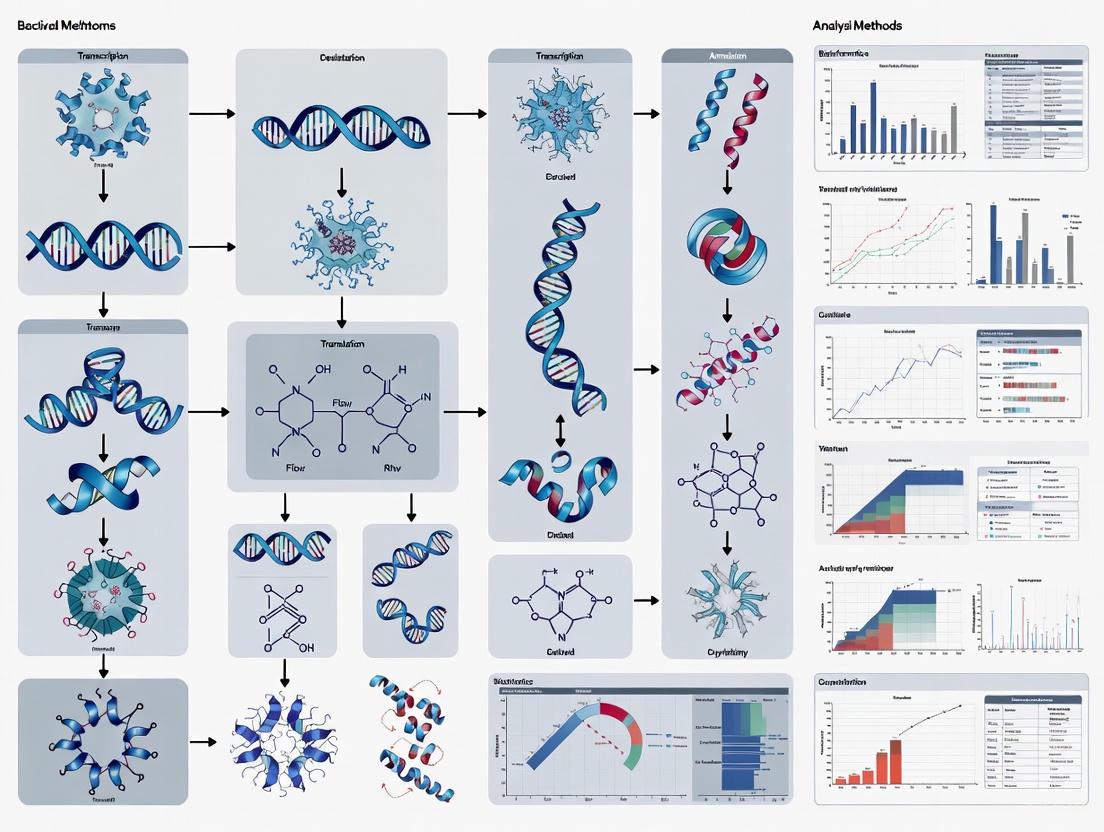
This article provides a comprehensive overview of the current experimental and computational methods used to analyze the intrinsic resistome of bacterial pathogens.
Decoding the Intrinsic Resistome: Advanced Methods for Analysis and Clinical Translation
Abstract
This article provides a comprehensive overview of the current experimental and computational methods used to analyze the intrinsic resistome of bacterial pathogens. Aimed at researchers and drug development professionals, it covers foundational concepts, from defining the intrinsic resistome as the collection of chromosomally encoded elements that confer natural low-level antibiotic resistance, to detailed methodologies including high-throughput mutant library screening, whole-genome sequencing, and metagenomic surveillance. The content further explores troubleshooting common technical challenges, optimizing protocols for accuracy, and validating findings through comparative genomics and phenotypic assays. By synthesizing these approaches, the review aims to equip scientists with the tools to identify novel resistance determinants, predict emerging threats, and develop strategies to potentiate existing antibiotics, ultimately informing the next generation of antimicrobial therapies.
Understanding the Intrinsic Resistome: Definitions, Components, and Ecological Significance
The intrinsic resistome encompasses all chromosomally encoded elements in a bacterium that contribute to its baseline, natural resistance to antibiotics, independent of horizontal gene transfer or prior antibiotic exposure. Distinguishing these inherent traits from acquired resistance mechanisms is fundamental for understanding bacterial ecology, predicting resistance evolution, and developing novel therapeutic strategies. This Application Note provides a structured framework for researchers to define and analyze the intrinsic resistome, featuring standardized protocols for its identification, comparative data tables, and essential bioinformatic resources. By integrating genome-wide screens, functional metagenomics, and advanced computational tools, we outline a comprehensive workflow to dissect the genetic basis of intrinsic resistance, a crucial endeavor for addressing the global antimicrobial resistance crisis.
The term "resistome" describes the complete set of antibiotic resistance genes (ARGs) and their precursors in a given microbial environment. A critical division exists within this collection: the intrinsic resistome and the acquired resistome.
The intrinsic resistome is formally defined as "the set of elements that contributes directly or indirectly to antibiotic resistance, and whose presence is independent of previous antibiotic exposure and is not due to horizontal gene transfer (HGT)" [1] [2]. These are typically chromosomal genes that perform essential cellular functions but have the secondary effect of reducing antibiotic susceptibility. In contrast, acquired resistance results from genetic alterations—such as the uptake of mobile genetic elements (plasmids, transposons) carrying resistance genes or mutations in specific genes—that are selected for by antibiotic pressure [1].
The clinical and ecological implications of this distinction are profound. While acquired resistance often drives the rapid emergence of multi-drug resistant pathogens in healthcare settings, the intrinsic resistome represents a vast, ancient, and ubiquitous reservoir of resistance potential in environmental and commensal bacteria [3] [4]. Understanding its structure and function is vital for predicting which resistance determinants might mobilize into pathogens and for designing "resistance-proof" therapies that target core susceptibility pathways [5].
Comparative Analysis: Intrinsic versus Acquired Resistance
The following table summarizes the core distinctions between intrinsic and acquired antibiotic resistance, providing a clear reference for researchers conducting resistome analysis.
Table 1: Key Characteristics of Intrinsic versus Acquired Antibiotic Resistance
| Feature | Intrinsic Resistance | Acquired Resistance |
|---|---|---|
| Genetic Basis | Chromosomal genes present in all/most strains of a species [1] [3]. | Mobile Genetic Elements (MGEs) like plasmids, transposons, or mutations [6] [1]. |
| Origin | Native to the bacterium; not acquired from other organisms [2]. | Horizontal Gene Transfer (HGT) or mutation under selective pressure [6]. |
| Function | Often involved in basic physiology (e.g., efflux, membrane permeability) [3] [5]. | Primarily confers resistance; may have fitness cost in absence of antibiotic. |
| Prevalence | Universal within a bacterial species/species-typical [3]. | Variable; not present in all strains of a species [7]. |
| Typical Mechanisms | Reduced permeability, multidrug efflux pumps, lack of drug target, chromosomally encoded drug-modifying enzymes [1] [4]. | Acquired drug-inactivating enzymes, target-protecting proteins, mutated drug targets [6]. |
| Association with MGEs | Low or nonexistent [1]. | Strong; often linked to transposases, integrases, and plasmids [6]. |
Global surveillance efforts, such as those analyzing sewage metagenomes from 111 countries, highlight the ecological impact of this distinction. Acquired ARGs show strong geographical clustering and dispersal patterns shaped by human activity, whereas intrinsic resistomes (identified via functional metagenomics) are more evenly distributed and strongly associated with the underlying bacterial taxonomy [7]. This confirms that the intrinsic resistome is a latent reservoir deeply embedded within the global microbiome.
Experimental Protocols for Intrinsic Resistome Analysis
Protocol 1: Genome-Wide Identification of Intrinsic Resistance Determinants
This protocol uses high-throughput mutant libraries, such as the Keio collection for E. coli, to systematically identify genes that constitute the intrinsic resistome [5].
Application: Identifies genes whose inactivation alters bacterial susceptibility to an antibiotic, thereby defining the genetic landscape of intrinsic resistance.
Materials and Reagents:
- Bacterial Mutant Library: e.g., Keio collection (single-gene knockout E. coli strains) [5].
- Growth Medium: Suitable for the bacterial species (e.g., Luria-Bertani (LB) broth).
- Antibiotic Stock Solutions: Prepared at high concentration for dilution.
- Microtiter Plates: 96-well plates suitable for high-throughput growth assays.
- Plate Reader: For high-throughput measurement of optical density (OD).
Procedure:
- Culture Preparation: Grow each knockout strain and the wild-type control in liquid medium without antibiotic to mid-exponential phase.
- Antibiotic Challenge: Dispense the cultures into 96-well plates containing a sub-inhibitory concentration of the antibiotic of interest (e.g., the IC~50~ of the wild-type strain) and a no-antibiotic control.
- Growth Phenotyping: Incubate the plates with shaking and monitor bacterial growth by measuring OD~600~ at regular intervals.
- Data Analysis: Calculate the growth of each knockout strain in the presence of the antibiotic relative to its growth in the control condition and to the wild-type strain.
- Hit Identification: Classify a knockout strain as "hypersusceptible" if its growth under antibiotic pressure is significantly lower (e.g., below two standard deviations from the median of the library distribution) than its growth in the control medium [5]. The inactivated gene in such a strain is a component of the intrinsic resistome.
Protocol 2: Functional Metagenomics for Novel Resistome Discovery
This protocol identifies resistance genes directly from environmental or commensal microbiome samples without prior cultivation, capturing both intrinsic and uncharacterized acquired elements [7] [4].
Application: Reveals the functional potential of a microbiome to confer resistance, including novel and latent intrinsic resistance genes not found in standard databases.
Materials and Reagents:
- Environmental Sample: e.g., soil, water, or fecal material.
- DNA Extraction Kit: For metagenomic DNA extraction.
- Cloning Vector: Fosmid or bacterial artificial chromosome (BAC) vector.
- Host Strain: Competent E. coli cells.
- Antibiotic-Agar Plates: Solid media containing a single antibiotic at a selective concentration.
Procedure:
- DNA Extraction and Size Selection: Extract high-molecular-weight DNA from the sample. Use agarose gel electrophoresis to size-select large DNA fragments (30-40 kb).
- Metagenomic Library Construction: Ligate the size-selected DNA into the fosmid/BAC vector and transform it into the competent E. coli host strain. Plate the transformants on non-selective media to create a library of clones.
- Functional Selection: Pool the library clones and plate them onto antibiotic-containing agar plates. Incubate and select for colonies that grow.
- Sequence Analysis: Isolate the fosmid/BAC DNA from resistant colonies and sequence the inserted DNA fragment. Annotate the open reading frames (ORFs) to identify the gene conferring resistance.
- Validation: Confirm the gene's function by subcloning the specific ORF into a clean vector and retesting for antibiotic resistance in a fresh host [4]. This gene represents a component of the functional resistome of the sampled environment.
Analytical and Computational Tools
The Scientist's Toolkit: Key Research Reagents and Solutions
Table 2: Essential Reagents and Resources for Intrinsic Resistome Research
| Research Reagent / Resource | Function / Application | Example / Source |
|---|---|---|
| Mutant Library | Systematic identification of genes affecting susceptibility via knockout phenotypes. | Keio collection ( E. coli single-gene knockouts) [5]. |
| Metagenomic Fosmid/BAC Library | Functional discovery of novel resistance genes from complex microbiomes without cultivation. | Cloning vectors for large DNA inserts [4]. |
| Comprehensive Antibiotic Resistance Database (CARD) | Reference database for annotating and predicting known ARGs from sequence data [6]. | https://card.mcmaster.ca/ |
| ResistoXplorer | Web-based platform for statistical and visual analysis of resistome abundance profiles from metagenomic data [8]. | http://www.resistoxplorer.no |
| PanRes Database | Curated collection of ARG references, including those identified via functional metagenomics, for expanded profiling [7]. | Custom database from published collections. |
Data Analysis Workflow
The analysis of data from resistome studies requires careful normalization and statistical handling due to the compositional nature of metagenomic data [8]. A typical workflow for analyzing resistome profiling data is as follows:
Key Considerations:
- Normalization: Address uneven sequencing depth using methods like Cumulative Sum Scaling (CSS) or transformations implemented in tools like
metagenomeSeq,edgeR, orDESeq2[8]. - Comparative Analysis: Identify ARGs that are significantly differentially abundant between conditions (e.g., with/without drug exposure). Account for data compositionality and sparsity [8].
- Functional Profiling: Aggregate ARG abundances by drug class (e.g., tetracycline, beta-lactam) or mechanism of action (e.g., antibiotic efflux, target alteration) to gain higher-level biological insights [6] [8].
- Integrative Analysis: Correlate resistome profiles with taxonomic abundances (microbiome data) to infer potential host bacteria for ARGs and explore co-selection patterns [6] [8].
Concluding Remarks
The precise delineation of the intrinsic resistome is more than an academic exercise; it is a critical component of a forward-looking antimicrobial strategy. By moving beyond a focus solely on acquired resistance, researchers can uncover the deep evolutionary roots of antibiotic resistance and identify the foundational genetic elements that define a bacterium's baseline susceptibility. The protocols and frameworks outlined in this document provide a roadmap for this exploration, enabling the discovery of novel resistance determinants and the development of innovative therapies, such as efflux pump inhibitors, that target the core vulnerabilities of pathogenic bacteria [5]. As the field advances, integrating these approaches with evolutionary studies to understand how bacteria adapt when intrinsic resistance pathways are compromised will be essential for designing enduring solutions to the AMR crisis [5].
The intrinsic resistome encompasses all chromosomally encoded elements that contribute to a bacterial cell's innate ability to survive antibiotic treatment, independent of horizontal gene acquisition or previous antibiotic exposure [1] [9]. This complex network includes not only classical resistance determinants like efflux pumps and permeability barriers but also numerous genes involved in core cellular metabolic processes [1] [9]. Understanding these genetic components is essential for predicting resistance evolution and developing novel therapeutic strategies to counteract intrinsic resistance mechanisms, particularly in challenging pathogens such as Mycobacterium tuberculosis, Pseudomonas aeruginosa, and multidrug-resistant Acinetobacter baumannii [1] [10] [11]. This application note provides detailed methodologies for profiling key genetic elements of the intrinsic resistome, with a focus on efflux pumps, membrane permeability systems, and their metabolic regulation.
Key Genetic Components and Their Quantitative Assessment
Efflux Pump Genes Across Bacterial Pathogens
Efflux pumps are transmembrane proteins that actively export toxic compounds, including antibiotics, from bacterial cells. Their overexpression is a common mechanism of multidrug resistance across diverse bacterial pathogens.
Table 1: Major Efflux Pump Families and Their Characteristics in Bacterial Pathogens
| Efflux Pump Family | Energy Source | Key Genes | Representative Antibiotic Substrates | Primary Pathogens |
|---|---|---|---|---|
| RND (Resistance-Nodulation-Division) | Proton motive force | adeB, adeJ | Tetracyclines, β-lactams, fluoroquinolones | Acinetobacter baumannii, E. coli [11] |
| MFS (Major Facilitator Superfamily) | Proton motive force | efpA, Rv1250, Rv1410c | Isoniazid, rifampicin, fluoroquinolones | Mycobacterium tuberculosis [10] [12] |
| ABC (ATP-Binding Cassette) | ATP hydrolysis | Rv0933, Rv1819c | Aminoglycosides, β-lactams, macrolides | Mycobacterium tuberculosis [10] |
| SMR (Small Multidrug Resistance) | Proton motive force | Rv3065 | Fluoroquinolones, tetracyclines | Mycobacterium tuberculosis [10] |
| MATE (Multidrug and Toxic Compound Extrusion) | Proton motive force | Rv2836c | Fluoroquinolones, aminoglycosides | Mycobacterium tuberculosis [10] |
Table 2: Efflux Pump Gene Expression in Drug-Resistant Clinical Isolates
| Bacterial Species | Resistance Profile | Overexpressed Genes | Frequency of Overexpression | Experimental Conditions |
|---|---|---|---|---|
| Mycobacterium tuberculosis | MDR (n=18) | Rv1250, Rv0933 | 88.9% (16/18) [10] | Without drug induction [10] |
| Mycobacterium tuberculosis | RIF mono-resistant (n=5) | Multiple efflux genes | 100% (5/5) [10] | Without drug induction [10] |
| Mycobacterium tuberculosis | INH mono-resistant (n=18) | Multiple efflux genes | 44.4% (8/18) [10] | Without drug induction [10] |
| Acinetobacter baumannii | MDR (n=21) | adeB, adeJ, macB | Variable among strains [11] | Tigecycline induction [11] |
| Mycobacterium tuberculosis | MDR (n=9) | efpA, Rv0849, Rv1250, P55, Rv1634, Rv2994, stp, Rv2459, pstB, drrA, drrB | 100% (9/9) [12] | Basal expression without drugs [12] |
Membrane Permeability Systems
Membrane permeability represents a fundamental component of intrinsic resistance, particularly in Gram-negative bacteria and mycobacteria. The outer membrane and cell wall structure function as selective barriers that limit antibiotic penetration.
Table 3: Membrane Permeability Systems and Their Contribution to Intrinsic Resistance
| Permeability System | Genetic Components | Function in Resistance | Pathogens | Experimental Evidence |
|---|---|---|---|---|
| Porins | ompC, ompF, ompG, phoE | Regulate antibiotic influx; reduced expression decreases permeability [13] | E. coli | 2NBDG uptake reduced in porin mutants [13] |
| Ion Regulation | kch (K+ channel) | Modulates porin permeability via periplasmic K+ concentration [13] | E. coli | kch mutants show reduced 2NBDG uptake [13] |
| Cell Wall Architecture | Multiple mmp genes, lipid synthesis genes | Creates hydrophobic barrier with low permeability [14] | Mycobacterium abscessus | Mass spectrometry shows poor drug accumulation [14] |
| Metabolic Regulation | Central metabolism genes | Indirectly controls permeability through energy status and ion balance [13] | E. coli | Altered 2NBDG uptake in different carbon sources [13] |
Experimental Protocols for Intrinsic Resistome Analysis
Protocol 1: Comprehensive Efflux Pump Gene Expression Profiling
This protocol details the quantification of efflux pump gene expression in clinical bacterial isolates, based on methodologies successfully applied to Mycobacterium tuberculosis and Acinetobacter baumannii [10] [12] [11].
Materials and Reagents:
- Bacterial isolates with characterized drug susceptibility profiles
- Appropriate culture media (e.g., Middlebrook 7H9 for mycobacteria, LB for other bacteria)
- Antibiotics for induction studies (e.g., isoniazid, rifampicin, tigecycline)
- RNA stabilization and extraction reagent (e.g., Trizol)
- DNase I for genomic DNA removal
- Reverse transcription system
- Quantitative PCR mix
- Sequence-specific primers for target efflux pump genes and reference genes
Procedure:
- Culture Conditions and Drug Induction:
- Grow bacterial isolates to mid-logarithmic phase in appropriate media.
- For induction studies, divide cultures and expose to sub-inhibitory concentrations (typically ½ MIC) of target antibiotics for 4-6 hours.
- Include non-induced controls for basal expression analysis.
RNA Extraction and Quality Control:
- Stabilize RNA immediately using appropriate reagents to prevent degradation.
- Extract total RNA using standardized protocols, ensuring minimal DNA contamination.
- Treat with DNase I to remove genomic DNA contamination.
- Quantify RNA concentration and assess purity using spectrophotometry.
Reference Gene Validation:
- Test multiple candidate reference genes (e.g., sigA, 16S rRNA) for stability under experimental conditions.
- Select the two most stable reference genes for normalization as per MIQE guidelines.
cDNA Synthesis and Quantitative PCR:
- Perform reverse transcription with random hexamers or gene-specific primers.
- Set up qPCR reactions with sequence-specific primers for target efflux pump genes.
- Include no-template controls and reverse transcription controls.
- Perform triplicate technical replicates for each biological sample.
Data Analysis:
- Calculate relative gene expression using the 2^(-ΔΔCt) method.
- Define overexpression as a statistically significant increase (typically ≥2-fold) in gene expression compared to reference strains or non-induced controls.
- Correlate expression patterns with drug resistance profiles and genetic mutations.
Protocol 2: Assessing Membrane Permeability Using Fluorescent Reporters
This protocol measures bacterial membrane permeability through fluorescent substrate accumulation, adapted from single-cell imaging studies in E. coli [13].
Materials and Reagents:
- Fluorescent permeability probes (2NBDG for glucose uptake, Bocillin FL for β-lactams, Hoechst for DNA intercalators)
- Ionophores (CCCP for proton uncoupling, valinomycin for potassium transport)
- Microfluidic perfusion system for single-cell imaging
- Flow cytometer for population-level analysis
- Genetically encoded fluorescence sensors (pHluorin, pHuji, GINKO1, GINKO2)
- Ion channel mutants (e.g., kch knockout)
Procedure:
- Bacterial Strain Preparation:
- Grow wild-type and mutant strains (porin mutants, ion channel mutants) to mid-log phase.
- For metabolic studies, culture bacteria in different carbon sources (glucose vs. lipids) to alter metabolic states.
Fluorescent Tracer Accumulation Assay:
- Dilute bacterial cultures to appropriate density in buffer or fresh media.
- Add fluorescent tracers (e.g., 100 μM 2NBDG) to bacterial suspensions.
- Incubate for specific durations (typically 10-30 minutes) at growth temperature.
- For some experiments, pre-treat with ionophores (e.g., 50 μM CCCP, 10 μM valinomycin) for 15 minutes.
Permeability Quantification:
- For population-level analysis: Measure fluorescence intensity by flow cytometry.
- For single-cell analysis: Use microfluidic perfusion systems to monitor real-time tracer accumulation in individual bacteria.
- For ion concentration monitoring: Use genetically encoded sensors to correlate permeability with periplasmic H+ and K+ levels.
Data Interpretation:
- Compare fluorescence intensity between strains and conditions.
- Calculate accumulation rates from time-course experiments.
- Correlate permeability changes with ion concentrations and membrane potential measurements.
Protocol 3: Functional Validation of Efflux Pump Activity
This protocol evaluates the functional contribution of efflux pumps to antibiotic resistance using inhibition assays, based on methodologies applied to Mycobacterium tuberculosis and Mycobacterium abscessus [10] [14].
Materials and Reagents:
- Efflux pump inhibitors (verapamil, CCCP, reserpine, specific inhibitors)
- Antibiotics for susceptibility testing
- Culture media appropriate for target bacteria
- 96-well microtiter plates for MIC determination
- Alamar Blue or other viability indicators for mycobacteria
Procedure:
- Minimum Inhibitory Concentration (MIC) Determination:
- Prepare two-fold serial dilutions of target antibiotics in culture media.
- Standardize bacterial inoculum to approximately 5×10^5 CFU/mL.
- Incubate at appropriate temperature for 16-24 hours (or longer for slow-growing mycobacteria).
- Determine MIC as the lowest antibiotic concentration that inhibits visible growth.
Efflux Pump Inhibition Assay:
- Repeat MIC determinations in the presence of sub-inhibitory concentrations of efflux pump inhibitors.
- For verapamil, use concentrations ranging from 10-100 μg/mL depending on bacterial species.
- Include controls for inhibitor toxicity (bacteria + inhibitor without antibiotic).
Checkerboard Assay for Synergy Testing:
- Prepare two-dimensional serial dilutions of antibiotic and efflux pump inhibitor.
- Inoculate with standardized bacterial suspension.
- Calculate fractional inhibitory concentration (FIC) indices to quantify synergy.
Data Analysis:
- Define efflux pump contribution when MIC decreases ≥4-fold in the presence of inhibitors.
- Calculate FIC indices where FIC ≤0.5 indicates synergy.
- Correlate functional results with gene expression data from Protocol 1.
Metabolic Regulation of Antibiotic Permeability: Visualization and Workflow
Figure 1: Metabolic Control of Porin Permeability and Antibiotic Resistance. This diagram illustrates how bacterial metabolic states influence porin permeability through changes in periplasmic ion concentrations, ultimately affecting antibiotic resistance levels [13].
Figure 2: Efflux Pump-Mediated Resistance and Experimental Assessment Workflow. This workflow outlines the process from antibiotic exposure to resistance development, highlighting key experimental analysis points and intervention strategies [10] [12] [11].
The Scientist's Toolkit: Essential Research Reagents
Table 4: Key Research Reagents for Intrinsic Resistome Studies
| Reagent Category | Specific Examples | Application in Resistome Research | Key Considerations |
|---|---|---|---|
| Fluorescent Permeability Probes | 2NBDG, Bocillin FL, Hoechst | Quantify porin-mediated uptake [13] | Validate concentration and time dependence for each bacterial species |
| Ionophores and Channel Modulators | CCCP, valinomycin, verapamil | Dissect ionic regulation of permeability [13] [10] | Use sub-inhibitory concentrations to avoid collateral effects |
| Genetically Encoded Sensors | pHluorin, pHuji, GINKO1, GINKO2, QuasAr2 | Monitor ion concentrations and membrane potential in live cells [13] | Ensure proper targeting to cellular compartments (cytoplasm vs. periplasm) |
| Efflux Pump Inhibitors | Verapamil, reserpine, specific peptide inhibitors | Functional validation of efflux activity [10] [14] | Confirm species-specific activity; check for intrinsic antimicrobial effects |
| Reference Strains and Mutants | KEIO collection (E. coli), porin mutants, kch knockout | Identify genetic contributions to resistance [13] | Use appropriate isogenic controls to isolate specific genetic effects |
| qPCR Reagents and Primers | Sequence-specific primers, reference gene panels, reverse transcription systems | Quantify efflux pump gene expression [10] [12] | Validate reference gene stability under experimental conditions |
Data Integration and Analysis Strategies
Effective analysis of intrinsic resistome components requires integration of multiple data types. The CIWARS (CyberInfrastructure for Waterborne Antibiotic Resistance Surveillance) platform exemplifies this approach by combining longitudinal metagenomic data with resistance gene profiling and mobile genetic element analysis [15]. For laboratory studies, integrate gene expression data from qPCR, functional permeability measurements, and antibiotic susceptibility testing to build comprehensive models of intrinsic resistance.
Key analysis considerations include:
- Correlate efflux pump gene expression patterns with specific resistance phenotypes
- Account for strain-to-strain variability in clinical isolates
- Consider metabolic background and growth conditions when interpreting permeability data
- Use inhibitor studies to functionally validate genetic findings
- Apply statistical methods to identify significant overexpression thresholds (typically ≥2-fold with p<0.05)
The genetic components of intrinsic resistance—particularly efflux pumps, membrane permeability systems, and their metabolic regulators—represent critical determinants of antibiotic treatment outcomes. The protocols outlined herein enable comprehensive characterization of these elements across diverse bacterial pathogens. By applying these methodologies, researchers can identify novel resistance mechanisms, predict resistance evolution, and develop targeted strategies to overcome intrinsic resistance, such as efflux pump inhibitors or compounds that enhance membrane permeability. These approaches are essential for addressing the growing threat of multidrug-resistant bacterial infections and developing next-generation antimicrobial therapies.
The Ecological and Evolutionary Origins of Intrinsic Resistance
Intrinsic resistance is a natural and chromosomally encoded property of bacteria that confers reduced susceptibility to antibiotics independent of prior exposure or horizontal gene transfer [1] [16]. This phenomenon dramatically limits therapeutic options, particularly for Gram-negative pathogens, and is a major clinical concern [16]. The intrinsic resistome encompasses all genetic elements—including not only classical determinants like efflux pumps and permeability barriers but also genes involved in basic bacterial metabolism—that contribute directly or indirectly to a species' characteristic resistance phenotype [1]. Understanding the ecological and evolutionary origins of intrinsic resistance is fundamental to predicting resistance evolution and developing novel therapeutic strategies, including inhibitors that target resistance pathways to rejuvenate existing antibiotics [1] [5].
This Application Note provides a structured framework for investigating the intrinsic resistome, integrating conceptual background, methodological protocols, and practical resources to support research in this field.
The Conceptual Framework of Intrinsic Resistance
Definitions and Key Concepts
The antibiotic resistome is broadly defined as the collection of all antibiotic resistance genes (ARGs), their precursors, and associated mechanisms within microbial communities [17]. As detailed in Table 1, the intrinsic resistome constitutes a specific component of this larger network.
Table 1: Components of the Antibiotic Resistome
| Component | Description | Transmission | Example |
|---|---|---|---|
| Intrinsic Resistance | Chromosomally encoded genes present in all members of a species that confer innate, low-level resistance. | Vertical gene transfer | Outer membrane impermeability in Gram-negative bacteria [16]. |
| Acquired Resistance | Genes obtained through horizontal gene transfer or mutation that confer resistance in previously susceptible strains. | Horizontal or vertical gene transfer | Acquisition of a plasmid-encoded β-lactamase [17]. |
| Proto-Resistance | Genes with low or no resistance activity that can evolve into full ARGs through mutation. | Vertical or horizontal gene transfer | Precursor proteins that evolve affinity for antibiotics [18]. |
| Silent/Cryptic Resistance | Functional ARGs that are not expressed under laboratory conditions but can be activated. | Vertical or horizontal gene transfer | Unexpressed efflux pump genes [17]. |
Ecological and Evolutionary Origins
Evidence confirms that antibiotic resistance is an ancient and ubiquitous phenomenon, long predating the modern clinical use of antibiotics [4] [18]. The environmental resistome, particularly in soil, is recognized as the origin and reservoir of ARGs [17]. Studies of pristine environments with minimal anthropogenic influence—such as deep caves isolated for over 4 million years, permafrost, and remote subsurface soils—have revealed a stunning diversity of functional resistance mechanisms [4] [18]. For instance, the soil bacterium Paenibacillus sp. LC231, isolated from Lechuguilla Cave, exhibits resistance to most clinically used antibiotics through at least 18 different chromosomal resistance elements, including novel enzymes that inactivate drugs like bacitracin and capreomycin [4].
The evolutionary drivers of this ancient resistome are rooted in microbial warfare and signaling. Antibiotics and other antimicrobials are natural products produced by various microbes in the environment. In this context, ARGs serve as weapons and defensive tools in constant microbial competitions [18]. Furthermore, at sub-inhibitory concentrations, antibiotics often function as signaling molecules that regulate quorum sensing, biofilm formation, and virulence, suggesting that resistance mechanisms may have originally evolved to modulate these complex ecological interactions [1] [18]. The evolution of resistance often occurs through gene duplication and diversification, where a progenitor protein with a primary cellular function (e.g., a metabolic enzyme) acquires affinity for an antibiotic molecule through mutation under selective pressure [18].
Experimental Models and Key Findings
Research using controlled experimental models has been instrumental in defining the genetic basis of intrinsic resistance. The following diagram outlines the logical workflow for a genome-wide analysis of the intrinsic resistome, from library creation to hit validation.
Key Experimental Findings
Table 2 summarizes quantitative data from seminal studies that utilized genome-wide screens to identify genes contributing to intrinsic resistance in model organisms.
Table 2: Key Genes in the Intrinsic Resistome Identified via Genome-Wide Screens
| Organism | Gene(s) | Gene Function | Antibiotic Tested | Effect of Inactivation (MIC Reduction) | Citation |
|---|---|---|---|---|---|
| E. coli (ETEC5621 & MG1655) | surA, waaG |
Chaperone for outer membrane protein biogenesis; LPS core biosynthesis | Tilmicosin, Erythromycin, Azithromycin | 64- to 2-fold reduction in MICs for all three macrolides [19] | [19] |
| E. coli (K-12) | acrB, rfaG, lpxM |
Efflux pump subunit; Lipopolysaccharide biosynthesis | Trimethoprim, Chloramphenicol | Conferred hypersensitivity; impaired evolution of resistance [5] | [5] |
| E. coli (K-12) | acrA, acrB, tolC |
Components of the AcrAB-TolC multidrug efflux pump | Macrolides (e.g., Tilmicosin) | Essential for growth under macrolide pressure [19] | [19] |
| Paenibacillus sp. LC231 | bahA, cpaA |
Novel bacitracin amidohydrolase; novel capreomycin acetyltransferase | Bacitracin, Capreomycin | Confirmed enzyme activity and resistance in heterologous host [4] | [4] |
Detailed Experimental Protocols
Protocol 1: Genome-Wide Identification of Intrinsic Resistance Genes Using TraDIS
Principle: Transposon Directed Insertion-site Sequencing (TraDIS) combines high-density transposon mutagenesis with next-generation sequencing to identify genes essential for growth under antibiotic stress at a genome-wide scale [19].
Reagents and Equipment:
- Target bacterial strain (e.g., E. coli ETEC5621 or MG1655)
- Hyperactive Tn5 transposase and custom transposon DNA
- Antibiotics for selection (e.g., Kanamycin)
- Test antibiotic (e.g., Tilmicosin)
- Luria-Bertani (LB) broth and agar
- DNA extraction kit, DNA library prep kit
- Illumina-compatible sequencing platform
- Bioinformatic tools for TraDIS analysis (e.g., Bio-Tradis)
Procedure:
- Library Construction: Generate a highly saturated Tn5 transposon mutant library by electroporating the transposome complex into the target strain. Plate on LB agar containing kanamycin. Pool all resulting colonies to create the master library, aiming for >250,000 unique mutants to ensure full genome coverage [19].
- Antibiotic Selection: Grow the pooled library in two conditions: (i) LB broth with a sub-inhibitory concentration of the test antibiotic (e.g., 1/4 or 1/8 MIC), and (ii) LB broth without antibiotic as a control. Incubate with aeration until the culture with antibiotic reaches the mid-log phase of the control [19].
- Genomic DNA Extraction and Sequencing: Harvest bacterial cells from both cultures by centrifugation. Extract genomic DNA. Prepare sequencing libraries by amplifying the transposon-chromosome junctions using primers specific to the transposon and adding Illumina adapters. Perform high-throughput sequencing [19].
- Bioinformatic Analysis: Map the sequenced reads to the reference genome of the target strain. For each gene, calculate the number of transposon insertions in the control versus the antibiotic-treated sample. Genes with a statistically significant depletion of insertions (e.g., log₂ fold change ≤ -2, FDR-adjusted p-value ≤ 0.05) in the antibiotic-treated sample are considered essential for growth under that antibiotic stress and are classified as part of the intrinsic resistome [19].
Protocol 2: Validating the Role of Candidate Genes via Gene Deletion and Susceptibility Testing
Principle: Candidate genes identified from high-throughput screens require validation through the construction of defined deletion mutants and subsequent phenotypic characterization.
Reagents and Equipment:
- Wild-type bacterial strain (same genetic background as screen)
- Oligonucleotides for gene deletion and verification
- Lambda Red recombinase system or suicide vector for allelic exchange
- Antibiotics for counter-selection if needed
- Cation-adjusted Mueller-Hinton broth (CAMHB)
- 96-well microtiter plates
- Spectrophotometer
Procedure:
- Mutant Construction: Generate in-frame deletion mutants of candidate genes (e.g.,
ΔsurA,ΔwaaG) using a method such as the lambda Red recombinase system in E. coli [19]. Purity the mutants and verify the deletion by PCR and DNA sequencing. - Broth Microdilution MIC Assay:
- Prepare a 2-fold serial dilution of the target antibiotic in CAMHB across a 96-well plate.
- Dilute overnight cultures of the wild-type and mutant strains to approximately 5 × 10⁵ CFU/mL in CAMHB and inoculate the wells.
- Incubate the plate at 35±2°C for 16-20 hours.
- Determine the MIC as the lowest concentration of antibiotic that completely inhibits visible growth.
- Compare the MIC of the mutant strain to that of the wild-type to calculate the fold reduction in resistance [19].
- Growth Curves: Grow the wild-type and mutant strains in media with and without sub-inhibitory concentrations of the antibiotic, monitoring the optical density (OD₆₀₀) over time. This confirms whether the gene knockout causes a growth defect specifically under antibiotic pressure [5].
The Scientist's Toolkit: Research Reagent Solutions
Table 3 lists essential reagents, tools, and their applications for researching intrinsic resistance.
Table 3: Key Research Reagents and Resources for Intrinsic Resistome Studies
| Reagent / Resource | Function / Description | Application in Research |
|---|---|---|
| Keio Collection (E. coli) | A library of ~3,800 single-gene knockout mutants in E. coli K-12 BW25113 [5]. | Primary tool for genome-wide screens of susceptibility (e.g., with trimethoprim or chloramphenicol) [5]. |
| Hyperactive Tn5 Transposase | Enzyme that catalyzes the insertion of a transposon into DNA with high efficiency. | Essential for constructing highly saturated transposon mutant libraries for TraDIS experiments [19]. |
| Comprehensive Antibiotic Resistance Database (CARD) | A curated database of ARGs, their products, and associated phenotypes [4]. | Bioinformatics resource for correlating resistance genotypes with phenotypes from sequencing data. |
| Efflux Pump Inhibitors (EPIs) e.g., Chlorpromazine, Piperine | Small molecules that inhibit the activity of multidrug efflux pumps like AcrB [5]. | Used to chemically validate the role of efflux in intrinsic resistance and as potential antibiotic adjuvants. |
| MEGARes Database | A comprehensive database for ARG accessions designed for metagenomic analysis [20]. | Used to annotate and quantify ARGs from shotgun metagenomic sequencing data of complex samples. |
Visualization of Resistance Mechanisms and Experimental Workflows
The complexity of intrinsic resistance can be visualized as an integrated network of mechanisms that protect the bacterial cell, as shown in the following diagram.
Evolutionary Perspectives and Therapeutic Applications
Evolutionary Adaptation and Resistance Proofing
Targeting the intrinsic resistome is a promising strategy for "resistance proofing"—impeding the evolution of de novo resistance. Studies show that impairing key intrinsic resistance pathways, such as efflux (ΔacrB) or cell envelope integrity (ΔrfaG, ΔlpxM), can sensitize bacteria and reduce their ability to evolve resistance under high drug concentrations [5]. However, at sub-inhibitory concentrations, these hypersensitive mutants can still adapt, often through compensatory mutations in drug-specific targets (e.g., folA for trimethoprim) rather than by restoring the original intrinsic defect [5]. This highlights a critical challenge: while genetic knockout of intrinsic resistance elements is effective, their pharmacological inhibition can be undermined by the evolution of resistance to the inhibitor itself [5].
Therapeutic Implications: Targeting the Intrinsic Resistome
The core therapeutic implication is that inhibiting elements of the intrinsic resistome can re-sensitize bacteria to existing antibiotics, effectively expanding our therapeutic arsenal [1] [16]. For example, since Gram-negative bacteria are intrinsically resistant to macrolides largely due to the AcrAB-TolC efflux pump, combining a macrolide with an efflux pump inhibitor could make these drugs effective against Gram-negative infections [1] [19]. Similarly, small molecules that disrupt outer membrane integrity or inhibit novel resistance enzymes like those found in ancient bacteria (e.g., BahA) could serve as powerful antibiotic adjuvants [4] [16].
Intrinsic resistance is a fundamental concept in clinical microbiology, describing a trait that is universally present within the genome of a bacterial species, independent of antibiotic selective pressure, and not acquired via horizontal gene transfer [16]. Unlike acquired resistance, which develops in previously susceptible bacteria, intrinsic resistance is a innate, natural characteristic of a bacterial group that dramatically limits therapeutic options from the outset [16]. The intrinsic resistome encompasses all chromosomally encoded elements that contribute to antibiotic resistance, whose presence is not due to recent antibiotic exposure or horizontal gene transfer [1]. This includes not only classical barriers and efflux pumps but also a wide array of genetic loci involved in basic bacterial metabolism [1]. For researchers and drug development professionals, understanding the mechanisms and clinical impact of intrinsically resistant pathogens is crucial for developing novel therapeutic strategies to combat the growing antimicrobial resistance (AMR) crisis, which is projected to cause 10 million deaths annually by 2050 if left unaddressed [21].
Clinical Impact and Global Burden
The intrinsic resistance of Gram-negative pathogens poses a severe clinical threat, dramatically limiting therapeutic options for treating infections [16]. This resistance phenotype undermines decades of progress in infectious disease control and is a significant factor behind the rising mortality rates associated with antimicrobial resistance [21]. Intrinsically resistant pathogens contribute substantially to the global AMR burden, with drug-resistant infections already responsible for more than 4.95 million deaths globally in 2019 [21].
Table 1: Clinical Impact of Key Intrinsically Resistant Pathogens
| Pathogen | Clinical Significance | Infections Caused | Therapeutic Challenges |
|---|---|---|---|
| Pseudomonas aeruginosa | Problematic in immunocompromised patients, including those with cystic fibrosis or burn injuries [21]. | Healthcare-associated infections, respiratory infections in CF patients [21]. | Utilizes combination of efflux pumps, porin mutations, and β-lactamase production to evade treatment [21]. |
| Acinetobacter baumannii | Rising resistance to last-resort antibiotics; treatment failure rates exceeding 50% in some regions [21]. | Severe pneumonia, bloodstream infections, urinary tract infections [21]. | Resistance to carbapenems and colistin limits available treatment options [21]. |
| Klebsiella pneumoniae | Global spread of carbapenem-resistant strains is a major concern in healthcare settings [21]. | Severe pneumonia, bloodstream infections, urinary tract infections [21]. | Emergence of carbapenem resistance through genes such as blaKPC, blaNDM, and blaOXA-48 [21]. |
| Enterobacteriaceae | Carbapenem-resistant Enterobacteriaceae associated with high mortality [21]. | Bloodstream infections, ventilator-associated infections [21]. | Limited therapeutic options; high mortality rates, especially in bloodstream infections [21]. |
Table 2: Global Antibiotic Resistance Patterns in Escherichia coli (Selected Countries, 2013-2017) Adapted from Frontiers in Genetics (2020) [22]
| Country | Year | Fluoroquinolones Resistance (%) | Cephalosporins (3rd gen) Resistance (%) | Aminoglycosides Resistance (%) | Carbapenems Resistance (%) |
|---|---|---|---|---|---|
| Australia | 2013 | 10 | 8 | 8 | 0 |
| 2017 | 12 | 11 | 9 | 0 | |
| India | 2013 | 85 | 80 | 63 | 11 |
| 2017 | 84 | 77 | 17 | 18 | |
| South Africa | 2013 | 27 | 18 | 18 | 0 |
| 2016 | 28 | 23 | 17 | 0 |
Mechanisms of Intrinsic Resistance
The molecular basis of intrinsic resistance in Gram-negative bacteria has traditionally been attributed to the synergistic activity of two major mechanisms: the permeability barrier of the outer membrane and the activity of multidrug efflux pumps [16]. However, recent research has revealed that the intrinsic resistome is more complex than originally anticipated, comprising a network of genetic loci that collectively contribute to this phenotype [16].
Outer Membrane Permeability
The Gram-negative bacterial outer membrane serves as a formidable barrier to many antimicrobial agents. The lipid bilayer component of biological membranes provides a flexible self-sealing envelope, with membrane fluidity directly impacting permeability [16]. The outer membrane is particularly restrictive to the penetration of hydrophilic and large molecules, with specialized proteins called porins serving as the primary entry route for these compounds [16]. This inherent structural characteristic explains why many antibiotics effective against Gram-positive bacteria demonstrate poor activity against Gram-negative pathogens.
Multidrug Efflux Pumps
Bacterial efflux pumps are transport proteins involved in the extrusion of toxic substrates, including antibiotics, from the cell. Many bacterial species possess chromosomally encoded genes for multidrug efflux pumps [1]. For instance, the major Escherichia coli efflux pump AcrAB extrudes macrolides, contributing to this organism's intrinsic resistance to this antibiotic family [1]. The activity of these pumps effectively reduces the intracellular concentration of antimicrobial agents, rendering treatments ineffective even when compounds successfully penetrate the outer membrane.
Additional Genetic Determinants
Beyond the classical mechanisms, screening of gene inactivation and transposon insertion libraries has revealed a wide array of additional genetic loci that contribute to intrinsic susceptibility [16]. Surprisingly, these determinants comprise not just classical resistance genes but also elements involved in basic bacterial metabolic processes [1]. The specific phenotype of susceptibility to antibiotics of a given bacterial species appears to be an emergent property resulting from the concerted action of several elements [1].
Diagram: Multifactorial nature of intrinsic antibiotic resistance, showing primary mechanisms and supporting genetic elements.
Experimental Protocols for Intrinsic Resistome Analysis
Genome-Wide Resistome Profiling
Objective: To identify genetic determinants contributing to the intrinsic resistance phenotype of a bacterial pathogen.
Principle: This protocol utilizes high-throughput technologies to systematically evaluate the contribution of each gene to the antibiotic susceptibility profile of a bacterium. The approach is based on screening mutant libraries under antibiotic pressure to identify genes that, when inactivated, alter bacterial susceptibility [1].
Table 3: Key Research Reagent Solutions for Intrinsic Resistome Studies
| Reagent/Category | Specific Examples | Function/Application |
|---|---|---|
| Mutant Libraries | Knockout collections (e.g., KEIO collection for E. coli), Transposon insertion libraries [1]. | Systematic screening of gene essentiality for resistance phenotypes. |
| Antibiotics | β-lactams (ampicillin, carbapenems), Fluoroquinolones (ciprofloxacin), Aminoglycosides (kanamycin) [23]. | Selective pressure agents for enrichment experiments; susceptibility testing. |
| Molecular Biology Reagents | Nitrocefin, Plasmid libraries containing open reading frames, Sequencing kits [1] [23]. | Detection of β-lactamase activity; functional screening; genomic analysis. |
| Bioinformatics Tools | Whole-genome sequencing platforms, Metagenomic analysis pipelines, Machine learning algorithms [22]. | Resistome surveillance, prediction of resistance evolution, data integration. |
Methodology:
Library Preparation:
- Utilize comprehensive mutant collections such as ordered knockout libraries or random transposon insertion libraries.
- For transposon libraries, ensure adequate coverage (typically >20x representation of the entire genome) to minimize false negatives.
Antibiotic Exposure:
- Grow the mutant library in the presence of sub-inhibitory concentrations of target antibiotics.
- Include proper controls (library grown without antibiotics) to account for fitness differences unrelated to antibiotic susceptibility.
Mutant Enrichment Analysis:
- Harvest genomic DNA from pre- and post-selection populations.
- Amplify transposon insertion junctions or barcode sequences via PCR.
- Use next-generation sequencing to quantify the abundance of each mutant before and after selection.
Data Analysis:
- Identify mutants that are significantly depleted (hypersusceptibility) or enriched (resistance) following antibiotic exposure.
- Apply statistical frameworks (e.g., hidden Markov models, linear models) to distinguish true hits from background noise.
- Validate candidate genes through construction of individual knockout mutants and MIC determination.
Advantages and Limitations:
- Advantages: Provides comprehensive, genome-wide view of resistance determinants; identifies both known and novel genetic contributors.
- Limitations: May miss genes whose inactivation is lethal; does not capture effects of partial inhibition or regulatory changes; potential for false positives due to polar effects [1].
Metagenomic Surveillance of Environmental Resistomes
Objective: To characterize the diversity and abundance of antibiotic resistance genes in environmental samples, including precursors to clinically relevant intrinsic resistance determinants.
Principle: Metagenomic sequencing allows for culture-independent analysis of the total genetic content of microbial communities, providing insights into the environmental reservoirs of resistance genes [17]. This approach is particularly valuable for tracking the flow of resistance determinants between environmental and clinical settings.
Methodology:
Sample Collection and Processing:
- Collect environmental samples (water, soil, sediment) from targeted sites.
- Concentrate microbial biomass via filtration (water samples) or direct extraction (solid samples).
- Extract high-molecular-weight DNA using kits optimized for environmental samples.
Library Preparation and Sequencing:
- Fragment DNA to appropriate size (typically 300-500 bp).
- Prepare sequencing libraries using platform-specific kits (e.g., Illumina, Oxford Nanopore).
- Sequence on an appropriate platform to achieve sufficient depth (typically 10-20 Gb per sample for complex environments).
Bioinformatic Analysis:
- Quality filter raw sequencing reads (adapter removal, quality trimming).
- Assemble reads into contigs using metagenomic assemblers (e.g., MEGAHIT, metaSPAdes).
- Annotate resistance genes using reference databases (e.g., CARD, ARDB) with tools like DeepARG or RGI.
- Quantify gene abundance by mapping reads to reference databases or by counting gene occurrences in assemblies.
Data Interpretation:
- Compare resistome profiles across different environments or sampling times.
- Identify correlations between resistance genes and microbial community composition.
- Detect mobile genetic elements associated with resistance genes to assess transfer potential.
Diagram: Workflow for metagenomic surveillance of environmental antibiotic resistomes.
The One Health Perspective and Future Directions
The intrinsic resistome does not exist in isolation but circulates among the microbiomes of humans, animals, and the environment, forming different sectors of the One Health approach [17]. Understanding and controlling AMR transmission requires this integrated perspective, as environmental bacteria serve as reservoirs of resistance determinants that can be transferred to pathogens [17].
Freshwater environments, including rivers, are considered critical reservoirs and dissemination routes for AMR [17]. Studies have clearly demonstrated increased ARGs in human-impacted river sites compared to pristine environments, highlighting the effect of anthropogenic activities [17]. Similarly, wastewater treatment plants are recognized as hotspots for the proliferation of antibiotic-resistant bacteria and ARGs [17].
Future research directions should focus on:
- Ranking critical ARGs and their hosts to prioritize targets for intervention [17].
- Understanding ARG transmission at the interfaces of One Health sectors to disrupt dissemination pathways [17].
- Identifying selective pressures affecting the emergence, transmission, and evolution of ARGs [17].
- Elucidating mechanisms that allow organisms to overcome taxonomic barriers in ARG transmission [17].
Novel therapeutic strategies targeting the intrinsic resistome offer promise for rejuvenating existing antibiotics. The observation that deletion of intrinsic resistome elements renders bacteria hyper-susceptible to antibiotics suggests that pharmacological inhibition of these targets could potentiate the activity of current antibacterial agents [16]. This approach could expand our arsenal against previously resistant pathogenic bacteria, potentially circumventing the slow pace of novel antibiotic discovery.
The intrinsic resistome encompasses the complete set of chromosomal genes that contribute to a bacterium's innate ability to survive antibiotic treatment, independent of acquired resistance mechanisms. This concept has revolutionized our understanding of bacterial defense systems, revealing that antibiotic resistance is not solely dependent on horizontally acquired genes but also on intrinsic cellular functions that can be enhanced or modulated. The study of intrinsic resistomes provides critical insights for developing novel therapeutic strategies that overcome these innate defense barriers. This application note examines the intrinsic resistomes of two clinically significant Gram-negative pathogens—Pseudomonas aeruginosa and Escherichia coli—through comparative analysis of their resistance mechanisms, experimental approaches for investigation, and therapeutic implications.
Table 1: Fundamental Characteristics of P. aeruginosa and E. coli Intrinsic Resistomes
| Characteristic | Pseudomonas aeruginosa | Escherichia coli |
|---|---|---|
| Core Resistance Mechanisms | Low outer membrane permeability, chromosomally-encoded β-lactamases, efflux pump systems, biofilm formation [24] [25] | Outer membrane permeability barrier, chromosomally-encoded efflux pumps [26] [5] |
| Primary Efflux Systems | MexAB-OprM, MexXY-OprM, MexCD-OprJ, MexEF-OprN [24] | AcrAB-TolC [26] [5] |
| Key Envelope Components | Lipopolysaccharide (LPS), specific porins (e.g., OprD) [24] [27] | LPS core (rfaG), Lipid A structure (lpxM) [26] [5] |
| Enzymatic Resistance | Class C (AmpC) and Class D (OXA) β-lactamases; aminoglycoside-modifying enzymes [24] | ampC β-lactamase; aminoglycoside-modifying enzymes [28] |
| Experimental Models | Laboratory strains (PAO1); clinical and environmental isolates [29] [30] | K-12 strains (e.g., MG1655); Keio knockout collection [26] [5] |
Comparative Analysis of Resistance Mechanisms
1Pseudomonas aeruginosa: A Fortress of Multilayered Resistance
P. aeruginosa exhibits one of the most formidable intrinsic resistance profiles among Gram-negative pathogens, with resistance to numerous antibiotic classes arising from synergistic mechanisms. The outer membrane of P. aeruginosa demonstrates exceptionally low permeability, approximately 12-100 times less permeable than that of E. coli, creating a formidable physical barrier to antimicrobial entry [24]. This impermeability is complemented by broad-spectrum efflux pumps, particularly those of the Resistance-Nodulation-Division (RND) family, which actively export toxic compounds including fluoroquinolones, β-lactams, macrolides, tetracyclines, and aminoglycosides [24].
The chromosomally-encoded AmpC β-lactamase provides baseline resistance to penicillins and cephalosporins, while inducible high-level expression can be selected during therapy [24]. P. aeruginosa also demonstrates remarkable adaptive resistance through biofilm formation, which contributes significantly to its persistence in chronic infections such as those in cystic fibrosis patients [29]. Within biofilms, bacterial cells exhibit recalcitrance to antibiotics at concentrations 10-1000 times higher than those required to kill planktonic cells, creating sanctuaries for persistent infection [29].
2Escherichia coli: A Model for Understanding Core Resistance Pathways
While generally more antibiotic-susceptible than P. aeruginosa, E. coli possesses a sophisticated intrinsic resistome that has been systematically characterized through genome-wide studies. The AcrAB-Tolc multidrug efflux system serves as the primary efflux machinery, with knockout studies demonstrating its critical role in maintaining baseline resistance to diverse antibiotic classes [26] [5]. Research utilizing the Keio collection of E. coli knockouts identified 35 and 57 genes that confer hypersensitivity to trimethoprim and chloramphenicol, respectively, with enrichment in cell envelope biogenesis, membrane transport, and information transfer pathways [26].
Genes involved in lipopolysaccharide (LPS) biosynthesis, including rfaG (lipopolysaccharide glucosyl transferase I) and lpxM (lipid A myristoyl transferase), significantly impact membrane integrity and permeability [26] [5]. Knockouts of these genes result in heightened sensitivity to multiple antimicrobials, confirming the essential protective function of the intact outer membrane [26]. The core resistome of E. coli also includes a suite of efflux systems (mdtABCDEF, emrAB, acrABD, tolC) and regulatory elements that maintain baseline resistance even in the absence of specific antibiotic pressure [28].
Experimental Protocols for Intrinsic Resistome Analysis
Protocol 1: Genome-Wide Susceptibility Screening
Principle: Identify genes contributing to intrinsic antibiotic resistance by systematically screening single-gene knockout libraries for hypersusceptibility phenotypes.
Materials:
- Keio collection of E. coli knockouts (~3,800 strains) [26] [5]
- LB media and agar plates
- Antibiotic stock solutions (trimethoprim, chloramphenicol, etc.)
- 96-well microtiter plates
- Plate reader capable of measuring OD₆₀₀
Procedure:
- Grow each knockout strain in LB media to mid-log phase.
- Normalize cultures to standard OD₆₀₀ in fresh LB media.
- Distribute normalized cultures into 96-well plates containing sub-inhibitory concentrations of target antibiotics (typically IC₅₀ values).
- Include antibiotic-free controls for each strain.
- Incubate plates with shaking at 37°C for 16-20 hours.
- Measure OD₆₀₀ values and calculate fold growth relative to wild-type strain.
- Classify knockouts with growth lower than two standard deviations from the median as hypersusceptible.
- Validate hits using spot assays on solid media containing antibiotic gradients (MIC, MIC/3, MIC/9).
Data Analysis: Hypersusceptible mutants are enriched in specific functional categories (cell envelope biogenesis, membrane transport, information transfer) through pathway analysis using databases such as Ecocyc [26] [5].
Protocol 2: Experimental Evolution for Resistance-Proofing Assessment
Principle: Evaluate the potential of intrinsic resistance targets to prevent or delay the emergence of antibiotic resistance through serial passaging under antibiotic pressure.
Materials:
- Selected knockout strains (e.g., ΔacrB, ΔrfaG, ΔlpxM) and wild-type control
- Antibiotic of interest (e.g., trimethoprim)
- Fresh LB media
- 96-well deep well plates or culture tubes
Procedure:
- Initiate parallel evolution lines for each strain in media containing sub-inhibitory concentrations of antibiotic.
- Passage cultures daily by transferring a small inoculum (typically 1:100-1:1000 dilution) into fresh media containing the same or increasing antibiotic concentrations.
- Monitor population density and susceptibility throughout the experiment.
- After predetermined cycles (e.g., 20-30 generations), assess endpoint MIC values for evolved populations.
- Isolate single clones from endpoint populations for whole-genome sequencing to identify resistance-conferring mutations.
- Compare evolutionary trajectories and mutational signatures between knockout and wild-type strains.
Data Analysis: The frequency of population extinction and the spectrum of resistance mutations reveal the "resistance-proofing" potential of targeting specific intrinsic resistance pathways. Knockouts with compromised evolutionary recovery represent promising targets for adjuvant development [26].
Signaling Pathways and Resistance Mechanisms
The intrinsic antibiotic resistance of Gram-negative bacteria is governed by interconnected molecular pathways that regulate membrane integrity, efflux pump activity, and stress responses. The following diagram illustrates the core resistance mechanisms and their regulatory networks in P. aeruginosa and E. coli:
Research Reagent Solutions
Table 2: Essential Research Reagents for Intrinsic Resistome Studies
| Reagent / Resource | Function/Application | Specific Examples / Notes |
|---|---|---|
| Knockout Libraries | Systematic screening of gene contribution to intrinsic resistance | Keio collection (E. coli); PA14 transposon mutant library (P. aeruginosa) [26] |
| Efflux Pump Inhibitors | Chemical inhibition of RND efflux systems to assess their contribution | Chlorpromazine, piperine, verapamil; used at sub-inhibitory concentrations [26] [5] |
| β-lactamase Inhibitors | Counteract intrinsic β-lactamase activity | Clavulanate, tazobactam for ESBLs; novel inhibitors (taniborbactam, zidebactam) for carbapenemases [24] [31] |
| Membrane Permeabilizers | Disrupt outer membrane integrity to enhance antibiotic penetration | Polymyxin derivatives, antimicrobial peptides, small molecule permeabilizers [26] [5] |
| Whole Genome Sequencing | Identify resistance mutations and regulatory changes | Illumina platforms for SNP detection; long-read sequencing (Oxford Nanopore, PacBio) for structural variants [30] |
Discussion and Research Implications
The comparative analysis of intrinsic resistomes in P. aeruginosa and E. coli reveals both conserved fundamental principles and pathogen-specific adaptations. While both organisms utilize efflux and membrane barrier functions as first-line defenses, P. aeruginosa has amplified these mechanisms through multiple redundant systems and additional adaptive strategies like biofilm-mediated resistance. Recent studies demonstrate that targeting intrinsic resistance pathways can sensitize bacteria to conventional antibiotics and potentially delay resistance evolution. For instance, genetic disruption of the acrB efflux pump in E. coli significantly compromised the bacterium's ability to evolve resistance to trimethoprim, establishing efflux inhibition as a promising "resistance-proofing" strategy [26].
The environmental dimension of intrinsic resistomes warrants increased attention, as evidenced by studies identifying multidrug-resistant P. aeruginosa in marine environments with resistance profiles mirroring clinical isolates [30]. Similarly, wildlife surveillance has detected antibiotic-resistant E. coli in sloth populations, with resistance rates correlating with proximity to human settlements [28]. These findings underscore the importance of a One Health approach that integrates clinical, environmental, and agricultural perspectives to combat antibiotic resistance.
Future research directions should focus on translating mechanistic insights into therapeutic strategies. Promising avenues include developing more potent efflux pump inhibitors that avoid the resistance issues observed with first-generation compounds like chlorpromazine [26], and exploring combination therapies that simultaneously target multiple intrinsic resistance pathways. The integration of artificial intelligence and machine learning approaches holds particular promise for predicting resistance evolution and guiding the design of next-generation antimicrobials that circumvent intrinsic defense mechanisms [31].
A Methodological Toolkit: From High-Throughput Screening to Computational Prediction
High-throughput functional genomics provides a powerful framework for understanding gene function at a systems level, enabling researchers to move beyond single-gene studies to genome-wide analyses. Within bacterial systems, these approaches have revolutionized our ability to identify genes essential for growth, virulence, antibiotic resistance, and survival under various conditions. Transposon mutagenesis stands as a cornerstone methodology in this field, allowing for the random insertion of mobile genetic elements throughout bacterial genomes to disrupt gene function systematically. When coupled with next-generation sequencing technologies, this approach enables the tracking of hundreds of thousands of mutants simultaneously under selective pressures, providing comprehensive insights into genetic requirements for bacterial fitness [32] [33].
The application of these methods to bacterial intrinsic resistome research has been particularly transformative. The intrinsic resistome encompasses all chromosomal elements that contribute to a bacterium's natural, non-acquired resistance to antibiotics, extending beyond classical resistance genes to include numerous cellular functions [1] [9]. By utilizing genome-wide transposon mutagenesis screens, researchers can systematically identify genes that, when disrupted, alter bacterial susceptibility to antimicrobial agents, thereby revealing novel targets for combination therapies and shedding light on the fundamental biology of antibiotic resistance [1] [17] [9].
Key Methodological Approaches in Transposon-Based Functional Genomics
Core Transposon Mutagenesis Strategies
Several transposon-based methodologies have been developed to facilitate genome-wide functional genomics studies in bacteria:
Transposon Insertion Sequencing (Tn-seq) and related methods (INSeq, TraDIS) utilize high-throughput sequencing to map transposon insertion sites and quantify their abundance across the genome under different growth conditions [32] [33]. These approaches enable the identification of essential genes and conditionally important genetic elements by detecting regions where transposon insertions are absent or depleted under selection.
Signature-Tagged Mutagenesis (STM) employs uniquely barcoded transposons to track individual mutants within complex pools, particularly useful for identifying virulence factors in infection models where the input and output pools can be compared [33].
CRISPR-associated transposons (CASTs) represent a recent innovation that combines the programmability of CRISPR systems with transposon functionality, enabling targeted DNA integration downstream of specific RNA-guided sites [34].
Inducible Transposon Mutagenesis (InducTn-seq) addresses limitations of traditional Tn-seq by incorporating temporal control over transposition events, allowing for continuous mutagenesis that can overcome population bottlenecks and enhance mutant library diversity [35].
Transposon Mutagenesis Workflows
The following diagram illustrates the generalized workflow for high-throughput transposon mutagenesis approaches:
Advanced Methodologies: InducTn-seq and QIseq
Recent methodological advances have addressed significant limitations in traditional transposon mutagenesis approaches:
InducTn-seq utilizes an arabinose-inducible Tn5 transposase to enable temporal control of mini-Tn5 transposition, allowing ongoing mutagenesis that can generate exceptionally diverse mutant libraries. This system can produce over 1.2 million unique transposon mutants from a single colony of various Enterobacteriaceae, including Escherichia coli, Salmonella typhimurium, and Citrobacter rodentium [35]. The maintained transposition capability helps overcome population bottlenecks that traditionally limit mutant diversity in infection models, enabling more comprehensive genetic screens in vivo.
QIseq (Quantitative Insertion-Site Sequencing) represents another significant advancement, specifically developed for eukaryotic systems but with principles applicable to challenging bacterial species. This method uses custom Splinkerette adapters and a dual-PCR approach followed by Illumina sequencing to identify transposon insertion sites from both the 5' and 3' ends of the transposon, providing an internal validation mechanism [36]. The approach includes technical adaptations to handle low sequence diversity issues common in AT-rich genomes, making it particularly valuable for studying organisms with biased genomic composition.
Application Notes: Protocol for Mapping Transposon Insertion Sites Using Arbitrarily Primed PCR
Experimental Workflow for AP-PCR
The following protocol provides a detailed methodology for mapping transposon insertion sites using Arbitrarily Primed PCR (AP-PCR), adapted from Current Protocols in Molecular Biology [37]. This technique enables researchers to identify the precise genomic location of transposon insertions in individual bacterial mutants, facilitating the connection between observed phenotypes and specific genetic lesions.
Detailed Protocol Steps
Round 1 PCR: Low-Stringency Amplification
Prepare PCR Reactions (Total volume 50 μL):
- 20 ng genomic DNA (or 5 μL of cell lysate)
- 1 μL dNTP mix (10 mM each)
- 1 μL Forward Primer 1 (10 μM; transposon-specific)
- 1 μL Reverse Primer 1 (10 μM; random 35-mer)
- 10 μL 5X Q5 Reaction Buffer
- 0.5 μL Q5 High-Fidelity DNA Polymerase
- Nuclease-free water to 50 μL
Cycling Conditions:
- Initial Denaturation: 98°C for 30 seconds
- 10 cycles of:
- Denaturation: 98°C for 10 seconds
- Annealing: 30°C for 30 seconds (low stringency)
- Extension: 72°C for 1 minute
- Final Extension: 72°C for 2 minutes
Round 2 PCR: Nested Amplification
Prepare PCR Reactions (Total volume 50 μL):
- 1-5 μL Round 1 PCR product (diluted 1:10 to 1:100)
- 1 μL dNTP mix (10 mM each)
- 1 μL Forward Primer 2 (10 μM; nested transposon-specific)
- 1 μL Reverse Primer 2 (10 μM; nested adapter-specific)
- 10 μL 5X Q5 Reaction Buffer
- 0.5 μL Q5 High-Fidelity DNA Polymerase
- Nuclease-free water to 50 μL
Cycling Conditions:
- Initial Denaturation: 98°C for 30 seconds
- 30 cycles of:
- Denaturation: 98°C for 10 seconds
- Annealing: 65°C for 30 seconds
- Extension: 72°C for 1 minute
- Final Extension: 72°C for 5 minutes
Product Analysis and Sequencing
- Gel Electrophoresis: Separate 5-10 μL of Round 2 PCR products on a 1-1.5% agarose gel stained with ethidium bromide. Major products should be visible as discrete bands.
- Purification: Excise bands of interest and purify using QIAquick Gel Extraction Kit.
- Sequencing: Sequence purified products using the nested transposon-specific primer.
- Genome Mapping: Align sequences to the reference genome of your bacterial species to identify the precise transposon insertion site.
The Scientist's Toolkit: Essential Research Reagents
Table 1: Key Research Reagents for Transposon Mutagenesis Studies
| Reagent/Category | Specific Examples | Function & Application Notes |
|---|---|---|
| Transposon Systems | Tn5, mariner, piggyBac, Himar1 | Random insertion mutagenesis; differ in target site specificity (e.g., mariner inserts at TA sites) [37] [33] |
| Transposase Enzymes | Hyperactive Tn5 (Tnp), Hyperactive piggyBac (hyPBase), SB100X | Catalyze transposon excision and integration; hyperactive variants significantly increase mutagenesis efficiency [38] [35] |
| Selection Markers | Kanamycin, Carbenicillin, Spectinomycin resistance genes | Enable selection of successful transposon integration events; choice depends on bacterial species and resistance profile |
| PCR Enzymes | Q5 High-Fidelity DNA Polymerase | High-fidelity amplification for mapping insertion sites; reduces PCR errors during library preparation [37] |
| Library Preparation Kits | QIAquick PCR Purification, QIAquick Gel Extraction | Purification of DNA fragments during library construction for sequencing [37] |
| Specialized Primers | Transposon-specific primers, Random 35-mers, Splinkerette adapters | Amplify transposon-genome junctions; random primers enable amplification of unknown flanking sequences [36] [37] |
| Inducible Systems | Arabinose-inducible PBAD promoter | Enables temporal control of transposition (InducTn-seq); permits ongoing mutagenesis to maximize library diversity [35] |
Data Analysis and Interpretation in Intrinsic Resistome Research
Quantitative Approaches to Fitness Analysis
High-throughput transposon mutagenesis generates complex datasets requiring specialized bioinformatic approaches for meaningful interpretation. The following table summarizes key quantitative metrics and their significance in intrinsic resistome studies:
Table 2: Quantitative Metrics in Transposon Mutagenesis Screens
| Metric | Calculation/Definition | Interpretation in Resistome Research |
|---|---|---|
| Insertion Index | Number of unique transposon insertions per gene | Genes with no insertions likely essential for growth; genes with reduced insertions under antibiotic pressure may contribute to intrinsic resistance [35] [9] |
| Fitness Defect Score | log₂(fold-change) in insertion frequency between conditions | Quantifies degree of importance for bacterial fitness under antibiotic exposure; negative values indicate increased susceptibility when disrupted [35] |
| Essential Gene Call | Statistical assessment of insertion depletion (e.g., p < 0.01) | Identifies genes required for growth under baseline conditions; provides context for conditionally essential genes [33] |
| Conditional Essentiality | Insertion depletion specific to antibiotic treatment | Reveals genes specifically required for tolerance/resistance to antimicrobial agents; potential drug targets [32] [9] |
| Library Diversity | Number of unique transposon insertions in population | Measures screening comprehensiveness; >10⁵ unique insertions recommended for genome saturation in bacteria [35] |
Application to Intrinsic Resistome Mapping
The application of transposon mutagenesis to intrinsic resistome research has revealed several fundamental insights:
The intrinsic resistome extends far beyond traditional efflux pumps and permeability barriers to include numerous cellular functions from basic metabolism to transcriptional regulation [1] [9].
Screening of P. aeruginosa transposon mutants identified 222 of 5952 tested mutants (3.7%) with altered susceptibility to one or more antibiotics, ultimately defining 112 distinct genomic loci that contribute to its intrinsic resistance profile [9].
Analysis of mutant pools before and after antibiotic exposure using InducTn-seq enables direct comparison of insertion frequency for each gene, controlling for confounding factors like gene length and nucleotide composition that traditionally complicate essential gene calls [35].
Quantitative fitness analysis allows ranking of resistance determinants by effect size, prioritizing those with the strongest impact on antibiotic susceptibility for further investigation as potential targets for combination therapies [35].
Technical Considerations and Troubleshooting
Optimizing Mutagenesis Efficiency
Successful genome-wide transposon mutagenesis requires careful optimization of several parameters:
Transposon Delivery: Efficiency varies by bacterial species. Conjugation often achieves higher transformation efficiency than electroporation for species with restriction-modification systems. For difficult-to-transform organisms, consider phage transduction or inducible systems that maintain ongoing transposition [35].
Library Diversity: Aim for at least 10-20x coverage of non-essential genes. For E. coli (≈4,000 genes), this requires ≈40,000-80,000 unique insertions. Highly diverse libraries (≥10⁵ unique insertions) improve statistical power to detect subtle fitness differences [35].
Population Bottlenecks: When applying transposon libraries to infection models, initial inoculum size must be sufficient to maintain library diversity. Inducible systems that continue generating new insertions during expansion can overcome restrictive bottlenecks [35].
Addressing Common Technical Challenges
Low Amplification Efficiency in AP-PCR: Increase template concentration in Round 1 PCR; optimize annealing temperature during low-stringency cycles; test different random primers [37].
High Background in Sequencing Libraries: Include sufficient "dark cycles" in Illumina sequencing to skip low-diversity transposon sequences; spike in 10-50% PhiX control DNA to improve base calling in low-diversity libraries [36].
Biased Insertion Patterns: Certain transposons exhibit sequence preferences (e.g., mariner inserts at TA sites). Using multiple transposon systems with different insertion preferences can provide more comprehensive genome coverage [37].
Essential Gene Identification: Combine statistical approaches (e.g., TRANSIT, hidden Markov models) with comparative analysis between induced and non-induced populations in InducTn-seq to distinguish truly essential genes from those with technical insertion biases [35].
High-throughput functional genomics approaches centered on transposon mutagenesis have dramatically accelerated our understanding of bacterial genetics, particularly in the realm of intrinsic antibiotic resistance. The methodologies detailed in this application note—from basic AP-PCR mapping to advanced InducTn-seq—provide researchers with powerful tools to systematically identify and characterize genetic determinants of bacterial fitness under antibiotic pressure. As these technologies continue to evolve, particularly with the integration of CRISPR-based systems and more sophisticated bioinformatic analyses, they promise to deliver increasingly comprehensive insights into the complex networks underlying bacterial intrinsic resistance, potentially revealing novel targets for antimicrobial adjuvants and strategies to combat multidrug-resistant pathogens.
Antimicrobial resistance (AMR) poses a severe global health threat, projected to cause over 10 million deaths annually by 2050 [39] [40]. Within bacterial populations, the full complement of antibiotic resistance genes (ARGs) forms the "resistome," analysis of which is crucial for surveillance, outbreak detection, and infection control [39]. The advancement of next-generation sequencing technologies has enabled the development of sophisticated computational tools for resistome profiling, allowing researchers to decipher intricate AMR patterns from genomic data [39] [41].
This article focuses on three essential resources for resistome analysis: the Comprehensive Antibiotic Resistance Database (CARD) as a fundamental knowledge base, ResFinder as a user-friendly web-based service, and sraX as a comprehensive standalone pipeline. These tools employ different methodological approaches—including read-based and assembly-based methods—each with distinct advantages and limitations [39] [40]. Proper selection and application of these tools enables researchers to accurately identify resistance determinants, predict resistance phenotypes, and investigate the genomic context of ARGs, ultimately supporting the development of effective strategies to combat antimicrobial resistance.
Tool Comparison and Selection Guide
Table 1: Comparative Analysis of Resistome Profiling Tools
| Feature | sraX | CARD/RGI | ResFinder |
|---|---|---|---|
| Primary Function | Comprehensive resistome analysis pipeline | Reference database & analysis tool | Online gene identification service |
| Standalone Mode | Yes [39] [40] | Yes [42] [43] | Web-based or standalone [41] |
| SNP Analysis | Yes [39] [40] | Yes [42] | Yes (via PointFinder) [41] |
| Gene Context Analysis | Yes [39] [40] | No | No |
| Input Data Type | Assembled genomes [39] | Raw reads, assembled genomes, or proteins [43] | Raw reads or assembled genomes [41] |
| Batch Mode | Yes [39] [40] | Yes [42] | Yes [41] |
| Phenotype Prediction | No | Yes [42] | Yes (selected species) [41] |
| Output Format | Interactive HTML with tables/plots [39] [40] | Tables/Plots [43] | Tables [41] |
| Unique Features | Genomic context visualization, mutation validation, single-command execution [39] | Antibiotic Resistance Ontology, curated detection models [42] [44] | KMA alignment for fast analysis, specifically designed for accessibility [41] |
Table 2: Performance Characteristics in Recent Comparative Studies
| Tool | Database Used | Klebsiella pneumoniae Prediction Accuracy | Key Limitations |
|---|---|---|---|
| sraX | CARD, ARGminer, BacMet [39] [45] | Evaluated in benchmark studies [45] | Limited to assembled genomes [39] |
| RGI | CARD [43] [45] | High for known markers [45] | Dependent on CARD curation [45] |
| ResFinder | ResFinder DB [41] [45] | High for known markers [45] | Limited gene context analysis [39] |
| AMRFinderPlus | NCBI [45] | High for known markers [45] | Requires specific formatting [45] |
| DeepARG | DeepARG DB [45] | Variable performance [45] | Higher false positives [45] |
Tool-Specific Protocols
sraX: Comprehensive Resistome Analysis
sraX is a fully automated pipeline for precise resistome analysis, capable of processing hundreds of bacterial genomes in parallel [39] [40]. Its unique capabilities include genomic context analysis, validation of known resistance-conferring mutations, and integration of results into a single navigable HTML file [39].
Experimental Protocol for sraX:
Installation: Download from https://github.com/lgpdevtools/srax or install via bioconda (
conda install -c lgpdevtools srax) or Docker (docker pull lgpdevtools/srax) [39] [40].Database Setup: By default, sraX uses CARD (v3.0.7) as its primary data source. For extended analysis, optionally incorporate ARGminer (v1.1.1) and BacMet (v2.0) databases [39].
Input Preparation: Gather assembled bacterial genomes in FASTA format. Ensure adequate genome coverage for reliable assembly-based detection [39].
Execution: Run the analysis with a single command:
This executes the complete workflow, including ARG detection, SNP validation, and graphical output generation [39].
Output Interpretation: Examine the hyperlinked HTML report for:
- Heat-maps of gene presence and sequence identity
- Proportion of drug classes and mutated loci types
- Spatial distribution of detected ARGs per genome (gene context analysis)
- SNP validation and detection of putative new variants [39]
The capacity and efficacy of sraX was demonstrated by re-analyzing 197 Enterococcus spp. strains, confirming 99.15% of all detection events reported in the original study [39] [40].
CARD and RGI: Database-Centric Analysis
The Comprehensive Antibiotic Resistance Database (CARD) is a rigorously curated collection of characterized resistance determinants organized by the Antibiotic Resistance Ontology (ARO) [42] [44]. It includes 8,582 ontology terms, 6,442 reference sequences, 4,480 SNPs, and 6,480 AMR detection models as of its latest release [42].
Experimental Protocol for RGI:
Access Options:
Input Data Preparation:
- For nucleotide data: Complete genomes, assemblies, or metagenomic contigs
- For protein data: Predicted or annotated protein sequences
- For metagenomic analysis: Raw reads (command-line only) [43]
Analysis Configuration:
Execution:
Result Interpretation:
- Examine the main table of ARG hits with coverage and identity metrics
- Consult the ARO terms for mechanism and category information
- Use CARD:Live to contextualize results with geotemporal data (if consent provided) [43]
ResFinder: Accessible Resistance Gene Identification
ResFinder is an open web service designed specifically for users with limited bioinformatics experience, particularly targeting researchers in low- and middle-income countries [41]. As of September 2021, it had performed 820,803 analyses from 61,776 IP addresses across 171 countries [41].
Experimental Protocol for ResFinder:
Access Point: Navigate to https://cge.cbs.dtu.dk/services/ResFinder/ [41].
Input Preparation:
- Prepare either raw sequencing reads (FASTQ) or assembled genomes (FASTA)
- For raw reads, ensure quality control has been performed
- Select the appropriate bacterial species for point mutation analysis [41]
Tool Configuration:
- Select the appropriate database (ResFinder or PointFinder)
- Choose threshold values (% ID and minimum length)
- For point mutation detection, ensure correct species selection [41]
Submission:
- Upload sequence files through the web interface
- Provide email for notification of job completion
- Wait for processing (typically <10 seconds for WGS samples using KMA alignment) [41]
Output Analysis:
- Review identified ARGs with percentage identities and coverage
- Examine point mutations in target genes (if species-specific database available)
- Check phenotypic resistance predictions for supported species [41]
Workflow Visualization
Figure 1: Resistome Analysis Tool Workflow Selection. This diagram illustrates the input options, tool capabilities, and expected outputs for CARD/RGI, ResFinder, and sraX, highlighting their specialized functions in resistome profiling.
Research Reagent Solutions
Table 3: Essential Research Reagents and Resources for Resistome Analysis
| Resource | Function | Access | Application |
|---|---|---|---|
| CARD Database | Curated AMR reference sequences & detection models | https://card.mcmaster.ca [42] | Primary reference for homology-based ARG detection |
| ResFinder Database | Manually curated ARGs with clinical relevance | https://bitbucket.org/genomicepidemiology/resfinder_db.git [41] | Detection of horizontally acquired resistance genes |
| ARGminer | Aggregated AMR data from multiple repositories | Incorporated in sraX [39] | Expanded ARG search space |
| BacMet | Database of biocide & metal resistance genes | Incorporated in sraX [39] | Detection of co-selection mechanisms |
| KMA Software | Rapid alignment of raw reads to redundant databases | Integrated in ResFinder [41] | Fast processing of WGS samples (<10 seconds) |
| DIAMOND | Accelerated BLAST-compatible search tool | Used by sraX and RGI [39] [43] | Fast protein sequence alignment |
| PointFinder | Species-specific mutation database | Integrated with ResFinder [41] | Detection of resistance-conferring mutations |
Applications in Bacterial Intrinsic Resistome Research
The tools discussed enable critical investigations into the intrinsic resistome—the natural complement of resistance genes present in bacterial genomes—through several key applications:
Elucidating Resistance Patterns in Diverse Environments Recent studies have utilized these tools to catalog resistomes in various ecosystems. For example, an analysis of 12,255 wild rodent gut microbiota genomes identified 8,119 ARG open reading frames, revealing elfamycin resistance genes as most abundant (49.88%), followed by multidrug resistance genes (39.19%) [6]. Such environmental surveillance provides insights into the natural resistome and its potential for transmission to human pathogens.
Tracking Horizontal Gene Transfer sraX's genomic context analysis capability is particularly valuable for studying mobile genetic elements (MGEs) that facilitate ARG transfer. Research on wild rodent gut microbiomes demonstrated a strong correlation between MGEs, ARGs, and virulence factor genes, highlighting the potential for co-selection and mobilization of resistance traits [6]. Similarly, studies in Chinese wet markets identified 164 potential horizontal gene transfer events using metagenome-assembled genomes, revealing transfer of vanB and other ARGs between humans, poultry, and the environment [46].
Identifying Knowledge Gaps in Resistance Mechanisms Comparative assessments of annotation tools reveal critical gaps in AMR knowledge. Minimal models built using known resistance determinants from CARD and other databases show varying prediction accuracy across antibiotic classes in Klebsiella pneumoniae, highlighting where novel AMR marker discovery is most needed [45]. This approach helps prioritize research on poorly characterized resistance mechanisms.
Investigating Microbiome-Influenced Resistance Dynamics Shotgun metagenomics studies using these tools have revealed how microbial community composition affects resistome profiles. Fungal-dominated environments showed reduced ARG abundance compared to bacterial-rich samples, suggesting ecological niches influence resistance dynamics [47]. Such insights are valuable for understanding how microbiome manipulation might control resistance spread.
These applications demonstrate how sraX, CARD, and ResFinder collectively provide a powerful toolkit for intrinsic resistome research, from initial gene detection to mechanistic studies of resistance emergence and transmission within the One Health framework.
Whole-Genome Sequencing (WGS) and Metagenomic Approaches for Resistome Surveillance
The antibiotic resistome encompasses all antibiotic resistance genes (ARGs), their precursors, and associated mobile genetic elements within microbial communities [17]. Surveillance of the resistome is critical for understanding the emergence and dissemination of antimicrobial resistance (AMR), a global health threat associated with an estimated 4.95 million deaths annually [48]. The intrinsic resistome refers specifically to chromosomally encoded elements that contribute to antibiotic resistance independent of previous antibiotic exposure and horizontal gene transfer [2]. These intrinsic factors include not only classical resistance mechanisms like efflux pumps and reduced permeability but also diverse metabolic elements that collectively determine a bacterial species' characteristic susceptibility profile [2].
Whole-genome sequencing (WGS) and metagenomics have revolutionized resistome surveillance by enabling comprehensive characterization of resistance determinants without reliance on cultivation-based methods [49] [48]. WGS provides high-resolution data on individual bacterial isolates, allowing researchers to identify resistance mechanisms, determine genetic relationships between isolates, and investigate transmission dynamics [49]. Metagenomics, which sequences genetic material directly from samples, offers a community-level perspective of resistome composition and diversity, including uncultivable organisms [50]. When applied to intrinsic resistome research, these approaches help elucidate the fundamental genetic factors that underlie natural resistance phenotypes and their evolution.
Table 1: Core Concepts in Resistome Surveillance
| Concept | Definition | Research Significance |
|---|---|---|
| Antibiotic Resistome | All ARGs and their precursors in pathogenic and non-pathogenic bacteria [17] | Provides comprehensive view of resistance potential in microbial communities |
| Intrinsic Resistome | Chromosomally encoded elements contributing to natural resistance, independent of horizontal gene transfer [2] | Reveals fundamental resistance mechanisms and susceptibility profiles |
| Mobile Genetic Elements (MGEs) | Plasmids, transposons, integrons, and bacteriophages that facilitate horizontal transfer of ARGs [48] | Critical for understanding dissemination potential between bacterial species |
| One Health Approach | Integrated surveillance across human, animal, and environmental sectors [17] | Recognizes interconnectedness of AMR dissemination pathways |
Methodological Approaches
Whole-Genome Sequencing for Isolate Characterization
WGS of bacterial isolates provides the highest resolution data for intrinsic resistome research, enabling identification of single nucleotide polymorphisms, structural variations, and chromosomal resistance determinants. The application of WGS has been instrumental in understanding the evolution and transmission of resistant pathogens such as MRSA, VRE, and carbapenem-resistant Enterobacteriaceae [49].
Experimental Protocol: WGS for Intrinsic Resistome Analysis
Bacterial Isolation and DNA Extraction
- Culture bacteria using appropriate media and growth conditions
- Extract high-molecular-weight genomic DNA using validated kits (e.g., Qiagen DNeasy, MagAttract HMW)
- Assess DNA quality (A260/A280 ratio ~1.8-2.0) and quantity using fluorometry
Library Preparation and Sequencing
- Fragment DNA to optimal size (350-800 bp) via acoustic shearing or enzymatic fragmentation
- Prepare sequencing libraries using platform-specific kits (Illumina DNA Prep, Nextera XT)
- For complete genome reconstruction, incorporate long-read technologies (Oxford Nanopore, PacBio) with appropriate library protocols
Genome Assembly and Annotation
- Perform quality control of raw reads (FastQC, MultiQC)
- Assemble genomes using appropriate algorithms (SPAdes for Illumina, Flye for long reads, Unicycler for hybrid)
- Annotate assembled genomes using Prokka, RAST, or NCBI PGAAP
- Assess assembly quality (completeness, contamination) with CheckM or BUSCO
Resistome Analysis
- Identify ARGs using dedicated databases (CARD, ResFinder, MEGARes)
- Annotate insertion sequences, prophages, and genomic islands (ISfinder, PHASTER, IslandViewer)
- Perform phylogenetic analysis (Roary, snippy) and strain typing (MLST, cgMLST)
- Conduct association studies to identify mutations linked to resistance phenotypes
Table 2: Key Databases for Resistome Analysis
| Database | Primary Function | Application in Intrinsic Resistome Research |
|---|---|---|
| CARD [6] | Comprehensive Antibiotic Resistance Database | Reference for known resistance determinants and mechanisms |
| MGE Databases [51] | Catalog of mobile genetic elements | Identification of elements facilitating ARG mobility |
| VFDB | Virulence Factor Database | Analysis of co-occurrence between resistance and virulence |
| PATRIC | Pathosystems Resource Integration Center | Integrated platform for bacterial genomics analysis |
Metagenomic Approaches for Community Resistome Profiling
Metagenomics enables culture-free analysis of the collective genetic material from microbial communities, providing insights into resistome structure, diversity, and dynamics across different environments [50]. This approach is particularly valuable for studying the intrinsic resistome of uncultivable bacteria and understanding resistance gene flows in complex ecosystems.
Experimental Protocol: Shotgun Metagenomics for Resistome Surveillance
Sample Collection and Processing
- Collect samples (feces, soil, water, swabs) using appropriate containment and preservation methods
- Extract total community DNA using specialized kits (DNeasy PowerSoil, ZymoBIOMICS)
- Include extraction controls to monitor contamination
Library Preparation and Sequencing
- Fragment DNA to desired size (300-800 bp) via mechanical or enzymatic methods
- Prepare metagenomic libraries with dual indexing to enable sample multiplexing
- Sequence on appropriate platforms (Illumina NovaSeq for depth, Nanopore for long reads)
Bioinformatic Processing
- Perform quality control and adapter trimming (Trimmomatic, Cutadapt)
- Remove host DNA if applicable (Bowtie2, BMTagger)
- Assemble metagenomes (MEGAHIT, metaSPAdes) or analyze directly from reads
- Bin contigs into metagenome-assembled genomes (MAGs) (MetaBAT2, MaxBin2)
- Assess MAG quality (completeness >50%, contamination <10%)
Resistome and Mobilome Characterization
- Identify and quantify ARGs using database search tools (DeepARG, ARG-ANNOT, ShortBRED)
- Annotate MGEs (PlasmidFinder, MOB-suite, IntegronFinder)
- Perform taxonomic classification of ARG hosts (Kraken2, Kaiju)
- Conduct correlation analysis between ARGs, MGEs, and taxonomic markers
Workflow for Genomic Surveillance of Intrinsic Resistome
Applications in Intrinsic Resistome Research
Characterizing Native Resistance Mechanisms
WGS enables comprehensive mapping of chromosomal elements that constitute the intrinsic resistome of bacterial pathogens. Research on Pseudomonas aeruginosa and Escherichia coli has revealed that intrinsic resistance involves not only classical mechanisms like efflux pumps and reduced membrane permeability but also diverse metabolic pathways that indirectly influence susceptibility [2]. Genome-wide association studies (GWAS) and transposon mutagenesis screens have identified numerous chromosomal genes whose inactivation alters antibiotic susceptibility, expanding our understanding of the genetic basis of intrinsic resistance [49] [2].
Case Study: Identifying Intrinsic Resistance Determinants
A protocol for systematic identification of intrinsic resistance genes using transposon mutagenesis:
Create Saturation Mutant Library
- Generate comprehensive transposon mutant library using mariner or Tn5 transposition
- Validate library coverage (aim for >90% gene representation)
Screen Under Antibiotic Pressure
- Expose mutant pool to sub-inhibitory antibiotic concentrations
- Include control condition without antibiotic selection
- Culture for appropriate duration (typically 8-24 generations)
Quantify Mutant Abundance
- Extract genomic DNA from pre- and post-selection populations
- Amplify transposon junctions and sequence with high throughput
- Map insertion sites and quantify abundance changes (ARTIST, TRANSIT)
Validate Candidate Genes
- Select genes with significant fitness differences
- Construct defined deletion mutants
- Confirm susceptibility phenotypes using standardized MIC testing
Tracking Resistance Transmission in Healthcare Settings
Healthcare environments serve as critical interfaces for AMR transmission, with studies demonstrating the utility of metagenomics for tracking resistome dynamics in hospitals [52]. A recent study in a Pakistani hospital employed shotgun metagenomics to profile resistomes across different wards, identifying setting-specific ARG patterns and potential transmission routes [52]. The intensive care unit emerged as a primary source of microbial dissemination, with Staphylococcus, Enterococcus, and Escherichia identified as central hub taxa in co-occurrence networks [52].
Protocol: Hospital Resistome Surveillance
Environmental Sampling
- Sample high-touch surfaces in clinical settings using standardized swabbing techniques
- Collect air samples using microbial air samplers
- Include patient and healthcare worker samples when ethically approved
Metagenomic Analysis
- Process samples as described in Section 2.2
- Perform source tracking analysis (FEAST, SourceTracker) to identify transmission routes
- Construct co-occurrence networks (SparCC, CoNet) to identify hub species
Data Integration
- Correlate resistome data with patient records and antibiotic usage
- Map temporal changes in resistome composition
- Identify persistent resistance reservoirs for targeted intervention
One Health Surveillance of Resistance Gene Flow
The intrinsic resistome exists within a broader ecological context where resistance genes circulate among human, animal, and environmental compartments [17]. Metagenomic studies of wild rodent gut microbiomes have revealed them as reservoirs of diverse ARGs, with Enterobacteriaceae, particularly E. coli, carrying the highest numbers of resistance genes [6]. This highlights the importance of integrated surveillance approaches for understanding resistance gene flows across ecosystems.
Table 3: Resistome Surveillance Applications Across One Health Sectors
| Sector | Key Findings | Methodological Considerations |
|---|---|---|
| Clinical | Hospital wards show distinct resistome profiles; ICU serves as transmission hub [52] | Combine surface sampling with patient isolates; track temporal dynamics |
| Environmental | Natural environments harbor diverse intrinsic resistomes; anthropogenic activities reshape resistome structure [17] | Consider background resistance in pristine environments; assess impact of pollution |
| Agricultural | Livestock and manure contain abundant ARGs; land application facilitates spread to soil and water [17] | Monitor withdrawal of antibiotics; track resistance in food chain |
| Wildlife | Wild rodents carry diverse ARGs; Enterobacteriaceae are key reservoirs [6] | Sample remote populations to establish baselines; assess human-wildlife interface |
One Health Approach to Resistome Surveillance
The Scientist's Toolkit
Table 4: Essential Research Reagent Solutions for Resistome Surveillance
| Reagent/Category | Specific Examples | Function in Resistome Research |
|---|---|---|
| DNA Extraction Kits | Qiagen DNeasy Blood & Tissue, ZymoBIOMICS DNA Miniprep, MoBio PowerSoil | High-quality DNA extraction from isolates or complex samples |
| Library Preparation Kits | Illumina DNA Prep, Nextera XT, Oxford Nanopore Ligation Sequencing | Preparation of sequencing libraries from genomic DNA |
| Selective Media | CHROMagar ESBL, MRSA Select, MacConkey with antibiotics | Isolation of specific resistant bacteria from complex samples |
| Antibiotic Test Panels | EUCAST/CLSI-compliant MIC strips, Sensititre plates | Phenotypic confirmation of resistance patterns |
| Bioinformatic Tools | CARD, DeepARG, MOB-suite, Prokka, SPAdes | Annotation, analysis, and interpretation of genomic data |
| Reference Databases | CARD, MEGARes, INTEGRALL, ISfinder | Curated references for ARGs, MGEs, and resistance mechanisms |
| Quality Control Reagents | Qubit dsDNA HS assay, Agilent Bioanalyzer DNA kits | Assessment of DNA quality and library preparation efficiency |
Advanced Integrative Approaches
Quantifying Mobility Potential and Risk Assessment
A critical advancement in resistome surveillance involves integrating data on ARG mobility into risk assessment frameworks [51]. Traditional surveillance often overlooks whether ARGs are associated with mobile genetic elements, which dramatically influences their dissemination potential. Recent methodologies enable more precise evaluation of this risk by characterizing the genetic context of resistance genes.
Protocol: Assessing ARG Mobility Potential
Long-Read Sequencing for Context Resolution
- Apply PacBio HiFi or Oxford Nanopore sequencing for long contiguous reads
- Assemble complete plasmids and chromosomes (Canu, Flye)
- Identify ARG-MGE associations using proximity in assembled sequences
Metagenomic Mobility Assessment
- Detect co-localization of ARGs and MGEs on metagenomic contigs
- Use established statistical associations (network analysis, correlation)
- Apply machine learning approaches to predict mobility potential
Integration into Risk Assessment
- Rank ARGs based on host pathogenicity, clinical relevance, and mobility [51]
- Develop quantitative microbial risk assessment (QMRA) frameworks
- Prioritize high-risk ARG-MGE combinations for intervention
Machine Learning and Predictive Modeling
Emerging approaches leverage machine learning to predict resistance phenotypes from genomic data and identify novel resistance mechanisms. These methods analyze patterns in bacterial genomes to associate genetic features with resistance outcomes, potentially identifying elements of the intrinsic resistome that contribute to resistance through non-obvious mechanisms.
Protocol: Predictive Modeling for Intrinsic Resistance
Feature Selection and Engineering
- Extract pan-genome features (gene presence/absence, SNPs, k-mers)
- Include structural variants and epigenetic modifications when available
- Incorporate metadata (isolation source, temporal data)
Model Training and Validation
- Apply multiple algorithms (random forests, gradient boosting, neural networks)
- Use nested cross-validation to prevent overfitting
- Validate predictions with experimental susceptibility testing
Interpretation and Biological Insight
- Apply explainable AI techniques to identify predictive features
- Validate biological relevance through targeted mutagenesis
- Integrate findings with existing knowledge of resistance mechanisms
Whole-genome sequencing and metagenomic approaches have fundamentally transformed resistome surveillance, providing powerful tools for characterizing the intrinsic resistome of bacterial pathogens. These technologies enable researchers to move beyond simply cataloging resistance genes to understanding their genetic context, mobility potential, and dissemination pathways across One Health sectors. As methodological advances continue to improve the resolution and scale of resistome analysis, integration of genomic data into risk assessment frameworks will become increasingly sophisticated. The future of intrinsic resistome research lies in combining high-resolution genomic data with predictive modeling and experimental validation to identify key resistance determinants and develop targeted strategies to combat the global AMR crisis.
The rapid global spread of antimicrobial resistance (AMR) represents one of the most significant threats to modern public health, with an estimated 1.27 million deaths worldwide in 2019 attributed to infections caused by antibiotic-resistant bacteria [53]. The development and dissemination of AMR is largely facilitated by horizontal gene transfer (HGT) of antibiotic resistance genes (ARGs) between bacteria, primarily mediated by mobile genetic elements (MGEs) including plasmids, integrons, and transposons [53] [54]. These elements function as natural genetic engineering systems, enabling bacteria to acquire, assemble, and express resistance determinants from diverse microbial communities. Understanding the mechanisms and trajectories of MGE-mediated resistance spread is essential for developing effective interventions against the AMR pandemic, particularly within the holistic "One Health" framework that recognizes the interconnectedness of human, animal, and environmental health [53].
The intrinsic resistome of bacterial populations represents the comprehensive collection of natural ARGs present in bacterial chromosomes and MGEs. Research into the intrinsic resistome has revealed that many ARGs found in clinical pathogens originate from environmental, animal, or human habitats [53]. MGEs play a crucial role in mobilizing these genes across ecological boundaries, with plasmids acting as primary vehicles for inter-habitat transfer, while integrons and transposons facilitate the intracellular assembly and genomic integration of resistance cassettes [53] [54]. This application note provides detailed methodologies and protocols for analyzing these key MGEs within the context of bacterial intrinsic resistome research, offering researchers standardized approaches for investigating the complex dynamics of AMR emergence and dissemination.
Core Concepts and Classification Systems
Characteristic Features of Mobile Genetic Elements
Plasmids are extrachromosomal genetic elements that can transfer between bacteria via conjugation, often across taxonomic boundaries [53]. They are categorized based on their mobility as conjugative (encoding their own transfer machinery), mobilizable (able to use existing conjugative machinery), or non-mobilizable [53]. Plasmids consist of "backbone" genes essential for replication, maintenance, and transfer, along with "accessory" regions containing adaptive genes such as those conferring antibiotic resistance [53]. Broad-host-range plasmids are of particular concern as they can replicate in diverse bacterial hosts and have been frequently isolated from various habitats including wastewater, soil, manure, and agricultural products [53].
Integrons are genetic elements characterized by a site-specific recombination system that enables them to capture, excise, and express gene cassettes [54]. The core components of an integron include: (1) an integrase gene (intI) encoding a tyrosine recombinase; (2) a primary recombination site (attI); and (3) a promoter (Pc) that drives expression of integrated gene cassettes [54]. Integrons are not inherently mobile but are often associated with transposons and plasmids, which facilitate their horizontal transfer between bacteria [54]. Among the several classes of integrons, class 1 integrons are most frequently associated with antimicrobial resistance in clinical and environmental settings [54].
Transposons are DNA sequences that can move from one genomic location to another through mechanisms of transposition. They often carry additional genes, including antibiotic resistance determinants, and can facilitate the integration of these genes into various genetic contexts including plasmids and chromosomes. Transposons are frequently associated with insertion sequences (IS) which provide the transposition machinery [53].
Table 1: Classification and Key Features of Mobile Genetic Elements
| Element Type | Mobility Mechanism | Key Components | Primary Role in AMR |
|---|---|---|---|
| Plasmids | Conjugation (self-transmission) | Replication origin, conjugation machinery, accessory genes | Intercellular transfer of ARGs between bacteria |
| Integrons | Site-specific recombination (cassette integration/excision) | Integrase gene (intI), recombination site (attI), promoter (Pc) | Acquisition and expression of resistance gene cassettes |
| Transposons | Transposition (cut-paste or copy-paste) | Transposase gene, inverted repeats, target duplication | Intracellular mobilization of ARGs between genetic locations |
Interplay Between Mobile Genetic Elements
MGEs frequently operate in concert to facilitate the efficient dissemination of ARGs. Integrons are often embedded within transposons, which in turn are carried on plasmids, creating nested genetic structures that maximize mobility potential [54]. This hierarchical organization enables resistance determinants to move between bacteria at different biological levels: between bacteria within microbiomes, between microbiomes within habitats, and between animals, humans, and the environment [53]. Mosaic plasmids composed of genetic elements from distinct sources have been observed to contain significantly higher proportions of transposase and ARGs, and are particularly common among clinically relevant genera such as Escherichia, Klebsiella, and Salmonella [53].
The following diagram illustrates the collaborative relationships between different mobile genetic elements in the dissemination of antimicrobial resistance genes:
Analytical Frameworks and Workflows
Resistome Profiling Using Metagenomic Approaches
Comprehensive analysis of MGE-associated resistomes in complex microbial communities typically employs whole metagenomic shotgun sequencing, which enables high-throughput identification of ARGs across diverse bacterial populations without prior cultivation [8]. The general workflow involves DNA extraction from environmental, clinical, or agricultural samples, followed by library preparation and high-throughput sequencing. The resulting data can be analyzed through either read-based approaches (direct alignment of sequenced reads to reference databases) or assembly-based methods (de novo assembly of reads into contigs prior to annotation) [39].
Read-based methods offer advantages in computational efficiency and are less demanding on resources, making them suitable for large-scale screening studies. However, they may yield false positives from spurious mapping and generally lack genomic context information [39]. In contrast, assembly-based approaches are more computationally intensive but enable detection of novel ARGs with lower sequence similarity to known references and preserve genomic context for inferring associations with MGEs [39]. A hybrid approach using both short-read and long-read sequencing technologies has been shown to provide more comprehensive resistome profiling, particularly for resolving complex genomic regions containing multiple MGEs [55].
Table 2: Comparison of Metagenomic Analysis Approaches for Resistome Studies
| Parameter | Read-Based Methods | Assembly-Based Methods | Hybrid Approaches |
|---|---|---|---|
| Computational Demand | Lower | Higher | Highest |
| Speed of Analysis | Faster | Slower | Slowest |
| Detection of Novel ARGs | Limited | Good | Excellent |
| Genomic Context Preservation | Poor | Good | Excellent |
| MGE Association Analysis | Limited | Possible | Comprehensive |
| Recommended Applications | Large-scale screening | Targeted resistome characterization | Complete resistome and mobilome reconstruction |
Bioinformatics Tools for Resistome Analysis
Several specialized bioinformatics tools have been developed to facilitate the analysis of resistome data generated from metagenomic studies. These tools vary in their analytical approaches, dependencies, and output capabilities:
ResistoXplorer is a user-friendly web-based tool that integrates various statistical and visualization methods for exploratory analysis of resistome abundance profiles [8]. It supports comprehensive functional profiling of ARGs by mapping them to respective drug classes and resistance mechanisms, and enables integrative analysis of paired taxonomic and resistome data to explore associations between microbial ecology and AMR [8]. The tool also incorporates network-based visualization for exploring complex ARG-microbe relationships.
sraX is a fully automated pipeline that performs systematic resistome profiling with unique features including genomic context analysis, validation of known resistance-conferring mutations, and integration of results into a navigable HTML report [39]. It can utilize multiple AMR reference databases (CARD, ARGminer, BacMet) simultaneously to ensure comprehensive detection of resistance determinants [39].
RGI (Resistance Gene Identifier) is a tool available through the Comprehensive Antibiotic Resistance Database (CARD) that predicts resistomes from protein or nucleotide data based on homology and SNP models [43]. It can analyze genomes, assemblies, metagenomic contigs, or proteomes, with options for different stringency levels depending on data quality [43].
The following workflow diagram illustrates a comprehensive protocol for analyzing mobile genetic elements and their associated resistomes:
Experimental Protocols and Methodologies
Protocol for Isolation of Integron-Containing Bacteria Without Antibiotic Selection
Traditional methods for isolating antibiotic-resistant bacteria rely on selection with specific antibiotics, which can introduce biases by favoring certain bacterial types while inhibiting others [56]. The following protocol enables culture-based isolation of integron-containing bacteria without antibiotic selection pressure, allowing for a more diverse representation of integron hosts:
Materials and Reagents
- Buffered Peptone Water (BPW): Non-selective enrichment medium
- Hydrophobic Grid Membrane Filters (HGMF): For isolation of bacterial colonies
- Modified Hemorrhagic Colitis Agar: Growth medium without antibiotics
- Luria-Bertani Agar: For control strains
- PCR reagents: Primers for intI1 and intI2 genes, Taq polymerase, dNTPs
- Control strains: E. coli carrying class 1 integron-containing plasmids R388 and R46, and class 2 integron-containing transposon Tn7
Procedure
- Sample Preparation: Suspend 10g of sample (e.g., fecal material, soil, or water concentrate) in 90ml of Buffered Peptone Water (BPW) and homogenize using a stomacher for 1 minute.
- Enrichment Culture: Incubate the homogenate at 37°C for 6 hours without agitation. Transfer 100μl of this pre-enrichment to 100ml of fresh BPW and incubate for a further 18 hours at 37°C.
- DNA Template Preparation: Pellet 1ml of overnight enrichment by centrifugation, resuspend in 200μl sterile distilled water, and boil for 10 minutes. Centrifuge again and use the resulting lysate for PCR.
- Integron Detection: Screen boiled cell lysates for intI1 and intI2 genes using specific primers:
- For intI1: HS 463a (5'-CTGGATTTCGATCACGGCACG-3') and HS 464 (5'-ACATGCGTGTAAATCATCGTCG-3')
- For intI2: RB 201 (5'-GCAAACGCAAGCATTCATTA-3') and RB 202 (5'-ACGGATATGCGACAAAAAGG-3')
- PCR Conditions: 30 cycles of denaturation at 94°C for 30s, annealing at 65°C (intI1) or 62°C (intI2) for 30s, and extension at 72°C for 45s.
- Isolation of Integron-Containing Bacteria: Serially dilute integron-positive enrichments to 10^-5.5 in 0.1% peptone-1% Tween 80. Filter 1ml of dilution through HGMF and place onto modified hemorrhagic colitis agar. Incubate plates at 37°C overnight.
- Colony Screening: Screen resulting colonies for integron content using colony hybridization or PCR with integron-specific probes.
This method has been successfully used to isolate diverse integron-containing bacteria including Escherichia coli, Aeromonas spp., Proteus spp., Morganella morganii, Shewanella spp., and Providencia stuartii from complex samples without antibiotic selection bias [56].
Protocol for Natural Transformation Assays Investigating MGE Transfer
Natural transformation is a mechanism of horizontal gene transfer that allows bacteria to take up free DNA from the environment. The following protocol assesses the potential for natural transformation to facilitate transfer of transposons, integrons, and gene cassettes between bacterial species:
Materials and Reagents
- Recipient strain: Naturally transformable Acinetobacter baylyi BD413 (or other competent bacterial species)
- Donor strains: Integron-carrying bacteria (e.g., A. baumannii, E. coli, Pseudomonas aeruginosa, Salmonella enterica)
- DNA extraction reagents: For purifying genomic DNA from donor strains
- Selection media: Antibiotic-containing media appropriate for the resistance markers being studied
- PCR reagents: For confirming acquisition of specific genetic elements
Procedure
- Donor DNA Preparation: Extract genomic DNA from integron-carrying donor strains using standard methods. Alternatively, prepare cell lysates by boiling donor cells for 10 minutes followed by centrifugation to remove debris.
- Recipient Culture: Grow the recipient strain (A. baylyi BD413) to mid-exponential phase in appropriate medium to induce natural competence.
- Transformation Assay: Mix competent recipient cells with donor DNA or cell lysates and incubate under conditions suitable for natural transformation (typically 24 hours at optimal growth temperature).
- Selection and Isolation: Plate transformation mixtures onto selective media containing antibiotics corresponding to the resistance genes present in the donor DNA. Incubate until colonies appear.
- Confirmation of Transformants: Screen putative transformants for acquired resistance genes and genetic elements using:
- Antimicrobial susceptibility testing to confirm resistance phenotypes
- Integron- and cassette-specific PCRs to detect acquired genetic elements
- DNA sequencing to verify the precise genetic arrangements
- Southern blot hybridization to confirm genomic integration
- Retransformation Assays: Use DNA from primary transformants in subsequent transformation experiments to assess the mobility potential of acquired elements.
This protocol has demonstrated that natural transformation can facilitate interspecies transfer of various genetic elements including transposons (Tn21-like), insertion sequences (IS26-like), and entire integrons with their associated gene cassettes, independent of genetic relatedness between donor and recipient species [57].
Research Reagent Solutions and Essential Materials
Table 3: Essential Research Reagents and Materials for MGE Analysis
| Reagent/Material | Specific Examples | Function/Application | Key Features |
|---|---|---|---|
| Enrichment Media | Buffered Peptone Water (BPW) | Non-selective enrichment for diverse bacteria | Facilitates growth of various integron-containing bacteria without antibiotic selection bias [56] |
| Selection Media | Antibiotic-amended agar plates | Selection of transformants and resistant isolates | Enables detection of specific resistance phenotypes; should include last-resort antibiotics (carbapenems, colistin) [53] [57] |
| DNA Extraction Kits | Commercial genomic DNA extraction kits | High-quality DNA for sequencing and transformation | Should be suitable for diverse sample types (environmental, clinical, agricultural) [58] [55] |
| PCR Reagents | intI1/intI2 primers, Taq polymerase | Detection and characterization of integrons | Specific primers for different integron classes; enables screening without cultivation [56] [54] |
| Reference Databases | CARD, ARGminer, BacMet | Annotation of resistance genes and MGEs | Comprehensive curated collections of ARGs and associated metadata [43] [39] |
| Bioinformatics Tools | ResistoXplorer, sraX, RGI | Analysis of resistome and mobilome data | User-friendly interfaces with visualization capabilities; support for various data types [43] [8] [39] |
| Sequencing Technologies | Illumina, Oxford Nanopore, PacBio | Generation of genomic and metagenomic data | Short-read vs. long-read platforms offer complementary advantages for MGE analysis [55] |
Data Interpretation and Application Guidelines
Statistical Considerations for Resistome Data Analysis
Analysis of resistome data presents specific statistical challenges due to the compositional nature of metagenomic data, which is characterized by differences in library sizes, sparsity, over-dispersion, and compositionality [8]. Appropriate normalization methods are essential for meaningful comparative analysis:
- Cumulative Sum Scaling (CSS): Implemented in the metagenomeSeq algorithm, incorporates a zero-inflated Gaussian (ZIG) mixture model to reduce false positives and improve statistical power for differential abundance analysis [8].
- Proportional Normalization: Rescaling read counts to relative abundances, but may introduce compositionality biases [8].
- Rarefying: Subsampling reads to equal sequencing depth, but may discard valuable information [8].
- Compositional Data Analysis (CoDA): Specifically addresses the compositional nature of metagenomic data through log-ratio transformations [8].
For differential abundance analysis of ARGs and MGEs between sample groups, methods developed for RNA-seq data such as edgeR and DESeq2 have been shown to outperform other approaches for metagenomic abundance data [8]. However, the optimal statistical method depends on specific data characteristics including sample size, sequencing depth, effect sizes, and gene abundances.
Functional Profiling and Biological Interpretation
Beyond simple presence/absence detection of ARGs, functional profiling provides more biologically actionable insights by categorizing resistance determinants according to:
- Drug Class Level: Mapping ARGs to the respective classes of antimicrobials they confer resistance to (e.g., beta-lactams, aminoglycosides, tetracyclines) [8].
- Mechanism Level: Classifying ARGs by their molecular mechanisms of resistance (e.g., antibiotic inactivation, efflux pumps, target modification) [8].
- Mobility Potential: Assessing association of ARGs with MGEs to evaluate dissemination risk [55].
Studies employing these approaches have revealed that multidrug resistance genes often predominate in diverse environments, followed by ARGs targeting aminoglycosides, β-lactams, tetracyclines, glycopeptides, and macrolides [55]. Co-occurrence analysis between ARGs and MGEs has demonstrated strong associations particularly for genes conferring resistance to sulfonamides, glycopeptides, macrolides, tetracyclines, aminoglycosides, and β-lactams, indicating their high potential for horizontal transfer [55].
The comprehensive analysis of mobile genetic elements and their role in antimicrobial resistance dissemination provides critical insights for developing targeted interventions against the global AMR crisis. The protocols and methodologies outlined in this application note offer standardized approaches for investigating the complex dynamics of resistome emergence and spread across diverse environments and microbial communities.
The environmental resistome, comprising all antibiotic resistance genes (ARGs) and their precursors in natural microbial communities, represents a vast evolutionary record of bacterial defense mechanisms [17]. This reservoir, shaped by millennia of microbial warfare in soil and other environments, contains many resistance mechanisms that have previously emerged in clinical settings [59]. The foundational concept driving novel applications in drug development is that the environmental resistome can serve as an early warning system for future clinical resistance, allowing researchers to identify and counter resistance mechanisms before they compromise antibiotics in human medicine [60]. This paradigm shift moves antibiotic development from a reactive to a proactive stance, potentially extending the clinical lifespan of new therapeutics.
This approach is framed within the broader context of intrinsic resistome research, which investigates the chromosomal elements that contribute to a bacterial species' innate resistance profile, independent of horizontal gene transfer [1] [9]. The intrinsic resistome includes not only classical mechanisms like efflux pumps and membrane impermeability but also numerous proteins across all functional categories whose inactivation can alter antibiotic susceptibility [9]. Understanding this complex network is crucial for predicting how resistance might evolve and spread from environmental to clinical settings.
Key Concepts and Definitions
Environmental Resistome: The collection of all ARGs and their precursors present in environmental bacteria, including genes not yet associated with human pathogens [17]. This reservoir is ancient and ubiquitous, with many clinical resistance genes originating from environmental microbes [17].
Intrinsic Resistome: The ensemble of chromosomal genes that contribute to intrinsic antibiotic resistance in a bacterial species, whose presence is independent of antibiotic exposure and not acquired through horizontal gene transfer [1]. This includes both genes whose inactivation increases susceptibility (true intrinsic resistance elements) and those whose inactivation increases resistance (potential resistance evolution pathways) [1].
Proto-Resistance: Genes that require evolution or alterations in expression context to confer full antibiotic resistance, representing potential precursors to future resistance determinants [17].
Workflow: Environmental Resistome-Guided Drug Development
The following diagram illustrates the core pipeline for leveraging environmental metagenomics to develop resistance-evading antibiotics:
Experimental Protocol: A Case Study on Albicidin Optimization
The following detailed protocol is adapted from the groundbreaking work on albicidin, which demonstrated how environmental resistome analysis can guide the development of resistance-tolerant antibiotics [60] [59].
Construction of a Metagenomic Library for Functional Screening
Purpose: To capture the diversity of resistance genes from complex environmental samples [61].
Materials:
- Soil samples from diverse geographical locations
- DNA extraction kit (e.g., FastDNA SPIN kit for soil)
- CopyControl Fosmid Library Production Kit
- E. coli EPI300-T1R plating strain
- Luria-Bertani (LB) medium with appropriate antibiotics
Procedure:
- Sample Collection: Collect soil samples from various terrestrial ecosystems (forests, agricultural sites, grasslands). For statistical robustness, collect multiple samples from each site (e.g., 3 technical replicates × 1 L).
- DNA Extraction: Extract high-molecular-weight DNA using a standardized protocol. Assess DNA quality and quantity using NanoDrop and Qubit dsDNA HS assay. Pool technical replicates if necessary to obtain sufficient DNA.
- Library Construction:
- Fragment DNA to ~40 kb fragments using gentle hydrodynamic shearing.
- Size-select fragments using pulsed-field gel electrophoresis.
- End-repair DNA fragments and clone into copyControl fosmid vectors.
- Package clones using MaxPlax Lambda Packaging Extracts and transduce into E. coli EPI300-T1R.
- Plate transduced cells on LB agar with appropriate antibiotic and incubate at 37°C for 24 hours.
- Library Quality Control:
- Pick random clones to verify insert size (average should be ~40 kb).
- Estimate library coverage by testing a portion of the library for resistance diversity.
Expected Outcomes: A metagenomic library of 3.5 terabase pairs (approximately 700,000 bacterial genomes) provides comprehensive coverage of environmental resistance diversity [59].
Functional Screening for Resistance Genes
Purpose: To identify resistance genes that confer protection against the antibiotic candidate of interest [60].
Materials:
- Metagenomic library (from step 4.1)
- Antibiotic candidate (e.g., albicidin)
- LB medium and agar plates with selection antibiotics
- Automated colony picker (optional)
Procedure:
- Pooled Library Preparation: Harvest the entire metagenomic library by scraping plates and preparing glycerol stocks.
- Selective Pressure Application:
- Inoculate pooled library into LB medium with antibiotic candidate at sub-MIC concentration (e.g., 0.5× MIC).
- Grow cultures with shaking at 37°C for 16-24 hours.
- Increase antibiotic concentration incrementally over multiple passages to enrich for resistant clones.
- Resistant Clone Isolation:
- Plate the enriched culture on LB agar containing antibiotic candidate at 1-2× MIC.
- Isolate individual resistant colonies.
- Confirm resistance phenotype by re-streaking on selective media.
- Resistance Gene Identification:
- Isolate fosmid DNA from resistant clones.
- Sequence fosmid inserts using next-generation sequencing platforms.
- Annotate resistance genes using databases such as CARD and comparison with known sequences.
Expected Outcomes: Identification of 8 distinct classes of resistance genes with varied mechanisms of action against the antibiotic candidate, as demonstrated in the albicidin study [59].
Resistance Mechanism Characterization and Congener Analysis
Purpose: To understand how resistance genes disable antibiotics and identify structural features that evade resistance [60].
Materials:
- Purified resistance proteins
- Natural antibiotic congeners from producing organisms
- Analytical instruments: HPLC, MS, NMR
- X-ray crystallography or cryo-EM equipment for structural biology
Procedure:
- Mechanism Elucidation:
- Express and purify resistance proteins from identified genes.
- Determine enzymatic activity (e.g., hydrolysis, modification, protection of target).
- For non-enzymatic mechanisms, assess binding affinity and stoichiometry.
- Natural Congener Analysis:
- Culture antibiotic-producing organisms under various conditions.
- Extract and purify natural structural variants (congeners) of the antibiotic.
- Characterize congener structures using MS and NMR.
- Structure-Activity Relationship (SAR) Studies:
- Test natural congeners against all identified resistance mechanisms.
- Identify chemical features associated with resistance evasion.
- Map vulnerability profiles for each congener against resistance types.
Expected Outcomes: Identification of key structural features that confer resistance evasion, such as the discovery that albicidin congener 10 remained effective against the most common resistance types [59].
Rational Design of Resistance-Evasive Analogs
Purpose: To engineer antibiotic analogs that combine the most protective structural features [60].
Materials:
- SAR data from previous steps
- Molecular modeling software
- Chemical synthesis equipment and reagents
- Analytical instruments for compound verification
Procedure:
- Lead Prioritization:
- Identify congeners with the broadest activity against resistance mechanisms.
- Note specific structural elements that correlate with resistance evasion.
- Analog Design:
- Use molecular modeling to predict how modifications affect binding to resistance proteins and biological targets.
- Design hybrid structures that incorporate multiple protective features.
- Chemical Synthesis:
- Synthesize proposed analogs using medicinal chemistry approaches.
- Verify compound structures and purity using analytical methods.
- Efficacy Testing:
- Test engineered analogs against all known resistance mechanisms.
- Determine MIC against target pathogens.
- Assess cytotoxicity and pharmacological properties.
Expected Outcomes: Development of albicidin analogs that maintained potency against previously formidable resistance proteins, demonstrating the success of this approach [59].
Quantitative Data Analysis and Interpretation
The table below summarizes potential resistance gene classes and their characteristics identified through environmental resistome screening, based on the albicidin case study [60]:
Table 1: Resistance Gene Classes Identified Through Environmental Metagenomic Screening
| Resistance Class | Prevalence in Library | Proposed Mechanism | Impact on Lead Compound | Structural Solution |
|---|---|---|---|---|
| Class 1 Hydrolases | 32% of resistant clones | Antibiotic hydrolysis | Complete inactivation | Add steric bulk near cleavage site |
| Class 2 Protectors | 24% of resistant clones | Target site protection | 128-fold increase in MIC | Modify binding region to bypass protection |
| Class 3 Efflux Pumps | 18% of resistant clones | Enhanced efflux | 16-fold increase in MIC | Reduce hydrophobicity to evade recognition |
| Class 4 Modifying Enzymes | 12% of resistant clones | Antibiotic modification | Complete inactivation | Remove or protect target functional group |
| Class 5 Bypass Mechanisms | 8% of resistant clones | Alternative pathway | 64-fold increase in MIC | Dual-targeting strategy |
| Rare/Novel Mechanisms | 6% of resistant clones | Various | Variable | Congener-specific optimization |
Research Reagent Solutions
Table 2: Essential Research Reagents for Environmental Resistome-Guided Drug Development
| Reagent/Category | Specific Examples | Function in Workflow | Technical Notes |
|---|---|---|---|
| Metagenomic Library Kits | CopyControl Fosmid Library Production Kit | Construction of large-insert metagenomic libraries | Maintains high molecular weight DNA essential for capturing gene clusters |
| Functional Screening Hosts | E. coli EPI300-T1R | Expression host for metagenomic DNA | RecA-deficient to ensure insert stability; supports high plasmid copy number induction |
| Targeted Capture Probes | Custom 80-mer RNA baits (37,826 probes) [61] | Selective enrichment of resistance genes from complex metagenomes | Based on CARD database; enables detection of genes representing <0.1% of metagenome |
| Antibiotic Resistance Databases | Comprehensive Antibiotic Resistance Database (CARD) [61] | Reference for resistance gene annotation | Contains rigorously curated AMR gene sequences with mechanism and ontology information |
| Analysis Platforms | ResistoXplorer [8] | Statistical and visual analysis of resistome data | Web-based tool for composition profiling, functional profiling, and comparative analysis |
| Quantitative Profiling Methods | Quantitative Microbiome Profiling (QMP) [62] | Absolute quantification of ARG abundance | Combines 16S rRNA qPCR with metagenomic sequencing to overcome compositional data limitations |
Discussion and Future Perspectives
The integration of environmental resistome analysis into antibiotic development pipelines represents a paradigm shift in how we approach the resistance crisis. By treating the environment as an "early warning system" for future clinical resistance, this approach allows researchers to identify vulnerabilities in antibiotic candidates before they enter clinical use [60] [59]. The albicidin case study demonstrates that natural antibiotic congeners provide valuable blueprints for resistance evasion, as these structures have evolved through millennia of microbial warfare in soil environments [60].
Future applications of this methodology should explore several promising directions. First, expanding screening to include diverse environmental samples (marine, extreme environments, built environments) may reveal additional resistance threats. Second, incorporating machine learning approaches to predict resistance evolution based on environmental sequences could further accelerate the identification of critical vulnerabilities. Finally, adapting this platform for combination therapies could identify complementary antibiotic pairs that collectively evade a broader spectrum of resistance mechanisms.
The methodological considerations for intrinsic resistome research highlight the importance of standardized approaches in sample collection, DNA extraction, and bioinformatic analysis [63]. As these techniques become more widely adopted, they will strengthen our ability to forecast resistance trends and develop more durable antibiotic therapeutics, ultimately extending the clinical lifespan of these essential medicines.
Overcoming Technical Hurdles: Best Practices for Accurate Resistome Analysis
Addressing Fitness Costs and Compensatory Mutations in Phenotypic Assays
Within the framework of bacterial intrinsic resistome research, understanding the evolutionary trajectories of antibiotic resistance is paramount. A critical factor shaping this evolution is the fitness cost associated with resistance mutations—a reduction in an organism's reproductive rate in a given environment—and the subsequent emergence of compensatory mutations that alleviate this cost without a loss of resistance [64]. Phenotypic assays are indispensable tools for quantifying these fitness dynamics, providing integrated measures of bacterial performance under conditions that closely mimic relevant biological environments [64] [65]. This Application Note details protocols for designing and implementing phenotypic assays that accurately measure fitness costs and identify compensatory evolution, thereby enabling researchers to forecast the persistence and stability of antibiotic resistance in bacterial populations.
Quantitative Landscape of Fitness Costs
A meta-analysis of single chromosomal resistance mutations reveals that fitness costs are highly variable. While most mutations are costly, a significant proportion confers little to no fitness cost, which contributes to the persistent circulation of resistant strains even after antibiotic use is discontinued [64].
Table 1: Fitness Costs Associated with Antibiotic Resistance Mutations
| Antibiotic Class | Example Antibiotics | Primary Target/Mechanism | Prevalence of Cost-Free Mutations | Common Resistance Genes/Mutations |
|---|---|---|---|---|
| Aminoglycoside | Amikacin, Streptomycin | Protein synthesis (30S ribosomal subunit) | Variable; some no-cost mutations observed (e.g., in rpsL) [64] | rpsL, rrs [64] |
| Quinolone | Ciprofloxacin, Nalidixic Acid | DNA replication (DNA gyrase, topoisomerase IV) | Some no-cost mutations reported [64] | gyrA, gyrB, parC, parE [64] |
| Rifamycin | Rifampicin | RNA replication (RNA polymerase) | Generally costly [64] | rpoB [64] |
| Macrolide | Erythromycin, Clarithromycin | Protein synthesis (50S ribosomal subunit) | Information missing | 23S rRNA genes [64] |
The persistence of resistance in the absence of antibiotics is not solely dependent on no-cost mutations. Two other primary mechanisms are:
- Compensatory Evolution: Second-site mutations that restore fitness without compromising the original resistance [64].
- Genetic Co-selection: Linkage of a resistance gene to other selected markers (e.g., other resistance genes on a plasmid) [64].
Experimental Protocols for Phenotypic Screening
Competitive Fitness Assay
This protocol is considered the gold standard for quantifying the fitness cost of a resistance mutation by directly competing it against a susceptible, isogenic strain.
Table 2: Key Research Reagent Solutions
| Reagent/Material | Function/Description | Considerations |
|---|---|---|
| Isogenic Strain Pairs | Wild-type and resistant mutant derived from the same genetic background. | Essential for attributing fitness differences solely to the resistance mutation. |
| Selective Markers | Fluorescent proteins (GFP, RFP) or antibiotic resistance markers. | Used to distinguish strains during co-culture; must be neutral or controlled for fitness effects. |
| Culture Media | Mueller-Hinton Broth, Lysogeny Broth (LB), or defined minimal media. | The choice of medium can significantly impact the magnitude of observed fitness costs. |
| Flow Cytometer | Enables precise quantification of strain ratios in a mixture. | Required if using fluorescent markers; alternative is viable plating on selective media. |
Procedure:
- Inoculum Preparation: Grow overnight pure cultures of the resistant mutant and the susceptible wild-type strain. If possible, tag each strain with a different, neutral selective marker (e.g., a fluorescent protein).
- Co-culture Inoculation: Mix the two strains at a 1:1 ratio in fresh, pre-warmed medium. Use an initial inoculum that allows for multiple generations of growth (e.g., ~10⁶ CFU/mL).
- Passaging: Incubate the co-culture under the desired environmental conditions (e.g., 37°C with shaking). Over a set period (typically 24 hours), perform serial passages by transferring a small aliquot of the culture into fresh medium at 24-hour intervals.
- Sampling and Quantification: At each passage (e.g., 0, 24, 48 hours), sample the co-culture.
- If using fluorescent markers: Analyze samples by flow cytometry to determine the ratio of the two strains.
- If using plating: Perform serial dilution and plate on both non-selective and selective media to count CFUs for each strain.
- Fitness Calculation: Calculate the relative fitness (W) of the resistant mutant relative to the wild-type using the formula:
W = [logₑ(Final Ratio Mutant/Wild-type) - logₑ(Initial Ratio Mutant/Wild-type)] / Number of Generations. A W < 1 indicates a fitness cost.
High-Throughput PhenoMapping of the Intrinsic Resistome
This protocol adapts genome-scale screening to identify genes across the entire bacterial genome that, when inactivated, alter susceptibility to antibiotics, thereby defining the intrinsic resistome [1] [9].
Procedure:
- Library Acquisition/Generation: Obtain a comprehensive transposon-insertion mutant library for the bacterial pathogen of interest (e.g., Pseudomonas aeruginosa or Escherichia coli).
- Screening Setup: On 96-well or 384-well plates, expose the mutant library to sub-inhibitory concentrations of the target antibiotic. Incubate under appropriate conditions.
- Pooled Competition and Sequencing:
- Pool all mutant strains and grow them together in the presence and absence (control) of the antibiotic.
- Isolate genomic DNA from the pooled cultures after several generations.
- Use PCR to amplify the transposon insertion junctions and subject the amplicons to high-throughput sequencing (Tn-Seq).
- Data Analysis:
- Map the sequencing reads to the bacterial genome to determine the abundance of each mutant in the pool.
- Compare the abundance of each mutant in the antibiotic-treated pool versus the control pool.
- Mutants with significantly reduced abundance in the treated pool identify genes that, when inactivated, increase susceptibility ("the bona fide intrinsic resistome").
- Mutants with increased abundance identify genes that, when inactivated, increase resistance, revealing novel mechanisms for mutation-driven resistance acquisition [1] [9].
Experimental Evolution for Compensatory Mutation Detection
This protocol directly observes evolution in action to identify mutations that compensate for the fitness cost of resistance.
Procedure:
- Founder Population: Start with a clonal population of a bacterium carrying a costly resistance mutation.
- Serial Passaging: Serially passage the population in antibiotic-free medium for dozens to hundreds of generations. This allows beneficial compensatory mutations to emerge and sweep through the population.
- Fitness Monitoring: Periodically (e.g., every 50 generations) perform competitive fitness assays (as in Protocol 3.1) against the ancestral susceptible strain to monitor fitness recovery.
- Whole-Genome Sequencing: Once fitness recovery is detected, sequence the genomes of the evolved clones. Compare them to the genome of the ancestral resistant strain to identify the specific compensatory mutations that have arisen.
- Validation: Use genetic techniques (e.g., re-introduction of the mutation) to confirm that the identified mutation is responsible for the restored fitness.
Diagram 1: Detecting compensatory mutations.
The Scientist's Toolkit
Table 3: Essential Research Reagents and Platforms
| Tool Category | Specific Examples | Function in Resistome Research |
|---|---|---|
| Genome-Scale Models (GEMs) | BiGG, modelSEED, RAVEN, COBRA Toolbox [66] | Integrate omics data to simulate cellular metabolism and predict gene essentiality under different conditions. |
| High-Throughput Screening Libraries | Transposon-insertion mutant collections (e.g., for P. aeruginosa, E. coli) [9] | Enable systematic, genome-wide identification of genes involved in intrinsic resistance and susceptibility. |
| Phenotypic Screening Platforms | High-content imaging systems, automated plate readers [65] | Facilitate label-free, high-fidelity screening of bacterial growth and morphology in response to antimicrobials. |
| Single-Cell Pheno-Genomic Platforms | Phenotypic and Proviral Sequencing (PheP-seq) [67] | Allow simultaneous profiling of cellular surface markers and genomic DNA from single cells, revealing phenotypic heterogeneity. |
Analysis and Data Integration
Integrating data from the described protocols provides a systems-level view of resistance fitness.
Diagram 2: Integrating phenotypic and genomic data.
Optimizing Metagenomic Assembly and Binning for Complex Microbial Communities
The study of the bacterial intrinsic resistome—the set of chromosomal genes that contribute to innate antibiotic resistance—requires a comprehensive view of microbial communities and their genetic potential. Metagenomics, the sequencing and analysis of genetic material recovered directly from environmental or clinical samples, is a cornerstone of this research. The quality of metagenomic assembly (reconstructing genomes from sequenced fragments) and binning (grouping these fragments into discrete genomes) directly impacts the ability to identify resistance mechanisms, track their movement via mobile genetic elements, and understand their ecological drivers [31] [68]. This Application Note provides updated protocols and resource recommendations to optimize these critical steps, with a specific focus on applications in intrinsic resistome research.
Advancements in long-read sequencing technologies from Oxford Nanopore Technologies (ONT) and Pacific Biosciences (PacBio) have revolutionized the field. These technologies generate reads thousands of base pairs long, which can span complex genomic regions and repeat sequences that confound traditional short-read approaches. This is particularly valuable for resistome studies, as long reads enable the complete reconstruction of mobile genetic elements (plasmids, transposons) and biosynthetic gene clusters, providing insights into the horizontal transfer and genomic context of antibiotic resistance genes (ARGs) [69]. The following sections detail the tools and methods that leverage these advances for superior genome recovery.
Comparative Analysis of Metagenomic Binning Tools
Selecting an appropriate binning tool is crucial for recovering high-quality metagenome-assembled genomes (MAGs). Recent benchmarking studies evaluating 13 popular binners across short-read, long-read, and hybrid datasets under different modes (single-sample, multi-sample, co-assembly) provide robust performance data [70]. The table below summarizes the top-performing tools for key data-binning combinations, with a focus on their utility in resistome research.
Table 1: High-Performance Binning Tools for Different Data Types and Binning Modes. Performance rankings are based on the number of high-quality and near-complete MAGs recovered from real-world datasets [70].
| Data-Binning Combination | Description | Top-Performing Binners (In Order of Performance) |
|---|---|---|
| Short-Read + Multi-Sample | Binning assembled short-read data using coverage information across multiple samples. | 1. COMEBin2. MetaBinner3. VAMB |
| Long-Read + Multi-Sample | Binning assembled long-read data using coverage information across multiple samples. | 1. COMEBin2. SemiBin23. MetaBAT 2 |
| Hybrid + Multi-Sample | Binning a combined assembly of short and long reads using multi-sample coverage. | 1. MetaBinner2. COMEBin3. SemiBin2 |
| Short-Read + Co-Assembly | A single assembly is created from all samples before binning. | 1. Binny2. COMEBin3. MetaBinner |
Multi-sample binning consistently outperforms single-sample and co-assembly approaches across all data types. It recovers significantly more near-complete MAGs and identifies 30% more potential hosts of antibiotic resistance genes compared to single-sample binning on short-read data [70]. This makes it the recommended strategy for comprehensive resistome characterization. For projects where multi-sample binning is computationally prohibitive, COMEBin and MetaBinner emerge as robust, high-performing choices across multiple scenarios.
Specialized tools designed for long-read data are also available. LorBin, for instance, uses a two-stage, multiscale clustering approach that excels at identifying novel taxa and retrieving genomes from rare, low-abundance species in imbalanced natural microbiomes [71]. This is particularly relevant for environmental resistome studies, where crucial resistance determinants may reside in less abundant community members.
Recommended Experimental Protocols
The following protocols outline optimized workflows for metagenomic analysis, from sample preparation to genome binning, tailored for resistome studies.
Protocol 1: Long-Read Metagenomic Sequencing and Assembly for Resistome Characterization
Application: This protocol is designed for de novo reconstruction of microbial genomes and their associated resistomes from complex communities, enabling the study of ARGs on contiguous genomic stretches, including their linkage to mobile genetic elements.
Reagents and Equipment:
- DNA Extraction Kit: Suitable for Gram-positive and Gram-negative bacteria (e.g., DNeasy PowerSoil Pro Kit)
- Oxford Nanopore PromethION or PacBio Revio/Sequel IIe sequencing platforms
- Qubit fluorometer and genomic DNA analysis kit
Procedure:
- High-Molecular-Weight DNA Extraction: Extract genomic DNA from the sample (e.g., soil, manure, clinical swab). Assess DNA integrity and purity using agarose gel electrophoresis, ensuring a majority of fragments are >20 kb. Quantify using a fluorometer [72] [69].
- Library Preparation and Sequencing: Prepare a sequencing library according to the manufacturer's instructions for your chosen platform (ONT or PacBio). For ONT, use the latest chemistry (e.g., R10.4.1 flow cells) for increased base-calling accuracy. For PacBio, employ the circular consensus sequencing (CCS) mode to generate highly accurate HiFi reads. Sequence to an appropriate depth (e.g., >50x coverage for dominant community members) [69].
- Quality Control: Perform initial quality checks on the raw sequence data. For ONT data, use
NanoPlotto assess read length distribution and average quality. For PacBio HiFi data, quality scores are inherently high (Q20+). - Metagenomic Assembly: Assemble the quality-filtered long reads using a dedicated long-read metagenomic assembler.
- Assembly Quality Assessment: Evaluate the assembly using
metaQUASTto report standard metrics (N50, number of contigs, total assembly size). Check for the presence of conserved single-copy genes usingCheckM2to estimate completeness and contamination of the assembled contigs [70].
Protocol 2: Multi-Sample Binning for Expanded Resistome Profiling
Application: Recovering high-quality MAGs from multiple related metagenomic samples to uncover rare taxa and strain-level variations in the resistome, providing a deeper understanding of resistance diversity and distribution.
Reagents and Equipment:
- Computing infrastructure (High-performance computing cluster recommended)
- Software: MetaBinner, COMEBin, or LorBin; CheckM2; GTDB-Tk
Procedure:
- Data Preparation: Perform de novo assembly on each sample individually (as in Protocol 1, Step 4) to generate sample-specific contigs.
- Read Mapping and Coverage Calculation: Map the raw reads from every sample in the dataset against the contigs from every assembly. This generates a cross-sample coverage matrix, which is the key input for multi-sample binning. This can be done using mapping tools like
Bowtie2(for short reads) orminimap2(for long reads), followed by processing withsamtoolsand custom scripts [70]. - Execute Multi-Sample Binning: Run the binner of choice using the assembled contigs and the cross-sample coverage profile.
- Using MetaBinner (for short-read or hybrid data):
- Using LorBin (for long-read data):
- Bin Refinement and Dereplication: Refine the initial bins using a tool like
MetaWRAPbin_refinement module to consolidate results from multiple binners and obtain the highest quality set. Dereplicate the MAGs across samples usingdRepto create a non-redundant genome catalog [70]. - Taxonomic and Functional Annotation: Assign taxonomy to the final, non-redundant MAGs using
GTDB-Tk. Annotate ARGs, virulence factors, and mobile genetic elements using databases such asCARD,VFDB, andMobileElementFinder[72] [31].
Workflow Visualization
The following diagram illustrates the logical relationship and data flow between the two core protocols described above, highlighting their complementary nature in a comprehensive resistome study.
Figure 1: Integrated Metagenomic Workflow for Resistome Research. The workflow begins with sample collection and proceeds through long-read sequencing and assembly (Protocol 1). Contigs from multiple samples are then integrated through a mapping and binning process to recover high-quality MAGs (Protocol 2), which are finally annotated for resistome analysis.
Successful metagenomic analysis for resistome research relies on a combination of wet-lab reagents, computational tools, and reference databases.
Table 2: Key Research Reagent Solutions for Metagenomic Resistome Studies
| Item Name | Function/Application | Specific Examples / Notes |
|---|---|---|
| R10.4.1 Flow Cell (ONT) | Nanopore sequencing flow cell with improved accuracy for base-calling, enabling more reliable detection of single-nucleotide polymorphisms in resistance genes. | Part of the "Q20+" chemistry, achieving ≥Q20 (99%) accuracy. Crucial for reducing errors in long reads [69]. |
| PacBio HiFi Reads | Long reads generated via Circular Consensus Sequencing (CCS), providing high accuracy (Q30) and length, ideal for resolving complex genomic regions. | Produced by Sequel IIe and Revio systems. Excellent for assembling complete bacterial genomes and plasmids from metagenomes [69]. |
| metaFlye | Software for de novo assembly of long-read metagenomic data. Reconstructs contiguous sequences from complex microbial communities. | Effectively assembles reads from ONT and PacBio platforms, often producing circularized genomes [69]. |
| COMEBin | Binning tool that uses contrastive learning and data augmentation to generate robust contig embeddings, leading to high-quality MAGs. | Top-performer in multi-sample binning across short, long, and hybrid data types [70]. |
| CARD Database | The Comprehensive Antibiotic Resistance Database; a curated resource containing ARGs, their products, and associated phenotypes. | Used to annotate and characterize resistance genes identified in assembled contigs or MAGs [73]. |
| CheckM2 | Tool for rapidly assessing the quality (completeness and contamination) of MAGs using machine learning. | Faster and more accurate than its predecessor, CheckM; essential for quality control of bins [70]. |
| Anti-folate Antibiotics | e.g., Trimethoprim. Used in experimental evolution studies to probe intrinsic resistance pathways and evolutionary adaptation. | Useful for functional validation of resistome predictions in model organisms like E. coli [26]. |
Distinguishing True Resistance Genes from Spurious Hits in Bioinformatics Analysis
In the field of bacterial intrinsic resistome research, accurately identifying genuine antibiotic resistance genes (ARGs) amidst a background of non-functional homologs and spurious sequence hits presents a significant analytical challenge [2]. The antibiotic resistome encompasses all types of ARGs, including intrinsic resistance genes, acquired resistance genes, and silent precursors that may not confer resistance in their native state [17]. As next-generation sequencing technologies become increasingly prevalent for resistome surveillance, the risk of both false positives and false negatives in ARG detection necessitates rigorous bioinformatic protocols [74] [75]. This application note provides detailed methodologies for distinguishing true resistance genes from spurious hits, framed within the broader context of intrinsic resistome characterization, to support researchers, scientists, and drug development professionals in their antimicrobial resistance investigations.
Background and Significance
The intrinsic resistome comprises all chromosomally encoded elements that contribute to antibiotic resistance, independent of horizontal gene transfer or prior antibiotic exposure [2]. These determinants include not only classical resistance genes but also elements involved in basic bacterial metabolism that indirectly influence susceptibility profiles [2]. When conducting resistome analysis, two primary categories of genes emerge: those whose inactivation increases antibiotic susceptibility (true resistance determinants) and those whose inactivation paradoxically increases resistance [2].
Bioinformatics tools face particular challenges in distinguishing functional resistance genes from spurious hits due to several factors: the presence of silent or cryptic resistance genes that require specific expression contexts to confer resistance, the existence of proto-resistance genes that need evolutionary mutations to become functional, and the high sequence similarity between true ARGs and housekeeping genes or non-functional homologs [17]. Furthermore, the detection limits for ARGs in complex metagenomic samples can be substantially influenced by sample type and bioinformatic approaches, with accurate detection dropping drastically below 5X isolate genome coverage [75].
Critical Bioinformatics Parameters and Thresholds
Key Performance Metrics for ARG Detection
Table 1: Critical bioinformatics parameters and their impact on ARG detection accuracy
| Parameter | Recommended Threshold | Impact on Detection | Trade-offs |
|---|---|---|---|
| Coverage Depth | ≥5X isolate genome coverage [75] | Accurate detection drops drastically below this threshold | Higher coverage requires more sequencing resources |
| Sequence Identity | 80-100% [75] | Lower identity increases spurious hits; higher identity may miss divergent alleles | Balance between sensitivity and specificity |
| Query Coverage | ≥80% [75] | Lower coverage detects fragmented genes but increases false positives | Complete vs. partial gene detection |
| Alignment Tools | KMA, CARD-RGI (recommended) [75] | Higher specificity with fewer false positives | SRST2 may map reads to multiple targets, increasing false positives [75] |
Limits of Detection in Different Sample Types
Table 2: Limits of detection (LOD) for ARGs across different sample matrices
| Sample Type | Effective LOD | Factors Influencing LOD | Recommended Sequencing Depth |
|---|---|---|---|
| Pure Cultures | 0.1-1X coverage [75] | Minimal eukaryotic DNA background | 20-30X for confident variant calling |
| Complex Metagenomes (e.g., lettuce) | ~0.1X isolate coverage for some targets [75] | Composition of background microbiota | 40+ million reads for comprehensive coverage |
| Complex Metagenomes (e.g., beef) | >0.1X isolate coverage for same targets [75] | Higher complexity and inhibitor content | 40+ million reads with potential enrichment |
| Agri-food Samples | Variable; requires spike-in controls [75] | Eukaryotic DNA concentration, extraction efficiency | Dependent on target abundance and community diversity |
Experimental Protocols for ARG Validation
Protocol 1: Whole-Genome Sequencing for Resistome Analysis
Principle: This protocol outlines a rapid nanopore-based whole-genome sequencing approach for detecting antimicrobial resistance genes, virulence factors, and mobile genetic elements in bacterial isolates, with performance comparable to or superior than traditional sequencing methods [74].
Materials:
- Bacterial isolates (e.g., MRSA, ESBL-Kp)
- Oxford Nanopore Technology (ONT) GridION sequencer
- Rapid barcoding kit (SQK-RBK004)
- Flye v.2.7.1 assembly software
- Medaka v.1.0.1 polishing tool
- ResFinder and CARD-RGI for AMR gene identification [74]
Procedure:
- DNA Extraction: Extract high-molecular-weight genomic DNA from pure bacterial cultures using a standardized protocol.
- Library Preparation: Prepare sequencing libraries using the rapid barcoding kit (SQK-RBK004) according to manufacturer's instructions.
- Sequencing: Load libraries onto ONT GridION flow cells (R9.4.1) and sequence for 20 hours (ONT20h protocol) [74].
- Basecalling: Perform real-time basecalling during the sequencing run using Guppy or similar basecaller.
- Quality Control: Assess read quality using NanoPlot, filtering reads with mean quality scores below Q7.
- Genome Assembly: Perform de novo assembly using Flye v.2.7.1 with default parameters [74].
- Assembly Polishing: Conduct two rounds of assembly polishing using Medaka v.1.0.1 to improve accuracy.
- ARG Identification: Annotate ARGs using ResFinder and CARD-RGI with default settings [74].
- Validation: Compare genomic findings with phenotypic antimicrobial susceptibility testing using EUCAST guidelines [74].
Troubleshooting:
- If assembly continuity is poor, increase sequencing time to 48 hours or use hybrid assembly approaches.
- For low-confidence ARG assignments, verify with additional tools such as ARG-ANNOT or cross-check with NCBI's AMRFinderPlus.
Protocol 2: Metagenomic Analysis with Synthetic Spike-in Controls
Principle: This protocol uses synthetic metagenomes with known ARG content to establish limits of detection and validate bioinformatic tools for resistome analysis in complex samples [75].
Materials:
- Bacterial genomes with known ARG content (e.g., Enterococcus faecalis, Escherichia coli, Klebsiella pneumoniae)
- Art version 2.5.8 or similar read simulator
- Background metagenomes (e.g., lettuce, beef fecal samples)
- Kraken2/Bracken for taxonomic profiling
- KMA, CARD-RGI, SRST2 for ARG detection [75]
Procedure:
- Synthetic Metagenome Construction:
- Select bacterial genomes with known ARG content (Table 1).
- Use ART or FetaGenome2 to simulate Illumina HiSeq paired-end reads (150 bp, 300 bp insert size).
- Subsample reads to 0.1-, 1-, 2-, 5-, and 10-X genome coverage for each bacterium.
- Create ten replicates of five distinct mixtures with varying coverage levels.
Spiking into Complex Matrices:
- Concatenate synthetic mixtures with background metagenomes (lettuce and beef).
- Shuffle reads using fastq-shuffle with randomseed setting activated.
Taxonomic Profiling:
- Analyze synthetic metagenomes using Kraken2 version 2.1.1 and Metaphlan3/Metaphlan4.
- Compare estimated species abundance with expected values.
ARG Detection and Analysis:
- Identify ARGs using KMA, CARD-RGI, and SRST2 with standard parameters.
- Use a range of coverage cutoffs (80-100%) and identity thresholds.
- Record detection sensitivity and specificity for each tool and parameter set.
Limit of Detection Determination:
- Calculate the minimum coverage required for accurate ARG detection.
- Compare LOD across different sample types and bioinformatic tools.
Validation:
- Compare ARG detection with expected results based on spike-in composition.
- Evaluate false positive rates using negative controls without ARG-containing organisms.
The Scientist's Toolkit: Essential Research Reagents and Materials
Table 3: Key research reagents and computational tools for resistome analysis
| Category | Tool/Reagent | Specific Function | Application Notes |
|---|---|---|---|
| Sequencing Technologies | Oxford Nanopore GridION | Long-read sequencing for resistome analysis | ONT20h protocol provides rapid results (20h) with performance comparable to slower methods [74] |
| Assembly Tools | Flye v.2.7.1 | De novo genome assembly from long reads | Preferred for ONT data; followed by Medaka polishing [74] |
| ARG Databases | CARD (Comprehensive Antibiotic Resistance Database) | Reference database for ARG identification | Contains curated resistance determinants, mechanisms, and associated metadata [6] [75] |
| ARG Detection Tools | CARD-RGI | Resistance Gene Identifier using CARD database | Provides standardized approach for ARG annotation [74] [75] |
| ARG Detection Tools | ResFinder | Specific detection of acquired ARGs | Particularly useful for horizontally transferred resistance elements [74] |
| Validation Tools | Synthetic Metagenomes | Method validation and LOD determination | Essential for establishing detection limits in complex samples [75] |
| Taxonomic Profilers | Kraken2/Bracken | Taxonomic classification of sequence data | Provides closest estimates to expected species abundance values [75] |
Data Interpretation and Hit Validation Framework
Criteria for Distinguishing True Resistance Genes
To minimize false positives in resistome analysis, implement a multi-tiered validation approach:
Coverage and Identity Thresholds: Apply minimum coverage depth (≥5X) and sequence identity (≥80%) thresholds to filter spurious hits [75]. Lower identity thresholds detect more divergent alleles but increase false positives.
Genomic Context Analysis: Examine the genomic neighborhood of putative ARGs for mobile genetic elements (MGEs) such as transposases, integrases, and plasmid origins of replication [6]. The strong correlation between MGEs and true ARGs provides important validation context [6].
Phenotypic Correlation: When possible, correlate genomic findings with phenotypic antimicrobial susceptibility testing using established guidelines such as EUCAST [74]. Discordance between genotypic predictions and phenotypic results may indicate silent genes or spurious annotations.
Comparative Analysis: Cross-validate ARG assignments using multiple bioinformatics tools (e.g., KMA, CARD-RGI) to identify consensus predictions and tool-specific artifacts [75].
Special Considerations for Intrinsic Resistome Studies
When investigating the intrinsic resistome, particular attention should be paid to:
- Chromosomal vs. Acquired Elements: Intrinsic resistance genes are typically chromosomal and conserved within a species, while acquired resistance genes are often associated with MGEs [2].
- Functional Validation: Consider targeted gene inactivation to confirm resistance contributions, as genes in the intrinsic resistome may not confer strong resistance phenotypes in wild-type strains [2].
- Taxonomic Specificity: Intrinsic resistance mechanisms are often taxa-specific, so accurate taxonomic classification is essential for proper interpretation [2].
Accurate distinction between true antibiotic resistance genes and spurious hits requires a multifaceted approach combining appropriate bioinformatic tools, carefully optimized parameters, and experimental validation. The protocols and frameworks presented here provide a foundation for reliable resistome analysis, particularly in the context of intrinsic resistance research. As sequencing technologies continue to evolve and our understanding of the resistome expands, these methodologies will require ongoing refinement to address new challenges in antimicrobial resistance detection and characterization.
Challenges in Detecting Resistance Conferred by Non-Canonical Genes and Regulatory Networks
Antimicrobial resistance (AMR) represents one of the most pressing global health challenges of our time. Traditional approaches to understanding AMR have predominantly focused on "canonical" mechanisms—acquired resistance genes through horizontal gene transfer and target site mutations [76]. However, this gene-centered model fails to account for a substantial number of clinically important resistance modalities observed in bacterial pathogens [77]. There is growing recognition that bacteria can escape antibiotic effects through various non-canonical mechanisms that are not considered in traditional diagnostic and surveillance pipelines [77]. These alternative pathways include global regulatory networks, epigenetic modifications, phase variation, phenotypic heterogeneity, and other cellular processes that contribute to the intrinsic resistome of bacterial species [2].
The intrinsic resistome encompasses all chromosomally encoded elements that contribute to antibiotic resistance, independent of previous antibiotic exposure and not acquired through recent horizontal gene transfer [2]. This includes not only classical resistance determinants but also numerous elements involved in basic bacterial metabolic processes [2]. Understanding these mechanisms is critical for several reasons: they contribute to treatment failures even when susceptible genotypes are present; they enable transient, adaptive resistance; and they serve as evolutionary stepping stones to stable, high-level resistance [77]. This application note addresses the methodological challenges in detecting and characterizing these non-canonical resistance mechanisms within the broader context of bacterial intrinsic resistome research.
Quantitative Analysis of Non-Canonical Resistance Mechanisms
The complexity and diversity of non-canonical resistance mechanisms necessitate comprehensive quantitative assessment to understand their contribution to clinical resistance. The table below summarizes the major categories of non-canonical resistance elements and their detection challenges.
Table 1: Major Categories of Non-Canonical Resistance Mechanisms and Detection Methodologies
| Mechanism Category | Key Components | Resistance Conferred | Detection Methods | Limitations of Current Methods |
|---|---|---|---|---|
| Global Regulatory Systems | MarA, SoxS, Rob, PhoPQ, PmrAB, CpxAR [77] | Multidrug resistance via efflux pumps, membrane permeability, LPS modifications [77] | Transcriptomics, RT-qPCR, reporter assays [77] | Transient expression, context-dependent activation, poor correlation with genetic markers [77] |
| Phenotypic Heterogeneity | Persister cells, tolerant subpopulations [77] | Transient tolerance to bactericidal antibiotics [76] | Time-kill assays, scanning microscopy, flow cytometry | Low frequency, stochastic formation, difficult to isolate and characterize |
| Metabolic Adaptations | Stringent response (ppGpp), TCA cycle modulations [77] | Reduced antibiotic efficacy, tolerance [77] | Metabolomics, ATP assays, respiration measurements | Rapid dynamics, technical complexity in measurements |
| Efflux Pump Overexpression | AcrAB-TolC, MexAB-OprM [77] [2] | Broad-spectrum multidrug resistance [2] | Ethidium bromide accumulation assays, RT-qPCR | Constitutive vs induced activity, substrate redundancy |
| Membrane Modifications | Lipid A modifications, porin regulation [77] | Colistin resistance, reduced permeability [77] | Mass spectrometry, membrane permeability assays | Technical complexity, requires specialized equipment |
The quantitative impact of these mechanisms is substantial. Studies of the intrinsic resistome of Pseudomonas aeruginosa have revealed that approximately 2-3% of its genome contributes to intrinsic resistance to various antibiotics [2]. Similarly, in Escherichia coli, numerous genes beyond classical resistance determinants have been identified that significantly modulate antibiotic susceptibility when inactivated [2]. The prevalence of regulatory mutations in clinical isolates further underscores the importance of these mechanisms; for instance, mutations in the marR repressor leading to constitutive efflux pump expression are commonly associated with multidrug-resistant phenotypes in clinical Enterobacteriaceae [77].
Table 2: Prevalence of Non-Canonical Resistance Mechanisms in Clinical Isolates
| Bacterial Species | Regulatory Mechanism | Antibiotics Affected | Approximate Clinical Prevalence | Detection Method |
|---|---|---|---|---|
| E. coli | MarA mutations/overexpression | β-lactams, quinolones, tetracyclines [77] | 15-30% of MDR isolates [77] | Sequencing, expression analysis |
| K. pneumoniae | PhoPQ/PmrAB activation | Colistin [77] | 20-40% of colistin-resistant isolates [77] | LPS analysis, genotyping |
| P. aeruginosa | AmpC derepression | β-lactams [77] | 60-80% of ceftazidime-resistant isolates [77] | Phenotypic tests, sequencing |
| S. aureus | SigB activation | Multiple classes [77] | Variable, strain-dependent [77] | Transcriptomics, proteomics |
| Salmonella enterica | RamA overexpression | Multiple classes [77] | Emerging in MDR isolates [77] | Sequencing, expression analysis |
Experimental Workflows for Detecting Non-Canonical Resistance
Workflow for Comprehensive Resistome Analysis
Protocol for Transcriptomic Analysis of Regulatory Networks
Protocol Title: RNA Sequencing for Identification of Regulatory Networks in Antibiotic-Resistant Clinical Isolates
Purpose: To identify differentially expressed genes and regulatory networks associated with non-canonical antibiotic resistance mechanisms in bacterial pathogens.
Materials:
- Bacterial isolates with discordant genotype-phenotype profiles
- TRIzol reagent or commercial RNA stabilization kit
- DNase I (RNase-free)
- rRNA depletion kit
- cDNA library preparation kit
- Next-generation sequencing platform
- Bioinformatics software package (e.g., CLC Genomics Workbench, DESeq2)
Procedure:
- Culture Conditions: Grow bacterial isolates to mid-log phase (OD600 = 0.5-0.6) in appropriate media with and without subinhibitory antibiotic concentrations (1/4 to 1/2 × MIC).
- RNA Stabilization: Add RNA stabilization reagent immediately to culture aliquots to preserve expression profiles.
- RNA Extraction:
- Pellet cells by centrifugation (5,000 × g, 5 min, 4°C)
- Extract total RNA using TRIzol method or commercial kit
- Treat with DNase I to remove genomic DNA contamination
- Quantify RNA using spectrophotometry and assess quality (RIN > 8.0)
- rRNA Depletion: Remove ribosomal RNA using specific depletion kits optimized for bacterial RNA.
- Library Preparation: Prepare cDNA libraries using compatible kit following manufacturer's instructions.
- Fragment RNA to 200-300 bp
- Synthesize first and second strand cDNA
- Add adapters and amplify with index primers
- Validate library quality using Bioanalyzer
- Sequencing: Perform paired-end sequencing (2 × 150 bp) on Illumina platform to minimum depth of 20 million reads per sample.
- Bioinformatic Analysis:
- Quality control (FastQC)
- Trim adapters and low-quality bases (Trimmomatic)
- Map reads to reference genome (Bowtie2, BWA)
- Quantify gene expression (HTSeq-count, featureCounts)
- Identify differentially expressed genes (DESeq2, edgeR)
- Pathway enrichment analysis (GO, KEGG)
- Regulatory network reconstruction (Cytoscape)
Troubleshooting Tips:
- Low RNA yield: Ensure proper stabilization immediately after collection
- rRNA contamination: Optimize depletion protocol for specific bacterial species
- High technical variation: Include sufficient biological replicates (n ≥ 3)
Protocol for Targeted Capture of Resistance Elements
Protocol Title: Targeted Capture for Comprehensive Resistome Analysis in Complex Samples
Purpose: To enrich and sequence antibiotic resistance genes from complex metagenomic samples or bacterial genomes, enabling detection of rare and diverse resistance elements.
Materials:
- myBaits custom hybridization kit (Arbor Biosciences) or equivalent
- Probes designed against Comprehensive Antibiotic Resistance Database (CARD)
- Streptavidin-coated magnetic beads
- Hybridization buffer and wash solutions
- DNA shearing equipment (Covaris or sonicator)
- Library preparation kit
- Next-generation sequencing platform
Procedure:
- Probe Design:
- Select target sequences from CARD database (2,000+ nucleotide sequences)
- Design 80-mer biotinylated RNA baits with tiling across target regions
- Include controls for hybridization efficiency
- Library Preparation:
- Fragment genomic DNA or metagenomic DNA to 300-500 bp
- Repair ends and add sequencing adapters following standard library prep protocols
- Amplify library with limited PCR cycles (8-12 cycles)
- Hybridization:
- Denature library DNA (95°C, 5 min)
- Mix with biotinylated baits in hybridization buffer
- Incubate at 65°C for 16-24 hours with rotation
- Capture and Wash:
- Bind hybridized molecules to streptavidin beads
- Perform stringent washes at 65°C to remove non-specifically bound DNA
- Elute captured DNA from beads
- Amplification and Sequencing:
- Amplify captured library (12-15 PCR cycles)
- Quality control using Bioanalyzer
- Sequence on appropriate platform (Illumina recommended)
Validation:
- Compare to shotgun sequencing results
- Assess enrichment efficiency (fold-increase in on-target reads)
- Verify detection of known resistance elements in control strains
Table 3: Comparison of Molecular Detection Methods for Resistance Determinants
| Method | Target | Sensitivity | Throughput | Advantages | Limitations |
|---|---|---|---|---|---|
| PCR/qPCR | Specific resistance genes [78] | High (1-10 copies) | Medium | Rapid, cost-effective, quantitative [78] | Limited to known targets, primer dependency [78] |
| Microarray | Predefined gene sets [78] | Medium | High | Multiplexing capability, broad profiling [78] | Cross-hybridization issues, limited discovery potential [78] |
| Whole Genome Sequencing | All genomic elements [78] | Variable | Medium-High | Comprehensive, discovery potential [78] | Data complexity, requires bioinformatics expertise [78] |
| Targeted Capture | Selected resistance elements [61] | High (0.1% of metagenome) [61] | Medium | Enriches rare targets, cost-effective for large numbers of targets [61] | Probe design critical, limited to known sequences [61] |
| RNA Sequencing | Expressed transcripts | Medium-High | Medium | Functional information, identifies regulatory networks | RNA stability challenges, complex data analysis |
Analysis of Regulatory Networks in Adaptive Resistance
Key Bacterial Regulatory Networks in Antibiotic Resistance
Protocol for Functional Analysis of Efflux Pump Activity
Protocol Title: Ethidium Bromide Accumulation Assay for Efflux Pump Function
Purpose: To quantitatively assess the activity of multidrug efflux pumps in bacterial isolates, a key mechanism of non-canonical resistance.
Materials:
- Bacterial cultures in exponential growth phase
- Ethidium bromide solution (1 mg/mL)
- Carbonyl cyanide m-chlorophenyl hydrazone (CCCP) solution (100 μM)
- phosphate-buffered saline (PBS), pH 7.4
- Microplate reader with fluorescence capabilities
- Black-walled 96-well microplates
- Centrifuge and microcentrifuge tubes
Procedure:
- Cell Preparation:
- Grow bacterial isolates to mid-log phase (OD600 = 0.4-0.5)
- Harvest cells by centrifugation (5,000 × g, 5 min)
- Wash twice with PBS to remove culture media components
- Resuspend in PBS to OD600 = 0.2
- Baseline Measurement:
- Dispense 200 μL cell suspension into wells of black microplate
- Add ethidium bromide to final concentration 1 μg/mL
- Measure fluorescence immediately (excitation 530 nm, emission 585 nm) at 1-min intervals for 5 min
- Energy Depletion Control:
- Pre-incubate separate cell aliquots with CCCP (50 μM final) for 10 min
- Wash cells and resuspend in PBS
- Repeat fluorescence measurement as in step 2
- Energy-Dependent Efflux Measurement:
- To cell suspension in PBS, add glucose to final concentration 0.4%
- Add ethidium bromide (1 μg/mL final)
- Monitor fluorescence immediately for 10-15 min at 1-min intervals
- Data Analysis:
- Plot fluorescence versus time for each condition
- Calculate initial accumulation rate (first 2-3 min)
- Calculate maximum fluorescence reached
- Compare energy-depleted vs. energy-replete conditions
- Normalize to cell density (OD600)
Interpretation:
- Higher fluorescence accumulation indicates reduced efflux activity
- CCCP-treated cells should show highest accumulation (inhibited efflux)
- Glucose-energized cells should show lowest accumulation (active efflux)
- Clinical isolates with upregulated efflux show reduced accumulation compared to reference strains
The Scientist's Toolkit: Essential Research Reagents and Solutions
Table 4: Essential Research Reagents for Non-Canonical Resistance Studies
| Reagent Category | Specific Products/Kits | Application | Key Features | Considerations |
|---|---|---|---|---|
| DNA/RNA Extraction | TRIzol, Qiagen DNeasy/RNeasy kits, MasterPure kits | Nucleic acid isolation for genomic and transcriptomic studies | High purity, compatibility with downstream applications | Optimization needed for different bacterial species |
| Library Preparation | Illumina Nextera, NEBNext Ultra II, SMARTer kits | Sequencing library construction | Efficiency with low input, compatibility with capture methods | Fragment size selection critical for capture efficiency |
| Targeted Capture | myBaits (Arbor Biosciences), SureSelect (Agilent), Nextera Flex | Enrichment of resistance genes from complex samples [61] | Custom probe design, compatibility with NGS platforms | Probe design crucial for comprehensive coverage [61] |
| Expression Analysis | RNA-seq kits, RT-qPCR reagents, SYBR Green/ TaqMan assays | Quantification of gene expression changes | Sensitivity, dynamic range, multiplexing capability | Normalization with stable reference genes critical |
| Efflux Assays | Ethidium bromide, Hoechst 33342, CCCP, PAβN | Functional assessment of efflux pump activity | Real-time measurement, compatibility with plate readers | Substrate specificity varies between pumps |
| Bioinformatics Tools | CARD RGI, BLAST, Bowtie2/BWA, DESeq2, Cytoscape | Data analysis and visualization | Database curation, algorithm accuracy, user interface | Computational resources and expertise required |
| Culture Media | Mueller-Hinton broth, LB broth, specific defined media | Standardized antimicrobial testing | Reproducibility, impact on gene expression | Composition affects antibiotic activity and resistance expression |
The selection of appropriate reagents and methods is critical for successful investigation of non-canonical resistance mechanisms. Targeted capture approaches, for instance, have demonstrated superior sensitivity for detecting resistance elements that represent less than 0.1% of the metagenome [61]. Similarly, functional assays like ethidium bromide accumulation provide crucial validation of efflux pump activity that may not be apparent from genetic data alone. Integration of multiple complementary approaches—genomic, transcriptomic, and functional—provides the most comprehensive assessment of the intricate networks underlying non-canonical antibiotic resistance.
The rise of antimicrobial resistance (AMR) presents a grave threat to global public health, with multidrug-resistant bacteria causing infections that are increasingly difficult to treat [79] [48]. While genomic analyses can identify the presence of antibiotic resistance genes (ARGs), they cannot predict the dynamic expression levels of genes and proteins that ultimately determine a bacterium's resistant phenotype [79]. Genomic data provides only a static inventory of potential, not a reflection of functional activity. To truly understand the molecular mechanisms underpinning the intrinsic resistome—the innate capacity of bacteria to resist antibiotics—researchers must investigate beyond the genome.
Integrating transcriptomics and proteomics provides a powerful solution, enabling the functional validation of resistance mechanisms by correlating mRNA expression with protein abundance. This multi-omics approach moves beyond simple catalogs of genes to reveal the active molecular networks that bacteria employ to survive antibiotic stress. It allows for the identification of key pathways and proteins that are differentially expressed in resistant strains, offering a systems-level view of bacterial adaptation. This Application Note details the protocols and analytical frameworks for applying integrated transcriptomics and proteomics to elucidate the functional basis of bacterial intrinsic resistance, thereby identifying novel targets for therapeutic intervention [79].
Multi-Omics Workflow for Resistome Research
The following diagram illustrates the core workflow for an integrated proteo-transcriptomic analysis, from sample preparation through to biological validation.
Experimental Protocols
This section provides detailed, actionable methodologies for key experiments in a multi-omics resistome study.
Bacterial Culture and Sample Preparation
Objective: To generate reproducible and comparable biomass from drug-resistant and drug-sensitive bacterial strains for parallel omics analysis.
Materials:
- Bacterial Strains: Genetically similar isolates with divergent resistance profiles (e.g., E. coli IP9 [drug-sensitive] and E. coli IPE [multidrug-resistant]) [79].
- Growth Medium: Appropriate liquid medium (e.g., LB broth).
- Equipment: Centrifuge, spectrophotometer, sterile culture flasks, incubator-shaker.
Procedure:
- Revival: Inoculate glycerol stock preserves of each strain into liquid medium and incubate overnight at 37°C with shaking (200 rpm).
- Sub-culturing: Dilute the overnight culture into fresh medium to a standard optical density (e.g., OD600 of 0.05).
- Harvesting: Grow cultures to mid-exponential phase (OD600 ≈ 0.8), as this is a state of active gene and protein expression.
- Cell Pellet Collection:
- Transfer a known volume of culture to centrifuge tubes.
- Centrifuge at 4°C and 4,472 × g for 10 minutes to pellet cells.
- Carefully decant the supernatant.
- Washing: Wash the cell pellet with ice-cold 1X Phosphate-Buffered Saline (PBS) to remove residual medium.
- Flash-Freezing: Snap-freeze the pellet in liquid nitrogen and store at -80°C until nucleic acid and protein extraction. Perform all steps in triplicate for biological replication.
RNA Isolation, Library Prep, and Transcriptomics (RNA-Seq)
Objective: To comprehensively profile and quantify the transcriptome of resistant and sensitive strains.
Materials: Qiagen RNeasy mini kit, DNase I, Illumina-specific adapters, Novaseq 6000 platform [79].
Procedure:
- Lysis: Add a cell lysis buffer to the frozen cell pellet and mix vigorously for 10 minutes.
- RNA Isolation: Use the Qiagen RNeasy kit according to the manufacturer's instructions. Perform an "on-column" DNase treatment to remove genomic DNA contamination.
- RNA Elution: Elute the purified RNA in 20 µL of nuclease-free water. Assess RNA integrity (RIN > 8.0) using an Agilent Bioanalyzer.
- Library Preparation:
- Use Illumina-specific adapters for ligation.
- Barcode the adaptor-ligated products to allow for multiplexing.
- Perform 12 cycles of PCR to enrich the library.
- Clean the PCR products using AMPure XP beads.
- Sequencing: Pool the libraries and sequence on an Illumina Novaseq 6000 using 150-base pair paired-end chemistry.
Protein Extraction, Digestion, and Proteomics (LC-MS/MS)
Objective: To identify and quantify the global proteome of the bacterial strains.
Materials: Lysis buffer, protease inhibitors, trypsin, mass spectrometer (e.g., TripleTOF system for SWATH-MS) [79].
Procedure:
- Protein Extraction: Resuspend the cell pellet in a suitable lysis buffer (e.g., RIPA buffer) supplemented with protease inhibitors. Use sonication or mechanical disruption to ensure complete lysis.
- Protein Quantification: Determine protein concentration using a colorimetric assay like BCA or Bradford.
- Protein Digestion:
- Reduce disulfide bonds with dithiothreitol (DTT).
- Alkylate cysteine residues with iodoacetamide (IAA).
- Digest proteins into peptides using sequencing-grade trypsin overnight at 37°C.
- Peptide Cleanup: Desalt the digested peptides using C18 solid-phase extraction cartridges or StageTips.
- Liquid Chromatography-Mass Spectrometry (LC-MS/MS):
- Separate peptides by reverse-phase chromatography using a nano-LC system.
- Analyze eluted peptides using a mass spectrometer. For quantitative proteomics, Data-Independent Acquisition (DIA/SWATH-MS) is recommended for its high reproducibility and depth of quantification [79]. In SWATH-MS, the instrument fragments all ions within a pre-defined mass window, cycling through the entire mass range.
Bioinformatic Data Integration and Analysis
Objective: To identify differentially expressed genes (DEGs) and proteins (DEPs), find concordant features, and interpret biological pathways.
Materials: High-performance computing cluster, relevant bioinformatic software and databases (CARD, KEGG, GO, STRING).
Procedure:
- Transcriptomics Analysis:
- Quality Control: Use FastQC (v0.11.9) to assess read quality.
- Adapter Trimming: Use Trim Galore (v0.6.7).
- rRNA Depletion: Use SortMeRNA (v4.3.4) to remove ribosomal RNA reads.
- Quantification: Map reads to a reference genome (e.g., E. coli K-12 MG1655) using tools like SALMON or HISAT2 and generate a count matrix [79].
- Differential Expression: Use R/Bioconductor packages (e.g., DESeq2, edgeR) to identify statistically significant DEGs (e.g., adjusted p-value < 0.05, |log2FC| > 1).
Proteomics Analysis:
- Protein Identification & Quantification: Process SWATH-MS data using software like OpenSWATH or DIA-NN to align fragment ion spectra and generate a quantitative protein abundance matrix.
- Differential Expression: Use statistical methods (e.g., t-tests with multiple testing correction) to identify DEPs.
Data Integration and Functional Validation:
- Concordance Analysis: Cross-reference the lists of DEGs and DEPs to identify molecules that are significantly altered at both the transcript and protein levels. This core set represents high-confidence candidates for functional validation.
- Functional Annotation: Perform Gene Ontology (GO) term enrichment and KEGG pathway analysis on the concordant gene/protein list to identify overrepresented biological processes and pathways (e.g., aminoacyl-tRNA biosynthesis, ribosomal proteins) [79].
- Network Analysis: Input the concordant proteins into a Protein-Protein Interaction (PPI) network tool like STRING. Use Cytoscape for network visualization and analysis to identify highly interconnected hub proteins, which are potential key regulators of the resistance phenotype [79] [80].
Key Research Findings and Data Synthesis
Integrated transcriptomic and proteomic analyses of multidrug-resistant E. coli have revealed critical insights into the functional resistome. The following table synthesizes quantitative data from a representative study, highlighting the scale and focus of the molecular response.
Table 1: Summary of Proteo-Transcriptomic Analysis in MDR E. coli
| Analysis Category | Quantitative Finding | Biological Interpretation |
|---|---|---|
| Differential Expression | 763 genes/proteins exhibited significant differential expression [79]. | Widespread molecular reprogramming in the resistant strain. |
| Concordant Features | 52 genes showed concordant differential expression at both mRNA and protein levels (41 overexpressed, 11 underexpressed) [79]. | High-confidence candidates central to the resistance phenotype. |
| Overexpressed Pathways | Biosynthesis of secondary metabolites, aminoacyl-tRNA, and ribosomes were significantly enriched [79]. | Investment in protein synthesis machinery and stress response pathways. |
| Hub Proteins | 10 hub proteins identified from PPI networks (e.g., rpsI, valS, lysS, topA) [79]. |
Central nodes in the protein interaction network that may regulate resistance. |
| Novel Drug Targets | 3 hub proteins (smpB, rpsR, topA) were non-homologous to human proteins [79]. |
Promising targets for novel antibiotics with minimal risk of human cross-reactivity. |
The Scientist's Toolkit
A successful multi-omics project relies on a suite of specialized reagents, kits, and software. The table below details essential solutions for the protocols described in this note.
Table 2: Research Reagent Solutions for Multi-Omics Resistome Studies
| Item | Function / Application | Example Product / Tool |
|---|---|---|
| RNA Extraction Kit | High-quality, DNA-free total RNA isolation from bacterial pellets. | Qiagen RNeasy Mini Kit [79] |
| DNase I | Enzymatic degradation of contaminating genomic DNA during RNA purification. | RNase-Free DNase Set (Qiagen) [79] |
| Library Prep Kit | Preparation of sequencing-ready cDNA libraries from purified RNA. | Illumina Stranded mRNA Prep |
| Sequencing Platform | High-throughput sequencing of transcriptome libraries. | Illumina NovaSeq 6000 [79] |
| Trypsin | Proteolytic enzyme for digesting proteins into peptides for MS analysis. | Sequencing-Grade Modified Trypsin |
| C18 Cartridge | Desalting and cleanup of digested peptide mixtures prior to LC-MS. | Sep-Pak tC18 |
| LC-MS/MS System | Instrumentation for peptide separation and mass spectrometric analysis. | TripleTOF System (SWATH-MS capable) [79] |
| Bioinformatic Suite | Integrated pipeline for RNA-Seq data analysis (QC, alignment, quantification). | nf-core/rnaseq (v3.11.2) [79] |
| PPI Network Database | Database of known and predicted protein-protein interactions. | STRING database |
| Network Visualization | Software for visualizing, analyzing, and modeling molecular interaction networks. | Cytoscape [79] [81] |
Pathway and Network Analysis in Resistome Research
The integration of transcriptomic and proteomic data culminates in the construction of interaction networks that reveal the systems-level organization of the intrinsic resistome. The diagram below conceptualizes the process of moving from a list of concordant molecules to a functional network model, identifying key targets.
This integrated approach demonstrates that bacterial intrinsic resistance is not merely a collection of individual ARGs but a complex phenotype driven by the rewiring of core cellular networks, such as those involved in translation and metabolism [79] [80]. By applying the protocols and frameworks outlined herein, researchers can systematically decode these networks to identify the most vulnerable points for therapeutic attack.
From Data to Discovery: Validating Findings and Comparative Resistomics
The global rise in antimicrobial resistance (AMR) represents a critical threat to public health, demanding advanced research methods to understand its genetic foundations [82]. The intrinsic resistome is defined as the set of all chromosomal elements that contribute to antibiotic resistance, independent of previous antibiotic exposure and not acquired through horizontal gene transfer [1] [9]. This concept encompasses not only classical resistance genes but also elements involved in basic bacterial metabolic processes, which collectively determine the characteristic susceptibility phenotype of a bacterial species [1]. Framed within the broader context of intrinsic resistome research, this application note details standardized methodologies that enable researchers to establish robust correlations between bacterial genetic makeup (genotype) and observable resistance characteristics (phenotype), with a specific focus on minimum inhibitory concentration (MIC) correlations.
Quantitative Resistance Profiles of Clinically Relevant Species
Comprehensive antimicrobial susceptibility testing across bacterial species reveals distinct resistance patterns, providing a phenotypic landscape for genotypic correlation studies. The following table summarizes recent findings from clinical isolates:
Table 1: Antimicrobial Resistance Profiles of Key Bacterial Species
| Bacterial Species | Resistance Profile | Noteworthy Resistance Patterns |
|---|---|---|
| Nocardia farcinica | Elevated resistance to cephalosporins and tobramycin [82] | Demonstrates consistent high resistance to clarithromycin [82] |
| Nocardia otitidiscaviarum | Broad resistance to β-lactams and quinolones [82] | Carries bla AST-1 gene in β-lactam-resistant strains [82] |
| Nocardia cyriacigeorgica | Resistance to quinolones, cefepime, and cefoxitin [82] | Exhibits high clarithromycin resistance across isolates [82] |
| Pseudomonas aeruginosa | Characteristic low susceptibility to multiple drug classes [9] | Resistance involves numerous proteins from all functional categories [9] |
These distinct species-specific resistance profiles highlight the necessity of precise species identification in resistome research, as varying drug susceptibility patterns significantly impact experimental outcomes and clinical applications [82]. The finding that 38.51% of Nocardia isolates demonstrate resistance to two or more commonly used antibiotics underscores the widespread nature of multidrug resistance [82].
Established Genotype-Phenotype Correlations in Antimicrobial Resistance
Strong correlations between specific genetic determinants and observed resistance phenotypes provide the foundation for predictive resistome analysis. The following table documents validated genotype-phenotype relationships:
Table 2: Documented Genotype-Phenotype Correlations in Bacterial Resistance
| Resistance Phenotype | Genetic Determinant | Bacterial Species |
|---|---|---|
| Sulfamethoxazole/Trimethoprim resistance | sul1 gene [82] | Nocardia farcinica [82] |
| β-lactam resistance | bla AST-1 gene [82] | Nocardia otitidiscaviarum [82] |
| Tetracycline intermediate resistance | tetA/B(58) genes [82] | Various Nocardia species [82] |
| Ciprofloxacin resistance | gyrA mutations [82] | Multiple species [82] |
| Multidrug resistance | Species-specific presence of warA and aph(2'') [82] | Clinical Nocardia isolates [82] |
These established correlations demonstrate the strong connection between specific genetic markers and resistance phenotypes. However, researchers should note that resistance mechanisms in some strains lacking known resistance determinants indicate the presence of uncharacterized genetic elements, highlighting the complexity of the intrinsic resistome [82].
Experimental Protocols for Resistance Genotype-Phenotype Correlation
Protocol 1: Antimicrobial Susceptibility Testing Using Broth Microdilution
Principle: This standardized method determines the Minimum Inhibitory Concentration (MIC) of antimicrobial agents against bacterial isolates, providing quantitative phenotypic data [83].
Materials:
- Sensititre RAPMYCO microdilution panels or equivalent [82]
- Mueller-Hinton Agar (MHA) or Brain Heart Infusion (BHI) blood agar [82]
- Bacterial colonies (3-5 well-isolated) [83]
- McFarland standard (0.5) for turbidity adjustment [83]
- Quality control strains: Staphylococcus aureus ATCC 29213, Escherichia coli ATCC 25922 [82]
Procedure:
- Inoculum Preparation: Select 3-5 well-isolated colonies from fresh culture (24-48 hours growth). Create a bacterial suspension in saline or broth, adjusting turbidity to 0.5 McFarland standard (approximately 1.5 × 10^8 CFU/mL) [83].
- Inoculum Dilution: Dilute the standardized suspension 1:20 in saline to achieve approximately 5 × 10^6 CFU/mL [83].
- Panel Inoculation: Transfer the diluted inoculum to the panel tray and use panel prongs to deliver approximately 0.1 mL to each well [83].
- Incubation: Seal panels to prevent dehydration and incubate at 35°C for 16-18 hours for non-fastidious organisms. Fastidious pathogens may require extended incubation (20-24 hours) [83].
- MIC Determination: Read the MIC as the lowest concentration of antibiotic that completely inhibits visible growth. For sulfamethoxazole/trimethoprim, this is defined as the lowest concentration inhibiting 80% of growth [82].
- Quality Control: Run quality control strains with each batch of testing to ensure results fall within established acceptable ranges [83].
Protocol 2: Whole Genome Sequencing for Resistance Gene Identification
Principle: Whole genome sequencing (WGS) provides a comprehensive approach to detecting antimicrobial resistance genes in bacterial strains, enabling correlation with phenotypic susceptibility data [82].
Materials:
- Wizard genomic DNA purification kit or equivalent [82]
- NanoDrop instrument for DNA quantification [82]
- Illumina Novaseq platform or similar next-generation sequencer [82]
- Bioinformatics tools: Fastp v0.23.4, SPAdes v3.15.5, Prokka v1.12 [82]
- Comprehensive Antibiotic Resistance Database (CARD) [82]
Procedure:
- DNA Extraction: Subculture strains for two consecutive generations in appropriate liquid medium. Collect bacterial cells by centrifugation and extract genomic DNA using purification kit according to manufacturer's protocol [82].
- DNA Quality Control: Measure DNA purity and concentration using NanoDrop instrument. Ensure all sequencing depths exceed 100-fold for adequate coverage [82].
- Library Preparation and Sequencing: Prepare sequencing libraries according to platform-specific protocols. Sequence using Illumina Novaseq platform in PE150 mode or equivalent parameters [82].
- Bioinformatic Analysis:
- Phylogenetic Analysis: Conduct pangenome and core genome analysis using Roary v3.12.0. Construct phylogenetic trees using FastTree and visualize with iTOL [82].
Protocol 3: Genotype-Phenotype Correlation Analysis
Principle: Statistical integration of genomic and phenotypic data to establish significant associations between genetic markers and resistance profiles.
Procedure:
- Data Integration: Create a unified dataset combining MIC values from susceptibility testing with ARG profiles from WGS analysis.
- Association Testing: For each antibiotic, perform statistical tests (e.g., Fisher's exact test, chi-square test) to identify significant associations between the presence of specific ARGs and elevated MIC values.
- Machine Learning Application: Implement machine learning algorithms (e.g., XGBoost) to predict resistance phenotypes from genotypic data, using antibiotic type as a key feature [84].
- Validation: Confirm identified genotype-phenotype correlations using independent datasets or through experimental validation of selected gene targets.
Workflow Visualization for Resistance Genotype-Phenotype Correlation Studies
Figure 1: Integrated workflow for resistance genotype-phenotype correlation studies, combining phenotypic susceptibility testing with genomic analysis.
Table 3: Essential Research Reagents and Resources for Resistance Studies
| Reagent/Resource | Function/Application | Specific Examples/Notes |
|---|---|---|
| Standardized Culture Media | Supports optimal bacterial growth for consistent AST results [83] | Mueller-Hinton Agar (MHA); Brain Heart Infusion (BHI) blood agar [82] [83] |
| MIC Determination Panels | Provides standardized antibiotic dilution series for susceptibility testing [82] | Sensititre RAPMYCO microdilution panels; custom panels for specific research needs [82] |
| DNA Extraction Kits | High-quality genomic DNA preparation for WGS [82] | Wizard genomic DNA purification kit; ensures DNA purity for sequencing [82] |
| Bioinformatics Tools | Genome assembly, annotation, and ARG identification [82] | Fastp (quality control); SPAdes (assembly); Prokka (annotation); CARD database (ARG analysis) [82] |
| Quality Control Strains | Verifies accuracy and precision of AST procedures [83] | Staphylococcus aureus ATCC 29213; Escherichia coli ATCC 25922 [82] [83] |
| Reference Databases | Provides curated ARG sequences and resistance mechanisms [82] | Comprehensive Antibiotic Resistance Database (CARD); NCBI Antimicrobial Resistance Reference Gene Database [82] |
The integration of standardized antimicrobial susceptibility testing with comprehensive genomic analysis provides a powerful approach for deciphering the complex relationship between bacterial genotype and resistance phenotype. The protocols and methodologies detailed in this application note provide researchers with a standardized framework for conducting robust intrinsic resistome studies, enabling the identification of novel resistance mechanisms and contributing to our understanding of AMR evolution and transmission. As machine learning approaches continue to evolve [84], the predictive power of genotype-phenotype correlations will further enhance our ability to combat the global antimicrobial resistance crisis.
The antibiotic resistome encompasses all types of antibiotic resistance genes (ARGs), including acquired resistance genes, intrinsic resistance genes, their precursors, and potential resistance mechanisms within microbial communities [17]. Understanding the complex structure and dissemination of resistomes across different bacterial species and ecological niches represents a critical research priority in the fight against antimicrobial resistance (AMR). The intrinsic resistome, specifically, comprises all chromosomally encoded elements that contribute to intrinsic antibiotic resistance, whose presence is independent of previous antibiotic exposure and not acquired through horizontal gene transfer [1]. This concept revolutionized the AMR field by revealing that antibiotic resistance is not merely a clinical phenomenon but an ancient and ubiquitous feature of diverse microbial communities in natural environments [17].
Comparative genomics provides powerful tools for deciphering the genetic basis of antibiotic resistance across the One-Health continuum (human-animal-environment). This approach enables researchers to identify resistance determinants, track their transmission pathways, and understand the evolutionary forces shaping resistome differences across bacterial species and ecologies [85] [17]. The application of comparative genomics has revealed that intrinsic resistance emerges from the action of numerous proteins from all functional categories, not just the well-recognized mechanisms of cellular impermeability and efflux pump activity [9]. This comprehensive framework is essential for developing effective strategies to combat the global AMR crisis.
Key Concepts and Definitions
Antibiotic Resistome: The complete collection of all antibiotic resistance genes (ARGs), their precursors, and associated mechanisms within microbial communities, including both pathogenic and non-pathogenic bacteria [17].
Intrinsic Resistome: The ensemble of chromosomal genes that contribute to the natural, baseline resistance phenotype of a bacterial species, independent of antibiotic exposure and not acquired through horizontal gene transfer [1] [9].
Horizontal Gene Transfer (HGT): The movement of genetic material between bacteria through mechanisms including plasmids, transposons, bacteriophages, and integrons, facilitating the rapid dissemination of ARGs across taxonomic boundaries [6].
Mobile Genetic Elements (MGEs): DNA sequences that can move within or between genomes, including transposons, insertion sequences, integrons, and plasmids, serving as key vehicles for ARG transmission [6].
One-Health Approach: An integrated perspective recognizing that the health of humans, animals, and ecosystems is interconnected, and that ARG flow among these sectors represents a critical concern for global health [17].
Quantitative Resistome Profiles Across Ecologies
Distribution of Antibiotic Resistance Genes
Table 1: ARG Distribution Across Bacterial Species and Ecologies
| Source/Organism | Total ARGs Identified | Most Prevalent ARG Types | Dominant Resistance Mechanisms | Key Bacterial Hosts |
|---|---|---|---|---|
| Wild Rodent Gut Microbiome [6] | 8,119 | Elfamycin (49.88%), Multidrug (39.19%), Tetracycline (7.88%) | Target alteration (78.93%), Target protection (7.47%), Efflux (5.65%) | Escherichia coli, Enterococcus faecalis, Citrobacter braakii |
| Clinical Settings [85] | - | Fluoroquinolone resistance | - | Pseudomonadota |
| Animal Hosts [85] | - | - | - | - |
| Environmental Sources [85] | - | - | Metabolic adaptation, Transcriptional regulation | Bacillota, Actinomycetota |
Resistome Composition in Wild Rodent Gut Microbiome
Table 2: Detailed ARG Profile from Wild Rodent Study [6]
| Resistance Category | Percentage of Total ARGs | Representative Genes | Primary Mechanisms |
|---|---|---|---|
| Elfamycin | 49.88% | CdifEFTuELF, EcolEFTuKIR, EfacEFTuGE2A | Target alteration |
| Multidrug | 39.19% | - | Antibiotic efflux, Target protection |
| Tetracycline | 7.88% | tet(Q), tet(W) | Ribosomal protection, Efflux |
| Glycopeptide | 9.07% | vanG | Target alteration |
| Peptide antibiotics | 7.14% | - | - |
| MLS* | 0.34% | - | - |
*MLS: Macrolide-Lincosamide-Streptogramin B
Analysis of 12,255 gut-derived bacterial genomes from wild rodents revealed a diverse resistome comprising 8,119 ARGs conferring resistance to 107 different drug classes [6]. The predominance of elfamycin resistance genes highlights the importance of target alteration mechanisms in natural resistomes, while the substantial proportion of multidrug resistance genes (39.19%) underscores the potential for cross-resistance development. Notably, 28.35% of ARGs conferred resistance to multiple drug classes, indicating the prevalence of broad-spectrum resistance mechanisms even in wildlife-associated microbiomes without direct antibiotic selection pressure.
Experimental Protocols for Comparative Resistome Analysis
Protocol 1: Genome-Wide Identification of Intrinsic Resistome Elements
Principle: This protocol utilizes transposon mutagenesis and high-throughput screening to identify chromosomal genes contributing to intrinsic antibiotic resistance in bacterial pathogens, based on methodology from Fajardo et al. (2008) [9].
Applications: Identification of novel intrinsic resistance determinants; mapping mutation-driven resistance evolution; target discovery for antimicrobial adjuvants.
Procedure:
Library Construction:
- Generate comprehensive transposon-tagged mutant libraries using defined insertion systems (e.g., mariner-based transposons).
- Achieve coverage of >95% of non-essential genes with multiple independent insertions per gene.
High-Throughput Susceptibility Screening:
- Array mutants in 96- or 384-well format with appropriate controls.
- Expose to sub-inhibitory concentrations of multiple antibiotic classes (polymyxin B, fluoroquinolones, aminoglycosides, β-lactams, tetracyclines).
- Monitor growth kinetics spectrophotometrically (OD600) over 24-48 hours.
Hit Identification:
- Identify mutants with significant growth differences (>2-fold change) compared to wild-type under antibiotic pressure.
- Classify hits as hypersusceptible (potential resistance determinants) or hyperresistant (potential drug target candidates).
Genetic Validation:
- Confirm genotype-phenotype relationships by complementation assays.
- Generate clean deletion mutants for significant hits.
- Test complemented strains for restoration of wild-type susceptibility profiles.
Secondary Screening:
- Evaluate validated mutants for fitness costs, cross-resistance patterns, and persistence phenotypes.
- Assess virulence attenuation in appropriate infection models.
Technical Notes: Include appropriate controls for positional effects of transposon insertion; use multiple antibiotics within each class to distinguish specific versus general resistance mechanisms; employ statistical methods to account for multiple comparisons.
Protocol 2: Cross-Ecological Comparative Resistome Analysis
Principle: This protocol enables comparative analysis of resistomes across different ecological niches (human, animal, environment) through integrated genomic and machine learning approaches, adapted from methods in Frontiers in Microbiology (2025) [85].
Applications: Identification of niche-specific resistance signatures; tracking ARG flow across One-Health sectors; predicting emergence of clinically relevant resistance.
Procedure:
Dataset Curation and Quality Control:
- Collect bacterial genomes from public repositories (e.g., gcPathogen) with comprehensive metadata.
- Apply stringent quality filters: completeness ≥95%, contamination <5%, N50 ≥50,000 bp.
- Annotate ecological origins (human, animal, environment) based on isolation sources.
Phylogenomic Framework Construction:
- Extract 31 universal single-copy marker genes using AMPHORA2.
- Perform multiple sequence alignment with Muscle v5.1.
- Construct maximum likelihood phylogeny with FastTree v2.1.11.
- Convert phylogenetic tree to distance matrix and perform k-medoids clustering (optimal k=8 determined by silhouette coefficient).
Resistome and Virulome Annotation:
- Predict open reading frames with Prokka v1.14.6.
- Annotate ARGs using CARD with strict similarity thresholds (e-value <0.01, coverage >70%).
- Identify virulence factors using VFDB.
- Annotate carbohydrate-active enzymes with dbCAN2 (HMMER, e-value <1e-5).
Comparative Statistical Analysis:
- Calculate ARG richness and diversity indices within and between ecological niches.
- Perform differential abundance testing using metagenomeSeq or DESeq2.
- Identify niche-enriched ARGs and co-occurrence patterns with MGEs.
Machine Learning Integration:
- Train random forest classifiers to predict ecological origin based on resistome profiles.
- Identify feature importance for niche prediction.
- Validate models using cross-validation and independent test sets.
Technical Notes: Address compositionality of metagenomic data using appropriate transformations; account for phylogenetic relatedness in comparative analyses; adjust for multiple testing in genome-wide association studies.
Visualization of Comparative Resistome Workflows
Workflow for Intrinsic Resistome Mapping
Figure 1: Intrinsic resistome mapping identifies chromosomal resistance elements
Cross-Ecological Resistome Comparison Framework
Figure 2: Cross-ecological analysis reveals resistome transmission patterns
Table 3: Key Research Reagents for Comparative Resistome Studies
| Category | Specific Tool/Resource | Application | Key Features |
|---|---|---|---|
| Bioinformatics Databases | CARD (Comprehensive Antibiotic Resistance Database) | ARG annotation | Curated resistance determinants, reference sequences, detection models |
| VFDB (Virulence Factor Database) | Virulence factor annotation | Collection of bacterial virulence factors and their functions | |
| COG (Cluster of Orthologous Groups) | Functional categorization | Phylogenetic classification of proteins from complete genomes | |
| CAZy (Carbohydrate-Active Enzymes Database) | Metabolic adaptation analysis | Classification of enzymes that build and breakdown complex carbohydrates | |
| Analysis Tools | ResistoXplorer [8] | Resistome data visualization & statistics | User-friendly web tool for exploratory analysis of resistome data |
| Prokka v1.14.6 [85] | Genome annotation | Rapid prokaryotic genome annotation pipeline | |
| dbCAN2 [85] | CAZy annotation | Tool for automated CAZyme annotation | |
| FastTree v2.1.11 [85] | Phylogenetic analysis | Approximate maximum-likelihood phylogenetic trees | |
| Experimental Resources | Transposon Mutant Libraries [9] | Intrinsic resistome mapping | Comprehensive mutant collections for functional screening |
| Multiple Culture Media [6] | Bacterial isolation | Eight types under aerobic/anaerobic conditions for diverse species |
Comparative genomics has revolutionized our understanding of the bacterial resistome by revealing its astonishing diversity, ancient origins, and complex dynamics across ecological niches. The integrated analysis of intrinsic and acquired resistance elements through the protocols described herein provides a powerful framework for identifying critical ARGs, understanding their transmission mechanisms, and predicting future resistance trajectories. The One-Health perspective is particularly crucial, as evidenced by studies demonstrating wild rodents as significant reservoirs of diverse ARGs and the identification of niche-specific adaptive signatures in human-associated versus environmental bacteria [6] [85].
Future directions in comparative resistome research should focus on: (1) ranking critical ARGs and their hosts based on transmission risk and clinical relevance; (2) elucidating ARG transmission mechanisms at the interfaces of One-Health sectors; (3) identifying selective pressures beyond antibiotics that drive resistome evolution; and (4) deciphering the genetic mechanisms that enable ARGs to overcome taxonomic barriers during horizontal transfer [17]. The continued development of computational tools like ResistoXplorer [8] will make sophisticated resistome analysis accessible to broader research communities, while advances in functional genomics will enable deeper mechanistic insights into resistance emergence and evolution.
As comparative resistomics matures, its integration with machine learning, protein structural analysis, and experimental validation will be essential for translating resistome surveillance into actionable interventions against antimicrobial resistance. This holistic approach promises to identify novel targets for antimicrobial adjuvants, inform antibiotic stewardship policies, and ultimately mitigate the global threat of treatment-resistant bacterial infections.
In the fight against antimicrobial resistance (AMR), standardized antimicrobial susceptibility testing (AST) is a critical pillar for both clinical decision-making and global surveillance research. The European Committee on Antimicrobial Susceptibility Testing (EUCAST) and the Clinical and Laboratory Standards Institute (CLSI) are the two preeminent international organizations that develop and maintain these standards [86]. Their guidelines, specifically the CLSI M100 standard and the EUCAST Clinical Breakpoint Tables, provide the essential frameworks for laboratories to categorize microorganisms as Susceptible (S), Susceptible, increased exposure (I), or Resistant (R) to antimicrobial agents [87] [88]. For researchers investigating the bacterial intrinsic resistome—the native genetic and molecular determinants that confer resistance—these standards are indispensable. They provide the validated, reproducible methodologies needed to generate reliable data on resistance mechanisms, track their evolution, and assess the efficacy of new therapeutic strategies [26]. A recent joint guidance from CLSI and EUCAST emphasizes the importance of adhering to these reference methods, particularly the broth microdilution technique, to ensure results are scientifically sound and clinically meaningful [89].
Comparative Analysis of EUCAST and CLSI Frameworks
Core Standards and Interpretive Criteria
While EUCAST and CLSI share the common goal of standardizing AST, their interpretive criteria and breakpoints can differ, leading to potentially different susceptibility profiles for the same bacterial isolate. Understanding these differences is crucial for interpreting surveillance data and designing research on resistance mechanisms.
Table 1: Key Characteristics of EUCAST and CLSI Standards
| Feature | EUCAST | CLSI |
|---|---|---|
| Primary Document | Clinical Breakpoint Tables (e.g., v 15.0, 2025) [87] | M100 Performance Standards for Antimicrobial Susceptibility Testing (e.g., Ed35, 2025) [88] |
| Interpretive Categories | Susceptible (S), Susceptible, increased exposure (I), Resistant (R) [87] | Susceptible (S), Intermediate (I), Resistant (R) |
| Breakpoint Setting | Integrates dosage, PK/PD, MIC distributions, ECOFFs, and clinical outcome [90] | Evidence-based process using standardized data, reviewed annually [88] [91] |
| Update Frequency | Annually | Annually |
| Reference Method | Broth microdilution (as per ISO 20776-1) | Broth microdilution (CLSI M07) [88] |
Impact of Differing Breakpoints on Susceptibility Data
The application of different breakpoints significantly impacts the reported resistance rates, a critical factor in epidemiological studies and assessments of the intrinsic resistome. Data from the Survey of Antibiotic Resistance (SOAR) in India and Türkiye provide clear examples.
Table 2: Comparative Susceptibility Data for S. pneumoniae and H. influenzae (%)
| Pathogen & Antibiotic | CLSI | EUCAST | Context / Notes |
|---|---|---|---|
| S. pneumoniae (India) - Penicillin [92] | 94.4% (IV) | 94.4% (High-dose) | Susceptibility is similar when using CLSI IV / EUCAST high-dose breakpoints for systemic infection. |
| S. pneumoniae (India) - Penicillin [92] | 41.2% (Oral) | 41.2% (Low-dose) | Susceptibility is much lower when using CLSI oral / EUCAST low-dose breakpoints. |
| S. pneumoniae (Türkiye) - Amoxicillin/Clavulanic Acid [93] | 78.2% - 82.4% | 59.2% (High-dose) | EUCAST criteria without including "I" can yield lower susceptibility rates. |
| H. influenzae (India) - Cefuroxime (oral) [92] | 95.3% | 0% | A dramatic difference due to disparate breakpoints for the oral drug form. |
| H. influenzae (Türkiye) - Macrolides [93] | 96.5% - 99.1% | No Breakpoint | CLSI provides criteria where EUCAST may not, affecting agent comparability. |
Experimental Protocols for AST in Resistome Research
Core Broth Microdilution Method
The broth microdilution method is the recognized gold standard for AST by both CLSI and EUCAST and is essential for generating precise Minimum Inhibitory Concentration (MIC) data in resistome studies [89].
Title: Broth Microdilution Workflow
Protocol Steps:
- Inoculum Preparation: Select isolated colonies from an overnight culture plate. Suspend in sterile saline or broth and adjust the turbidity to a 0.5 McFarland standard (approximately 1-2 x 10^8 CFU/mL for E. coli) [92] [93].
- Further Dilution: Dilute the standardized suspension in cation-adjusted Mueller-Hinton broth (CAMHB) or other appropriate medium to achieve a final inoculum density of ~5 x 10^5 CFU/mL in each well of the microdilution tray [89].
- Panel Inoculation: Using a multichannel pipette, transfer a precise volume (typically 100 µL) of the adjusted inoculum into each well of a pre-prepared microdilution tray containing serial two-fold dilutions of antibiotics. Include growth control (no antibiotic) and sterility control (no inoculum) wells.
- Incubation: Seal the tray to prevent evaporation and incubate under appropriate atmospheric conditions (usually aerobic) at 35±2°C for 16-20 hours [92] [93].
- MIC Determination: After incubation, read the MIC visually or with an automated device. The MIC is the lowest concentration of antibiotic that completely inhibits visible growth of the organism.
- Quality Control: Test appropriate QC reference strains (e.g., E. coli ATCC 25922, S. aureus ATCC 29213) in parallel to ensure the reagents and procedures are performing within established limits [88].
Protocol for Investigating the Intrinsic Resistome
This protocol leverages genetic screens to identify genes that contribute to intrinsic resistance, using hypersensitization to antibiotics as a readout, as exemplified by research on E. coli [26].
Title: Intrinsic Resistome Screening
Protocol Steps:
- High-Throughput Screening: Grow an arrayed library of single-gene knockout mutants (e.g., the Keio collection for E. coli) in 96-well plates containing liquid growth media with and without a sub-inhibitory concentration (e.g., IC~50~) of the antibiotic of interest (e.g., trimethoprim, chloramphenicol) [26].
- Growth Measurement: After a defined incubation period, measure the optical density (OD~600~) of each well. Normalize the growth of each knockout in the antibiotic to its growth in the control medium and to the wild-type strain.
- Hit Identification: Classify knockouts as hypersensitive if their growth in the antibiotic is significantly inhibited (e.g., less than two standard deviations below the median of the entire library distribution) while showing normal growth in the control [26].
- Secondary Validation: Confirm hypersensitivity by spotting the candidate mutant strains onto solid agar plates containing the antibiotic at concentrations such as the MIC, MIC/3, and MIC/9 for the wild-type strain. Visually assess for compromised colony formation after incubation [26].
- Pathway Analysis: Group and analyze the validated hit genes based on their biological functions (e.g., using databases like Ecocyc). This enrichment analysis reveals which pathways—such as efflux pumps (acrB), cell envelope biogenesis (rfaG, lpxM), or specific metabolic pathways—are key modulators of intrinsic resistance to the antibiotic [26].
The Scientist's Toolkit: Essential Reagents and Materials
Table 3: Key Research Reagents and Materials for AST and Resistome Studies
| Item | Function / Application | Examples / Specifications |
|---|---|---|
| Reference Bacterial Strains | Quality control for AST procedures; ensures accuracy and reproducibility. | E. coli ATCC 25922, S. aureus ATCC 29213 [88] |
| Defined Mutant Libraries | Genome-wide screening for intrinsic resistome genes. | Keio E. coli knockout collection, other single-gene deletion libraries [26] |
| Cation-Adjusted Mueller-Hinton Broth (CAMHB) | Standardized medium for broth microdilution AST; cation content controlled for reliable results. | Prepared according to CLSI M07 or ISO 20776-1 [89] |
| MIC Panels | Pre-configured plates with serial antibiotic dilutions for high-throughput MIC determination. | Custom panels for research or commercial panels for surveillance [92] |
| Nitrocefin Discs | Rapid detection of β-lactamase enzyme production in bacterial isolates. | Used for characterizing Haemophilus influenzae isolates [92] [93] |
| PanRes Database | A comprehensive ARG database for analyzing metagenomic data, including acquired and functionally identified genes. | Used for mapping and quantifying resistance genes in complex samples [94] |
Integrating AST Standards into Intrinsic Resistome Analysis
The application of EUCAST and CLSI standards moves intrinsic resistome research from purely observational studies to a quantitative and predictive science. Standardized AST is fundamental for:
- Validating Hypothesized Resistance Mechanisms: When a gene is identified in a screen (e.g., acrB or lpxM), precise MIC determination before and after gene knockout is the definitive experiment to confirm its contribution to resistance [26].
- Tracking Resistome Evolution: Standardized AST allows researchers to monitor how MICs change in bacterial populations under selective pressure, whether in clinical settings or laboratory evolution experiments. This helps quantify the fitness cost and stability of resistance mutations [26].
- Global Resistome Surveillance: Studies like the global sewage resistome analysis rely on standardized metrics to compare the abundance and diversity of acquired and latent (intrinsic) resistance genes across different countries and regions [94]. This work shows that intrinsic ARGs identified via functional metagenomics have a more even global distribution than acquired ARGs, highlighting a widespread latent resistance threat.
- Evaluating Resistance-Breaking Strategies: When testing novel compounds like efflux pump inhibitors (EPIs), standardized AST is used to measure the magnitude of synergy and the reduction in MIC for target antibiotics, providing a reliable metric for compound efficacy [26].
Adherence to CLSI and EUCAST standards ensures that data on the intrinsic resistome generated in different laboratories are comparable and reliable, thereby accelerating our understanding of resistance mechanisms and informing the development of new therapeutic strategies to combat AMR.
Correlating Resistome Profiles with Virulence Factors and Mobile Genetic Elements
The global rise of antimicrobial resistance (AMR) represents one of the most pressing public health challenges of our time. Understanding the complex dynamics between antibiotic resistance genes (ARGs), virulence factors (VFGs), and their dissemination mechanisms is crucial for developing effective countermeasures. This application note details standardized methodologies for investigating the intrinsic relationships between resistome profiles, virulence factors, and mobile genetic elements (MGEs) within bacterial populations. The protocols are framed within the context of a broader thesis on bacterial intrinsic resistome research, providing researchers with comprehensive tools to elucidate how resistance traits co-occur and co-mobilize with virulence determinants, ultimately contributing to the emergence of multidrug-resistant pathogens.
Mounting evidence confirms significant correlations between antibiotic resistance and virulence in bacterial populations. Metagenomic studies across diverse environments consistently demonstrate that resistance and pathogenicity are correlated, suggesting that by selecting for resistant bacteria, we may be inadvertently selecting for more virulent strains as a side effect of antimicrobial therapy [95]. This correlation persists even after correcting for protein family richness, indicating a biological linkage beyond mere taxonomic composition. The interaction between these genetic elements is particularly mediated by mobile genetic elements, which serve as vehicles for the simultaneous acquisition and dissemination of both resistance and virulence traits through horizontal gene transfer [96] [97].
Quantitative Profiling of Correlated Determinants
Comprehensive analysis of resistome-virulome relationships requires systematic quantification of these genetic elements across diverse bacterial populations. The following tables summarize key findings from major studies investigating the co-occurrence of antimicrobial resistance and virulence determinants.
Table 1: Prevalence of Antibiotic Resistance Genes and Virulence Factors in Wild Rodent Gut Microbiome (12,255 genomes) [6]
| Genetic Element Category | Total Count | Most Prevalent Types | Primary Host Bacteria |
|---|---|---|---|
| Antibiotic Resistance Genes (ARGs) | 8,119 | Elfamycin resistance (49.88%)Multidrug resistance (39.19%)Tetracycline resistance (7.88%) | Escherichia coli (1,540 ARGs)Enterococcus faecalis (225 ARGs)Citrobacter braakii (210 ARGs) |
| Virulence Factor Genes (VFGs) | 7,626 | Not specified in detail | Enterobacteriaceae (dominant) |
| Mobile Genetic Elements (MGEs) | 1,196 ORFs | Transposable elements (49.24%)IS common region (26.08%)Integrase (11.84%) | Widespread across taxa |
Table 2: Association Between Virulence Genes and Antibiotic Resistance in Uropathogenic E. coli (248 isolates) [98]
| Virulence Gene | Function | Overall Prevalence | Association with Antibiotic Resistance |
|---|---|---|---|
| ompA | Outer membrane protein involved in adhesion, invasion, and immune evasion | 93.5% | Significantly more abundant in antibiotic-resistant isolates |
| hlyA | Alpha-hemolysin toxin causing pore formation in host cells | 30.6% | 8x higher prevalence in highly resistant isolates (p-value = 0.000) |
| malX | Pathogenicity island marker, phosphotransferase system enzyme | 74.2% | Significantly more abundant in antibiotic-resistant isolates |
| papC | P fimbriae assembly protein, renal epithelial colonization | 82.3% | Associated with amoxicillin resistance (p-value = 0.006, OR: 26.00) |
| fimC | Chaperone for type 1 fimbriae assembly | 50.0% | No significant association with resistance patterns |
Table 3: Diversity of Antimicrobial Risk Determinants Across Fecal Sources (753 metagenomes) [99]
| Fecal Source | ARG Richness | MGE Richness | VFG Richness | Dominant Resistance Types |
|---|---|---|---|---|
| Human | Moderate | Moderate | Moderate | Tetracycline, multidrug, multi-metal |
| Chicken | Highest | High | High | Tetracycline, MLS, aminoglycoside |
| Pig | High | High | High | Tetracycline, multidrug, multi-biocide |
| Cattle | Lowest | Moderate | Moderate | Tetracycline, multi-metal |
Experimental Protocols
Protocol 1: Comprehensive Resistome and Virulome Profiling
This protocol describes a standardized workflow for simultaneous identification of antibiotic resistance genes, virulence factors, and their genetic contexts from bacterial genomes and metagenomes.
Materials and Reagents
- sraX pipeline: A fully automated resistome analysis tool that integrates genomic context analysis and SNP validation [39]
- CARD database: Comprehensive Antibiotic Resistance Database containing curated resistance genes, SNPs, and detection models [42]
- Virulence Factor databases: Including VFDB or custom collections
- MGE database: Repository of mobile genetic elements (transposases, integrases, plasmids)
- Sequencing data: Whole genome sequences or metagenomic reads from bacterial isolates
- Computational resources: Workstation with ≥16GB RAM, multi-core processor, and ≥100GB storage
Procedure
Database Preparation
- Download and compile the CARD database (version 3.0.7 or newer) using the
card_downloadfunction - Optionally integrate complementary databases (ARGminer, BacMet) for expanded coverage [39]
- Format databases for alignment using DIAMOND or BLAST
- Download and compile the CARD database (version 3.0.7 or newer) using the
Sequence Analysis
- For raw reads: Perform quality control (FastQC) and adapter trimming (Trimmomatic)
- For assembled genomes: Ensure contig quality (check N50, completeness)
- Run sraX pipeline with integrated database:
sraX -i input_sequences -o output_directory -db card_custom - Enable genomic context analysis (
-contextflag) for MGE detection
Result Interpretation
- Examine the hyperlinked HTML report generated by sraX
- Identify ARG-VFG co-occurrence patterns in individual genomes
- Analyze genomic neighborhoods for potential MGE associations
- Validate known resistance-conferring SNPs using integrated tools
Troubleshooting
- Low ARG detection: Expand database scope to include ARGminer for more comprehensive coverage [39]
- Poor context analysis: Ensure input sequences are sufficiently assembled (contig N50 >10kb)
- High false positives: Adjust alignment stringency parameters (e-value, percent identity)
Protocol 2: MGE-Mediated Co-transfer Analysis
This protocol specifically investigates the role of mobile genetic elements in facilitating the simultaneous transfer of resistance and virulence genes.
Materials and Reagents
- Annotation tools: Prokka for genome annotation, or specialized MGE annotation tools (ISfinder, Tn registry) [96]
- Comparative genomics platform: Roary for pan-genome analysis, or custom scripts for MGE identification
- Plasmid detection tools: PlasmidFinder for replicon identification
- Association analysis: Statistical software (R) with appropriate packages for correlation analysis
Procedure
MGE Identification
- Annotate insertion sequences using ISfinder database
- Identify transposons by detecting transposase genes flanked by inverted repeats
- Detect integrons by identifying integrase genes coupled with gene cassettes
- Locate plasmid origins using replicon identification tools
Genetic Context Analysis
- Extract 10kb flanking regions of identified ARGs and VFGs
- Annotate all open reading frames in these regions
- Identify co-localized ARGs and VFGs (within 5kb considered linked)
- Document intervening MGEs between co-localized genes
Statistical Correlation Analysis
- Calculate co-occurrence frequency between specific ARG-VFG pairs
- Determine statistical significance using Fisher's exact test
- Compute odds ratios for significant associations
- Adjust for multiple testing using Benjamini-Hochberg correction
Troubleshooting
- Incomplete MGE annotation: Manually verify boundaries using alignment visualization tools (Artemis, IGV)
- Weak statistical power: Increase sample size or combine datasets from related studies
- Ambiguous association: Perform phylogenetic analysis to distinguish vertical from horizontal inheritance
Protocol 3: Enrichment of Low-Abundance Resistome-Virulome Elements
This protocol employs bait-capture enrichment to access the rare resistome-virulome, which is often missed in conventional metagenomic sequencing but may contain clinically relevant resistance genes.
Materials and Reagents
- MEGaRICH bait set: Custom-designed 120-mer biotinylated cRNA baits targeting ARGs and VFGs [100]
- Hybridization and capture reagents: Streptavidin magnetic beads, hybridization buffer, wash buffers
- Unique Molecular Indices (UMIs): Random 12-mer oligonucleotides for quantifying absolute abundance and correcting bias
- Library preparation kit: Standard Illumina library preparation reagents
Procedure
Library Preparation with UMIs
- Fragment genomic DNA to 200-500bp fragments
- Repair ends and adenylate 3' ends
- Ligate UMI adapters to individual DNA molecules
- Amplify with limited-cycle PCR (8-12 cycles)
Bait-Capture Enrichment
- Hybridize library to MEGaRICH bait set at 65°C for 16-24 hours
- Capture bait-bound fragments using streptavidin magnetic beads
- Wash stringently to remove non-specifically bound DNA
- Elute captured DNA and amplify with 12-16 PCR cycles
Sequencing and Analysis
- Sequence on Illumina platform (minimum 10M reads per sample)
- Process reads using UMI-aware pipeline to correct for amplification bias
- Align to resistance and virulence databases
- Compare diversity and abundance to non-enriched controls
Troubleshooting
- Low enrichment efficiency: Optimize hybridization temperature and duration
- High background: Increase stringency of wash conditions
- Amplification bias: Implement UMI-based correction in analysis pipeline
Visualization of Relationships and Workflows
Diagram 1: Interplay between MGEs, ARGs, and VFGs. This diagram illustrates how mobile genetic elements facilitate the co-selection and co-mobilization of antibiotic resistance and virulence genes under antibiotic pressure, leading to the emergence of pathogenic antibiotic-resistant bacteria.
Diagram 2: Experimental workflow for correlating resistome profiles with virulence factors and MGEs. The protocol integrates multiple analytical steps from sample collection to integrated results, emphasizing the importance of UMI labeling for quantification accuracy and the parallel analysis of different genetic elements.
The Scientist's Toolkit
Table 4: Essential Research Reagents and Computational Tools
| Tool/Resource | Type | Primary Function | Application in Research |
|---|---|---|---|
| CARD [42] | Database | Curated repository of ARGs, SNPs, and resistance mechanisms | Reference for ARG annotation and resistome profiling |
| sraX [39] | Bioinformatics Pipeline | Integrated resistome analysis with genomic context | Detecting ARG-VFG co-occurrence and MGE associations |
| ISfinder [96] | Database | Catalog of insertion sequences and transposons | Annotation of MGEs in genomic sequences |
| MEGaRICH [100] | Wet-lab Method | Bait-capture enrichment for resistome-virulome | Accessing low-abundance resistance and virulence elements |
| Unique Molecular Indices [100] | Molecular Biology Reagent | Random barcodes for individual DNA molecules | Quantifying absolute abundance and correcting PCR bias |
| ARGminer [39] | Database | Aggregated ARGs from multiple repositories | Expanding detection beyond CARD for comprehensive analysis |
The methodologies detailed in this application note provide a standardized framework for investigating the critical relationships between antibiotic resistance genes, virulence factors, and mobile genetic elements. Through the integrated application of these protocols, researchers can systematically identify co-occurrence patterns, determine genetic linkages, and elucidate mechanisms of co-selection that drive the evolution of multidrug-resistant pathogens. The consistent observation that specific virulence genes like hlyA and ompA show significant associations with antibiotic resistance highlights the importance of these correlations in clinical settings [98]. Furthermore, the demonstrated ability of MGEs to physically link ARGs and VFGs on transferable genetic elements provides a mechanistic explanation for their coordinated dissemination [96] [97].
These protocols emphasize the importance of capturing both high-abundance and rare resistome-virulome elements, as the latter often include clinically relevant resistance genes that may be missed by conventional metagenomic approaches [100]. The integration of computational and experimental methods outlined here will enable researchers to generate comparable data across studies, ultimately contributing to a more comprehensive understanding of resistance dynamics and supporting the development of novel interventions against antimicrobial resistance.
The systematic analysis of a bacterium's intrinsic resistome—the complete set of chromosomal genes that contribute to its natural antibiotic resistance phenotype—requires sophisticated bioinformatic tools. Unlike acquired resistance, which involves horizontal gene transfer of specific resistance determinants, intrinsic resistance emerges from complex interactions between core cellular components including efflux pumps, membrane permeability barriers, and fundamental metabolic processes [1] [9]. This complexity presents significant challenges for accurately predicting resistance phenotypes from genomic data alone. Benchmarking studies provide critical guidance for selecting appropriate computational tools by quantitatively evaluating their performance across standardized datasets and metrics.
Recent research has established that intrinsic antibiotic resistance in bacterial pathogens is not merely the result of a few well-characterized mechanisms like efflux pumps or impermeable membranes, but rather emerges from the concerted action of numerous proteins across all functional categories [9]. For instance, comprehensive analysis of Pseudomonas aeruginosa mutants revealed that 112 different loci contribute to its characteristic antibiotic susceptibility profile, demonstrating the genetic complexity underlying intrinsic resistance [9]. Similarly, the discovery of 18 distinct chromosomal resistance elements in the cave-dwelling Paenibacillus sp. LC231—isolated from an environment devoid of anthropogenic antibiotic exposure—confirms the ancient and diverse nature of the intrinsic resistome [4]. These findings highlight the critical need for robust bioinformatic tools capable of detecting and characterizing these diverse resistance determinants.
Fundamental Principles of Tool Benchmarking
Benchmarking bioinformatic tools requires standardized assessment across multiple performance metrics, with particular emphasis on accuracy, sensitivity, and specificity. These metrics provide complementary information about tool performance and are typically calculated using a confusion matrix that compares predictions against known ground truth data [101].
Accuracy represents the overall proportion of correct predictions among all predictions made, calculated as (True Positives + True Negatives) / Total Predictions. Sensitivity (or recall) measures a tool's ability to correctly identify true positive cases, calculated as True Positives / (True Positives + False Negatives). Specificity indicates a tool's capacity to correctly reject false positives, calculated as True Negatives / (True Negatives + False Positives). The F1-score provides a harmonic mean of precision and sensitivity, offering a balanced metric especially valuable for datasets with class imbalance [101].
Additional metrics including precision (the proportion of positive identifications that are actually correct) and the false discovery rate (the complement of precision) provide further insights into error types and rates. The mathematical relationships between these metrics are defined as follows [101]:
- Precision (Positive Predictive Value): PPV = TP / (TP + FP)
- Sensitivity (True Positive Rate): TPR = TP / (TP + FN)
- F1-score: F1 = 2 × (PPV × TPR) / (PPV + TPR)
These standardized metrics enable direct comparison between different bioinformatic tools and approaches, allowing researchers to select the most appropriate method for their specific application in intrinsic resistome research.
Benchmarking Studies Across Bioinformatics Domains
Virus-Host Prediction Tools
A comprehensive benchmarking study evaluated seven virus-host prediction tools using 1,046 validated virus-host pairs as ground truth [101]. The performance assessment revealed a fundamental trade-off between precision and sensitivity across different methodological approaches. Alignment-based methods achieved higher precision (66.07%) but suffered from limited sensitivity (24.76%), making them reliable but incomplete for comprehensive analysis. In contrast, alignment-free methods demonstrated better balance with average precision of 75.7% and sensitivity of 57.5% [101].
Among individual tools, RaFAH—a virus-dependent alignment-based method—achieved superior overall performance with an F1-score of 95.7% [101]. The study also highlighted the critical importance of database selection, as methods utilizing custom databases specific to the study environment showed higher biological consistency in their predictions compared to tools relying solely on general reference databases. This finding has significant implications for intrinsic resistome research, where environment-specific factors may influence resistance gene profiles.
Table 1: Performance Comparison of Virus-Host Prediction Tools
| Tool | Methodology | Precision (%) | Sensitivity (%) | F1-Score (%) |
|---|---|---|---|---|
| RaFAH | Alignment-based (virus-dependent) | 95.7* | 95.7* | 95.7 |
| Alignment-free methods (average) | Alignment-free | 75.7 | 57.5 | ~65.0 |
| Alignment-based methods (average) | Alignment-based | 66.1 | 24.8 | ~36.0 |
| PHP (with reference database) | Host-dependent | 66.5 | 74.4 | 70.2 |
| VirHostMatcher (top 5) | Similarity-based | 84.2 | 68.5 | 75.6 |
*Reported as combined F1-score; precision and sensitivity not separately reported.
Copy Number Variation Detection Tools
Benchmarking of copy number variation (CNV) detection tools for low-coverage whole-genome sequencing (lcWGS) data evaluated five prominent tools—ACE, ASCAT.sc, CNVkit, Control-FREEC, and ichorCNA—across multiple performance dimensions [102]. The study employed both simulated and real-world datasets, examining factors including sequencing depth, formalin-fixed paraffin-embedded (FFPE) artifacts, tumor purity, multi-center reproducibility, and signature-level stability.
The results demonstrated that ichorCNA outperformed other tools in precision and computational efficiency at high tumor purity (≥50%), establishing it as the optimal choice for lcWGS-based workflows [102]. However, the study also revealed significant variability in tool performance across different conditions, with prolonged FFPE fixation inducing artifactual short-segment CNVs that none of the evaluated tools could computationally correct. Multi-center analysis further revealed high reproducibility for the same tool across different sequencing facilities, but notably low concordance when comparing outputs from different tools [102].
Table 2: Performance of CNV Detection Tools for Low-Coverage Whole-Genome Sequencing
| Tool | Optimal Purity | FFPE Artifact Resilience | Multi-center Reproducibility | Runtime Performance |
|---|---|---|---|---|
| ichorCNA | High (≥50%) | Low | High (same tool) | Fastest |
| ACE | Variable | Low | High (same tool) | Intermediate |
| CNVkit | Variable | Low | High (same tool) | Intermediate |
| Control-FREEC | Variable | Low | High (same tool) | Intermediate |
| ASCAT.sc | Variable | Low | High (same tool) | Slowest |
DIA-MS Data Analysis for Single-Cell Proteomics
Benchmarking of data-independent acquisition mass spectrometry (DIA-MS) workflows for single-cell proteomics compared three popular software tools—DIA-NN, Spectronaut, and PEAKS Studio—across multiple analytical strategies [103]. The evaluation assessed both library-based and library-free approaches, measuring performance through protein and peptide quantification numbers, data completeness, quantitative precision (coefficient of variation), and quantitative accuracy (deviation from expected fold-changes).
Spectronaut's directDIA workflow demonstrated superior detection capabilities, quantifying 3,066 ± 68 proteins and 12,082 ± 610 peptides per run—the highest among the evaluated tools [103]. DIA-NN achieved superior quantitative precision with median coefficient of variation values between 16.5–18.4%, significantly lower than Spectronaut (22.2–24.0%) and PEAKS (27.5–30.0%). However, when considering data completeness with more stringent criteria, the performance gap between Spectronaut and PEAKS narrowed substantially [103]. These findings highlight the critical importance of selecting analytical tools based on specific research priorities—whether maximizing proteome coverage or ensuring precise quantification.
Table 3: Performance Metrics for DIA-MS Data Analysis Tools in Single-Cell Proteomics
| Software | Proteins Quantified (mean ± SD) | Peptides Quantified (mean ± SD) | Quantitative Precision (Median CV%) | Data Completeness (Shared Proteins) |
|---|---|---|---|---|
| Spectronaut (directDIA) | 3,066 ± 68 | 12,082 ± 610 | 22.2–24.0% | 57% (2,013/3,524) |
| DIA-NN | Not specified | 11,348 ± 730 | 16.5–18.4% | 48% (1,468/3,061) |
| PEAKS | 2,753 ± 47 | Not specified | 27.5–30.0% | Not specified |
Experimental Protocols for Benchmarking Studies
General Framework for Benchmarking Bioinformatics Tools
The following protocol outlines a standardized approach for benchmarking bioinformatic tools, adaptable to various applications in intrinsic resistome research:
Reference Dataset Curation: Compile a ground truth dataset with known positive and negative cases. For intrinsic resistome studies, this may include bacterial genomes with experimentally validated resistance genes [4] [9].
Tool Selection and Configuration: Identify candidate tools based on literature review and current usage trends. Implement each tool according to developer specifications, optimizing parameters for the specific application [101].
Performance Assessment: Execute all tools on the reference dataset using standardized computational resources. Record true positives, false positives, true negatives, and false negatives for each tool [101].
Metric Calculation: Compute accuracy, sensitivity, specificity, precision, and F1-score for each tool using the standard formulas [101].
Auxiliary Performance Measures: Evaluate additional factors including computational efficiency (runtime, memory requirements), usability (ease of implementation, documentation quality), and scalability (performance with large datasets) [102].
Statistical Analysis: Conduct appropriate statistical tests to determine significant differences in performance between tools. Report confidence intervals where applicable [103] [101].
Contextual Validation: Compare computational predictions with biological expectations based on known mechanisms of intrinsic resistance [1] [4].
Specialized Protocol for Intrinsic Resistome Analysis
For benchmarking tools specifically designed for intrinsic resistome characterization, the following specialized protocol is recommended:
Strain Selection and Validation:
- Select bacterial strains with well-characterized intrinsic resistance profiles, such as Pseudomonas aeruginosa or Escherichia coli [1] [9].
- Establish ground truth through experimental determination of minimal inhibitory concentrations (MICs) for a panel of antibiotics representing different classes [4].
Genomic Data Generation:
- Perform whole-genome sequencing using established platforms (Illumina, PacBio, or Oxford Nanopore).
- Ensure adequate sequencing depth and quality metrics (e.g., >50x coverage, Q-score >30) [102].
Bioinformatic Analysis:
Phenotype-Genotype Correlation:
- Compare computational predictions with experimental MIC data.
- Identify both concordant and discordant results for further investigation [4].
Validation of Novel Determinants:
Figure 1: General workflow for benchmarking bioinformatics tools, illustrating the sequential stages from dataset preparation to final recommendations.
Successful benchmarking of bioinformatic tools for intrinsic resistome research requires both biological materials and computational resources. The following table outlines key components of the research toolkit:
Table 4: Essential Research Reagents and Resources for Benchmarking Studies
| Category | Specific Items | Application/Function |
|---|---|---|
| Reference Strains | Pseudomonas aeruginosa PAO1, Escherichia coli K-12, Paenibacillus sp. LC231 | Well-characterized models for intrinsic resistome analysis [1] [4] [9] |
| Antibiotic Panels | Aminoglycosides, β-lactams, Fluoroquinolones, Tetracyclines, Glycopeptides | Phenotypic resistance profiling through MIC determination [4] [9] |
| Genomic Databases | CARD, ResFinder, VFDB, MGE database | Reference databases for resistance genes, virulence factors, and mobile genetic elements [6] [4] |
| Bioinformatic Tools | DIA-NN, Spectronaut, PEAKS, ichorCNA, ACE, CNVkit, RaFAH | Specialized software for different omics data analysis [103] [102] [101] |
| Computational Resources | High-performance computing clusters, Adequate RAM (≥64GB), Multi-core processors | Execution of computationally intensive bioinformatic analyses [103] [102] |
Applications in Intrinsic Resistome Research
The benchmarking principles and protocols outlined in this document have direct applications in advancing intrinsic resistome research. The systematic evaluation of bioinformatic tools enables more accurate identification and characterization of the complex genetic networks that underlie intrinsic antibiotic resistance in bacterial pathogens.
For example, application of these benchmarking approaches to the analysis of Paenibacillus sp. LC231—a cave bacterium isolated from an environment devoid of anthropogenic antibiotic influence—revealed a remarkably diverse intrinsic resistome comprising 18 chromosomal resistance elements, including five determinants without previously characterized homologs and three resistance mechanisms not previously known to contribute to antibiotic resistance [4]. Similarly, comprehensive analysis of Pseudomonas aeruginosa demonstrated that its intrinsic resistance emerges from 112 different genetic loci spanning all functional categories, far exceeding the traditional focus on efflux pumps and membrane permeability barriers [9].
These findings underscore the value of robust benchmarking in revealing the true complexity of intrinsic resistance mechanisms. Furthermore, the identification of genes whose inactivation increases antibiotic susceptibility provides novel targets for therapeutic intervention, potentially enabling the development of antibiotic adjuvants that counteract intrinsic resistance mechanisms [1] [4]. As research in this field progresses, continued benchmarking of emerging bioinformatic tools will be essential for maintaining the accuracy and reliability of intrinsic resistome characterization.
Figure 2: Bioinformatics approaches for intrinsic resistome analysis, showing the relationship between resistance mechanisms, computational methods, and research applications.
Conclusion
The comprehensive analysis of the bacterial intrinsic resistome is paramount for addressing the escalating antimicrobial resistance crisis. The integration of foundational knowledge with advanced methodological toolkits—spanning high-throughput experimental screens and sophisticated computational pipelines—enables a holistic understanding of resistance mechanisms that extend far beyond classical efflux pumps and permeability barriers. Success in this field hinges on effectively troubleshooting analytical challenges and rigorously validating findings through comparative genomics and phenotypic assays. Future directions point towards the increased use of AI and machine learning for resistance prediction, the proactive utilization of environmental resistome data to design evasive antibiotics, and the development of novel combination therapies that target core components of the intrinsic resistome. By systematically dismantling the innate defenses of bacterial pathogens, these strategies offer a promising pathway to revitalize our existing antibiotic arsenal and safeguard global public health.
References
- 1. The intrinsic resistome of bacterial pathogens - PMC [https://pmc.ncbi.nlm.nih.gov/articles/PMC3639378/]
- 2. The intrinsic resistome of bacterial pathogens [https://www.frontiersin.org/journals/microbiology/articles/10.3389/fmicb.2013.00103/full]
- 3. Intrinsic antibiotic resistance: mechanisms, origins ... [https://pubmed.ncbi.nlm.nih.gov/23499305/]
- 4. A diverse intrinsic antibiotic resistome from a cave bacterium [https://www.nature.com/articles/ncomms13803]
- 5. Impeding pathways of intrinsic resistance in Escherichia coli ... [https://journals.plos.org/plosbiology/article?id=10.1371/journal.pbio.3003443]
- 6. Comprehensive genome catalog analysis of the resistome ... [https://www.nature.com/articles/s41522-025-00746-2]
- 7. Geographics and bacterial networks differently shape the ... [https://pmc.ncbi.nlm.nih.gov/articles/PMC12639157/]
- 8. ResistoXplorer: a web-based tool for visual, statistical and ... [https://pmc.ncbi.nlm.nih.gov/articles/PMC7991225/]
- 9. The Neglected Intrinsic Resistome of Bacterial Pathogens [https://journals.plos.org/plosone/article?id=10.1371/journal.pone.0001619]
- 10. Overexpression of efflux pump genes is one of the ... [https://pmc.ncbi.nlm.nih.gov/articles/PMC10783012/]
- 11. Distribution of different efflux pump genes in clinical ... [https://www.sciencedirect.com/science/article/pii/S1684118215007513]
- 12. Efflux Pump Gene Expression in Multidrug-Resistant ... [https://journals.plos.org/plosone/article?id=10.1371/journal.pone.0119013]
- 13. Metabolic control of porin permeability influences antibiotic ... [https://www.nature.com/articles/s41564-025-02175-5]
- 14. Efflux pumps and membrane permeability contribute to ... [https://journals.plos.org/plospathogens/article?id=10.1371/journal.ppat.1013027]
- 15. CIWARS: a web server for antibiotic resistance surveillance ... [https://www.sciencedirect.com/science/article/abs/pii/S0022283625002256]
- 16. Intrinsic antibiotic resistance: Mechanisms, origins ... [https://www.sciencedirect.com/science/article/abs/pii/S1438422113000246]
- 17. Antibiotic resistome from the One-Health perspective [https://www.nature.com/articles/s12276-021-00569-z]
- 18. Revealing antibiotic resistance's ancient roots: insights ... [https://www.frontiersin.org/journals/microbiology/articles/10.3389/fmicb.2024.1445155/full]
- 19. The intrinsic macrolide resistome of Escherichia coli - PMC [https://pmc.ncbi.nlm.nih.gov/articles/PMC11304742/]
- 20. Characterization of the Microbial Resistome in ... [https://www.frontiersin.org/journals/microbiology/articles/10.3389/fmicb.2019.01980/full]
- 21. The Global Challenge of Antimicrobial Resistance [https://pmc.ncbi.nlm.nih.gov/articles/PMC12284435/]
- 22. Current Trends in Experimental and Computational ... [https://pmc.ncbi.nlm.nih.gov/articles/PMC7677515/]
- 23. Resistome profiling and bacterial community structure of ... [https://www.nature.com/articles/s41598-025-20043-4]
- 24. Resistance mechanisms and therapeutic strategies for ... [https://pmc.ncbi.nlm.nih.gov/articles/PMC12576158/]
- 25. Antibiotic resistance in Pseudomonas aeruginosa [https://www.sciencedirect.com/science/article/pii/S0734975018301976]
- 26. Impeding pathways of intrinsic resistance in Escherichia coli ... [https://pmc.ncbi.nlm.nih.gov/articles/PMC12543169/]
- 27. Pseudomonas aeruginosa: pathogenesis, virulence factors ... [https://www.nature.com/articles/s41392-022-01056-1]
- 28. Human-wildlife ecological interactions shape Escherichia ... [https://www.nature.com/articles/s44259-025-00134-y]
- 29. Antimicrobial resistance of Pseudomonas aeruginosa [https://pmc.ncbi.nlm.nih.gov/articles/PMC11026690/]
- 30. Genomic insights into five selected multidrug-resistant ... [https://www.frontiersin.org/journals/microbiology/articles/10.3389/fmicb.2025.1578578/full]
- 31. Beyond the Resistome: Molecular Insights, Emerging ... [https://pmc.ncbi.nlm.nih.gov/articles/PMC12561093/]
- 32. - High : A (myco) throughput perspective functional genomics bacterial [https://pubmed.ncbi.nlm.nih.gov/37278255/]
- 33. - High in the sequencing era throughput bacterial functional genomics [https://www.academia.edu/124789155/High_throughput_bacterial_functional_genomics_in_the_sequencing_era]
- 34. Transposon mutagenesis libraries reveal novel molecular ... [https://pmc.ncbi.nlm.nih.gov/articles/PMC9882353/]
- 35. Inducible transposon mutagenesis identifies bacterial ... [https://www.nature.com/articles/s41564-025-01975-z]
- 36. Quantitative insertion-site sequencing (QIseq) for high ... [https://pmc.ncbi.nlm.nih.gov/articles/PMC4937560/]
- 37. Current Protocols in Molecular Biology: Mapping Transposon ... [https://pmc.ncbi.nlm.nih.gov/articles/PMC5679462/]
- 38. A simplified transposon mutagenesis method to perform ... [https://bmcgenomics.biomedcentral.com/articles/10.1186/s12864-019-5888-6]
- 39. sraX: A Novel Comprehensive Resistome Analysis Tool [https://www.frontiersin.org/journals/microbiology/articles/10.3389/fmicb.2020.00052/full]
- 40. sraX: A Novel Comprehensive Resistome Analysis Tool [https://pmc.ncbi.nlm.nih.gov/articles/PMC7025521/]
- 41. ResFinder – an open online resource for identification of ... [https://pmc.ncbi.nlm.nih.gov/articles/PMC8914360/]
- 42. The Comprehensive Antibiotic Resistance Database [https://card.mcmaster.ca/]
- 43. RGI Resistance Gene Identifier [https://card.mcmaster.ca/analyze/rgi]
- 44. CARD 2020: antibiotic resistome surveillance with the ... [https://pubmed.ncbi.nlm.nih.gov/31665441/]
- 45. Comparative assessment of annotation tools reveals ... [https://www.nature.com/articles/s41598-025-24333-9]
- 46. Microbiome, resistome, and potential transfer of antibiotic ... [https://pmc.ncbi.nlm.nih.gov/articles/PMC12224677/]
- 47. Shotgun Metagenomics Reveals Antibiotic Resistome ... [https://www.frontiersin.org/journals/microbiology/articles/10.3389/fmicb.2025.1626799/full]
- 48. Metagenomics as a Transformative Tool for Antibiotic ... [https://pmc.ncbi.nlm.nih.gov/articles/PMC11939754/]
- 49. Genomics for antimicrobial resistance—progress and future ... [https://pmc.ncbi.nlm.nih.gov/articles/PMC12057382/]
- 50. Metagenomic Approaches to Analyze Antimicrobial ... [https://www.frontiersin.org/journals/genetics/articles/10.3389/fgene.2020.575592/full]
- 51. Towards the integration of antibiotic resistance gene ... [https://www.nature.com/articles/s44259-025-00154-8]
- 52. A metagenomics-based approach to understanding the ... [https://www.sciencedirect.com/science/article/pii/S0304389425023003]
- 53. Plasmids, a Molecular Cornerstone of Antimicrobial ... [https://pmc.ncbi.nlm.nih.gov/articles/PMC12440250/]
- 54. Integrons in the development of antimicrobial resistance [https://www.frontiersin.org/journals/microbiology/articles/10.3389/fmicb.2023.1231938/full]
- 55. Resistomic features and novel genetic element identified in ... [https://www.sciencedirect.com/science/article/pii/S0147651325013363]
- 56. Isolation and Characterization of Integron-Containing ... [https://pmc.ncbi.nlm.nih.gov/articles/PMC353070/]
- 57. Natural Transformation Facilitates Transfer of Transposons ... [https://journals.plos.org/plospathogens/article?id=10.1371/journal.ppat.1002837]
- 58. Comparative resistome, mobilome, and microbial ... [https://www.sciencedirect.com/science/article/pii/S0032579123005217]
- 59. New platform predicts antibiotic resistance before it hits the ... [https://www.news-medical.net/news/20250730/New-platform-predicts-antibiotic-resistance-before-it-hits-the-clinics.aspx]
- 60. Environmental resistome-guided development of resistance ... [https://pubmed.ncbi.nlm.nih.gov/40388614/]
- 61. Capturing the Resistome: a Targeted Capture Method To ... [https://pmc.ncbi.nlm.nih.gov/articles/PMC7187591/]
- 62. Improved quantitative microbiome profiling for environmental ... [https://environmentalmicrobiome.biomedcentral.com/articles/10.1186/s40793-021-00391-0]
- 63. Methodological aspects of investigating the resistome in ... [https://www.sciencedirect.com/science/article/pii/S0167701225000193]
- 64. The fitness costs of antibiotic resistance mutations - PMC [https://pmc.ncbi.nlm.nih.gov/articles/PMC4380921/]
- 65. Next-Generation Phenotypic Screening in Early Drug ... [https://www.sciencedirect.com/science/article/pii/S1471492219301084]
- 66. PhenoMapping: a protocol to map cellular phenotypes ... [https://pmc.ncbi.nlm.nih.gov/articles/PMC7829271/]
- 67. Phenotypic signatures of immune selection in HIV-1 ... [https://www.nature.com/articles/s41586-022-05538-8]
- 68. approaches in Metagenomic ecology: an update on... microbial [https://pmc.ncbi.nlm.nih.gov/articles/PMC7641418/]
- 69. Computational Tools and Resources for Long-read ... [https://pmc.ncbi.nlm.nih.gov/articles/PMC12631790/]
- 70. Benchmarking metagenomic binning tools on real datasets ... [https://www.nature.com/articles/s41467-025-57957-6]
- 71. LorBin: efficient binning of long-read metagenomes by ... [https://www.nature.com/articles/s41467-025-64916-8]
- 72. Frontiers | Comprehensive whole metagenomics uncovers... analysis [https://www.frontiersin.org/journals/microbiology/articles/10.3389/fmicb.2025.1649872/full]
- 73. Global livestock resistome: Antibiotic resistance is ... [https://amr.solutions/2025/08/15/global-livestock-resistome-antibiotic-resistance-is-widespread/]
- 74. Evaluation of whole-genome sequencing protocols for ... [https://pmc.ncbi.nlm.nih.gov/articles/PMC11923095/]
- 75. Modeling the limits of detection for antimicrobial resistance ... [https://bmcmicrobiol.biomedcentral.com/articles/10.1186/s12866-023-03148-6]
- 76. Non-Canonical Aspects of Antibiotics and Antibiotic Resistance [https://pmc.ncbi.nlm.nih.gov/articles/PMC11200725/]
- 77. Beyond Genes: Non-Canonical Mechanisms Driving ... [https://www.mdpi.com/2674-1334/4/4/50]
- 78. Molecular Methods for Detection of Antimicrobial Resistance [https://pmc.ncbi.nlm.nih.gov/articles/PMC11687549/]
- 79. An integrated proteo-transcriptomics approach reveals ... [https://www.frontiersin.org/journals/microbiology/articles/10.3389/fmicb.2025.1531739/full]
- 80. The Interactome Era: Integrating RNA-Seq, Proteomics ... [https://www.sciencedirect.com/science/article/pii/S1568163725002624]
- 81. Analysis and integration of transcriptome and proteome data [https://www.embl.org/about/info/course-and-conference-office/events/pro25-01/]
- 82. Genomic and phenotypic characterization of antimicrobial ... [https://pmc.ncbi.nlm.nih.gov/articles/PMC12488653/]
- 83. Antimicrobial Susceptibility Testing - StatPearls - NCBI - NIH [https://www.ncbi.nlm.nih.gov/books/NBK539714/]
- 84. Prediction of antibiotic resistance from ... [https://www.nature.com/articles/s41598-025-14078-w]
- 85. Comparative genomics reveals key adaptive mechanisms ... [https://www.frontiersin.org/journals/microbiology/articles/10.3389/fmicb.2025.1543610/full]
- 86. EUCAST: EUCAST - Home [https://www.eucast.org/]
- 87. Clinical Breakpoint Tables [https://www.eucast.org/bacteria/clinical-breakpoints-and-interpretation/clinical-breakpoint-tables/]
- 88. M100 | Performance Standards for Antimicrobial ... [https://clsi.org/shop/standards/m100/]
- 89. CLSI and EUCAST Release New Guidance on ... [https://clsi.org/about/news/clsi-and-eucast-release-new-guidance-on-modifications-to-antimicrobial-susceptibility-testing-methods/]
- 90. Setting Breakpoints [https://www.eucast.org/bacteria/development-of-clinical-breakpoints-and-ecoffs/setting-breakpoints/]
- 91. Resources | Clinical & Laboratory Standards Institute [https://clsi.org/resources/]
- 92. Results from the Survey of Antibiotic Resistance (SOAR) 2018 ... [https://pmc.ncbi.nlm.nih.gov/articles/PMC12641134/]
- 93. Results from the Survey of Antibiotic Resistance (SOAR) 2018 ... [https://pmc.ncbi.nlm.nih.gov/articles/PMC12641130/]
- 94. Geographics and bacterial networks differently shape the ... [https://www.nature.com/articles/s41467-025-66070-7]
- 95. Antibiotic Resistance Gene Diversity and Virulence ... [https://pmc.ncbi.nlm.nih.gov/articles/PMC6495336/]
- 96. Mobile Genetic Elements Associated with Antimicrobial ... [https://pmc.ncbi.nlm.nih.gov/articles/PMC6148190/]
- 97. Impacts of mobile genetic elements on antimicrobial ... [https://www.sciencedirect.com/science/article/pii/S094450132500299X]
- 98. Significant association between genes encoding virulence ... [https://bmcmicrobiol.biomedcentral.com/articles/10.1186/s12866-020-01933-1]
- 99. Metagenomic insights into resistome, mobilome and ... [https://www.sciencedirect.com/science/article/abs/pii/S0013935124017663]
- 100. Enrichment allows identification of diverse, rare elements in... [https://microbiomejournal.biomedcentral.com/articles/10.1186/s40168-017-0361-8]
- 101. Comparative evaluation of bioinformatic tools for virus-host ... [https://pmc.ncbi.nlm.nih.gov/articles/PMC10833507/]
- 102. Benchmarking copy number variation detection with low- ... [https://pmc.ncbi.nlm.nih.gov/articles/PMC12481693/]
- 103. Benchmarking informatics workflows for data-independent ... [https://www.nature.com/articles/s41467-025-65174-4]