Phenotypic Screening for Novel Mechanism of Action (MoA) Discovery: Strategies, AI Integration, and Future Directions
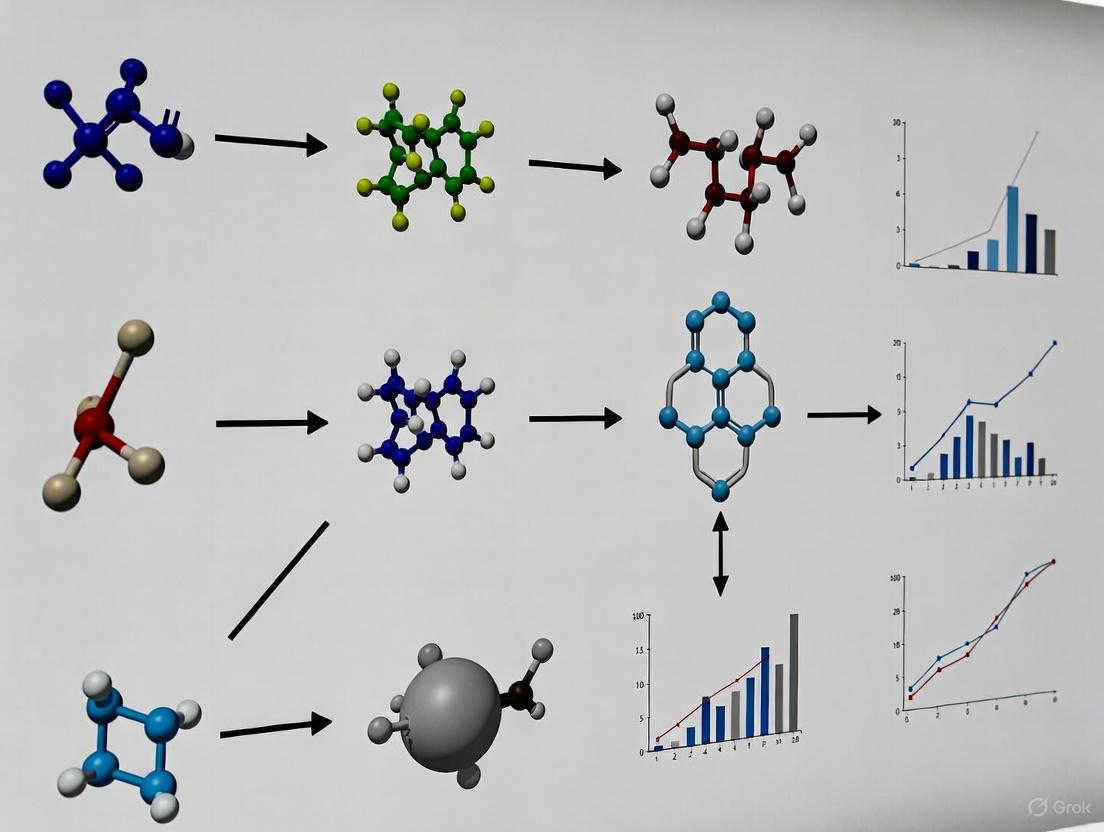
This article provides a comprehensive overview of phenotypic screening as a powerful, unbiased strategy for discovering novel therapeutic mechanisms of action.
Phenotypic Screening for Novel Mechanism of Action (MoA) Discovery: Strategies, AI Integration, and Future Directions
Abstract
This article provides a comprehensive overview of phenotypic screening as a powerful, unbiased strategy for discovering novel therapeutic mechanisms of action. It explores the foundational principles distinguishing phenotypic from target-based approaches, details advanced methodologies including high-content imaging and AI integration, addresses key challenges in target deconvolution and screening limitations, and validates the approach through real-world success stories and performance metrics. Tailored for drug discovery professionals and researchers, this review synthesizes current innovations and future trends reshaping MoA discovery in complex disease areas.
Rediscovering Phenotypic Screening: An Unbiased Gateway to Novel Biology
Phenotypic Drug Discovery (PDD) is defined as a strategy for identifying active compounds based on their effects on observable, disease-relevant biological processes—or phenotypes—without prior knowledge of the specific molecular target involved [1]. This approach stands in contrast to Target-Based Drug Discovery (TDD), which begins with a predetermined molecular target hypothesized to play a causal role in disease [2]. The fundamental distinction between these paradigms lies in their starting points: TDD investigates how modulation of a specific target affects a disease phenotype, whereas PDD asks what molecular targets can be identified based on compounds that produce a therapeutic phenotypic effect [1] [3].
After being largely supplanted by target-based approaches during the molecular biology revolution, PDD has experienced a major resurgence since approximately 2011 [1]. This renewed interest followed a surprising observation that between 1999 and 2008, a majority of first-in-class medicines were discovered empirically without a predefined drug target hypothesis [1]. Modern PDD now combines the original concept with advanced tools and strategies, systematically pursuing drug discovery based on therapeutic effects in realistic disease models [1]. This renaissance positions phenotypic screening as a crucial approach for identifying novel therapeutic mechanisms and expanding the druggable genome.
Historical Successes and Key Case Studies
Phenotypic screening has generated numerous first-in-class medicines across diverse therapeutic areas. The following table summarizes notable examples approved or in advanced clinical development:
Table 1: Notable Therapeutics Discovered Through Phenotypic Screening
| Therapeutic | Disease Area | Key Molecular Target/Mechanism | Discovery Approach |
|---|---|---|---|
| Ivacaftor, Tezacaftor, Elexacaftor | Cystic Fibrosis | CFTR channel gating and folding correction [1] | Cell lines expressing disease-associated CFTR variants [1] |
| Risdiplam, Branaplam | Spinal Muscular Atrophy | SMN2 pre-mRNA splicing modulation [1] | Screening for compounds increasing full-length SMN protein [1] |
| Lenalidomide, Pomalidomide | Multiple Myeloma | Cereblon E3 ligase modulation [1] [2] | Phenotypic optimization of thalidomide analogs [2] |
| Daclatasvir | Hepatitis C | NS5A protein inhibition [1] | HCV replicon phenotypic screen [1] |
| SEP-363856 | Schizophrenia | Novel mechanism (non-D2) [1] | Phenotypic screening in disease models [1] |
| Kartogenin | Osteoarthritis | Filamin A/CBFβ interaction disruption [4] | Image-based chondrocyte differentiation assay [4] |
The thalidomide derivatives exemplify how phenotypic screening can reveal entirely novel biological mechanisms. Thalidomide was initially withdrawn due to teratogenicity but later rediscovered for treating multiple myeloma and erythema nodosum leprosum [2]. Phenotypic optimization led to lenalidomide and pomalidomide, which exhibited significantly enhanced potency for TNF-α downregulation with reduced side effects [2]. Subsequent target deconvolution revealed these compounds bind cereblon, a substrate receptor of the CRL4 E3 ubiquitin ligase complex, altering its substrate specificity to promote degradation of transcription factors IKZF1 and IKZF3 [1] [2]. This novel mechanism has since inspired the development of targeted protein degradation platforms, including PROTACs [2].
Table 2: Additional Case Studies of Phenotypic Screening Success
| Therapeutic/Candidate | Disease Area | Key Discovery |
|---|---|---|
| StemRegenin 1 (SR1) | Hematopoietic Stem Cell Expansion | CD34/CD133 expression screen identified aryl hydrocarbon receptor antagonist [4] |
| KAF156 | Malaria | Imidazolopiperazine class with novel action against blood/ liver stages [1] |
| Crisaborole | Atopic Dermatitis | Phosphodiesterase inhibitor discovered through anti-inflammatory screening [1] |
The Phenotypic Screening Workflow: Modern Methodological Advances
Modern phenotypic screening employs sophisticated workflows that integrate advanced cell models, high-content readouts, and computational analysis. The fundamental process involves multiple stages from assay development through hit validation and mechanism elucidation.
Diagram 1: Modern Phenotypic Screening Workflow (76 characters)
Advanced Model Systems and Readout Technologies
Modern phenotypic screening emphasizes biologically relevant systems that closely recapitulate disease pathophysiology. The "phenotypic screening rule of 3" has been proposed to guide assay development, emphasizing: (1) highly disease-relevant assay systems, (2) maintenance of disease-relevant cell stimuli, and (3) assay readouts closely aligned with clinically desired outcomes [4]. Advanced model systems now include induced pluripotent stem cells (iPSCs), CRISPR-engineered isogenic cell lines, organoids, and complex co-culture systems that better mimic tissue and disease microenvironments [3].
High-content imaging has emerged as a powerful platform for phenotypic screening, enabling multiparametric analysis of cellular responses at single-cell resolution [5]. The ORACL (Optimal Reporter cell line for Annotating Compound Libraries) approach systematically identifies reporter cell lines whose phenotypic profiles most accurately classify compounds across multiple drug classes [5]. This method uses live-cell reporters fluorescently tagged for genes involved in diverse biological functions, allowing efficient classification of compounds by mechanism of action in a single-pass screen [5].
Target Deconvolution and Mechanism of Action Studies
A historical challenge in PDD has been identifying the molecular mechanisms responsible for observed phenotypic effects. Modern approaches have significantly advanced this capability:
Table 3: Methods for Target Deconvolution and Mechanism Elucidation
| Method Category | Specific Approaches | Key Applications |
|---|---|---|
| Affinity-Based Methods | Photoaffinity labeling, biotin tagging, mass spectrometry [4] | Direct target identification (e.g., kartogenin binding to filamin A) [4] |
| Genetic Modifier Screening | CRISPR, shRNA, ORF overexpression [4] | Identification of resistance mechanisms and pathway dependencies |
| Gene Expression Profiling | RNA-Seq, microarray analysis, reporter assays [4] | Pathway analysis and classification based on transcriptional signatures |
| Computational Approaches | Connectivity Map, DrugReflector [6] | Pattern recognition and mechanism prediction based on similarity |
The DrugReflector platform represents a recent advance in computational MoA prediction, using a closed-loop active reinforcement learning framework trained on compound-induced transcriptomic signatures [6]. This approach has demonstrated an order-of-magnitude improvement in hit rates compared to random library screening [6].
The Scientist's Toolkit: Essential Research Reagents and Platforms
Table 4: Key Research Reagents and Platforms for Phenotypic Screening
| Reagent/Platform | Function | Example Application |
|---|---|---|
| Live-Cell Reporter Lines (ORACL) | Enable dynamic monitoring of protein expression and localization [5] | A549 triple-labeled reporters for classification across drug classes [5] |
| High-Content Imaging Systems | Multiparametric analysis of morphology and subcellular features [5] | Automated microscopy with ~200 feature extraction per cell [5] |
| CD-Tagging Technology | Genomic tagging of endogenous proteins with fluorescent markers [5] | Creation of reporter cell lines with native protein regulation [5] |
| Photoaffinity Probes | Covalent capture of compound-protein interactions [4] | Kartogenin-biotin conjugate for filamin A identification [4] |
| CRISPR Screening Libraries | Genome-wide functional assessment of gene contributions to phenotype [4] | Identification of resistance mechanisms and synthetic lethal interactions |
Signaling Pathways Elucidated Through Phenotypic Screening
Phenotypic screening has revealed novel biological mechanisms and unexpected connections in cellular signaling networks. The kartogenin example illustrates how phenotypic discovery can illuminate previously unrecognized regulatory pathways:
Diagram 2: Kartogenin Chondrogenesis Pathway (47 characters)
This pathway, discovered through phenotypic screening, demonstrates how kartogenin binding to filamin A disrupts its interaction with CBFβ, allowing CBFβ translocation to the nucleus where it activates RUNX transcription factors and drives chondrocyte differentiation [4]. This mechanism was entirely novel when discovered and highlighted the potential of phenotypic approaches to identify previously unexplored therapeutic strategies.
Similarly, the discovery of cereblon as the target of thalidomide derivatives revealed a completely unexpected mechanism wherein drug binding reprograms E3 ubiquitin ligase specificity, leading to selective degradation of pathogenic transcription factors [1] [2]. This mechanism has not only explained the therapeutic effects of these drugs but has also spawned an entirely new modality in drug discovery—targeted protein degradation.
Future Directions and Integrative Approaches
The future of phenotypic screening lies in its integration with target-based approaches and emerging technologies. Hybrid strategies that combine the unbiased nature of phenotypic screening with the precision of target-based validation are increasingly shaping drug discovery pipelines [2]. Artificial intelligence and machine learning are playing a central role in parsing complex, high-dimensional datasets generated by phenotypic screens, enabling identification of predictive patterns and emergent mechanisms [2].
Multi-omics integration provides a comprehensive framework for linking observed phenotypic outcomes to discrete molecular pathways [2]. The incorporation of transcriptomic, proteomic, and genomic data allows researchers to build more complete models of compound activities and mechanisms. As these technologies continue to advance, phenotypic screening is poised to remain at the forefront of first-in-class drug discovery, particularly for complex diseases with polygenic etiologies and poorly understood underlying biology.
Phenotypic screening continues to evolve from its serendipitous origins to a systematic, technology-driven discipline that expands the druggable genome, reveals novel therapeutic mechanisms, and delivers transformative medicines for challenging diseases.
The drug discovery process relies heavily on two primary screening paradigms: phenotypic screening and target-based screening. Phenotypic screening involves testing compounds in biologically relevant systems, such as cells, tissues, or whole organisms, to identify those that produce a desired therapeutic effect without prior knowledge of a specific molecular target [1] [7]. In contrast, target-based screening employs a reductionist approach, focusing on compounds that interact with a predefined molecular target, typically a protein with a hypothesized role in disease pathogenesis [8] [9]. Over the past two decades, target-based strategies dominated pharmaceutical discovery, but phenotypic screening has experienced a significant resurgence following analyses revealing its disproportionate success in producing first-in-class medicines [10] [1] [4]. This resurgence is particularly relevant for discovering compounds with novel mechanisms of action (MoA), as phenotypic approaches allow biological systems to reveal unanticipated therapeutic targets and pathways [1] [4]. This technical guide provides a comprehensive comparative analysis of these complementary approaches, with special emphasis on their application in novel MoA research.
Fundamental Principles and Definitions
Phenotypic Screening: A Target-Agnostic Approach
Phenotypic drug discovery (PDD) is defined by its focus on modulating a disease phenotype or biomarker to provide therapeutic benefit rather than acting on a pre-specified target [1]. The fundamental principle underpinning PDD is that observable phenotypes—such as changes in cell morphology, viability, motility, or signaling pathways—result from the complex interplay of multiple genetic and environmental factors within a biological system [7]. By screening for compounds that reverse or ameliorate disease-associated phenotypes, researchers can identify bioactive molecules without the constraint of target-based hypotheses, potentially revealing unexpected cellular processes and novel mechanisms of action [1].
Modern phenotypic screening has evolved significantly from its historical origins, with advances in high-content imaging, functional genomics, and the development of more physiologically relevant model systems enabling more sophisticated and predictive assays [1] [7]. Contemporary PDD embraces the complexity of biological systems, recognizing that many diseases involve polygenic influences and complex network interactions that may be poorly served by single-target modulation [1] [8].
Target-Based Screening: A Reductionist Strategy
Target-based drug discovery (TDD) operates on the premise that diseases can be treated by modulating the activity of specific molecular targets, typically proteins identified through genetic analysis or biological studies as being causally involved in disease pathogenesis [8] [9]. This approach requires substantial prior knowledge of disease mechanisms, including the identification and validation of specific molecular targets before screening commences [8].
The TDD process typically begins with target identification and validation, followed by the development of biochemical or simple cellular assays that measure compound interactions with the defined target [8] [9]. This reductionist strategy allows for highly specific optimization of compounds against their intended targets but may overlook complex physiological interactions and off-target effects that could contribute to efficacy or toxicity [8]. Target-based approaches have been particularly successful in developing best-in-class drugs that improve upon existing mechanisms but have demonstrated limitations in identifying truly novel therapeutic mechanisms [10] [1].
Table 1: Core Conceptual Differences Between Screening Approaches
| Feature | Phenotypic Screening | Target-Based Screening |
|---|---|---|
| Fundamental Principle | Modulation of observable disease phenotype without target pre-specification | Modulation of predefined molecular target with hypothesized disease role |
| Knowledge Prerequisite | Disease-relevant biological model; target agnostic | Validated molecular target and its disease association |
| Typical Assay Systems | Cell-based assays (2D, 3D, organoids), whole-organism models | Biochemical assays, recombinant cell systems, protein-binding assays |
| Mechanism of Action | Often unknown initially; requires deconvolution | Defined from the outset based on target hypothesis |
| Theoretical Basis | Systems biology; emergent properties | Reductionism; specific molecular interactions |
Historical Context and Success Rates
The historical trajectory of drug discovery reveals a pendulum swing between phenotypic and target-based approaches. Before the 1980s, most medicines were discovered through observational methods of compound effects on physiology, often in whole organisms or human patients [1]. The advent of molecular biology, recombinant DNA technology, and genomics in the late 20th century prompted a major shift toward target-based approaches, with the expectation that greater mechanistic understanding would improve drug discovery efficiency [1] [9].
A seminal analysis by Swinney and Anthony (2011) examined discovery strategies for new molecular entities approved between 1999 and 2008, finding that phenotypic screening accounted for 56% of first-in-class drugs, compared to 34% for target-based approaches [4]. More recent analyses confirm this trend, with phenotypic strategies continuing to contribute disproportionately to the discovery of innovative therapies with novel mechanisms [1]. Notable examples of drugs emerging from phenotypic screens include ivacaftor and lumacaftor for cystic fibrosis, risdiplam for spinal muscular atrophy, and daclatasvir for hepatitis C [1].
Despite the dominance of target-based approaches in pharmaceutical screening portfolios over recent decades, phenotypic screening has maintained an advantage in identifying first-in-class medicines, while target-based screening has excelled in producing best-in-class drugs that optimize existing mechanisms [10]. This pattern highlights the complementary strengths of both approaches within a comprehensive drug discovery strategy.
Table 2: Historical Success Metrics for Screening Approaches
| Metric | Phenotypic Screening | Target-Based Screening |
|---|---|---|
| First-in-class Drugs (1999-2008) | 56% of NMEs [4] | 34% of NMEs [4] |
| Best-in-class Drugs | Lower proportion [10] | Higher proportion [10] |
| Novel Target Identification | Strong capability [1] | Limited to predefined targets |
| Translation to Clinical Efficacy | Potentially higher for complex diseases [7] | Variable; can fail due to inadequate target validation |
| Recent Trends | Resurgence since approximately 2011 [1] | Remain dominant but with recognition of limitations |
Methodologies and Experimental Protocols
Phenotypic Screening Workflows
Phenotypic screening employs diverse methodological frameworks depending on the biological context and disease under investigation. A generalized workflow encompasses several key stages:
1. Biological Model Selection: The foundation of a successful phenotypic screen is choosing a physiologically relevant system that faithfully recapitulates key aspects of human disease biology. Modern approaches increasingly utilize complex model systems including induced pluripotent stem cells (iPSCs), 3D organoids, co-cultures, and microphysiological systems (organs-on-chips) that better mimic tissue architecture and function compared to traditional 2D monocultures [1] [7]. For example, in neurodegenerative disease research, iPSC-derived neurons from patients can model disease-specific phenotypes not observable in immortalized cell lines [7].
2. Assay Development and Validation: The phenotypic assay must be designed to measure a disease-relevant endpoint with robust statistical performance. Vincent et al. (2015) proposed a "phenotypic screening rule of 3" emphasizing: (1) use of disease-relevant assay systems, (2) maintenance of disease-relevant stimuli, and (3) implementation of readouts closely linked to clinical outcomes [4]. Assay validation establishes performance metrics including Z-factor, signal-to-noise ratio, and intra-assay variability to ensure reliable detection of true positive hits [7].
3. Compound Library Screening: Phenotypic screens may utilize diverse compound libraries including small molecules, siRNA, antibodies, or CRISPR-based perturbagens [11]. Unlike target-based screens that often prioritize drug-like properties, phenotypic screens may benefit from structural diversity to maximize opportunities for novel mechanism discovery [7]. Screening can range from high-throughput formats (100,000+ compounds) to more focused, hypothesis-driven selections [11].
4. Hit Confirmation and Characterization: Initial hits undergo confirmation in dose-response experiments and counter-screens to exclude artifacts and assess preliminary cytotoxicity [7]. Advanced high-content imaging can capture multiple phenotypic parameters simultaneously, enabling multiparametric analysis and classification of compound effects based on phenotypic profiles [10] [7].
5. Target Deconvolution and Mechanism Elucidation: A critical challenge in PDD is identifying the molecular target(s) responsible for the observed phenotype. Multiple approaches exist for target identification, including affinity chromatography, protein microarrays, genetic modifier screens (CRISPR, siRNA), resistance mutation selection, and computational methods [1] [4]. Modern approaches often combine several methods to build confidence in proposed mechanisms.
Target-Based Screening Workflows
Target-based screening follows a more linear, hypothesis-driven pathway:
1. Target Identification and Validation: The process begins with selecting a molecular target—typically a protein, gene, or specific molecular mechanism—with demonstrated or hypothesized involvement in disease pathogenesis [8] [9]. Targets are classified as either genetic targets (genes or gene-derived products linked to disease through genetic evidence) or mechanistic targets (receptors, enzymes, or other proteins with established biological roles in disease processes) [8]. Validation employs techniques including gene knockouts, dominant negative mutants, antisense technology, and expression profiling to establish causal relationships between target modulation and therapeutic benefit [8].
2. Assay Development: Target-based assays are designed to measure compound interactions with the defined target, typically using biochemical assays (enzyme activity, receptor binding) or simple cellular systems with recombinant target expression [8] [9]. These assays prioritize specificity and sensitivity for the target of interest, often employing techniques such as fluorescence polarization, AlphaScreen, or surface plasmon resonance to detect molecular interactions [12] [9].
3. High-Throughput Screening (HTS): Large compound libraries (often >1 million compounds) are screened against the target using automated systems [12]. The primary readout is typically a single parameter measuring target engagement or functional modulation, enabling rapid triage of compounds based on potency and efficacy against the defined target [9].
4. Hit-to-Lead Optimization: Confirmed hits undergo extensive structure-activity relationship (SAR) studies to optimize potency, selectivity, and drug-like properties [9]. Modern TDD frequently employs structure-based drug design using X-ray crystallography or cryo-EM structures of target-compound complexes to guide rational optimization [9].
5. Mechanistic Confirmation: Compounds with optimized properties are tested in more complex biological systems to verify that target engagement produces the expected phenotypic and therapeutic effects, establishing pharmacological proof-of-concept before advancing to animal models and clinical development [9].
Case Study: Kartogenin - Phenotypic Screening Success
The discovery of kartogenin (KGN) illustrates a successful phenotypic screening approach for novel MoA discovery. Researchers sought compounds that could induce chondrocyte differentiation for osteoarthritis treatment using an image-based screen of primary human bone marrow mesenchymal stem cells (MSCs) [4]. The assay measured rhodamine B staining, which highlights cartilage-specific components like proteoglycans and type II collagen [4].
From a screen of >20,000 compounds, KGN emerged as a potent inducer of chondrocyte differentiation (EC₅₀ ~100 nM) that upregulated multiple chondrocyte markers including SOX9, aggrecan, and lubricin [4]. In both chronic (collagenase VII-induced) and acute (surgical ligament transection) mouse models of cartilage damage, weekly intra-articular KGN injection reduced inflammation and pain while promoting cartilage regeneration [4].
The target deconvolution process employed a biotinylated, photo-crosslinkable KGN analog to identify filamin A (FLNA) as the molecular target [4]. Further mechanistic studies revealed that KGN disrupts the interaction between FLNA and core-binding factor beta subunit (CBFβ), leading to CBFβ translocation to the nucleus where it activates RUNX transcription factors and drives chondrocyte differentiation [4]. This example demonstrates how phenotypic screening can identify both novel chemical matter and previously unknown regulatory mechanisms with therapeutic potential.
The Scientist's Toolkit: Essential Research Reagents
Table 3: Key Research Reagents for Screening Approaches
| Reagent Category | Specific Examples | Research Application |
|---|---|---|
| Cell-Based Models | iPSCs, 3D organoids, primary cells, co-culture systems | Provide physiologically relevant contexts for phenotypic screening; patient-derived cells enable personalized disease modeling [1] [7] |
| Whole-Organism Models | Zebrafish, C. elegans, Drosophila, rodent models | Enable in vivo phenotypic screening with systemic physiology; useful for assessing complex behaviors and organism-level responses [11] [7] |
| Molecular Probes | Fluorescent tags, bioluminescent reporters, affinity handles (biotin) | Facilitate target identification and validation; enable visualization and quantification of cellular processes [4] [9] |
| Genomic Tools | CRISPR libraries, siRNA collections, cDNA overexpression constructs | Support target validation and identification; enable genetic screening approaches [10] [4] |
| Compound Libraries | Diverse small molecules, fragment libraries, natural products | Source of chemical matter for screening; diversity enhances novelty potential [7] |
| Detection Reagents | Antibodies, fluorescent dyes, enzyme substrates | Enable measurement of specific phenotypic endpoints or target engagement [4] [7] |
Advantages and Limitations: A Comparative Analysis
Strengths and Challenges of Phenotypic Screening
Phenotypic screening offers several distinctive advantages for novel MoA research. Its primary strength lies in its target-agnostic nature, which allows discovery of compounds with completely novel mechanisms without prior target hypothesis [1] [7]. This approach has consistently demonstrated superior performance in identifying first-in-class medicines, likely because it embraces the complexity of disease biology rather than attempting to reduce it to single targets [1] [4]. By screening in biologically relevant systems, phenotypic approaches inherently select for compounds with favorable cellular properties, including membrane permeability, solubility, and absence of overt cytotoxicity, potentially reducing attrition in later development stages [10]. Furthermore, phenotypic screening can identify compounds that act through polypharmacology—simultaneous modulation of multiple targets—which may be advantageous for treating complex, multifactorial diseases [1].
The most significant challenge in phenotypic screening is target deconvolution—identifying the specific molecular target(s) responsible for the observed phenotypic effect [1] [4] [7]. This process can be time-consuming, expensive, and technically challenging, requiring specialized approaches such as affinity chromatography, genetic modifier screens, or resistance mutation selection [4]. Phenotypic assays also tend to be lower in throughput and more complex to implement than target-based assays, potentially limiting the number of compounds that can be screened [10] [7]. Additionally, phenotypic hits may have undefined specificity, with potential off-target effects that are difficult to predict without comprehensive mechanism elucidation [7].
Strengths and Challenges of Target-Based Screening
Target-based screening offers distinct advantages in mechanistic clarity and efficiency. Because the molecular target is defined from the outset, the path from hit identification to optimization is typically more straightforward, with clear structure-activity relationship parameters for medicinal chemistry [9]. Target-based assays generally enable higher throughput screening of larger compound libraries at lower cost compared to phenotypic approaches [10] [9]. The predefined mechanism also facilitates rational drug design using structural biology and computational modeling approaches to optimize compound properties [9]. Furthermore, target-based approaches simplify safety assessment by enabling focused evaluation of target-related toxicities early in the discovery process [9].
The primary limitation of target-based screening is its reliance on predetermined hypotheses about disease mechanisms, which may be incomplete or incorrect [8]. This approach risks investing significant resources in targets that ultimately prove irrelevant to human disease, contributing to high attrition rates in clinical development [8]. Target-based assays also employ reductionist systems that may fail to capture the complex physiological context of native tissues, potentially identifying compounds that are ineffective in more biologically relevant settings [8] [9]. Additionally, the focus on single targets may overlook the therapeutic potential of polypharmacology or fail to identify compensatory mechanisms that limit efficacy in intact biological systems [1] [8].
Table 4: Comprehensive Comparison of Advantages and Limitations
| Aspect | Phenotypic Screening | Target-Based Screening |
|---|---|---|
| Novel MoA Discovery | High potential for unprecedented mechanisms [1] [7] | Limited to predefined targets and mechanisms |
| Physiological Relevance | Higher; uses complex biological systems [10] [7] | Lower; uses reduced systems [8] [9] |
| Throughput | Generally lower due to assay complexity [10] | Generally higher with simpler assays [10] [9] |
| Target Identification | Required after screening; can be challenging [1] [4] | Defined before screening; straightforward |
| Chemical Optimization | Can proceed without target knowledge but may be indirect [1] | Direct with clear SAR based on target structure [9] |
| Polypharmacology | Can naturally identify multi-target compounds [1] | Typically designed for specificity; may require combination approaches |
| Resource Requirements | Higher per compound screened [10] | Lower per compound screened [10] |
| Risk of Clinical Attrition | Potentially lower for efficacy [7] | Higher due to inadequate target validation [8] |
Integrated Approaches and Future Directions
The historical dichotomy between phenotypic and target-based screening is increasingly giving way to integrated strategies that leverage the strengths of both approaches [10] [9]. Many successful drug discovery programs now employ phenotypic screening for initial hit identification followed by target-based approaches for lead optimization once mechanisms are elucidated [10] [9]. This hybrid model combines the novelty potential of phenotypic discovery with the efficiency and precision of target-focused optimization.
Several technological advances are driving innovation in both screening paradigms. For phenotypic screening, developments in high-content imaging, artificial intelligence-based image analysis, and functional genomics are enhancing the depth and throughput of phenotypic characterization [7]. The availability of more physiologically relevant model systems, including iPSC-derived cell types, 3D organoids, and organ-on-a-chip platforms, is improving the translational predictive power of phenotypic assays [1] [7]. For target-based screening, advances in structural biology, biophysical methods, and computational prediction are enabling more effective targeting of challenging protein classes and complex molecular interactions [9].
The emerging field of chemical genomics is particularly promising for bridging phenotypic and target-based approaches. By linking compound-induced phenotypic profiles to specific molecular targets or pathways using pattern-matching algorithms and large-scale reference databases, researchers can potentially accelerate both target deconvolution for phenotypic hits and mechanism identification for target-based compounds [4]. As these technologies mature, they promise to further blur the distinctions between screening paradigms, enabling more efficient discovery of therapeutics with novel mechanisms of action.
Phenotypic and target-based screening represent complementary rather than opposing strategies in modern drug discovery. Phenotypic screening excels at identifying first-in-class medicines with novel mechanisms of action, leveraging biological complexity to reveal unanticipated therapeutic opportunities. Target-based screening offers efficiency and precision in developing best-in-class drugs against validated molecular targets. The most productive discovery pipelines strategically integrate both approaches, using phenotypic methods for initial innovation and target-based techniques for optimization. As technological advances continue to enhance both screening paradigms, the future of drug discovery lies not in choosing between these approaches but in developing sophisticated frameworks for their synergistic application. For researchers focused on novel MoA discovery, phenotypic screening remains an indispensable tool, provided that challenges in target deconvolution and assay complexity are addressed through appropriate methodological and technological solutions.
Phenotypic drug discovery (PDD) represents a biology-first approach to identifying novel therapeutics by focusing on the modulation of disease phenotypes in realistic biological systems, without a pre-specified molecular target hypothesis [1] [3]. This strategy stands in contrast to target-based drug discovery (TDD), which relies on modulating specific molecular targets with known roles in disease [2]. Historically, PDD was the foundation of most drug discovery before being supplanted in the 1980s-2000s by the more reductionist TDD approach, fueled by advances in molecular biology and genomics [1]. However, a landmark analysis revealed that between 1999 and 2008, a majority of first-in-class medicines were discovered through phenotypic screening, leading to a major resurgence of interest in this empirical strategy [1].
Modern PDD leverages sophisticated tools including high-content imaging, complex disease models, and functional genomics to systematically pursue drug discovery based on therapeutic effects [1] [13]. This whitepaper details key historical successes of PDD, highlighting how this unbiased approach has expanded the "druggable" target space and delivered transformative medicines with novel mechanisms of action (MoA) for challenging diseases.
Paradigm-Shifting Successes in Phenotypic Drug Discovery
The following case studies exemplify how phenotypic screening has successfully identified first-in-class therapies, often revealing entirely novel and unexpected biological targets and mechanisms.
Hepatitis C Virus (HCV) NS5A Inhibitors
The treatment of Hepatitis C virus (HCV) infection was revolutionized by the development of direct-acting antivirals (DAAs), with NS5A inhibitors like daclatasvir becoming a cornerstone of combination therapies that now cure >90% of patients [1]. The initial discovery occurred through a phenotypic screen using an HCV replicon system. This approach identified small-molecule modulators of the HCV protein NS5A, which was known to be essential for viral replication but possessed no known enzymatic activity, making it a non-obvious target for traditional TDD [1]. This discovery underscores the power of PDD to identify chemical tools that probe and validate novel target space.
Cystic Fibrosis (CF) CFTR Modulators
Cystic fibrosis is a genetic disease caused by mutations in the CF transmembrane conductance regulator (CFTR) gene. Phenotypic screens on cell lines expressing disease-associated CFTR variants identified compounds that improved CFTR function through two distinct and unanticipated MoAs [1]:
- Potentiators (e.g., ivacaftor) that improve the channel gating properties of CFTR at the cell surface.
- Correctors (e.g., tezacaftor, elexacaftor) that enhance the folding and trafficking of CFTR to the plasma membrane.
The subsequent development of the triple-combination therapy (elexacaftor/tezacaftor/ivacaftor) addresses 90% of the CF patient population and stands as a landmark achievement derived from target-agnostic screening [1].
Immunomodulatory Imide Drugs (IMiDs) and Cereblon
The discovery of thalidomide and its analogs, lenalidomide and pomalidomide, is a classic example of PDD where the molecular target and MoA were elucidated long after the observation of clinical efficacy [1] [2]. Thalidomide was initially marketed for morning sickness but withdrawn due to teratogenicity. Phenotypic observations of its efficacy in treating leprosy and later multiple myeloma spurred further investigation [1]. Phenotypic screening of analogs led to the discovery of lenalidomide and pomalidomide, which exhibited enhanced immunomodulatory and anticancer potency with reduced side effects [2]. Years post-approval, the MoA was uncovered: these drugs bind to the E3 ubiquitin ligase Cereblon, reprogramming its substrate specificity to promote the ubiquitination and degradation of specific transcription factors, IKZF1 and IKZF3 [1] [2]. This novel MoA has not only explained the efficacy of IMiDs in blood cancers but has also founded the entire field of targeted protein degradation, including proteolysis-targeting chimeras (PROTACs) [2].
Spinal Muscular Atrophy (SMA) SMN2 Splicing Modulators
Spinal muscular atrophy is a rare neuromuscular disease caused by loss-of-function mutations in the SMN1 gene. Humans have a nearly identical SMN2 gene, but a splicing defect leads to the exclusion of exon 7 and the production of a truncated, unstable protein. Phenotypic screens independently identified small molecules, including risdiplam, that modulate SMN2 pre-mRNA splicing to increase levels of full-length, functional SMN protein [1]. The MoA involves binding to two specific sites on SMN2 pre-mRNA and stabilizing the U1 snRNP complex, an unprecedented target for small-molecule drugs [1]. Risdiplam was approved in 2020 as the first oral disease-modifying therapy for SMA.
Table 1: Summary of Key First-in-Class Therapies from Phenotypic Screening
| Therapy | Disease Area | Key Molecular Target/Mechanism Identified Post-Discovery | Novelty of Mechanism of Action (MoA) |
|---|---|---|---|
| Daclatasvir (NS5A Inhibitors) | Hepatitis C Virus (HCV) | HCV NS5A protein (non-enzymatic) [1] | First-in-class; novel viral target without enzymatic activity. |
| Ivacaftor, Tezacaftor, Elexacaftor | Cystic Fibrosis (CF) | CFTR potentiators & correctors [1] | Novel MoAs (channel potentiation, protein folding/trafficking correction). |
| Lenalidomide, Pomalidomide | Multiple Myeloma, Blood Cancers | Cereblon/E3 Ubiquitin Ligase [1] [2] | Molecular glue inducing targeted protein degradation. |
| Risdiplam | Spinal Muscular Atrophy (SMA) | SMN2 pre-mRNA Splicing [1] | Small-molecule modulation of pre-mRNA splicing. |
Experimental Protocols for Phenotypic Screening
The successful application of PDD relies on robust, disease-relevant experimental models and protocols. The following outlines a generalized workflow and key methodologies.
General Workflow for a Phenotypic Screen
The typical workflow involves multiple stages, from model selection to hit validation.
Diagram 1: Phenotypic Screening Workflow
Detailed Methodologies for Key Stages
1. Disease Model Selection and Validation:
- Patient-derived cells or induced pluripotent stem cells (iPSCs): Provide a genetically relevant human context. For example, iPSC-derived motor neurons for SMA research [3] [11].
- Genetically engineered animal models: Transgenic, knock-out, or knock-in animals (e.g., zebrafish, mice) that recapitulate key disease phenotypes are used for in vivo screening [11]. Example: Transgenic mouse overexpressing human α-synuclein for Parkinson's disease modeling [11].
- Complex cellular systems: 3D organoids, co-cultures, or "organs-on-chips" are increasingly used to capture tissue-level pathophysiology and multicellular interactions [11]. Protocol: Culture cells in specialized matrices (e.g., Matrigel) to promote 3D structure formation.
2. Phenotypic Assay Development and High-Throughput Screening (HTS):
- High-Content Imaging (HCA): Cells are stained with fluorescent dyes or antibodies. Automated microscopy captures images, and software quantifies hundreds of morphological and intensity-based features (e.g., cell size, shape, protein localization/organization) [13].
- Protocol Example (Cell Painting): Seed cells in 384-well plates. Treat with compound libraries. Fix and stain with a panel of dyes (e.g., Phalloidin for F-actin, Hoechst for nucleus, Concanavalin A for ER). Image with an automated confocal microscope. Use segmentation algorithms to identify single cells and extract ~1,000 morphological features per cell [13].
- Functional biomarker assays: Measure disease-relevant physiological outputs, such as cytokine secretion (ELISA/electrochemiluminescence), CFTR chloride channel function (halide-sensitive fluorescent dyes), or viral replication (luciferase-based reporters in the HCV replicon system) [1] [11].
- Viability/ proliferation assays: Standard readouts for oncology and infectious disease (e.g., ATP-based luminescence assays).
3. Hit Validation and Lead Optimization:
- Counter-screens: Test hits against related but distinct models to establish selectivity and rule out nonspecific effects (e.g., assay interference).
- Dose-response curves: Confirm potency and efficacy (e.g., IC50, EC50) in the primary phenotypic assay.
- Chemical exploration: Establish structure-activity relationships (SAR) through iterative medicinal chemistry cycles, guided by the phenotypic readout, not target binding [1] [11].
- Pharmacokinetic/Pharmacodynamic (PK/PD) modeling: Use biomarker assays developed during in vitro discovery to demonstrate target engagement and pathway modulation in vivo, aiding dose prediction for clinical trials [11].
4. Target Deconvolution:
- Chemical proteomics: Immobilize the hit compound on a solid support to create an affinity matrix. Incubate with cell lysates, pull down interacting proteins, and identify them via mass spectrometry. This was instrumental in identifying Cereblon as the target of thalidomide [2].
- Functional genomics: Use CRISPR/Cas9 or RNAi knockout/knockdown libraries to identify genes whose loss either resists or enhances the compound's phenotypic effect.
- Transcriptomics/proteomics: Profile global gene expression or protein abundance changes in response to compound treatment and compare to databases of genetic or compound-induced profiles (e.g., Connectivity Map) to infer MoA and potential targets [3].
- Resistance generation: Culture cells under increasing compound pressure and sequence clones that survive, as mutations often point to the drug target or pathway.
The Scientist's Toolkit: Essential Research Reagents and Solutions
Successful phenotypic screening and subsequent MoA elucidation rely on a suite of specialized tools and reagents.
Table 2: Key Research Reagent Solutions for Phenotypic Discovery
| Tool/Reagent Category | Specific Examples | Function in PDD |
|---|---|---|
| Disease-Relevant Cell Models | Patient-derived cells, iPSC-derived lineages (e.g., neurons, cardiomyocytes), 3D Organoids [11] | Provide physiologically relevant human cellular context for screening; capture disease-specific phenotypes. |
| Advanced Imaging Reagents | Cell Painting dye kits (e.g., Phalloidin, Hoechst, Concanavalin A), biosensors (e.g., Ca²⁺, cAMP), fluorescent antibody panels [13] | Enable high-content analysis of complex cellular morphology, signaling, and composition. |
| Genomic & Proteomic Tools | CRISPR/Cas9 knockout libraries, siRNA/shRNA collections, Affinity Purification Mass Spec (AP-MS) kits, Phospho-specific Antibodies [2] | Facilitate target identification and deconvolution (functional genomics, chemical proteomics). |
| Specialized Compound Libraries | Diverse small-molecule collections, FDA-approved drug libraries (for repurposing), Fragment-based libraries [11] | Source of chemical starting points for unbiased screening; designed to maximize chemical space coverage. |
| In Vivo Model Organisms | Zebrafish (Danio rerio), C. elegans, Drosophila, Transgenic/ Xenograft Mouse Models [11] | Allow for in vivo phenotypic screening in a whole-organism context with conserved biology. |
Visualizing the Impact of Phenotypic Discovery
The following diagram illustrates how phenotypic screening has successfully targeted diverse and novel cellular processes, expanding the conventional "druggable" genome.
Diagram 2: Novel Target Spaces Opened by PDD
The landscape of drug discovery is witnessing a significant resurgence of phenotypic screening, moving away from the previously dominant target-based paradigm. This shift is driven by the convergence of three powerful technologies: high-content imaging for generating rich, multidimensional data; complex, physiologically relevant disease models that better recapitulate human biology; and advanced artificial intelligence (AI) capable of interpreting complex biological patterns. This whitepaper details how this synergy is creating a robust framework for de novo mechanism of action (MoA) research, enabling the unbiased discovery of novel therapeutic pathways and accelerating the development of first-in-class medicines.
Phenotypic drug discovery (PDD) entails the identification of active compounds based on measurable biological responses in cells or whole organisms, often without prior knowledge of their specific molecular targets [2]. This approach captures the complexity of cellular systems and has been historically pivotal in discovering first-in-class agents and uncovering novel therapeutic mechanisms [2]. The central challenge in MoA research has been the inability to fully model human disease complexity with simplistic assays and single-target hypotheses. Target-based approaches, while rational, often fail in clinical trials due to an incomplete understanding of disease biology and compensatory network mechanisms [2]. Phenotypic screening addresses this by starting with a biological outcome, thereby allowing the discovery of compounds with polypharmacology or those acting on previously uncharacterized pathways.
The modern resurgence of PDD is not a return to old methods but a transformation powered by technological leaps. The integration of high-content imaging, complex disease models, and AI is reshaping drug discovery pipelines, creating adaptive, integrated workflows that enhance efficacy and overcome resistance [2]. This powerful combination allows researchers to start with biology, add molecular depth, and leverage algorithms to reveal patterns, moving the field toward more effective and better-understood therapies [14].
Technological Drivers of the Resurgence
Advanced High-Content Imaging and Profiling
High-content screening (HCS) is an advanced phenotypic screening technique that combines automated microscopy with quantitative image analysis to evaluate the effects of chemical or genetic perturbations on cells [15]. It provides multidimensional data on changes in cell morphology, protein expression, localization, and metabolite levels, offering comprehensive insights into cellular responses [15].
Key Assay Technologies:
- Cell Painting: A widely utilized, multiplexed staining method that uses typically six fluorescent dyes to label and image six to eight key cellular components, including nuclear DNA, cytoplasmic RNA, nucleoli, endoplasmic reticulum, actin cytoskeleton, Golgi apparatus, plasma membrane, and mitochondria [16] [17]. This generates a detailed morphological "fingerprint" or profile for each perturbation.
- Cell Painting PLUS (CPP): An evolution of the standard Cell Painting assay, CPP uses iterative staining-elution cycles to significantly expand multiplexing capacity. It enables the separate imaging of at least seven fluorescent dyes labeling nine subcellular compartments in individual channels, thereby improving organelle-specificity and the diversity of phenotypic profiles [16].
- Optimal Reporter Cell Lines (ORACLs): A method for systematically identifying reporter cell lines whose phenotypic profiles most accurately classify a training set of known drugs. This approach maximizes the discriminatory power of phenotypic screens by selecting the most informative cellular biomarkers for a given research question [5].
Table 1: Key High-Content Imaging and Profiling Assays
| Assay Name | Core Principle | Key Readouts | Advantages for MoA Research |
|---|---|---|---|
| Cell Painting [16] [17] | Multiplexed staining with 6 fluorescent dyes | Morphological profiles of 6-8 organelles | Untargeted, generates rich, comparable morphological barcodes |
| Cell Painting PLUS (CPP) [16] | Iterative staining & elution cycles | 9+ organelles imaged in separate channels | Enhanced specificity & customizability; reduced spectral crosstalk |
| ORACL (Optimal Reporter) [5] | Live-cell reporters for diverse pathways | Phenotypic profiles predictive of drug class | Identifies optimal cellular system for classifying compounds |
The data generated by these assays is processed through automated image analysis pipelines that perform cell segmentation and extract hundreds of quantitative morphological features related to shape, size, texture, intensity, and spatial relationships [5] [15]. These features are concatenated into a phenotypic profile that succinctly summarizes the effect of a compound, enabling guilt-by-association analysis and MoA prediction [5].
Complex and Translational Disease Models
The physiological relevance of phenotypic screening outcomes is heavily dependent on the cellular models used. There is a growing shift from traditional 2D cell lines to more sophisticated models that better mimic the in vivo environment.
- Primary Cells and Patient-Derived Models: The use of early-passage patient-derived organoids, primary human cells (such as peripheral blood mononuclear cells - PBMCs), and tissues explants maintains high-fidelity to the in vivo disease context, including relevant cell types, epigenetic states, and tissue residency [17].
- 3D Organoids and Spheroids: These models recapitulate the 3D architecture, cell-cell interactions, and phenotypic heterogeneity of native tissues. They are particularly valuable for studying complex diseases like cancer and for toxicology assessments [15].
- Organs-on-a-Chip (OOCs): These microfluidic devices simulate organ-level physiology and functionality, allowing for precise control over cell culture environments, nutrient flow, and drug exposure. They provide highly translatable data on tissue integrity, metabolism, and functional drug responses [18].
The adoption of these complex models was previously constrained by scalability and cost. However, advanced screening methods are now unlocking their potential for high-content phenotypic profiling [17].
Artificial Intelligence and Data Integration
AI, particularly machine learning (ML) and deep learning (DL), is the critical engine that transforms high-content data into actionable insights for MoA research.
- Image Analysis and Phenotype Classification: Convolutional Neural Networks (CNNs) and other DL models automate the analysis of complex cellular images, improving accuracy, speed, and reproducibility. They excel at segmentation of cells and subcellular structures in heterogeneous samples and can identify subtle phenotypic changes invisible to the human eye [15] [18].
- MoA Prediction and Hit Prioritization: AI models can correlate complex morphological profiles induced by compounds to known MoAs, effectively classifying novel compounds into functional drug classes based on phenotypic similarity [5] [18]. Platforms like PhenoModel use multimodal foundation models to connect molecular structures with phenotypic information, enabling virtual screening for molecules that induce a desired phenotype [19].
- Multi-Omics Integration: AI enables the fusion of high-content imaging data with other multimodal datasets, such as transcriptomics, proteomics, and genomics. This integration provides a systems-level view of biological mechanisms, improving prediction accuracy and target identification for precision medicine [14]. For example, the JUMP-Cell Painting and OASIS Consortia are benchmarking phenomics data against other omics and in vivo data to increase confidence in the physiological relevance of the cellular responses [16].
Integrated Experimental Workflows for Novel MoA Discovery
The true power for MoA research emerges when these drivers are combined into a cohesive workflow. The following diagram and protocol outline a modern, AI-powered phenotypic screening campaign designed for novel MoA identification.
Detailed Protocol: A Compressed Phenotypic Screening Campaign
This protocol, adapted from Soule et al. (2025), demonstrates a scalable approach for high-content MoA studies using pooled perturbations [17].
Objective: To identify compounds with novel MoAs by screening a chemical library against a complex disease model using a high-content readout, with compression to reduce cost and labor.
Materials and Reagents:
- Biological Model: Early-passage patient-derived pancreatic cancer organoids or primary human PBMCs [17].
- Perturbation Library: A library of 316 bioactive small molecules (e.g., FDA-approved drug repurposing library) [17].
- Staining Reagents: Cell Painting dye cocktail [17] or CPP dye set for iterative staining [16].
- Key Instrumentation: Automated liquid handler, high-content imaging system (e.g., confocal microscope with environmental control), high-performance computing cluster.
Procedure:
Pooled Library Design:
- Combine N perturbations (e.g., 316 drugs) into unique pools of size P (e.g., 3-80 drugs per pool). Ensure each perturbation appears in R distinct pools (e.g., R=3, 5, or 7) for statistical robustness.
- This creates a P-fold compression, drastically reducing the number of assay wells compared to a conventional screen [17].
Cell Seeding and Perturbation:
- Seed the complex disease model (e.g., organoids or PBMCs) into assay plates using an automated liquid handler.
- Treat cells with the pre-formed perturbation pools. Include appropriate vehicle control wells (e.g., DMSO).
- Incubate for a predetermined time (e.g., 24 hours) based on pilot kinetics studies [17].
Multiplexed Staining and High-Content Imaging:
- For Cell Painting: Fix cells and stain with the standard 6-dye cocktail (Hoechst 33342 for nuclei, Concanavalin A-AlexaFluor 488 for ER, MitoTracker Deep Red for mitochondria, Phalloidin-AlexaFluor 568 for F-actin, Wheat Germ Agglutinin-AlexaFluor 594 for Golgi and plasma membrane, and SYTO14 for nucleoli and RNA) [17].
- For CPP: Perform iterative cycles of staining, imaging, and efficient dye elution using a specialized elution buffer (e.g., 0.5 M L-Glycine, 1% SDS, pH 2.5) to achieve multiplexed imaging of 9 organelles in separate channels [16].
- Acquire images on a high-content microscope using a 20x or higher objective. Capture multiple fields per well to achieve sufficient cell counts.
Image Processing and Feature Extraction:
- Use an automated pipeline for illumination correction, quality control, and cell segmentation.
- Extract ~500-1000 morphological features (e.g., area, intensity, texture, shape) for each cell. This generates a high-dimensional data matrix.
- Perform plate normalization and select highly variable features (e.g., 886 features) for downstream analysis [17].
Data Deconvolution and Hit Identification:
- Deconvolution: Use a regularized linear regression framework to deconvolve the effect of each individual drug on the morphological features from the pooled screen data. This computational step infers single-perturbation effects [17].
- Phenotypic Clustering: Perform dimensionality reduction (e.g., UMAP, t-SNE) on the deconvolved phenotypic profiles. Cluster compounds based on profile similarity to group them by potential MoA.
- Hit Selection: Calculate an overall morphological effect size, such as the Mahalanobis Distance (MD), for each drug compared to controls. Prioritize hits with large MD values and those that cluster separately from known MoA classes for further investigation [17].
AI-Driven MoA Hypothesis Generation:
- Input the phenotypic profiles of novel hits into an AI platform (e.g., PhenoModel [19] or similar) trained on reference datasets.
- The platform compares the unknown profile against a database of profiles with known MoAs to generate predictive hypotheses.
- Integrate the phenotypic data with transcriptomic or proteomic data from the treated samples to strengthen the MoA hypothesis and identify potential signaling pathways or targets [14].
Experimental Validation:
- Confirm the phenotypic effects of top hits in a conventional, non-pooled screen.
- Employ orthogonal assays (e.g., biochemical, phosphoproteomics, siRNA knockdown) to validate the predicted molecular targets or pathways.
The Scientist's Toolkit: Essential Research Reagents and Materials
Successful execution of a modern phenotypic screening campaign relies on a suite of specialized reagents and instruments.
Table 2: Key Research Reagent Solutions for Phenotypic Screening
| Item Category | Specific Examples | Critical Function in MoA Research |
|---|---|---|
| Fluorescent Dyes & Stains | Hoechst 33342, MitoTracker Deep Red, Phalloidin conjugates, Concanavalin A, LysoTracker [16] [17] | Label specific organelles to generate multiparametric morphological profiles for clustering and MoA prediction. |
| Live-Cell Reporters | ORACL (Optimal Reporter) cell lines with fluorescently tagged endogenous proteins [5] | Enable dynamic, live-cell imaging of pathway-specific responses to perturbations. |
| Specialized Buffers | CPP Elution Buffer (0.5 M Glycine, 1% SDS, pH 2.5) [16] | Enable iterative staining and elution cycles for highly multiplexed imaging in assays like CPP. |
| Complex Cell Models | Patient-derived organoids, Primary cells (e.g., PBMCs), 3D spheroids [17] [18] | Provide physiologically relevant context for phenotypic screening, improving clinical translatability. |
| Automation & Imaging | Acoustic liquid handlers (e.g., Echo 525), Automated microscopes, High-content analysis software [15] | Ensure precision, reproducibility, and scalability of screening workflows and image data acquisition. |
The convergence of high-content imaging, complex disease models, and artificial intelligence is fundamentally reshaping the paradigm of phenotypic drug discovery. This powerful synergy provides an unprecedentedly robust and scalable platform for unraveling novel mechanisms of action. By starting with biologically relevant phenotypes in sophisticated models, extracting deep insights via high-content imaging, and leveraging AI to find patterns within immense datasets, researchers can systematically deconvolve the complex actions of therapeutic compounds. This integrated approach moves the field beyond single-target hypotheses, enabling the discovery of polypharmacology and entirely new biology, thereby accelerating the delivery of transformative medicines to patients.
Advanced Workflows and Cutting-Edge Technologies in Modern Phenotypic Screening
The resurgence of phenotypic screening in drug discovery marks a significant shift from target-based approaches, offering the potential to identify first-in-class medicines by observing compound effects in complex biological systems without preconceived molecular hypotheses. [14] [3] However, the full potential of phenotypic screening is constrained by the physiological relevance of the cellular models employed. Traditional two-dimensional (2D) cell cultures, while valuable for their simplicity and throughput, suffer from critical limitations that impair their ability to predict human physiology and mechanism of action (MoA). [20] This technical guide examines the evolution from 2D cultures to advanced three-dimensional (3D) models—specifically organoids and organ-on-chip systems—framed within the context of MoA research. We provide a structured comparison of model systems, detailed experimental protocols, and visualization of workflows to empower researchers in selecting appropriate models for deconvoluting complex biological mechanisms.
The Limitations of Conventional 2D Culture in MoA Studies
Despite over a century of contributions to fundamental biological discoveries, 2D monolayer cultures grown on rigid plastic or glass substrates present artificial microenvironments that elicit abnormal cellular responses. [20] The key disadvantages impacting MoA prediction include:
- Lack of physiological context: Cells in 2D cultures exhibit abnormal polarization, impaired cell-cell interactions, and limited cellular diversity, failing to recapitulate tissue-level architecture. [20]
- Absence of biomechanical cues: The static microenvironment lacks native mechanical forces such as fluid shear stress and cyclic strain, which significantly influence cell signaling and drug response. [21]
- Non-physiological nutrient and oxygen gradients: In 2D cultures, cells are exposed to uniform, often supraphysiological concentrations of oxygen and nutrients, unlike the complex gradients found in living tissues. [20]
- Reliance on transformed cell lines: 2D systems often utilize cancerous or immortalized cell lines with genetic and metabolic profiles that diverge significantly from primary human cells. [20]
These limitations manifest in poor translatability, where drug responses observed in 2D models frequently fail to predict clinical outcomes, highlighting the critical need for more physiologically relevant models in MoA research. [22]
Three-Dimensional Model Systems: Characteristics and Applications
Three-dimensional culture systems have emerged to bridge the gap between traditional 2D cultures and in vivo physiology. These models can be broadly categorized into spheroid/organoid cultures and microphysiological organ-on-chip systems, each with distinct characteristics, advantages, and applications in phenotypic screening.
Table 1: Comparison of 3D Cell Culture Model Systems for MoA Research
| Model Characteristic | Spheroids & Organoids | Organ-on-Chip Systems |
|---|---|---|
| Structural Complexity | Self-organizing 3D structures with multiple cell lineages; sophisticated architecture [22] [23] | Engineered tissue-tissue interfaces and organized cell layers mimicking organ microstructure [21] [20] |
| Microenvironmental Control | Limited control over biomechanical cues; self-directed differentiation [23] | Precise spatiotemporal control over biochemical and biophysical cues (flow, stretch) [22] [21] |
| Physiological Relevance | High cellular heterogeneity and phenotype fidelity; resemble developing organs [23] | Recapitulates tissue-level function with vascular perfusion and mechanical activity [21] [20] |
| Throughput & Scalability | Moderate to high throughput possible with standardized protocols [22] | Moderate throughput; increasing with multi-organ integration [23] |
| Primary MoA Applications | Disease modeling, developmental biology, personalized medicine [23] | Drug transport studies, toxicity testing, human pathophysiology [22] [20] |
| Key Limitations | Limited reproducibility, abnormal architecture, no perfusion or mechanical cues [20] | Higher complexity, cost, and technical expertise requirements [22] |
Spheroids and Organoids: Self-Organizing 3D Models
Organoids are 3D cell masses characterized by the presence of multiple organ-specific cell lineages and sophisticated 3D architecture that resembles the in vivo counterpart. [22] [23] These models are typically generated from pluripotent stem cells (PSCs) or adult stem cells through processes that mimic embryonic development, where aggregates of PSCs undergo differentiation and morphogenesis when embedded in hydrogel scaffolds with appropriate exogenous factors. [23]
Key Advantages for MoA Research:
- Cellular heterogeneity: Organoids contain multiple cell types found in native tissues, enabling study of complex cell-cell interactions relevant to drug mechanisms. [23]
- Patient-specific modeling: Derived from human PSCs, organoids enable personalized medicine approaches and study of patient-specific disease mechanisms. [23]
- Developmental relevance: The self-organizing nature of organoids provides unique insights into developmental processes and disease pathogenesis. [23]
Organ-on-Chip Systems: Microengineered Physiological Models
Organ-on-chip technology comprises microfluidic devices containing living cells arranged to simulate organ-level physiology and functions. [22] These systems are fabricated using biocompatible materials, typically polydimethylsiloxane (PDMS), with microchambers and channels that enable controlled fluid flow and application of mechanical cues. [21]
Key Advantages for MoA Research:
- Dynamic microenvironments: Microfluidic perfusion enables nutrient delivery, waste removal, and establishment of physiological gradients. [21] [20]
- Mechanical forces application: Systems can incorporate fluid shear stress, cyclic stretching (to mimic breathing or peristalsis), and other mechanical cues known to influence cell behavior and drug response. [21] [20]
- Tissue-tissue interfaces: Enable co-culture of different tissue types at physiologically relevant boundaries (e.g., epithelium and endothelium). [21]
- Integrated sensing: Capability for real-time, non-invasive monitoring of cellular responses through trans-epithelial electrical resistance (TEER) measurements and other biosensors. [23]
Experimental Protocols for 3D Model Implementation
Successful implementation of 3D models requires standardized protocols to ensure reproducibility and physiological relevance. Below are detailed methodologies for establishing key model systems for phenotypic screening applications.
Protocol 1: Formation of Spheroids and Aggregates in Microfluidic Systems
Principle: Leverage microfluidic confinement or non-adhesive surfaces to promote cell self-assembly into 3D spheroids through cell-cell adhesion and interactions. [22]
Materials:
- Microfluidic device with appropriate chamber design (e.g., droplet generators, microwells)
- Cell suspension (primary cells or cell lines, 1-5×10^6 cells/mL density)
- Appropriate culture medium with necessary growth factors and supplements
- Extracellular matrix (ECM) components if needed (e.g., Matrigel, collagen)
Procedure:
- Device preparation: Sterilize microfluidic device using UV light or 70% ethanol, then coat with appropriate ECM if required.
- Cell loading: Introduce cell suspension into microfluidic channels at optimized flow rates (typically 1-10 μL/min) to position cells in trapping regions or form droplets.
- Spheroid formation: Maintain culture under static or perfused conditions for 24-72 hours to allow cell aggregation and compaction.
- Culture maintenance: Exchange medium periodically (every 24-48 hours) via perfusion or manual exchange to maintain nutrient supply and waste removal.
- Characterization: Monitor spheroid formation using microscopy; assess viability and morphology through histology or live-dead staining.
Technical considerations: Cell density, flow rates, and chamber geometry critically impact spheroid size and uniformity. Optimization is required for each cell type. [22]
Protocol 2: Establishment of 3D Hydrogel Cultures in Organ-on-Chip Systems
Principle: Embed cells within natural or synthetic hydrogel matrices in microfluidic devices to provide biomechanical and biochemical cues mimicking native extracellular matrix. [22]
Materials:
- PDMS or polymer-based microfluidic device with appropriate chamber design
- Hydrogel precursor solution (e.g., collagen, fibrin, Matrigel, or synthetic polymers)
- Cell suspension at appropriate density (typically 5-20×10^6 cells/mL in hydrogel precursor)
- Polymerization agents if required (e.g., thrombin for fibrin, temperature control for Matrigel)
Procedure:
- Cell-hydrogel mixture preparation: Mix cell suspension with hydrogel precursor solution on ice to maintain liquid state until polymerization.
- Device loading: Introduce cell-laden hydrogel into microfluidic chambers using pipetting or controlled flow.
- Gel polymerization: Induce gelation using appropriate method (temperature change, pH adjustment, or chemical crosslinkers).
- Perfusion establishment: Connect device to perfusion system and begin medium flow at physiological shear stresses (typically 0.1-5 dyn/cm²).
- Culture maintenance: Maintain under continuous perfusion with periodic medium changes; monitor tissue formation and function.
- Endpoint analysis: Fix for histology, extract for molecular analysis, or perform live imaging as required.
Technical considerations: Hydrogel stiffness, composition, and degradability should be tailored to specific tissue type. Polymerization conditions must be compatible with cell viability. [22]
Protocol 3: Multi-Organoid Systems on Chip
Principle: Integrate multiple organoids in a microfluidic platform to simulate organ-organ interactions and systemic drug responses. [23]
Materials:
- Multi-compartment microfluidic device with interconnecting channels
- Multiple cell types for different organoids (e.g., hepatic, intestinal, neuronal)
- Cell-type specific differentiation media
- Perfusion system with programmable flow control
Procedure:
- Sequential organoid formation: Form individual organoids in separate chambers using protocols 1 or 2.
- System integration: Connect organoid chambers via microfluidic channels after organoid maturation (typically 3-7 days).
- Common medium establishment: Switch to a universal medium compatible with all organoids or use sequential perfusion with conditioning.
- Perfusion initiation: Begin recirculating flow at physiologically relevant rates to enable communication between compartments.
- Functional validation: Assess organoid-specific functions (e.g., albumin secretion for liver, barrier integrity for gut).
- Pharmacological testing: Introduce compounds and monitor responses across different organoids.
Technical considerations: Medium composition must support viability of all organ types. Flow rates should be optimized to ensure adequate nutrient delivery without excessive shear stress. [23]
Integration with Phenotypic Screening and MoA Deconvolution
Advanced 3D models gain maximum value when integrated with comprehensive MoA elucidation strategies. The convergence of high-content phenotypic screening with multi-omics technologies and artificial intelligence creates powerful frameworks for understanding compound mechanisms.
Phenotypic Screening in 3D Models
Phenotypic screening in 3D systems captures complex responses to genetic or chemical perturbations without presupposing molecular targets, offering unbiased insights into complex biology. [14] Key advancements enabling this approach include:
- High-content imaging: Automated microscopy coupled with 3D image analysis captures subtle, disease-relevant phenotypes in organoids and organ-chips. [14]
- Multiplexed assays: Simultaneous measurement of multiple phenotypic endpoints (morphology, viability, functional markers) provides rich datasets for MoA inference. [14]
- Single-cell technologies: Resolution of cellular heterogeneity within 3D models reveals subpopulation-specific drug responses. [14]
Computational MoA Elucidation Strategies
Once phenotypic hits are identified, computational approaches integrate 3D model data with prior knowledge to generate MoA hypotheses:
- Connectivity mapping: Compare gene expression signatures from treated 3D models to reference databases to identify compounds with similar mechanisms. [24] [25]
- Pathway enrichment analysis: Link differentially expressed genes or proteins to biological pathways using annotation resources. [24]
- Multi-omics integration: Combine transcriptomic, proteomic, and metabolomic data from 3D models to obtain systems-level views of compound actions. [14] [24]
- Morphological profiling: Use high-content imaging data to generate quantitative phenotypic profiles that can be connected to known MoAs through reference databases. [14]
Table 2: Key Research Reagent Solutions for 3D Model-Based MoA Studies
| Reagent Category | Specific Examples | Research Application |
|---|---|---|
| Hydrogel Matrices | Matrigel, collagen, fibrin, hyaluronic acid, PEG-based synthetics [22] | Provide 3D scaffolding with biomechanical and biochemical cues for tissue-specific culture |
| Microfluidic Devices | PDMS chips, 3D printed platforms, commercial organ-chips (e.g., Emulate) [23] [20] | Enable controlled perfusion, mechanical stimulation, and tissue-tissue interfaces |
| Stem Cell Sources | Induced pluripotent stem cells (iPSCs), adult stem cells, organ-specific progenitors [23] | Generate patient-specific models and recapitulate developmental processes |
| Differentiation Factors | WNT agonists, BMP inhibitors, FGFs, organ-specific morphogens [23] | Direct stem cell differentiation toward specific lineages and tissue types |
| Characterization Tools | Live-cell imaging dyes, viability assays, metabolic activity probes, TEER electrodes [23] [20] | Assess tissue formation, function, and compound effects in real-time |
| Omics Technologies | Single-cell RNA sequencing, spatial transcriptomics, mass spectrometry proteomics [14] [24] | Enable comprehensive molecular profiling for deep MoA elucidation |
Visualizing Workflows and Relationships
Effective implementation of 3D models requires understanding the sequential workflows for model establishment and the logical relationships between model selection and MoA research goals. The following diagrams provide visual guidance for these processes.
3D Model Establishment Workflow
Model Selection Logic for MoA Research
The field of 3D cell culture for MoA research is rapidly evolving, with several emerging trends promising to enhance physiological relevance and screening throughput. Key future directions include:
- Convergence of organoid and organ-chip technologies: Integrating the cellular complexity of organoids with the environmental control of organ-chips creates human organoid-on-chip systems with enhanced physiological relevance. [23]
- Advanced biosensing and real-time monitoring: Incorporation of miniaturized sensors within 3D models enables continuous monitoring of metabolic activity, barrier function, and contractility without disrupting culture integrity. [23]
- 3D bioprinting for standardized model production: Bioprinting technologies enable precise deposition of cells and matrices to create reproducible, complex tissue architectures with defined cellular composition. [23]
- AI-powered MoA prediction platforms: Advanced machine learning algorithms that integrate multimodal data from 3D models (morphology, gene expression, functional metrics) to generate testable MoA hypotheses. [14] [26]
In conclusion, the strategic selection of 3D cell culture models—from organoids to organ-chips—represents a critical advancement in phenotypic screening for MoA research. By carefully matching model capabilities to specific research questions, scientists can leverage these physiologically relevant systems to deconvolute complex drug mechanisms, ultimately accelerating the development of novel therapeutics with improved clinical translatability.
High-content imaging, particularly the Cell Painting assay, represents a transformative approach in phenotypic screening for novel Mechanism of Action (MoA) research. This technical guide details how this multiplexed morphological profiling method captures holistic cellular phenotypes by simultaneously labeling multiple organelles, generating rich, high-dimensional data that enables the functional classification of compounds and genetic perturbations. By providing unbiased, system-wide readouts of cellular states, the assay effectively illuminates phenotypic "dark space," allowing researchers to group unknown compounds with known MoA candidates and deconvolve novel biological activities in drug discovery [27] [28].
Understanding the mechanisms of action of novel compounds remains a fundamental challenge in drug discovery. Traditional target-based approaches often overlook unanticipated effects and system-wide cellular responses. Phenotypic screening, particularly through high-content imaging, addresses this limitation by capturing comprehensive biological responses to perturbations. The Cell Painting assay, first established in a seminal Nature Protocols paper, has emerged as a powerful method for morphological profiling, enabling researchers to extract quantitative data from microscopy images to identify biologically relevant similarities and differences among samples based on these profiles [28]. This approach operates on the core principle that compounds or genetic perturbations with similar MoAs will induce similar morphological changes in cells, creating distinctive phenotypic fingerprints that can be computationally detected and classified. By measuring ~1,500 morphological features per cell across multiple cellular compartments, Cell Painting provides a rich feature space for distinguishing subtle phenotypic changes, making it exceptionally valuable for MoA elucidation, functional gene annotation, and toxicology prediction [29] [28].
Technical Foundations of the Cell Painting Assay
Multiplexed Staining Strategy
The Cell Painting assay employs a carefully curated panel of fluorescent dyes to label six fundamental cellular compartments, providing comprehensive coverage of cellular architecture. The standard staining panel includes:
- Nuclear DNA: Stained with a DNA-binding dye (typically Hoechst) to visualize nucleus morphology and identify individual cells.
- Nucleoli: Visualized through RNA staining, revealing transcriptionally active nuclear regions.
- Endoplasmic Reticulum and Golgi Apparatus: Labeled to monitor secretory pathway organization and dynamics.
- Mitochondria: Stained to assess energy production organelles and metabolic state.
- Actin Cytoskeleton: Visualized to capture cell shape, structural integrity, and motility apparatus.
- Plasma Membrane: Labeled to delineate cell boundaries and surface features [29] [28].
This multiplexed approach enables the simultaneous capture of diverse organizational states of these structures in a single experimental setup. In the standard implementation, these six stains are typically imaged across five fluorescent channels, with some signals intentionally merged (such as RNA with ER, or Actin with Golgi) to maximize throughput while maintaining information density [16]. This strategic combination allows for the assessment of dynamic protein organization, cell viability, proliferation, toxicity, and DNA damage responses from a single assay [29].
Quantitative Morphological Feature Extraction
From the acquired images, automated image analysis software identifies individual cells and measures approximately 1,500 morphological features to produce rich phenotypic profiles suitable for detecting subtle phenotypes. These measurements encompass diverse aspects of cellular morphology:
Table 1: Categories of Morphological Features Extracted in Cell Painting
| Feature Category | Specific Measurements | Biological Significance |
|---|---|---|
| Size | Area, Volume, Dimensions | Cellular growth, spreading, shrinkage |
| Shape | Eccentricity, Form Factor, Solidity | Morphological transformation, polarization |
| Texture | Haralick features, Granularity | Internal organization, heterogeneity |
| Intensity | Mean, Median, Standard Deviation | Target abundance, expression levels |
| Spatial Relations | Distance between organelles, Relative positioning | Intracellular organization, trafficking |
These feature sets enable the detection of nuanced phenotypic changes that might be invisible to manual inspection, providing a quantitative basis for comparing cellular states across different experimental conditions [29] [28].
Experimental Workflow and Protocol
The Cell Painting assay follows a standardized workflow that ensures reproducibility and scalability for high-throughput applications. The complete process, from cell plating to data analysis, typically spans 2-3 weeks, with image acquisition requiring approximately two weeks and feature extraction with data analysis taking an additional 1-2 weeks [28].
Detailed Methodological Steps
Cell Plating: Cells are plated into multiwell plates (typically 96- or 384-well format) at the desired confluency, ensuring optimal cell health and distribution for imaging [29].
Treatment/Perturbation: Cells are perturbed with the treatments to be tested, either by chemical compounds (small molecules at varying concentrations) or genetic means (RNAi, CRISPR), with appropriate controls. Treatment duration varies (typically 24-48 hours) depending on the biological question [29] [27].
Fixation and Staining: After treatment, cells are fixed (typically with formaldehyde), permeabilized, and stained using the Cell Painting dye panel. This can be performed using individual reagents or optimized kits like the Image-iT Cell Painting Kit [29].
Image Acquisition: The plate is sealed and loaded into a high-content screening (HCS) imager. Images are acquired from every well, with acquisition time varying based on the number of images per well, sample brightness, and extent of z-dimension sampling. HCS systems employ fluorescent imaging specifically designed to image multi-well plates at maximum speed for highest data throughput [29].
Image Analysis and Feature Extraction: Using automated software (such as CellProfiler), features are extracted from the multi-channel data to indicate diverging phenotypes. These features are analyzed by cluster analysis or similar techniques to create phenotypic profiles that can be compared across treatments [29] [28].
Advanced Applications and Recent Innovations
Expanding Phenotypic Space with Cell Activation
Recent innovations have addressed the challenge of "phenotypic dark space," where many bioactive compounds remain uncharacterized due to undetectable cellular effects under standard conditions. A 2025 preprint demonstrates that combining drug dosing with cell activation using protein kinase C (PKC) agonist phorbol myristate acetate (PMA) significantly expands detectable phenotypes. In A549 lung cancer cells screened with 8,387 compounds at two concentrations in both resting and PMA-activated states, phenotypic effects were detected for up to 40% of all screened compounds, with over 1,000 compounds exhibiting phenotypes exclusively under PMA activation. This approach effectively illuminates new phenotypic "dark space" and enhances MoA discovery by revealing compound activities that would otherwise remain undetected [27].
Enhanced Multiplexing with Cell Painting PLUS
The recently developed Cell Painting PLUS (CPP) assay addresses key limitations of the standard protocol by expanding multiplexing capacity through iterative staining-elution cycles. Published in Nature Communications in 2025, CPP enables multiplexing of at least seven fluorescent dyes that label nine different subcellular compartments, including the plasma membrane, actin cytoskeleton, cytoplasmic RNA, nucleoli, lysosomes, nuclear DNA, endoplasmic reticulum, mitochondria, and Golgi apparatus [16].
This innovative approach uses an optimized elution buffer that efficiently removes staining signals while preserving subcellular morphologies, allowing sequential staining, imaging, and elution cycles. Key advantages of CPP include:
- Improved Organelle Specificity: All dyes are captured in separate imaging channels, unlike standard CP where RNA/ER and Actin/Golgi signals are often merged.
- Enhanced Customizability: Researchers can select and combine various fluorescent dyes tailored to specific research questions.
- Expanded Compartment Coverage: Inclusion of lysosomal staining provides additional insight into cellular metabolic state.
- Reduced Spectral Crosstalk: Sequential imaging eliminates issues with emission bleed-through between channels [16].
Data Management and FAIR Principles
As Cell Painting generates massive datasets (often reaching tens of terabytes), effective data management is crucial. Recent efforts have focused on implementing FAIR (Findable, Accessible, Interoperable, and Reusable) principles for high-content screening data. The Minimum Information for High Content Screening Microscopy Experiments (MIHCSME) provides a metadata model and reusable tabular template that combines the ISA metadata standard with semantically enriched instantiation of REMBI (Recommended Metadata for Biological Images). This standardization enables broader integration with other experimental data types, paving the way for visual omics and multi-omics integration [30].
Resources like TheCellVision.org have emerged as central repositories for visualizing and mining high-content imaging data, housing >800,000 microscopy images along with computational tools for exploration. Such platforms facilitate the reuse of large-scale morphological profiling datasets by the research community [31].
Essential Research Reagent Solutions
Successful implementation of Cell Painting requires carefully selected reagents and tools. The following table details key components of the experimental workflow:
Table 2: Essential Research Reagents and Materials for Cell Painting
| Reagent/Material | Function/Purpose | Examples/Specifications |
|---|---|---|
| Fluorescent Dyes | Visualize specific cellular compartments | Hoechst (DNA), Concanavalin A (ER), Phalloidin (Actin), WGA (Plasma Membrane), MitoTracker (Mitochondria), SYTO 14 (RNA) |
| Cell Painting Kits | Pre-optimized reagent combinations | Image-iT Cell Painting Kit (contains all necessary dyes in pre-measured amounts) |
| Multiwell Plates | Cell culture and imaging vessel | 96- or 384-well imaging plates with optical bottoms |
| Fixation/Permeabilization Reagents | Cell structure preservation and dye access | Formaldehyde, Paraformaldehyde, Triton X-100 |
| High-Content Imaging System | Automated image acquisition | HCS systems with multiple wavelength capabilities (e.g., CellInsight CX7 LZR Pro) |
| Image Analysis Software | Feature extraction and analysis | CellProfiler, IN Cell Investigator, HCS Studio |
Data Analysis and MoA Interpretation
The analytical pipeline for Cell Painting data transforms raw images into interpretable MoA classifications through several stages. After feature extraction, data normalization corrects for technical variations, followed by dimensionality reduction techniques (such as PCA or t-SNE) to visualize phenotypic relationships. Machine learning approaches then cluster compounds or genetic perturbations based on their morphological profiles, grouping entities with similar MoAs together [28] [31].
This analytical approach has demonstrated remarkable utility in various contexts. For example, the PIFiA (Protein Image-based Functional Annotation) tool uses a self-supervised machine-learning pipeline for protein functional annotation prediction based on features extracted from single-cell imaging data. This enables prediction of protein localization, identification of functional modules, and inference of protein function directly from morphological patterns [31].
The Cell Painting assay represents a powerful platform for holistic phenotypic profiling in MoA research, offering an unbiased, systems-level view of compound and genetic perturbation effects. Through continuous innovations such as Cell Painting PLUS and advanced computational analysis methods, this approach continues to expand its capacity to illuminate phenotypic dark space and accelerate therapeutic discovery. As data standardization and public repositories grow, the collective knowledge generated through Cell Painting screens will increasingly power drug discovery pipelines and enhance our understanding of cellular function and dysfunction in disease states.
For decades, target-based drug discovery has dominated the pharmaceutical landscape. However, biology does not always follow linear rules, leading to a resurgence of phenotypic screening that signals a shift back to a biology-first approach, made exponentially more powerful by modern omics data and artificial intelligence (AI). Phenotypic screening allows researchers to observe how cells or organisms respond to genetic or chemical perturbations without presupposing a target, providing unbiased insights into complex biology [14]. This approach is particularly valuable for novel mechanism of action (MoA) research, as it enables the discovery of therapeutic pathways without prior target identification.
The integration of multi-omics data—encompassing genomics, transcriptomics, proteomics, metabolomics, and epigenomics—with phenotypic observations provides a systems-level view of biological mechanisms that single-omics analyses cannot detect. This integration creates a powerful framework for understanding the molecular context underlying phenotypic changes, ultimately accelerating the identification of novel therapeutic candidates with defined mechanisms of action [14].
The Multi-Omics Landscape: Technologies and Data Types
Multi-omics data provides complementary information across different biological layers, each contributing unique insights into cellular states and functions. The table below summarizes the key omics technologies and their contributions to phenotypic contextualization.
Table 1: Multi-Omics Technologies and Their Contributions to Phenotypic Contextualization
| Omics Layer | Technology Examples | Biological Information Revealed | Contribution to Phenotypic Understanding |
|---|---|---|---|
| Genomics | Whole Genome Sequencing, SNP arrays | DNA sequence, genetic variations, structural variants | Predisposition to traits, disease risk alleles |
| Transcriptomics | RNA-Seq, Single-cell RNA-Seq | Gene expression patterns, alternative splicing | Active biological pathways, cellular responses |
| Proteomics | Mass spectrometry, RPPA | Protein abundance, post-translational modifications | Signaling activity, functional effectors |
| Metabolomics | LC-MS, GC-MS | Metabolite abundance, metabolic fluxes | Metabolic state, stress responses, functional readout |
| Epigenomics | ChIP-Seq, ATAC-Seq | Chromatin accessibility, histone modifications | Regulatory landscape, gene regulation potential |
Multi-omics approaches focus on integrating these disparate data types to reveal the interrelationships between different biological layers. Researchers gain a comprehensive picture of biological mechanisms that single-omics analyses cannot detect, enabling a more complete understanding of the sequence of events leading from genetic predisposition to observable phenotype [14] [32].
Methodological Framework: Integrating Multi-Omics with Phenotypic Data
Experimental Workflows and Data Generation
The integration of multi-omics data with phenotypic observations follows a structured workflow that begins with experimental perturbation and progresses through multi-layer data collection to computational integration. The diagram below illustrates this comprehensive process.
Advanced Phenotypic Screening Technologies
Modern phenotypic screening has evolved significantly from traditional microscopy-based approaches. Key technological advancements include:
High-content imaging and Cell Painting: This assay uses fluorescent dyes to visualize multiple cellular components or organelles, generating rich morphological profiles that capture subtle disease-relevant phenotypes at scale [14]. Automated image analysis pipelines enable the detection of nuanced changes in cell morphology that correlate with mechanism of action.
Single-cell technologies: Methods like single-cell RNA sequencing (scRNA-seq) and Perturb-seq allow researchers to observe phenotypic responses at single-cell resolution, capturing heterogeneity in cellular responses to perturbations that would be masked in bulk analyses [14].
Pooled screening approaches: New methods enable the pooling of perturbations with computational deconvolution, dramatically reducing sample size, labor, and cost while maintaining information-rich outputs [14].
Computational Integration Methods
The integration of heterogeneous multi-omics datasets with phenotypic data requires sophisticated computational approaches. These can be broadly categorized into several methodological frameworks:
Table 2: Computational Methods for Multi-Omics and Phenotypic Data Integration
| Method Category | Key Algorithms/ Tools | Underlying Principle | Applications in MoA Research |
|---|---|---|---|
| Network-Based Integration | WGCNA, mixOmics [33] [34] | Constructs correlation networks to identify multi-omics modules | Identifying functional modules associated with phenotypic responses |
| Matrix Factorization | MOFA, SNMF | Decomposes data matrices to latent factors | Dimensionality reduction, pattern discovery across omics layers |
| Similarity-Based Fusion | SNF, kernel methods | Combines multiple similarity networks | Patient stratification, drug response prediction |
| AI/Deep Learning | PhenoModel [19], Graph Neural Networks [34] | Learns complex non-linear relationships using neural networks | Predicting compound mechanisms from integrated profiles |
| Contrastive Learning | Dual-space frameworks [19] | Aligns molecular and phenotypic representations in latent space | Connecting structures with phenotypes without labeled data |
Network-based methods have shown particular promise for MoA research, as they naturally capture the complex interactions between biomolecules that underlie phenotypic responses. These approaches abstract the interactions among various omics layers into network models that align with the fundamental principles of biological systems [34].
AI-Driven Integration: Foundation Models for Phenotypic Discovery
Artificial intelligence, particularly deep learning, has revolutionized the integration of multi-omics data with phenotypic observations. AI/ML models enable the fusion of multimodal datasets that were previously too complex to analyze together [14].
The PhenoModel Framework
A notable example of AI-driven integration is PhenoModel, a multimodal molecular foundation model developed using a unique dual-space contrastive learning framework. This model effectively connects molecular structures with phenotypic information and is applicable to various downstream drug discovery tasks, including molecular property prediction and active molecule screening based on targets, phenotypes, and ligands [19].
The architecture of PhenoModel and similar AI platforms demonstrates how modern machine learning approaches tackle the challenge of connecting chemical space with biological phenotype space, as illustrated below.
AI Platform Capabilities
Advanced AI platforms like PhenAID bridge the gap between advanced phenotypic screening and actionable insights. These platforms integrate cell morphology data, omics layers, and contextual metadata to identify phenotypic patterns that correlate with mechanism of action, efficacy, or safety [14]. Key capabilities include:
- Bioactivity prediction: Integrating multimodal data to characterize compounds or predict their on and off-target activity
- MoA prediction: Elucidating how tested compounds may interact in the biological setting
- Virtual screening: Identifying compounds that induce a desired phenotype, thereby accelerating viable drug candidate identification and reducing lab costs
These AI-driven approaches have demonstrated superior performance compared to baseline methods in various drug discovery tasks, highlighting their potential to accelerate drug discovery by uncovering novel therapeutic pathways and expanding the diversity of viable drug candidates [19].
Experimental Protocols: Detailed Methodologies for Multi-Omics Integration
Integrated Phenotypic Screening and Multi-Omics Profiling Protocol
This protocol outlines the steps for conducting phenotypic screening with subsequent multi-omics profiling to elucidate mechanisms of action.
Materials and Reagents:
- Appropriate cell culture materials and media
- Compound library or genetic perturbation tools (e.g., CRISPR guides, siRNA)
- Cell Painting assay reagents: Hoechst 33342 (nuclei), Concanavalin A (endoplasmic reticulum), Phalloidin (actin cytoskeleton), SYTO 14 (nucleoli), Wheat Germ Agglutinin (Golgi and plasma membrane)
- Fixation solution (4% formaldehyde)
- Permeabilization buffer (0.1% Triton X-100)
- Lysis buffers appropriate for different omics analyses
- RNA/DNA/protein isolation kits
Procedure:
Experimental Setup and Perturbation
- Seed cells in appropriate multi-well plates for high-content imaging
- Apply compounds or genetic perturbations at optimized concentrations
- Include appropriate controls (vehicle, positive/negative controls)
- Incubate for predetermined time based on kinetics of phenotypic response
Phenotypic Screening via Cell Painting
- Stain cells with Cell Painting dye cocktail according to established protocols [14]
- Fix cells with 4% formaldehyde for 15 minutes at room temperature
- Permeabilize with 0.1% Triton X-100 for 5 minutes
- Acquire high-content images using automated microscopy (6+ fields per well, 5 fluorescence channels)
- Extract morphological features using image analysis software (≥1,000 features per cell)
Multi-Omics Sample Preparation
- Lyse cells from parallel plates for multi-omics analyses
- Extract RNA for transcriptomics using column-based purification
- Isolate DNA for genomic/epigenomic analyses
- Prepare protein lysates for proteomics using appropriate lysis buffers
- Quench metabolism and extract metabolites for metabolomics
Multi-Omics Data Generation
- Perform RNA sequencing (RNA-Seq) with minimum 20 million reads per sample
- Conduct proteomic profiling via mass spectrometry with appropriate fractionation
- Analyze metabolites using LC-MS/MS with reverse-phase chromatography
- Process samples in randomized order to avoid batch effects
Data Integration and Analysis
- Process phenotypic features to remove technical artifacts and normalize
- Analyze omics data using standard pipelines (STAR for RNA-Seq, MaxQuant for proteomics)
- Integrate datasets using network-based or AI methods (see Section 3.3)
- Validate findings through orthogonal assays and follow-up experiments
Pooled Perturbation Screening with Single-Cell Omics Readout
This advanced protocol enables high-throughput screening by combining pooled perturbations with single-cell multi-omics readouts.
Materials and Reagents:
- Pooled CRISPR library or barcoded compound library
- Single-cell sequencing reagents (10X Genomics or similar platform)
- Cell hashing antibodies for sample multiplexing
- Perturb-seq reagents [14]
Procedure:
Pooled Perturbation
- Transduce cells with pooled CRISPR library at low MOI to ensure single perturbations
- Alternatively, treat with barcoded compound library
- Include guide/compound barcodes for deconvolution
Single-Cell Multi-Omics Profiling
- Harvest cells after perturbation period
- Perform single-cell partitioning using appropriate platform (10X Genomics, Drop-seq)
- Prepare libraries for transcriptome and optionally other modalities (ATAC-seq, surface protein)
- Sequence libraries to sufficient depth (≥50,000 reads per cell)
Computational Deconvolution and Analysis
- Map sequencing reads to reference genome and perturbation barcodes
- Assign cells to specific perturbations based on barcode sequences
- Cluster cells based on transcriptomic profiles
- Identify phenotypic states associated with specific perturbations
- Construct regulatory networks underlying phenotypic responses
Table 3: Research Reagent Solutions and Computational Tools for Multi-Omics Integration
| Tool Category | Specific Tools/Resources | Function | Key Features |
|---|---|---|---|
| Phenotypic Screening Platforms | Cell Painting Assay [14] | Multichannel fluorescence imaging of cell morphology | Standardized panel for comprehensive morphological profiling |
| Multi-Omics Databases | TCGA, CPTAC, CCLE, ICGC [32] | Public repositories of multi-omics data | Curated datasets across multiple cancer types with clinical annotations |
| Data Integration Tools | MiBiOmics [33], mixOmics [33] | Interactive multi-omics exploration and integration | User-friendly interface for ordination and network analysis |
| Network Analysis Platforms | WGCNA [33], Cytoscape | Weighted correlation network analysis | Module identification, association with external traits |
| AI/ML Platforms | PhenoModel [19], PhenAID [14] | Multimodal foundation models for drug discovery | Connecting molecular structures with phenotypic information |
| Visualization Tools | MONGKIE [33], Omics Discovery Index [32] | Multi-omics data visualization | Pathway projection, interactive exploration |
Applications in Novel Mechanism of Action Research
The integration of multi-omics data with phenotypic screening has enabled significant advances in MoA research across various therapeutic areas:
Oncology Applications
In oncology, integrated approaches have identified novel targets and therapeutic strategies:
Lung cancer: The Archetype AI platform identified AMG900 and new invasion inhibitors using patient-derived phenotypic data along with omics [14].
Triple-negative breast cancer: The idTRAX machine learning-based approach identified cancer-selective targets by integrating phenotypic and molecular data [14].
Osteosarcoma and rhabdomyosarcoma: PhenoModel successfully identified several phenotypically bioactive compounds against these cancer cell lines, demonstrating how integrated approaches can uncover novel therapeutic pathways [19].
Infectious Disease Applications
- COVID-19: The DeepCE model predicted gene expression changes induced by novel chemicals, enabling high-throughput phenotypic screening for COVID-19. This approach generated new lead compounds consistent with clinical evidence, demonstrating the power of integrating phenotypic and omics data with AI for rapid drug repurposing [14].
Antibacterial Discovery
- Novel antibiotics have been discovered through GNEprop and PhenoMS-ML models that interpret imaging and mass spec phenotypes, highlighting how multi-omics integration can revitalize antibiotic discovery [14].
Challenges and Future Directions
While integrating multi-omics data with phenotypic observations offers tremendous promise, several challenges remain:
Data heterogeneity and sparsity: Different formats, ontologies, and resolutions complicate integration. Additionally, many datasets are incomplete or too sparse for effective training of advanced AI models [14].
Computational infrastructure: Multi-modal AI demands large datasets and high computing resources, creating technical hurdles for widespread implementation.
Interpretability: Deep learning and complex AI models often lack transparency, making it difficult for researchers to interpret predictions and trust the results [14].
Biological validation: Computational predictions require careful experimental validation, which can be resource-intensive.
Future developments are focusing on incorporating temporal and spatial dynamics, improving model interpretability, and establishing standardized evaluation frameworks [34]. As these technical challenges are addressed, the integration of multi-omics data with phenotypic observations will become increasingly central to MoA research and therapeutic discovery.
Integrating multi-omics data with phenotypic observations represents a paradigm shift in drug discovery and MoA research. By starting with biology, adding molecular depth through multi-omics profiling, and leveraging advanced computational methods to reveal patterns, researchers can decode complex biological systems and identify novel therapeutic strategies. This integrated approach moves the field toward more effective and better-understood therapies, ultimately accelerating the translation of basic biological insights into clinical applications.
The pharmaceutical industry is experiencing a paradigm shift, marked by a resurgence of interest in phenotypic drug discovery. This approach, which identifies drug candidates based on their observable effects on cells or whole organisms rather than predefined molecular targets, is being exponentially empowered through integration with artificial intelligence (AI) and machine learning (ML) [14]. For researchers focused on uncovering novel mechanisms of action (MoA), this convergence represents a powerful pathway to deconvolve complex biological interactions that traditional target-based approaches might overlook [18].
AI-driven phenotypic screening leverages advanced image acquisition technologies, such as high-content imaging and cell painting assays, to generate massive, multidimensional datasets capturing subtle cellular responses to genetic or chemical perturbations [14]. ML algorithms, particularly deep learning models, are then employed to analyze these complex datasets, extracting meaningful patterns and features that correlate with therapeutic potential [18]. This technical guide examines the core computational frameworks, experimental methodologies, and practical implementations of AI and ML as they propel phenotypic screening from image analysis to the prediction of novel mechanisms of action.
Computational Framework: AI and ML in Phenotypic Screening
Core Machine Learning Technologies
The application of AI in phenotypic screening spans multiple computational disciplines, each contributing unique capabilities to the drug discovery pipeline. Deep learning, a subset of machine learning utilizing multi-layered neural networks, has demonstrated remarkable success in processing high-content cellular images and identifying subtle phenotypic signatures [18]. Specifically, Convolutional Neural Networks (CNNs) excel at image-based tasks such as segmentation and feature extraction, while other algorithmic approaches manage the integration of heterogeneous data types from multi-omics platforms [14].
Table 1: Key AI/ML Methods in Phenotypic Screening
| Method | Primary Function | Advantages | Common Applications |
|---|---|---|---|
| Convolutional Neural Networks (CNNs) | Image processing and pattern recognition | Automates feature detection; handles large image datasets | Cell segmentation; phenotype classification [18] |
| Deep Learning Models | Complex pattern recognition across multimodal data | Identifies non-linear relationships; high predictive accuracy | MoA prediction; hit identification [14] |
| Generative Models | Novel data generation | Designs novel molecular structures | Compound design; data augmentation [18] |
Integration with Multi-Omics Data
A critical advancement enabled by AI is the seamless integration of phenotypic data with multi-omics layers—including transcriptomics, proteomics, and epigenomics [14]. This integration provides a systems-level view of biological mechanisms, moving beyond what single-omics analyses can reveal. AI models serve as the unifying framework that correlates observed cellular phenotypes with underlying molecular events, thereby generating testable hypotheses about therapeutic mechanisms [14]. For instance, transcriptomics data can reveal active gene expression patterns associated with a particular morphological change, while proteomics clarifies subsequent signaling and post-translational modifications [14].
Key Applications: From Image Analysis to MoA Prediction
Automated Image Analysis and Phenotype Classification
Advanced AI algorithms, particularly deep learning models, process massive collections of microscopic images from high-throughput phenotypic assays [18]. These models detect minuscule morphological variations in drug-treated cells—changes that often escape human observation—thereby improving accuracy, reproducibility, and overall screening throughput [18]. This capability is fundamental to converting qualitative cellular images into quantifiable, high-dimensional data for computational analysis.
Mechanism of Action (MoA) Prediction
AI algorithms analyze complex image data to accurately classify phenotypes and infer correlations between drug-induced perturbations and cellular behavior [18]. By learning the phenotypic "fingerprints" associated with known compounds, these models can predict the MoA of novel treatments, providing rich insights into how they achieve their therapeutic effects [18]. This application directly supports the discovery of novel biological pathways for therapeutic intervention.
Enhanced Hit Identification and Validation
AI drives high-throughput screening by accelerating data processing, pattern recognition, and hit identification [18]. This not only shortens development timelines but also reduces undesirable variations across different screening runs. The unbiased nature of AI-powered analysis improves hit quality and helps mitigate late-stage failures, a significant cost driver in drug development [14] [18].
Table 2: Experimentally Validated AI-Discovered Drug Candidates
| Disease Area | AI/Dataset Approach | Identified Candidate/Outcome | Key Experimental Readout |
|---|---|---|---|
| Lung Cancer | Archetype AI with patient-derived data | AMG900 and new invasion inhibitors | Reduction in cancer cell invasion [14] |
| COVID-19 | DeepCE model predicting gene expression changes | New lead compounds for repurposing | Phenotypic alignment with clinical evidence [14] |
| Triple-Negative Breast Cancer | idTRAX machine learning approach | Cancer-selective targets | Selective cytotoxicity in cancer cells [14] |
| Antibacterial Discovery | GNEprop, PhenoMS-ML interpreting imaging/MS data | Novel antibiotics | Bacterial growth inhibition [14] |
Experimental Workflows and Visualization
AI-Driven Phenotypic Screening Workflow
The following diagram illustrates the integrated workflow for AI-driven phenotypic screening, from sample preparation to MoA prediction, highlighting the critical role of AI/ML at each stage.
Data Integration and MoA Prediction Logic
This diagram details the logical flow of data integration and the AI-driven process for predicting a compound's mechanism of action, culminating in experimentally testable hypotheses.
The Scientist's Toolkit: Essential Research Reagents and Platforms
Successful implementation of AI-driven phenotypic screening depends on a foundation of robust experimental tools and reagents. The following table details key components of the experimental workflow.
Table 3: Essential Research Reagents and Platforms for AI-Driven Phenotypic Screening
| Tool Category | Specific Examples/Functions | Role in AI Workflow |
|---|---|---|
| Cell-Based Assays | Cell Painting assays; High-content screening (HCS) assays; 3D organoids and advanced cell models [14] [18] | Generate the primary, high-dimensional image data used to train and validate AI models. |
| Staining Reagents | Multiplexed fluorescent dyes targeting organelles (e.g., mitochondria, nucleus, cytoskeleton) [14] | Create the visual contrast necessary for AI algorithms to segment cells and extract morphological features. |
| Image Acquisition Platforms | Automated microscopy; High-content imagers [18] | Produce the high-volume, high-resolution image datasets required for robust ML. |
| AI/ML Software Platforms | Commercial platforms (e.g., PhenAID); Custom deep learning models (CNNs) [14] [18] | Perform the core computational tasks: image analysis, feature extraction, and MoA prediction. |
| Data Integration Tools | Tools for merging imaging data with transcriptomics, proteomics, and other omics datasets [14] | Provide the multi-modal data context that enhances the biological relevance and predictive power of AI models. |
Technical Challenges and Methodological Considerations
Despite its transformative potential, the application of AI in phenotypic MoA research presents significant technical challenges that require careful methodological planning.
Data Quality and Model Interpretability
A primary challenge is data heterogeneity and sparsity, where different data formats, ontologies, and resolutions complicate integration efforts [14]. Furthermore, the "black box" nature of complex AI models, such as deep neural networks, often lacks transparency, making it difficult for researchers to interpret the biological rationale behind predictions and build trust in the results [14] [18]. Addressing this requires:
- Implementing FAIR data standards (Findable, Accessible, Interoperable, Reusable) to ensure data quality and uniformity [14].
- Incorporating interpretable AI techniques that provide insights into which features (e.g., specific morphological changes) most influenced the model's prediction.
- Establishing rigorous experimental validation protocols to biologically confirm AI-generated hypotheses [18].
Validation and Reproducibility
Ensuring that AI predictions are biologically relevant and reproducible across different experimental conditions is paramount. Key strategies include:
- External Validation: Testing models on completely independent datasets not used during training.
- Orthogonal Assays: Using different experimental techniques (e.g., functional genomics, protein-binding assays) to verify predicted MoAs.
- Robust Statistical Frameworks: Applying stringent statistical measures to guard against overfitting, especially given the high-dimensional nature of phenotypic data.
Phenotypic screening is experiencing a significant resurgence in contemporary drug discovery, particularly in the complex fields of targeted protein degradation and immunotherapy. This approach follows a "biology-first" philosophy, identifying active compounds based on measurable cellular responses without requiring prior knowledge of the specific molecular target or detailed structural information [35]. Historically, phenotypic screening has proven instrumental in identifying first-in-class therapies, while target-based approaches have enabled rational drug design based on molecular mechanisms [2]. The integration of these two strategies, accelerated by advancements in computational modeling, artificial intelligence, and multi-omics technologies, is now reshaping drug discovery pipelines for immune therapeutics and targeted protein degradation [2].
In the context of a broader thesis on phenotypic screening for novel mechanism of action (MoA) research, this review critically examines how phenotypic strategies are uniquely positioned to uncover novel biological insights and therapeutic opportunities. By focusing on functional outcomes within complex biological systems, phenotypic screening can access novel degradation pathways and biological insights that target-based approaches might overlook [35]. This is particularly valuable for tackling traditionally intractable proteins and expanding the degradable proteome, offering novel chemical and biological starting points for therapeutic development [35].
Phenotypic Screening in Targeted Protein Degradation
Conceptual Framework and Strategic Advantages
Targeted protein degradation (TPD) represents a paradigm shift in therapeutic development, moving beyond traditional occupancy-based inhibition toward event-driven catalysis that eliminates disease-relevant proteins [35]. Phenotypic Protein Degrader Discovery (PPDD) has emerged as a powerful complement to target-based approaches for TPD, particularly for targets lacking detailed structural information or pre-existing ligands [35]. The fundamental advantage of phenotypic screening in TPD lies in its ability to identify functional degraders based on relevant cellular responses without requiring predetermined hypotheses about which proteins are degradable or which E3 ligases might effectively engage them [35].
This approach has proven particularly valuable for identifying novel molecular glues and optimizing PROTACs (Proteolysis-Targeting Chimeras), where traditional target-based methods are constrained by the need for detailed structural information about both the target protein and the E3 ligase complex [35]. Phenotypic screening can bypass these limitations by allowing the cellular system to self-select for productive ternary complex formation and efficient degradation, potentially revealing novel degradation relationships that would not be predicted through rational design approaches [35].
Key Methodological Approaches and Workflows
The core workflow for phenotypic screening in targeted protein degradation involves several critical components, including assay selection, library construction, and target/E3 ligase deconvolution [35]. A properly designed phenotypic screen for protein degraders must balance throughput with biological relevance, often employing disease-relevant cellular models that can detect functional outcomes beyond simple protein level reduction.
Table 1: Core Components of Phenotypic Protein Degrader Discovery (PPDD) Workflows
| Workflow Component | Key Considerations | Advanced Methodologies |
|---|---|---|
| Assay Selection | Functional relevance to disease pathology; ability to detect degradation-specific phenotypes; compatibility with high-throughput formats | High-content imaging; reporter gene assays; pathway-specific transcriptional readouts |
| Library Construction | Chemical diversity; coverage of known E3 ligase binders; degradability-focused chemical features; favorable physicochemical properties for cellular permeability | Focused libraries around known protein degrader scaffolds; diversity-oriented synthesis libraries; DNA-encoded libraries |
| Target & E3 Ligase Deconvolution | Ability to distinguish degradation-driven phenotypes from other mechanisms; identification of both target protein and engaged E3 ligase | CRISPR-based genetic screens; thermal protein profiling; multi-omics approaches; chemical biology techniques |
A prominent example of phenotypic screening leading to advances in TPD comes from the discovery and optimization of immunomodulatory imide drugs (IMiDs) such as thalidomide, lenalidomide, and pomalidomide [2]. These compounds were initially identified and optimized through phenotypic screening for enhanced TNF-α inhibition and reduced neuropathic side effects, with their molecular mechanism of action—cereblon-mediated degradation of transcription factors IKZF1 and IKZF3—elucidated only years later [2]. This example underscores how phenotypic approaches can yield clinically effective protein degraders even before their precise molecular mechanisms are fully understood.
Figure 1: Phenotypic Screening Workflow for Targeted Protein Degradation. This diagram illustrates the sequential process from initial phenotypic observation through to mechanistic understanding, highlighting the critical target deconvolution phase unique to degradation approaches.
Phenotypic Screening in Immunotherapy Development
Historical Successes and Current Applications
Phenotypic screening has played a transformative role in immunotherapy development, with several landmark discoveries originating from this approach. The immunomodulatory drugs (IMiDs) thalidomide, lenalidomide, and pomalidomide represent paradigmatic examples of phenotypic screening success stories [2]. These compounds were initially discovered and optimized based on functional responses in cellular assays—particularly inhibition of TNF-α production—with their molecular mechanism of action through cereblon-mediated protein degradation elucidated only subsequently [2]. This historical example demonstrates how phenotypic approaches can yield first-in-class therapies even when the precise molecular targets remain initially uncharacterized.
In contemporary immunotherapy development, phenotypic screening continues to provide value by addressing the complexity of immune cell interactions and overcoming limitations of single-target approaches [2]. This is particularly relevant for immune-oncology applications, where therapeutic goals often involve modulating multifaceted, system-level immune responses rather than discrete molecular targets [2]. Phenotypic assays that capture complex immune cell behaviors—such as T-cell activation, cytokine secretion profiles, and immune-mediated killing of tumor cells—can identify compounds with desirable functional effects that might be missed in reductionist target-based screens [2].
Advanced Methodological Frameworks
Modern phenotypic screening for immunotherapies employs sophisticated assay systems that better recapitulate the complexity of tumor-immune interactions. High-content imaging approaches allow multiparametric assessment of immune cell phenotypes, spatial relationships, and functional responses [5]. The systematic identification of Optimal Reporter cell lines for Annotating Compound Libraries (ORACLs) represents a methodological advance for increasing the efficiency and accuracy of phenotypic screens in cancer immunotherapy [5]. This approach involves generating a library of fluorescently tagged reporter cell lines and using analytical criteria to identify which reporter line best classifies compounds into diverse functional categories based on their phenotypic profiles [5].
Table 2: Phenotypic Screening Platforms in Immunotherapy Development
| Platform Type | Key Applications | Readout Parameters | Advantages |
|---|---|---|---|
| High-Content Imaging [5] | Immune cell trafficking, phagocytosis, immune synapse formation | Morphological features, protein localization, spatial relationships | Multiparametric data from single cells; subcellular resolution |
| AI-Powered Digital Pathology [36] | Tumor immune phenotyping, predictive biomarker identification | Spatial distribution of immune cells, protein expression patterns | Standardization across cancer types; clinical translation potential |
| Reporter Cell Lines [5] | Pathway activation, mechanism of action classification | Fluorescent protein expression, localization changes | Live-cell monitoring; temporal resolution; scalability |
| Cellular Co-culture Systems | T-cell activation, tumor killing, immune suppression | Cytokine secretion, cell viability, surface marker expression | Physiological relevance; cell-cell interactions |
Emerging technologies are further enhancing phenotypic screening capabilities in immunotherapy. AI-powered digital pathology platforms, such as the Lunit SCOPE suite, can map spatial interactions between tumor-infiltrating lymphocytes and membrane protein targets, identifying candidates for antibody-based therapies like bispecific T-cell engagers (BiTEs) [36]. In one comprehensive analysis of over 47,000 IHC images across 34 cancer types, this approach revealed that while most protein targets showed decreased TIL density within expression regions, select proteins such as PD-L1 and TNFRSF4 displayed positive spatial correlation with lymphocyte infiltration [36]. Such spatial profiling provides critical insights for developing immunotherapies that modulate the tumor microenvironment.
Figure 2: AI-Enhanced Phenotypic Screening for Immunotherapy Development. This workflow illustrates how artificial intelligence is transforming phenotypic analysis of the tumor immune microenvironment to guide therapeutic discovery.
Integrated Approaches and Emerging Technologies
Hybrid Discovery Workflows
The most advanced applications of phenotypic screening in both targeted protein degradation and immunotherapy now involve hybrid approaches that integrate functional and mechanistic insights [2]. These workflows leverage the strengths of both phenotypic and target-based strategies, creating a virtuous cycle where phenotypic observations inform target identification and validation, which in turn guides more focused phenotypic screening [2]. This iterative process accelerates therapeutic development by maintaining connection to biologically relevant phenotypes while enabling rational optimization based on mechanistic understanding.
A key enabling factor for integrated workflows is the application of multi-omics technologies—including genomics, transcriptomics, proteomics, and metabolomics—which provide comprehensive frameworks for linking observed phenotypic outcomes to discrete molecular pathways [2]. For example, proteomic approaches can identify proteins whose degradation correlates with phenotypic effects, while genomic methods can pinpoint potential resistance mechanisms or patient stratification biomarkers [35]. The integration of these diverse data types creates a more complete understanding of compound mechanism of action and enhances prediction of clinical efficacy.
Technological Innovations Reshaping Phenotypic Screening
Several emerging technologies are significantly reshaping the landscape of phenotypic screening for targeted protein degradation and immunotherapy:
Artificial Intelligence and Machine Learning: AI/ML algorithms are playing an increasingly central role in parsing complex, high-dimensional datasets generated by phenotypic screens [2]. These approaches can identify predictive patterns and emergent mechanisms that might escape human observation, particularly when integrating data across multiple screening platforms and omics modalities [2]. In targeted protein degradation, machine learning models are being developed to predict degradability of specific targets and optimize molecular glue properties based on phenotypic outcomes [35].
High-Content Imaging and Automated Analysis: Advances in high-content imaging enable multiparametric assessment of cellular responses at single-cell resolution [5]. When combined with automated image analysis pipelines, these approaches can quantify subtle phenotypic changes across large compound libraries, providing rich datasets for classifying compounds by functional similarity [5]. For immunotherapy applications, these technologies can capture complex immune cell behaviors and interactions within sophisticated co-culture systems that better model the tumor microenvironment.
CRISPR-Based Functional Genomics: CRISPR screens have become powerful tools for target and E3 ligase deconvolution in phenotypic screening campaigns [35]. By systematically perturbing gene function and assessing effects on compound activity, researchers can identify essential nodes in degradation pathways and potential resistance mechanisms. These approaches are particularly valuable for understanding the context specificity of protein degraders and identifying biomarker hypotheses for patient stratification.
The Scientist's Toolkit: Essential Research Reagents and Platforms
Successful implementation of phenotypic screening campaigns for targeted protein degradation and immunotherapy requires carefully selected research tools and platforms. The following table summarizes key reagent solutions and their applications in this evolving field.
Table 3: Essential Research Reagent Solutions for Phenotypic Screening
| Reagent/Platform | Function | Application Examples |
|---|---|---|
| Phenotypic Screening Libraries [37] | Specialized compound collections optimized for phenotypic screens; include approved drugs, bioactive compounds, and diverse chemical entities | Identification of novel degraders; mechanism of action studies; drug repurposing |
| Reporter Cell Lines [5] | Engineered cells with fluorescent tags for specific proteins or pathways; enable live-cell monitoring of cellular responses | ORACL platforms for drug classification; pathway activation studies; kinetic analyses |
| AI-Powered Digital Pathology [36] | Quantitative analysis of tissue samples; spatial profiling of tumor immune microenvironment | Immune phenotyping (inflamed, excluded, desert); target validation for antibody therapies |
| CRISPR Screening Libraries | Genome-wide or focused gene perturbation tools for target identification | E3 ligase deconvolution; resistance mechanism studies; biomarker discovery |
| Multi-Omics Profiling Platforms | Integrated genomic, transcriptomic, proteomic, and metabolomic analyses | Mechanism of action elucidation; pathway mapping; biomarker identification |
Phenotypic screening has evolved from a traditional drug discovery approach to a sophisticated, technology-enabled strategy that is delivering novel insights and therapeutic candidates in the challenging domains of targeted protein degradation and immunotherapy. By embracing complex biological systems and focusing on functional outcomes, phenotypic approaches can identify unexpected biological relationships and therapeutic opportunities that might be overlooked by purely reductionist strategies. The continued integration of phenotypic and target-based approaches, powered by advances in AI, multi-omics, and functional genomics, promises to accelerate the development of next-generation protein degraders and immunotherapies. For researchers focused on novel mechanism of action research, phenotypic screening provides an essential framework for connecting chemical perturbations to biologically meaningful outcomes, ultimately expanding the druggable proteome and unlocking new therapeutic possibilities for patients with cancer, autoimmune disorders, and other difficult-to-treat diseases.
Navigating Challenges and Enhancing Success in Phenotypic Screening Campaigns
Phenotypic drug discovery (PDD), which identifies active compounds based on their effects in complex biological systems without requiring predefined molecular targets, has proven highly effective for discovering first-in-class therapies [2]. However, once a phenotypically active compound is identified, researchers face the critical challenge of target deconvolution – determining the precise molecular mechanism of action (MoA) responsible for the observed activity [38]. This process of identifying the molecular target or targets of a chemical compound in a biological context represents a significant bottleneck in modern drug discovery pipelines [39]. The efficiency of target deconvolution directly impacts development timelines, resource allocation, and ultimately a candidate's progression to clinical evaluation. This whitepaper examines current methodologies, experimental protocols, and strategic frameworks designed to accelerate target deconvolution, enabling researchers to more effectively bridge the gap between phenotypic observation and mechanistic understanding.
Established Deconvolution Methodologies: A Comparative Analysis
Multiple experimental strategies have been developed to address the target deconvolution challenge, each with distinct strengths, limitations, and optimal applications. The table below provides a systematic comparison of major deconvolution platforms.
Table 1: Comparison of Major Target Deconvolution Methodologies
| Methodology | Core Principle | Key Advantages | Common Limitations | Therapeutic Context |
|---|---|---|---|---|
| CRISPR/Cas9 Screening [39] | Pooled knockout screens identify genes whose loss abolishes compound activity. | Highly parallelized, comprehensive; identifies targets and pathway dependencies. | Limited to genetically tractable cell models; may miss indirect targets. | Ideal for antibody target discovery on immune cells and cancer lines. |
| Affinity-Based Chemoproteomics [38] | Immobilized compound "bait" pulls down interacting proteins from cell lysates. | Works for many target classes; provides dose-response data (IC50). | Requires high-affinity probe and compound immobilization. | Broadly applicable for soluble protein targets. |
| Photoaffinity Labeling (PAL) [38] | Trifunctional probe enables UV-induced crosslinking to targets in live cells. | Captures transient/weak interactions; suitable for membrane proteins. | Probe synthesis can be complex; may not work for shallow binding sites. | Particularly valuable for integral membrane proteins (e.g., GPCRs). |
| Activity-Based Protein Profiling (ABPP) [38] | Bifunctional probes covalently bind reactive residues in active sites. | Directly profiles functional sites; can assess target engagement. | Requires accessible reactive residues (e.g., cysteine) on the target. | Effective for enzymes with nucleophilic active sites. |
| CETSA / Thermal Proteome Profiling [40] | Measures drug-induced thermal stability shifts across the proteome. | Label-free; works in native cellular contexts; no compound modification. | Challenging for low-abundance or large protein complexes. | Adds physiological relevance for MoA and off-target identification. |
| Computational Enrichment (SCOPE) [41] | Links screening hit compounds to targets/pathways via curated bioactivity databases. | Hypothesis-generating; leverages existing annotation data. | Limited by database coverage and annotation quality. | Effective first-pass analysis for diverse small-molecule hit sets. |
Selecting a Fit-for-Purpose Strategy
Choosing the appropriate deconvolution strategy depends on multiple factors, including the compound's chemical tractability, the relevant biological model, and the specific project goals. Integrated approaches that combine multiple methods often yield the most reliable and comprehensive results. For instance, a phenotypic screening hit might first be analyzed via a computational framework like SCOPE to generate candidate target hypotheses, which are then validated experimentally using CRISPR screening or CETSA [41]. This synergistic use of bioinformatic and empirical data accelerates the confirmation of a compound's primary MoA while simultaneously revealing potential off-target effects.
Detailed Experimental Protocols for Key Platforms
Highly Parallelized CRISPR/Cas9 Screening for Antibody Target Deconvolution
This protocol, adapted from a landmark Nature Communications study, details a highly successful approach for identifying the membrane protein targets of therapeutic antibodies [39].
- Step 1: Library Transduction. Transduce antigen-positive test cells (e.g., Jurkat T-cells for Treg-targeting antibodies) with a lentiviral genome-wide CRISPR/Cas9 knockout library, such as Brunello (4 sgRNAs/gene; 77,441 sgRNAs total) or GeCKO (6 sgRNAs/gene; 125,411 sgRNAs total). Use a high multiplicity of infection (MOI) to ensure most cells receive a single sgRNA and maintain a high library coverage (≥ 500 cells per sgRNA).
- Step 2: Puromycin Selection. Culture transduced cells under puromycin selection for 5-7 days to eliminate non-transduced cells, ensuring a representative pool of knockout mutants.
- Step 3: Antibody Staining and FACS. Stain the puromycin-selected cell pool with the therapeutic antibody candidate of interest, followed by a fluorescence-labeled detection antibody. Use fluorescence-activated cell sorting (FACS) to isolate the bottom 1.5-2% of cells (antigen-negative population). For expandable cells, a second sort after ex vivo expansion can enhance the signal-to-noise ratio.
- Step 4: Genomic DNA Extraction and Sequencing. Extract genomic DNA from the sorted antigen-negative cells and from a control population (e.g., the top 20% antigen-positive cells or unsorted cells). Amplify the sgRNA-encoding regions via PCR and subject them to next-generation sequencing.
- Step 5: Bioinformatic Analysis. Use a robust ranking aggregation algorithm (e.g., MAGeCK) to identify sgRNAs significantly enriched in the antigen-negative population compared to the control. Genes targeted by multiple enriched sgRNAs are high-confidence candidates for encoding the antibody's target protein.
Proteome-Wide CETSA Profiling for Small Molecule Target Engagement
The Cellular Thermal Shift Assay (CETSA) coupled with mass spectrometry (MS) measures drug-induced changes in protein thermal stability as a direct readout of target engagement in a native cellular environment [40].
- Step 1: Compound Treatment. Treat live cells or tissue samples with the compound of interest at a relevant concentration, using a vehicle (e.g., DMSO) as a control. Incubate for a predetermined time to allow for compound uptake and binding.
- Step 2: Heat Denaturation. Aliquot the cell suspensions and heat each aliquot to a different precise temperature (e.g., from 37°C to 67°C in 3°C increments) for a fixed time (e.g., 3 minutes).
- Step 3: Soluble Protein Extraction. Rapidly cool the heated samples, lyse the cells, and centrifuge at high speed to separate the soluble (non-denatured) protein fraction from the aggregated (denatured) protein fraction.
- Step 4: Proteomic Digestion and Mass Spectrometry. Digest the soluble proteins from each temperature point with trypsin. Analyze the resulting peptides by liquid chromatography coupled to tandem mass spectrometry (LC-MS/MS).
- Step 5: Data Analysis and Target Identification. Use quantitative proteomics software to compare the melting curves of thousands of proteins between the compound-treated and vehicle-treated samples. Proteins that show a significant positive shift in their thermal stability (increased melting temperature, Tm) in the treated samples are considered direct or indirect targets of the compound.
The Scientist's Toolkit: Essential Research Reagents and Solutions
Successful implementation of deconvolution strategies requires specialized reagents and platforms. The following table catalogues key solutions referenced in the protocols above.
Table 2: Key Research Reagent Solutions for Target Deconvolution
| Reagent / Platform Name | Provider Examples | Core Function | Application Context |
|---|---|---|---|
| Genome-Wide CRISPR KO Libraries (Brunello, GeCKO) [39] | Addgene, Custom Array Synthesis | Provides pooled sgRNAs for systematic knockout of all human genes. | Primary workhorse for genetic loss-of-function deconvolution screens. |
| TargetScout [38] | Momentum Bio (Service) | Affinity-based pull-down and profiling using immobilized compound bait. | Identifying targets from cell lysates without requiring compound reactivity. |
| PhotoTargetScout [38] | OmicScouts (Service) | Photoaffinity labeling (PAL) service for mapping compound-protein interactions. | Ideal for membrane proteins, transient interactions, and live-cell studies. |
| CysScout [38] | Momentum Bio (Service) | Activity-based profiling of reactive cysteine residues across the proteome. | Mapping small molecule interactions with functional cysteines. |
| Proteome-Wide CETSA [40] | Pelago Bioscience (Service) | Label-free measurement of drug-target engagement in live cells/tissues. | Physiologically relevant MoA elucidation and off-target safety profiling. |
| SCOPE Framework [41] | Custom KNIME workflow, Public Databases (ChEMBL, IUPHAR) | Computational pipeline linking screening hits to targets via enrichment analysis. | Early-stage, data-driven hypothesis generation for hit series MoA. |
The "deconvolution bottleneck" in phenotypic screening is being aggressively addressed by a powerful and growing toolkit of experimental and computational strategies. No single method is universally superior; the most efficient path to MoA elucidation involves a fit-for-purpose selection and strategic integration of complementary technologies [42]. Leveraging computational approaches like SCOPE for initial hypothesis generation, followed by orthogonal experimental validation using genetic (CRISPR) or physico-chemical (CETSA, chemoproteomics) platforms, creates a robust framework for confident target identification. By adopting these advanced, parallelized strategies early in the drug discovery workflow, research teams can systematically overcome the historical challenges of phenotypic screening, accelerate the development of novel therapeutics, and fully realize the potential of MoA-agnostic discovery.
Phenotypic screening has re-emerged as a powerful strategy for discovering first-in-class therapeutics with novel mechanisms of action (MoA), particularly for complex diseases like fibrosis, where it has demonstrated superior success in identifying new medicines compared to target-based approaches [43]. This methodology enables the identification of compounds that resolve disease-relevant phenotypes while concurrently assessing toxicity and off-target effects, potentially leapfrogging years of sequential testing required with target-based screens [26]. However, the promise of phenotypic screening is constrained by a fundamental limitation: the inadequate coverage of chemogenomic space by existing screening libraries. The chemogenomic space represents the vast, multidimensional intersection of chemical compounds and their biological targets within complex biological systems. Current screening libraries capture only a fraction of this space, creating critical gaps that hinder both the discovery of novel compounds and the subsequent deconvolution of their mechanisms of action.
The drug discovery pipeline for anti-fibrotics exemplifies this challenge, suffering from an 83% attrition rate at Phase 2 trials despite a market size exceeding $40 billion annually and the availability of only three approved anti-fibrotic drugs [43]. This high failure rate stems partly from libraries that over-represent regions of chemical space associated with previously studied targets and under-represent novel chemotypes that could modulate unexplored biological pathways. The problem extends beyond mere numbers to the quality and diversity of compounds screened. As noted in research on phenotypic screening for anti-fibrotics, the field suffers from a lack of standardization and methodological pitfalls that further compound the coverage gap problem [43]. Addressing these limitations in library design and composition is therefore paramount to accelerating the discovery of novel therapeutics with unprecedented mechanisms of action.
Quantitative Assessment of Current Limitations
The Scale of the Chemogenomic Space Challenge
The disconnect between the vast potential of chemogenomic space and the constrained reality of screening libraries can be quantified through several key metrics. Understanding these dimensions is crucial for appreciating the magnitude of the coverage gap problem.
Table 1: Quantitative Dimensions of Chemogenomic Space Coverage
| Metric | Typical Screening Library | Expanded Library | Theoretical Chemogenomic Space |
|---|---|---|---|
| Compound Count | ~1 million compounds [26] | ~557 million compounds [26] | >10^60 small drug-like molecules |
| Annotation Rate | Variable, but high percentage unannotated | Mostly unannotated [26] | Mostly unexplored |
| Target Coverage | Limited to established target families | Improved inference potential [26] | Entire proteome and beyond |
| MoA Prediction Accuracy | 5/9 validation screens correct [26] | 7/9 validation screens correct [26] | Theoretical maximum |
The quantitative disparity reveals that even expanded libraries representing hundreds of millions of compounds capture only a minuscule fraction of theoretical chemical space. This coverage gap directly impacts MoA prediction capabilities, as demonstrated by one study where increasing the screening library from 1 million to 557 million compounds—without adding new target annotations—improved correct target identification from 5 of 9 to 7 of 9 validation screens [26]. This suggests that filling chemical "white space" (unannotated regions of chemogenomic space) improves the statistical confidence in predicting targets for phenotypic hits, even without additional target annotations.
Functional Consequences of Limited Library Diversity
The quantitative limitations of screening libraries manifest in several functional challenges for MoA research:
- High Attrition Rates: The drug discovery pipeline for anti-fibrotics suffers from 83% attrition at Phase 2 trials, reflecting inadequate target validation and efficacy prediction during early screening stages [43].
- Prolonged Target Deconvolution Timelines: The process of identifying drug targets following phenotypic screening remains a major bottleneck, with examples like PRIMA-1 requiring seven years from phenotypic discovery to MoA elucidation [44].
- Incomplete Mechanism Understanding: Many compounds with demonstrated efficacy in phenotypic screens lack known mechanisms, complicating optimization and development efforts [44].
These limitations underscore how coverage gaps in chemogenomic space directly impact the efficiency and success of phenotypic screening campaigns, particularly for novel MoA research where precedent compounds and targets may not exist in current libraries.
Experimental Approaches for Mapping and Addressing Coverage Gaps
Protocol: Knowledge Graph-Enhanced Target Deconvolution
Recent advances have demonstrated how protein-protein interaction knowledge graphs (PPIKG) can mitigate library limitations by systematically prioritizing potential targets for phenotypic hits. The following protocol outlines this methodology as applied to p53 pathway activators [44]:
Step 1: Phenotypic Screening
- Implement a high-throughput luciferase reporter system to monitor p53 transcriptional activity.
- Screen compound libraries against a relevant cell line, identifying hits that significantly modulate the phenotype.
- Select candidate compounds (e.g., UNBS5162) for target deconvolution based on efficacy and novelty.
Step 2: Knowledge Graph Construction
- Compile protein-protein interaction data from publicly available databases focused on the pathway of interest (e.g., p53 signaling).
- Construct a knowledge graph with proteins as nodes and interactions as edges.
- Incorporate additional node attributes including expression data, functional annotations, and known drug-target interactions.
Step 3: Candidate Target Prioritization
- Use graph traversal algorithms to identify proteins functionally connected to the phenotypic outcome.
- Apply network-based scoring metrics to rank proteins by their topological relevance to the pathway.
- Narrow candidate targets from initial thousands to tens of high-probability candidates (e.g., 1088 to 35 in the p53 case study) [44].
Step 4: Computational Validation
- Perform molecular docking studies with the phenotypic hit against prioritized target proteins.
- Assess binding affinity and pose quality to identify the most plausible direct interactions.
- Select top candidates (e.g., USP7 for UNBS5162) for experimental validation.
Step 5: Experimental Confirmation
- Conduct binding assays (e.g., surface plasmon resonance, thermal shift assays) to confirm direct target engagement.
- Validate functional consequences of binding through downstream pathway analysis.
- Use genetic approaches (knockdown/overexpression) to establish causal relationships between target engagement and phenotypic outcome.
This methodology effectively compensates for limited library annotations by leveraging publicly available interaction data to prioritize targets for experimental validation, significantly reducing the time and cost associated with traditional target deconvolution approaches.
Protocol: Chemical White Space Expansion for Improved MoA Prediction
An alternative approach addresses the library coverage problem by dramatically expanding the chemical space covered by in silico screening libraries, even with unannotated compounds:
Step 1: Library Curation and Expansion
- Compile existing screening compounds from commercial sources (e.g., ChemBridge library of ~1M compounds).
- Integrate large-scale public databases (e.g., ZINC-20 dataset providing ~557M compounds) after converting to canonical SMILES format [26].
- Focus on structural diversity rather than annotation status to maximize chemical space coverage.
Step 2: Machine Learning Model Training
- Use phenotypic screen data (compounds in SMILES format with binary activity indicators) to train predictive models.
- Generate numerical features representing chemical structures and properties.
- Build models that predict compound activity against the phenotype of interest.
Step 3: Virtual Screening and Ranking
- Apply trained models to rank the entire expanded library by likelihood of resolving the target phenotype.
- Identify regions of chemical space enriched for active compounds.
Step 4: Target Inference
- Map known target annotations from a subset of compounds throughout the ranked chemical space.
- Quantify the likelihood of each target being the true mechanism based on the distribution of annotated compounds in active regions.
- Generate prioritized lists of potential mechanisms for experimental testing.
This approach demonstrated that simply adding unannotated "chemical white space" compounds improved multiple MoA prediction metrics: more validation screens returned the correct target, the correct target was ranked higher, and in one-third of screens the correct target appeared in the top 3 predictions [26].
Visualizing Experimental Workflows and Signaling Pathways
Knowledge Graph-Enhanced Target Deconvolution Workflow
P53 Signaling Pathway and USP7 Deconvolution Case Study
The Scientist's Toolkit: Essential Research Reagents and Solutions
Table 2: Key Research Reagents for Addressing Chemogenomic Coverage Gaps
| Reagent/Solution | Function in MoA Research | Example Application |
|---|---|---|
| High-Throughput Luciferase Reporter Systems | Monitor pathway-specific transcriptional activity in phenotypic screens | p53 transcriptional activity monitoring for activator screening [44] |
| Protein-Protein Interaction Databases | Source data for knowledge graph construction to prioritize targets | Compiling PPI networks for target deconvolution [44] |
| Large-Scale Compound Libraries | Expand chemical space coverage for improved MoA prediction | ZINC-20 dataset (~557M compounds) for chemical white space filling [26] |
| Canonical SMILES Format Conversion Tools | Standardize compound representation for computational analysis | Preparing diverse compound libraries for machine learning approaches [26] |
| Molecular Docking Software | Computational validation of compound-target interactions | Prioritizing USP7 as direct target of UNBS5162 [44] |
| Knowledge Graph Embedding Algorithms | Represent complex biological relationships for target prediction | Mapping PPI networks to identify key pathway nodes [44] |
| Binary Activity Classification Models | Machine learning approach to predict compound activity from structure | Ranking compound libraries by phenotypic resolution likelihood [26] |
| Target Annotation Databases | Source of known compound-target relationships for inference | Therapeutic Target Database and Drug Repurposing Hub [26] |
The limitations of current screening libraries present significant but addressable challenges for phenotypic screening and novel MoA research. The chemogenomic coverage gap manifests quantitatively through high attrition rates, prolonged deconvolution timelines, and incomplete mechanistic understanding. However, emerging methodologies offer promising paths forward: knowledge graph-based approaches leverage existing biological data to prioritize targets for phenotypic hits, while chemical white space expansion improves MoA prediction accuracy by providing richer context for annotated compounds. The case study of USP7 deconvolution for UNBS5162 demonstrates how integrating phenotypic screening with knowledge graphs and computational validation can successfully identify novel targets, while the quantitative improvements seen with library expansion from 1 million to 557 million compounds highlight the importance of comprehensive chemical coverage [26] [44].
Moving forward, the field must prioritize both library diversity and intelligent computational methods that maximize the information extracted from screening data. Standardization of phenotypic screening methodologies and increased collaboration in compound library development will be essential to systematically address coverage gaps. As these approaches mature, they promise to accelerate the discovery of novel therapeutics with unprecedented mechanisms of action, ultimately overcoming the current limitations that hinder phenotypic screening campaigns in complex diseases.
Phenotypic screening offers an powerful pathway for discovering first-in-class therapies with novel mechanisms of action (MoA), but this promise is tempered by significant challenges in distinguishing true biological activity from technological artifacts [45]. Unlike target-based approaches where the mechanism is predefined, phenotypic screening operates within a large and poorly understood biological space, making hit validation particularly complex [45]. The triage process—classifying hits into those likely to succeed, those destined to fail, and those that might succeed with intervention—becomes critically important for efficient resource allocation [46]. Success in this endeavor requires an integrated partnership between biologists and medicinal chemists from the earliest stages of assay design through hit validation [46]. This guide outlines comprehensive strategies for mitigating artifacts and false positives specifically within the context of phenotypic screening for novel MoA research.
Understanding Common Assay Artifacts and Their Mechanisms
Assay artifacts manifest through multiple mechanisms, each requiring specific detection and mitigation strategies. Understanding these categories is the first step in developing effective countermeasures.
Table 1: Major Categories of Assay Artifacts and False Positives
| Artifact Category | Mechanism of Interference | Common Assays Affected |
|---|---|---|
| Chemical Reactivity | Nonspecific covalent modification of cysteine residues | Cell-based assays, biochemical assays with cysteine-dependent targets [47] |
| Redox Activity | Production of hydrogen peroxide (H₂O₂) in reducing buffers, oxidizing protein residues | Protein tyrosine phosphatases, cysteine proteases, metalloenzymes [47] [48] |
| Luciferase Inhibition | Direct inhibition of reporter enzyme activity | Luciferase-based reporter gene assays [47] |
| Compound Aggregation | Formation of colloidal aggregates that nonspecifically perturb biomolecules | Biochemical and cell-based assays [47] |
| Fluorescence/Absorbance Interference | Compound autofluorescence or absorption overlapping with detection signals | Fluorescence/absorbance-based assays (TR-FRET, FP, DSF) [47] |
| Technology-Specific Interference | Signal quenching, inner-filter effects, disruption of affinity capture components | Homogeneous proximity assays (ALPHA, FRET, TR-FRET, HTRF, BRET, SPA) [47] |
Chemical Liabilities: Reactivity and Redox Cycling
Thiol-reactive compounds (TRCs) covalently modify nucleophilic cysteine residues in target proteins, leading to nonspecific interactions in cell-based assays or on-target modifications in biochemical assays [47]. These compounds represent a significant source of false positives, particularly for targets with reactive cysteine residues in active sites.
Redox-cycling compounds (RCCs) represent a more insidious challenge [47]. They generate hydrogen peroxide in the presence of reducing agents like DTT and TCEP commonly used in assay buffers [47] [48]. The produced H₂O₂ can oxidize accessible cysteine, histidine, methionine, and tryptophan residues, indirectly modulating target activity [47]. This is particularly problematic for phenotypic screens where H₂O₂ can act as a secondary messenger in signaling pathways, creating confounding biological effects unrelated to the intended target [47].
Detection Technology Interference
Luciferase inhibition poses a major challenge for reporter gene assays, which are commonly used in phenotypic screening for pathways involving GPCRs, nuclear receptors, and other transcriptional regulators [47]. Compounds that directly inhibit luciferase enzyme activity produce false positive signals by reducing luminescence output rather than through genuine modulation of the pathway under investigation [47].
Compound aggregation remains the most common cause of assay artifacts in high-throughput screening (HTS) campaigns [47]. These small, colloidally aggregating molecules (SCAMs) form colloidal aggregates at screening concentrations above their critical aggregation concentration, nonspecifically perturbing biomolecules through sequestration or other mechanisms [47].
Pre-Screen Mitigation: Strategic Assay Design and Library Curation
Proactive assay design and library management provide the first line of defense against artifacts, potentially reducing downstream triage burdens significantly.
Robust Assay Design Principles
- Leverage Far-Red Spectrum Readouts: Utilizing fluorescent readouts in the far-red spectrum dramatically reduces interference from compound autofluorescence [47] [49].
- Implement Orthogonal Detection Methods: Where feasible, design screening cascades with orthogonal detection technologies to confirm activity across different readout platforms [48].
- Incorporate Cell Activation States: Standard Cell Painting assays may miss bioactive compounds that require specific cellular contexts. Combining compound treatment with cell activation using stimuli like PMA (phorbol myristate acetate) can illuminate phenotypic "dark space," increasing detectable phenotypic effects from compounds by up to 40% [50].
- Include Interference Detection Channels: For fluorescence-based assays, incorporate ratiometric readouts or multiple detection channels to identify interference directly from primary screening data [48].
Computational Library Triage and Design
Advanced computational tools now offer more sophisticated alternatives to traditional substructure filters:
- Liability Predictor: This freely available webtool implements Quantitative Structure-Interference Relationship (QSIR) models to predict compounds exhibiting thiol reactivity, redox activity, and luciferase inhibitory activity, demonstrating 58-78% external balanced accuracy [47]. It outperforms traditional PAINS filters, which are often oversensitive and fail to identify a majority of truly interfering compounds [47].
- Expanded Chemical Space for MOA Prediction: Even without additional target annotations, expanding in silico screening libraries from 1M to 557M compounds has been shown to improve MoA prediction accuracy, placing the correct target in the top 3 predictions for one-third of validation screens [26].
Table 2: Key Research Reagent Solutions for Artifact Mitigation
| Reagent / Assay | Primary Function | Utility in Triage |
|---|---|---|
| MSTI Fluorescence Assay | Detect thiol-reactive compounds | Identifies compounds that covalently modify cysteine residues [47] |
| Phenol Red/HRP Assay | Detect redox-cycling compounds | Identifies H₂O₂ producers via horseradish peroxidase-catalyzed oxidation [48] |
| Orthogonal Reporter Assays | Confirm activity across platforms | Validates hits in different detection systems (e.g., switching from luciferase to β-lactamase) [48] |
| Detergent Titration | Disrupt colloidal aggregates | Identifies aggregation-based inhibitors via detergent sensitivity (e.g., Triton X-100) [48] |
| Cell Painting with PMA | Expand phenotypic context | Illuminates compound effects only visible in activated cellular states [50] |
| CETSA | Demonstrate cellular target engagement | Confirms compound binding to intended targets in intact cells [48] |
Diagram 1: Integrated hit triage workflow for phenotypic screening.
Experimental Triage: A Multi-Layered Validation Cascade
Following primary screening, implementing a pragmatic cascade of validation assays is essential for eliminating false positives while preserving genuine hits with novel mechanisms.
Detection Technology Artifact Assessment
- Luciferase Reporter Artifact Identification: For luciferase-based assays, confirm potential hits in orthogonal reporter systems (e.g., β-lactamase, SEAP) or implement follow-up assays using different detection technologies [48]. Computational prediction tools like Liability Predictor can prioritize compounds for experimental testing [47].
- Fluorescence Interference Testing: Identify fluorescent compounds by spiking reaction products after enzymatic activity has been stopped or by examining raw data in individual fluorescence channels when using ratiometric assays [48].
- Redox Cycler Detection: Implement the phenol red/horseradish peroxidase assay to catalytically detect hydrogen peroxide production, allowing identification of redox-cycling compounds [48]. Historical library annotation facilitates prompt exclusion of these problematic compounds in future screens.
Addressing Non-Specific Inhibition and Aggregation
- Detergent Sensitivity Testing: Alter concentration and type of non-ionic detergent (e.g., Triton X-100) to identify aggregators, whose activity will typically be reduced or abolished with adequate detergent concentrations [48].
- Enzyme Concentration Ratio Test: Under optimized conditions, compound IC₅₀ values should be independent of enzyme concentration. A shift in IC₅₀ at two different enzyme concentrations suggests non-specific binding or aggregation [48].
- Hill Coefficient Analysis: Steep Hill coefficients (typically >2-3) may indicate non-specific inhibition, particularly if several members of a compound series display similar behavior [48]. Combining Hill coefficient analysis with enzyme concentration ratio tests provides powerful orthogonal assessment of specificity.
Analytical Chemistry and Structural Confirmation
- Purity and Identity Verification: Conduct comprehensive analytical characterization (LC-MS, NMR) to confirm assigned chemical structures, evaluate purity, and identify potential contaminants [48]. Common contaminants include residues from SCX purification columns that can cause false positives under certain assay conditions [48].
- Resynthesis and Repurification: For promising hit compounds, resynthesis and alternative purification methods can eliminate questions about contaminant-driven activity [48].
- Chemical Clustering Analysis: Map HTS output in chemical space by clustering through common substructures. Clusters of active compounds increase confidence and enable early structure-activity relationship (SAR) analysis, while singletons generally receive lower priority [48].
Demonstrating Target Engagement and Specificity in Phenotypic Contexts
For phenotypic screening hits where the molecular target is unknown, demonstrating specific bioactivity is essential before embarking on MoA elucidation.
Cellular Target Engagement and Specificity
- Cellular Thermal Shift Assay (CETSA): This method detects thermal stabilization of protein targets resulting from ligand binding in intact cells, providing critical evidence of cellular target engagement without requiring knowledge of the specific target [48].
- Selectivity and Counterscreening: Test hits against related targets and anti-targets to establish preliminary selectivity profiles. For example, screen kinase hits against diverse kinase panels to identify promiscuous inhibitors [46].
- Frequent Hitter Identification: Mine historical screening data to identify promiscuous compounds active across multiple unrelated assays, which represent lower-quality starting points for probe development [48].
Phenotypic Specificity and Potency Assessment
- Concentration-Response Analysis: Establish full concentration-response curves rather than single-point activities to assess potency (IC₅₀/EC₅₀) and efficacy (maximum response) [48].
- Phenotypic Specificity Profiling: Utilize multiplexed cytological profiling (Cell Painting) to determine whether compounds produce similar morphological phenotypes to known mechanistically-defined compounds, providing early insight into potential mechanisms [50].
- Structure-Activity Relationship (SAR) Expansion: For clustered hits, purchase or synthesize structural analogs by catalogue (ABCs) to establish preliminary SAR, which helps confirm specific structure-driven bioactivity [48].
Diagram 2: MoA deconvolution pathway for validated phenotypic hits.
MoA Elucidation Strategies for Validated Phenotypic Hits
Once compounds survive rigorous triage, the challenge shifts to mechanism of action deconvolution, which benefits from multiple complementary approaches.
Phenotypic Profiling and Signature Matching
- Enhanced Cell Painting: Implement Cell Painting under both resting and activated cellular conditions (e.g., with PMA stimulation) to maximize detection of compound-induced phenotypes. This approach has demonstrated phenotypic effects for up to 40% of screened compounds that would otherwise remain undetected [50].
- Signature-Based MoA Prediction: Compare compound-induced phenotypic or transcriptional profiles to reference databases of compounds with known mechanisms. Compounds clustering with glucocorticoid receptor modulators in morphological space, for example, can prioritize specific pathway testing [50].
Genetic and Biochemical Approaches
- Resistance Generation and Genetic Suppressor Screens: Select for compound-resistant clones and identify genomic modifications that confer resistance, potentially revealing direct targets or resistance mechanisms [45].
- Affinity-Based Proteomic Profiling: Design chemical probes with photoreactive or click chemistry handles for pull-down experiments to identify cellular binding proteins [45].
- Functional Genomic Screens: Utilize genome-wide CRISPR knockout or RNAi screens to identify genetic vulnerabilities that sensitize cells to compound treatment, revealing synthetic lethal interactions and potential mechanisms [45].
Integration with Known Biological Knowledge
Successful hit triage and MoA elucidation is significantly enabled by three types of biological knowledge: known compound mechanisms, disease biology, and safety considerations [45]. Contrary to target-based screening, structure-based hit triage alone may be counterproductive in phenotypic screening, as truly novel mechanisms may reside in underrepresented chemical space [45].
Mitigating artifacts and false positives in phenotypic screening requires an integrated strategy spanning assay design, computational prediction, experimental triage, and mechanism elucidation. By implementing robust assay designs that minimize interference potential, applying sophisticated computational tools like Liability Predictor, executing systematic experimental cascades to eliminate technological artifacts, and employing diverse MoA deconvolution strategies, researchers can significantly improve the efficiency of converting phenotypic screening hits into validated chemical probes with novel mechanisms of action. This comprehensive approach ensures that resources focus on the most promising chemical matter, accelerating the discovery of first-in-class therapies through phenotypic screening.
In the pursuit of first-in-class therapies, phenotypic drug discovery (PDD) has experienced a major resurgence, with analyses revealing that a majority of first-in-class drugs approved between 1999 and 2008 were discovered empirically without a pre-specified target hypothesis [1]. A significant challenge in PDD is determining a compound's mechanism of action (MoA). This whitepaper explores a transformative approach: leveraging un-annotated compounds—those with known phenotypic effects but unknown molecular targets—to build predictive models that accelerate novel MoA research. We will detail how integrating the rich biological information from phenotypic profiles of these compounds with chemical structure data dramatically improves the accuracy of bioactivity prediction, thereby expanding the explorable chemical and pharmacological space and de-risking the discovery of novel therapeutic mechanisms.
Modern Phenotypic Drug Discovery (PDD) combines the observation of therapeutic effects in physiologically relevant disease models with advanced tools for target identification and validation [1]. Unlike target-based drug discovery (TDD), which begins with a hypothesis about a specific protein target, PDD is target-agnostic. This allows for the identification of tool molecules that link therapeutic biology to previously unknown signaling pathways, molecular mechanisms, and drug targets [1].
This unbiased approach has repeatedly expanded the "druggable target space," leading to therapies with unprecedented mechanisms. Notable successes include:
- Ivacaftor (CFTR potentiator) and Elexacaftor/Tezacaftor (CFTR correctors) for Cystic Fibrosis: Discovered through target-agnostic screens, these compounds work by improving channel gating and enhancing the folding/trafficking of the CFTR protein, mechanisms not predicted by a target-centric view [1].
- Risdiplam for Spinal Muscular Atrophy (SMA): This orally available compound emerged from a phenotypic screen and was found to modulate SMN2 pre-mRNA splicing by stabilizing the U1 snRNP complex—an unprecedented drug target and MoA [1].
- Lenalidomide: Its MoA—binding to the E3 ubiquitin ligase Cereblon and redirecting its substrate specificity—was only elucidated years after its approval, highlighting how PDD can reveal entirely new biological principles [1].
A central challenge in PDD, however, remains target deconvolution—identifying the specific molecular target(s) responsible for the observed phenotype. While methods like affinity chromatography, genetic modifier screening, and resistance selection are used, the process is often slow and difficult [4]. This is where un-annotated compounds, once considered a bottleneck, become a powerful resource. Their phenotypic profiles serve as a high-dimensional biological signature that can be mined computationally to predict the activity and even the MoA of new compounds, long before their specific molecular targets are known.
The Power of Un-annotated Compounds in Prediction
Un-annotated compounds are characterized by their strong, therapeutically relevant phenotypic signatures in the absence of a known molecular target. These biological profiles capture the integrated cellular response to chemical perturbation, containing information that pure chemical structure alone cannot encode.
Recent large-scale studies have systematically evaluated the predictive power of different data modalities. One key investigation analyzed three high-throughput data sources for predicting compound activity in 270 distinct assays [51]:
- Chemical Structures (CS): Computed from molecular graphs.
- Morphological Profiles (MO): Image-based profiles from the Cell Painting assay.
- Gene-Expression Profiles (GE): Transcriptomic profiles from the L1000 assay.
The study found that each modality could predict different subsets of assays, demonstrating significant complementarity. Most importantly, combining phenotypic profiles (MO and GE) with chemical structures (CS) through data fusion techniques led to a substantial performance leap.
Table 1: Assay Prediction Performance by Data Modality (AUROC > 0.9) [51]
| Data Modality | Number of Assays Predicted |
|---|---|
| Chemical Structure (CS) Alone | 16 |
| Morphological Profile (MO) Alone | 28 |
| Gene-Expression (GE) Alone | 19 |
| CS + MO (Late Fusion) | 31 |
| All Three Modalities Combined | ~21% of Assays (≈57 total) |
The data shows that morphological profiling is a particularly powerful predictor individually, capable of predicting the largest number of assays on its own [51]. The fusion of chemical and phenotypic data effectively expands the pharmacological space—the mapping of compounds to their biological effects—by creating models that learn from the complex biological outcomes of un-annotated compounds.
Table 2: Practical Utility of Combined Data for Lower Accuracy Thresholds (AUROC > 0.7) [51]
| Data Modality | Percentage of Assays Predicted |
|---|---|
| Chemical Structure (CS) Alone | 37% |
| All Three Modalities Combined | 64% |
This 2-3 times improvement in predictive success rate demonstrates that the biological information from un-annotated compounds directly addresses a key limitation of structure-only models: the inability to account for a compound's behavior in a biological system, including complex effects like polypharmacology [1] [51].
Experimental Protocols for Data Generation and Modeling
To implement this approach, researchers must generate high-quality phenotypic data and apply robust computational models. Below are detailed protocols for key steps.
Protocol 1: Generating Morphological Profiles via Cell Painting
Objective: To create a high-dimensional morphological profile for a compound using the Cell Painting assay, which uses fluorescent dyes to label key cellular components [51].
Materials:
- U2-OS cells (or other relevant cell line)
- Compound library (including un-annotated compounds of interest)
- Cell Painting dye set:
- Hoechst 33342 (nuclei)
- Concanavalin A, Alexa Fluor 488 conjugate (endoplasmic reticulum)
- Wheat Germ Agglutinin, Alexa Fluor 555 conjugate (Golgi/plasma membrane)
- Phalloidin, Alexa Fluor 568 conjugate (cytoskeleton/F-actin)
- Syto 14 (nucleoli/cytoplasmic RNA)
- High-content imaging system (e.g., confocal microscope)
- Image analysis software (e.g., CellProfiler)
Method:
- Cell Culture and Plating: Seed U2-OS cells in 384-well microplates at an optimized density for confluency after the assay duration.
- Compound Treatment: Treat cells with compounds at a single or multiple concentrations (e.g., 1-10 µM) for a defined period (e.g., 24-48 hours). Include DMSO-only wells as negative controls.
- Staining and Fixation: a. Fix cells with 4% formaldehyde for 20 minutes. b. Permeabilize with 0.1% Triton X-100 for 10 minutes. c. Stain with the pre-mixed Cell Painting dye cocktail for 30 minutes in the dark. d. Wash plates with PBS to remove excess dye.
- Image Acquisition: Image each well across all five fluorescent channels using a 20x or higher magnification objective. Acquire multiple fields per well to ensure a robust cell population sample.
- Image Analysis and Feature Extraction: a. Use CellProfiler to identify individual cells and segment subcellular compartments (nuclei, cytoplasm, etc.). b. Extract ~1,500 morphological features per cell, including measurements of size, shape, intensity, texture, and correlation of intensities between channels. c. Aggregate single-cell measurements into a well-level profile by calculating the median value for each feature across all cells in the well. d. Normalize the data using control wells to remove plate-based artifacts.
Protocol 2: Building a Predictive Model via Late Data Fusion
Objective: To train a machine learning model that predicts bioactivity in a new assay by fusing predictions from chemical structure and phenotypic profiles [51].
Materials:
- A curated dataset of compounds with known bioactivity ("active" or "inactive") in a specific assay of interest.
- Chemical structure for each compound (as SMILES strings).
- Pre-computed morphological (MO) and/or gene-expression (GE) profiles for the same compounds.
- Computational environment (e.g., Python with PyTorch or scikit-learn).
Method:
- Data Preprocessing: a. Chemical Structure (CS): Encode molecular graphs into numerical feature vectors using a Graph Convolutional Network (GCN). b. Phenotypic Profiles (MO/GE): Standardize the profiles (z-score normalization) to make features comparable. c. Assay Labels: Format assay results as binary labels (1 for active, 0 for inactive).
- Model Training (Per Modality): a. Split the data into 5 folds using a scaffold split (ensuring structurally dissimilar compounds are in the test set). b. For each data modality (CS, MO, GE), train a separate classifier (e.g., a multi-layer perceptron) to predict assay activity from the input features. c. Tune hyperparameters for each model via cross-validation.
- Late Data Fusion: a. For each compound in the test set, obtain the predicted probability of activity from each of the trained single-modality models. b. Combine these probabilities using a max-pooling operation: for each compound, the final predicted probability is the maximum probability output by any of the individual models. c. Alternatively, a weighted average or a second-level meta-classifier can be used for fusion.
- Model Evaluation: Evaluate the fused model's performance on the held-out test sets using the Area Under the Receiver Operating Characteristic Curve (AUROC). Compare the results to those obtained by any single modality alone.
Visualization of Workflows and Relationships
The following diagrams, generated with Graphviz using the specified color palette, illustrate the core concepts and experimental workflows.
Experimental Workflow for Predictive Modeling
Late Data Fusion Architecture
The Scientist's Toolkit: Essential Research Reagents and Materials
Table 3: Key Reagents for Phenotypic Profiling and MoA Research
| Item | Function/Explanation |
|---|---|
| Cell Painting Kit | A standardized set of fluorescent dyes that label multiple organelles (nuclei, ER, Golgi, cytoskeleton, nucleoli) to enable high-content morphological profiling [51]. |
| L1000 Assay Kit | A high-throughput, low-cost gene expression profiling platform that measures ~1,000 landmark transcripts, from which the entire transcriptome can be computationally inferred [51]. |
| Primary Human Cells | Disease-relevant cells (e.g., hematopoietic stem cells, mesenchymal stem cells) that provide physiologically realistic models for phenotypic screens, increasing translatability [1] [4]. |
| Photo-activatable Crosslinker | A compound analog (e.g., based on kartogenin) with a photo-reactive group (e.g., phenyl azide) and an affinity tag (e.g., biotin) for covalently capturing and identifying direct molecular targets via pull-down and mass spectrometry [4]. |
| CRISPR Knockout Libraries | Pooled libraries of guide RNAs for genome-wide screening; used to identify genetic modifiers of compound sensitivity/resistance, revealing target pathways and MoA [4]. |
The integration of un-annotated compounds into predictive frameworks represents a paradigm shift in phenotypic drug discovery. By treating the complex phenotypic profile as a valuable data asset in its own right, researchers can bypass the initial bottleneck of target identification and directly leverage this information to guide the discovery of novel bioactive compounds. The experimental and computational protocols outlined here provide a roadmap for deploying this strategy. As the field advances, the continued generation of high-quality phenotypic data, coupled with more sophisticated fusion models and the exploration of even broader chemical spaces, promises to further accelerate the discovery of first-in-class drugs with novel mechanisms of action.
Phenotypic drug discovery (PDD) has regained prominence as a powerful approach for identifying novel therapeutic mechanisms of action (MoA), particularly for complex diseases where target-based approaches have struggled. Unlike target-based screening that focuses on predefined molecular targets, phenotypic screening observes compound effects in whole cells or organisms, capturing complex biological responses that might be missed by hypothesis-driven methods [52] [53]. This approach has proven valuable for uncovering novel biology, with analyses showing that phenotypic screens contribute disproportionately to first-in-class medicines [52].
However, the transition from phenotypic observation to understood mechanism presents significant challenges. The core obstacle lies in managing the profound clinical and data heterogeneity inherent in complex biological systems. As noted in recent research, "Clinical heterogeneity, defined as variations in risk factors, clinical manifestations, response to therapy, or prognosis for a given disease, has been a vexing problem for clinicians and a motivation for biomedical investigators throughout history" [54]. This biological complexity is further compounded by the technical challenge of integrating massive, multimodal datasets generated by modern screening technologies.
Artificial intelligence, particularly machine learning and deep learning, now offers transformative potential for overcoming these heterogeneity challenges. When combined with systematic data management through FAIR (Findable, Accessible, Interoperable, Reusable) principles, AI enables researchers to extract meaningful biological insights from complex phenotypic data and accelerate the deconvolution of novel mechanisms of action [53] [55].
The Data Heterogeneity Challenge in Phenotypic Screening
Modern phenotypic screening generates extraordinarily complex datasets through technologies like high-content screening (HCS) and Cell Painting assays, which can capture thousands of cellular features across multiple cellular compartments [56]. This richness comes with significant heterogeneity challenges:
- Biological Variability: Cellular responses to perturbations exhibit natural biological variation influenced by cell state, passage number, and environmental factors [55].
- Technical Variability: Batch effects, staining inconsistencies, and imaging artifacts introduce non-biological noise that can obscure true signals [54] [55].
- Data Scale and Complexity: A single Cell Painting experiment can generate millions of images and terabytes of data, comprising thousands of morphological features per cell [56].
The implications of unaddressed heterogeneity are substantial. Without proper management, these variations lead to reduced assay sensitivity, false positives/negatives in hit identification, and incorrect conclusions about compound mechanisms [52] [55]. As one analysis noted, "AI models amplify signals, but they can also amplify noise" if data quality issues are not properly addressed [55].
Analytical Approaches to Heterogeneity
Advanced computational approaches are emerging to address these challenges. Manifold learning techniques identify lower-dimensional structures embedded within high-dimensional data that often represent fundamental biological processes [54]. These methods assume that "the 'state-space' of the object of study (e.g., cells, organisms, humans, or even populations) defined by high dimensional omics data can be summarized by a lower dimensional structure or 'manifold'" [54].
Additional AI techniques include convex analysis of mixtures (CAM) for decomposing complex datasets into latent features, and deep learning approaches that can learn invariant representations robust to technical variations [54] [56]. These methods enable researchers to distinguish biologically relevant signals from irrelevant technical and biological variations.
AI-Driven Data Integration Solutions
Computer Vision and Deep Learning in Image Analysis
AI revolutionizes phenotypic screening by applying computer vision and deep learning to high-content imaging data. Traditional image analysis pipelines relying on hand-crafted features are being replaced by deep learning models that automatically learn relevant features directly from images [56]. These approaches offer several advantages:
- Unsupervised Pattern Discovery: Deep learning identifies subtle morphological patterns beyond human perception or predefined feature sets [56].
- Enhanced Sensitivity: Convolutional neural networks (CNNs) detect subtle phenotypic changes that traditional methods might miss [56].
- Single-Cell Resolution: Advanced models capture cell-to-cell heterogeneity within populations, preserving important biological information that bulk analyses average out [56].
Industrial AI platforms like Ardigen's phenAID demonstrate how these technologies are applied in practice, using deep learning to "extract high-dimensional features from high-content screening images" and predict compound bioactivity and mechanism [53] [56].
Multimodal Data Integration
A critical advantage of AI approaches is their ability to integrate diverse data types into a unified analytical framework. Modern platforms can combine:
- Morphological profiles from high-content imaging
- Chemical structures (SMILES, molecular descriptors)
- Genomic and proteomic data
- Experimental metadata and screening conditions [53]
This multimodal integration enables more accurate prediction of compound mechanisms and biological activities. For example, comparing morphological profiles induced by novel compounds against reference compounds with known mechanisms can suggest potential MoAs through pattern similarity [53] [56].
AI-Enhanced Data Quality Control
Robust AI implementation requires rigorous quality control throughout the experimental workflow. Key considerations include:
Table: AI-Enhanced Quality Control Checkpoints for Phenotypic Screening
| Quality Checkpoint | Traditional Approach | AI-Enhanced Solution |
|---|---|---|
| Image Quality | Manual inspection for focus and artifacts | Automated detection of blurriness, debris, and contamination [55] |
| Cell Segmentation | Threshold-based algorithms | Deep learning-based segmentation adaptive to cell type and density [56] |
| Assay Performance | Z'-factor calculation | Multivariate QC metrics using control distributions in feature space [55] |
| Batch Effect Detection | Visual inspection of control plots | Automated detection of plate and batch effects using dimensionality reduction [55] |
| Hit Identification | Fixed thresholding (e.g., Z-score > 3) | Multivariate outlier detection in morphological space [53] |
Implementing FAIR Principles for Phenotypic Data
The FAIR Framework
The FAIR principles provide a systematic framework for managing scientific data to enhance findability, accessibility, interoperability, and reusability [57]. For phenotypic screening data, each principle addresses specific challenges:
- Findability: Rich metadata and persistent identifiers enable discovery of relevant datasets among thousands of screens [57] [58].
- Accessibility: Standardized protocols ensure data remains retrievable even as technology platforms evolve [57].
- Interoperability: Common data formats and vocabularies enable integration across experiments and laboratories [57] [58].
- Reusability: Comprehensive documentation and licensing facilitate repurposing data for new research questions [57] [58].
Practical FAIR Implementation
Implementing FAIR principles begins with robust experimental design and continues throughout the data lifecycle. Essential practices for phenotypic screening include:
- Structured Metadata: Using controlled vocabularies and standardized templates for experimental conditions, cell models, perturbagens, and imaging parameters [55].
- Unique Identifiers: Applying persistent identifiers for compounds (e.g., InChI keys), biological entities (e.g., UniProt IDs), and datasets [55].
- Machine-Readable Formats: Storing data in interoperable formats with clear documentation and data relationships [55].
The following workflow diagram illustrates the integrated AI and FAIR data pipeline for modern phenotypic screening:
Experimental Protocols for AI-Enhanced Phenotypic Screening
Cell Painting Assay with AI-Ready Data Generation
The Cell Painting assay has emerged as a powerful, standardized approach for morphological profiling [56]. Below is a detailed protocol optimized for AI-ready data generation:
Materials and Reagents: Table: Essential Research Reagents for Cell Painting Assays
| Reagent/Category | Specific Examples | Function in Assay |
|---|---|---|
| Cell Lines | Biologically relevant disease models (e.g., cancer, neuronal) | Disease modeling and compound response assessment [55] |
| Fluorescent Dyes | Hoechst 33342, Concanavalin A, Wheat Germ Agglutinin, etc. | Multiplexed staining of organelles (nucleus, ER, mitochondria, etc.) [56] |
| Cell Culture Vessels | 384-well plates with optical bottoms | High-throughput formatting compatible with automated imaging [55] |
| Compound Libraries | Diverse chemical libraries with known annotations | Perturbation agents for morphological profiling [53] [55] |
| Automated Imaging System | High-content microscopes (e.g., Yokogawa, ImageXpress) | High-throughput image acquisition with multiple channels [55] |
Protocol Steps:
Assay Optimization
- Optimize cell seeding density to ensure proper single-cell segmentation while maintaining physiological relevance [55].
- Establish positive and negative controls that maximize assay window (e.g., cytotoxic compounds vs. DMSO).
- Determine optimal compound treatment duration to capture phenotypic changes while maintaining cell viability.
Experimental Execution
- Include controls on every plate (positive, negative, and vehicle controls) to monitor assay performance and enable plate-to-plate normalization [55].
- Use randomized plate layouts to avoid positional biases [55].
- Include "anchor" compounds across batches to facilitate cross-batch normalization [55].
- Implement automated liquid handling where possible to reduce operational variability.
Image Acquisition
- Acquire images at appropriate magnification (typically 20x) with sufficient fields to capture at least 1,000 cells per treatment condition [55].
- Optimize exposure times for each channel to avoid saturation while maintaining signal-to-noise ratio [55].
- Maintain consistent focus settings across plates and batches.
- Store images in standardized formats (e.g., TIFF) with minimal lossy compression.
FAIR Metadata Collection
- Document all experimental parameters in machine-readable format (CSV, JSON-LD).
- Include complete information on cell lines (passage number, authentication), compounds (SMILES, concentration), staining protocols, and imaging parameters [55].
- Use controlled vocabularies and ontologies for critical parameters.
AI-Based Image Analysis Workflow
Data Processing Pipeline:
Quality Control
- Implement automated QC checks for image focus, cell count, and contamination.
- Exclude images failing quality thresholds or flag for manual review.
- Monitor control distributions across plates to detect assay drift.
Cell Segmentation and Feature Extraction
- Apply deep learning-based segmentation (U-Net, CellPose) instead of traditional threshold-based methods [56].
- Extract both traditional morphological features (size, shape, intensity) and deep learning-derived features.
- Generate single-cell data while preserving cell-level heterogeneity.
Data Normalization and Batch Correction
- Apply robust normalization methods (e.g., MAD normalization, robust Z-scores) to minimize plate and batch effects.
- Use control-based normalization (e.g., using DMSO controls as reference).
- Apply batch correction algorithms (ComBat, Harmony) when integrating across multiple screens.
The following diagram illustrates the relationship between data types, AI methods, and research outcomes in phenotypic screening:
Case Studies and Performance Metrics
AI-Enhanced Hit Identification
Real-world applications demonstrate the power of AI in phenotypic screening. In one multi-institution study, a Cell Painting dataset was used to successfully predict compound activity in other assay scenarios, achieving "60- to 250-fold increased hit rates compared with the original screening assays" [56]. This repurposing of existing data for new predictive models exemplifies the value of FAIR data principles in maximizing research investment.
Industrial platforms report significant improvements in screening efficiency, with one platform claiming "up to 40% more accurate hit identification" through AI-enhanced morphological profiling [53]. These improvements translate directly to reduced development costs and accelerated timelines.
Mechanism of Action Deconvolution
A primary application of AI in phenotypic screening is MoA elucidation for hit compounds. By comparing morphological profiles induced by novel compounds against reference compounds with known mechanisms, researchers can generate testable hypotheses about compound MoAs [53] [56]. Industrial platforms like Ardigen's phenAID specifically highlight MoA prediction as a key capability enabled by "advanced AI algorithms to predict the compound Mode of Action and biological properties" [53].
Table: Quantitative Performance Metrics in AI-Enhanced Phenotypic Screening
| Performance Metric | Traditional Approach | AI-Enhanced Approach | Improvement Factor |
|---|---|---|---|
| Hit Identification Accuracy | Baseline | Up to 40% more accurate [53] | 1.4x |
| Hit Rate Enrichment | Baseline | 60-250x increased hit rates [56] | 60-250x |
| Data Analysis Time | Weeks to months | Significantly reduced [56] | Not quantified |
| Mechanism of Action Prediction | Limited to known targets | Novel MoA discovery enabled [53] | Qualitative improvement |
The integration of artificial intelligence with FAIR data principles represents a paradigm shift in phenotypic screening for novel mechanism of action research. By addressing the fundamental challenges of data heterogeneity through sophisticated computational approaches and systematic data management, researchers can unlock the full potential of complex phenotypic data. The methodologies outlined in this guide provide a framework for implementing these advanced approaches, enabling more efficient drug discovery and increasing the likelihood of identifying truly novel therapeutic mechanisms. As these technologies continue to evolve, they promise to further accelerate the translation of phenotypic observations into understood biological mechanisms and ultimately, effective medicines for patients with unmet medical needs.
Measuring Impact: Validation, Performance Metrics, and Real-World Case Studies
Within modern drug discovery, phenotypic screening (PDD) has re-emerged as a powerful strategy for identifying first-in-class medicines with novel mechanisms of action (MoA) [1]. Unlike target-based discovery, which begins with a predefined molecular target, phenotypic screening identifies compounds based on their modulation of disease-relevant phenotypes in biologically complex systems [4]. This approach has yielded breakthrough therapies for diverse conditions including cystic fibrosis, spinal muscular atrophy, and hepatitis C [1]. However, the very strength of phenotypic screening—its target-agnostic nature—also presents a fundamental challenge: the difficulty of accurately validating screening outputs and establishing predictive models for MoA identification.
The critical importance of robust validation frameworks stems from the complex journey from phenotypic hit to validated lead. As Swinney and Anthony's seminal analysis revealed, between 1999 and 2008, 28 of 50 first-in-class new molecular entities originated from phenotypic screening approaches [4]. Despite this productivity, the field faces significant hurdles in hit triage and validation, primarily because active compounds may act through a variety of unknown mechanisms within a large and poorly understood biological space [45]. Without standardized, rigorous validation frameworks, researchers cannot reliably distinguish true positive hits from artifacts, compare algorithmic performance across different screening platforms, or confidently advance compounds through the discovery pipeline.
This technical guide provides comprehensive frameworks for benchmarking predictive models and validating screening outputs within the specific context of phenotypic MoA research. We synthesize contemporary methodologies, experimental protocols, and computational tools that enable researchers to navigate the complexities of phenotypic screening validation, with emphasis on addressing the unique challenges of novel MoA discovery.
Computational Model Validation
Data Partitioning Strategies for Robust Performance Estimation
Proper data partitioning is foundational to validating computational models used in phenotypic screening analysis. Different stratification approaches yield substantially different performance estimates, making understanding their appropriate application crucial [59].
Table 1: Data Partitioning Schemes for Model Validation
| Scheme Type | Methodology | Advantages | Limitations | Best Use Cases |
|---|---|---|---|---|
| Random Split | Random assignment to training/test sets | Simple implementation; works with large datasets | Over-optimistic for scaffold hopping; temporal bias | Initial model prototyping with large, diverse data |
| Time Split | Training on pre-date data; testing on post-date data | Simulates real-world deployment; accounts for temporal drift | Requires timestamped data; may underperform if rapid evolution | Mimicking actual deployment scenarios |
| Stratified Split | Maintains class distribution in splits | Preserves imbalance; more representative performance | Still susceptible to chemical similarity bias | Datasets with significant class imbalance |
| Cluster-Based (Realistic) Split | Compounds clustered by similarity; clusters assigned to train/test | Realistic for new scaffold prediction; reduces optimism | Complex implementation; requires careful clustering | Assessing scaffold hopping capability |
| Leave-Cluster-Out Cross-Validation | Extended from cluster split to multiple folds | Robust estimate for novel chemotype prediction | Computationally intensive; may underestimate performance with diverse training | Final model assessment for phenotypic screening |
The cluster-based "realistic split" approach, where compounds are clustered based on chemical similarity with larger clusters forming the training set (~75%) and smaller clusters/singletons reserved for testing (~25%), is particularly valuable for phenotypic screening as it mirrors the exploration of new chemical scaffolds over time [59]. This method provides more realistic performance estimates compared to random sampling, where test set compounds are often similar to training set compounds, yielding over-optimistic results [59].
For cross-validation (CV), standard n-fold approaches (typically 5- or 10-fold) randomly partition data into n subsets, iteratively using each for testing while training on the remainder [60]. However, in target prediction, performance is often over-optimistic when tested pairs contain small-molecule or target components present in training data [59]. More rigorous approaches include designed-fold cross-validation, which ensures all pairs involving particular compounds, compound clusters, or targets are assigned to the same fold, providing better estimates of performance on novel chemical matter or targets with limited prior knowledge [59].
Performance Metrics and Benchmarking Standards
Comprehensive model evaluation requires multiple performance metrics that capture different aspects of predictive capability, particularly for imbalanced datasets common in phenotypic screening where active compounds are rare.
Table 2: Key Performance Metrics for Predictive Model Validation
| Metric | Calculation | Interpretation | Context in Phenotypic Screening |
|---|---|---|---|
| Accuracy | (TP+TN)/(TP+TN+FP+FN) | Overall correctness | Can be misleading with class imbalance |
| Precision (PPV) | TP/(TP+FP) | Reliability of positive predictions | Critical for prioritizing expensive follow-up |
| Recall (Sensitivity) | TP/(TP+FN) | Ability to find all positives | Important for avoiding missed opportunities |
| F1 Score | 2(PrecisionRecall)/(Precision+Recall) | Harmonic mean of precision and recall | Balanced view for hit identification |
| Matthew's Correlation Coefficient (MCC) | (TPTN-FPFN)/√((TP+FP)(TP+FN)(TN+FP)(TN+FN)) | Balanced measure for imbalanced data | Robust metric for model comparison |
| Brier Score | Mean squared difference between predicted probabilities and actual outcomes | Calibration of probability estimates | Important for risk assessment in lead optimization |
| Area Under ROC Curve (AUC) | Area under receiver operating characteristic curve | Overall ranking ability | Useful for comparing models across thresholds |
Recent advances in benchmarking standardization include tools like PhEval, which provides a standardized empirical framework for evaluating phenotype-driven variant and gene prioritisation algorithms (VGPAs) [61]. PhEval addresses critical issues in reproducibility by providing standardized test corpora, controlling tool configurations, and ensuring transparent, portable, and comparable benchmarking—principles that extend directly to phenotypic screening validation [61].
For target prediction methods, which are essential for MoA elucidation, validation should include assessment of both ligand-based and structure-based approaches [59]. A recent large-scale evaluation of reverse screening demonstrated that machine learning could predict correct targets with the highest probability among 2,069 proteins for more than 51% of external molecules, highlighting the power of well-validated computational approaches [62].
Experimental Protocol: Implementing Cross-Validation for Phenotypic Screening Models
Objective: To implement a rigorous cross-validation protocol for predictive models of compound activity in phenotypic screens.
Materials:
- Compound library with associated phenotypic screening data
- Computing environment with necessary machine learning libraries
- Chemical structure standardization tools
- Clustering software (e.g., RDKit, OpenBabel)
Procedure:
- Data Curation: Standardize compound structures, remove duplicates, and handle missing data using appropriate imputation methods (e.g., MLP-based imputation as used in infertility treatment prediction models) [60].
- Chemical Clustering: Cluster compounds based on structural similarity using appropriate fingerprints (e.g., ECFP4) and clustering algorithms (e.g., Butina clustering).
- Stratified Data Partitioning: Implement a cluster-based split where:
- 75% of clusters (largest clusters) are assigned to training
- 25% of clusters (smaller clusters and singletons) are assigned to testing [59]
- Model Training: Train predictive models using multiple algorithms (e.g., random forest, neural networks, logistic regression) on the training set.
- Hyperparameter Optimization: Use random search with cross-validation on the training set to optimize model parameters [60].
- Model Evaluation: Apply trained models to the test set and calculate comprehensive metrics (Table 2).
- Validation: Perform external validation if possible using temporally distinct data or orthogonal assays.
This protocol ensures that performance estimates reflect real-world scenarios where models must predict activities for novel chemical scaffolds, not just minor variations of training set compounds.
Experimental Validation Frameworks
Hit Triage and Validation Strategies
The hit triage process following phenotypic screening requires careful consideration of both chemical and biological factors to prioritize compounds with the highest potential for novel MoA discovery.
Figure 1: Hit Triage and Validation Workflow for Phenotypic Screening. This framework integrates multiple knowledge sources to prioritize hits and generate MoA hypotheses.
Successful hit triage leverages three types of biological knowledge: known mechanisms, disease biology, and safety considerations [45]. Contrary to traditional target-based approaches, structure-based triage alone may be counterproductive in phenotypic screening, as it potentially eliminates compounds with novel mechanisms [45]. The workflow progresses from initial phenotypic screening through systematic hit evaluation to MoA hypothesis generation and confirmation.
Mechanism of Action Elucidation Methods
Determining the mechanism of action for phenotypic hits remains one of the most significant challenges in the field. Multiple complementary approaches have been developed to address this challenge.
Table 3: Experimental Methods for MoA Elucidation
| Method Category | Specific Techniques | Key Strengths | Common Applications | Hit Validation Role |
|---|---|---|---|---|
| Affinity-Based | Photo-affinity labeling; affinity chromatography; biotin conjugation | Identifies direct binding targets; provides physical evidence | Target identification for compounds with well-defined binding | Confirmation of direct molecular interactions |
| Gene Expression Profiling | RNA-Seq; microarray analysis; reporter gene assays | Uncovers pathway-level effects; identifies modulated pathways | Understanding system-level responses; pathway analysis | Functional validation of phenotypic effects |
| Genetic Modifier Screening | CRISPR; shRNA; ORF overexpression | Identifies genetic dependencies; enables chemical genetic epistasis | Target identification; pathway mapping | Confirmation of genetic network involvement |
| Resistance Selection | Low-dose treatment with sequencing | Identifies bypass mechanisms; validates target engagement | Primarily infectious disease and oncology | Functional validation of target relevance |
| Computational Profiling | Similarity searching; machine learning; pattern matching | Hypothesis generation; rapid prioritization | Initial MoA hypothesis generation | Triaging hits for experimental follow-up |
A compelling example of integrated MoA elucidation comes from the discovery of kartogenin, a small-molecule inducer of chondrocyte differentiation identified through an image-based phenotypic screen using primary human mesenchymal stem cells [4]. Researchers used photo-crosslinking with a biotin-conjugated analog to identify filamin A (FLNA) as the direct binding target, then employed gene expression profiling and functional validation with shRNA to delineate the complete mechanism involving disruption of FLNA-CBFβ interaction and subsequent RUNX transcription factor activation [4].
Advanced Screening Technologies and Validation Approaches
Recent technological advances have expanded the scope and efficiency of phenotypic screening validation:
Compressed Screening: A innovative method pools exogenous perturbations followed by computational deconvolution to reduce sample size, labor, and cost while maintaining rich phenotypic readouts [17]. This approach enables high-content screens in biologically complex models that would otherwise be impractical due to biomass limitations or cost constraints. In one implementation, researchers demonstrated that pooling 3-80 drugs per pool with each drug appearing in multiple pools could consistently identify compounds with the largest effects using a Cell Painting readout [17].
High-Content Imaging and Deep Learning: Modern image-based screening generates massive datasets requiring sophisticated analysis. The JUMP-CP consortium has released a large open image dataset of chemical and genetic perturbations, enabling development of universal representation models for high-content screening data [63]. Both supervised and self-supervised learning approaches have proven valuable, with self-supervised methods providing robustness to batch effects while maintaining performance on mode of action prediction tasks [63].
The Scientist's Toolkit: Essential Research Reagents and Platforms
Table 4: Key Research Reagent Solutions for Phenotypic Screening Validation
| Reagent/Platform | Category | Primary Function | Application in Validation |
|---|---|---|---|
| Cell Painting | Assay Platform | Multiplexed morphological profiling using fluorescent dyes | High-content phenotypic characterization; hit confirmation |
| scRNA-seq | Readout Technology | Single-cell transcriptomic profiling | Deep molecular phenotyping; mechanism deconvolution |
| CRISPR Libraries | Functional Tool | Targeted genetic perturbation | Genetic dependency mapping; target validation |
| Human Phenotype Ontology (HPO) | Bioinformatics Resource | Standardized phenotypic vocabulary | Phenotypic data integration; cross-species comparison |
| Phenopacket Schema | Data Standard | Exchange format for phenotypic data | Standardized data representation; tool interoperability |
| Affinity Chromatography Resins | Biochemical Tool | Target identification (e.g., streptavidin beads) | Direct binding partner identification; MoA elucidation |
| Perturbation Libraries | Screening Resource | Collections of chemical/genetic perturbations | Primary screening; validation counter-screening |
| PhEval | Benchmarking Tool | Standardized evaluation framework for prioritization algorithms | Performance assessment; tool comparison |
Integrated Validation Framework for Novel MoA Research
Validating outputs in phenotypic screening for novel MoA research requires an integrated approach that combines computational and experimental methods throughout the discovery pipeline.
Figure 2: Integrated Validation Framework for Phenotypic Screening. This comprehensive approach combines computational, experimental, and standardization elements to ensure robust validation of screening outputs.
This integrated framework emphasizes that successful validation requires multiple complementary approaches:
Prospective Validation: Beyond retrospective analyses, prospective validation using standardized benchmark sets like those provided by PhEval ensures real-world performance assessment [61].
Multi-dimensional Profiling: Combining multiple readouts (e.g., morphological, transcriptomic, functional) provides orthogonal validation of phenotypic effects [17] [4].
Cross-species Integration: Incorporating phenotypic data from model organisms can significantly enhance validation, with one study showing 30% improvement in performance when integrating human, mouse, and zebrafish phenotypic data [61].
Open Tools and Standards: Adoption of community standards like Phenopacket Schema and open tools like PhEval promotes reproducibility and comparative assessment [61].
The power of sophisticated phenotypic screening coupled with robust validation frameworks continues to expand the "druggable target space" to include unexpected cellular processes such as pre-mRNA splicing, protein folding, trafficking, and degradation [1]. By implementing the comprehensive validation frameworks outlined in this guide, researchers can enhance their confidence in screening outputs, accelerate the discovery of novel therapeutic mechanisms, and ultimately contribute to the next generation of first-in-class medicines.
In modern drug discovery, phenotypic screening represents a powerful approach for identifying therapeutic compounds based on their functional effects in biologically relevant systems. However, a significant bottleneck emerges after identifying active compounds: determining their precise Mechanism of Action [26] [43]. Traditional MoA deconvolution is often a time-consuming and costly process, typically requiring extensive experimental follow-up [44].
The concept of "chemical white space"—regions of chemical territory between annotated compounds—has emerged as a critical factor in computational MoA prediction. This case study examines a specific implementation where the strategic expansion of an in silico compound library, primarily by filling this white space with un-annotated compounds, significantly enhanced MoA prediction performance [26]. This approach demonstrates how chemical library composition directly influences the accuracy of target identification following phenotypic screens.
Background and Rationale
The Phenotypic Screening Landscape and the MoA Bottleneck
Unlike target-based screens that begin with a known protein, phenotypic screens start by testing for compounds which resolve a specific disease phenotype. This approach has the potential to leapfrog years of sequential testing but requires substantial effort to determine the mechanism of successful drug candidates [26]. The challenge is particularly acute in complex disease areas like fibrosis, where the market for anti-fibrotic drugs exceeds $40 billion annually, yet only three drugs are available, and the development pipeline suffers from 83% attrition in Phase 2 trials [43].
Chemical White Space and Its Role in Prediction
In silico MoA prediction platforms typically work by building machine learning models from phenotypic screen data, then using these models to virtually screen large compound libraries. These platforms quantify the likelihood of each target being the true target based on the distribution of known annotated compounds throughout the ranked chemical space [26].
The resolution of this distribution becomes clearer when more compounds are added to the library, even if they lack target annotations. Adding un-annotated "chemical white space" helps delineate the boundaries between potentially active and inactive regions, making it easier to distinguish whether an annotated compound falls in the top 1% versus the top 5% of compounds likely to be hits [26].
Experimental Design and Methodology
Platform and Baseline Configuration
The case study was conducted using the Elion platform for MoA prediction [26]:
- Input Data: Phenotypic screen data comprising compounds in SMILES format and a binary indicator of which compounds resolved the phenotype.
- Machine Learning Model: Proprietary models that predict compound activity.
- Baseline Library: Approximately 1 million compounds curated from various sources, including the ChemBridge library, with target annotations collected from public sources like the Therapeutic Target Database and the Drug Repurposing Hub.
Library Expansion Strategy
The key experimental intervention involved expanding the in silico compound library:
- Source Addition: Integrated the ZINC-20 dataset into the existing curated library.
- Compound Processing: Converted the dataset into canonical SMILES format.
- Final Library Size: Increased from ~1 million to ~557 million compounds.
- Annotation Status: Notably, this expansion did not add new target annotations; it primarily filled chemical space between existing annotated compounds [26].
Validation Methodology
To evaluate the impact of library expansion, researchers employed a rigorous validation framework:
- Validation Screens: Ran the same suite of validation screens through the Elion platform with both the original and expanded libraries.
- Control of Variables: No changes were made to model building, feature selection, or annotation analysis methodologies.
- Evaluation Metrics: Three key metrics were assessed across the validation screens [26]:
- Whether the correct target was returned among the predictions
- The ranking position of the correct target
- Whether the correct target appeared in the top 3 predictions
Table 1: Key Research Reagents and Computational Resources
| Resource Name | Type | Primary Function in Study |
|---|---|---|
| Elion Platform | Proprietary Software | MOA prediction from phenotypic screen data |
| ZINC-20 Dataset | Public Compound Library | Source of ~556M additional compounds for library expansion |
| ChemBridge Library | Commercial Compound Library | Base library of ~1M screening compounds |
| Therapeutic Target Database | Biological Database | Source of target annotations for known compounds |
| Drug Repurposing Hub | Biological Database | Source of target annotations for known compounds |
| SMILES Format | Chemical Representation | Standardized representation of chemical structures |
Results and Performance Metrics
The expansion of chemical white space yielded significant improvements across all evaluation metrics, demonstrating the value of this approach.
The results showed substantial gains in prediction accuracy [26]:
- Target Identification Success: 7 out of 9 validation screens returned the correct target with the expanded library, compared to only 5 with the original library.
- Target Ranking Improvement: The correct target was ranked higher in the majority of screens (5 out of the 7 correctly identified screens).
- Top-3 Predictions: The correct target was listed in the top 3 predictions in one-third of the validation screens.
Table 2: Comparative Performance Before and After Library Expansion
| Performance Metric | Original Library (~1M Compounds) | Expanded Library (~557M Compounds) | Relative Improvement |
|---|---|---|---|
| Screens Returning Correct Target | 5 of 9 screens | 7 of 9 screens | 40% increase |
| Correct Target Ranking | Lower rankings in most screens | Higher in 5 of 7 correct screens | Significant improvement |
| Correct Target in Top 3 | Not specified | 3 of 9 screens | New capability established |
| Library Annotation Density | Higher | ~200x dilution of annotations | N/A |
Practical Implications for Drug Discovery
The improved prediction performance translates to direct benefits in the drug discovery workflow [26]:
- Reduced Experimental Burden: Having the true target appear in the top 3 predictions means confirmatory binding assays can be performed in the first round of testing.
- Timeline Acceleration: This approach shortens the drug discovery timeline by reducing iterative testing cycles.
- Cost Reduction: Fewer false positives need to be tested in expensive experimental assays.
The following diagram illustrates the complete experimental workflow and the critical role of chemical white space expansion in improving MoA prediction:
Integration with Multi-Modal Profiling Approaches
While expanding chemical space provides substantial benefits, the most robust MoA prediction strategies often integrate multiple data modalities. Research demonstrates that chemical structures, cell morphology profiles, and gene expression profiles provide complementary information for predicting compound bioactivity [51].
Multi-Modal Prediction Performance
Studies evaluating the relative strength of different high-throughput data sources found that [51]:
- Individual Modalities: Each data type (chemical structures, Cell Painting images, L1000 gene expression) could predict 6-10% of assays with high accuracy (AUROC > 0.9).
- Combined Modalities: In combination, these modalities could predict 21% of assays with high accuracy—a 2 to 3 times higher success rate than using a single modality alone.
- Practical Utility: At lower accuracy thresholds (AUROC > 0.7), the percentage of predictable assays increases from 37% with chemical structures alone to 64% when combined with phenotypic data.
Emerging Computational Approaches
Recent advances in computational methods further enhance MoA prediction capabilities:
- MorphDiff: A transcriptome-guided latent diffusion model that simulates high-fidelity cell morphological responses to perturbations, enhancing MOA retrieval accuracy comparable to ground-truth morphology [64].
- Knowledge Graphs: Protein-protein interaction knowledge graphs (PPIKG) enable efficient target deconvolution by integrating multiple data sources and significantly narrowing candidate proteins for experimental validation [44].
Table 3: Comparison of Data Modalities for Bioactivity Prediction
| Data Modality | Strengths | Limitations | Well-Predicted Assays (AUROC > 0.9) |
|---|---|---|---|
| Chemical Structure (CS) | Always available, no wet lab work required | Lacks biological context | 16 assays |
| Morphological Profiles (MO) | Captures complex phenotypic responses | Requires experimental profiling | 28 assays |
| Gene Expression (GE) | Direct readout of transcriptional activity | Requires experimental profiling | 19 assays |
| Combined CS+MO+GE | Leverages complementary strengths | Maximum experimental burden | 21% of assays (57/270) |
Discussion and Future Directions
Interpretation of Results
The performance improvements observed after library expansion, despite a dramatic dilution of annotation density, underscore a fundamental principle in chemical informatics: the relative positioning of annotated compounds within chemical space matters more than the absolute number of annotations. By filling in the chemical white space between known compounds, the machine learning models could better discern the true signal of activity, effectively increasing the resolution of the activity landscape [26].
This approach aligns with the concept of the "informacophore"—the minimal chemical structure combined with computed molecular descriptors that are essential for biological activity. As chemical space expands, these informacophores become more sharply defined, enabling more accurate predictions of biologically active molecules [65].
Strategic Implementation Considerations
For research teams considering similar approaches, several factors warrant attention:
- Computational Infrastructure: Processing ~557 million compounds requires substantial computational resources and efficient data structures.
- Data Quality: While quantity is valuable, chemical library quality remains paramount—incorporating synthetic accessibility filters and drug-like properties ensures practical utility [66].
- Multi-Modal Integration: As demonstrated, combining chemical expansion with phenotypic profiling (Cell Painting, L1000) can yield synergistic improvements [51].
Future Research Directions
Several promising avenues build upon this foundation [26]:
- Foundation Models: Developing transformer-based compound foundation models that better abstract chemical space and improve similarity mapping between compounds.
- Generative Approaches: Using expanded chemical libraries to train generative models that design novel, synthesizable compounds with desired activities.
- Integrated Platforms: Combining chemical expansion with emerging technologies like MorphDiff for morphological prediction and knowledge graphs for target deconvolution [64] [44].
The relationship between chemical space expansion, multi-modal data integration, and MoA prediction performance can be visualized as follows:
This case study demonstrates that strategic expansion of chemical white space, even without additional target annotations, significantly enhances MoA prediction performance in phenotypic screening. By increasing the in silico compound library from 1 million to 557 million compounds, researchers achieved measurable improvements in correct target identification, ranking, and top-3 prediction rates.
The approach represents a paradigm shift from focusing solely on annotated compounds to leveraging the entire chemical landscape for contextual understanding. When combined with multi-modal phenotypic profiling and emerging computational methods, chemical space expansion forms a powerful component of modern MoA prediction platforms, ultimately accelerating the discovery of novel therapeutics for complex diseases.
As phenotypic screening continues to evolve as a strategy for first-in-class drug discovery, approaches that efficiently leverage large-scale chemical information will play an increasingly vital role in bridging the gap between phenotypic observations and target identification, potentially reducing the high attrition rates that have long plagued drug development.
The pharmaceutical industry is undergoing a profound transformation, driven by the integration of artificial intelligence (AI) into the drug discovery process. Within this shift, phenotypic screening has re-emerged as a powerful strategy for identifying novel mechanisms of action (MoA), moving beyond the limitations of purely target-based approaches. Modern phenotypic drug discovery involves identifying drug candidates based on their observable effects on cells, tissues, or whole organisms, without presupposing a specific molecular target [14] [18]. This approach allows researchers to uncover unexpected therapeutic targets and complex MoAs that might be missed in reductionist target-based screens [1]. The power of phenotypic screening is now being exponentially amplified by AI, which can detect subtle, multidimensional patterns in complex biological data that escape human observation [14] [18]. This whitepaper analyzes the performance of AI-driven platforms in accelerating discovery timelines and improving the success rates of clinical candidates, with a specific focus on their application in phenotypic screening for novel MoA research.
Performance Metrics: Speed and Success of AI Platforms
AI-driven drug discovery platforms are demonstrating remarkable performance in compressing traditional development timelines and advancing candidates into clinical stages. Quantitative data from recent pipelines illustrate this accelerating trend.
Table 1: AI-Driven Drug Candidate Progression and Timelines (2025 Data)
| Candidate | Target/Area | Indication | AI Platform/Company | Key Milestone | Timeline Compression / Status |
|---|---|---|---|---|---|
| ISM5411 | PHD1/2 | Ulcerative Colitis | In silico Medicine | Phase I completion (safe, gut-restricted PK profile) | 12 months from concept to preclinical stage [67] |
| Rentosertib (ISM001-055) | TNIK | Idiopathic Pulmonary Fibrosis | In silico Medicine | Phase IIa (Positive results: +98.4 mL FVC gain at 60 mg) | Orphan Drug designation; Phase IIb/III planned [67] |
| Unnamed Candidate | DDR1 Kinase | Fibrosis/Oncology | Insilico Medicine (GENTRL) | Novel inhibitor design and validation | 21 days for data collection, model development, and molecular design [68] |
| Unnamed Candidate | Undisclosed | Autoimmune Disease | Charles River (Logica Platform) | First-in-class lead series identification | AI integrated ML with DEL data for accelerated hypothesis cycling [69] |
| Unnamed Candidate | Idiopathic Pulmonary Fibrosis | Idiopathic Pulmonary Fibrosis | InSys Intelligence (Pandaomics) | Entry into Phase IIa trials | Fully AI-generated drug with novel backbone compound [68] |
| HLX-0201 | Fragile X Syndrome | Fragile X Syndrome | Healx | Advancement to Phase II clinical trials | 18-month project timeline [68] |
The overarching impact of this acceleration is a potential halving of research and development timelines. Industry analysis suggests that AI integration enables pharma companies to dramatically reduce R&D timelines, sometimes cutting them by as much as 50% [70]. This is achieved through faster and smarter research, where AI tools quickly analyze massive datasets to predict compound interactions, thereby eliminating dead ends early and allowing promising drugs to move faster from concept to clinical trials [70]. A comprehensive analysis in Nature Reviews Drug Discovery demonstrated that AI-enhanced programs consistently achieve higher success rates while simultaneously reducing both time and cost [69].
Experimental Protocols: AI-Enhanced Phenotypic Workflows
The integration of AI into phenotypic screening follows a structured, multi-stage workflow designed to maximize the extraction of biologically relevant insights from complex data. The following protocol details the key stages.
Protocol: AI-Driven Phenotypic Screening for MoA Deconvolution
Objective: To identify novel chemical matter with therapeutic potential and elucidate its Mechanism of Action using an AI-powered phenotypic screening platform.
1. Assay Development and Model System Selection:
- Disease Model Selection: Utilize physiologically relevant models such as:
- Phenotypic Assay: Implement a high-content screening (HCS) approach, often using the Cell Painting assay [14] [18]. This assay uses multiple fluorescent dyes to stain distinct cellular components (e.g., nucleus, endoplasmic reticulum, mitochondria, Golgi apparatus, actin cytoskeleton, and RNA), generating a rich, multiparametric morphological profile [14].
2. High-Throughput Data Acquisition:
- Image Acquisition: Use automated high-throughput microscopy to capture high-content images of cells treated with compound libraries [18].
- Data Generation: The output is a massive dataset of high-dimensional images, where each compound treatment produces a unique morphological "fingerprint" [14].
3. AI-Powered Image and Data Analysis:
- Feature Extraction: Apply deep learning models, particularly Convolutional Neural Networks (CNNs), to automatically extract thousands of quantitative morphological features from the cellular images. This step reduces human bias and captures subtle phenotypes [71] [18].
- Phenotype Classification: Use unsupervised or supervised machine learning to cluster compounds based on their induced phenotypic profiles. Compounds inducing similar morphological changes are predicted to share a MoA [14] [18].
- Hit Identification: Prioritize compounds that induce a phenotype of interest (e.g., reversal of a disease-associated morphology) for further validation.
4. MoA Prediction and Target Deconvolution:
- Reference Comparison: Compare the phenotypic profiles of novel hits against databases of profiles from compounds with known MoAs (e.g., the LINCS database). Strong profile similarity suggests a shared molecular target or pathway [72] [18].
- Multi-Omics Integration: Integrate phenotypic data with other data layers (transcriptomics, proteomics) from the same compound treatment to generate hypotheses about affected pathways and targets [14].
- AI-Powered Inference: Platforms like BioSymetrics' Contingent-AI use cluster enrichment and bias detection engines to generate ranked target/pathway predictions from the phenotypic data [72].
5. Experimental Validation:
- Hit Expansion: Test structural analogs of confirmed hits to establish preliminary structure-activity relationships (SAR).
- Target Validation: Use functional genomics techniques (e.g., CRISPR knockouts) or biochemical assays to experimentally confirm the AI-predicted targets [14] [1].
The following diagram illustrates the core logical workflow of this integrated process.
AI-Powered Phenotypic Screening Workflow
The Scientist's Toolkit: Essential Research Reagents and Platforms
Successful execution of AI-enhanced phenotypic discovery relies on a suite of specialized reagents, tools, and platforms.
Table 2: Key Research Reagent Solutions for AI-Powered Phenotypic Screening
| Item | Function in Workflow | Specific Example / Technology |
|---|---|---|
| Cell Painting Assay Kits | Provides fluorescent dyes to stain major cellular compartments, enabling high-content morphological profiling. | Dyes for nucleus, nucleolus, ER, mitochondria, Golgi, actin, and RNA [14] [18]. |
| High-Content Imaging Systems | Automated microscopy for acquiring high-dimensional image data from multi-well plates in a high-throughput manner. | Systems from manufacturers like PerkinElmer, Thermo Fisher, and Yokogawa [18]. |
| AI/ML Image Analysis Software | Extracts thousands of quantitative features from cellular images; classifies phenotypes and predicts MoA. | CellProfiler/CellProfiler Analyst (Open Source), KNIME, commercial platforms from microscopy vendors [52]. Ardigen's PhenAID platform [14]. |
| Advanced Disease Models | Provides physiologically relevant context for phenotypic screening, improving clinical translatability. | Patient-derived organoids, 3D cell cultures, Organ-on-a-Chip (OOC) microphysiological systems [18]. |
| Integrated AI Discovery Platforms | End-to-end platforms that integrate data analysis, MoA prediction, and compound design. | BioSymetrics' MOA Prediction Platform [72]. Insilico Medicine's Pandaomics [68]. Charles River's Logica [69]. |
Signaling Pathways and Molecular Mechanisms
AI-driven phenotypic screens have successfully elucidated novel and unexpected MoAs, expanding the "druggable target space." Several key pathways and mechanisms uncovered through this approach are visualized below.
Novel MoAs Uncovered via Phenotypic Screening
These pathways exemplify how phenotypic screening, agnostic to a predefined target, can reveal entirely new therapeutic paradigms: correctors and potentiators that address protein folding and trafficking in Cystic Fibrosis [1]; small molecules like risdiplam that modulate pre-mRNA splicing for Spinal Muscular Atrophy by stabilizing the interaction between the U1 snRNP complex and the SMN2 pre-mRNA [1]; and molecular glues like lenalidomide that reprogram E3 ubiquitin ligases to degrade previously inaccessible target proteins [1].
Phenotypic drug discovery (PDD) has experienced a major resurgence as a strategy for identifying first-in-class medicines with novel mechanisms of action (MoA) [1]. Unlike target-based drug discovery (TDD), which relies on modulating a predetermined molecular target, PDD identifies compounds based on their effects on disease-relevant phenotypes in complex biological systems without requiring prior knowledge of a specific drug target [3]. This empirical, biology-first approach has consistently demonstrated its value in expanding druggable target space and delivering transformative therapies for challenging diseases [1].
The successful application of PDD, however, involves navigating distinct challenges and considerations in different research environments. This analysis provides a comparative examination of the return on investment (ROI) for phenotypic screening in academic versus industrial settings, framed within the context of novel MoA research. We explore how fundamental differences in funding structures, success metrics, and strategic objectives shape PDD approaches and outcomes across these sectors. By synthesizing current data on R&D productivity, technological adoption, and collaborative models, this review aims to inform researchers, scientists, and drug development professionals about optimizing phenotypic screening strategies within their institutional contexts.
The Current Landscape of Pharmaceutical R&D and Phenotypic Screening
R&D Productivity and Economic Context
The pharmaceutical industry is experiencing a promising turnaround in R&D returns after years of declining ROI. According to recent analyses, the projected return on investment in pharma R&D has risen to 5.9% in 2024, continuing an upward trajectory from 2023's 4.1% [73] [74]. This positive trend offers hope, but drug development remains an extraordinarily expensive and risky endeavor, with average development costs exceeding $2.23 billion per asset and lengthening clinical trial timelines [73]. This economic reality fundamentally shapes how industry approaches phenotypic screening, with an emphasis on derisking and portfolio management.
Despite these encouraging trends, significant challenges persist. Phase III clinical trial cycle times increased by 12% in the most recent reporting period, adding significantly to both R&D costs and time to market [73]. Furthermore, the success rate for Phase 1 drugs has plummeted to just 6.7% in 2024, compared to 10% a decade ago [75]. These factors contribute to an environment where biopharma's internal rate of return for R&D investment has fallen to 4.1% – well below the cost of capital [75]. Within this challenging landscape, phenotypic screening offers a pathway to identifying novel mechanisms of action that can command premium pricing and demonstrate improved efficacy.
Phenotypic Screening Successes and Value Proposition
Phenotypic screening has demonstrated remarkable success in delivering first-in-class medicines. Analysis of drug discovery strategies between 1999 and 2008 revealed that a majority of first-in-class drugs were discovered empirically without a drug target hypothesis [1]. Modern PDD combines this historical concept with contemporary tools and strategies to systematically pursue drug discovery based on therapeutic effects in realistic disease models [1].
Notable recent successes originating from phenotypic screens include:
- Ivacaftor, tezacaftor, and elexacaftor for cystic fibrosis, discovered through target-agnostic compound screens using cell lines expressing disease-associated CFTR variants [1]
- Risdiplam and branaplam for spinal muscular atrophy, identified through phenotypic screens that modulators SMN2 pre-mRNA splicing [1]
- Daclatasvir for hepatitis C, discovered through an HCV replicon phenotypic screen that revealed the importance of NS5A, a protein with no known enzymatic activity [1]
- Lenalidomide whose unprecedented molecular target and MoA were only elucidated several years post-approval [1]
These successes demonstrate how phenotypic strategies have expanded the "druggable target space" to include unexpected cellular processes such as pre-mRNA splicing, target protein folding, trafficking, translation, and degradation [1]. The value proposition of PDD is particularly strong for identifying novel MoAs, with analysis showing that while novel MoAs make up just over a fifth of the development pipeline (averaging 23.5% over the past four years), these drugs are projected to generate a much larger share of revenue (37.3% average over the same period) [74].
Quantitative Analysis of ROI Indicators
Table 1: Key R&D Metrics in Industrial Drug Discovery
| Metric | Current Value | Trend | Implications for PDD |
|---|---|---|---|
| Average R&D Cost per Asset | $2.23 billion [73] | Increasing (12 of top 20 companies) [73] | Increases pressure to adopt more predictive screening approaches |
| Projected R&D ROI | 5.9% (2024) [73] [74] | Up from 4.1% in 2023 [73] | Improving environment for higher-risk approaches like PDD |
| Phase III Trial Cycle Times | Increased by 12% [73] | Lengthening | Increases value of early derisking through phenotypic models |
| Success Rate (Phase I to Approval) | 6.7% (2024) [75] | Down from 10% a decade ago [75] | Highlights need for better early-stage validation |
| Novel MoA Share of Pipeline | 23.5% (4-year average) [74] | Stable | PDD contributes disproportionately to novel MoAs |
| Novel MoA Share of Revenue | 37.3% (4-year average) [74] | Stable | Demonstrates premium value of novel mechanisms |
Table 2: Academic vs. Industry PDD Approach Comparison
| Factor | Academic PDD | Industrial PDD |
|---|---|---|
| Primary Success Metrics | Publications, grants, translational potential [76] | IRR, peak sales ($510M average forecast) [73] [74] |
| Funding Scale & Sources | Grants, institutional funding, philanthropy [76] | Corporate R&D budgets, venture capital |
| Portfolio Strategy | Diverse, high-risk projects; focus on foundational biology [76] | Strategic alignment with commercial priorities; heavy concentration in oncology/infectious diseases [73] |
| Typical Screening Capacity | Lower throughput, specialized models | High-throughput (750,000+ compounds screened) [77] |
| Target Identification Approach | Exploratory, mechanism-focused | Integrated with development pipeline needs |
| Collaboration Model | Open innovation, pre-competitive collaborations [74] | Strategic M&A, in-licensing, focused partnerships [73] |
Quantitative analysis of pharmaceutical R&D reveals a complex landscape where rising costs and declining success rates increase the value of approaches that can improve early derisking and identify high-value mechanisms. The $2.23 billion average development cost per asset creates tremendous pressure to maximize the probability of technical and regulatory success [73]. Within this context, the premium associated with novel MoAs is significant – while they represent just 23.5% of development pipelines, they account for 37.3% of projected revenue [74]. This disparity creates a strong economic argument for PDD approaches that disproportionately identify novel mechanisms.
Academic and industrial PDD programs operate with fundamentally different success metrics and resource constraints. Industry focuses on internal rate of return and commercial potential, with the average forecast peak sale for new pharmaceutical assets reaching $510 million [73]. Academia prioritizes publication impact, grant funding, and foundational scientific advances, though there is increasing emphasis on creating "investment-ready" projects through targeted derisking [76]. The differing portfolio strategies are reflected in therapeutic area concentration – while industry has heavy concentration in oncology and infectious diseases, academic screens often explore less saturated areas where fundamental biological insights can be leveraged [73].
Experimental Design and Methodologies
Advanced Phenotypic Screening Platforms
Modern phenotypic screening employs sophisticated platforms that combine complex biological models with multiparameter readouts. The transition from simple monolayer cultures to more physiologically relevant 3D model systems represents a significant advancement in the field [78]. These 3D cellular model systems such as spheroids or organoids preserve extracellular matrix, paracrine signaling, and cell-to-cell contacts that more closely mimic in vivo tissue [78]. However, several technical challenges differentiate 3D studies from traditional 2D approaches, including increased image acquisition time for multiple z-planes, light scattering within depth that blurs cellular features, and the frequent requirement for higher magnification imaging if accurate single-cell level segmentation is desired [78].
Multiparameter cellular morphological profiling (MCMP) methods have become powerful tools in phenotypic screening. Cell Painting (CP), a widely applied MCMP protocol, is a high-content analysis method that uses fluorescent stains for 8 different subcellular regions to extract several hundred image analysis parameters that collectively describe each cell [78]. After digital image capture by automated microscopy instrumentation, images are segmented by algorithms to identify cellular regions of interest, and numerical features describing size, shape, fluorescence intensity, and texture are extracted [78].
The integration of machine learning pipelines has revolutionized the interpretation of complex MCMP datasets. Dimensionality reduction techniques such as principal component analysis or uniform manifold approximation and projection enable clustering of compounds based on morphological profiles [78]. Supervised ML methods including random forest, support vector classifier, and eXtreme Gradient Boosting can predict mechanisms of action by associating library compounds with known reference compounds [78]. These approaches can identify subtle phenotypic changes that might be missed by traditional single-parameter assays.
Target Deconvolution Approaches
A significant challenge in phenotypic screening is target deconvolution – identifying the molecular mechanism responsible for the observed phenotype [3]. Successful approaches often combine multiple techniques:
Functional genomics methods including CRISPR-based screens can help identify genes essential for compound activity [1]. Chemical proteomics approaches using compound analogs immobilized on solid supports can facilitate pull-down of protein targets [1]. Transcriptomic profiling and comparison to reference databases such as the Connectivity Map can reveal patterns matching known mechanisms [3] [1].
In agricultural biotechnology, Moa Technology's approach demonstrates an industrial-scale deconvolution pipeline. Their "Target" platform combines genetics, phenotypic assays, biochemical methods, OMICs technologies, and bioinformatics to rapidly identify the target protein, pathway, and new MoA [77]. This integrated approach accelerates predictions of safety and optimization into development candidates.
The Scientist's Toolkit: Essential Research Reagents and Technologies
Table 3: Key Research Reagent Solutions for Phenotypic Screening
| Reagent/Technology | Function | Application in PDD |
|---|---|---|
| Cell Painting Dye Set [78] | Fluorescent staining of 8 subcellular regions | Enables multiparameter morphological profiling by highlighting diverse cellular compartments |
| 3D Culture Matrices [78] | Support for spheroid and organoid growth | Creates more physiologically relevant models for compound screening |
| Viability Assay Reagents(e.g., CellTiter-Glo) [78] | Quantification of metabolic activity/cell health | Provides complementary viability data to morphological profiling |
| Biosensor Tools(e.g., caspase indicators) [78] | Detection of specific pathway activities | Enables multiplexed readouts of pathway activation alongside morphology |
| Optical Clearing Reagents [78] | Reduce light scattering in 3D models | Improves image quality for thick samples by making tissues more transparent |
| CRISPR Screening Libraries [1] | Systematic gene perturbation | Facilitates target identification and validation through functional genomics |
The experimental toolbox for phenotypic screening has expanded significantly with advances in reagent technologies. Cell Painting dye sets represent a standardized approach for comprehensive morphological profiling, typically including stains for nuclei, cytoplasmic RNA, nucleoli, actin cytoskeleton, Golgi apparatus, plasma membrane, and mitochondria [78]. These dye sets enable the simultaneous capture of information about multiple cellular structures in a single assay.
For 3D model systems, extracellular matrix substitutes and low-attachment plates facilitate the formation of spheroids and organoids that more accurately recapitulate tissue architecture [78]. The addition of optical clearing reagents can significantly improve imaging quality for thicker 3D models by reducing light scattering, though this often comes at the cost of reduced throughput [78].
Viability assessment remains a crucial component of phenotypic screening, with reagents like CellTiter-Glo providing luminescent readouts of ATP levels as a proxy for cell health [78]. These bulk measurements complement the single-cell resolution of high-content imaging and can help triage overtly cytotoxic compounds early in the screening process.
Strategic Implementation for ROI Optimization
Academic-Industrial Collaboration Frameworks
The differing strengths and limitations of academic and industrial PDD create natural opportunities for synergistic collaboration. Academia excels at fundamental biological insights and exploratory target discovery, while industry brings development expertise, scale, and regulatory experience [76]. Effective collaboration models can leverage these complementary strengths to enhance overall ROI for both sectors.
Successful frameworks often involve pre-competitive consortia where multiple stakeholders address shared challenges in phenotypic screening methodology [74]. These initiatives can establish best practices for assay development, validation, and data standardization. Additionally, academic drug discovery centers that incorporate industry-style project management and decision-making gates can create "investment-ready" assets that more easily transition to commercial development [76].
Technology Adoption and Data Integration
Strategic adoption of emerging technologies represents another critical factor in optimizing PDD ROI. The integration of artificial intelligence and machine learning has transformed raw image data into actionable knowledge, with automated pipelines capable of processing thousands of images per day [79]. These tools can identify subtle morphological changes and streamline hit identification processes, allowing research teams to focus on experimental design rather than manual image interpretation [79].
The high-content screening market, valued at $1.93 billion in 2024 and projected to reach $2.14 billion in 2025, reflects the growing importance of these technologies in drug discovery [79]. This growth is driven by advances in imaging capabilities, automated sample handling, and sophisticated data analytics that collectively enable researchers to interrogate complex cellular phenomena at unprecedented scale and resolution [79].
For both academic and industrial settings, implementing robust data management and integration platforms is essential for maximizing the value of phenotypic screening data. Cloud-based solutions facilitate collaboration and enable the integration of multi-omics data with morphological profiles, creating more comprehensive models of compound activity [79].
Phenotypic drug discovery continues to demonstrate significant value in identifying first-in-class medicines with novel mechanisms of action, though the approaches and success metrics differ substantially between academic and industrial settings. Industry focuses on commercial returns within a challenging economic landscape characterized by rising costs (averaging $2.23 billion per asset) and narrowing success rates (6.7% from Phase 1 to approval) [73] [75]. Academia pursues fundamental biological insights and publication impact while increasingly emphasizing translational potential.
The convergence of advanced biological models (particularly 3D systems), multiparameter readouts, and machine learning-based analysis is enhancing the predictive power of phenotypic screens across both sectors [78] [79]. Strategic collaboration frameworks that leverage the complementary strengths of academic and industrial research represent a promising approach to addressing the significant challenges in modern drug discovery. As phenotypic screening methodologies continue to evolve, their role in expanding druggable target space and delivering transformative therapies for patients is likely to grow accordingly.
The pharmaceutical industry is witnessing a significant renaissance in phenotypic drug discovery (PDD) as a powerful strategy for identifying first-in-class medicines with novel mechanisms of action (MoA). This resurgence comes after decades of dominance by target-based approaches, driven by the recognition that phenotypic assays can better capture the complex pathophysiology of human diseases and improve translational success rates. Historical analysis reveals that between 1999 and 2008, phenotypic screening approaches were responsible for the discovery of the majority of first-in-class drugs, highlighting their enduring value in the pharmaceutical development landscape [80]. Unlike target-based methods that begin with a predefined molecular target, PDD starts by testing compounds in cellular or organismal models that mimic disease states, observing which compounds resolve the pathological phenotype without prior assumptions about therapeutic targets [80]. This fundamental difference allows researchers to leapfrog years of sequential testing required in target-based approaches while concurrently evaluating toxicity and off-target effects [26].
The modern reincarnation of phenotypic screening differs substantially from its historical predecessors, incorporating advanced technologies that address previous limitations. Contemporary PDD integrates high-content screening methodologies, artificial intelligence, and sophisticated computational analytics that enable researchers to navigate the complexity of biological systems with unprecedented precision [3]. This technological evolution has transformed phenotypic screening from a low-throughput, labor-intensive process to a sophisticated, data-rich approach capable of generating profound insights into drug mechanisms and disease biology. The integration of cheminformatics with phenotypic screening represents a particularly promising frontier, creating multimodal models that significantly enhance MoA prediction accuracy and reliability [81]. These advances come at a critical time, as the pharmaceutical industry faces increasing pressure to improve productivity while controlling escalating development costs.
Integrated Technological Approaches: Enhancing MoA Prediction Through Multimodal Data Integration
Expanding Chemical Space for Improved MoA Prediction
The strategic expansion of chemical libraries represents a powerful approach for enhancing MoA prediction in phenotypic screening. Recent research demonstrates that increasing the diversity of compounds in silico libraries—even without adding new target annotations—significantly improves the accuracy of target identification. One notable study expanded its virtual compound library from 1 million to 557 million compounds, resulting in substantial improvements across multiple key metrics [26]. The correct target was identified more frequently, ranked higher in the majority of screens, and appeared in the top three predictions for one-third of validation screens [26]. This approach of filling "chemical white space" between annotated compounds provides clearer definition of activity distributions, enabling more precise differentiation between truly active compounds and background noise.
Table 1: Impact of Chemical Library Expansion on MOA Prediction Performance
| Performance Metric | ~1M Compound Library | ~557M Compound Library | Improvement |
|---|---|---|---|
| Validation screens returning correct target | 5 of 9 | 7 of 9 | +40% |
| Screens with correct target ranked higher | N/A | 5 of 7 correct screens | Majority improved |
| Correct target in top 3 predictions | N/A | 3 of 9 screens | 33% success rate |
Multimodal AI Integration
The integration of artificial intelligence with multimodal data represents a transformative approach for MoA prediction. Advanced deep learning techniques that combine chemical structure information with high-content phenotypic screening data have demonstrated remarkable improvements over traditional methods. These models leverage complementary data types—such as high-content screening images and compound structures—to create a more comprehensive understanding of compound activities [81]. The synergistic effect of combining visual and structural data enables more reliable drug discovery outcomes while simultaneously improving prediction accuracy and reducing inference times [81].
Foundation models specifically designed for phenotypic drug discovery represent another significant advancement. PhenoModel, a multimodal molecular foundation model developed using dual-space contrastive learning, effectively connects molecular structures with phenotypic information [19]. This approach demonstrates superior performance across multiple downstream drug discovery tasks, including molecular property prediction and active molecule screening based on targets, phenotypes, and ligands [19]. When deployed for virtual screening, this technology has successfully identified phenotypically bioactive compounds against challenging cancer cell lines, including osteosarcoma and rhabdomyosarcoma [19].
Figure 1: Integrated Workflow for Enhanced MoA Prediction. This diagram illustrates the sequential process from compound screening to novel candidate identification through multimodal data integration and AI analysis.
Quantitative Phenotyping and Time-Series Analysis
The development of automated, quantitative methods for analyzing phenotypic responses has revolutionized data extraction from whole-organism screens. Advanced biological image analysis enables automatic segmentation and tracking of pathogens while computing descriptors that capture phenotypic responses through changes in shape, appearance, and motion [82]. These descriptors are represented as time-series data, providing a multidimensional, time-varying representation of parasite phenotypes that captures the continuum of drug responses [82].
Time-series clustering techniques allow researchers to compare, differentiate, and analyze phenotypic responses to different drug treatments with unprecedented precision. This approach is particularly valuable for addressing the inherent variability in phenotypic responses caused by genetic diversity, lack of synchronization, gender differences, and other biological factors [82]. By clustering phenotypic responses based on similarity, researchers can identify representative models that capture central tendencies in the data, enabling more robust hit identification and stratification [82].
Economic and Timeline Impact: Quantitative Benefits of Integrated Approaches
Direct Economic Benefits
Integrated phenotypic screening approaches deliver substantial economic advantages throughout the drug discovery pipeline. The most significant financial benefits stem from improved early decision-making, which reduces late-stage attrition rates that traditionally account for the majority of R&D costs. By providing more physiologically relevant data early in the discovery process, these approaches enable researchers to identify potential failures before substantial resources are invested in optimization and development [3]. The expansion of chemical libraries for improved MoA prediction exemplifies this benefit, as it reduces the number of false positives that require expensive confirmatory testing [26].
The application of integrated approaches to neglected tropical diseases demonstrates how phenotypic screening can optimize resource allocation in areas with limited research funding. Automated, high-throughput whole-organism screening methods enable researchers to efficiently explore chemical space despite budget constraints, focusing medicinal chemistry resources on the most promising leads [82]. This efficient prioritization is particularly valuable for diseases that predominantly affect low-income populations, where traditional drug development models have proven economically challenging.
Table 2: Economic Advantages of Integrated Phenotypic Screening Approaches
| Cost Factor | Traditional Approach | Integrated Phenotypic Approach | Economic Impact |
|---|---|---|---|
| Late-stage attrition | High (typically >90%) | Reduced through better translatability | Potential savings of $10s-$100s millions per program |
| Confirmatory testing | Extensive follow-up required | Targeted testing based on improved MoA prediction | Reduced assay costs and personnel time |
| Compound library requirements | Focused libraries | Expanded chemical space including unannotated compounds | Lower cost per quality lead |
| Timeline to candidate selection | 3-5 years | Potentially shortened by 1-2 years | Earlier revenue generation and patent life utilization |
Timeline Acceleration
Integrated phenotypic approaches significantly compress drug discovery timelines through multiple mechanisms. The most direct timeline benefits result from the concurrent evaluation of efficacy and toxicity, which eliminates the sequential testing typically required in target-based approaches [26]. This parallel assessment can reduce early discovery phases by months or even years, particularly for complex diseases where toxicity represents a major cause of clinical failure.
The improved accuracy of MoA prediction directly translates to timeline advantages by streamlining the target confirmation process. When the correct target appears in the top three predictions—as demonstrated in expanded chemical library approaches—confirmatory assays can be performed in the first round of testing rather than through iterative, sequential experiments [26]. This efficient prioritization prevents months of wasted effort on false leads and accelerates progression to lead optimization stages.
Case studies from successful drug discovery programs illustrate these timeline benefits. The discovery of venlafaxine (Effexor) exemplifies how phenotypic screening can efficiently identify clinical candidates through in vivo animal models of depression, with its mechanism of action (serotonin and norepinephrine reuptake inhibition) defined retrospectively after antidepressant activity was established [80]. Similarly, the identification of rapamycin (sirolimus) as an immunosuppressant through phenotypic screening preceded the discovery of its mechanistic target (mTOR) by years, yet enabled clinical development to progress efficiently [80].
Experimental Protocols and Methodologies
High-Content Phenotypic Screening Protocol
Advanced phenotypic screening employs sophisticated image-based analysis to quantify complex cellular responses. The following protocol outlines a standardized approach for high-content phenotypic screening:
Cell Preparation and Compound Treatment:
- Plate appropriate cell lines (primary cells, stem cell-derived models, or engineered lines) in 384-well imaging plates at optimized densities.
- Treat with compound libraries using automated liquid handling systems, including appropriate controls (vehicle, positive controls, reference compounds).
- Incubate for predetermined time points (typically 24-72 hours) to capture phenotypic responses.
Multiparameter Staining and Fixation:
- Fix cells using paraformaldehyde (4% in PBS) for 15 minutes at room temperature.
- Permeabilize with Triton X-100 (0.1% in PBS) for 10 minutes if intracellular targets are assessed.
- Stain with multiplexed fluorescent dyes targeting key cellular components:
- Nuclear staining: Hoechst 33342 (DNA content, nuclear morphology)
- Cytoskeletal staining: Phalloidin conjugates (F-actin organization)
- Mitochondrial staining: MitoTracker (mitochondrial mass and membrane potential)
- Additional organelle-specific stains as required for specific phenotypes.
Automated Image Acquisition:
- Acquire images using high-content imaging systems (such as PerkinElmer Operetta, ImageXpress Micro, or similar).
- Capture multiple fields per well to ensure statistical robustness (minimum 9 fields for 384-well plates).
- Use 20x or 40x objectives for sufficient cellular detail while maintaining efficiency.
Image Analysis and Feature Extraction:
- Segment individual cells using nuclear staining as primary objects.
- Extract morphological features (size, shape, texture) for each cellular compartment.
- Quantify intensity-based features (expression levels, localization patterns).
- Measure spatial relationships between cellular structures.
- Represent extracted features as time-series data for dynamic phenotypic assessment [82].
Tool Compound Prioritization Protocol
Systematic prioritization of tool compounds is essential for effective phenotypic screening campaigns. The Tool Score (TS) protocol provides an evidence-based, quantitative method for ranking compounds:
Data Collection and Integration:
- Gather large-scale, heterogeneous bioactivity data from public and proprietary sources.
- Include information on compound potency, selectivity, and mechanism of action.
- Integrate data on cross-reactivity and off-target effects.
Tool Score Calculation:
- Implement meta-analysis algorithms to assess confidence assertions about compound selectivity.
- Calculate Tool Score based on multiple evidence dimensions:
- Potency against primary target (IC50, Ki values)
- Selectivity across related targets and target families
- Specificity in cellular pathway profiling
- Chemical probe criteria fulfillment
- Apply standardized scoring metrics to enable cross-compound comparison.
Validation and Application:
- Test TS-prioritized compounds in panel of cell-based pathway assays (minimum 41 pathways recommended).
- Confirm that high-TS tools demonstrate selective phenotypic profiles.
- Distinguish target family polypharmacology from cross-family promiscuity.
- Utilize TS to prioritize compounds from heterogeneous databases for phenotypic screening [83].
Figure 2: High-Content Screening Workflow. This diagram illustrates the standardized protocol for image-based phenotypic screening from cell preparation to predictive modeling.
The Scientist's Toolkit: Essential Research Reagents and Solutions
Table 3: Essential Research Reagents for Integrated Phenotypic Screening
| Reagent/Category | Function | Application Examples |
|---|---|---|
| Cell Painting Assay Kits | Multiplexed staining for comprehensive morphological profiling | Characterization of compound effects on diverse cellular structures |
| High-Content Screening Plates | Optimized surfaces for cell adhesion and imaging | 384-well imaging plates with black walls and clear bottoms |
| Multiplex Fluorescent Dyes | Simultaneous labeling of multiple organelles | Nuclear stains (Hoechst), cytoskeletal markers (Phalloidin), mitochondrial probes |
| Pathway Reporter Assays | Monitoring activation of specific signaling pathways | Luciferase-based reporters, GFP-tagged pathway sensors |
| Tool Compound Collections | Well-characterized chemical probes with defined mechanisms | TS-prioritized compounds for pathway modulation and assay validation [83] |
| Stem Cell Differentiation Kits | Generation of disease-relevant cell types | Patient-specific iPSC-derived neurons, cardiomyocytes, hepatocytes |
| Phenotypic Screening Libraries | Diverse chemical collections for phenotypic assessment | Libraries enriched for bioactive compounds, natural product derivatives |
| Image Analysis Software | Automated extraction of morphological features | CellProfiler, ImageJ, commercial high-content analysis platforms |
The integration of advanced technologies with phenotypic screening represents a paradigm shift in drug discovery that substantially enhances both economic efficiency and development timelines. By embracing expanded chemical spaces, multimodal AI, and quantitative phenotyping, researchers can address the fundamental challenges of MoA identification while accelerating the delivery of novel therapeutics. The documented improvements in target identification accuracy—with correct targets appearing in top predictions for one-third of validation screens—demonstrate the tangible benefits of these approaches [26]. Furthermore, the ability to concurrently evaluate efficacy and toxicity creates a more efficient discovery pipeline that reduces late-stage attrition, potentially saving millions of dollars per program and shortening development timelines by years.
Looking forward, the continued evolution of foundation models like PhenoModel promises to further enhance our ability to connect molecular structures with phenotypic outcomes [19]. Similarly, the application of phenotypic screening principles to complex areas such as retinal imaging for vascular disease prediction demonstrates the expanding utility of these approaches across diverse therapeutic areas [84]. As these technologies mature and integrate more seamlessly with traditional discovery workflows, they will increasingly future-proof the drug discovery enterprise against the economic and scientific challenges that have hampered productivity in recent decades. The resurrection of phenotypic drug discovery, now enhanced with 21st-century technologies, offers a validated path toward more efficient, cost-effective, and clinically impactful therapeutic development.
Conclusion
Phenotypic screening has firmly re-established itself as an indispensable, biology-first approach for uncovering novel mechanisms of action, particularly for complex diseases with poorly understood drivers. The integration of advanced technologies—including high-content imaging, multi-omics profiling, and artificial intelligence—is transforming phenotypic screening from a serendipitous process into a powerful, predictive discovery engine. Success hinges on effectively navigating challenges such as target deconvolution and library limitations while leveraging expansive chemical libraries and computational power. As AI-driven platforms mature and multimodal data integration becomes standard, the future of MoA discovery lies in hybrid workflows that combine the unbiased power of phenotypic observation with the precision of targeted validation. This evolution promises to accelerate the delivery of first-in-class therapies, reduce clinical attrition rates, and open new frontiers in treating previously intractable diseases.
References
- 1. Phenotypic Drug Discovery: Recent successes, lessons ... [https://pmc.ncbi.nlm.nih.gov/articles/PMC9708951/]
- 2. Phenotypic and targeted drug discovery in immune therapeutics [https://pubs.rsc.org/en/content/articlehtml/2025/ra/d5ra03914b]
- 3. Opportunities and challenges in phenotypic drug discovery [https://www.nature.com/articles/nrd.2017.111]
- 4. The power of sophisticated phenotypic screening and ... [https://pmc.ncbi.nlm.nih.gov/articles/PMC4779180/]
- 5. Improving drug discovery with high-content phenotypic ... [https://pmc.ncbi.nlm.nih.gov/articles/PMC4844861/]
- 6. Improving phenotypic screening | Nature Chemical Biology [https://www.nature.com/articles/s41589-025-02093-x]
- 7. Phenotypic Screening: A Powerful Tool for Drug Discovery [https://www.technologynetworks.com/drug-discovery/articles/phenotypic-screening-a-powerful-tool-for-drug-discovery-398572]
- 8. Complementary Approaches to Existing Target Based Drug ... [https://pmc.ncbi.nlm.nih.gov/articles/PMC5344266/]
- 9. Promises and Challenges of Target-Based Drug Discovery [https://www.technologynetworks.com/drug-discovery/articles/promises-and-challenges-of-target-based-drug-discovery-355809]
- 10. Phenotypic Versus Target-Based Screening for Drug Discovery | Technology Networks [https://www.technologynetworks.com/drug-discovery/articles/phenotypic-versus-target-based-screening-for-drug-discovery-300037]
- 11. Phenotypic Screening - an overview [https://www.sciencedirect.com/topics/medicine-and-dentistry/phenotypic-screening]
- 12. Advances of the Target-Based and Phenotypic Screenings and Strategies in Drug Discovery-Scilight [https://ojs.sciltp.com/journals/ijddp/article/view/199]
- 13. Visualizing quantitative microscopy data: History and challenges [https://pmc.ncbi.nlm.nih.gov/articles/PMC4819578/]
- 14. The Future of Drug Discovery: Integrating Phenotypic Data ... [https://ardigen.com/the-future-of-drug-discovery-integrating-phenotypic-data-with-omics-and-ai/]
- 15. AI for High-Content Screening in Drug Discovery [https://lifesciences.danaher.com/us/en/library/ai-high-content-screening-drug-discovery]
- 16. Cell Painting PLUS: expanding the multiplexing capacity of ... [https://www.nature.com/articles/s41467-025-58765-8]
- 17. Scalable, compressed phenotypic screening using pooled ... [https://www.nature.com/articles/s41587-024-02403-z]
- 18. AI in Phenotypic Drug Discovery & Research [https://lifesciences.danaher.com/us/en/library/ai-in-phenotypic-drug-discovery.html]
- 19. PhenoModel: A multimodal phenotypic drug design ... [https://www.sciencedirect.com/science/article/pii/S2211383525006446]
- 20. A Century of Cell Culture And The Rise of Organ-Chips [https://emulatebio.com/2d-vs-3d-cell-culture-models/]
- 21. From Three-Dimensional Cell Culture to Organs-on-Chips [https://pmc.ncbi.nlm.nih.gov/articles/PMC4386065/]
- 22. Review: 3D cell models for organ-on-a-chip applications [https://www.sciencedirect.com/science/article/abs/pii/S0003267024002149]
- 23. Patient-Specific Organoid and Organ-on-a-Chip: 3D Cell ... [https://pmc.ncbi.nlm.nih.gov/articles/PMC8243895/]
- 24. Computational analyses of mechanism of action (MoA) [https://pmc.ncbi.nlm.nih.gov/articles/PMC8827085/]
- 25. Modeling drug mechanism of action with large scale gene ... [https://bmcbioinformatics.biomedcentral.com/articles/10.1186/s12859-020-03915-6]
- 26. Improving Mechanism of Action prediction by increasing ... [https://www.biosymetrics.com/blog/improving-mechanism-of-action-prediction-by-increasing-chemical-white-space]
- 27. Cell painting in activated cells illuminates phenotypic dark ... [https://pubmed.ncbi.nlm.nih.gov/40501955/]
- 28. Cell Painting, a high-content image-based assay for ... [https://www.nature.com/articles/nprot.2016.105]
- 29. Cell Painting High-Content Image Assay [https://www.thermofisher.com/us/en/home/life-science/cell-analysis/cell-structure/cell-painting-assay.html]
- 30. FAIR High Content Screening in Bioimaging | Scientific Data [https://www.nature.com/articles/s41597-023-02367-w]
- 31. a central repository for visualizing and mining high-content ... [https://pmc.ncbi.nlm.nih.gov/articles/PMC11075560/]
- 32. Multi-omics Data Integration, Interpretation, and Its Application [https://pmc.ncbi.nlm.nih.gov/articles/PMC7003173/]
- 33. MiBiOmics: an interactive web application for multi-omics data ... [https://bmcbioinformatics.biomedcentral.com/articles/10.1186/s12859-020-03921-8]
- 34. Network-based multi-omics integrative analysis methods in ... [https://pmc.ncbi.nlm.nih.gov/articles/PMC11954193/]
- 35. Phenotypic Screening for Targeted Protein Degradation [https://pubmed.ncbi.nlm.nih.gov/40875351/]
- 36. Lunit AI Maps the Tumor-Immune Landscape to Predict ... [https://www.lunit.io/en/media-hub/lunit-ai-maps-the-tumor-immune-landscape-to-predict-immunotherapy-response-and-discover-new-antibody-targets-at-sitc-2025/]
- 37. Phenotypic Screening Library [https://enamine.net/compound-libraries/bioactive-libraries/phenotypic-screening-library]
- 38. The Deconvolution Revolution: Strategies for Target ... [https://momentum.bio/content/the-deconvolution-revolution-strategies-for-target-identification/]
- 39. Accelerating target deconvolution for therapeutic antibody ... [https://www.nature.com/articles/s41467-021-21518-4]
- 40. Proteome-Wide CETSA® Profiling Accelerates Drug ... [https://www.pelagobio.com/cetsa-drug-discovery-resources/blog/proteome-wide-cetsa-profiling/]
- 41. SCOPE: Revealing Hidden Mechanisms in Phenotypic ... [https://pmc.ncbi.nlm.nih.gov/articles/PMC12338551/]
- 42. Advancing drug development with “Fit-for-Purpose” modeling ... [https://pmc.ncbi.nlm.nih.gov/articles/PMC12436579/]
- 43. Discovery of novel anti-fibrotics through phenotypic ... [https://www.sciencedirect.com/science/article/pii/S1359644625001631]
- 44. A novel approach for target deconvolution from phenotype ... [https://www.nature.com/articles/s41598-025-86166-w]
- 45. Review Hit Triage and Validation in Phenotypic Screening [https://www.sciencedirect.com/science/article/pii/S2451945620303317]
- 46. The essential roles of chemistry in high-throughput screening ... [https://pmc.ncbi.nlm.nih.gov/articles/PMC4465542/]
- 47. Lies and Liabilities: Computational Assessment of High- ... [https://pmc.ncbi.nlm.nih.gov/articles/PMC11724736/]
- 48. A pragmatic approach to hit validation following ... [https://www.drugtargetreview.com/article/27913/hit-validation-high-throughput-screening/]
- 49. Color palette - Partner Marketing Hub - Google [https://partnermarketinghub.withgoogle.com/brands/google-news/visual-identity/color-palette/]
- 50. Cell Painting in activated cells illuminates phenotypic dark ... [https://pubmed.ncbi.nlm.nih.gov/40678216/]
- 51. Predicting compound activity from phenotypic profiles and ... [https://www.nature.com/articles/s41467-023-37570-1]
- 52. Use of artificial intelligence to enhance phenotypic drug discovery - ScienceDirect [https://www.sciencedirect.com/science/article/abs/pii/S1359644621000404]
- 53. Phenotypic Screening AI & Morphological Profiling | Ardigen [https://ardigen.com/phenotypic-profiling-ardigen-phenaid/]
- 54. CLINICAL HETEROGENEITY IN THE AGE OF BIG DATA ... [https://pmc.ncbi.nlm.nih.gov/articles/PMC10493739/]
- 55. From Phenotypic Screening to AI-Powered Insight [https://ardigen.com/from-phenotypic-screening-to-ai-powered-insight-how-to-generate-data-to-get-the-most-from-ardigen-phenaid/]
- 56. High Content Screening: Redefining What Is Possible with Artificial Intelligence and Machine Learning - Ardigen | Top AI-Powered CRO for Drug Discovery & Clinical Trials [https://ardigen.com/high-content-screening-redefining-what-is-possible-with-artificial-intelligence-and-machine-learning/]
- 57. FAIR Principles [https://www.go-fair.org/fair-principles/]
- 58. A Guide to the FAIR Principles [https://www.openscience.eu/article/infrastructure/guide-fair-principles]
- 59. Validation strategies for target prediction methods - PMC [https://pmc.ncbi.nlm.nih.gov/articles/PMC7299289/]
- 60. Internal validation and comparison of predictive models to ... [https://www.nature.com/articles/s41598-022-10902-9]
- 61. Towards a standard benchmark for phenotype-driven variant ... [https://bmcbioinformatics.biomedcentral.com/articles/10.1186/s12859-025-06105-4]
- 62. Testing the predictive power of reverse screening to infer ... [https://www.nature.com/articles/s42004-024-01179-2]
- 63. Decoding phenotypic screening: A comparative analysis of ... [https://www.sciencedirect.com/science/article/pii/S2001037024000461]
- 64. Prediction of cellular morphology changes under ... [https://pmc.ncbi.nlm.nih.gov/articles/PMC12405515/]
- 65. From Patterns to Pills: How Informatics Is Shaping Medicinal ... [https://pmc.ncbi.nlm.nih.gov/articles/PMC12114992/]
- 66. Exploring chemical space for “druglike” small molecules in ... [https://www.frontiersin.org/journals/molecular-biosciences/articles/10.3389/fmolb.2025.1553667/full]
- 67. AI Drug Discovery Breakthroughs Move From Promise to ... [https://empowerswiss.org/en/blog/ai-drug-discovery-breakthroughs-move-from-promise-to-proof-in-2025]
- 68. The future of pharmaceuticals: Artificial intelligence in drug ... [https://pmc.ncbi.nlm.nih.gov/articles/PMC12391800/]
- 69. How AI drug discovery is reshaping biopharma [https://www.ddw-online.com/how-ai-drug-discovery-is-reshaping-biopharma-36402-202509/]
- 70. AI-Driven Drug Discovery 2025: How Pharma Giants Are ... [https://www.datamintelligence.com/blogs/ai-driven-drug-discovery-2025-how-pharma-giants-are-cutting-rd-timelines-by-50]
- 71. Transformative Role of Artificial Intelligence in Drug ... [https://pmc.ncbi.nlm.nih.gov/articles/PMC12406033/]
- 72. Mechanism of Action (MOA) Prediction Using AI (machine ... [https://www.biosymetrics.com/moa-prediction]
- 73. Maximizing ROI on Drug Development by Monitoring ... [https://www.drugpatentwatch.com/blog/maximizing-roi-on-drug-development-by-monitoring-competitive-patent-portfolios/?srsltid=AfmBOordX-_EYsIugF8MuUq30uk4-PCd4kPWn29yWc-JP0GifljlFBaE]
- 74. Measuring the return from pharmaceutical innovation 2025 [https://www.deloitte.com/ch/en/Industries/life-sciences-health-care/research/measuring-return-from-pharmaceutical-innovation.html]
- 75. Biopharma RD Faces Productivity And Attrition Challenges ... [https://www.clinicalleader.com/doc/biopharma-r-d-faces-productivity-and-attrition-challenges-in-2025-0001]
- 76. Academic drug discovery: Challenges and opportunities [https://www.sciencedirect.com/science/article/pii/S1359644624000436]
- 77. Moa data shows promise for new Herbicides with ... [https://www.bioindustry.org/resource/moa-data-shows-promise-for-new-herbicides-with-innovative-approaches.html]
- 78. A machine learning–based analysis method for small ... [https://pmc.ncbi.nlm.nih.gov/articles/PMC12597564/]
- 79. High Content Screening Market Size & Share 2025-2032 [https://www.360iresearch.com/library/intelligence/high-content-screening]
- 80. The Resurrection of Phenotypic Drug Discovery - PMC [https://pmc.ncbi.nlm.nih.gov/articles/PMC7549108/]
- 81. Integrating cheminformatics and phenotypic screening [https://ardigen.com/integrating-cheminformatics-and-phenotypic-screening-a-novel-approach-for-enhanced-mode-of-action-prediction/]
- 82. Quantification and clustering of phenotypic screening data ... [https://pmc.ncbi.nlm.nih.gov/articles/PMC3471343/]
- 83. Evidence-Based and Quantitative Prioritization of Tool ... [https://www.sciencedirect.com/science/article/pii/S2451945616301969]
- 84. Phenotypic screening and genetic insights for predicting ... [https://www.nature.com/articles/s41746-025-01850-5]