Comparative Analysis of Structural Variants in Mosquito Genomes: Insights for Vector Biology and Disease Control
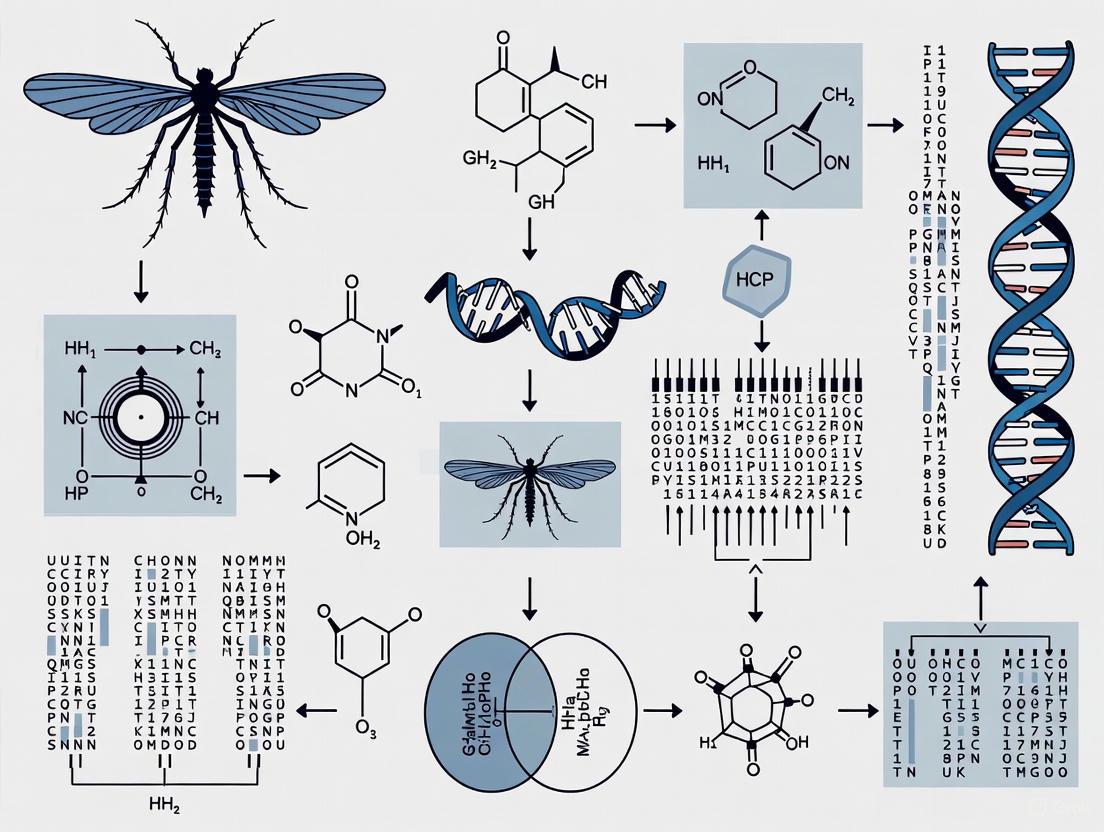
This article provides a comprehensive analysis of structural variants (SVs) in mosquito genomes, exploring their impact on vector biology, evolution, and disease transmission mechanisms.
Comparative Analysis of Structural Variants in Mosquito Genomes: Insights for Vector Biology and Disease Control
Abstract
This article provides a comprehensive analysis of structural variants (SVs) in mosquito genomes, exploring their impact on vector biology, evolution, and disease transmission mechanisms. Targeting researchers and drug development professionals, we examine foundational genomic architecture across Anopheles species, evaluate cutting-edge SV detection methodologies from short-read to long-read sequencing, address troubleshooting in complex repetitive regions, and present validation through comparative phylogenomics. The synthesis highlights how SV research enables innovative vector control strategies, including CRISPR-based gene drives, and outlines future directions for translating genomic discoveries into clinical applications against mosquito-borne diseases like malaria.
Unraveling Mosquito Genome Architecture: Structural Variants as Drivers of Evolution and Adaptation
Structural variants (SVs) represent a significant class of genetic mutations that include large deletions, insertions, inversions, and translocations. In disease vectors like mosquitoes, these variants play crucial roles in genome evolution, adaptation, and potentially in vector competence. This guide provides a comparative analysis of experimental approaches for SV detection, focusing on their applications in mosquito genomics research. We evaluate the performance of leading protocols based on sensitivity, specificity, and practical implementation requirements, providing researchers with objective data to select appropriate methodologies for their specific research objectives.
Experimental Protocols for SV Detection
Hi-C for Chromatin Architecture and SV Analysis
Principle: Hi-C (High-throughput Chromosome Conformation Capture) identifies genome-wide chromatin interactions by crosslinking spatially proximal DNA regions, followed by sequencing and computational reconstruction of three-dimensional genome organization. This method can reveal SVs through distinctive patterns in interaction maps [1].
Detailed Protocol:
- Crosslinking: Use 1-2% formaldehyde to fix 15-18 hour mosquito embryos or adult tissue for 10 minutes at room temperature.
- Cell Lysis: Lyse cells and digest chromatin with a restriction enzyme (e.g., DpnII, HindIII, or MboI).
- Fill-in and Marking: Fill in restriction fragment overhangs with nucleotides containing biotin.
- Ligation: Perform proximity ligation under dilute conditions to favor junctions between crosslinked fragments.
- Reverse Crosslinking: Purify DNA and remove biotin from unligated ends.
- Shearing and Pull-down: Shear DNA to 300-500 bp fragments and isolate biotin-labeled ligation junctions using streptavidin beads.
- Library Prep and Sequencing: Construct sequencing libraries and perform paired-end sequencing on Illumina platforms (aim for 60-194 million alignable reads as in [1]).
Data Analysis: Process reads using pipelines like 3D-DNA or Juicer. Align to a reference genome, filter PCR duplicates, and generate contact matrices. Identify SVs from abnormal contact patterns (e.g., "butterfly" patterns for inversions) and assemble using tools like 3D-DNA.
Structural Variant Search (SVS) for Low-Abundance SVs
Principle: SVS detects ultra-rare, non-clonal somatic SVs from low-coverage sequencing data by leveraging a chimera-free library protocol and a non-consensus split-read algorithm, requiring only a single supporting read [2].
Detailed Protocol:
- DNA Extraction: Isolate high molecular weight DNA from mosquito samples (e.g., whole adults or specific tissues).
- Chimera-free Library Prep: Use the MuPlus transposon-based library preparation protocol to avoid ligation-mediated artifacts.
- Sequencing: Sequence on platforms like Ion Proton with low coverage (~0.3x per library). Multiplex 6-12 libraries per run.
- SV Calling:
- Step 1 - Identification: Use a split-read approach to find potential SV breakpoints.
- Step 2 - Filtering: Remove potential technical and mapping artifacts.
- Step 3 - Classification: Distinguish somatic from germline SVs by identifying variants recurring in independent libraries (germline) versus unique events (somatic).
Data Analysis: Manually inspect split reads for breakpoint microhomology (≥5 nt). An elevated microhomology frequency in treated samples (e.g., 4.9% for bleomycin) suggests specific DNA repair mechanisms [2].
Comparative Performance Analysis of SV Detection Methods
The following tables summarize the quantitative performance and operational characteristics of the primary SV detection methods discussed.
Table 1: Experimental Performance Metrics of SV Detection Methods
| Method | Reported Sensitivity | Reported Specificity | Variant Size Range | Limit of Detection |
|---|---|---|---|---|
| Hi-C for SV Detection | Not explicitly quantified for SVs | Identifies polymorphic inversions via "butterfly" patterns [1] | Large SVs (>10 kb) | Can detect heterozygous inversions in populations [1] |
| SVS (Structural Variant Search) | 36.2% (for CaSki HPV integrations) [2] | 95% (for CaSki HPV integrations) [2] | >200 nt (to avoid polymerase slippage) [2] | 47 SVs per cell at ~0.3x sequencing coverage [2] |
| Long-Read Sequencing (e.g., ONT) | Varies by caller and size; higher for ≥250 bp SVs [3] | FDR: 6.91% (deletions ≥250 bp), 19.14% (deletions <250 bp) [3] | 50 bp - Several kb | Not explicitly stated |
Table 2: Operational and Application Characteristics
| Method | Required Input Material | Typical Coverage | Key Applications in Mosquito Research | Technical Challenges |
|---|---|---|---|---|
| Hi-C for SV Detection | 15-18 h embryos or adult mosquitoes [1] | 60-194 million unique alignable reads [1] | - Chromosome-level scaffolding- Inversion polymorphism detection- 3D genome evolution studies [1] | - Complex data analysis- High sequencing depth required- Distinguishing topological boundaries from SVs |
| SVS (Structural Variant Search) | High molecular weight DNA [2] | Ultra-low coverage (~0.3x per library) [2] | - Quantifying clastogen-induced somSVs- Studying SV spectra under different insults [2] | - Requires specialized MuPlus protocol- Lower absolute sensitivity- Distinguishing unique somatic events from artifacts |
| Long-Read Sequencing (e.g., ONT) | High molecular weight DNA [3] | Intermediate coverage (median 16.9x) [3] | - Population-scale SV discovery- MEI and complex SV characterization [3] | - High DNA quantity/quality needs- Computational resources for analysis |
Visualizing Experimental Workflows
The following diagrams illustrate the logical workflows for the key experimental protocols discussed, providing researchers with clear procedural overviews.
Hi-C Workflow for 3D Genome and SV Analysis
SVS Workflow for Low-Abundance SVs
The Scientist's Toolkit: Essential Research Reagents and Solutions
Table 3: Key Research Reagents and Solutions for SV Studies in Mosquito Vectors
| Reagent/Solution | Primary Function | Specific Application Examples |
|---|---|---|
| Formaldehyde (1-2%) | Crosslinking agent for spatial genome organization | Fixing chromatin conformations in mosquito embryos for Hi-C [1] |
| Restriction Enzymes (DpnII, MboI, HindIII) | Digest crosslinked DNA into manageable fragments | Creating cohesive ends for biotin fill-in during Hi-C library prep [1] |
| Biotin-dNTPs | Labeling DNA ends for selective purification | Marking ligation junctions in Hi-C to pull down chimeric fragments [1] |
| Streptavidin Beads | Affinity purification of biotinylated molecules | Isulating biotin-labeled ligation products in Hi-C protocol [1] |
| MuPlus Transposase | Fragmentation and adapter ligation without chemical ligation | Creating chimera-free sequencing libraries for SVS to reduce false positives [2] |
| Clastogens (e.g., Bleomycin, Etoposide) | Inducing DNA double-strand breaks | Generating positive control somatic SVs for assay validation in mosquito cells [2] |
| PacBio HiFi / ONT Ultra-Long Reads | Long-read sequencing technologies | Resolving complex genomic regions and SVs in mosquito genome assemblies [4] [3] |
The comparative analysis of structural variant detection methods reveals a trade-off between resolution, sensitivity, and throughput in mosquito genomics research. Hi-C provides unparalleled insights into 3D genome architecture and large inversions but requires specialized computational expertise. SVS offers unique capability for quantifying low-frequency somatic variants but has lower absolute sensitivity. Emerging long-read sequencing technologies show promise for comprehensive SV discovery, though their application in mosquitoes currently lags behind human genomics. The optimal methodological choice depends critically on the specific research question—whether investigating population-level polymorphisms, rare somatic events, or evolutionary structural genomics. Future directions will likely involve integrating these complementary approaches to fully elucidate the functional impact of structural variants on mosquito vector competence and genome evolution.
Chromatin Organization and 3D Genome Architecture in Anopheles Species
The study of three-dimensional (3D) genome architecture has emerged as a crucial frontier in understanding gene regulation in malaria vectors. 3D chromatin organization refers to the spatial arrangement of genetic material within the nucleus, a hierarchical structure encompassing chromosome territories, domains, and subdomains that profoundly influence gene expression [5]. While principles of chromatin organization have been extensively studied in model organisms like Drosophila melanogaster, research in Anopheles mosquitoes has accelerated recently, revealing both conserved features and unique evolutionary adaptations [5] [6]. This architectural framework plays a pivotal role in vector competence, environmental adaptation, and insecticide resistance—factors that directly impact malaria transmission dynamics. The comparative analysis of chromatin organization across multiple Anopheles species provides not only fundamental biological insights but also potential avenues for novel vector control strategies by uncovering the regulatory genome underlying mosquito biology and parasite interactions.
Experimental Approaches for Mapping 3D Genome Architecture
Core Methodological Frameworks
Investigating 3D genome organization in Anopheles species relies on a suite of complementary technologies that collectively provide a multi-scale view of chromatin architecture. Hi-C, a high-throughput derivative of chromosome conformation capture (3C), serves as the cornerstone method, enabling genome-wide profiling of chromatin interactions through crosslinking, digestion, ligation, and sequencing of spatially proximate DNA fragments [6]. This approach has been instrumental in generating chromosome-level assemblies for multiple Anopheles species, overcoming challenges posed by highly repetitive DNA clusters that traditional sequencing methods struggle to resolve [6]. The integration of Hi-C with PacBio long-read sequencing has proven particularly powerful for de novo genome assembly, as demonstrated in studies of An. coluzzii, An. merus, and An. stephensi [6].
Supplementary techniques provide critical validation and functional insights. Fluorescence in situ hybridization (FISH) enables direct visualization of chromosomal territories and specific genomic loci within intact nuclei, confirming organizational patterns observed in Hi-C data [5] [6]. Chromatin immunoprecipitation followed by sequencing (ChIP-seq) maps the genomic distribution of histone modifications and chromatin-associated proteins, revealing epigenetic signatures that correlate with architectural features [6]. Additionally, RNA-seq profiles transcriptional outputs, allowing researchers to connect spatial genome organization with gene expression patterns [6]. This multi-modal approach has been successfully applied across five Anopheles species representing approximately 100 million years of evolutionary divergence, providing an unprecedented comparative view of mosquito chromatin architecture [6].
Visualizing Experimental Workflows
The following diagram illustrates the integrated experimental and computational pipeline for comparative 3D genome analysis in Anopheles species:
Comparative Analysis of 3D Genome Features Across Anopheles Species
Fundamental Organizational Principles
Comprehensive comparative studies across five Anopheles species representing approximately 100 million years of evolutionary divergence have revealed both conserved and divergent features of 3D genome architecture [6]. All examined species display a Rabl-like configuration, where centromeres and telomeres attach to opposite nuclear poles, potentially reducing DNA entanglement [5]. This organization is characterized by the partitioning of genomes into chromosomal territories corresponding to the X, 2R, 2L, 3R, and 3L arms, with intra-chromosomal interactions dominating over inter-chromosomal contacts [6]. The compartmentalization of chromatin into active (A) and inactive (B) compartments follows principles observed in other eukaryotes, with A-compartments enriched in expressed genes and open chromatin marks, while B-compartments associate with heterochromatic regions and gene repression [6].
Unlike mammalian systems where CTCF-mediated loop extrusion plays a dominant organizational role, Anopheles genomes appear to rely more heavily on compartment-driven segregation of active and repressed chromatin [6]. This mechanism shares similarities with Drosophila but exhibits distinct features, including the identification of extremely long-ranged looping interactions that have remained conserved for approximately 100 million years [6]. These stable long-range loops operate through mechanisms distinct from Polycomb-dependent interactions or clustering of active chromatin, suggesting mosquito-specific innovations in genome folding [6]. The conservation of these architectural principles across diverse Anopheles lineages indicates fundamental functional importance, potentially related to developmental gene regulation or environmental response mechanisms critical for vectorial capacity.
Quantitative Comparison of Genomic and Architectural Features
Table 1: Genomic Features and Hi-C Sequencing Metrics Across Anopheles Species
| Species | Subgenus | Assembly Version | Hi-C Reads (Millions) | Synteny Block Conservation | Chromosomal Inversions |
|---|---|---|---|---|---|
| An. coluzzii | Cellia | AcolN2 | 194 | 93% (vs. An. merus) | 2.8-16 Mb polymorphic |
| An. merus | Cellia | AmerM5 | 168 | 93% (vs. An. coluzzii) | Multiple detected |
| An. stephensi | Cellia | AsteI4 | 158 | ~70% (vs. An. coluzzii) | 2Rb polymorphism |
| An. atroparvus | Anopheles | AatrE4 | 142 | ~45% (vs. An. coluzzii) | Species-specific |
| An. albimanus | Nyssorhynchus | AalbS4 | 60 | ~19% (vs. An. coluzzii) | Distinct patterns |
Table 2: Conserved Long-Range Chromatin Loops in Anopheles Genomes
| Genomic Feature | Evolutionary Conservation | Functional Association | Mechanistic Basis |
|---|---|---|---|
| Extremely long-range loops | ~100 million years | Unknown regulatory functions | Non-Polycomb, non-active chromatin |
| TAD-like domains | Retained within synteny blocks | Gene expression regulation | Compartment-driven segregation |
| Inversion breakpoints | Associated with boundaries | Chromosomal rearrangements | "Butterfly" contact patterns |
| X-chromosome organization | Reduced synteny block size | Rapid evolution | Elevated gene shuffling |
Relationship Between Genome Architecture and Structural Variants
Chromosomal Rearrangements and 3D Folding
The interplay between structural variants and 3D genome organization represents a crucial aspect of Anopheles evolutionary genomics. Hi-C contact maps have revealed that balanced inversions produce distinctive "butterfly" patterns due to the reorganization of spatial contacts within rearranged chromosomal segments [6]. These polymorphic inversions, ranging from 2.8 to 16 Mb in length, have been identified across multiple species, with the 2Rb inversion in An. stephensi representing a particularly well-characterized example [7] [6]. This 16.5 Mbp inversion exists in three genotypes—homozygous standard (2R+b/2R+b), heterozygous (2R+b/2Rb), and homozygous inverted (2Rb/2Rb)—with differential associations to ecological adaptation and insecticide resistance [7].
Comparative analyses demonstrate that synteny breakpoints between species are frequently enriched in regions of increased genomic insulation, suggesting a potential relationship between chromatin architecture and chromosomal rearrangement hotspots [6]. However, detailed investigation has revealed a confounding effect of gene density on both insulation and breakpoint distribution, indicating limited causal relationship between insulation and rearrangement predisposition [6]. The X chromosome exhibits notably smaller synteny blocks compared to autosomes across all species comparisons, consistent with previously observed elevated gene shuffling rates on this chromosome [6] [8]. This accelerated structural evolution may reflect distinctive organizational constraints or adaptive pressures on sex chromosomes.
Topologically Associating Domains (TADs) in Mosquito Genomes
The organization of Anopheles genomes into topologically associating domains (TADs) represents a fundamental level of 3D genome architecture that facilitates specific enhancer-promoter interactions while insulating neighboring regulatory landscapes [9]. While comprehensive TAD annotation across Anopheles species remains ongoing, studies have revealed both similarities and distinctions compared to other model insects. Unlike mammals where CTCF-mediated loop extrusion drives TAD formation, Anopheles TADs appear more dependent on compartment-driven mechanisms similar to those observed in Drosophila [6]. However, comparative analyses indicate that chromatin architecture demonstrates remarkable stability within synteny blocks over evolutionary timescales, with TAD-like structures potentially retained for tens of millions of years [6].
The relationship between TAD organization and chromosomal rearrangements reveals important evolutionary dynamics. Synteny breakpoints show enrichment at TAD boundaries, consistent with patterns observed in both vertebrate and Drosophila lineages [9] [6]. This association may reflect increased susceptibility to double-strand breaks in regions under topological stress, providing mechanistic insight into chromosomal rearrangement processes [9]. Despite this enrichment, the functional conservation of TAD organization appears substantial, with studies demonstrating that 3D chromatin contacts remain notably stable within syntenic blocks even as linear genome sequences diverge [6]. This preservation suggests selective maintenance of spatial genome organization likely due to functional constraints on gene regulation.
Research Reagent Solutions for Chromatin Architecture Studies
Table 3: Essential Research Reagents and Resources for Anopheles Chromatin Studies
| Reagent/Resource | Specific Application | Function and Utility |
|---|---|---|
| Hi-C Library Kits | 3D chromatin interaction profiling | Genome-wide mapping of spatial contacts |
| PacBio Sequel System | Long-read sequencing | De novo genome assembly improvement |
| Chromatin Immunoprecipitation Kits | Epigenetic mark mapping | Protein-DNA interaction analysis |
| RNA-seq Library Prep Kits | Transcriptome profiling | Gene expression correlation with architecture |
| Anopheles Genome Assemblies | Reference sequences | Comparative genomic analysis |
| 3D-DNA Pipeline | Hi-C data analysis | Chromosome-level scaffolding |
| BUSCO Tools | Assembly completeness assessment | Quality validation of genome assemblies |
Functional Implications and Evolutionary Dynamics
Regulatory Consequences of 3D Genome Organization
The 3D architecture of Anopheles genomes has profound implications for gene regulation and phenotypic expression. Spatial genome organization facilitates specific enhancer-promoter interactions that coordinate developmental gene expression, immune responses, and environmental adaptations [5] [9]. Studies of the An. gambiae bithorax complex (Hox genes) have revealed conserved regulatory landscapes with insulator elements that orchestrate precise spatiotemporal expression patterns, highlighting the functional importance of chromatin folding for proper development [5]. These architectural features enable mosquitoes to maintain transcriptional precision despite high genetic diversity and strong anthropogenic selection pressures, including insecticide exposure [10].
The relationship between chromatin architecture and insecticide resistance represents a particularly compelling research direction. Genome-wide analyses have documented extensive genetic variation in natural populations, with 57 million single-nucleotide polymorphisms and numerous copy number variants identified across 1142 wild-caught mosquitoes from 13 African countries [10]. These genetic variations are embedded within specific 3D architectural contexts that likely influence their phenotypic expression. For instance, the 2Rb inversion in An. stephensi has been implicated in adaptation to environmental heterogeneity and potentially resistance phenotypes, though the precise mechanistic connections between spatial genome organization and resistance evolution require further investigation [7].
Evolutionary Conservation and Innovation
Comparative analyses across Anopheles species reveal a complex landscape of evolutionary conservation and innovation in 3D genome architecture. On one hand, certain features exhibit remarkable stability over deep evolutionary timescales—extremely long-range looping interactions have persisted for approximately 100 million years, suggesting crucial functional roles that maintain these spatial configurations despite extensive sequence divergence [6]. Similarly, chromatin architecture within synteny blocks remains largely conserved, with contact patterns retained through tens of millions of years of evolution [6]. This preservation indicates strong selective constraints on spatial genome organization, likely due to impacts on essential gene regulatory functions.
Conversely, the X chromosome demonstrates accelerated evolutionary dynamics in both sequence and architecture. Compared to autosomes, the X chromosome exhibits smaller synteny blocks and elevated rearrangement rates across all species comparisons [6] [8]. This distinctive evolutionary pattern may reflect different selective pressures, mutation rates, or recombination dynamics on sex chromosomes. The presence of species-specific inversions and structural variants further highlights the dynamic nature of mosquito genomes, with chromosomal rearrangements potentially serving as substrates for ecological adaptation and speciation [6]. These evolutionary dynamics occur within a framework of general architectural conservation, illustrating how both stability and change in 3D genome organization have shaped Anopheles diversity and vectorial capacity.
Transposable Elements and Repeat Landscapes in Mosquito Genomes
In the field of mosquito genomics, understanding repetitive elements—particularly transposable elements (TEs) and structural variants (SVs)—is crucial for unraveling the evolutionary mechanisms underlying mosquito adaptation, insecticide resistance, and disease transmission capacity. Mosquito genomes, like those of other eukaryotes, contain substantial repetitive content that significantly influences genome architecture, size, and function [11]. These repetitive components include both transposable elements, which can move within the genome, and satellite DNA, which forms tandem repeats [11]. The comprehensive analysis of these elements, known as the "repeatome," provides critical insights into mosquito genome evolution and its functional consequences [11].
Recent research has highlighted the dynamic nature of repetitive elements in mosquito genomes, revealing their substantial contributions to adaptive evolution. For instance, in the invasive urban malaria vector Anopheles stephensi, genome structural variants have been shown to play a pivotal role in adaptations to environmental challenges and insecticides [12]. These findings underscore the importance of comparative analyses of TE landscapes across mosquito species, which can reveal patterns of genome evolution directly relevant to vector control strategies and drug development efforts.
Comparative Analysis of Repetitive Element Diversity
Methodological Framework for Comparative Analysis
The comparative analysis of transposable elements across mosquito genomes requires standardized methodologies to ensure valid interspecies comparisons. Current approaches utilize multiple bioinformatic pipelines to identify and classify repetitive elements, with Earl Grey and RepeatModeler2/RepeatMasker emerging as widely adopted tools [13]. These pipelines employ a combination of library-based, signature-based, and de novo approaches to characterize TE diversity and abundance [13].
Long-read sequencing technologies have revolutionized repeat element analysis by enabling more accurate resolution of highly repetitive genomic regions that were previously challenging to assemble [13]. For TE classification, elements are broadly categorized based on their replication mechanisms: Class I elements (retrotransposons, including LTR and non-LTR elements) replicate via an RNA intermediate using a "copy-and-paste" mechanism, while Class II elements (DNA transposons) typically employ a "cut-and-paste" mechanism, though some like Helitrons use a rolling-circle replication strategy [13] [14].
Quantitative Comparison of Repetitive Elements Across Insect Genomes
Table 1: Comparative Repeatome Statistics Across Insect Species
| Species | Family/Order | Genome Size | Total Repetitive Content | Key Dominant TE Types | Reference |
|---|---|---|---|---|---|
| Anopheles stephensi (invasive population) | Diptera (Culicidae) | Not specified | 2,988 duplications and 16,038 deletions of SVs identified | Duplications associated with insecticide resistance | [12] |
| Xylocopa violacea | Hymenoptera (Apidae) | Not specified | 82.1% | Not specified | [13] |
| Apis dorsata | Hymenoptera (Apidae) | Not specified | 4.4% | Not specified | [13] |
| Saussurella cornuta | Orthoptera (Tetrigidae) | 2.836 Gb | 60.86% | LINEs, LTR/Gypsy, LTR/Copia, DNA transposons | [11] |
| Thoradonta yunnana | Orthoptera (Tetrigidae) | 1.044 Gb | 42.82% | LINEs, LTR/Gypsy, LTR/Copia, DNA transposons | [11] |
| Antarctic midge | Diptera (Chironomidae) | Not specified | ~1% | Not specified | [14] |
| Morabine grasshoppers | Orthoptera (Acrididae) | Not specified | ~75% | Not specified | [14] |
Table 2: Transposable Element Classification and Characteristics
| TE Category | Transposition Mechanism | Key Structural Features | Representative Examples | Impact on Genome |
|---|---|---|---|---|
| Class I (Retrotransposons) | Copy-and-paste via RNA intermediate | |||
| LTR Retrotransposons | Reverse transcription with RNA intermediate | Long terminal repeats | Gypsy, Copia | Significant impact on genome size expansion |
| Non-LTR Retrotransposons | Reverse transcription with RNA intermediate | Lack long terminal repeats | LINEs, SINEs | Insertional mutations, regulatory changes |
| Class II (DNA Transposons) | Cut-and-paste or peel-and-paste | |||
| TIR Transposons | Cut-and-paste | Terminal inverted repeats, transposase gene | Various DNA transposons | Excision and reinsertion events |
| Helitrons | Peel-and-paste (rolling circle) | No terminal inverted repeats, RepHel protein | Helitrons | Gene sequence capture and amplification |
The data reveal striking variation in repetitive element content across insect genomes, with notable implications for genome size and organization. While comprehensive quantitative data specifically for major mosquito species is limited in the available literature, the patterns observed in related insect groups suggest that similar dynamics likely operate in mosquito genomes. The high-frequency structural variants in Anopheles stephensi demonstrate the adaptive potential of these genomic features in malaria vectors [12].
Experimental Methodologies for Repeatome Analysis
Genome-Wide Structural Variant Detection
The identification of structural variants in mosquito genomes employs sophisticated computational approaches applied to whole genome sequencing data. In a recent study of Anopheles stephensi, researchers analyzed 115 mosquitoes from both invasive island populations and ancestral mainland India locations [12]. The methodology involved comprehensive genome sequencing followed by specialized bioinformatic analyses to detect structural variants including duplications and deletions.
The analytical workflow for SV detection typically employs tools like CNVnator, which specializes in discovering, genotyping, and characterizing typical and atypical copy number variations from population genome sequencing [12]. For selective sweep analysis—identifying genomic regions under recent positive selection—methods such as RAiSD are employed, which detects multiple signatures of selective sweeps using SNP vectors [12]. These approaches allow researchers to distinguish neutral structural variants from those potentially contributing to adaptive evolution.
Transposable Element Annotation and Characterization
The characterization of transposable elements follows established bioinformatic pipelines optimized for repetitive element annotation. As demonstrated in large-scale bee genome analyses, the Earl Grey and RepeatModeler2/RepeatMasker pipelines provide complementary approaches for TE annotation [13]. While both yield consistent estimates of total repeat content, Earl Grey has been shown to classify a significantly greater proportion of repetitive elements, making it particularly valuable for comprehensive repeatome characterization [13].
For species without high-quality reference genomes, alternative approaches like RepeatExplorer2 and dnaPipeTE can be applied to low-coverage short-read data to identify genomic repeats, including transposable elements and satellite DNA [11]. These tools employ graph-based clustering of reads to reconstruct repetitive sequences without requiring a reference assembly, making them accessible for non-model organisms.
Phylogenetic Analysis Using Repetitive Elements
Beyond their functional implications, transposable elements have emerged as valuable phylogenetic markers, particularly for resolving relationships at lower taxonomic levels. As demonstrated in Drosophiloidea, TE-based phylogenies can effectively distinguish closely related species, with improved accuracy when using TEs exhibiting strong phylogenetic signals (Retention Index > 0.5) [14]. The methodology involves identifying species-specific TE families, quantifying their copy numbers across species, and constructing phylogenetic trees based on TE presence/absence patterns using Maximum Parsimony, Maximum Likelihood, and Bayesian Inference methods [14].
This approach has shown particular utility for species delimitation and for resolving relationships where traditional markers provide insufficient resolution. Notably, studies have found no significant difference in TE performance between genomes generated by next-generation and third-generation sequencing platforms, enhancing the methodological flexibility for mosquito phylogenetic studies [14].
Functional Implications of Repetitive Elements in Mosquito Biology
Adaptive Evolution and Insecticide Resistance
Structural variants and transposable elements play crucial roles in mosquito adaptation to environmental challenges, particularly insecticide pressure. Research on Anopheles stephensi has revealed candidate duplication mutations associated with recurrent evolution of resistance to diverse insecticides [12]. These mutations exhibit distinct population genetic signatures of recent adaptive evolution, suggesting different mechanisms of rapid adaptation involving both hard and soft selective sweeps that enable mosquito populations to thwart chemical control strategies [12].
The functional significance of these SVs is underscored by their enrichment in genomic regions with signatures of selective sweeps, despite the general tendency for structural variants to be more deleterious than amino acid polymorphisms [12]. This pattern highlights how a subset of SVs with adaptive value can rise to high frequency through positive selection, contributing to the evolutionary success of invasive mosquito populations.
Environmental Adaptation and Invasive Success
Repetitive elements also contribute to ecological adaptations that facilitate mosquito range expansion and invasion success. In Anopheles stephensi, researchers have identified candidate structural variants associated with larval tolerance to brackish water, representing a crucial adaptation in island and coastal populations [12]. This finding demonstrates how TE-mediated genomic variation can enable colonization of new ecological niches by altering physiological tolerances.
Notably, nearly all high-frequency structural variants and candidate adaptive variants in invasive island populations of Anopheles stephensi are derived from mainland populations, suggesting a substantial contribution of standing genetic variation to invasion success rather than solely relying on new mutations [12]. This pattern emphasizes the importance of characterizing repetitive element diversity across the native range of mosquito species to predict and manage future invasion pathways.
Research Reagent Solutions for TE Analysis
Table 3: Essential Research Reagents and Computational Tools for TE Analysis
| Resource Category | Specific Tools/Reagents | Primary Function | Application Context |
|---|---|---|---|
| Bioinformatic Pipelines | Earl Grey | De novo repeat annotation | Comprehensive TE identification and classification |
| RepeatModeler2/RepeatMasker | Library-based repeat identification | Comparative repeat masking across species | |
| CNVnator | Structural variant discovery and genotyping | Detection of CNVs from population sequencing data | |
| RAiSD | Selective sweep detection | Identification of genomic regions under selection | |
| Analytical Frameworks | RepeatExplorer2 | Graph-based repeat characterization | TE analysis without reference genome |
| dnaPipeTE | Repeat content estimation from low-coverage data | Rapid assessment of repeat composition | |
| Experimental Resources | Whole genome sequencing data | Variant discovery and genotyping | Population genomic analyses of TEs and SVs |
| Mitochondrial genomes (MitoZ) | Phylogenetic framework | Evolutionary analysis of TE dynamics |
The comparative analysis of transposable elements and repeat landscapes in mosquito genomes reveals the dynamic evolutionary processes shaping vector biology and disease transmission potential. Methodological advances in genome sequencing and bioinformatic analysis have enabled researchers to move beyond simply documenting TE abundance to understanding the functional consequences of this genomic variation. The evidence from Anopheles stephensi demonstrates how structural variants and repetitive elements contribute to adaptive traits including insecticide resistance and environmental tolerance, highlighting their importance in vector control strategies.
Future research directions should include more comprehensive comparative analyses across major malaria vector species, integrated functional validation of candidate adaptive TEs, and development of targeted approaches to manipulate repetitive elements for vector control. As methodological approaches continue to advance, the study of transposable elements in mosquito genomes will undoubtedly yield further insights into vector evolution and novel opportunities for intervention.
Synteny Blocks and Chromosomal Rearrangements Across Mosquito Phylogeny
The study of genomic architecture, specifically the conservation of synteny blocks and the occurrence of chromosomal rearrangements, provides critical insights into the evolutionary history, adaptive processes, and functional genomics of mosquito vectors. Comparative genomic analyses across multiple Anopheles species have revealed that chromosomes are hierarchically folded within cell nuclei, and patterns observed on chromatin interaction maps are closely associated with evolutionary dynamics, epigenetic profiles, and gene expression levels [1]. Understanding these elements is not only fundamental to evolutionary biology but also has practical implications for vector control, as chromosomal rearrangements are implicated in insecticide resistance and adaptation to environmental stresses [15] [16].
Mosquitoes of the family Culicidae are evolutionarily ancient, with the Anophelinae and Culicinae subfamilies diverging approximately 147–213 million years ago (MYA) [15]. Despite this deep divergence, the karyotype (chromosome number) is remarkably conserved; most mosquito species possess six chromosomes (2n=6) [15]. However, genome composition, including chromosome arm associations (e.g., whole-arm translocations) and size, differs dramatically between subfamilies, driven by large-scale structural variations [15]. The study of synteny and rearrangements allows researchers to reconstruct phylogenetic relationships, trace migration routes, and identify genomic regions associated with epidemiologically important traits.
Methodologies for Delineating Synteny and Rearrangements
Advanced sequencing technologies and bioinformatic pipelines are required to detect and validate structural variants (SVs), which include chromosomal rearrangements such as inversions, translocations, and copy number variants [17] [18]. The following section details the key experimental and computational protocols used in contemporary mosquito genomics research.
Genome Sequencing and Assembly
Generating high-quality, chromosome-level genome assemblies is the foundational step for comparative analysis.
- Long-Read Sequencing (LRS): Technologies such as PacBio HiFi and Oxford Nanopore Technologies (ONT) generate reads that are 10 kb to over 100 kb in length. These long reads are essential for spanning highly repetitive regions and large structural variants, thereby enabling more complete and accurate genome assemblies [19] [4]. Hi-C data, which captures chromatin conformation, is often used to scaffold contigs into chromosome-length assemblies [1].
- Assembly and Phasing: De novo assembly pipelines (e.g., Verkko, 3D-DNA) are employed to reconstruct genomes from long reads. Phasing information to resolve both haplotypes is achieved using methods such as Strand-seq, trio-based approaches, or Hi-C data [4]. The resulting chromosome-level assemblies are validated against available physical genome maps and assessed for completeness using metrics like BUSCO scores [1].
Detection of Structural Variants and Synteny Blocks
Once assemblies are generated, comparative genomics methods are applied.
- Structural Variant Calling: A combination of SV detection algorithms (e.g., cuteSV, Sniffles, pbsv for long-read data) is used to identify deletions, duplications, inversions, and translocations. To ensure high-confidence call sets, a common practice is to consider SVs identified by multiple algorithms [19].
- Synteny Block Identification: Genomes of different species are aligned using whole-genome aligners. Blocks of conserved synteny are defined as homologous genomic regions where the gene order is conserved between species. Synteny breakpoints mark the boundaries between these blocks and are often associated with chromosomal rearrangements [1]. This analysis can reveal evolutionary breakpoint regions and the stability of different chromosomal arms over time.
Table 1: Key Experimental Methodologies for Mosquito Genomics
| Methodology | Primary Function | Key Outcome Metrics |
|---|---|---|
| PacBio HiFi / ONT Sequencing | Generate long, accurate reads for assembly | Read length N50, base-level accuracy (Quality Value) |
| Hi-C Sequencing | Scaffold contigs into chromosomes; study 3D genome | Percentage of assembly anchored to chromosomes; N50 |
| Strand-seq | Phasing of haplotypes | Phasing accuracy and contiguity |
| Whole-Genome Alignment | Identify syntenic regions and breakpoints | Number and length of synteny blocks; rearrangement types |
| Multiple SV Caller Integration | Generate high-confidence SV sets | Recall (sensitivity) and precision of SV detection |
Experimental Workflow Visualization
The following diagram illustrates the logical workflow from sample preparation to evolutionary inference, integrating the methodologies described above.
Comparative Analysis of Mosquito Genomes
Applying these methodologies to multiple mosquito species has yielded quantitative insights into the dynamics of genome evolution.
Synteny Block Conservation and Evolutionary Distance
An analysis of five Anopheles species—An. coluzzii, An. merus, An. stephensi, An. atroparvus, and An. albimanus—which represent divergence times up to 100 million years, demonstrates a clear relationship between evolutionary time and genomic architecture [1].
- Synteny Block Number and Length: The number of synteny blocks increases with evolutionary distance, while their average length decreases. For example, closely related species like An. coluzzii and An. merus (diverged ~0.5 MYA) have fewer, longer synteny blocks. In contrast, more distantly related species, such as the comparison between An. coluzzii and An. albimanus, exhibit a higher number of shorter blocks due to an accumulation of rearrangements over time [1].
- Chromosomal Differences: The X chromosome consistently shows smaller synteny blocks and a higher rate of gene shuffling compared to autosomes across all studied species, indicating it is a hotspot for chromosomal rearrangements [1] [15].
Table 2: Synteny Block Dynamics Across Anopheles Phylogeny
| Species Comparison | Evolutionary Distance (Million Years) | Trend in Synteny Block Number | Trend in Synteny Block Length | Observations on X Chromosome |
|---|---|---|---|---|
| An. coluzzii vs An. merus | ~0.5 | Lower | Longer | Elevated shuffling relative to autosomes |
| An. coluzzii vs An. stephensi | Intermediate | Intermediate | Intermediate | Smaller synteny blocks than autosomes |
| An. coluzzii vs An. albimanus | ~100 | Higher | Shorter | Highest rearrangement rate; smallest blocks |
Macroevolutionary Impact of Chromosomal Rearrangements
At the macroevolutionary scale (between species and above), chromosomal rearrangements, particularly whole-arm translocations and inversions, have shaped the distinct genomic landscapes of mosquito lineages.
- Subfamily Differences: A comparison between Anophelinae and Culicinae subfamilies reveals dramatic differences. Culicinae genomes can be up to five times larger, primarily due to the expansion of transposable elements. Furthermore, the sex-determination systems differ, with Anophelinae having heteromorphic X and Y chromosomes, while in Culicini and Aedini tribes, the sex-determining locus is located on an autosome [15].
- Phylogenomics and Migration: Phylogenomic analysis of the Holarctic Maculipennis Group (e.g., An. freeborni, An. quadrimaculatus, An. atroparvus, An. messeae) using 1271 orthologous genes supports a migration event from North America to Eurasia via the Bering Land Bridge approximately 20–25 MYA. This was followed by adaptive radiation, giving rise to the Palearctic species [20]. These studies rely on accurately identified orthologs, for which synteny is a reliable method [21].
Microevolutionary Impact of Chromosomal Inversions
At the microevolutionary scale (within species), polymorphic inversions are a major driver of local adaptation.
- Adaptation to Environmental Stress: Autosomal inversions maintain sets of co-adapted alleles as "supergenes," allowing mosquito populations to rapidly adapt to environmental pressures, including insecticides [15] [16].
- Detection via Hi-C: Hi-C contact maps can identify polymorphic inversions in population samples by their characteristic "butterfly" pattern. For instance, a ~16 Mb polymorphic inversion on the 2R arm of An. stephensi (inversion 2Rb) was detected this way, showing both standard and inverted arrangements in the population [1].
Cut-edge research in this field relies on a suite of biological materials, data resources, and computational tools.
Table 3: Key Research Reagent Solutions for Mosquito Genomics
| Resource Category | Specific Examples | Function and Application |
|---|---|---|
| Reference Genomes | VectorBase, NCBI Genome | Baseline for variant calling, comparative genomics, and synteny analysis. |
| Biological Samples | Cell lines (e.g., lymphoblastoid), live specimens from populations [4] | Source of genomic DNA for sequencing and functional validation studies. |
| Variant Databases | dbSNP, dbVar, DGV, gnomAD-SV [17] [22] | Catalog known polymorphisms and SVs; filter benign variants in disease studies. |
| Clinical/Evolutionary Databases | DECIPHER, ClinVar, HGSVC [4] [17] | Correlate SVs with phenotypic outcomes and evolutionary patterns. |
| Specialized Software | OrthoFinder (orthology), Minimap2 (alignment), ASTRAL (species tree) [21] | Identify orthologs, align sequences, and reconstruct phylogenetic relationships. |
The comparative analysis of synteny blocks and chromosomal rearrangements across mosquito phylogeny reveals a dynamic genomic landscape shaped by evolutionary forces over millions of years. Key findings indicate that synteny is largely conserved within blocks over long evolutionary periods, while rearrangement breakpoints are non-randomly distributed, with the X chromosome being a rearrangement hotspot [1] [15]. These rearrangements have profound implications, from facilitating adaptive radiation following continental migration [20] to enabling rapid microevolutionary adaptation to vector control measures [15]. The continued refinement of sequencing technologies and bioinformatic tools will further enhance our resolution of structural variation, deepening our understanding of mosquito evolution and empowering more effective vector management strategies.
The study of genomic structural variants (SVs) is crucial for understanding the evolutionary dynamics of both disease vectors and plant genomes. In the context of mosquito research, SVs—including duplications and deletions—have been identified as key drivers of adaptive success in major malaria vectors like Anopheles stephensi, facilitating insecticide resistance and larval tolerance to brackish water [12] [23]. Similarly, in the model legume Medicago truncatula, a reciprocal translocation between chromosomes 4 and 8 in the reference accession A17 provides a powerful system for investigating the mechanisms and consequences of balanced chromosomal rearrangements [24] [25]. This case study examines the M. truncatula A17 translocation as a model for SV analysis, with methodologies and insights directly relevant to comparative genomic studies in mosquito populations.
The A17 Reciprocal Translocation: Characterization and Detection
Discovery and Cytogenetic Evidence
The reciprocal translocation in M. truncatula accession A17 was initially identified through observations of semisterility in intraspecific hybrids. Genetic mapping revealed unexpected linkage between markers on chromosomes 4 and 8, indicating an apparent genetic connection between the lower arms of these chromosomes [24]. This rearrangement represents a large-scale balanced translocation involving approximately 30 Mb of exchanged sequence [25].
Pollen viability tests using Alexander's stain provided key biological evidence, with F1 hybrids from crosses involving A17 consistently showing 50% or less pollen viability—a classic indicator of heterozygous translocation [24]. This reduction occurs because translocation heterozygotes produce unbalanced gametes due to aberrant meiosis segregation patterns.
Genomic Confirmation and Comparative Assembly
Advanced genomic technologies have precisely characterized this translocation. Hi-C sequencing of the R108 accession enabled chromosome-scale assembly and clear visualization of the translocation when compared to A17 [25]. The integration of optical mapping and genotyping-by-sequencing (GBS) maps further validated the chromosomal rearrangement [26]. These approaches revealed that the A17 genome contains a reciprocal translocation between chromosomes 4 and 8, while other accessions like R108 maintain the ancestral chromosomal configuration [25].
Table 1: Key Characteristics of Medicago truncatula Accessions
| Accession | Chromosomal Configuration | Transformation Efficiency | Research Utility |
|---|---|---|---|
| Jemalong A17 | Reciprocal translocation between chromosomes 4 and 8 [24] [25] | Low [25] | Reference genome sequence [25] |
| R108 | Standard chromosomal arrangement (no 4/8 translocation) [25] | High [25] | Preferred for functional genomics and Tnt1 mutant studies [25] |
Experimental Protocols for Translocation Analysis
Genetic Mapping and Phenotypic Screening
The initial detection of the A17 translocation followed a well-established protocol:
- Crossing Scheme: Generate intraspecific hybrids between A17 and other accessions representing diverse genetic backgrounds [24].
- Pollen Viability Assessment: Collect flowers from F1 plants and stain pollen with Alexander's stain, which differentially stains viable (red) versus aborted (green) pollen grains [24].
- Microscopic Evaluation: Examine stained pollen under light microscopy and calculate the percentage of viable pollen. Semisterility (approximately 50% viability) suggests heterozygous translocation [24].
- Genetic Linkage Analysis: Construct genetic maps using molecular markers and identify unexpected linkages between non-homologous chromosomes [24].
Whole-Genome Sequencing and Structural Variant Detection
Modern approaches utilize sequencing-based methods for translocation detection:
- Library Preparation: Generate paired-end sequencing libraries with insert sizes appropriate for detecting chromosomal rearrangements (typically 300-500bp) [27].
- Sequencing: Sequence to a minimum of 20x coverage using short-read platforms (Illumina) for reliable SV detection [27].
Bioinformatic Analysis:
- Align sequences to a reference genome
- Identify discordant read pairs (mates mapping to different chromosomes or unexpected orientations)
- Detect split reads (single reads spanning breakpoints)
- Use SV calling tools like DELLY to identify translocation breakpoints [27]
Validation: Confirm predicted breakpoints using PCR amplification and Sanger sequencing across junction regions [27].
Hi-C for Chromosome-Scale Assembly
For comprehensive translocation characterization:
- Cross-linking: Fix chromatin with formaldehyde in intact nuclei [25].
- Digestion and Marking: Digest DNA with restriction enzymes and label cleavage ends [25].
- Proximity Ligation: Ligate cross-linked DNA fragments to capture three-dimensional genomic contacts [25].
- Sequence and Analyze: Generate high-throughput sequencing data and construct contact probability maps [25].
- Scaffolding: Use contact maps to anchor, order, and orient contigs into chromosome-scale assemblies, revealing large-scale rearrangements like the A17 translocation [25].
Comparative Genomic Analysis: A17 versus R108
The comparison between A17 and R108 genomes provides unique insights into translocation effects:
Table 2: Genomic Assembly Statistics for M. truncatula Accessions
| Assembly Metric | A17 (Mt5.0) | R108 (v1.0) | R108 (MedtrR108_hic) |
|---|---|---|---|
| Total Assembly Size | ~400 Mb [25] | 402 Mb [25] | ~400 Mb [25] |
| Chromosome-length Scaffolds | 8 [25] | 0 (909 total scaffolds) [25] | 8 [25] |
| Anchored Sequence | Not specified | Not specified | 97.62% [25] |
| Protein-coding Genes | 44,623 [25] | 55,706 [25] | 39,027 [25] |
| Complete BUSCOs | Comparable to R108_hic [25] | 91.94% [25] | 96.73% [25] |
The reciprocal translocation in A17 has significant implications for genetic studies:
- Aberrant Recombination: Genetic crosses between A17 and other accessions show distorted recombination patterns [25]
- Synteny Disruption: Complicates comparative genomics with other legume species [24] [25]
- Transformation Efficiency: A17 has low transformation efficiency compared to R108, limiting its utility for functional genomics [25]
Research Toolkit for Translocation Studies
Table 3: Essential Research Reagents and Resources
| Resource/Reagent | Function/Application | Example in Current Context |
|---|---|---|
| Alexander's Stain | Differential staining of viable vs. non-viable pollen [24] | Detection of semisterility in translocation heterozygotes [24] |
| Hi-C Technology | Capturing chromatin conformation for chromosome-scale scaffolding [25] | Anchoring R108 genome assembly and visualizing A17 translocation [25] |
| Tnt1 Insertion Lines | Gene disruption and functional genomics [25] | R108 mutant population for legume functional analysis [25] |
| DELLY Software | Structural variant calling from sequencing data [27] | Detection of balanced reciprocal translocations in sequenced genomes [27] |
| Optical Mapping | Physical mapping of large DNA molecules [26] | Validation and scaffolding of genome assemblies [26] |
| GBS (Genotyping-by-Sequencing) | High-density genetic marker discovery [26] | Genetic map construction for genome anchoring [26] |
Implications for Mosquito Genomic Research
The methodologies and insights from M. truncatula translocation studies directly inform mosquito genomic research:
SV Detection Protocols: The sequencing and bioinformatic approaches used to characterize the A17 translocation are equally applicable to identifying SVs in mosquito genomes, including the duplications linked to insecticide resistance in Anopheles stephensi [12] [23].
Adaptive Evolution: Similar to how the A17 translocation affects fertility and genome organization, SVs in mosquito populations show signatures of positive selection and contribute to rapid adaptation to environmental challenges [12].
Comparative Genomics: The synteny disruption observed between A17 and R108 parallels findings in mosquito studies, where SVs create population-specific genomic architectures that influence invasive potential and insecticide resistance [12] [23].
Diagram 1: Workflow for Reciprocal Translocation Analysis. This diagram illustrates the complementary approaches for identifying chromosomal translocations, integrating both classical genetic and modern genomic methods.
Diagram 2: Mechanism and Consequences of Reciprocal Translocation. This diagram illustrates the chromosomal exchange in A17 and its meiotic implications, explaining the observed semisterility.
The reciprocal translocation in M. truncatula A17 serves as an exemplary model for investigating balanced chromosomal rearrangements, with direct methodological and conceptual relevance to SV research in mosquito genomes. The integrated approaches developed for its characterization—combining classical genetics, modern sequencing technologies, and bioinformatic analyses—provide a powerful framework for identifying and understanding the functional significance of SVs across diverse species. As demonstrated in both plant and mosquito systems, structural variants represent crucial mechanisms of rapid adaptation, with profound implications for agricultural productivity and disease vector control.
Advanced Technologies for SV Detection: From Hi-C Scaffolding to CRISPR Screening Platforms
Hi-C Data for Chromosome-Scale Genome Assembly in Anopheles
The study of mosquito genomes is critical for understanding their role as disease vectors and for developing targeted control strategies. For Anopheles mosquitoes, the primary vectors of malaria, chromosome-scale genome assemblies are indispensable for researching fundamental biological processes such as insecticide resistance, gene drive systems, and chromosomal evolution [28]. Hi-C sequencing, a genome-wide chromosome conformation capture technique, has revolutionized this field by enabling researchers to transform fragmented draft assemblies into complete, chromosome-length sequences. This guide provides a comparative analysis of Hi-C methodologies and their application in Anopheles genomic research, offering experimental data and protocols to inform researchers' experimental design.
Experimental Protocols for Hi-C in Anopheles
Sample Preparation and Library Construction
Successful Hi-C scaffolding begins with proper sample preparation and library construction. The process starts with chromatin fixation using formaldehyde to preserve the 3D architecture of the genome inside the nucleus [29]. The fixed chromatin is then digested with restriction enzymes—commonly targeting GATC and GANTC sites—followed by fill-in of the 5'-overhangs with biotinylated nucleotides to label the digested ends [30]. Spatially proximal ends are then ligated before the DNA is purified, sheared, and prepared for paired-end sequencing on Illumina platforms [30].
Multiple commercial kits are available, each with specific advantages. The traditional protocol by Rao et al. uses MboI (cuts at "GATC") with a 2-hour to overnight digestion, while iconHi-C uses HindIII (cuts at "AAGCTT") or DpnII (cuts at "GATC") with overnight digestion [29]. Commercial kits like the Arima-HiC Kit employ optimized enzyme cocktails for more efficient digestion (30-60 minutes) [29]. The Omni-C kit differs by using a sequence-independent endonuclease and dual crosslinking with DSG and formaldehyde to capture more proximal contacts [29].
For Anopheles species, researchers have successfully employed these methods across various life stages. One comprehensive study utilized 15-18 hour embryos from five Anopheles species, while another generated a high-quality assembly using a pool of adult mosquitoes from the FUMOZ colony [1] [31]. The library construction typically yields 60-194 million unique alignable reads per species, providing sufficient coverage for chromosome-scale scaffolding [1].
Genome Assembly and Scaffolding Workflow
The computational process of transforming sequencing data into chromosome-scale assemblies involves multiple steps of increasing scale and complexity, as illustrated below:
The process begins with generating long-read sequencing data (PacBio or Oxford Nanopore) to create a primary contig assembly [31] [28]. Hi-C reads are then aligned to these contigs, and pairs mapping to different contigs are used to construct a scaffold graph [30]. Contigs are clustered, ordered, and oriented into chromosome-scale scaffolds using the contact frequency information [32]. The final assembly undergoes rigorous evaluation using metrics such as BUSCO completeness scores, contact map visualization, and comparison to physical maps [1] [31].
Advanced methods like SALSA2 incorporate the assembly graph to correct orientation errors, particularly valuable when working with shorter contigs where biological factors like topologically associated domains (TADs) can confound analysis [30]. This approach uses an iterative scaffolding method with a novel stopping condition that naturally terminates when accurate Hi-C links are exhausted, without requiring a priori knowledge of chromosome number [30].
Performance Comparison of Hi-C Scaffolding Approaches
Assembly Metrics Across Anopheles Species
Hi-C scaffolding has been successfully applied to multiple Anopheles species, significantly improving assembly continuity and completeness. The table below summarizes key performance metrics from published studies:
Table 1: Performance of Hi-C scaffolding across Anopheles species
| Species | Contig N50 (pre-Hi-C) | Scaffold N50 (post-Hi-C) | BUSCO Completeness | Chromosomes Assembled | Study |
|---|---|---|---|---|---|
| An. funestus (AfunF3) | 631.7 kb | 93.8 Mb | 99.2% | 3 | [31] |
| An. stephensi (UCISS2018) | 38.0 Mb | 88.7 Mb | 99.2% | 3 (plus Y contigs) | [28] |
| An. coluzzii (AcolN2) | ~3.5 Mb (scaffold) | Chromosome-level | N/A | 5 arms | [1] |
| An. albimanus (AalbS4) | Scaffold-level | Chromosome-level | N/A | 5 arms | [1] |
The data demonstrates dramatic improvements in assembly continuity, with scaffold N50 values increasing to megabase scales. The An. stephensi assembly represents particular success, achieving a contig N50 of 38 Mb and scaffold N50 of 88.7 Mb, making it comparable to the Drosophila melanogaster reference genome considered a gold standard for metazoan genomes [28]. This 1044-fold and 56-fold increase in contig N50 and scaffold N50, respectively, over the previous draft assembly enabled the discovery of previously hidden genomic features, including 29 new members of insecticide resistance genes and 2.4 Mb of Y chromosome sequence [28].
Comparison of Computational Methods
Various computational tools are available for Hi-C scaffolding, each with different strengths and requirements:
Table 2: Comparison of Hi-C scaffolding algorithms
| Method | Key Features | Advantages | Limitations | Citation |
|---|---|---|---|---|
| SALSA2 | Uses assembly graph to guide scaffolding; iterative approach with automatic stopping condition | Minimizes orientation errors; doesn't require chromosome number estimate | Performance depends on Hi-C data coverage | [30] |
| 3D-DNA | Corrects assembly errors first; iteratively orients and orders contigs into megascaffold | Demonstrated on Aedes aegypti; breaks megascaffold into chromosomes | Sensitive to input assembly contiguity | [30] |
| LACHESIS | Clusters contigs into specified chromosome groups; orients and orders independently | Early established method | Requires chromosome number estimate; inherits assembly errors | [30] |
Beyond scaffolding algorithms, specialized tools have been developed for identifying chromatin loops from Hi-C data. A comprehensive comparison of 11 loop-calling methods revealed significant differences in performance [33]. SIP (Significant Interaction Peak caller) employs image processing techniques including Gaussian blur, contrast enhancement, and regional maxima detection to identify loops, demonstrating superior efficiency using only 1 GB of memory and completing analysis in 46 minutes for a full human dataset [34]. In contrast, methods like HiCCUPS, HOMER, and cLoops required 62-103 GB of memory for the same task [34].
When evaluating scaffolding results, researchers should consider multiple metrics. The BUSCO score assesses gene space completeness by quantifying the presence of universal single-copy orthologs [31] [28]. The contact map visualization should show clear separation between chromosomes with strong diagonal signals and minimal off-diagonal artifacts [1] [28]. Additionally, comparison to known physical maps or synteny blocks with related species provides validation of assembly accuracy [1].
The Scientist's Toolkit: Research Reagent Solutions
Table 3: Essential research reagents and resources for Hi-C in Anopheles
| Reagent/Resource | Specification | Function in Protocol | Example Sources |
|---|---|---|---|
| Crosslinking Agent | Formaldehyde (1-2%) or DSG + Formaldehyde | Preserves 3D chromatin structure by crosslinking proteins and DNA | Sigma-Aldrich, Commercial kits [29] |
| Restriction Enzymes | 6-cutter (e.g., HindIII) or 4-cutter (e.g., DpnII) | Digests chromatin at specific sequences to enable proximity ligation | NEB, Arima Genomics [30] [29] |
| Biotinylated Nucleotides | Biotin-14-dCTP or similar | Labels digested DNA ends for enrichment of ligation products | Thermo Fisher, Commercial kits [30] |
| Chromatin Capture Beads | Streptavidin-coated magnetic beads | Enriches for biotinylated ligation products | Phase Genomics, Dovetail Genomics [29] |
| Assembly Algorithms | SALSA2, 3D-DNA, LACHESIS | Computational scaffolding using Hi-C contact frequencies | GitHub repositories [30] |
| Validation Tools | BUSCO, Merqury, Hi-C contact maps | Assess assembly completeness, accuracy, and scaffolding quality | Open source bioinformatics tools [31] [28] |
Technical Considerations for Optimal Results
Experimental Design Factors
Successful Hi-C scaffolding depends on several technical factors beginning with sample quality. For Anopheles species, the tissue type selected can impact results, with recommendations favoring tissues with low endogenous nuclease activity such as embryos or whole adults [1] [29]. The input assembly quality significantly affects scaffolding outcomes, with longer contigs producing more reliable scaffolds [30]. The sequencing depth should be sufficient, with recommendations of approximately 100 million read pairs per gigabase of genome, though Anopheles studies have successfully used 60-194 million unique alignable reads [1] [29].
The restriction enzyme choice affects the resolution of the contact map. Six-cutters (like HindIII) provide broader genomic coverage but lower resolution, while four-cutters (like DpnII) generate higher resolution contact maps but may be affected by DNA methylation [29]. For Anopheles, studies have successfully used enzymes targeting GATC and GANTC sites [30].
Troubleshooting Common Issues
Several common challenges arise in Hi-C scaffolding. Inversion errors frequently occur when input contigs are short, as biological features like TADs can create misleading contact patterns [30]. The integration of assembly graphs in tools like SALSA2 helps correct these errors by using sequence overlap information [30]. Polymorphic inversions natural to Anopheles populations can create "butterfly" contact patterns on Hi-C maps, which should be recognized as biological features rather than assembly errors [1].
Haplotype variation presents another challenge, particularly when pooling multiple individuals to obtain sufficient high-molecular-weight DNA for library preparation. In the An. funestus AfunF3 assembly, initial contigs totaled 446 Mbp due to haplotype separation, which was reduced to 211 Mbp after deduplication, much closer to the expected 250 Mbp haploid genome size [31]. Methods for identifying and removing these alternative alleles are crucial for obtaining accurate primary assemblies.
The following diagram illustrates the logical relationship between experimental steps and the corresponding quality control checkpoints:
Hi-C data has revolutionized chromosome-scale genome assembly for Anopheles mosquitoes, enabling reference-grade resources that support advanced research into vector biology and control. The comparative analysis presented here demonstrates that while multiple experimental and computational approaches exist, they share common principles of proximity ligation and contact frequency analysis. Successful implementation requires careful attention to sample preparation, appropriate choice of restriction enzymes, sufficient sequencing depth, and selection of computational methods matched to assembly goals. As evidenced by the dramatically improved assemblies of An. stephensi, An. funestus, and other malaria vectors, these technologies continue to reveal previously hidden genomic features—from insecticide resistance genes to Y chromosome sequences—that advance our understanding of mosquito biology and create new opportunities for intervention strategies.
Long-read sequencing technologies have revolutionized genomics by enabling the analysis of DNA fragments thousands to millions of bases in length, providing unprecedented ability to resolve complex genomic regions that were previously inaccessible with short-read technologies [35] [36]. In the context of mosquito genome research, these technologies have become indispensable tools for assembling high-quality reference genomes, identifying structural variants, and understanding genome evolution in disease vectors [37]. Pacific Biosciences (PacBio) and Oxford Nanopore Technologies (ONT) have emerged as the two leading platforms in this space, each employing distinct biochemical principles to generate long reads [38]. The application of these technologies has been particularly transformative for studying mosquitoes with large, complex genomes rich in repetitive elements, such as Aedes aegypti and Culex quinquefasciatus [37] [39]. This comparative analysis examines the technical capabilities, performance characteristics, and practical applications of both platforms within mosquito genomic research, providing researchers with objective data to inform their technology selection.
PacBio Single Molecule Real-Time (SMRT) Sequencing
PacBio's SMRT sequencing technology utilizes zero-mode waveguides (ZMWs) - nanoscale holes that contain a single DNA polymerase molecule attached to the bottom [38]. As the polymerase synthesizes a complementary DNA strand, fluorescently-labeled nucleotides are incorporated, with each nucleotide type emitting a distinct light signal as it enters the detection zone [35] [38]. The key advantage of this approach is the ability to generate highly accurate consensus sequences through circular consensus sequencing (CCS), where the same molecule is sequenced repeatedly to produce HiFi (High-Fidelity) reads with accuracy exceeding 99.9% [35] [40]. This technology also enables direct detection of DNA modifications such as 5mC methylation without bisulfite treatment, as the polymerase kinetics are sensitive to epigenetic modifications [35]. Read lengths typically range from 10-25 kb for HiFi reads, with newer systems capable of generating reads over 20 kb, sufficient to span many repetitive elements and complex genomic regions found in mosquito genomes [35] [41].
Oxford Nanopore Electrical Signal Sensing
Oxford Nanopore technology employs a fundamentally different approach based on the modulation of electrical currents. The system measures changes in ionic current as single strands of DNA or RNA pass through protein nanopores embedded in a synthetic membrane [35] [38]. Each nucleotide composition causes a characteristic disruption in current flow, allowing base identification in real time [35]. A notable advantage of this platform is its capacity to generate ultra-long reads, frequently exceeding 100 kb and sometimes reaching megabase lengths, which can span massive repetitive blocks and complex structural variants in a single read [38] [40]. The technology can sequence native DNA and RNA without amplification, preserving base modification information that can be detected through analysis of current signatures [35] [42]. Recent improvements in chemistry and basecalling algorithms have significantly enhanced raw read accuracy, which now exceeds 99% with Q20+ chemistry and updated models like Dorado [40].
Performance Comparison and Technical Specifications
Table 1: Comprehensive comparison of PacBio and Oxford Nanopore technologies
| Feature | PacBio HiFi Sequencing | Oxford Nanopore Technologies |
|---|---|---|
| Sequencing Principle | Fluorescently labeled dNTPs + ZMW detection [38] | Nanopore current sensing [38] |
| Typical Read Length | 10-25 kb (HiFi reads) [40] [41] | 20 kb to >1 Mb [40] [36] |
| Raw Read Accuracy | ~85% (initial) [38] | ~93.8% (R10 chip) [38] |
| Consensus Accuracy | >99.9% (Q30+) [35] [40] | ~99.996% (consensus at 50X depth) [38] |
| Typical Yield | 60-120 Gb per SMRT Cell [35] | 50-100 Gb (PromethION flow cell) [35] |
| Run Time | 24 hours [35] | Up to 72 hours [35] |
| Structural Variant Detection | SNVs, Indels, SVs [35] | SNVs, SVs (limited indel calling) [35] |
| Epigenetic Detection | 5mC, 6mA (simultaneous with sequencing) [35] | 5mC, 5hmC, 6mA (requires additional analysis) [35] |
| Portability | Benchtop systems only [38] | Portable options (MinION, Flongle) [35] [38] |
| Data Output Size | 30-60 GB (BAM format) [35] | ~1300 GB (FAST5/POD5 format) [35] |
Table 2: Application-based comparison for mosquito genomics research
| Research Application | PacBio Strengths | Oxford Nanopore Strengths |
|---|---|---|
| De Novo Genome Assembly | High accuracy for reference-grade assemblies [39] | Ultra-long reads for resolving complex repeats [37] |
| Structural Variant Detection | Superior indel detection [35] [41] | Enhanced large SV discovery [40] |
| Epigenetic Modification Analysis | Direct 5mC detection with high accuracy [35] | Broad modification detection (5mC, 5hmC) [35] |
| Field Sequencing | Not applicable | Portable sequencing with MinION [38] [37] |
| Transcriptome Analysis | Full-length isoform sequencing with high accuracy [43] | Direct RNA sequencing without cDNA conversion [38] |
| Rapid Pathogen Surveillance | Limited by run time | Real-time data streaming for rapid analysis [35] |
Experimental Design and Methodologies
Genome Assembly Workflow for Mosquito Genomes
The application of long-read technologies to mosquito genome assembly follows established computational workflows with platform-specific adaptations. For PacBio-based assemblies, the high accuracy of HiFi reads enables efficient variant detection and consensus formation, with platforms like the Revio system generating sufficient data for large mosquito genomes (e.g., ~1.3 Gb for Aedes aegypti) in a single run [35] [39]. ONT sequencing, particularly with ultra-long read protocols, facilitates the resolution of complex repetitive regions, as demonstrated in the Culex quinquefasciatus genome project where ONT reads were combined with Hi-C scaffolding to achieve chromosome-scale assembly [37]. Both technologies typically require complementary approaches such as optical mapping (Bionano) or chromosome conformation capture (Hi-C) to scaffold contigs into chromosome-scale assemblies [37].
Diagram Title: Mosquito Genome Assembly Workflow
Structural Variant Detection in Mosquito Genomes
The detection of structural variants (SVs) - including insertions, deletions, inversions, duplications, and complex rearrangements - represents a major application of long-read sequencing in mosquito genomics [40]. Benchmarking studies have demonstrated that PacBio HiFi sequencing consistently delivers high performance in SV detection, with F1 scores exceeding 95% in the PrecisionFDA Truth Challenge V2 [40]. This high accuracy stems from the exceptional base-level quality (Q30-Q40) of HiFi reads, which minimizes false positives and enables confident variant calling in both unique and repetitive genomic regions [40]. ONT sequencing, while historically limited by higher error rates, has shown substantial improvements with Q20+ chemistry and updated basecalling models, currently achieving SV calling F1 scores of 85-90% [40]. The platform's capacity for ultra-long reads provides distinct advantages for detecting large or complex rearrangements that may be incompletely resolved with shorter reads [40].
Case Study: Culex quinquefasciatus Genome Assembly
Experimental Protocol and Reagent Solutions
A recent study demonstrating the power of long-read sequencing for mosquito genomics presented an improved chromosome-scale genome assembly for the West Nile vector Culex quinquefasciatus [37]. The research employed a combination of ONT sequencing, Hi-C scaffolding, Bionano optical mapping, and cytogenetic mapping to overcome challenges posed by the genome's size (~579 Mb) and high heterozygosity [37]. The experimental design utilized a trio-binning approach, sequencing F0 parents with Illumina technology and F1 male siblings with ONT to separate paternal and maternal haplotypes [37]. This strategy effectively leveraged the platform's ultra-long read capability while addressing assembly complications arising from sequence polymorphism.
Table 3: Research reagents and computational tools for mosquito genome assembly
| Reagent/Tool | Function | Application in Cx. quinquefasciatus Study |
|---|---|---|
| ONT Ligation Sequencing Kit | Library preparation for nanopore sequencing | Generation of ~89 Gb long-read data from F1 mosquitoes [37] |
| Bionano Saphyr System | Optical genome mapping | Scaffolding assistance for chromosome-scale assembly [37] |
| Hi-C Library Kit | Chromatin conformation capture | Determining spatial proximity of genomic regions [37] |
| Canu Assembler | Long-read de novo assembly | Initial genome assembly from ONT reads [37] |
| 3D-DNA | Hi-C scaffolding pipeline | Chromosome-scale scaffolding with manual correction [37] |
| Pilon | Genome polishing tool | Polish assembly using Illumina short-read data [37] |
Key Findings and Biological Insights
The improved Culex quinquefasciatus genome assembly revealed several important biological insights with implications for vector control [37]. The study identified a genomic region on chromosome 1 containing male-specific sequences, including a homolog of the myo-sex gene previously identified in Aedes aegypti [37]. This finding provides crucial information for potential mosquito control strategies based on sex conversion. Additionally, researchers discovered a polymorphic inversion on chromosome 3 and documented significant expansion of chemosensory gene families (odorant receptors and odorant binding proteins) in Cx. quinquefasciatus compared to Anophelinae mosquitoes [37]. Comparative genomic analysis with other mosquito species revealed that transposable elements have significantly increased and relocated in both Cx. quinquefasciatus and Ae. aegypti relative to Anophelines, contributing to genome size evolution [37].
Diagram Title: Culex quinquefasciatus Genome Project
Technology Selection Guide
Decision Framework for Research Applications
Choosing between PacBio and Oxford Nanopore technologies requires careful consideration of research objectives, budgetary constraints, and analytical requirements [35] [38]. The following decision framework provides guidance for selecting the appropriate platform for specific applications in mosquito genomics:
Reference-Grade Genome Assembly: For projects requiring the highest possible accuracy, such as generating reference genomes for population genomics or variant discovery, PacBio HiFi sequencing is generally preferred due to its >99.9% consensus accuracy and excellent performance in repetitive regions [35] [40] [41]. The technology's uniform coverage and ability to resolve GC-rich regions make it ideal for complex mosquito genomes [41].
Structural Variant Detection: Both platforms perform well for SV detection, with PacBio offering superior accuracy for small indels and ONT providing advantages for large, complex rearrangements [35] [40]. When studying structural variants associated with insecticide resistance or host preference in mosquitoes, PacBio's precision may be preferable for clinical research applications [40] [41].
Epigenetic Modification Analysis: Both platforms support direct detection of DNA modifications without additional treatments [35]. PacBio provides simultaneous 5mC calling with standard sequencing, while ONT offers a broader range of detectable modifications including 5hmC, with the tradeoff of requiring additional computational analysis [35].
Field Applications and Rapid Analysis: ONT's portable MinION platform and real-time sequencing capabilities make it uniquely suitable for field sequencing, rapid pathogen surveillance, and point-of-care applications [35] [38] [37]. This advantage is particularly relevant for studying mosquito populations in remote locations or during disease outbreaks.
Transcriptome Studies: For comprehensive isoform characterization and full-length transcript sequencing, PacBio's HiFi reads provide high accuracy for splice junction identification [43]. ONT's direct RNA sequencing capability offers distinct advantages for studying RNA modifications and avoiding reverse transcription artifacts [38].
Economic Considerations and Resource Requirements
Beyond technical specifications, practical considerations significantly influence technology selection. PacBio systems typically require higher initial capital investment but may offer lower per-genome costs for large projects due to reduced coverage requirements [35] [38]. ONT platforms provide greater flexibility with lower entry costs and scalable throughput options, from the portable MinION to high-throughput PromethION systems [38]. Data storage and computational requirements also differ substantially between platforms, with ONT generating significantly larger raw data files (~1.3 TB per genome) compared to PacBio (~30-60 GB) [35]. Additionally, ONT basecalling often requires expensive GPU servers for rapid processing, while PacBio performs basecalling on-instrument without additional computational costs [35].
PacBio and Oxford Nanopore long-read sequencing technologies have both dramatically advanced the field of mosquito genomics, enabling chromosome-scale assemblies and comprehensive variant detection that were previously unattainable [37] [39]. While each platform has distinct strengths and limitations, their complementary capabilities provide researchers with powerful options for addressing diverse biological questions. PacBio's HiFi sequencing excels in applications demanding the highest accuracy, such as clinical research and reference genome development [40] [41]. Oxford Nanopore technology offers unparalleled advantages in portability, real-time analysis, and ultra-long read generation for resolving complex genomic structures [35] [37]. The rapid pace of innovation in both platforms continues to enhance their capabilities, promising even greater insights into mosquito genome evolution, vector competence, and the development of novel vector control strategies. As these technologies become more accessible and cost-effective, their integration into standard research workflows will undoubtedly accelerate progress in understanding and combating mosquito-borne diseases.
In the field of genomics, structural variations (SVs) are alterations of the genome that span more than 50 base pairs (bp), including insertions, deletions, duplications, inversions, and translocations [44]. These variations are crucial for understanding genetic diversity, evolution, and disease. While previous research has extensively explored SVs in human genomes, their role in mosquito genome research is increasingly recognized as vital for understanding vector biology, insecticide resistance, and disease transmission mechanisms [45].
The advent of long-read sequencing technologies from Pacific Biosciences (PacBio) and Oxford Nanopore Technologies (ONT) has revolutionized SV detection by providing long contiguous DNA fragments that can span large repetitive regions, offering a significant advantage over short-read technologies [46] [44]. However, the accurate identification of SVs from long-read data depends heavily on the computational pipelines used for detection.
This guide provides a comparative analysis of three widely used long-read-based SV detection pipelines—PBSV, Sniffles, and PBHoney—focusing on their performance in the context of mosquito genome research. We summarize quantitative performance metrics, detail experimental methodologies from key studies, and provide visualizations of workflows to assist researchers in selecting the appropriate tool for their specific research needs.
A comprehensive evaluation of SV detection pipelines reveals significant differences in their ability to accurately identify structural variants, particularly within challenging genomic regions such as tandem repeats [46].
Table 1: Overall Performance Metrics (F1 Scores) for SV Detection Pipelines
| Pipeline | Overall F1 Score | F1 Score in Tandem Repeat Regions (TRRs) | F1 Score Outside TRRs | Performance on Large Insertions (>1,000 bp) | Performance on Large Deletions |
|---|---|---|---|---|---|
| Sniffles | 0.76 | 0.60 | 0.76 | Most difficult to detect | Easy to precisely detect, especially in TRRs |
| PBSV | 0.74 | 0.59 | 0.74 | Most difficult to detect | Easy to precisely detect, especially in TRRs |
| PBHoney | Generally lower than Sniffles and PBSV | Lower than Sniffles and PBSV | Lower than Sniffles and PBSV | Most difficult to detect | Easy to precisely detect, especially in TRRs |
Table 2: Comparative Advantages and Tool Specifications
| Pipeline | Recommended Aligner | Key Strengths | Key Weaknesses |
|---|---|---|---|
| Sniffles | NGMLR | High F1 score; good balance of precision and recall | Performance drops in repetitive regions |
| PBSV | PBMM2 | Performance similar to Sniffles | Performance drops in repetitive regions |
| PBHoney | NGMLR (BLASR recommended) | Provides two analysis approaches (Spots and Tails) | Generally lower performance than other two; computationally complex |
Detailed Experimental Protocols and Methodologies
To ensure the reproducibility of the comparative data, this section outlines the key experimental protocols from the benchmark study that generated the performance metrics [46].
Datasets and Benchmarking Standard
- Sequencing Data: The evaluation used long-read PacBio subreads data from an Ashkenazim Jewish trio (HG002, HG003, HG004) from the Genome in a Bottle (GIAB) Consortium. The data had high coverage (69X, 32X, and 30X, respectively) and long read N50 lengths (over 10,629 bp) [46].
- Gold Standard Benchmark: The established GIAB benchmark for HG002 on the GRCh37 assembly was used as the ground truth. This benchmark contained 12,745 isolated, sequence-resolved insertion (7,281) and deletion (5,464) calls with "PASS" filters in Tier 1 VCF files [46].
SV Calling and Analysis Workflow
The following diagram illustrates the core experimental workflow used for benchmarking the SV detection pipelines.
Key Methodological Details
- Pipeline Versions and Commands: The study used specific tool versions: PBSV (v2.2.2), Sniffles (v1.0.11), and PBHoney (within PBSuite-15.8.24). For PBSV and Sniffles, subreads were aligned to the reference genome using PBMM2 and NGMLR, respectively, followed by variant calling. For PBHoney, which includes 'Spots' (intra-read discordance) and 'Tails' (interrupted mapping) analyses, NGMLR was used for alignment with custom-made parameters for calling insertions and deletions [46].
- Evaluation Metrics: Performance was assessed using precision, recall, and the F1 score, calculated as follows:
- Precision = TP / (TP + FP)
- Recall = TP / (TP + FN)
- F1 Score = 2 × (Precision × Recall) / (Precision + Recall) where TP, FP, and FN represent true positives, false positives, and false negatives, respectively [46].
- Tandem Repeat Regions (TRRs): "Simple repeats" and "Satellites" were selected from the UCSC Genome Browser's hg19 annotation file (
rmsk.txt.gz) to define TRRs, allowing for a focused analysis of performance in these complex regions [46].
Table 3: Key Reagents and Resources for SV Detection Benchmarks
| Item Name | Function/Application | Specifications/Details |
|---|---|---|
| PacBio Long-Read Sequencing Data | Provides the raw data for SV detection analysis | Subreads data with high coverage (e.g., ~69X) and long read lengths (N50 > 10,629 bp) are ideal [46]. |
| GIAB Benchmark Sets | Serves as a gold standard for validating SV calls | The HG002 benchmark on GRCh37 is a robust resource for germline SV detection [46]. |
| Reference Genome | Reference sequence for read alignment and variant calling | For human studies, GRCh37/hg19 is commonly used. For mosquitoes, species-specific references like Ae. aegypti are needed [46] [45]. |
| UCSC RMSK Annotation | Defines tandem repeat regions for specialized analysis | The rmsk.txt.gz file for hg19 provides locations of "Simple repeats" and "Satellites" [46]. |
| NGMLR Aligner | Specialized aligner for long-read data | Used as the recommended aligner for Sniffles and, in the study, for PBHoney [46]. |
| PBMM2 Aligner | PacBio-optimized aligner for long reads | The recommended aligner for the PBSV pipeline [46]. |
This comparison demonstrates that while Sniffles and PBSV show comparable and generally higher performance than PBHoney for SV detection using long-read data, all pipelines exhibit reduced accuracy within tandem repeat regions. This is a critical consideration for mosquito genome research, where repetitive elements and transposable elements are abundant and play a key role in genome evolution and adaptation [45].
The choice of pipeline should be guided by the specific research goals. For a balanced approach on PacBio data, PBSV or Sniffles are robust choices. The findings underscore the importance of continued development in SV detection methods to better handle the complexities of mosquito and other non-human genomes.
CRISPR Genome-Wide Screens for Identifying Fitness and Immune Function Genes
Genome-wide CRISPR screening has emerged as a powerful forward-genetics approach for unbiased discovery of gene function, revolutionizing functional genomics in both model and non-model organisms. In mosquito research, this technology enables systematic identification of genes essential for cellular fitness and immune function, providing critical insights for developing novel vector control strategies. The application of pooled CRISPR knockout screens in Anopheles mosquito cells represents a significant methodological advancement, moving beyond candidate gene approaches to enable genome-wide functional discovery in a major malaria vector [47] [48]. This comparative analysis examines the experimental frameworks, findings, and methodological considerations for CRISPR-based screening in mosquito research, with particular focus on identifying fitness genes and immune factors that could be targeted to reduce malaria transmission.
Experimental Frameworks for Mosquito CRISPR Screening
Platform Establishment and Library Design
The development of a genome-wide screening platform for Anopheles cells required solving several technical challenges previously limiting functional genetics in non-model organisms. Key innovations included engineering a "screen-ready" Anopheles Sua-5B cell line with attP sites for recombination-mediated cassette exchange (RMCE) and stable Cas9 expression, identifying pol III promoters for sgRNA expression, and optimizing sgRNA design parameters [47] [48].
For essential gene screening, researchers cloned a library of 89,711 unique sgRNAs targeting 93% of Anopheles genes, with approximately 96% of genes targeted by 7 sgRNAs per gene. This library was supplemented with control sgRNAs, bringing the total to 90,208 sgRNAs. The library was introduced into screen-ready cells using ΦC31 integrase to generate a pooled knockout cell population [47]. The table below summarizes key design parameters of the screening platform.
Table 1: Genome-Wide CRISPR Screening Platform Design for Anopheles Cells
| Parameter | Specification | Application in Screening |
|---|---|---|
| Cell Line | Anopheles Sua-5B (hemocyte-like) | Engineered with attP sites and stable Cas9 expression |
| Library Size | 90,208 sgRNAs total | Targets 93% of Anopheles genes |
| Coverage | 7 sgRNAs per gene (for 96% of genes) | Improves knockout confidence and redundancy |
| Delivery Method | ΦC31 integrase-mediated RMCE | Enables stable sgRNA integration |
| Selection Approach | Dropout assay (negative selection) | Identifies fitness genes through sgRNA depletion |
Screening Methodologies and Phenotypic Selection
Two distinct screening approaches were implemented to address different biological questions:
Fitness Gene Identification: A "dropout" assay based on negative selection identified genes required for cellular growth and viability. The pooled knockout cell population was grown for 8 weeks, after which sgRNA abundance in the outgrowth pool was compared to the starting plasmid library using next-generation sequencing and MAGeCK MLE analysis [47] [48].
Immune Function Screening: A resistance-based screen identified genes involved in clodronate liposome uptake and processing. Clodronate liposomes are chemical tools used to ablate macrophage-like immune cells (granulocytes) in arthropods, but their mechanism of action remained poorly understood [47].
The experimental workflow below illustrates the key steps in both screening approaches:
Key Screening Outcomes and Comparative Analysis
Fitness Gene Identification and Functional Annotation
The fitness screen identified 1,280 putative fitness genes at 95% confidence, with 393 genes identified at highest confidence across replicates [47]. These genes were highly enriched for fundamental cellular processes, with most encoding components of the cytoplasmic or mitochondrial ribosome, spliceosome, or proteasome [47] [48]. Gene set enrichment analysis using PANGEA revealed significant enrichment for gene groups corresponding to these essential cellular components, with "cell lethal" as the top-enriched phenotype among classical mutations [47].
Notably, the screen identified the serpent (srp) gene, an ortholog of the GATA transcription factor involved in hematopoiesis in Drosophila. Subsequent in vivo RNAi validation in adult Anopheles gambiae females demonstrated that srp silencing reduced hemocyte numbers and increased malaria parasite infection intensity, confirming its role in mosquito immune function [47] [48].
Table 2: Comparative Analysis of Fitness Genes Across Species
| Analysis Category | Anopheles Screening Results | Comparative Insights |
|---|---|---|
| Total Fitness Genes | 1,280 genes (95% confidence) | 88% overlap with Drosophila essential genes |
| High-Confidence Subset | 393 genes | Strong cross-species conservation of core essential genes |
| Functional Enrichment | Ribosome, proteasome, spliceosome components | Consistent with essential processes across eukaryotes |
| Cell Lethal Phenotypes | Top enriched category | Alignment with Drosophila mutant phenotypes |
| Growth Limiting Genes | ypsilon schachtel (yps) identified | Similar growth advantage in knockout Drosophila cells |
Immune Function Genes and Clodronate Resistance Mechanisms
The clodronate liposome screen identified several candidate resistance factors involved in the uptake and processing of these ablation tools. Through in vivo validation in Anopheles gambiae, these findings provided new mechanistic details of phagolysosome formation and clodronate liposome processing [47] [48]. This represented the first mechanistic insight into how clodronate liposomes function as a research tool in arthropod systems, despite their widespread use for immune cell ablation in both vertebrate and invertebrate systems.
The cellular pathways diagram below illustrates the mechanistic insights gained from the immune function screen:
Methodological Considerations and Protocol Details
CRISPR Library Design and Optimization
Effective genome-wide screening depends on optimized library design. Benchmark comparisons of CRISPR guide RNA design algorithms have demonstrated that libraries with fewer guides per gene can perform equivalently to larger libraries when guides are selected using principled criteria like VBC scores [49]. The Vienna library (3 guides per gene) showed performance equivalent to or better than larger libraries (6-10 guides per gene) in both essentiality and drug-gene interaction screens [49].
Dual-targeting libraries, where two sgRNAs target the same gene, showed stronger depletion of essential genes but also exhibited a potential fitness cost even in non-essential genes, possibly due to increased DNA damage response from creating twice the number of double-strand breaks [49].
Technology Comparisons: CRISPR vs. RNAi
Systematic comparisons of CRISPR-Cas9 and RNAi technologies in human cell lines reveal both have high performance in detecting essential genes (AUC >0.90), but identify different biological processes and show little correlation in results [50]. Combining data from both technologies using statistical frameworks like casTLE improves performance, suggesting these approaches provide complementary information about gene function [50].
Key differences include:
- CRISPR: Creates complete knockouts; more effective for genes where complete loss is needed to observe phenotype
- RNAi: Produces partial knockdown; may identify phenotypes for genes where complete knockout is lethal
- Functional Enrichment: CRISPR screens better identify electron transport chain genes; RNAi better identifies chaperonin-containing T-complex components [50]
Target Site Considerations for Natural Populations
For genetic control strategies, target site conservation across natural populations is critical. Analyses of Cas9 and Cas12a target sites in natural populations of Anopheles gambiae and Aedes aegypti reveal that only ~2% of potential target sites represent "good targets" with minimal polymorphisms that could affect gRNA binding [51]. This highlights the importance of considering genomic diversity when designing CRISPR-based approaches for field applications.
Research Reagent Solutions for Mosquito CRISPR Screening
Table 3: Essential Research Reagents for Mosquito CRISPR Screening
| Reagent/Cell Line | Specifications | Application in Screening |
|---|---|---|
| Anopheles Sua-5B Cell Line | Hemocyte-like; engineered with attP sites and Cas9 | Screening platform development; immune studies |
| sgRNA Library | 89,711 unique sgRNAs; 7 guides per gene | Genome-wide knockout screening |
| ΦC31 Integrase | Recombinase enzyme | RMCE for stable sgRNA integration |
| Clodronate Liposomes | Chemical ablation tool | Immune function screening; hemocyte depletion |
| MAGeCK MLE Algorithm | Statistical analysis tool | Screen hit identification from NGS data |
| VBC Score Algorithm | gRNA efficiency prediction | Guide RNA design and library optimization |
Genome-wide CRISPR screening in Anopheles mosquito cells represents a transformative methodology for identifying fitness and immune function genes in a major malaria vector. The establishment of this platform has enabled the systematic identification of 1,280 fitness-related genes and novel factors involved in clodronate liposome processing, providing both fundamental biological insights and potential targets for vector control strategies. Methodological considerations regarding library design, technology selection, and target site conservation across natural populations will be crucial for translating these laboratory findings into field applications. These approaches demonstrate how forward-genetic screening in mosquito cells can advance our understanding of cellular immune function and contribute to the development of new strategies for reducing mosquito-borne disease transmission.
Structural variants (SVs), defined as genetic polymorphisms larger than 50 base pairs including deletions, insertions, inversions, and duplications, represent a significant source of genetic diversity with profound implications for gene regulation and phenotypic variation [52]. While early genomic studies focused predominantly on single nucleotide polymorphisms (SNPs), recent advances in sequencing technologies and analytical frameworks have revealed that SVs contribute substantially to genomic architecture and functionally impact gene expression and epigenetic profiles [53] [3] [54]. The integration of multi-omics data provides a powerful approach to deciphering the mechanisms by which SVs influence biological systems, enabling researchers to connect structural variation to regulatory consequences across different cellular contexts and species.
This guide presents a comparative analysis of current methodologies and insights from key studies that have successfully linked SVs to gene expression and epigenetic modifications. By examining experimental protocols, data integration strategies, and analytical tools, we aim to provide researchers with a practical framework for investigating the functional impact of SVs in diverse genomic contexts, with particular relevance to mosquito genome research where understanding the genetic basis of traits such as insecticide resistance and vector capacity is of critical importance.
Quantitative Impact of SVs on Gene Expression
Recent large-scale studies have quantified the substantial influence of structural variants on gene expression across diverse organisms and tissue types. The table below summarizes key findings from major investigations that measured the impact of SVs on transcriptional regulation.
Table 1: Quantitative Impact of SVs on Gene Expression Across Studies
| Study/Organism | Sample Size | SV-eQTLs Identified | Key Findings | Enrichment Relative to SNPs |
|---|---|---|---|---|
| GTEx (Human) [54] | 613 individuals | 7,960 SV-eQTLs | SVs account for 2.66% of eQTLs; Affect 1.82 genes on average | 10.5-fold enrichment |
| Brassica napus [53] | 2,105 accessions | 285,976 SV-eQTLs | Regulated 73,580 genes (90% of expressed genes); 77% trans-effects | Not quantified |
| European Seabass [52] | 90 farmed samples | 21,428 high-confidence SVs | 2.31% categorized as high-impact; Enriched in nervous system genes | Not quantified |
The data reveal that SVs consistently demonstrate disproportionate effects on gene expression relative to their abundance in the genome. In the GTEx study of human tissues, common SVs showed a 10.5-fold enrichment as expression quantitative trait loci (eQTLs) compared to their genomic prevalence [54]. This enrichment was particularly pronounced for specific SV types, with multi-copy number variants (mCNVs) and duplications showing 45-fold and 38-fold enrichments respectively, while mobile element insertions (MEIs) demonstrated only modest (1.9-fold) enrichment [54].
Notably, SVs influence multiple genes simultaneously, with the average SV-eQTL affecting 1.82 nearby genes compared to just 1.09 genes for SNP- and indel-eQTLs [54]. This multi-gene effect persists even when considering only noncoding SVs (1.50 genes per eSV), suggesting that SVs frequently disrupt regulatory elements with broad influence [54]. In plants, the Brassica napus study revealed an unprecedented scale of SV-mediated regulation, with SV-eQTLs affecting 90% of expressed genes across five tissues, demonstrating the pervasive role of SVs in shaping transcriptional networks in polyploid genomes [53].
Methodological Comparisons for SV Detection and Epigenomic Profiling
Accurate detection and characterization of SVs requires specialized methodologies, particularly when integrating with epigenomic data. The table below compares key approaches for SV detection and DNA methylation analysis, highlighting technical parameters relevant for experimental design.
Table 2: Methodological Comparisons for SV Detection and Epigenomic Profiling
| Method Category | Specific Techniques | Resolution/ Coverage | Advantages | Limitations |
|---|---|---|---|---|
| SV Detection | Long-read sequencing (ONT, PacBio) [3] | 16.9x median coverage; 20.3 kb read N50 | Comprehensive variant discovery; Resolves complex regions | Higher cost; Computational complexity |
| Short-read sequencing [55] | 30x coverage; 150bp reads | Cost-effective; Standardized pipelines | Limited for complex SVs; Reference bias | |
| Integrated calling (SAGA framework) [3] | 167,291 primary SV sites | Combines linear and graph-based references | Requires multiple computational steps | |
| DNA Methylation Profiling | Whole-genome bisulfite sequencing (WGBS) [56] | Single-base resolution | Gold standard; Genome-wide coverage | DNA degradation; High cost |
| Enzymatic methyl-seq (EM-seq) [56] | Single-base resolution | No DNA degradation; Uniform coverage | Newer method; Less established | |
| Oxford Nanopore Technologies [56] | Single-base resolution | Long reads; Direct detection | Higher error rate; Computational challenges | |
| Illumina EPIC array [56] [57] | ~850,000 CpG sites | Cost-effective; Many published datasets | Limited to predefined sites; No non-CpG context |
The SAGA (SV analysis by graph augmentation) framework represents a significant advancement for population-scale SV studies, integrating read mapping to both linear (GRCh38, CHM13) and graph (HPRC minigraph) genomic references [3]. This approach improved mapping identities by more than 0.5% compared to GRCh38 alone and enabled genotyping of 167,291 SV sites across 967 samples, with 98.4% successfully phased using the SHAPEIT5 algorithm [3].
For DNA methylation profiling, a comparative evaluation of four methods revealed that enzymatic methyl-sequencing (EM-seq) showed the highest concordance with WGBS, offering strong reliability with less DNA degradation [56]. Oxford Nanopore Technologies (ONT) emerged as a robust alternative, capturing unique loci and enabling methylation detection in challenging genomic regions despite lower agreement with WGBS and EM-seq [56]. The complementary nature of these methods is evidenced by the finding that each identified unique CpG sites not captured by other approaches [56].
Integrated Workflows for Multi-Omics Data Integration
Successfully linking SVs to gene expression and epigenetic profiles requires carefully designed experimental and computational workflows. The diagram below illustrates a comprehensive framework integrating multiple data types and analytical steps.
Diagram 1: Multi-omics integration workflow for linking SVs to gene expression.
This integrated workflow begins with simultaneous generation of whole-genome sequencing, transcriptomic, and epigenomic data from the same biological samples [53] [54]. For the Brassica napus study, this involved sequencing 2,105 accessions with an average of 8.6x coverage alongside RNA-seq from five tissues (shoot apical meristems, leaves, siliques, and developing seeds at two timepoints) [53]. The power of this approach was demonstrated by the identification of 285,976 SV-eQTLs regulating 90% of expressed genes in this population [53].
Specialized Techniques for Multi-Omics Integration
Advanced methodologies have emerged to address specific challenges in multi-omics integration. The nanoCAM-seq technique enables simultaneous profiling of higher-order chromatin interactions, chromatin accessibility, and endogenous CpG methylation at single-molecule resolution [58]. This approach revealed that promoters with low CpG methylation and high chromatin accessibility more frequently interact with multiple enhancers, providing mechanistic insights into how epigenetic features coordinate to regulate gene expression [58].
For connecting SVs to regulatory consequences, the GWAS SVatalog tool offers a specialized approach by computing and visualizing linkage disequilibrium between SVs and GWAS-associated SNPs [55]. This resource combines GWAS Catalog's SNP-trait association data across 14,479 phenotypes with LD statistics calculated between 35,732 SVs and 116,870 SNPs, enabling researchers to identify SVs that may explain GWAS loci where previously SNPs were unable to provide a causal explanation [55].
Experimental Protocols for Key Methodologies
SV Detection and Genotyping Protocol
The following protocol outlines the comprehensive SV detection and genotyping approach used in the 1,019 human genomes study [3]:
DNA Preparation and Sequencing: Perform size selection of DNA fragments (≥25 kb) and sequence using Oxford Nanopore Technologies (ONT) to a median coverage of 16.9x with median read N50 of 20.3 kb.
Read Alignment: Map reads to both linear (GRCh38, CHM13) and graph (HPRC minigraph) genomic references using minimap2. The graph-based alignment improves mapping identity by 0.5% and provides more comprehensive collection of mobile element insertions and deletions.
SV Discovery: Apply multiple SV callers including Sniffles and DELLY to linear reference alignments, followed by graph-aware SVarp algorithm applied to haplotype-tagged reads (69.9% of ONT reads) to reconstruct SV sequence contigs (svtigs).
Graph Augmentation: Integrate discovered SV alleles into the pangenome graph using minigraph tool, creating an augmented reference (HPRCmg44+966) representing SVs from 1,010 individuals.
SV Genotyping and Phasing: Use Giggles genotyping tool with graph-aligned long reads, followed by statistical phasing using SHAPEIT5 with a CHM13 haplotype reference panel. This achieves phasing success for 98.4% of genotyped SV sites.
This protocol yielded a final dataset of 164,571 phased SVs (65,075 deletions, 74,125 insertions, and 25,371 complex sites) with a false discovery rate of 6.91-8.12% for SVs ≥250 bp [3].
SV-eQTL Mapping Protocol
The SV-eQTL mapping protocol from the GTEx study provides a robust framework for connecting SVs to expression changes [54]:
Variant Calling and Filtering: Identify high-confidence SVs using an integrated approach with LUMPY, svtools, GenomeSTRiP, and MELT for mobile element insertions. Apply quality filters to generate a final set of variants (61,668 SVs in the GTEx study).
Expression Quantification: Process RNA-seq data from relevant tissues (48 tissues in GTEx with ≥70 individuals each) using standardized pipelines for read alignment (STAR), quantification (RNA-SeQC), and normalization (TMM).
cis-eQTL Mapping: Perform permutation-based mapping with FastQTL, testing all variants within 1 Mb of each gene's transcription start site. Use a "joint" mapping approach including SVs, SNVs, and indels simultaneously to enable direct comparison.
Signature Identification: Define lead variants for each eQTL and calculate effect sizes. For SVs, specifically assess whether they affect single or multiple genes and characterize as coding or noncoding based on exon overlaps.
Multi-tissue Analysis: Compare eQTL effects across tissues, noting that coding SV-eQTLs show more constitutive effects (62.09% active in all tissues with eQTL activity) compared to coding SNV- and indel-eQTLs (23.08% constitutive).
This protocol identified 7,960 SV-eQTLs with a 10.5-fold enrichment over genomic abundance, demonstrating the disproportionate impact of SVs on gene expression [54].
Table 3: Essential Research Reagents and Computational Tools for SV Multi-Omics Studies
| Resource Category | Specific Tool/Reagent | Application Purpose | Key Features |
|---|---|---|---|
| SV Detection Tools | Sniffles [3] | SV discovery from long reads | Detects SVs from split-read and read-pair evidence |
| DELLY [3] | Structural variant calling | Integrates paired-end and split-read approaches | |
| Paragraph [53] | SV genotyping from short reads | Graphs across variants for accurate genotyping | |
| Multi-Omics Databases | GWAS SVatalog [55] | SV-GWAS integration | Visualizes LD between SVs and GWAS SNPs; 35,732 SVs |
| GTEx Portal [54] | Human expression reference | Multitissue gene expression and eQTL data | |
| Epigenomic Profiling | nanoCAM-seq [58] | Multi-parameter epigenomics | Simultaneous chromatin, accessibility, methylation |
| EM-seq [56] | DNA methylation profiling | No bisulfite conversion; minimal DNA damage | |
| TruSeq Methyl Capture [57] | Targeted methylation | Covers ~3.34 million CpG sites; customizable | |
| Reference Resources | HPRC Pangenome [3] | Graph reference genome | Represents diverse haplotypes; improves mapping |
| 1000 Genomes SVs [3] | Population SV catalog | 1,019 individuals; 26 populations; long-read data |
This toolkit highlights essential resources for designing and executing studies that connect SVs to gene expression and epigenetic profiles. The recent release of long-read sequencing data from 1,019 diverse humans from the 1000 Genomes Project provides an invaluable reference for population-scale SV studies, encompassing 26 populations with a median coverage of 16.9x [3]. For epigenomic profiling, nanoCAM-seq enables simultaneous assessment of higher-order chromatin interactions, chromatin accessibility, and CpG methylation at single-molecule resolution, offering unprecedented insight into coordinated epigenetic regulation [58].
Specialized computational resources like GWAS SVatalog facilitate the integration of SVs with genome-wide association studies by pre-computing linkage disequilibrium between SVs and GWAS-associated SNPs, enabling researchers to identify structural variants that may explain trait associations where SNP-based approaches have fallen short [55]. These resources collectively empower researchers to move beyond cataloging SVs to understanding their functional consequences in gene regulation and disease etiology.
The integration of multi-omics data to link structural variants with gene expression and epigenetic profiles represents a rapidly advancing frontier in genomics. Methodological refinements in long-read sequencing, epigenomic profiling, and analytical frameworks have revealed the disproportionate impact of SVs on transcriptional regulation, with these variants affecting multiple genes simultaneously and showing strong enrichment for eQTL effects relative to their genomic abundance [53] [54]. The emerging insight that noncoding SVs account for the majority (71.82%) of SV-eQTLs highlights the importance of considering regulatory mechanisms beyond direct gene disruption [54].
For mosquito genome research and other non-model organisms, applying these integrated approaches promises to uncover the genetic architecture underlying important phenotypes, from insecticide resistance to vector competence. The protocols, tools, and resources outlined in this guide provide a foundation for designing studies that can decipher the functional consequences of structural variation, ultimately enabling more targeted interventions and deeper understanding of genomic regulation across diverse species.
Navigating Technical Challenges: SV Detection in Repetitive Regions and Complex Genomic Landscapes
Overcoming Limitations in Tandem Repeat Regions (TRRs)
The comprehensive analysis of tandem repeat regions (TRRs) presents a significant challenge in genomics, particularly in the study of mosquito vectors of disease. These regions, comprising short tandem repeats (STRs) and variable number tandem repeats (VNTRs), are notoriously difficult to genotype accurately due to their repetitive nature and high mutation rates. In mosquito genome research, overcoming these limitations is critical for understanding adaptive evolution, insecticide resistance, and population dynamics. Structural variants (SVs), including TRRs, have been identified as playing important roles in the adaptive success of major malaria vectors such as Anopheles stephensi [12]. The genomic study of these mosquitoes reveals that SVs are enriched in regions with signatures of selective sweeps, implying a putative adaptive role in helping species thwart chemical control strategies [12]. This guide provides a comparative analysis of experimental approaches and bioinformatic tools designed to overcome persistent limitations in TRR analysis, with specific application to mosquito genome research.
Comparative Performance of TR Genotyping Methods
No single genotyping method currently captures the full spectrum of TR variation, necessitating careful selection based on research objectives. Available tools exhibit significant differences in their approaches to defining repeats, handling sequence imperfections, and genotyping diverse repeat classes.
Table 1: Performance Characteristics of Major TR Genotyping Tools
| Tool | Repeat Units Covered | Key Strengths | Key Limitations | Optimal Use Cases |
|---|---|---|---|---|
| HipSTR [59] | 1-6 bp | Identifies sequence differences between repeat alleles; high Mendelian consistency [59] | Only genotypes TRs with no sequence imperfections [59] | Standard STR genotyping with high quality samples |
| ExpansionHunter [59] [60] | 1-6 bp (STRs) | Models imperfect repeats; detects large expansions [59] | Reference set must be semi-manually defined [59] | Targeted analysis of known pathogenic expansions |
| GangSTR [59] | 1-20 bp | Identifies large expansions [59] | Lower Mendelian inheritance rates compared to other tools [59] | Discovery of novel expansive repeats |
| adVNTR [59] | 6+ bp | Specialized for longer VNTR repeats [59] | Genotypes largely distinct set of TRs [59] | Analysis of longer repeat unit VNTRs |
| EnsembleTR [59] | Comprehensive (ensemble) | Voting-based consensus; improved call quality over single methods [59] | Complex workflow requiring multiple inputs [59] | Production of highest-quality consensus genotypes |
The genotyping performance across these tools varies significantly by genomic context. Exome sequencing analysis of 27 neurological disease-associated repeats revealed that genotyping rates are highly locus-specific, influenced by both sequencing read length and exome capture kit [60]. For instance, the HTT locus (Huntington's disease) showed genotyping rates from 0.2% to 58.2%, while the NOP56 locus (spinocerebellar ataxia 36) achieved rates of 30.1% to 98.3% depending on the capture kit used [60].
Table 2: Experimental Validation of TR Genotyping Accuracy
| Validation Method | Concordance with EnsembleTR | Applications | Limitations |
|---|---|---|---|
| Fragment Analysis [59] | 98% (1362/1395 calls) [59] | Genome-wide validation; high-throughput | Lower throughput than sequencing |
| Repeat-Primed PCR (RP-PCR) [60] | Qualitative assessment | Detects large expansions | Qualitative rather than quantitative |
| Mendelian Inheritance Analysis [59] | 94% overall (increasing with score thresholds) [59] | Quality control in family-based studies | Requires trio data |
| Visual Inspection [60] | Improves specificity | Identifies sequence interruptions | Time-consuming; subjective |
Experimental Workflows for TRR Analysis
Ensemble Calling Workflow
The EnsembleTR method integrates multiple genotyping approaches through a systematic workflow to produce high-confidence consensus calls [59]. This approach addresses the limitation that each tool uses different reference sets and parameters, resulting in complementary but non-identical genotyping results.
Low-Coverage Whole Genome Sequencing Approach
For population-level studies of structural variants in mosquitoes, low-coverage whole genome sequencing (lcWGS) has emerged as a cost-effective alternative to deep sequencing. This approach is particularly valuable for field studies requiring large sample sizes, such as investigations of chromosome inversions in Nyssorhynchus darlingi, a primary malaria vector in Brazil [61].
Research Reagent Solutions for TRR Analysis
Table 3: Essential Research Reagents and Tools for TRR Analysis
| Category | Specific Tool/Reagent | Function | Application Context |
|---|---|---|---|
| Sequencing Platforms | Illumina short-read | Provides foundation for EH, HipSTR, GangSTR [60] | Standard exome and genome sequencing |
| Alignment Tools | BWA-MEM [60] | Maps sequencing reads to reference genome | Essential preprocessing step |
| Variant Callers | SamTools bcftools [61] | Calls variants from aligned reads | lcWGS studies [61] |
| Genotype Imputation | BEAGLE [61] | Infers missing genotypes | Low-coverage studies [61] |
| Validation reagents | PCR primers | Amplifies specific TR loci | Experimental validation [60] |
| Quality Control | peddy [60] | Derives sex and ethnicity from sequencing data | Cohort QC |
| Genome Annotation | GFF files | Provides genomic coordinates of features | Essential for all analyses |
Implementation Considerations for Mosquito Genomics
Research on mosquito vectors presents specific challenges for TRR analysis. Comparative genomics of Stratiomyidae and Asilidae families reveals that genomes of Stratiomyidae (soldier flies) are generally larger than Asilidae and contain a higher proportion of transposable elements, many of which are recently expanded [62]. This variation in repetitive content directly impacts TRR analysis strategies.
When designing studies, researchers must consider that the effectiveness of bioinformatic approaches depends heavily on domain-specific factors rather than inherent algorithmic superiority [63]. This is particularly relevant for mosquito species with different genomic characteristics and levels of existing annotation.
For researchers studying structural variants in mosquito genomes, the following practical recommendations emerge:
- For well-annotated species like Anopheles gambiae, use EnsembleTR with multiple genotypers for comprehensive variant discovery [59].
- For population studies with large sample sizes, implement lcWGS with imputation to balance cost and accuracy [61].
- For adaptive evolution research, focus on SV-enriched regions showing signatures of selective sweeps [12].
- Always include experimental validation for clinically or biologically significant findings using PCR-based methods [60].
The integration of these approaches facilitates the study of gene family expansions that have played a role in ecological success, such as the expansion of digestive, immunity and olfactory functions in the black soldier fly (Hermetia illucens) lineage [62]. Similar analyses applied to mosquito vectors could reveal fundamental insights into their adaptive success and identify new targets for vector control.
Addressing Mapping Difficulties in Highly Polymorphic Inversions
Chromosomal inversions, structural rearrangements where a segment of a chromosome is reversed, present significant challenges in genomic studies due to their complex nature and the difficulties they pose for standard mapping and variant calling approaches [61]. In mosquito genomics, these inversions are not merely structural curiosities; they are powerful evolutionary mechanisms linked to ecological adaptation, insecticide resistance, and vectorial capacity [64] [65]. The highly repetitive and polymorphic nature of these regions often leads to misassembly and mapping errors, complicating the accurate detection and analysis necessary for understanding mosquito evolution and developing effective vector control strategies. This guide provides a comprehensive comparison of experimental and computational approaches for overcoming these mapping difficulties, offering performance benchmarks and detailed protocols to support researchers in this critical area of genomic investigation.
Technical Challenges in Inversion Analysis
The accurate detection and characterization of chromosomal inversions in mosquito genomes face several interconnected technical hurdles that stem from both biological complexity and methodological limitations.
Mapping Ambiguity in Repetitive Regions: Short-read sequencing technologies struggle to uniquely map reads within inverted regions, particularly when these regions contain repetitive elements or segmental duplications [66]. This mapping ambiguity leads to false negatives and incomplete detection of inversion boundaries.
Breakpoint Resolution: Precise identification of inversion breakpoints requires sequencing reads that span the entire rearrangement event. Standard short-read approaches (100-300 bp) frequently fail to capture these breakpoints, especially in complex genomic regions characterized by low-complexity repeats and homologous sequences [66].
Reference Genome Bias: Traditional linear reference genomes create systematic ascertainment bias against non-reference inversion alleles. This bias particularly affects highly polymorphic inversions where multiple structural haplotypes exist within natural populations [66] [65].
Coverage Inconsistencies: Inversion events often disrupt the expected uniform distribution of sequencing coverage, complicating copy number variant detection and leading to misinterpretation of zygosity states in heterozygous individuals [61].
Comparative Performance of Detection Methods
Sequencing Technology Platforms
Table 1: Performance Comparison of Sequencing Technologies for Inversion Detection
| Technology | Optimal Insert Size | Breakpoint Resolution | Repetitive Region Handling | Cost per Sample | Best-Suited Application |
|---|---|---|---|---|---|
| Illumina srWGS | 300-500 bp | Limited | Poor | $ | Initial screening, population studies |
| PacBio lrWGS | 10-20 kb | High | Good | $$$ | Breakpoint precision, complex inversions |
| ONT lrWGS | 1-100+ kb | Moderate | Good | $$ | Large inversion spanning, real-time analysis |
| Hi-C | 50-100 kb | Low | Excellent | $$ | Scaffolding, chromosome-scale organization |
Computational Tool Performance
Table 2: Benchmarking of Structural Variant Callers for Inversion Detection
| Tool | Technology | Precision | Recall | F1-Score | Computational Intensity | Key Strength |
|---|---|---|---|---|---|---|
| DRAGEN v4.2 | srWGS | 0.95 | 0.89 | 0.92 | Medium | Overall accuracy |
| Manta+minimap2 | srWGS | 0.93 | 0.87 | 0.90 | Low | Cost-effective solution |
| Sniffles2 | PacBio lrWGS | 0.91 | 0.94 | 0.93 | Medium | Long-read optimization |
| SVIM-asm | lrWGS | 0.94 | 0.92 | 0.93 | High | Assembly-based accuracy |
| Dysgu (high cov.) | lrWGS | 0.92 | 0.95 | 0.94 | Medium | High-coverage performance |
Recent benchmarking studies demonstrate that long-read technologies significantly outperform short-read approaches for inversion detection, particularly in complex repetitive regions [67]. The assembly-based tool SVIM-asm shows superior performance in both accuracy and resource consumption, while alignment-based tools maintain strong detection power even at lower coverages (5×) appropriate for population-level studies [67]. For short-read data, the combination of minimap2 alignment with Manta variant calling achieves performance comparable to commercial solutions like DRAGEN [66].
Experimental Protocols for Inversion Detection
Low-Coverage WGS Approach for Population Studies
The LCSeqTools workflow provides a cost-effective method for inversion screening across large sample sizes, particularly suitable for mosquito population genomics [61]:
Sample Preparation: Extract high-molecular-weight DNA from mosquito specimens using protocols that minimize shearing (e.g., phenol-chloroform extraction with gentle handling).
Library Construction and Sequencing: Prepare sequencing libraries with insert sizes of 350-550 bp using standardized kits. Sequence to achieve approximately 2× coverage per sample on Illumina platforms, pooling multiple samples per lane [61].
Data Processing Pipeline:
- Read Trimming: Use Trimmomatic with parameters: HEADCROP=10, TRAILING=20, MINLEN=100 [61].
- Alignment: Map reads to a chromosome-level reference genome using BWA-MEM with default parameters for single-end mapping.
- Variant Calling: Perform variant discovery using SamTools/bcftools with the call -m method and default parameters.
- Variant Filtering: Apply filters for minor allele frequency (MAF < 0.1), missing data per sample/variant (< 0.5), genotype sequencing depth (< 5), and genotype quality (< 20).
- Genotype Imputation: Use BEAGLE v4.1 with the PL method to improve genotype calling accuracy from low-coverage data [61].
Inversion Identification: Conduct principal component analysis (PCA) by chromosome using PLINK, followed by sliding window analysis of variance to detect inversion signals through abrupt changes in principal component values [61].
Hi-C Protocol for Chromosomal Inversions
This approach leverages chromatin contact patterns to identify large-scale inversions through disruption of typical interaction matrices [68]:
Crosslinking and Chromatin Preparation: Fix approximately 10^6 cells with formaldehyde, quench with glycine, and lyse cells to extract intact nuclei.
Chromatin Digestion and Labeling: Digest chromatin with a restriction enzyme (e.g., MboI or DpnII), fill ends with biotinylated nucleotides, and ligate in situ to capture proximal ligation events.
Library Preparation and Sequencing: Use the Hi-C Arima+ kit with Arima Library Prep Module, following manufacturer protocols with mosquito-specific adaptations. Sequence on Illumina platforms to achieve 20-30 million read pairs per sample [68].
Data Analysis:
- Read Mapping: Align reads to reference genome using specialized Hi-C aligners (e.g., BWA-MEM with specific parameters).
- Interaction Matrix Generation: Create binned contact matrices at multiple resolutions (1kb-100kb).
- Heatmap Visualization: Generate chromatin contact heatmaps to identify inversion events as disruptions in the expected diagonal contact pattern [68].
Long-Read Sequencing for Breakpoint Resolution
For precise characterization of inversion breakpoints and associated sequence features:
DNA Extraction: Use specialized protocols (e.g., MagAttract HMW DNA Kit) to obtain high-molecular-weight DNA >50 kb.
Library Preparation: Prepare libraries according to platform-specific recommendations (PacBio SMRTbell or ONT ligation sequencing kits).
Sequencing: Sequence on appropriate long-read platform to achieve minimum 15× coverage. PacBio HiFi reads provide higher accuracy for variant detection, while ONT ultra-long reads better span complex regions [66].
Variant Calling: Use Sniffles2 for PacBio data or Dysgu for high-coverage ONT data, following recommended parameters for mosquito genomes [66] [67].
Multi-Approach Validation Framework
Given the technical challenges in inversion detection, a convergent evidence approach significantly improves validation rates:
Orthology Analysis: Use OrthoFinder 2.5.5 to assign protein-coding genes into orthogroups, followed by phylogenetic analysis using single-copy genes to establish evolutionary relationships [62].
Synteny Analysis: Perform whole-genome alignment and synteny mapping using GENESPACE 1.2.3 to identify conserved gene order and orientation across related species [62].
PCR Validation: Design primers flanking predicted breakpoints for traditional molecular validation, using agarose gel electrophoresis for large fragments and Sanger sequencing for breakpoint precision.
The Scientist's Toolkit: Essential Research Reagents
Table 3: Key Research Reagents and Computational Tools for Inversion Studies
| Category | Specific Tool/Reagent | Function | Application Context |
|---|---|---|---|
| Sequencing Kits | Illumina DNA Prep | Library preparation | srWGS population screening |
| PacBio SMRTbell Prep | Long-read library | Breakpoint resolution | |
| ONT Ligation Sequencing | Long-read library | Large inversion spanning | |
| Library Prep | Hi-C Arima+ Kit | Chromatin capture | 3D genome structure |
| MagAttract HMW DNA Kit | High-quality DNA extraction | Long-read sequencing | |
| Alignment Tools | minimap2 (v2.22) | Long-read alignment | Optimal for ONT data [66] |
| BWA-MEM2 (v2.3) | Short-read alignment | Standard srWGS mapping | |
| DRAGENalign | Commercial alignment | Integrated SV calling | |
| Variant Callers | Manta (v1.6.0) | SV detection | srWGS inversions [66] |
| Sniffles2 | SV detection | PacBio lrWGS [66] | |
| SVIM-asm | Assembly-based calling | Accurate lrWGS detection [67] | |
| Analysis Suites | LCSeqTools (v0.1.0) | lcWGS pipeline | Population genomics [61] |
| GENESPACE (v1.2.3) | Synteny analysis | Comparative genomics [62] | |
| OrthoFinder (v2.5.5) | Ortholog identification | Functional annotation [62] |
The accurate detection and characterization of highly polymorphic inversions in mosquito genomes requires thoughtful integration of multiple complementary approaches. For population-level studies screening large sample sizes, low-coverage WGS (2×) with the LCSeqTools pipeline provides a cost-effective solution that balances accuracy with practical constraints [61]. For precise breakpoint mapping and characterization of complex inversion events, PacBio long-read sequencing with Sniffles2 detection offers superior performance, though at higher per-sample cost [66] [67]. Hi-C methodologies provide unique value for chromosome-scale structural analysis and can resolve inversions that challenge sequence-based approaches alone [68].
The emerging implementation of graph-based reference genomes, such as those used in DRAGEN multigenome graphs, shows particular promise for reducing reference bias and improving inversion detection in highly polymorphic regions [66]. As mosquito genomics continues to advance, integrating these complementary approaches with functional validation will be essential for understanding the evolutionary significance of inversions in vector adaptation and their implications for malaria control strategies.
Optimizing Pipeline Parameters for Enhanced SV Calling Precision
Structural variant (SV) calling represents a significant challenge in genomic research, particularly in non-model organisms such as mosquitoes where reference genomes may be incomplete or highly polymorphic. SVs, defined as genomic alterations exceeding 50 base pairs, include deletions, duplications, insertions, inversions, and translocations that profoundly impact gene function and regulation [66] [69]. In mosquito genomics, accurate SV detection is crucial for understanding insecticide resistance, vector competence, and population dynamics. However, optimizing SV calling pipelines requires careful consideration of multiple factors, including sequencing technologies, alignment algorithms, variant callers, and parameter settings that significantly impact detection precision [70]. This guide provides a comprehensive comparison of SV calling methodologies and their performance characteristics to inform pipeline optimization for mosquito genome research.
Structural Variant Calling Technologies and Approaches
Sequencing Technology Comparisons
The foundation of accurate SV detection lies in selecting appropriate sequencing technologies, each with distinct strengths and limitations for resolving different variant types and genomic contexts.
Table 1: Comparison of Sequencing Technologies for SV Detection
| Technology | Read Length | Accuracy | Key Strengths | SV Detection Performance | Best Suited For |
|---|---|---|---|---|---|
| Illumina Short-Reads | 100-300 bp | >99.9% | Cost-effective, high throughput | Limited in repetitive regions; DRAGEN v4.2 shows highest accuracy [66] | Population-scale studies with budget constraints |
| PacBio HiFi | 10-25 kb | >99.9% | High accuracy, excellent for haplotyping | F1 scores >95% for SV detection; superior in complex regions [40] | Clinical-grade variant detection, regulatory applications |
| Oxford Nanopore | Up to >1 Mb | ~98-99.5% | Ultra-long reads, real-time analysis | Higher recall for large/complex SVs; F1 scores 85-90% [40] | Large SV discovery, complex rearrangement resolution |
Short-read sequencing (e.g., Illumina) employs four computational approaches for SV detection: read depth analysis, split-read mapping, assembly-based methods, and discordant read pair analysis [66]. However, their limited read length (100-300 bp) restricts resolution in repetitive regions such as low-complexity regions, duplicated regions, and tandem arrays [66]. Long-read technologies (PacBio and Oxford Nanopore) overcome these limitations by generating reads spanning several kilobases to megabases, enabling more precise resolution of repetitive regions and previously uncharted genomic areas [66] [40].
For mosquito genomics, technology selection should consider specific research goals. PacBio HiFi sequencing provides exceptional accuracy suitable for clinical applications, while ONT's adaptability and extended read lengths facilitate analysis of intricate genomic rearrangements [40]. Hybrid approaches leveraging each platform's complementary strengths are increasingly employed to enhance diagnostic precision and yield [40].
Bioinformatic Pipelines and Performance
SV detection pipelines typically combine alignment tools with specialized variant callers, with performance varying significantly across different combinations.
Table 2: Performance of Selected SV Calling Pipelines Based on Benchmarking Studies
| Pipeline | Recall | Precision | F1 Score | Strengths | Optimal Coverage |
|---|---|---|---|---|---|
| Minimap2-cuteSV2 | High | High | High | Balanced performance across SV types [70] | 20-30× |
| NGMLR-SVIM | Moderate | High | High | Excellent precision [70] | 15-25× |
| PBMM2-pbsv | High | Moderate | High | Optimized for PacBio data [70] | 20-30× |
| Winnowmap-Sniffles2 | High | High | High | Superior in repetitive regions [70] | 15-30× |
| DRAGEN v4.2 | High | High | High | Best commercial srWGS solution [66] | 25-30× |
For short-read data, DRAGEN v4.2 delivered the highest accuracy among ten srWGS callers tested [66]. Notably, leveraging a graph-based multigenome reference improved SV calling in complex genomic regions, and combining minimap2 with Manta achieved performance comparable to DRAGEN for srWGS [66]. For PacBio long-read data, Sniffles2 outperformed other tested tools, while for ONT data, alignment with minimap2 among four aligners tested consistently led to the best results [66].
Performance also depends on sequencing depth. At up to 10× coverage, Duet achieved the highest accuracy, while at higher coverages, Dysgu yielded the best results [66]. Alignment-based tools perform well even at 5× depth, making them suitable for large cohort studies [67].
Experimental Design and Methodologies
Benchmarking Frameworks and Validation
Rigorous benchmarking is essential for evaluating SV detection pipelines. The Genome in a Bottle (GIAB) consortium provides benchmark datasets, such as the HG002 SV dataset, which includes Tier1 deletions that serve as high-confidence truth sets for evaluation [66]. Performance metrics including precision, recall, and F1 scores should be calculated using tools like Truvari (v2.1) against established benchmark variants [70].
For mosquito-specific research, creating a customized benchmark set using long-read assemblies from multiple individuals is recommended. This approach was successfully employed in pig SV studies, where benchmark SVs, mainly 200-500 bp insertions/deletions, demonstrated high validation rates [67]. When designing validation experiments, consider that SVs with more supporting reads, sizes under 1 kb, located outside simple repeat areas, in low GC content and runs of homozygosity regions typically show higher detection accuracy [67].
Pipeline Implementation Protocols
Short-Read WGS SV Calling Protocol
For short-read data, begin with quality control using FASTQC (version 0.12.1) to evaluate per-sequence quality scores and total bases [71]. Align reads to a reference genome using bwa-mem2 [66] or DRAGMAP [66], then perform variant calling with optimized tools. Research indicates that DRAGEN v4.2 delivers the highest accuracy among srWGS callers, while combining minimap2 with Manta achieves comparable performance to commercial solutions [66].
Critical parameters for short-read calling include:
- Minimum mapping quality: 20
- Minimum SV size: 50 bp
- Evidence threshold: 3 supporting reads minimum
- Cross-individual contamination threshold: ≤1% [72]
Long-Read WGS SV Calling Protocol
For long-read data, quality assessment should be followed by reference genome alignment using technology-specific parameters. For Nanopore data, use minimap2 with the "-ax map-ont" parameter [71], while for PacBio data, consider using pbmm2 for optimized alignment. Quality control of BAM files should be assessed using Qualimap BAMQC tool (version 2.2.2) to extract coverage and mapping quality information [71].
Variant calling should be performed with tools matched to the sequencing technology:
- cuteSV: --min_size 50 [71]
- DeBreak: --min_size 50 [71]
- Sniffles2: --minsvsize 50 [71]
- SVIM: --minsvsize 50 [71]
Post-processing should include filtering of VCF files using bcftools (version 1.8) to remove variants not marked as PASS [71]. For multisample studies, merge VCF files using SURVIVOR (version 1.0.7) with parameters "SURVIVOR merge 1000 1 1 0 0 50" to consolidate SV calls [71].
Parameter Optimization Strategies
Optimizing pipeline parameters significantly enhances SV calling precision. Key considerations include:
Sequencing Depth: While alignment-based tools perform well even at 5× depth [67], higher coverages (20-30×) generally improve performance. However, beyond 100×, the F1 score of several SV callers tends to decrease or maintain a particular value due to increasing false positives [73].
Reference Genome Selection: Using graph-based multigenome references improves SV calling in complex genomic regions compared to linear references [66]. For mosquito genomes, incorporating population-specific sequences or building a pan-genome reference can enhance detection.
Alignment Parameters: Adjust alignment parameters based on variant type and size. For large SVs (>1 kb), LRA aligner utilizing SDP with concave-cost gap penalty demonstrates improved sensitivity and specificity [70]. For repetitive regions, winnowmap optimizes alignments [70].
Variant Filtering: Implement strict quality filters while considering technology-specific error profiles. For ensemble approaches, combiSV combines results from multiple callers to produce higher-quality call sets with improved recall and precision [70].
Research Reagent Solutions
Table 3: Essential Research Reagents and Computational Tools for SV Analysis
| Item | Function | Application Notes |
|---|---|---|
| GIAB Benchmark Sets | Provides validated variants for pipeline benchmarking | HG002 dataset available for human; adapt for mosquito via cross-species validation |
| SURVIVOR | Tool for merging, comparing and evaluating SV calls | Version 1.0.7; used with parameters "merge 1000 1 1 0 0 50" for VCF merging [71] |
| Truvari | SV benchmarking utility for precision/recall analysis | Version v2.1; enables comparison against benchmark sets [70] |
| bcftools | VCF file manipulation and filtering | Version 1.8; critical for filtering non-PASS variants [71] |
| Minimap2 | Versatile sequence alignment program | Version 2.22; optimal for ONT data with "-ax map-ont" parameter [71] |
| Sniffles2 | Structural variant caller for long-read sequencing | Versatile across data types; outperforms others for PacBio data [66] |
| cuteSV | Sensitive SV detection focused on long-read data | Version 2.1.0; uses --min_size 50 parameter [71] |
| DRAGEN | Commercial bioinformatics platform | Version 4.2 shows highest accuracy for srWGS; requires license [66] |
Optimizing SV calling precision requires a multifaceted approach considering sequencing technologies, algorithmic choices, and parameter optimization. For mosquito genome research, leveraging long-read technologies significantly enhances detection capability in complex genomic regions. Pipeline selection should be guided by specific research objectives, with Sniffles2 for PacBio data, minimap2-cuteSV2 for balanced performance, or DRAGEN for short-read applications providing robust starting points. Combining multiple callers through ensemble approaches and implementing rigorous benchmarking against validation sets further enhances reliability. As SV detection methodologies continue evolving, maintaining flexibility in pipeline architecture and parameters will ensure mosquito researchers can capitalize on technological advancements to unravel the complex genetic architecture underlying vector-borne disease transmission.
Strategies for Differentiating Heterozygous SVs and Complex Rearrangements
In genomic research, accurately distinguishing heterozygous structural variants (SVs) from complex genomic rearrangements (CGRs) represents a significant analytical challenge with profound implications for understanding genetic diversity and disease etiology. Structural variants are typically defined as genomic alterations involving segments larger than 50 base pairs, encompassing deletions, duplications, insertions, inversions, and translocations [73] [74]. Complex rearrangements, by contrast, are defined by the presence of multiple breakpoints that cannot be explained by a single, simple mutational event and often involve intricate combinations of different SV types [75] [76]. In the context of mosquito genome research, resolving this complexity is essential for understanding evolutionary adaptations, such as insecticide resistance, and for developing effective vector control strategies [12].
The fundamental distinction between these variant classes lies in their structural architecture. While heterozygous SVs typically involve two breakpoints and affect a single locus, complex rearrangements feature three or more breakpoints that may span multiple chromosomes and arise through a single mutational event [75] [77]. This structural complexity presents unique detection challenges, as the signals from one event can cluster independently from those of another, leading to contradictory predictions or misinterpretation by conventional analysis tools [77]. This comparative guide evaluates current computational strategies and experimental protocols for differentiating these variant classes, with particular emphasis on applications in mosquito genomics.
Computational Strategies and Tool Performance
Multi-Algorithm Integration Approaches
Integrating multiple SV detection algorithms has emerged as a robust strategy for comprehensive variant identification, as no single method performs optimally across all SV types and size ranges [78]. This approach leverages the complementary strengths of different computational methods to achieve higher sensitivity and precision.
Table 1: Performance Comparison of SV Detection Algorithms
| Algorithm | Optimal SV Types | Precision Range | Recall Range | Key Strengths | Limitations with Complex SVs |
|---|---|---|---|---|---|
| Manta | Deletions, Insertions | ~0.8 (deletions) | ~0.4 (deletions) | Efficient computing resources; good somatic SV detection | Low recall for duplications and inversions (<0.2 F1) |
| DELLY | Various types | Variable by SV type | Variable by SV type | Integrates multiple evidence types; good for somatic SVs | Ad hoc filtering for normal contamination |
| LUMPY | Various types | Variable by SV type | Variable by SV type | Combines multiple signals; high sensitivity for simple SVs | May misinterpret complex breakpoint clusters |
| SvABA | Various types | Variable by SV type | Variable by SV type | Uses tumor-normal assembly; good for somatic SVs | Complex variant classification challenges |
| GRIDSS | Various types | >0.9 (deletions) | Lower than other callers | High precision for deletions; rule-based filtering | Lower recall rates |
| Sniffles | Various types | ~1.0 (deletions) | Significantly lower | High precision for deletions | Low recall values |
| SVelter | Complex SVs | Higher for complex events | Higher for complex events | Specialized for complex rearrangements; randomized resolution | Computationally intensive; non-deterministic by default |
The integration of call sets from multiple algorithms can be performed through union (increasing sensitivity) or intersection (increasing precision) strategies [78]. For differentiating complex rearrangements, intersection approaches are often preferred due to their higher precision, though this comes at the cost of reduced recall. Optimal precision-recall trade-offs can be achieved by carefully selecting which tools to intersect or by taking the union of pairwise intersections [78].
Figure 1: Workflow for Multi-Algorithm Integration in SV Detection
Population-Scale Merging and Sequence-Aware Methods
For population genomics studies in mosquitoes, accurately merging SVs across multiple samples is essential for distinguishing true complex rearrangements from technical artifacts. Recent advances in sequence-aware merging algorithms have significantly improved the handling of complex, multi-allelic SVs that are common in natural populations [79].
The PanPop algorithm represents a notable advancement in this domain, implementing a sequence-aware SV local realignment method called PART (PAnpop Realign and Thin) to resolve overlapping SVs [79]. This approach reduces multi-allelic SVs into more manageable biallelic forms through a five-step process: (1) realign grouping of overlapping SVs, (2) consensus sequence rebuilding, (3) multiple sequence alignment, (4) SV integration into distinct blocks, and (5) SV thinning to cluster similar alleles [79]. In benchmarking studies, PanPop demonstrated superior performance with F1-scores exceeding 0.93 and genotype accuracy of 0.979, significantly outperforming alternative approaches like SVanalyzer (0.463) and Truvari (0.920) [79].
This method is particularly valuable for mosquito genome studies where complex rearrangements may underlie adaptive traits such as insecticide resistance. For example, a recent study of Anopheles stephensi identified 2,988 duplications and 16,038 deletions across 115 mosquitoes, with high-frequency SVs enriched in genomic regions showing signatures of selective sweeps [12]. The study revealed candidate duplication mutations associated with recurrent evolution of resistance to diverse insecticides, highlighting the importance of accurately resolving complex SVs for understanding adaptive mechanisms [12].
Specialized Algorithms for Complex Rearrangements
Standard SV detection algorithms often struggle with complex rearrangements due to their reliance on predefined variant models. Specialized tools like SVelter employ fundamentally different approaches specifically designed for these challenging variants [77].
SVelter implements a "top-down" strategy that first identifies and clusters breakpoints defined by aberrant read groups, then searches through candidate rearrangements using a randomized iterative process [77]. Unlike conventional "bottom-up" approaches that search for deviant signals to infer structural changes, SVelter virtually rearranges genomic segments in a randomized fashion and assesses how well each proposed structure explains the observed sequencing data characteristics [77]. This method simultaneously constructs and iterates over two structures consistent with zygosity, allowing proper linking of breakpoint segments on correct haplotypes—a crucial capability for resolving overlapping structural changes that often confuse other approaches [77].
In performance evaluations, SVelter demonstrated consistently higher sensitivity and lower false discovery rates across most complex rearrangement types compared to Delly, Lumpy, Pindel, and ERDS [77]. However, this enhanced capability comes with increased computational costs, requiring approximately 8 hours for processing a human genome at 50x coverage when run in parallel on 24 cores [77].
Experimental Protocols and Technical Considerations
Sequencing Technology Selection and Library Preparation
The choice of sequencing technology profoundly impacts the ability to resolve complex rearrangements. Short-read sequencing (150-250 bp reads), while cost-effective for large sample sizes, has limited ability to phase variants or bridge across repetitive regions [76] [74]. Long-read technologies from PacBio or Nanopore consistently generate reads exceeding 10 kb, providing superior ability to resolve complex regions and phase haplotypes [80].
Table 2: Experimental Protocols for SV Detection and Validation
| Method Category | Specific Protocols | Key Applications in SV Analysis | Detection Limitations |
|---|---|---|---|
| Short-read WGS | 150bp Illumina reads, 32x coverage, BWA-MEM alignment | Population-level SV screening, gnomAD-SV dataset construction | Limited phasing ability; poor performance in repetitive regions |
| Long-read WGS | PacBio HiFi circular consensus sequencing, >10kb reads | Resolving complex chromosomal rearrangements, phasing haplotypes | Higher DNA requirements; increased cost per sample |
| Cytogenetics | Karyotyping (5-10Mb resolution), FISH, multi-color banding | Detecting large CGRs, validating computationally predicted SVs | Low resolution; cannot detect small or balanced SVs |
| Array-based | Array-CGH, SNP microarrays, chromosomal microarray (CMA) | Identifying CNVs; clinical diagnostics of large rearrangements | Cannot detect balanced SVs; limited breakpoint resolution |
| Optical Mapping | Bionano Genomics, DLS technology | Scaffolding assemblies; detecting large SVs independently of sequencing | Limited small SV detection; specialized equipment required |
For library preparation in mosquito genome studies, the gnomAD SV Discovery Pipeline provides a robust reference framework, utilizing a multi-algorithm consensus approach executed via Workflow Description Language (WDL) and Cromwell Execution Engine on cloud computing platforms [74]. This pipeline incorporates four complementary algorithms—Manta, DELLY, MELT, and cn.MOPS—to capture a broad spectrum of SV classes accessible to short-read WGS [74].
Molecular Validation Techniques
Computational predictions of complex rearrangements require validation through orthogonal molecular techniques. Clinical cytogenetics methods, including karyotyping (5-10 Mb resolution) and fluorescent in situ hybridization (FISH), remain valuable for detecting large CGRs involving multiple chromosomes [76]. Array comparative genomic hybridization (array-CGH) provides higher resolution for identifying copy number variants but cannot detect balanced rearrangements [76].
For mosquito research, particularly when studying adaptive rearrangements related to insecticide resistance, PCR-based validation of breakpoints provides a cost-effective confirmation method. Long-range PCR followed by Sanger sequencing can confirm specific breakpoints predicted computationally, while droplet digital PCR offers precise copy number quantification for duplicated regions [12].
Table 3: Research Reagent Solutions for SV Analysis
| Reagent/Resource | Specific Examples | Function in SV Analysis | Application Context |
|---|---|---|---|
| SV Caller Software | Manta, DELLY, LUMPY, GRIDSS, SvABA, SVelter | Detecting SVs from sequencing data | Initial variant discovery; multi-algorithm integration |
| SV Merging Tools | PanPop, SURVIVOR, Jasmine, Truvari | Merging SVs across callers or populations | Population-scale studies; consensus callset generation |
| Reference Genomes | GRCh38 (human), AgamP4 (Anopheles), etc. | Alignment reference for read mapping | All comparative analyses; affects alignment quality |
| Alignment Algorithms | BWA-MEM, Minimap2, NGMLR, VG toolkit | Mapping sequences to reference genomes | Preprocessing for SV detection; impacts sensitivity |
| Validation Assays | Long-range PCR, ddPCR, Sanger sequencing | Confirming predicted SVs orthogonally | Validation of computational predictions |
| Variant Databases | gnomAD-SV, Database of Genomic Variants (DGV) | Filtering common population polymorphisms | Distinguishing rare/private SVs from common variants |
| Visualization Tools | IGV, gnomAD Browser, Circos | Visualizing SVs in genomic context | Manual review; interpreting complex rearrangements |
Analysis Workflows for Differentiating Variant Classes
Criteria for Identifying Complex Rearrangements
Establishing definitive criteria for classifying complex rearrangements is essential for consistent analysis. The gnomAD-SV project defines complex SVs as "rearrangements that involve two or more distinct breakpoint signatures and/or changes in copy number" [74]. Practical indicators of complexity include:
- Clustered Breakpoints: Three or more breakpoints located in close genomic proximity (<1 kb) that arose through a single mutational event [75]
- Multiple SV Types: Intertwined patterns of adjacent deletion/duplication events plus local rearrangements at a single locus [75]
- Copy Number Oscillations: Adjacent copy number alterations separated by unaltered intervening sequence, or deletions/duplications embedded within larger duplications [75]
- Triplications: Complex patterns of copy number gains that cannot be explained by simple duplication mechanisms [75]
In mosquito genome studies, additional evidence for functionally significant complex rearrangements includes enrichment in genomic regions with signatures of selective sweeps and association with adaptive phenotypes like insecticide resistance [12].
Integrated Analysis Pipeline
Figure 2: Comprehensive Workflow for Differentiating Heterozygous SVs and Complex Rearrangements
Addressing Technical Challenges in Mosquito Genomics
Mosquito genome studies present unique challenges for SV analysis, including high polymorphism rates, relatively fragmented reference genomes, and limited annotation of regulatory elements. To address these issues:
- Population-Aware Filtering: Establish population-specific frequency thresholds using control datasets to distinguish rare potentially pathogenic variants from common polymorphisms [12]
- Reference Improvement: Leverage long-read sequencing to improve reference genome continuity, particularly in repetitive regions that harbor many SVs [80]
- Functional Annotation: Integrative annotation using chromatin accessibility data (ATAC-seq) and transcriptomics from different developmental stages to prioritize functionally relevant SVs [12]
When analyzing complex rearrangements associated with adaptive traits like insecticide resistance, particular attention should be paid to:
- Gene Duplication Patterns: Complex duplications often underlie gene family expansions that confer resistance [12]
- Regulatory Rearrangements: Non-coding complex SVs may alter gene expression patterns through regulatory element disruption [75]
- Metabolic Adaptation: Complex SVs in detoxification gene clusters may enhance metabolic resistance mechanisms [12]
Accurately differentiating heterozygous SVs from complex rearrangements requires integrated computational and experimental approaches. No single methodology suffices for comprehensive variant characterization, particularly in non-model organisms like mosquitoes where genomic resources are often limited. The most effective strategies combine multiple algorithmic approaches, utilize complementary sequencing technologies, and employ orthogonal validation methods.
For mosquito genome research focused on adaptive traits, prioritizing complex rearrangements in regions under selection offers a targeted approach for identifying functionally important variants. The continuing evolution of long-read sequencing technologies and specialized algorithms like SVelter and PanPop promises to further enhance our ability to resolve these intricate genomic architectures, ultimately advancing our understanding of mosquito adaptation and informing novel vector control strategies.
Benchmarking and Validation Frameworks for SV Call Sets
Structural variants (SVs), typically defined as genomic alterations exceeding 50 base pairs in size, represent a major source of genetic diversity and disease susceptibility. These variants include deletions, duplications, insertions, inversions, and translocations, which can profoundly impact gene function, regulation, and dosage [17] [66]. In mosquito genomics research, accurate SV detection is crucial for understanding traits such as insecticide resistance, vector competence, and environmental adaptation. The fundamental challenge in SV analysis lies in the accurate detection and interpretation of these complex genomic rearrangements, which requires robust benchmarking frameworks to evaluate the performance of diverse computational tools [73] [81].
The evolution of sequencing technologies has significantly advanced SV detection capabilities. Short-read sequencing (srWGS) provides cost-effective solutions but struggles with repetitive regions and complex SVs. Conversely, long-read sequencing (lrWGS) technologies from PacBio and Oxford Nanopore Technologies (ONT) enable more comprehensive SV characterization, particularly in previously challenging genomic regions [66] [82]. This technological progression has necessitated the development of standardized benchmarking practices to guide tool selection and implementation, especially in non-model organisms like mosquitoes where reference resources may be limited.
Performance Metrics and Comparative Analysis of SV Callers
Key Performance Metrics for SV Caller Evaluation
Evaluating SV caller performance requires multiple complementary metrics that capture different aspects of accuracy. Precision (also called positive predictive value) measures the proportion of correctly identified SVs among all predicted events, indicating the rate of false positives. Recall (sensitivity) quantifies the proportion of true SVs successfully detected by the tool. The F1-score provides a harmonic mean of precision and recall, offering a balanced assessment of overall accuracy [73] [82]. Additional metrics including false discovery rate (FDR), genotype concordance, and computational efficiency (runtime and memory usage) provide further insights into practical performance considerations for large-scale mosquito genomic studies.
Performance benchmarks consistently reveal that SV callers exhibit markedly different capabilities across variant types and sizes. Most tools demonstrate superior performance for deletion detection compared to more complex variants like duplications, inversions, and insertions [73]. This performance disparity underscores the importance of selecting tools based on the specific variant types of interest in mosquito research, whether studying insertions associated with insecticide resistance genes or deletions potentially linked to reduced vector competence.
Comprehensive Performance Comparison of SV Callers
Table 1: Performance Comparison of Short-Read SV Callers Based on Benchmarking Studies
| SV Caller | Best Performing Variant Types | Key Strengths | Limitations | Computational Efficiency |
|---|---|---|---|---|
| Manta | Deletions, Insertions | Highest concordance for deletions and insertions; efficient computing resources [73] | Lower recall for duplications and inversions [73] | Moderate [73] |
| Delly | Deletions | Good overall performance across multiple variant types [73] | Moderate precision for insertions [73] | Moderate [73] |
| GRIDSS | Deletions | High precision (>0.9) for deletions [73] | Lower recall rates compared to other callers [73] | Moderate [73] |
| Lumpy | Deletions | Good sensitivity for deletion detection [73] | Low performance for duplications and insertions [73] | Moderate [73] |
| SvABA | Deletions | Reasonable performance for deletion calling [73] | Lower accuracy for non-deletion SVs [73] | Moderate [73] |
| Sniffles | Deletions | High precision for deletions (approximately 1) [73] | Significantly lower recall rates [73] | Moderate [73] |
| DRAGEN | Deletions | Highest accuracy among short-read callers [66] | Commercial solution with associated costs [66] | High [66] |
Table 2: Performance Comparison of Long-Read SV Callers Based on Benchmarking Studies
| SV Caller | Best Performing Variant Types | Key Strengths | Limitations | Sequencing Technology |
|---|---|---|---|---|
| Sniffles2 | Deletions, Insertions | High precision (94.33%) and F1-score across different coverages [82] | Performance varies with aligner choice [82] | ONT, PacBio [82] |
| CuteSV | Deletions, Insertions | High average F1-score (82.51%) and recall (78.50%) [82] | Slightly lower precision than Sniffles2 [82] | ONT, PacBio [82] |
| SVIM | Deletions, Insertions | Good balance between precision and recall [82] | Lower F1-score compared to Sniffles and CuteSV [82] | ONT, PacBio [82] |
| PBSV | Deletions | Reasonable performance on PacBio data [66] | Lower average F1-score, precision, and recall; may generate more false positives [82] | Primarily PacBio [66] |
| DELLY | Deletions, Insertions | Comprehensive SV discovery with long reads [3] | Higher false discovery rates for smaller SVs [3] | ONT, PacBio [3] |
| SVIM-asm | Various SV types | Superior detection performance and resource consumption; works well even at low coverage [67] | Assembly-based approach requires more computational resources [67] | ONT, PacBio [67] |
Recent benchmarking studies involving 11 SV callers revealed that Manta excelled in identifying deletion SVs with efficient computing resources, while also demonstrating relatively good precision for calling insertions [73]. For long-read data, Sniffles2 and CuteSV consistently achieved the best balance across precision and recall metrics, with Sniffles2 achieving the highest average precision (94.33%) and CuteSV attaining the highest average F1-score (82.51%) and recall (78.50%) [82]. Copy number variation callers such as Canvas and CNVnator showed enhanced performance in identifying long duplications due to their read-depth approach [73].
Experimental Design and Methodologies for SV Benchmarking
Establishing Gold Standard Reference Sets
A critical foundation for robust SV benchmarking is the development of comprehensive reference sets that serve as ground truth for evaluation studies. In human genomics, the Genome in a Bottle (GIAB) consortium has established benchmark SV calls for reference samples like HG002 and NA12878, providing validated variant sets for tool assessment [66] [82]. For mosquito genome research, similar reference resources must be developed through multi-platform approaches, combining long-read sequencing, optical mapping, and other complementary technologies to establish high-confidence variant catalogs.
Benchmarking studies typically employ several strategies to generate reference SVs. Long-read-based assemblies from technologies like PacBio HiFi provide high-quality reference sets, as demonstrated in a recent study that constructed reference SVs for NA12878 and HG00514 samples [73]. Multi-platform validation integrates data from various technologies including Illumina, PacBio, and ONT sequencing to create comprehensive variant catalogs. For example, the Human Genome Structural Variation Consortium (HGSVC) has generated multi-platform genome assemblies that serve as quality benchmarks [3]. Simulation approaches using tools like VarBen or VISOR generate synthetic SV datasets with known variants, enabling controlled performance assessment across different variant types, sizes, and allele frequencies [81] [82].
Experimental Protocols for Benchmarking Studies
A robust benchmarking protocol for SV callers involves multiple systematic steps to ensure comprehensive and unbiased evaluation. The following workflow outlines a standardized approach adapted from recent large-scale benchmarking studies [73] [81] [82]:
Diagram 1: Workflow for SV caller benchmarking
Sample Selection and Experimental Design: Begin with well-characterized reference samples with established benchmark variant sets. For mosquito studies, select strains with comprehensive genomic characterization. Include samples representing diverse genomic contexts, including repetitive regions, gene-dense areas, and telomeric regions which often exhibit distinct SV patterns [69].
Sequencing Data Preparation: Generate or obtain sequencing data across multiple platforms (short-read, long-read) and coverage depths (typically 10x-30x for long reads, 30x-60x for short reads). For comprehensive evaluation, include downsampled datasets to assess performance across different coverage levels (e.g., 7x, 10x, 15x, 30x, 60x) [73] [82]. Ensure balanced representation of different SV types (deletions, insertions, duplications, inversions) and size ranges (50bp-50kb+).
Read Alignment and Preprocessing: Process raw sequencing data through quality control and alignment pipelines. For short-read data, aligners like BWA-MEM2, DRAGMAP, or minimap2 are commonly used [66]. For long-read data, select appropriate aligners such as minimap2, NGMLR, or LRA based on the sequencing technology [82]. Perform standard post-alignment processing including sorting, duplicate marking, and indexing using tools like SAMtools [82].
SV Calling with Multiple Tools: Execute selected SV callers using their recommended parameters and default settings to ensure fair comparison. Include both alignment-based and assembly-based approaches where feasible. For short-read data, include callers such as Manta, Delly, GRIDSS, and Lumpy [73]. For long-read data, incorporate Sniffles2, CuteSV, SVIM, and PBSV [82]. Ensure consistent output formatting across all tools for downstream analysis.
Variant Processing and Normalization: Convert all SV calls to standardized formats (VCF) and normalize representation to ensure comparable variant records across different callers. This includes left-aligning variants, decomposing complex variants, and merging adjacent or overlapping calls using tools like bcftools or svtools [73].
Performance Evaluation Against Benchmark Set: Compare tool predictions against the established benchmark set using metrics including precision, recall, F1-score, and genotype concordance. Employ reciprocal overlap criteria (typically 50-80% reciprocal overlap) or breakpoint proximity (within 500-1000bp) to define true positive matches [73] [81]. Stratify performance analysis by variant type, size class, and genomic context (e.g., repetitive regions, gene areas).
Statistical Analysis and Results Interpretation: Perform statistical testing to evaluate significant differences in performance across tools. Visualize results through precision-recall curves, ROC plots, and performance heatmaps. Conduct downstream functional analysis of detected variants to assess biological relevance, particularly for mosquito-specific genes related to vector competence and insecticide resistance [81].
Impact of Technical Factors on SV Detection
Sequencing Coverage: Benchmarking studies consistently demonstrate that sequencing depth significantly impacts SV detection performance. For long-read technologies, achieving 15-20x coverage provides optimal balance between detection sensitivity and computational costs, with performance plateauing beyond 30x coverage for many tools [73] [83]. For short-read data, higher coverage (30-60x) is generally required for reliable SV detection, particularly for smaller variants and those in complex genomic regions [66].
Read Length and Alignment: The choice of aligner substantially influences SV calling accuracy, particularly for long-read data. Studies show that minimap2 consistently produces superior results for ONT data across multiple SV callers [66] [82]. For short-read data, alignment with minimap2 combined with Manta achieved performance comparable to commercial solutions like DRAGEN [66].
Reference Genome Quality: The completeness and accuracy of the reference genome significantly impact SV detection, especially in repetitive regions. Graph-based references like the Human Pangenome Reference demonstrate improved SV calling in complex genomic regions compared to linear references [3] [66]. For mosquito genomics, developing population-specific graph references could enhance SV detection in structurally diverse regions.
Advanced Benchmarking Strategies and Machine Learning Approaches
Ensemble Methods and Machine Learning Classification
Advanced benchmarking frameworks increasingly incorporate machine learning approaches to improve SV validation accuracy. The random forest algorithm has demonstrated particular utility in distinguishing true positive SVs from false positives based on multiple evidence features [81]. These frameworks typically integrate various SV signals including read depth, split reads, paired-end mappings, and local assembly evidence to classify variant authenticity.
A recent study developed a random-forest decision model that achieved over 90% accuracy (92-99.78%) across different data types in distinguishing bona fide SVs from false positives [81]. Key features for classification included read support metrics, variant allele frequency, genomic context, and caller-specific quality scores. Implementation of such machine learning classifiers following initial SV detection enables substantial reduction of false positives while maintaining high sensitivity, a crucial consideration for mosquito genomics studies focusing on rare, population-specific variants.
Table 3: Essential Research Reagents and Computational Resources for SV Benchmarking
| Resource Category | Specific Tools/Reagents | Function in SV Benchmarking | Application Context |
|---|---|---|---|
| Reference Materials | GIAB Reference Standards (HG002, NA12878) | Provide benchmark variant sets for validation [66] [82] | Human genomics; model for developing mosquito standards |
| Simulated Datasets (VISOR, VarBen) | Generate synthetic SVs with known truth sets [81] [82] | Controlled performance assessment | |
| Sequencing Technologies | PacBio HiFi/Revio, ONT PromethION | Generate long-read data for comprehensive SV discovery [3] [82] | Mosquito genome assembly and variant discovery |
| Illumina NovaSeq, MGISEQ | Produce high-depth short-read data [81] | Cost-effective variant validation | |
| Alignment Tools | Minimap2, BWA-MEM2, NGMLR, DRAGEN | Map sequencing reads to reference genomes [66] [82] | Preprocessing step for SV calling |
| SV Calling Software | Manta, Delly, Sniffles2, CuteSV, SVIM | Detect SVs from sequencing data [73] [82] | Primary variant discovery |
| Validation Tools | IGV, SAMtools, BCFtools | Visual inspection and processing of variant calls [81] | Result verification and manual curation |
| Computational Infrastructure | High-performance computing clusters | Execute computationally intensive SV calling | Large-scale mosquito population studies |
| Cloud computing platforms (AWS, Google Cloud) | Provide scalable resources for benchmarking | Flexible resource allocation for variable workloads |
Special Considerations for Mosquito Genome Research
While most SV benchmarking studies focus on human genomes, several important considerations apply specifically to mosquito genomic research. Repetitive genome content in mosquito genomes necessitates enhanced performance in complex regions, making long-read technologies particularly valuable [84]. Population diversity across mosquito species and geographic isolates requires benchmarking frameworks that account for higher genetic diversity and potential novel variants not present in reference populations.
The development of mosquito-specific benchmark sets represents a critical need for the field. This should involve multi-strain sequencing of well-characterized laboratory strains and field isolates using complementary technologies. Establishing a mosquito pangenome graph, similar to human pangenome resources [3], would significantly improve SV discovery and genotyping accuracy across diverse mosquito populations. Furthermore, functional validation of SVs linked to important phenotypic traits like insecticide resistance through experimental approaches remains essential for prioritizing biologically relevant variants.
Recent advances in third-generation sequencing technologies and analysis methods present unprecedented opportunities for characterizing the full spectrum of structural variation in mosquito genomes. By implementing robust benchmarking frameworks adapted from human genomics studies while addressing mosquito-specific challenges, researchers can accelerate our understanding of how SVs contribute to vector competence, insecticide resistance, and other critical traits in these medically important insects.
Comparative Phylogenomics and Functional Validation: Linking SVs to Phenotypic Traits
Mitochondrial Genome Evolution and Phylogenetic Relationships in Anopheles
Mitochondrial genomes (mitogenomes) have become indispensable molecular markers for resolving phylogenetic relationships, understanding evolutionary biology, and conducting comparative genomics in mosquitoes of the genus Anopheles [85] [86]. These vectors are of paramount medical importance as they are the primary transmitters of human malaria and various arboviruses [87]. The mitogenome's maternal inheritance, relatively simple structure, lack of frequent recombination, and higher evolutionary rate compared to nuclear DNA make it particularly useful for phylogenetic studies at various taxonomic levels [86] [87].
This guide provides a comparative analysis of mitochondrial genome evolution and its application in elucidating phylogenetic relationships within the genus Anopheles. We synthesize data from recent studies to compare mitogenome characteristics across species, analyze phylogenetic relationships among major groups, examine evolutionary forces shaping mitogenomes, and detail experimental protocols for generating and analyzing mitogenome data.
Comparative Analysis of Mitochondrial Genome Characteristics
The typical anopheline mitogenome is a circular, double-stranded molecule ranging from approximately 15,371 to 15,453 base pairs in length [85] [87]. It encodes a conserved set of 37 genes: 13 protein-coding genes (PCGs), 22 transfer RNA (tRNA) genes, 2 ribosomal RNA (rRNA) genes, and an AT-rich control region that regulates replication and transcription [85] [86] [87].
Table 1: General Characteristics of Anopheles Mitogenomes
| Feature | Description | Conservation |
|---|---|---|
| Genome Structure | Circular, double-stranded DNA | Conserved across genus [85] [86] |
| Typical Length | ~15,371 - 15,453 bp | Species-specific variation [85] [87] |
| Total Genes | 37 (13 PCGs, 22 tRNAs, 2 rRNAs) | Highly conserved [86] [87] |
| Strand Location | 23 genes on J-strand, 14 on N-strand | Conserved [85] |
| Gene Rearrangement | trnA-trnR order reversed to trnR-trnA | Conserved in Culicidae [85] [86] |
| Control Region | AT-rich, variable length (493-886 bp) | Highly variable [85] [86] |
A notable characteristic of mosquito mitogenomes is the rearrangement of the trnA and trnR genes compared to the ancestral insect gene order. The gene order trnA-trnR found in ancestral insects is reversed to trnR-trnA in all sequenced mosquito mitogenomes, which may represent an evolutionary event specific to the family Culicidae [85] [86].
Table 2: Nucleotide Composition and Bias in Anopheles Mitogenomes
| Parameter | Range/Value | Details |
|---|---|---|
| AT Content | 76.7% (An. christyi) - 78.7% (Ae. notoscriptus) | Complete sequence excluding control region [85] |
| AT-skew | Positive (0.01 - 0.044) | Ranges from subgenus Culex to An. christyi [85] |
| GC-skew | Negative (-0.2 - -0.13) | Ranges from Ae. aegypti to An. punctulatus [85] |
| PCG AT Content | 75.3% (An. christyi) - 79.1% (An. minimus) | Across all protein-coding genes [85] |
The base composition of anopheline mitogenomes exhibits distinct strand asymmetry with positive AT-skew and negative GC-skew, patterns thought to result from strand-asynchronous asymmetric replication or transcription-associated mutation pressures [85] [88]. These compositional biases are a general feature of anopheline mitogenomes, although specific values vary among species.
Phylogenetic Relationships Revealed by Mitogenomic Analyses
Comprehensive phylogenetic analyses based on complete mitogenome sequences have provided significant insights into the relationships within the genus Anopheles. Recent studies incorporating 76 to 104 Anopheles species have consistently supported the monophyly of six subgenera: Anopheles, Cellia, Nyssorhynchus, Kerteszia, Stethomyia, and Lophopodomyia [86] [87].
The relationship among these six subgenera has been determined as: Lophopodomyia + ((Kerteszia + Stethomyia) + ((Cellia + Anopheles) + Nyssorhynchus)) [87]. This topology indicates that Lophopodomyia is sister to all other five subgenera, while the remaining subgenera form two clades: one consisting of sister taxa Stethomyia and Kerteszia, and the other with Nyssorhynchus as sister to the sister-group Anopheles and Cellia [86] [87].
Table 3: Phylogenetic Relationships of Major Anopheles Groups Based on Mitogenomes
| Taxonomic Level | Phylogenetic Status | Supporting Evidence |
|---|---|---|
| Subgenera | Six subgenera monophyletic | Strong Bayesian and ML support [86] [87] |
| Subgenus Cellia | Four series monophyletic | Series Neomyzomyia, Pyretophorus, Neocellia, Myzomyia [86] |
| Subgenus Anopheles | Two series monophyletic | Series Arribalzagia and Myzorhynchus [86] |
| Subgenus Nyssorhynchus | Three sections problematic | Sections Myzorhynchella, Argyritarsis, Albimanus polyphyletic/paraphyletic [86] |
| An. culicifacies Complex | Two clades (A,D and B,C,E) | ITS2 and COI sequence analysis [89] |
Within the subgenus Cellia, four series (Neomyzomyia, Pyretophorus, Neocellia, and Myzomyia) were found to be monophyletic [86]. Similarly, within the subgenus Anopheles, two series (Arribalzagia and Myzorhynchus) were monophyletic [86]. However, the phylogenetic relationships of three sections (Myzorhynchella, Argyritarsis, and Albimanus) and their subdivisions within the subgenus Nyssorhynchus were found to be polyphyletic or paraphyletic, indicating possible limitations of mitogenome data for resolving some complex relationships or the need for taxonomic revision [86].
Mitogenome analyses have also provided estimates for divergence times within the genus. The most recent ancestor of the genus Anopheles and Culicini + Aedini was estimated to have existed approximately 145 million years ago (Mya) [85]. For the An. culicifacies species complex, diversification times were estimated ranging from 20.25 to 24.12 Mya based on ITS2 and 22.37 to 26.22 Mya based on COI sequences [89].
Molecular Evolution and Evolutionary Forces
The evolution of Anopheles mitogenomes is primarily driven by purifying selection, particularly strongly acting on RNA genes, with evidence for positive selection in some protein-coding genes [85] [88].
Table 4: Evolutionary Forces Shaping Anopheles Mitogenomes
| Evolutionary Aspect | Findings | Interpretation |
|---|---|---|
| Overall Selection | Purifying selection dominates | Particularly strong on RNA genes [88] |
| Positive Selection | Detected in ND2, ND4, ND6 | Possibly adaptive evolution [85] |
| Codon Usage Bias | Strong codon bias (ENC: 24.4-43.9) | Natural selection dominates over mutation pressure [85] |
| Mutation Rate | Higher than nuclear genome | Useful for phylogenetic studies [87] |
| Sequence Polymorphism | High in ND5, ND4, COX3, ATP6, COX1, ND2 | Informative for population genetics [88] |
Analysis of 50 mosquito mitogenomes revealed that protein-coding genes show signals of purifying selection, but evidence for positive selection was found in ND2, ND4, and ND6 genes, suggesting possible adaptive evolution in these genes [85]. Codon usage bias is strong in Anopheles mitogenomes, with Effective Number of Codon (ENC) values ranging from 24.4 to 43.9 [85]. The neutrality plot revealed no significant correlation between GC12 and GC3, indicating that natural selection rather than mutational pressure dominates the codon usage bias in mosquito mitogenomes [85].
Comparative analysis of mitogenomes from the Anopheles albitarsis complex indicated that the evolution of this complex may have involved ancient mtDNA introgression, based on conflicting phylogenetic trees inferred from mitochondrial DNA and published nuclear white gene fragment sequences [88]. This highlights the complex evolutionary history of some Anopheles groups and the potential for discordance between nuclear and mitochondrial phylogenies.
Experimental Protocols for Mitogenome Analysis
Sample Collection and Identification
Field-collected adult mosquitoes are morphologically identified using taxonomic keys [86] [90] [87]. Specimens are typically preserved in 100% ethanol and stored at -20°C until DNA extraction [86]. For accurate species identification, particularly for cryptic species complexes, molecular methods using COI and ITS2 markers are employed [90] [89].
DNA Extraction and Sequencing
Total genomic DNA is extracted from individual mosquitoes using commercial kits such as the QIAGEN Genomic DNA Kit or TIANamp Genomic DNA Kit [86] [87]. For mitogenome sequencing, two main approaches are used:
- Illumina Short-Read Sequencing: DNA libraries with 350 bp inserts are prepared and sequenced on Illumina platforms (e.g., HiSeq X Ten) using 100-150 bp paired-end reads [86] [87].
- PacBio Long-Read Sequencing: For more contiguous assemblies, PacBio sequencing with average read lengths of 9000 bp can be employed [7].
Mitogenome Assembly and Annotation
Sequence reads are quality-controlled and filtered using tools like NGS QC Toolkit [86]. Mitogenome reads are extracted by alignment to reference mitogenomes using BLAST, then assembled using de novo assemblers such as SPAdes or Canu [86] [87]. The assembled mitogenomes are annotated using MITOS Web Server, followed by manual verification and correction in Geneious by comparing with published mosquito mitogenomes [86] [87].
Diagram 1: Experimental workflow for mitogenome analysis in Anopheles mosquitoes
Phylogenetic Analysis
For phylogenetic reconstruction, the 13 protein-coding genes are extracted and aligned using Clustal W algorithm in MEGA or other alignment tools [86] [87]. The best-fit nucleotide substitution model is selected using Modeltest based on AIC or BIC criteria [87] [89]. Phylogenetic trees are constructed using:
- Maximum Likelihood (ML) in IQ-TREE with 1000 bootstrap replicates [87]
- Bayesian Inference (BI) in MrBayes with Markov Chain Monte Carlo runs for 1,000,000 generations [87]
The Scientist's Toolkit: Essential Research Reagents
Table 5: Essential Research Reagents for Anopheles Mitogenome Studies
| Reagent/Resource | Function | Example Specifications |
|---|---|---|
| DNA Extraction Kit | Genomic DNA isolation | QIAGEN Genomic DNA Kit, TIANamp Genomic DNA Kit [86] [87] |
| Sequencing Platform | Whole genome sequencing | Illumina HiSeq X Ten (PE150), PacBio Sequel [86] [7] |
| Reference Genome | Read alignment and assembly | AgamP3 (An. gambiae), An. stephensi IndCh strain [10] [7] |
| Annotation Tool | Gene prediction and annotation | MITOS Web Server [86] [87] |
| Alignment Software | Sequence alignment | Clustal W in MEGA, BioEdit [90] [87] [89] |
| Phylogenetic Software | Tree inference | IQ-TREE (ML), MrBayes (BI) [87] |
| Public Databases | Data repository and retrieval | NCBI GenBank, Ag1000G Project [10] [89] |
Data Integration and Visualization
The integration of mitogenome data with nuclear genomic data provides a more comprehensive understanding of Anopheles evolution and phylogeny. The Ag1000G Project has created a large-scale open data resource on natural genetic variation in malaria mosquito populations, including whole-genome sequences of 1142 wild-caught Anopheles gambiae and Anopheles coluzzii mosquitoes from 13 African countries [10]. This resource includes single-nucleotide polymorphisms (SNPs) at 57 million variable sites and genome-wide copy number variation (CNV) calls [10].
Diagram 2: Integrated approach for Anopheles phylogenetic studies
Such integrated approaches are particularly important for resolving complex phylogenetic relationships in groups like the Anopheles hyrcanus group and the Anopheles albitarsis complex, where mitogenome data alone may provide conflicting or incomplete phylogenetic signals [88] [90]. The use of both mitochondrial and nuclear markers (e.g., ITS2, white gene) allows for more robust phylogenetic inference and can reveal instances of mitochondrial introgression or incomplete lineage sorting [91] [88] [92].
Mitogenome analysis has become a powerful tool for elucidating phylogenetic relationships in Anopheles mosquitoes. The consistent finding of monophyly for the six subgenera across multiple studies provides a solid framework for the taxonomy of this medically important genus. However, challenges remain in resolving relationships within certain species complexes and sections, particularly in the subgenus Nyssorhynchus.
Future directions in this field include the integration of mitogenome data with large-scale nuclear genomic data from projects like Ag1000G, development of more sophisticated analytical methods to account for compositional biases and selection pressures, and expansion of taxonomic sampling to include underrepresented groups. These approaches will continue to enhance our understanding of Anopheles evolution and contribute to more effective vector control strategies.
Conservation and Divergence of Chromatin Architecture Across Insect Species
The three-dimensional (3D) organization of chromatin within the nucleus is a fundamental mechanism for regulating gene expression, orchestrating development, and facilitating evolutionary adaptation. In insects, which represent one of the most diverse and ecologically significant animal classes, understanding the principles governing chromatin architecture provides crucial insights into phenotypic diversity, environmental adaptation, and disease vector capacity. This guide provides a comparative analysis of chromatin architecture across key insect species, focusing on the conservation and divergence of 3D genome features and their functional implications. We synthesize recent experimental findings from mosquitoes, dung beetles, fruit flies, and butterflies to present a comprehensive overview of how chromatin organization evolves and influences biological traits in insects.
Fundamental Principles of Insect Chromatin Organization
Basic Architectural Units
Insect genomes, like those of other eukaryotes, are organized into hierarchical structural units. Topologically Associating Domains (TADs) represent the fundamental building blocks of chromatin architecture, characterized as regions with high internal contact frequency [93]. Comparative studies reveal that TAD sizes vary considerably across insect species, ranging from 200-400 kilobases (Kb) in Anopheles mosquitoes to 500-800 Kb in Aedes aegypti [93]. These structural units play crucial roles in gene regulation by constraining enhancer-promoter interactions within defined genomic neighborhoods.
Chromosomal territories are organized into two principal compartments: A-compartment (euchromatin) and B-compartment (heterochromatin) [93]. The A-compartment typically contains actively transcribed genes with higher accessibility, while the B-compartment is gene-poor and transcriptionally silent. This compartmentalization is a conserved feature observed across diverse insect lineages, though the specific genomic coordinates of these compartments can vary between species.
Methodological Framework for Chromatin Architecture Studies
Table 1: Core Experimental Methods for Chromatin Architecture Analysis
| Method | Application in Insect Studies | Key Output Parameters |
|---|---|---|
| Hi-C | Genome-wide chromatin interaction profiling; Chromosome-level genome assembly | Contact matrices; TAD boundaries; Compartment strength |
| ATAC-seq | Mapping open chromatin regions; Identifying active regulatory elements | Peak locations; Differential accessibility regions (DARs) |
| ChIP-seq | Transcription factor binding site mapping; Histone modification profiling | Binding site coordinates; Enrichment scores |
| RNA-seq | Transcriptome analysis; Correlation of structure with function | Gene expression levels; Differential expression |
| Synteny Analysis | Evolutionary conservation of genomic regions; Rearrangement detection | Synteny blocks; Breakpoint regions |
Advanced methodologies have enabled detailed characterization of insect chromatin architecture. The Hi-C technique, based on chromosome conformation capture with high-throughput sequencing, has been particularly instrumental in generating 3D contact maps for multiple insect species [93] [1]. These maps reveal both short-range interactions within TADs and long-range interactions between genomic loci, providing comprehensive views of nuclear organization.
ATAC-seq (Assay for Transposase-Accessible Chromatin using sequencing) has emerged as a powerful tool for identifying accessible chromatin regions with minimal sample requirements [94]. This method exploits Tn5 transposase integration into open chromatin regions, effectively marking active regulatory elements including enhancers and promoters. When integrated with transcriptomic data from RNA-seq, researchers can establish functional connections between chromatin architecture and gene expression patterns.
The following diagram illustrates a generalized workflow for multi-modal chromatin architecture analysis:
Comparative Analysis of Chromatin Architecture Across Insect Taxa
Diptera: Mosquitoes and Fruit Flies
Table 2: Comparative 3D Genome Features in Dipteran Insects
| Species | Genome Size | TAD Characteristics | Compartment Organization | Evolutionary Dynamics |
|---|---|---|---|---|
| Anopheles spp. | ~200-300 Mb | 200-400 Kb length; Conserved within synteny blocks | Clear A/B compartments; Association with epigenetic marks | Synteny block conservation; TAD reorganization at breakpoints |
| Aedes aegypti | ~1.3 Gb | 500-800 Kb length; Larger than Anopheles | Similar compartmentalization; Enriched heterochromatin | Limited comparative data; Expansion of repetitive elements |
| Drosophila melanogaster | ~180 Mb | 200-400 Kb length; Compartment-dominated | Strong A/B separation; Limited CTCF role | Rapid TAD evolution; Rearrangement-driven reorganization |
Studies across multiple Anopheles mosquito species have revealed remarkable conservation of chromatin architecture within synteny blocks over evolutionary timescales. Hi-C contact maps of five Anopheles species representing ~100 million years of divergence show that patterns of 3D genome organization remain stable within conserved genomic segments [1]. This conservation persists despite high rates of chromosomal rearrangements, particularly on the X chromosome [1].
Unlike mammalian systems where CTCF plays a crucial role in domain boundary formation, insect chromatin organization appears to be dominated by compartmentalization of active and repressed chromatin [1]. Research in Drosophila suggests that TAD boundaries are frequently reorganized over evolutionary timescales, with one study showing that ~30-40% of TADs remain conserved between D. pseudoobscura and D. melanogaster despite ~49 million years of divergence [1].
Lepidoptera: Butterflies with Extensive Genome Rearrangements
Butterflies in the Graphium genus exhibit exceptional karyotype diversity (2n=30 to 60), providing a unique model for studying chromatin architecture evolution following extensive genome rearrangements [95]. Comparative analysis of Graphium species with the more stable Papilio bianor genome (2n=60) has revealed that inter-chromosomal rearrangements rarely disrupt pre-existing 3D chromatin structures of ancestral chromosomes [95].
However, intra-chromosomal rearrangements frequently alter local chromatin structures, leading to the emergence of new TADs and subTADs at rearrangement sites [95]. These structural changes have functional consequences, as demonstrated by two intra-chromosome rearrangements that altered regulation of Rel and lft genes, potentially contributing to wing patterning differentiation and host plant choice [95].
Butterflies also exhibit distinct chromatin features compared to dipterans, including chromatin loops between Hox gene clusters ANT-C and BX-C that are not observed in Drosophila [95]. CRISPR-Cas9 experiments confirm the functional importance of these structures, as knocking out CTCF binding sites in BX-C loops affected phenotypes regulated by Antp in ANT-C, resulting in legless larvae [95].
Coleoptera: Dung Beetles and Phenotypic Plasticity
Research on horned dung beetles (Onthophagus spp.) has revealed how chromatin architecture regulates nutrition-responsive development and phenotypic plasticity [96]. Chromatin accessibility profiling in Onthophagus taurus demonstrates that nutrition- and sex-responsive horn development are controlled by largely distinct regulatory architectures rather than shared mechanisms [96].
Comparative analysis of chromatin accessibility in developing head horn tissues identified distinct cis-regulatory architectures underlying nutrition-responsive development, including a large proportion of recently evolved regulatory elements sensitive to horn morph determination [96]. This suggests that lineage-specific regulatory elements, rather than conserved developmental pathways, play an outsized role in the evolution of nutrition-responsive traits.
Evolutionary Dynamics of Regulatory Elements
Sequence Divergence Versus Functional Conservation
A significant paradox in evolutionary genomics is the conservation of developmental gene expression patterns despite rapid divergence in non-coding regulatory sequences. Recent research on embryonic heart development in mouse and chicken demonstrates that while most cis-regulatory elements (CREs) lack sequence conservation, particularly at larger evolutionary distances, their positional conservation and function may be preserved [97].
Only ~10% of enhancers and ~50% of promoters show sequence conservation between mouse and chicken, yet functional conservation is substantially higher [97]. This discrepancy highlights the limitations of alignment-based methods for identifying conserved regulatory elements and suggests widespread functional conservation of sequence-divergent CREs.
Synteny-Based Approaches for Identifying Conserved Regulatory Elements
To overcome limitations of sequence-based alignment methods, researchers have developed Interspecies Point Projection (IPP), a synteny-based algorithm that identifies orthologous genomic regions independent of sequence similarity [97]. This approach leverages bridged alignments across multiple species to project regulatory elements between distantly related genomes.
Application of IPP between mouse and chicken increased the identification of putatively conserved regulatory elements by more than fivefold for enhancers (from 7.4% to 42%) and more than threefold for promoters (from 18.9% to 65%) [97]. These "indirectly conserved" elements exhibit chromatin signatures and sequence composition similar to sequence-conserved CREs but show greater shuffling of transcription factor binding sites between orthologs [97].
The following diagram illustrates the conceptual framework of the IPP method compared to traditional alignment-based approaches:
Functional Implications of Chromatin Architecture Variation
Environmental Adaptation and Phenotypic Plasticity
Chromatin architecture plays a crucial role in mediating environmental responses and phenotypic plasticity in insects. Research on ladybird beetles (Harmonia axyridis) and fruit flies (Drosophila melanogaster) has revealed distinct stage-specific chromatin accessibility patterns during metamorphosis, with peak accessibility during the prepupal stage [94]. Integration of chromatin accessibility with gene expression data identified 608 conserved genes exhibiting coordinated accessibility and expression changes across both species [94].
Regulatory network analysis centered around four key transcription factors (dsx, E93, REPTOR, and Sox14) has revealed core regulatory modules controlling metamorphosis [94]. These findings demonstrate how chromatin accessibility dynamics facilitate the dramatic morphological and physiological transformations characteristic of insect metamorphosis.
Vector Competence and Disease Transmission
In mosquito disease vectors, chromatin architecture influences traits relevant to vector competence and insecticide resistance. Comparative genomics reveals significant differences in genome size, transposable element content, and immune gene repertoires across mosquito species [98]. These genomic features shape vectorial capacity by influencing host-seeking behavior, reproductive strategies, and pathogen transmission potential.
Genomic studies of Anopheles stephensi have identified structural variants (including duplications of toxin-resistance genes) that likely contribute to adaptation to insecticide pressure [99]. Similarly, research on Anopheles melas has revealed structural variation encompassing the cytochrome-P450 gene cyp9k1, potentially associated with insecticide resistance [100].
The Scientist's Toolkit: Essential Research Reagents and Methods
Table 3: Key Research Reagent Solutions for Insect Chromatin Studies
| Reagent/Method | Specific Application | Functional Role | Example Implementation |
|---|---|---|---|
| Tn5 Transposase | ATAC-seq library preparation | Tags accessible chromatin regions | Chromatin accessibility dynamics during metamorphosis [94] |
| Crosslinking Reagents | Hi-C library construction | Preserves chromatin interactions | 3D genome organization in Anopheles [1] |
| CTCF Antibodies | ChIP-seq for boundary elements | Maps insulator protein binding | Loop formation in butterfly Hox clusters [95] |
| CRISPR-Cas9 System | Functional validation | Tests regulatory element function | CTCF site knockout in butterflies [95] |
| Synteny Analysis Tools | Evolutionary comparisons | Identifies conserved genomic blocks | IPP algorithm for CRE conservation [97] |
The comparative analysis of chromatin architecture across insect species reveals both deeply conserved principles and lineage-specific adaptations. While basic organizational features like TADs and chromatin compartments are widely conserved, the specific mechanisms governing their formation and evolutionary dynamics vary considerably across insect taxa. The emerging picture suggests that chromatin architecture evolves through a complex interplay of structural constraints, functional requirements, and stochastic rearrangement events. Understanding these patterns provides not only fundamental insights into genome biology but also practical applications for managing insect vectors of disease and agricultural pests.
Linking SVs to Vector Competence and Insecticide Resistance Phenotypes
Structural variants (SVs), including duplications, deletions, inversions, and copy number variations, represent a major source of genetic variation in mosquito genomes. The increasing availability of high-quality genome assemblies for major vector species has revolutionized our capacity to detect and characterize these SVs [4] [101]. This guide provides a comparative analysis of how SVs influence two critical phenotypic traits: insecticide resistance and vector competence (the ability to transmit pathogens). Understanding these genetic underpinnings is essential for developing novel vector control strategies and mitigating the impact of insecticide resistance, which threatens global progress against mosquito-borne diseases [102] [103].
Comparative Tables of Key Structural Variants and Associated Phenotypes
Table 1: Documented Structural Variants Linked to Insecticide Resistance
| Mosquito Species | Structural Variant Type | Genomic Region / Gene | Associated Phenotype | Experimental Evidence |
|---|---|---|---|---|
| Aedes aegypti | Copy Number Variation (CNV) | Glutathione S-transferase (GST) genes [101] | Metabolic resistance to insecticides [101] | Whole-genome sequencing and high-resolution quantitative trait locus (QTL) analysis [101] |
| Anopheles gambiae / An. coluzzii | Duplication / Amplification | Cytochrome P450 genes (e.g., CYP9K1) [104] | P450-mediated metabolic resistance to permethrin [104] | Bottle bioassays with synergists (PBO), genetic crossing, and association of X-linked locus with resistance [104] |
| Anopheles funestus | 6.5 kb Insertion | Not specified | Pyrethroid resistance [105] | Whole genome sequencing and population genetics analysis [105] |
| Anopheles coluzzii | Selective Sweep / Adaptive Introgression | X chromosome (incl. CYP9K1) [104] | Complex insecticide resistance (metabolic and kdr) [104] | SNP-chip genotyping, bioassays, and detection of a selective sweep [104] |
Table 2: Genomic Technologies for SV Discovery and Characterization
| Technology | Principle | Advantages for SV Studies | Key Applications in Mosquito Research |
|---|---|---|---|
| Long-Read Sequencing (PacBio HiFi, ONT) [4] [101] | Generates long sequencing reads (kb to Mb range) | Resolves complex, repetitive regions; produces highly contiguous assemblies [4] | Markedly improved Ae. aegypti (AaegL5) and human genome assemblies; closed gaps in centromeres and segmental duplications [4] [101] |
| Hi-C Scaffolding [101] | Captures chromatin conformation in 3D space | Orders and orients contigs into chromosome-scale scaffolds [101] | Anchored physical and cytogenetic maps for the AaegL5 genome assembly [101] |
| Optical Mapping [101] | Creates a physical map based on fluorescently labeled DNA motifs | Validates assembly structure and identifies large-scale SVs [101] | Validated local structure and predicted structural variants between haplotypes in Ae. aegypti [101] |
| RNA Sequencing (RNA-seq) [106] [107] | Sequences the transcriptome using cDNA | Identifies gene expression changes and sequence polymorphisms (SNPs, INDELs) [106] | Detected differential transcription and polymorphism variations in insecticide-selected Ae. aegypti strains [106]; meta-analysis of resistance mechanisms [107] |
Detailed Experimental Protocols for Key Studies
Protocol 1: Genome-Wide Association Study (GWAS) for Insecticide Resistance
This protocol is adapted from studies investigating the genetic basis of insecticide resistance in Anopheles stephensi and Ae. aegypti [105] [101].
1. Sample Collection and Phenotyping:
- Collect mosquito eggs or larvae from multiple field sites.
- Raise adults and subject them to standard WHO insecticide susceptibility bioassays (e.g., using permethrin, deltamethrin) [108] [105].
- Classify individuals as resistant or susceptible based on mortality rates after a 24-hour recovery period.
2. Whole Genome Sequencing and SNP Identification:
- Extract high-quality DNA from phenotyped individuals.
- Perform whole-genome sequencing using a combination of long-read (PacBio, ONT) and short-read (Illumina) technologies to ensure comprehensive variant detection [4] [105].
- Map sequence reads to a high-quality reference genome (e.g., AaegL5 for Ae. aegypti).
- Call single nucleotide polymorphisms (SNPs) and insertions/deletions (INDELs) using variant calling pipelines (e.g., GATK). One study identified over 15.5 million SNPs in An. stephensi for analysis [105].
3. Population Genetics and Association Analysis:
- Perform population structure analysis (e.g., using ADMIXTURE, PCA) to account for stratification.
- Conduct a GWAS to test for statistical associations between genetic variants (SNPs, SVs) and the resistant phenotype.
- Identify genomic regions under selection (selective sweeps) by analyzing patterns of genetic diversity (e.g., using
πand FST statistics) [105] [104].
4. Validation of Candidate Genes:
- Select candidate genes within associated genomic intervals (e.g., detoxification genes like P450s).
- Use functional assays such as RNAi gene knockdown or transgenic overexpression to validate the role of candidate genes in conferring resistance.
Protocol 2: RNA-Seq Analysis of Metabolic Resistance
This protocol outlines the process for identifying gene expression and polymorphism variations associated with metabolic resistance, as demonstrated in Ae. aegypti and An. coluzzii [104] [106].
1. Insecticide Selection and Strain Development:
- Subject a susceptible mosquito strain to increasing sublethal doses of an insecticide (e.g., permethrin, imidacloprid) over multiple generations to create a resistant strain [106].
2. RNA Extraction and Sequencing:
- Extract total RNA from tissues of interest (e.g., whole bodies, Malpighian tubules, fat body) from both resistant and susceptible strains. Tissue-specificity is critical as some resistance mechanisms are not active in all tissues [104].
- Prepare strand-specific mRNA-seq libraries and sequence them on a platform such as Illumina HiSeq. A typical experiment may generate over 33 million reads per library [106].
3. Differential Expression and Polymorphism Analysis:
- Map cDNA reads to the reference genome and quantify transcript abundance (e.g., using RPKM or TPM).
- Identify differentially transcribed genes (e.g., using DESeq2), applying thresholds such as >3-fold change and an adjusted p-value < 10-15 [106].
- Call SNPs from the RNA-seq data and identify those with significant allele frequency variations (>50%) between resistant and susceptible strains [106].
4. Data Integration:
- Integrate gene expression data with polymorphism data to pinpoint genes that are both overexpressed and contain coding sequence variations in resistant mosquitoes.
- Cross-reference findings with genomic regions identified through GWAS or selective sweep scans [107].
Visualization of Mechanistic Workflows
From Structural Variant to Observed Phenotype
The following diagram illustrates the central hypothesis and logical pathway linking structural variants to the key phenotypes discussed in this guide.
Integrated Workflow for SV and Phenotype Association
This diagram outlines a comprehensive experimental strategy for linking structural variants to insecticide resistance and vector competence phenotypes, synthesizing methodologies from the cited research.
Table 3: Key Reagent Solutions for SV and Resistance Research
| Reagent / Resource | Function in Research | Specific Examples from Literature |
|---|---|---|
| High-Quality Reference Genome | Essential baseline for read mapping, variant calling, and gene annotation. | AaegL5 for Ae. aegypti [101]; AgamP4 for An. gambiae; haplotype-resolved assemblies for diploid analysis [4]. |
| Insecticide Bioassay Kits | Standardized phenotyping of insecticide resistance. | WHO susceptibility test kits [108]; CDC bottle bioassays for time-mortality curves and synergist (PBO) tests [102] [104]. |
| Synergists (e.g., Piperonyl Butoxide - PBO) | Inhibits specific detoxification enzymes (P450s) to identify metabolic resistance mechanisms. | Used to confirm P450-mediated resistance in An. coluzzii; key component of PBO-treated bed nets [104]. |
| TaqMan SNP Genotyping Assays | High-throughput screening of known target-site resistance mutations. | Used to genotype V1016I and F1534C kdr alleles in Ae. aegypti populations [108]. |
| RNA-seq Library Prep Kits | Profiling of gene expression and identification of sequence polymorphisms in the transcriptome. | Used to identify constitutively overexpressed genes (e.g., COEAE5G) and polymorphisms in insecticide-selected strains [104] [106]. |
| Bioinformatic Pipelines & Databases | For assembly, variant calling, differential expression, and population genetics analysis. | Verkko for haplotype-resolved assembly [4]; DESeq2 for RNA-seq analysis [107]; AnoExpress (Python package) for meta-analysis of resistance gene expression [107]. |
Validating experimental models is a cornerstone of robust genomic science, ensuring that research findings accurately reflect biological reality. In the study of structural variants (SVs) within mosquito genomes, this process is particularly critical, as the complexity of these genetic alterations demands multiple orthogonal validation approaches. The functional impact and cellular context of mosaic structural variants in normal tissues remains understudied, presenting significant technical challenges for detection and interpretation [109]. Recent advances in single-cell sequencing techniques have begun to illuminate the heterogeneous landscapes of structural variants, yet the field continues to grapple with the fundamental challenge of differentiating true biological signals from technical artifacts [109].
The superstatistics framework has emerged as a flexible approach for incorporating non-stationary dynamics into existing cognitive model classes, providing the first experimental validation of models capable of capturing fluctuations and transient states across different temporal scales [110]. While developed for cognitive modeling, this framework's principles are highly applicable to genomic studies where structural variants exhibit similar dynamic properties. In essence, this approach leverages a superposition of multiple stochastic processes operating on distinct time scales, comprising a low-level observation model and a high-level transition model [110]. This methodological advancement represents a significant shift from traditional models that assume cognitive processes to be stable and time-invariant, paralleling the evolution in genomic analysis from bulk sequencing approaches to single-cell resolution.
For researchers investigating mosquito genomes, understanding these validation frameworks is essential for designing experiments that can reliably detect and interpret structural variants associated with traits such as insecticide resistance, vector competence, and environmental adaptation. The validation approaches discussed herein provide a roadmap for establishing confidence in research findings through systematic comparison of methodological alternatives.
Comparative Analysis of Validation Methodologies
Experimental Approaches for Structural Variant Detection
Table 1: Comparison of Structural Variant Detection and Validation Methods
| Method Category | Specific Techniques | Key Advantages | Key Limitations | Best Use Cases |
|---|---|---|---|---|
| Single-Cell Sequencing | Strand-seq [109], scMNase-seq [109] | Enables cell-type-specific resolution; detects de novo mSVs; provides functional context via nucleosome occupancy | Technically challenging; higher cost per cell; requires specialized analysis | Mapping heterogeneous mSV landscapes; linking SVs to cell identity in mixed populations |
| Bulk Whole-Genome Sequencing | Standard WGS, Linked-read WGS | Cost-effective for large samples; established analysis pipelines; high genomic coverage | Cannot differentiate cell types; limited ability to detect low VAF mSVs [109] | Initial screening; samples with homogeneous cell populations; high-quality reference genomes |
| Frontend-Backend Models | Reinforcement learning-informed DDMs [110] | Provides mechanistic explanation for parameter dynamics; strong theoretical foundation | Challenging to develop, estimate, and compare [110] | When prior knowledge exists about parameter dynamics; theory testing |
| Superstatistical Models | Gaussian random walks, regime switching processes [110] | Infers parameter trajectories directly from data; minimal constraints on parameter changes; treats data as non-IID | Does not offer mechanistic explanations; primarily exploratory [110] | Hypothesis generation; capturing gradual or sudden parameter transitions |
Technical Performance Metrics for Validation Methods
Table 2: Technical Specifications and Performance Metrics of Validation Approaches
| Method | Resolution | Variant Types Detected | Typical Coverage/ Cell Count | Key Quality Metrics |
|---|---|---|---|---|
| Strand-seq | Single-cell | Deletions, duplications, complex mSVs, balanced inversions, chromosomal losses [109] | 1,133 high-quality single-cell libraries (mean: 432,282 uniquely mapped fragments/cell) [109] | Uniquely mapped fragments per cell; subclonal detection sensitivity |
| scMNase-seq | Single-cell | Functional consequences via nucleosome occupancy [109] | 480 high-quality libraries (305 bone marrow, 175 UCB) [109] | Cell-type classification accuracy; reference profile completeness |
| Trial Binning | Binned (discrete time points) | Parameter changes across bins [110] | Depends on bin size selection | Trade-off between temporal resolution and estimation quality [110] |
| GLM Approach | Continuous (with assumptions) | Linear/non-linear parameter changes [110] | Full dataset utilization | Regression function specification; model flexibility limitations [110] |
Experimental Protocols for Method Validation
Single-Cell Structural Variant Detection Using Strand-seq
The Strand-seq protocol represents a cutting-edge approach for detecting mosaic structural variants (mSVs) with single-cell resolution, particularly valuable for heterogeneous cell populations like hematopoietic stem and progenitor cells [109]. The methodology begins with the isolation of viable CD34+ HSPCs, which are cultured for precisely one cell division to enable Strand-seq library preparation. This controlled division is essential for maintaining strand-specific information. Researchers then generate high-quality single-cell libraries, aiming for a minimum of 400,000 uniquely mapped fragments per cell to ensure sufficient coverage for variant detection [109].
The analytical phase employs the scTRIP framework to discover mSVs and whole chromosome aneuploidies by analyzing their unique "diagnostic footprints" [109]. This approach identifies diverse mSV classes, including: 22 deletions, 12 duplications, 3 complex mSVs involving three or more breakpoints, 1 balanced inversion, and 13 chromosomal losses from a dataset of 1,133 single-cell libraries [109]. For functional interpretation, researchers can integrate nucleosome occupancy profiles generated via micrococcal nuclease (MNase) digestion with the scNOVA framework, enabling analysis of functional consequences of structural variants with cell-type-specific resolution [109].
Critical validation steps include distinguishing singleton mosaicisms (detected in only one cell) from subclonal mosaicisms (present in multiple cells), as these patterns have different biological implications. Singleton mSVs are typically 18 times larger on average than subclonal mSVs (36.9 versus 2.1 megabase pairs, respectively) and more frequently exhibit terminal gains or losses, while subclonal mSVs predominantly comprise interstitial alterations [109].
Superstatistical Model Validation Framework
The superstatistical validation framework provides a robust approach for assessing models with time-varying parameters, particularly valuable for capturing non-stationary dynamics in cognitive processes [110]. The protocol begins with experimental design that systematically manipulates task difficulty and speed-accuracy trade-off to induce expected changes in model parameters. This controlled manipulation creates a reference pattern against which the inferred parameter trajectories can be validated [110].
The core validation process involves assessing whether the inferred parameter trajectories align with the patterns and sequences of the experimental manipulations. To address the computational challenges of this approach, researchers employ novel deep learning techniques for amortized Bayesian estimation and comparison of models with time-varying parameters [110]. The analytical workflow progresses through several key stages:
Model Comparison: Formal comparison of multiple non-stationary diffusion decision models (e.g., transition models incorporating gradual versus abrupt parameter shifts) to identify the best fit to empirical data [110].
Trajectory Validation: Determining if inferred parameter trajectories mirror the sequence of experimental manipulations, providing evidence that these trajectories reflect genuine changes in the targeted psychological constructs rather than modeling artifacts [110].
Posterior Re-simulations: Running simulations from the posterior distribution of the fitted models to verify their ability to faithfully reproduce critical data patterns observed in the empirical data [110].
This validation framework has demonstrated that transition models incorporating both gradual and abrupt parameter shifts provide the best fit to empirical data, with inferred parameter trajectories closely mirroring the sequence of experimental manipulations [110].
Visualization of Experimental Workflows
Strand-seq Structural Variant Detection Workflow
Strand-seq Structural Variant Detection Workflow
Superstatistical Model Validation Framework
Superstatistical Model Validation Framework
Research Reagent Solutions for Structural Variant Studies
Table 3: Essential Research Reagents and Materials for Structural Variant Analysis
| Reagent/Material | Specific Function | Application Context | Key Considerations |
|---|---|---|---|
| CD34+ HSPCs | Target cells for studying mosaic structural variants in hematopoietic system [109] | Strand-seq analysis of mSV landscapes | Source (umbilical cord blood vs. bone marrow) affects mSV profiles [109] |
| Strand-seq Reagents | Enables haplotype-resolved single-cell sequencing for mSV detection [109] | Detection of diverse mSV classes including complex rearrangements | Requires culture for one cell division; quality measured by uniquely mapped fragments [109] |
| Micrococcal Nuclease (MNase) | Digestion for nucleosome occupancy profiling [109] | Functional interpretation of structural variants via scMNase-seq | Enables cell-type identity resolution through nucleosome reference profiles [109] |
| scTRIP Framework | Computational tool for discovering mSVs and aneuploidies from Strand-seq data [109] | Analysis of "diagnostic footprints" of structural variants | Identifies both singleton and subclonal mosaicisms with different biological implications [109] |
| scNOVA Framework | Analytical framework for linking nucleosome occupancy to functional consequences [109] | Cell-type-specific impact assessment of mSVs | Requires comprehensive reference data for eight hematopoietic stem and progenitor cell types [109] |
| Superstatistical Model Algorithms | Bayesian estimation of non-stationary parameter trajectories [110] | Validation of time-varying parameters in cognitive models | Handles both gradual and abrupt parameter shifts; amortized via deep learning [110] |
The comparative analysis of validation methodologies presented herein provides a robust framework for advancing structural variant research in mosquito genomes. The integration of single-cell approaches like Strand-seq with sophisticated computational frameworks such as superstatistical models represents a powerful paradigm for addressing the unique challenges of mosquito genomics. These methods enable researchers to move beyond simple variant detection to understanding the functional consequences and dynamics of structural variants across different mosquito tissues, developmental stages, and environmental conditions.
For researchers focusing on mosquito-borne diseases, the validated approaches discussed offer pathways to connect structural variants with critical phenotypes such as insecticide resistance, pathogen transmission efficiency, and environmental adaptation. The rigorous validation standards exemplified by both the experimental Strand-seq protocol and the computational superstatistical framework set a new benchmark for reliability in genomic studies. By adopting these comprehensive validation strategies, the field can accelerate progress toward understanding the fundamental genetic mechanisms driving mosquito evolution and develop more effective interventions for controlling vector-borne diseases.
Structural variants (SVs), defined as genomic alterations 50 base pairs or larger, are a major source of genetic variation and phenotypic diversity, influencing traits ranging from disease susceptibility to adaptive evolution [73]. While often explored in medical genetics, particularly neurodevelopmental disorders [111], the impact of SVs extends to fundamental biological processes across species. This case study investigates the role of SVs in shaping the evolution and function of the Nodule-Specific Cysteine-Rich (NCR) gene family, which is essential for nitrogen-fixing symbiosis in legumes. Furthermore, we frame these findings within the context of contemporary mosquito genome research, where SVs are increasingly recognized as critical drivers of adaptive traits, such as insecticide resistance in major malaria vectors like Anopheles stephensi [12]. This comparative analysis highlights the universal importance of SVs in adaptive evolution across diverse biological systems.
Biological Role in Nitrogen-Fixing Symbiosis
NCR peptides are small, defensin-like molecules that play a pivotal role in the symbiotic relationship between legume plants and nitrogen-fixing rhizobia bacteria. These peptides are responsible for governing the terminal differentiation of bacteria into bacteroids, a symbiotic form characterized by increased cell size, genome endoreduplication, and enhanced nitrogen-fixing capabilities [112] [113]. This irreversible differentiation process, known as Terminal Bacteroid Differentiation (TBD), is considered more beneficial for the host plant as it is associated with superior nitrogen fixation efficiency and a higher plant-to-nodule mass ratio [112].
The NCR peptides are typically 20-50 amino acids long and contain highly variable sequences with four or six cysteines in conserved positions that form disulfide bridges [112] [113]. These peptides are translated as non-functional pro-peptides, from which signal peptides are cleaved to produce mature NCR peptides. The mechanism by which NCR peptides induce terminal differentiation involves their transport to symbiosomes and penetration into bacterial cells, where they interact with bacterial membranes and intracellular targets, similar to the antibiotic effects of defensins [112].
Classification and Antimicrobial Properties
NCR peptides are classified based on the isoelectric point of their mature forms:
- Cationic NCRs: Exhibit strong antimicrobial activity in vitro
- Anionic and Neutral NCRs: Function as "soft antibiotics" with lower toxicity against rhizobia [112]
The functional diversity of NCR peptides is further reflected in their protein-binding potential, measured by the Boman index. For instance, MtNCR247 from Medicago truncatula has a Boman index of 1.7 kcal/mol, enabling it to bind multiple bacterial proteins and inhibit transcription, translation, and cell division [112].
Table 1: Classification and Properties of NCR Peptides
| Peptide Type | Isoelectric Point | Antimicrobial Activity | Protein-Binding Potential | Representative Example |
|---|---|---|---|---|
| Cationic | High | Strong | Variable | MtNCR335 |
| Anionic | Low | Weak ("soft antibiotic") | Variable | MtNCR211 |
| Neutral | Neutral | Weak ("soft antibiotic") | Variable | MtNCR169 |
Comparative Genomic Analysis of NCR Genes
NCR Family Size and Organization Across Legume Species
The NCR gene family demonstrates remarkable variability in size and organization between legume species. In the model legume Medicago truncatula, over 700 NCR genes have been predicted, with more than 600 expressed in nodules [112]. In contrast, garden pea (Pisum sativum L.) possesses 360 NCR genes that are expressed in nodules [112] [113]. This disparity highlights the extensive diversification of this gene family within the legume lineage.
Genomic analysis reveals that NCR genes are typically organized in clusters within the genome, with genes from the same cluster often exhibiting similar expression patterns [112]. This clustered arrangement suggests evolution through repeated gene duplication events followed by sequence diversification.
Sequence Diversity and Evolutionary Patterns
The sequences of NCR genes and their encoded peptides are highly variable, with significant differences observed even between related legume species. Comparative analysis between Medicago truncatula and pea revealed only a single ortholog pair (PsNCR47-MtNCR312), indicating independent evolutionary trajectories in different legume lineages [112] [113].
This evolutionary pattern, characterized by rapid gene birth and death, supports the model of independent evolution of NCR genes through duplication and diversification in related legume species [112]. The high sequence variability, particularly in amino acids between conserved cysteine residues, suggests functional diversification and possibly different target specificities.
Table 2: Comparative Analysis of NCR Gene Families in Legumes
| Species | Total NCR Genes | Expressed in Nodules | Genomic Organization | Orthology with M. truncatula |
|---|---|---|---|---|
| Medicago truncatula | >700 | >600 | Clustered | Reference |
| Pisum sativum (Pea) | 360 | 360 | Clustered | One ortholog pair (PsNCR47-MtNCR312) |
| Glycine max (Soybean) | 0 | 0 | N/A | No NCR genes identified |
| Lotus japonicus | 0 | 0 | N/A | No NCR genes identified |
Structural Variants in NCR Genomic Regions
Impact of SVs on NCR Gene Content and Function
Comprehensive whole-genome sequencing of two Medicago truncatula ecotypes (Jemalong A17 and R108) has revealed extensive structural variants affecting NCR gene regions [114]. These SVs constitute a substantial proportion of genomic variation that contributes to phenotypic differences between ecotypes.
The study identified significant SVs within the nodule-specific cysteine-rich gene family, which encodes the antimicrobial peptides essential for terminal bacteroid differentiation during nitrogen-fixing symbiosis [114]. These SVs include deletions, duplications, and other structural rearrangements that directly impact NCR gene content, organization, and potentially function.
Methodologies for SV Detection in Plant Genomes
The identification of SVs in NCR genomic regions relied on multiple computational approaches:
1. Whole-Genome Alignment: The researchers first resolved the R108 genome assembly to chromosome-scale using 124× Hi-C data, resulting in a high-quality genome assembly suitable for comparative analysis [114]. This improved assembly enabled more accurate detection of larger SVs.
2. Short-Read Alignment: Using both whole-genome and short-read alignment approaches, the team identified the genomic landscape of SVs between the two ecotypes [114]. This combined approach increased sensitivity for detecting SVs of different sizes and types.
3. Syntenic Analysis: Inter-chromosomal reciprocal translocations between chromosomes 4 and 8 were confirmed through syntenic analysis between the two genomes [114]. These translocation events were found to significantly affect chromatin organization, as revealed by Hi-C data.
For SV detection, benchmarking studies have shown that different computational tools exhibit varying performance characteristics. A comprehensive comparison of 11 SV callers revealed that Manta identifies deletion SVs with better performance and efficient computing resources, while both Manta and MELT demonstrate relatively good precision for calling insertions [73].
Table 3: Performance Comparison of Structural Variant Callers
| SV Caller | Deletion Detection (F1 Score) | Insertion Detection (F1 Score) | Computational Efficiency | Best Application |
|---|---|---|---|---|
| Manta | 0.5 | 0.8 (Precision) | High | Deletions, Insertions |
| Delly | ~0.4 | ~0 | Medium | General purpose |
| GridSS | >0.9 (Precision) | ~0 | Medium | High-precision deletions |
| Sniffles | ~1.0 (Precision) | ~0 | Variable | Long-read data |
| CNVnator | N/A | N/A | High | Copy number variations |
Experimental Protocols for SV and NCR Analysis
Protocol 1: Identification of Structural Variants
Objective: To identify SVs between two Medicago truncatula ecotypes and characterize their impact on NCR gene regions.
Methodology:
- Genome Assembly Improvement: Resolve existing genome assemblies to chromosome-scale using Hi-C data (124× coverage) to enable accurate SV detection [114].
- Whole-Genome Alignment: Perform pairwise whole-genome alignment between the improved assemblies of Jemalong A17 and R108 ecotypes.
- SV Calling: Use multiple SV callers (e.g., Manta, Delly) with default parameters to identify deletions, duplications, inversions, and translocations [73].
- SV Annotation: Annotate identified SVs using tools like SURVIVOR_ant, which compares SV calls to genomic features such as genes and repetitive regions, accounting for breakpoint uncertainty with a defined distance parameter (typically 1kb) [115].
- Validation: Validate SVs affecting NCR genes through PCR amplification and sequencing of specific loci.
Protocol 2: Characterization of NCR Gene Family
Objective: To comprehensively characterize the NCR gene family in a legume species and analyze expression patterns.
Methodology:
- Gene Identification: Scan genome assembly using known NCR protein sequences and hidden Markov models to identify putative NCR genes [112].
- Transcriptomic Analysis: Isolate RNA from nodules at different developmental stages and perform RNA sequencing to verify expression of predicted NCR genes [112].
- Phylogenetic Analysis: Construct phylogenetic trees using NCR protein sequences to understand evolutionary relationships and identify orthologs/paralogs.
- Expression Profiling: Analyze spatiotemporal expression patterns of NCR genes using microdissected nodule zones and different developmental time points [112].
- Promoter Analysis: Identify transcription factor binding sites in promoters of "early" and "late" expressed NCR genes to understand regulatory mechanisms [112].
Diagram 1: Experimental workflow for analyzing SVs in NCR gene family
Connecting to Mosquito Genome Research: SVs in Adaptive Evolution
Parallels in SV-Mediated Adaptation
Research on the urban malaria vector Anopheles stephensi provides compelling parallels to SV-mediated adaptation in NCR genes. Whole-genome sequencing of 115 mosquitoes from invasive island populations and mainland India revealed 2,988 duplications and 16,038 deletions of SVs [12]. Although SVs are generally more deleterious than amino acid polymorphisms, high-frequency SVs are enriched in genomic regions with signatures of selective sweeps, indicating their putative adaptive role.
Notably, researchers identified three candidate duplication mutations associated with recurrent evolution of resistance to diverse insecticides in Anopheles stephensi populations [12]. These mutations exhibit distinct population genetic signatures of recent adaptive evolution, suggesting different mechanisms of rapid adaptation involving both hard and soft selective sweeps. This mirrors the diversification of NCR genes through duplication events in legumes, highlighting convergent evolutionary mechanisms across kingdoms.
SVs in Environmental Adaptation
In mosquito populations, SVs have also been implicated in larval tolerance to brackish water, an important adaptation in island and coastal populations [12]. Nearly all high-frequency SVs and candidate adaptive variants in island populations are derived from mainland populations, suggesting that standing genetic variation plays a crucial role in invasion success. This parallels the situation in legumes, where SVs in NCR genes may represent standing variation that can be selected for improved symbiotic efficiency under different environmental conditions.
Diagram 2: Parallel adaptive roles of SVs in legume and mosquito genomes
Table 4: Essential Research Reagents and Computational Tools for SV and NCR Research
| Category | Specific Tool/Reagent | Function/Application | Key Features |
|---|---|---|---|
| SV Calling Software | Manta | Identifies SVs from sequenced genomes | Best performance for deletions and insertions; computational efficiency |
| Delly | Comprehensive SV discovery | Integrates paired-end, split-read, and read-depth methods | |
| SURVIVOR_ant | Annotates and compares SV callsets | Fast comparison of SVs to genomic features; handles breakpoint uncertainty | |
| Sequence Analysis | Hi-C Data | Resolves genome assembly to chromosome-scale | Reveals chromatin organization; enables more accurate SV detection |
| RNA-seq | Profiles gene expression in nodules | Identifies expressed NCR genes; spatiotemporal expression patterns | |
| Experimental Validation | PCR Amplification | Validates specific SVs | Confirms presence/absence of predicted structural variants |
| Sanger Sequencing | Verifies breakpoints of SVs | Provides base-pair resolution of structural variant boundaries |
This case study demonstrates that structural variants play a crucial role in shaping the evolution and functional diversification of the Nodule-Specific Cysteine-Rich gene family in legumes. The extensive SVs identified within NCR genomic regions contribute to phenotypic variation between ecotypes, potentially affecting their symbiotic capabilities. The parallel findings in mosquito genomes, where SVs drive adaptive evolution of insecticide resistance and environmental tolerance, highlight the universal importance of structural variation as a mechanism for rapid adaptation across diverse biological systems. These insights not only advance our understanding of plant-microbe interactions but also provide broader evolutionary perspectives relevant to multiple fields, including vector biology and infectious disease control.
Conclusion
The comparative analysis of structural variants in mosquito genomes reveals their crucial role in vector evolution, adaptation, and disease transmission mechanisms. Advances in long-read sequencing and Hi-C technologies have enabled unprecedented resolution in detecting SVs, while CRISPR screening platforms provide functional validation of their biological significance. Despite persistent challenges in repetitive regions, integrated multi-omics approaches are illuminating how SVs influence gene regulation, immune function, and vector capacity. Future research should focus on translating these genomic insights into novel control strategies, including targeted gene drives and personalized vector interventions, ultimately contributing to reduced burden of mosquito-borne diseases through precision vector management approaches.
References
- 1. Anopheles mosquitoes reveal new principles of 3D genome organization in insects | Nature Communications [https://www.nature.com/articles/s41467-022-29599-5]
- 2. Quantitative detection of low-abundance somatic structural ... [https://pmc.ncbi.nlm.nih.gov/articles/PMC4927357/]
- 3. Structural variation in 1019 diverse humans based on long- ... [https://www.nature.com/articles/s41586-025-09290-7]
- 4. Complex genetic variation in nearly complete human ... [https://www.nature.com/articles/s41586-025-09140-6]
- 5. Chromatin Structure and Function in Mosquitoes [https://www.frontiersin.org/journals/genetics/articles/10.3389/fgene.2020.602949/full]
- 6. Anopheles mosquitoes reveal new principles of 3D ... [https://pmc.ncbi.nlm.nih.gov/articles/PMC9005712/]
- 7. The genome trilogy of Anopheles stephensi, an urban ... [https://www.nature.com/articles/s41598-022-07462-3]
- 8. Genome analysis of a major urban malaria vector mosquito ... [https://genomebiology.biomedcentral.com/articles/10.1186/s13059-014-0459-2]
- 9. Evolution of 3D chromatin organization at different scales [https://www.sciencedirect.com/science/article/abs/pii/S0959437X22001344]
- 10. Genome variation and population structure among 1142 ... [https://pmc.ncbi.nlm.nih.gov/articles/PMC7605271/]
- 11. Evolutionary dynamics of repetitive elements and genome ... [https://www.nature.com/articles/s41598-025-17670-2]
- 12. Genome Structural Variants Shape Adaptive Success of an ... [https://pubmed.ncbi.nlm.nih.gov/40476664/]
- 13. A comparative analysis of transposable element diversity ... [https://pmc.ncbi.nlm.nih.gov/articles/PMC12590894/]
- 14. Harnessing transposable elements: A new frontier in insect ... [https://www.sciencedirect.com/science/article/abs/pii/S1055790325002039]
- 15. Chromosomal rearrangements in mosquitoes: from micro [https://www.sciencedirect.com/science/article/abs/pii/S221457452500063X]
- 16. Chromosomal rearrangements in mosquitoes: from micro [https://pubmed.ncbi.nlm.nih.gov/40460915/]
- 17. Structural Variants: Mechanisms, Mapping, and Interpretation ... [https://pmc.ncbi.nlm.nih.gov/articles/PMC12385565/]
- 18. Sequencing 101: Structural variation [https://www.pacb.com/blog/structural-variation/]
- 19. Comparative evaluation of SNVs, indels, and structural ... [https://www.nature.com/articles/s41439-024-00276-x]
- 20. Phylogenomics revealed migration routes and adaptive ... [https://bmcbiol.biomedcentral.com/articles/10.1186/s12915-023-01538-w]
- 21. Synteny Identifies Reliable Orthologs for Phylogenomics ... [https://pmc.ncbi.nlm.nih.gov/articles/PMC10016055/]
- 22. Genomic Variation Program [https://www.genome.gov/Funded-Programs-Projects/Genomic-Variation-Program]
- 23. New Study Reveals Genetic Secrets Behind the Rapid Spread ... [https://www.bio.tamu.edu/new-study-reveals-genetic-secrets-behind-the-rapid-spread-of-invasive-malaria-vector/]
- 24. The Medicago truncatula reference accession A17 has an ... [https://pubmed.ncbi.nlm.nih.gov/17388892/]
- 25. Delineating the Tnt1 Insertion Landscape of the Model ... [https://www.mdpi.com/1422-0067/22/9/4326]
- 26. An improved genome release (version Mt4.0) for the model ... [https://bmcgenomics.biomedcentral.com/articles/10.1186/1471-2164-15-312]
- 27. Using short read sequencing to characterise balanced ... [https://bmcgenomics.biomedcentral.com/articles/10.1186/s12864-020-06989-x]
- 28. Hidden genomic features of an invasive malaria vector ... [https://bmcbiol.biomedcentral.com/articles/10.1186/s12915-021-00963-z]
- 29. Technical considerations in Hi‐C scaffolding and evaluation of ... [https://pmc.ncbi.nlm.nih.gov/articles/PMC9292758/]
- 30. Integrating Hi-C links with assembly graphs for ... [https://pmc.ncbi.nlm.nih.gov/articles/PMC6719893/]
- 31. A chromosome-scale assembly of the major African ... [https://pmc.ncbi.nlm.nih.gov/articles/PMC6545970/]
- 32. Chromosome-scale genome assembly and annotation of ... [https://www.nature.com/articles/s41597-025-06033-1]
- 33. Comparative study on chromatin loop callers using Hi-C data ... [https://bmcbioinformatics.biomedcentral.com/articles/10.1186/s12859-024-05713-w]
- 34. Analysis of Hi-C data using SIP effectively identifies loops in ... [https://pmc.ncbi.nlm.nih.gov/articles/PMC7111518/]
- 35. Comparing long-read sequencing technologies [https://www.pacb.com/blog/sequencing-101-comparing-long-read-sequencing-technologies/]
- 36. Oxford Nanopore vs PacBio: Long-Read Sequencing ... [https://danteomics.com/2025/05/29/long-read-sequencing-ont-vs-pacbio/]
- 37. The chromosome-scale genome assembly for the West Nile vector... [https://bmcbiol.biomedcentral.com/articles/10.1186/s12915-024-01825-0]
- 38. PacBio vs Oxford Nanopore: Which Long-Read ... [https://www.cd-genomics.com/resource-pacbio-oxford-nanopore-comparison.html]
- 39. Improved mosquito reference genome assembly... | EurekAlert! [https://www.eurekalert.org/news-releases/715336]
- 40. Long-Read Sequencing and Structural Variant Detection [https://pmc.ncbi.nlm.nih.gov/articles/PMC12293859/]
- 41. Human genomics [https://www.pacb.com/human-genomics/]
- 42. Nanopore sequencing technology, bioinformatics and ... [https://www.nature.com/articles/s41587-021-01108-x]
- 43. Comprehensive comparison of Pacific Biosciences and ... [https://pmc.ncbi.nlm.nih.gov/articles/PMC5553090/]
- 44. Tradeoffs in alignment and assembly-based methods for ... [https://www.nature.com/articles/s41467-024-46614-z]
- 45. Dynamics and evolution of transposable elements in ... [https://www.sciencedirect.com/science/article/pii/S2214574525000768]
- 46. Comparative Analysis for the Performance of Long-Read- ... [https://pmc.ncbi.nlm.nih.gov/articles/PMC8215501/]
- 47. A genome-wide CRISPR screen in Anopheles mosquito ... [https://www.nature.com/articles/s41467-025-65304-y]
- 48. A genome-wide CRISPR screen in Anopheles mosquito cells ... [https://pmc.ncbi.nlm.nih.gov/articles/PMC11463579/]
- 49. A benchmark comparison of CRISPRn guide-RNA design ... [https://bmcgenomics.biomedcentral.com/articles/10.1186/s12864-025-11386-3]
- 50. Systematic comparison of CRISPR-Cas9 and RNAi ... [https://pmc.ncbi.nlm.nih.gov/articles/PMC4900911/]
- 51. CRISPR-Cas9 and Cas12a target site richness reflects ... [https://bmcgenomics.biomedcentral.com/articles/10.1186/s12864-024-10597-4]
- 52. Structural variant landscape provides insights into genome ... [https://bmcbiol.biomedcentral.com/articles/10.1186/s12915-025-02404-7]
- 53. Structural variation reshapes population gene expression ... [https://www.nature.com/articles/s41588-024-01957-7]
- 54. Structural variants are a major source of gene expression ... [https://pmc.ncbi.nlm.nih.gov/articles/PMC8647827/]
- 55. GWAS SVatalog: a visualization tool to aid fine-mapping of ... [https://www.nature.com/articles/s41437-025-00809-2]
- 56. Comparison of current methods for genome-wide DNA ... [https://pubmed.ncbi.nlm.nih.gov/40855329/]
- 57. A Comparative Overview of Epigenomic Profiling Methods [https://www.frontiersin.org/journals/cell-and-developmental-biology/articles/10.3389/fcell.2021.714687/full]
- 58. Single-molecule chromatin profiling reveals cell type- ... [https://www.sciencedirect.com/science/article/pii/S1673852725002759]
- 59. A deep population reference panel of tandem repeat ... [https://www.nature.com/articles/s41467-023-42278-3]
- 60. Analysis of Short Tandem Repeat Expansions in a Cohort of ... [https://pmc.ncbi.nlm.nih.gov/articles/PMC11855749/]
- 61. A Multi-Approach for In Silico Detection of Chromosome ... [https://pmc.ncbi.nlm.nih.gov/articles/PMC12565792/]
- 62. Comparative analysis of gene family evolution ... [https://www.nature.com/articles/s41437-025-00805-6]
- 63. ScaleCall Agentic Tool Calling at Scale for Fintech [https://arxiv.org/html/2511.00074v1]
- 64. Genome assemblies and other genomic tools for ... [https://www.sciencedirect.com/science/article/abs/pii/S2214574525000045]
- 65. Adaptive genomic signatures of globally invasive ... [https://www.nature.com/articles/s41559-025-02643-5]
- 66. A Hitchhiker Guide to Structural Variant Calling [https://pmc.ncbi.nlm.nih.gov/articles/PMC12383524/]
- 67. Systematic benchmarking of tools for structural variation ... [https://www.sciencedirect.com/science/article/pii/S2589004225002433]
- 68. Protocol for Hi-C-based identification of chromosomal ... [https://www.sciencedirect.com/science/article/pii/S2666166725004939]
- 69. Structural variant calling: the long and the short of it [https://genomebiology.biomedcentral.com/articles/10.1186/s13059-019-1828-7]
- 70. Comprehensive and deep evaluation of structural variation ... [https://genomebiology.biomedcentral.com/articles/10.1186/s13059-024-03324-5]
- 71. Benchmarking long-read structural variant calling tools and ... [https://www.nature.com/articles/s41598-025-92750-x]
- 72. All of Us Short-Read Structural Variant Quality Report ... [https://support.researchallofus.org/hc/en-us/articles/27496716922900-All-of-Us-Short-Read-Structural-Variant-Quality-Report-Archived-C2022Q4R9-offcycle-CDRv7]
- 73. Comparison of structural variant callers for massive whole ... [https://bmcgenomics.biomedcentral.com/articles/10.1186/s12864-024-10239-9]
- 74. Structural variants in gnomAD [https://gnomad.broadinstitute.org/news/2019-03-structural-variants-in-gnomad/]
- 75. Characterizing complex structural variation in germline and ... [https://pmc.ncbi.nlm.nih.gov/articles/PMC3249479/]
- 76. Complex genomic rearrangements: an underestimated ... [https://pmc.ncbi.nlm.nih.gov/articles/PMC9851044/]
- 77. Resolving complex structural genomic rearrangements using ... [https://genomebiology.biomedcentral.com/articles/10.1186/s13059-016-0993-1]
- 78. Structural variant detection in cancer genomes [https://www.nature.com/articles/s41698-021-00155-6]
- 79. A sequence-aware merger of genomic structural variations ... [https://www.nature.com/articles/s41467-024-45244-9]
- 80. Long-read genome sequencing resolves complex ... [https://www.nature.com/articles/s41525-024-00454-4]
- 81. A benchmarking framework for the accurate and cost-effective ... [https://pmc.ncbi.nlm.nih.gov/articles/PMC10792779/]
- 82. Benchmarking long-read aligners and SV callers for ... [https://www.nature.com/articles/s41598-024-56604-2]
- 83. Structural variant calling and resolution from long reads ... [https://open.library.ubc.ca/soa/cIRcle/collections/ubctheses/24/items/1.0440615]
- 84. Landscape of structural variants reveals insights for local ... [https://www.sciencedirect.com/science/article/pii/S2211124724012798]
- 85. Complete mitochondrial genomes of Anopheles stephensi ... [https://www.nature.com/articles/s41598-017-07977-0]
- 86. Complete mitogenomes of Anopheles peditaeniatus and ... [https://parasitesandvectors.biomedcentral.com/articles/10.1186/s13071-021-04963-4]
- 87. Comparative mitochondrial genome and phylogenetic ... [https://www.nature.com/articles/s41598-025-09815-0]
- 88. Analysis of the evolutionary forces shaping mitochondrial ... [https://pmc.ncbi.nlm.nih.gov/articles/PMC3046294/]
- 89. Genetic diversity, phylogenetic and phylogeographic analysis ... [https://journals.plos.org/plosone/article?id=10.1371/journal.pone.0290178]
- 90. Culicidae) inferred from DNA sequences of nuclear ITS2 and ... [https://bmcinfectdis.biomedcentral.com/articles/10.1186/s12879-024-09626-0]
- 91. Phylogenetic relationships among species of Anopheles ... [https://www.sciencedirect.com/science/article/pii/S0001706X10000240]
- 92. Phylogenetic Relationships Among Species of Anopheles ... [https://pubmed.ncbi.nlm.nih.gov/20117069/]
- 93. Chromatin Structure and Function in Mosquitoes - PMC [https://pmc.ncbi.nlm.nih.gov/articles/PMC7750206/]
- 94. Chromatin Accessibility Dynamics Reveal Conserved ... [https://pmc.ncbi.nlm.nih.gov/articles/PMC12383559/]
- 95. Evolutionary patterns and functional effects of 3D ... [https://www.nature.com/articles/s41467-024-50529-0]
- 96. Genome evolution and divergence in cis-regulatory ... [https://journals.plos.org/plosgenetics/article?id=10.1371/journal.pgen.1011165]
- 97. Conservation of regulatory elements with highly diverged ... [https://www.nature.com/articles/s41588-025-02202-5]
- 98. Genomic insights into disease vectors: Divergent evolution ... [https://www.sciencedirect.com/science/article/pii/S294992402500014X]
- 99. Genome structural variants shape adaptive success of an ... [https://pubmed.ncbi.nlm.nih.gov/39211149/]
- 100. Whole genome sequence analysis of population structure and ... [https://parasitesandvectors.biomedcentral.com/articles/10.1186/s13071-024-06476-2]
- 101. Improved reference genome of Aedes aegypti informs ... [https://www.nature.com/articles/s41586-018-0692-z]
- 102. Insecticide Resistance and Vector Control [https://wwwnc.cdc.gov/eid/article/4/4/98-0410_article]
- 103. Vector Resistance - NCBI - NIH [https://www.ncbi.nlm.nih.gov/books/NBK97131/]
- 104. Genetic variation associated with increased insecticide ... [https://pmc.ncbi.nlm.nih.gov/articles/PMC5885317/]
- 105. Genome wide population genetics and molecular ... [https://www.nature.com/articles/s41598-025-95814-0]
- 106. Comparative analysis of response to selection with three ... [https://bmcgenomics.biomedcentral.com/articles/10.1186/1471-2164-15-174]
- 107. A multi-omic meta-analysis reveals novel mechanisms of ... [https://www.nature.com/articles/s42003-025-08221-6]
- 108. Insecticide resistance and genetic structure of Aedes aegypti ... [https://pmc.ncbi.nlm.nih.gov/articles/PMC7909666/]
- 109. Cell-type-specific consequences of mosaic structural ... [https://www.nature.com/articles/s41588-024-01754-2]
- 110. and Validation of Non-Stationary Cognitive Comparison ... Models [https://arxiv.org/html/2401.08626v3]
- 111. Interpreting the impact of noncoding structural variation in ... [https://www.sciencedirect.com/science/article/pii/S1098360021025272]
- 112. A variable gene family encoding nodule-specific cysteine ... [https://pmc.ncbi.nlm.nih.gov/articles/PMC9515463/]
- 113. A variable gene family encoding nodule-specific cysteine ... [https://www.frontiersin.org/journals/plant-science/articles/10.3389/fpls.2022.884726/full]
- 114. Comparison of structural variants in the whole genome ... [https://pubmed.ncbi.nlm.nih.gov/35193491/]
- 115. Tools for annotation and comparison of structural variation [https://pmc.ncbi.nlm.nih.gov/articles/PMC5668921/]